
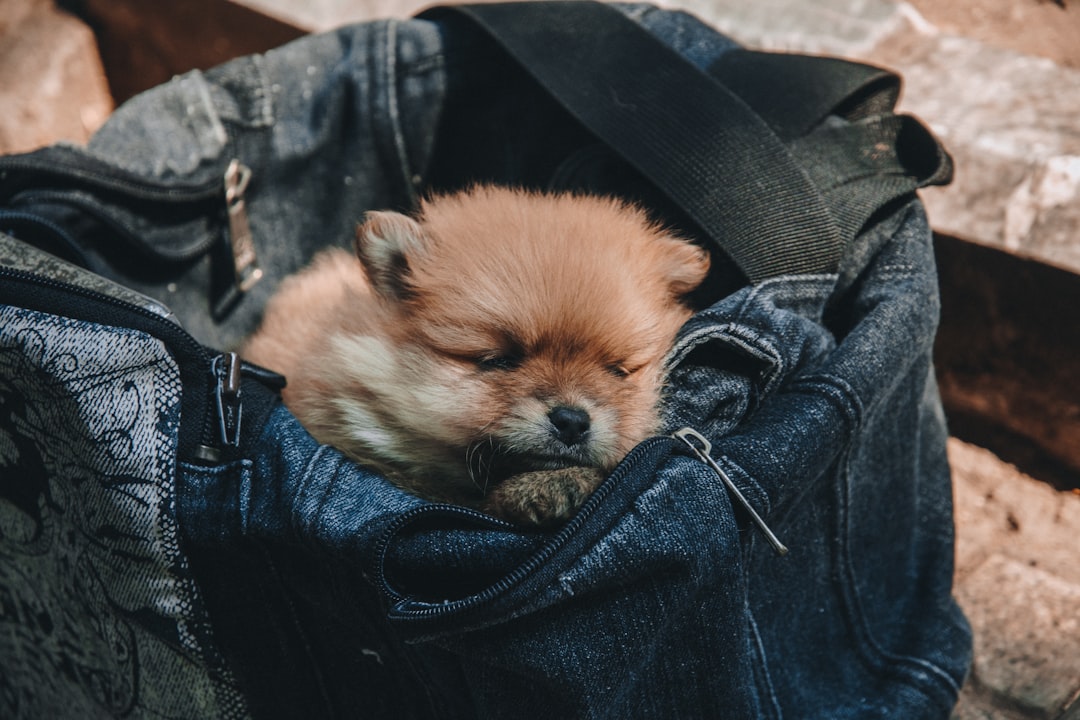
Have you ever looked into your dog’s eyes and wondered just how much they hold onto, deep in their hearts? Dogs are masters at reading our every move—the wag of your finger, the tone of your laugh, the comfort of your hug. But beneath those wagging tails and eager licks, there’s a world of emotion and memory that runs deeper than many of us realize. These loyal companions don’t just remember the big moments; they tuck away the small, tender things, too. Let’s open up the treasure chest of what your dog will never forget about you—and maybe see your bond in a whole new light.
The Sound of Your Voice
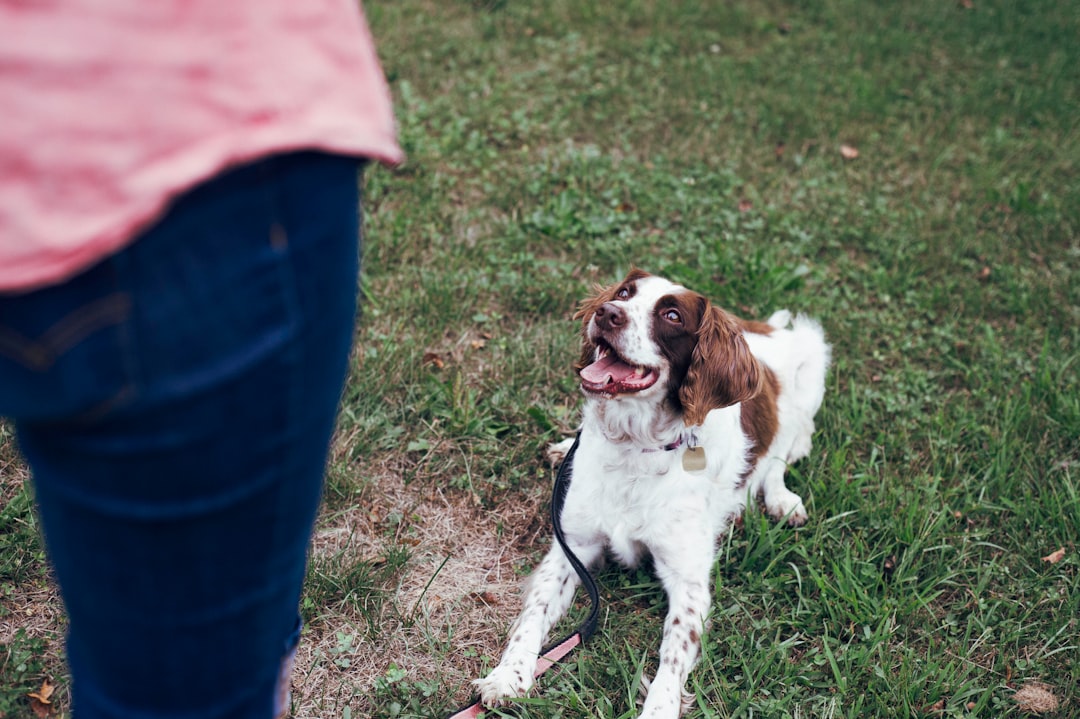
Dogs learn to recognize our voices faster than most people think. Whether you’re calling them in for dinner or just chatting away while folding laundry, your unique tone, accent, and rhythm become music to their ears. It’s not just about commands—your voice offers comfort, excitement, and even reassurance on a tough day.
Ever noticed your dog perking up when they hear you from another room, even if you’re not saying their name? That’s not an accident. Scientific studies show that dogs process familiar voices much like we process the voices of loved ones. They associate your sound with safety, love, and home.
The Way You Make Them Feel Safe
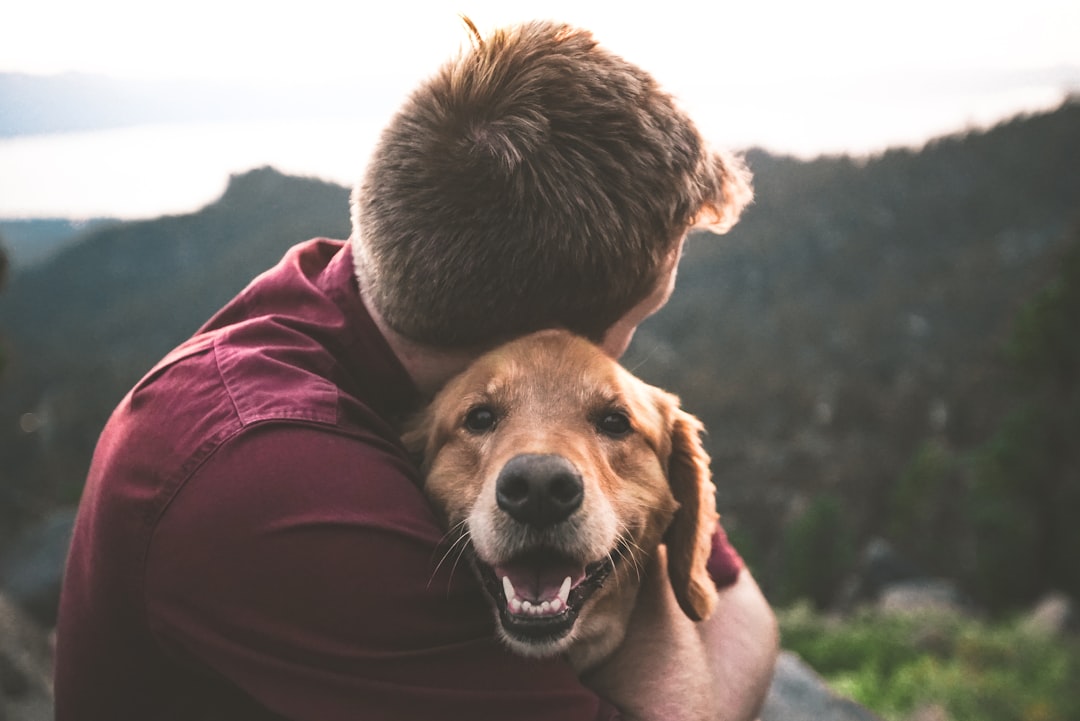
Safety isn’t just about a roof over their head—it’s about the warmth of your arms and the steadiness of your presence. Dogs remember those times you scooped them up during a thunderstorm, or let them curl up beside you after a scary noise outside. These moments build a deep sense of trust and security.
If your dog leans into you during stressful times, it’s a sign they remember the comfort you’ve given before. A dog that feels safe will often make more eye contact and relax around you, showing that you’re their anchor in a sometimes unpredictable world.
Your Scent
To a dog, your scent is like your personal signature. It’s more powerful than any photo or voice message. Even after a long day away, your dog can pick you out from a crowd with just one sniff. This isn’t just a quirky trait—it’s how they connect memories and emotions to you.
Dogs have been known to sleep on worn clothes or shoes when their humans are gone. It might seem funny, but it’s their way of holding onto you. Your scent is comfort, and they’ll remember it long after you’ve left the room.
The Times You Played Together
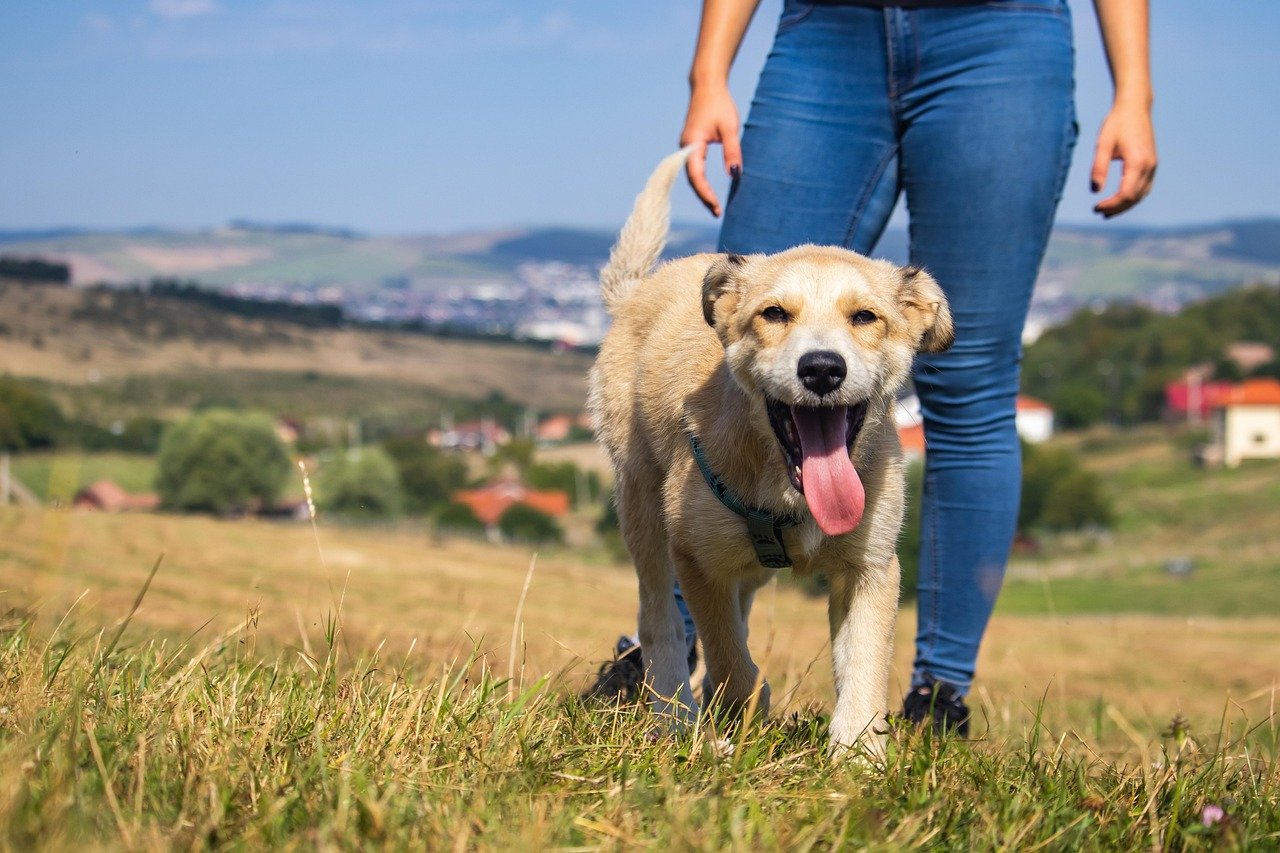
Play isn’t just a way to burn off energy—it’s how your dog bonds with you and learns about trust and joy. Dogs remember the games you play, whether it’s fetch in the backyard or a goofy game of tug-of-war with an old sock.
These shared moments create emotional memories that stick around. If you suddenly grab a favorite toy, you might see your pup’s eyes light up, tail wagging in anticipation. That’s not just excitement—it’s recognition of happy, playful times you’ve shared.
Your Routine and Habits
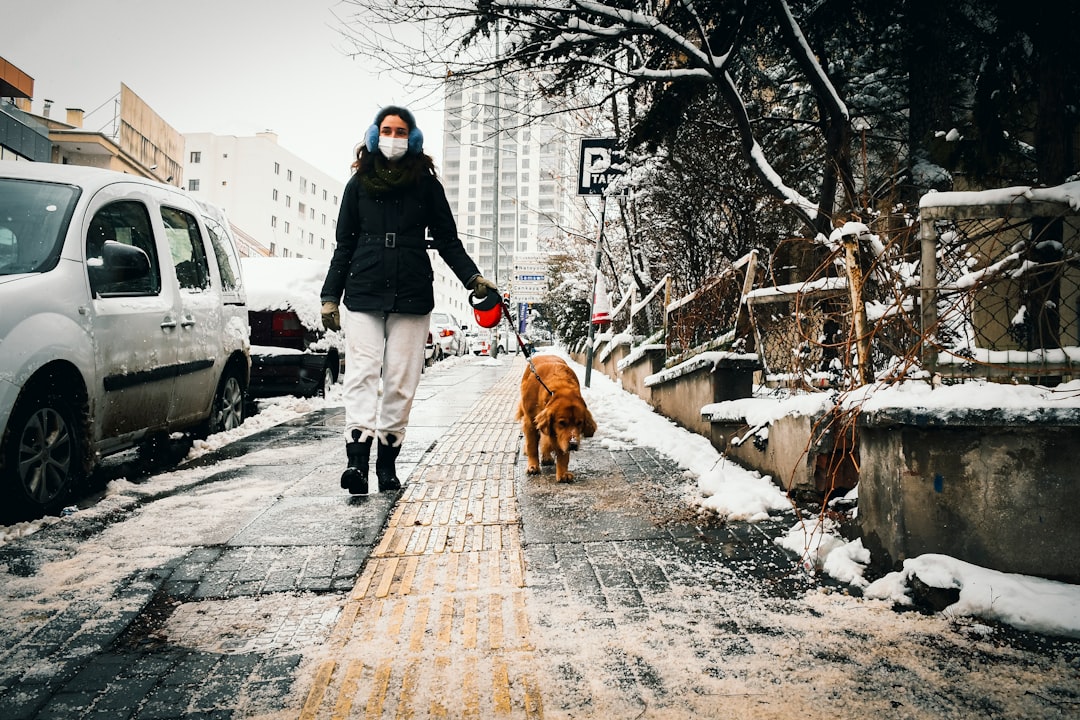
Dogs are creatures of habit, and they quickly memorize your daily routines. From the jingle of your keys in the morning to the sound of your shoes at night, they pick up on patterns fast. These cues help them feel secure and mentally prepared for what’s next.
If your routine changes, you might notice your dog acting out of sorts or looking for you at the usual time. This shows just how closely they watch and remember your habits, reinforcing the bond you share through everyday rituals.
The Way You Show Affection
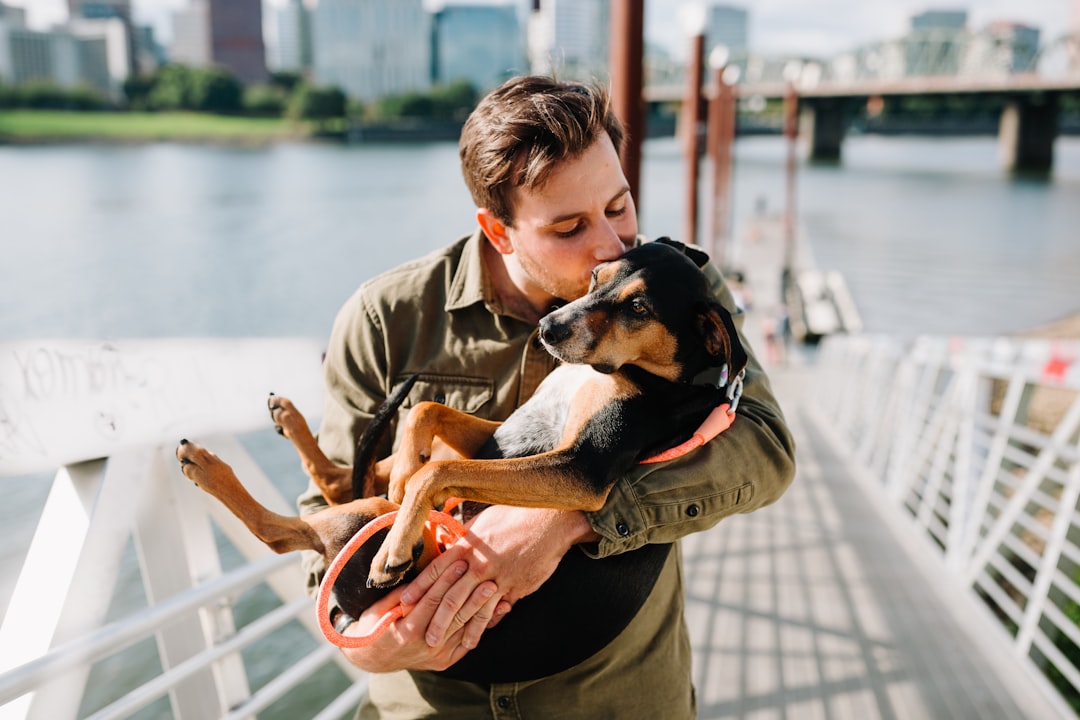
Every dog has a favorite way to be loved—some adore belly rubs, others prefer gentle pats or scratch behind the ears. Dogs don’t just remember that you love them; they remember how you show it. The specific way you reach out, the softness in your touch, leaves a lasting imprint.
Sometimes, when you’re feeling down, your dog will nuzzle up to you, mimicking the affection you’ve given them in the past. That’s their way of saying, “I remember how you made me feel, and I want to do the same for you.”
How You React When They’re Sick or Hurt
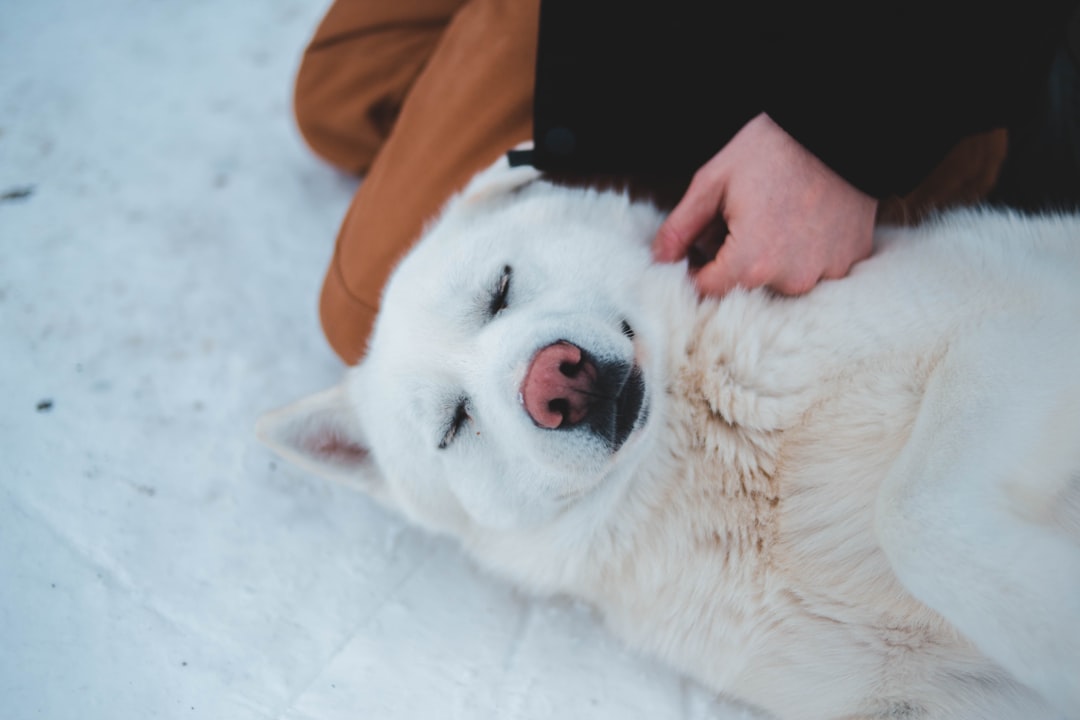
Dogs notice when you’re more gentle or attentive during their rough days. If you’ve ever comforted your pup through illness, injury, or surgery, they remember the extra care and patience you gave. These moments reinforce their sense of safety with you.
A dog recovering from illness may follow you more closely or seek extra reassurance. Paying attention to subtle health cues, like changes in appetite or behavior, can help you act quickly—showing your dog that you’ll always be there when it matters most.
The First Time You Met
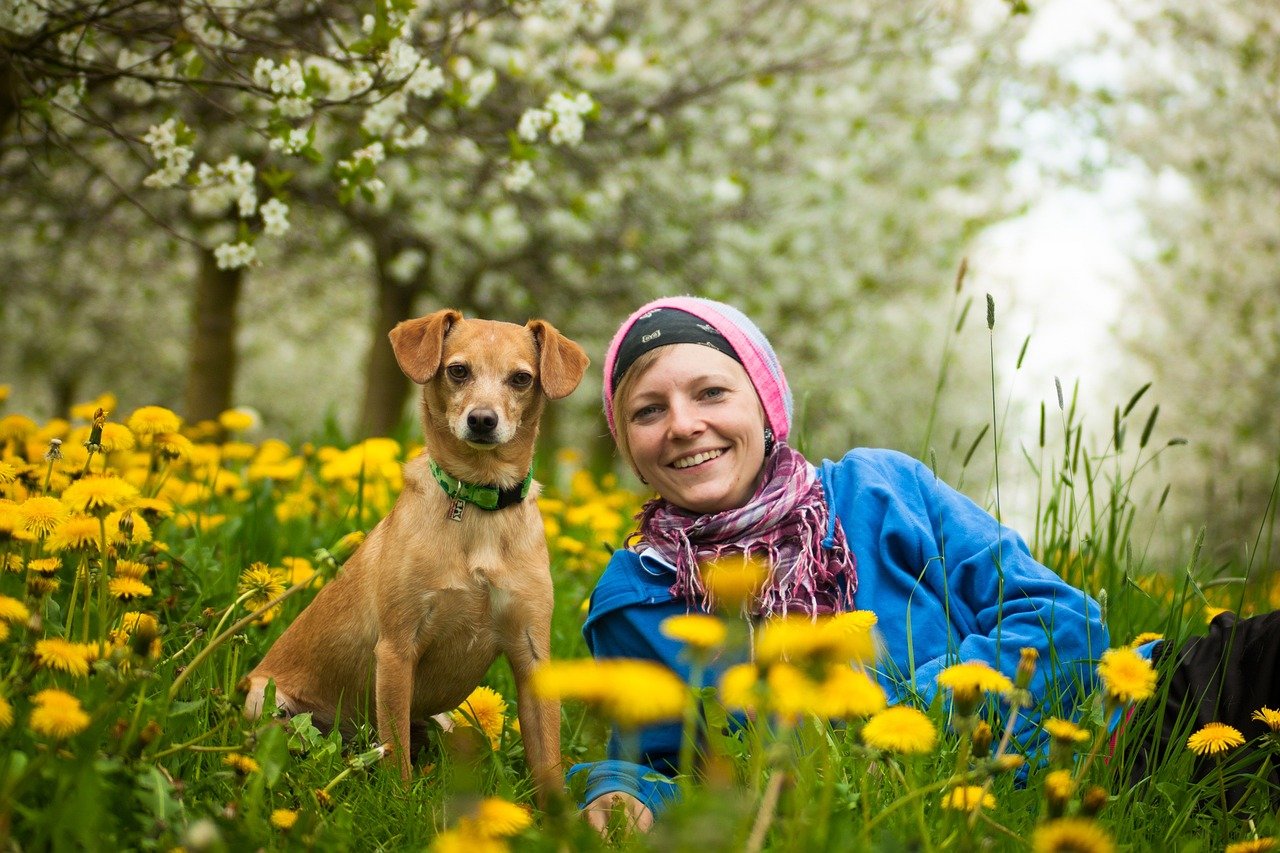
The introduction between a dog and their human can be a defining moment. Dogs often remember the first time you knelt down, offered your hand, or shared a treat. These early interactions shape their trust and affection going forward.
If your dog was shy or nervous at first, your patience and understanding set the tone for your relationship. Over time, these memories help shape how they approach new people and experiences, always looking back to those first moments with you.
Your Emotional Ups and Downs
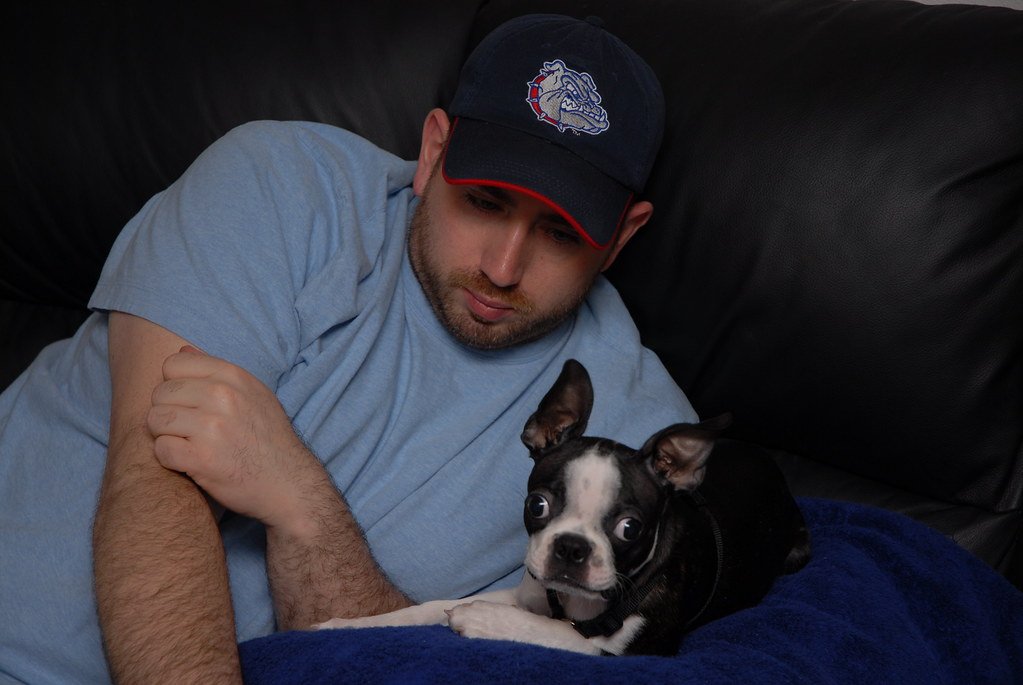
Dogs are emotional sponges—they can pick up on your moods with surprising accuracy. If you’re stressed, sad, or happy, your dog feels it alongside you. This emotional awareness isn’t just instinct; it’s built from years of watching, listening, and responding to you.
Dogs may offer comfort when you’re upset, or join in your celebrations when you’re happy. Their memory of your emotions helps them know when to nuzzle close or give you space, becoming the ultimate empathetic companion.
How You Say Goodbye
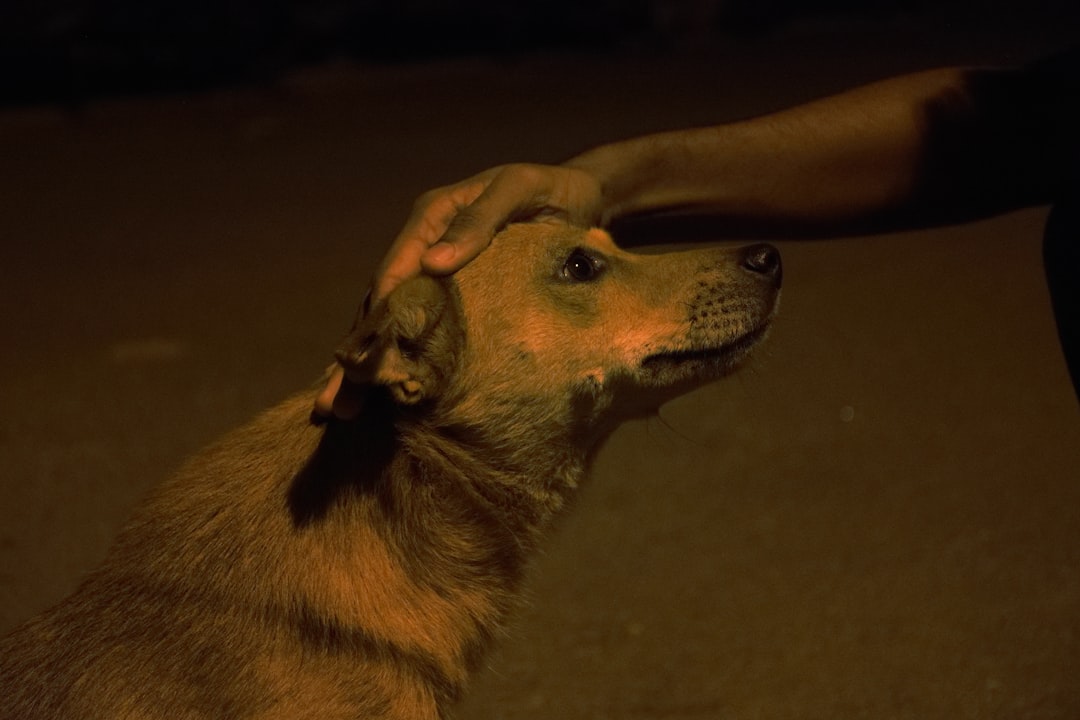
Goodbyes, whether for a few hours or much longer, etch themselves into a dog’s memory. The way you leave—whether with a cheerful “see you soon” or a quiet, worried glance—affects how they handle your absence. Dogs that know you’ll always come back tend to wait patiently, while those who sense uncertainty may become anxious.
To ease separation, keep your goodbyes consistent and calm. Leaving a favorite toy or a piece of clothing can help your dog remember that you’ll return, helping them cope with time apart and strengthening the trust you’ve built together.


