
There is a particular kind of silence that settles into a home when loneliness takes hold. It is heavy, almost physical. You notice it in the mornings before the world wakes up, and you feel it again at night when the day ends and there is no one to talk to. It is one of the most universal human experiences, yet one of the least talked about.
What if the most powerful antidote to that silence has four legs, a wagging tail, and an uncanny ability to sense exactly when you need them most? Social isolation and loneliness are a growing public health epidemic. Yet quietly, reliably, dogs have been stepping into that gap for thousands of years. Let’s dive in.
1. They Fill the Silence With Presence That Actually Feels Like Company

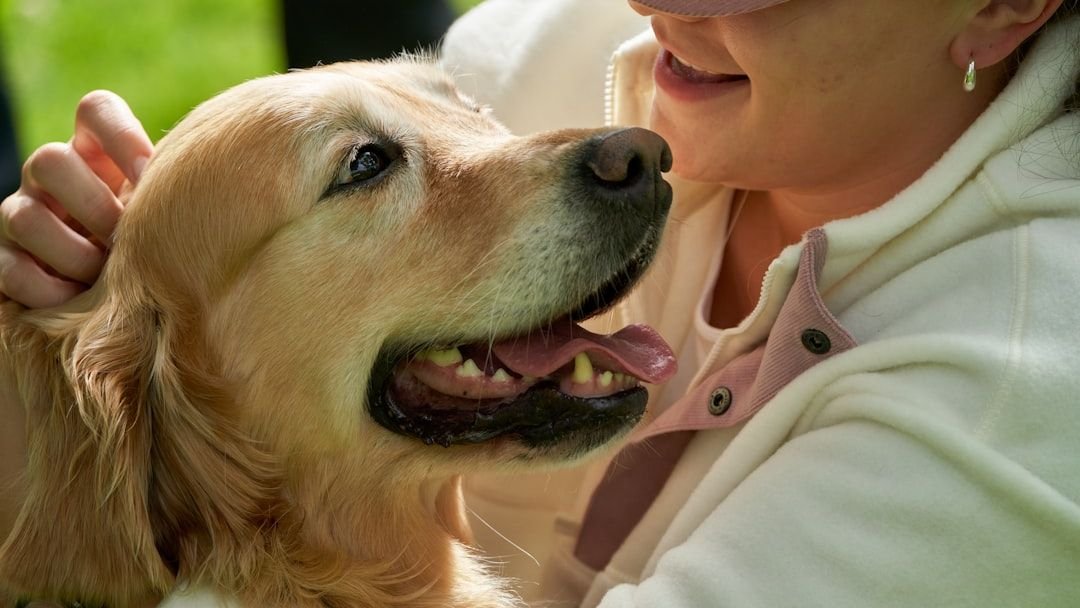
Loneliness is not just about being physically alone. It is about feeling unseen. A dog changes that equation the moment it walks into a room. Their steady breathing, their warmth pressed against your leg, the soft thump of a tail on the floor – all of it communicates something simple but profound: you are not alone right now.
A widely used theoretical framework to explain such beneficial effects of animal companionship on humans is the Attachment Theory, which assumes that humans have a need of being attached or belonging to someone. Pets may partly satisfy these needs as well, providing some kind of social support that was shown to be related to physical and mental health variables. Think of it this way: a dog is like a living, breathing anchor in a sea of emptiness.
2. They Trigger Real, Science-Backed Happiness Chemicals in Your Brain

Here’s the thing – this is not just emotional softness. There is hard biology at work. The act of petting a dog actually releases serotonin and dopamine, the most recognizable “feel good” hormones or chemicals we can create naturally. People battling grief or depression are often running low on exactly these chemicals.
A number of studies have shown that when dogs and humans interact with each other in a positive way (for example cuddling) both partners exhibit a surge in oxytocin, a hormone which has been linked to positive emotional states. So when your dog curls up beside you on the couch during a hard evening, your brain is literally being chemically repaired. That is extraordinary if you think about it.
3. They Give You a Reason to Get Up Every Single Morning

Grief and loneliness have a sneaky way of making even simple tasks feel pointless. Getting out of bed can feel like lifting a mountain. A dog dismantles that wall one wagging tail at a time. Many individuals credit their dogs with giving them a reason to get up in the morning, reinforcing a sense of purpose and meaning in life.
Taking care of a dog instills structure, responsibility, and purpose in daily life. This is particularly beneficial for individuals facing mental health challenges, grief, or major transitions. There is something deeply grounding about knowing that another living creature depends on you completely. It is purpose, delivered without a single word.
4. They Read Your Emotional State Better Than Most Humans Do
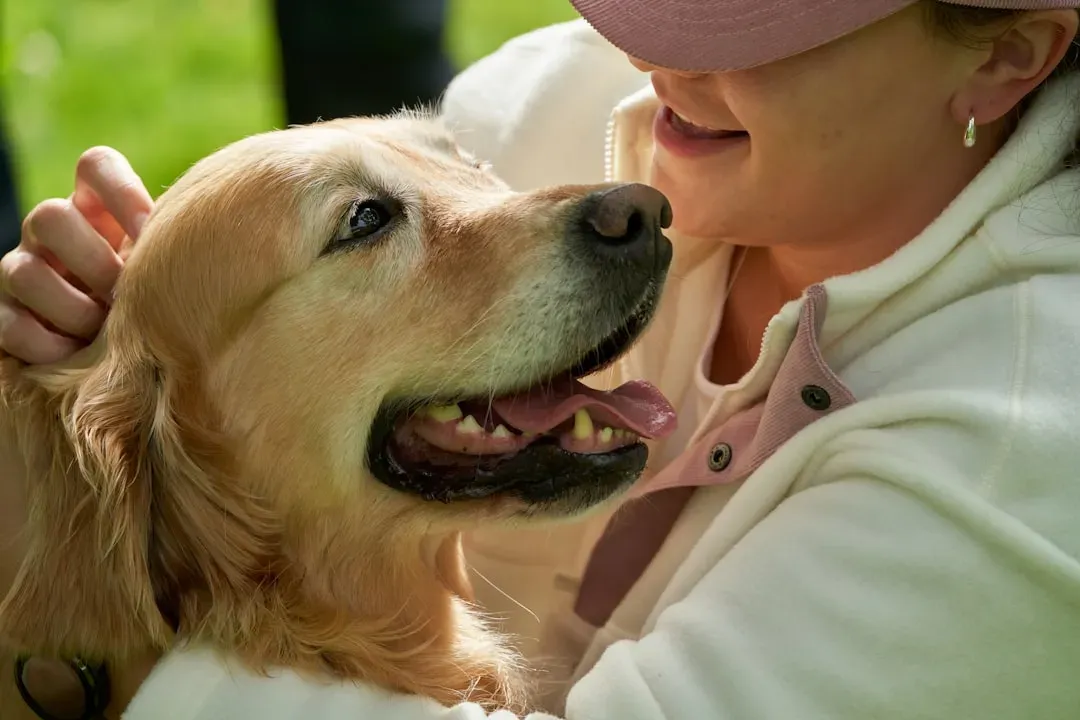
Honestly, I think dogs have a kind of emotional intelligence that most people underestimate. Pets have evolved to become acutely attuned to humans and our behavior and emotions. Dogs, for example, are able to understand many of the words we use, but they’re even better at interpreting our tone of voice, body language, and gestures. That is not a small thing. That is a lifetime of tuning in to you.
It appears as if the owners and the dogs could mutually sense the other’s emotional state based on an increased ability to read the other’s behavioral cues. So when your dog rests their head on your lap during a quiet cry, it is not a coincidence. They felt the shift in you before you even reached for a tissue.
5. They Create a Safe Space to Speak Your Heart Without Judgment

Sometimes the things we carry during grief are simply too tender to share with another person. Fear of being misunderstood. Fear of being a burden. Dogs remove both fears instantly. Pets can serve as a safe space for individuals to express their emotions. Many pet owners report talking to their pets about their feelings, which can provide a safe form of emotional release. This practice can help individuals process their emotions without fear of judgment, leading to improved emotional health.
In fact, roughly about two thirds of owners talk openly to pets about fears or grief, a healthy emotional outlet. Speaking your pain aloud, even to a dog tilting its head at you with those warm eyes, can be genuinely cathartic. It is like therapy, except your co-therapist occasionally licks your nose.
6. They Pull You Outdoors and Back Into the World

Loneliness has a way of keeping people inside, both literally and figuratively. Dogs are a natural antidote to that withdrawal. Inability to leave the house is a common symptom of loneliness, so having to walk a dog once or twice daily encourages outside physical fitness, lowers rates of obesity, and increases the frequency and likelihood of real life human-human interactions.
Those daily walks matter more than people realize. Daily walks with pets release endorphins, the brain’s natural ‘feel-good’ chemicals, and studies have shown that this activity can have mood-lifting effects comparable to low-dose selective serotonin reuptake inhibitors (SSRIs), which are commonly prescribed medications for treating depression. In other words, a morning walk with your dog is not just exercise. It is medicine.
7. They Bridge the Gap Between You and Other People

Here is something that might surprise you. A dog does not just ease the loneliness between you and them; they actively help you reconnect with other humans too. Having a dog by your side is often the ultimate conversation starter, igniting connections, thus reducing feelings of social isolation. Think of every warm smile a stranger has given you because of your dog at the park.
Having pets creates communities, whether through dog parks, pet training classes, or online forums. Studies have found that these pet-facilitated social connections can help buffer against the negative impacts of loneliness and social isolation. Your dog is quietly matchmaking for you, one hello at a time. That is almost too sweet to believe.
8. They Reduce the Physical Toll That Loneliness Takes on Your Body

Most people think of loneliness as purely an emotional problem. It is not. Research shows that loneliness can increase your risk of several different mental and physical health conditions, including depression, heart disease, arthritis, and type 2 diabetes. The body keeps the score of isolation. Dogs can help offset that damage in ways that are surprisingly measurable.
The main biological benefits pets generously give us include relieving stress, lowering heart rates and blood pressure, plus helping us become physically active, directly reducing the risk of mortality, and even helping us cope with physical and emotional situations, including pain. Your dog is essentially a warm, furry cardiovascular health intervention walking around your living room.
9. They Are Proven Allies for the Most Vulnerable Among Us

It is worth knowing that the latest research confirms what dog lovers have always felt in their bones. The Human Animal Bond Research Institute (HABRI) and Pet Partners announced results of a randomized clinical trial that indicate the presence of a therapy dog contributes to greater immediate improvement in loneliness for psychiatric inpatients than visits from another person, or standard care alone. Let that sink in. A dog outperformed human company in reducing loneliness in a clinical setting.
Loneliness was found to decrease significantly more in the group that received an animal-assisted intervention than in the other groups. Patients who were dog owners in the AAI group also experienced more lasting reductions in loneliness relative to the other two groups, suggesting that dog visitation, not just human visitation, is especially helpful for this population. For those of us navigating our darkest seasons, that is genuinely hopeful news.
10. They Simply Love You Back – Consistently, Unconditionally

There is no love quite like it. No conditions, no moods, no fine print. Companionship can help prevent illness and even add years to your life, while isolation and loneliness can trigger symptoms of depression. Caring for an animal can help make you feel needed and wanted, and take the focus away from your problems, especially if you live alone. That feeling of being needed is powerful medicine for a grieving heart.
Beyond basic care, spending intentional time with a dog, teaching them new tricks, engaging in play, or simply sharing quiet companionship, can reinforce emotional well-being and deepen the connection. The beauty of a dog’s love is its absolute consistency. On your worst days, they do not love you less. They may actually love you more.
Final Thoughts: Your Dog Already Knows What You Need

Loneliness is a real and serious grief. It deserves to be taken seriously. While traditional support systems like therapy and medication play crucial roles in mental health care, research has unveiled another powerful source of emotional support: our animal companions. Multiple studies have shown that pets can deeply impact our psychological wellbeing, from reducing anxiety and depression to providing a sense of purpose and connection.
Your dog cannot fix a broken relationship, bring back a lost loved one, or erase a hard chapter in your story. That is not their job. Their job is to stay beside you while you find your way through it. People feel connected to and supported by their pets. This reduction in loneliness leads to better health benefits and satisfaction in life.
The next time your dog nudges their nose under your hand, or follows you quietly from room to room, remember what the science now confirms what your heart already suspected. They are not just keeping you company. They are actively, biologically, emotionally supporting your healing. There is something profoundly moving about that, is there not?
Have you ever felt like your dog just “knew” you were struggling before you even said a word? Tell us your story in the comments – we would love to hear it.


