
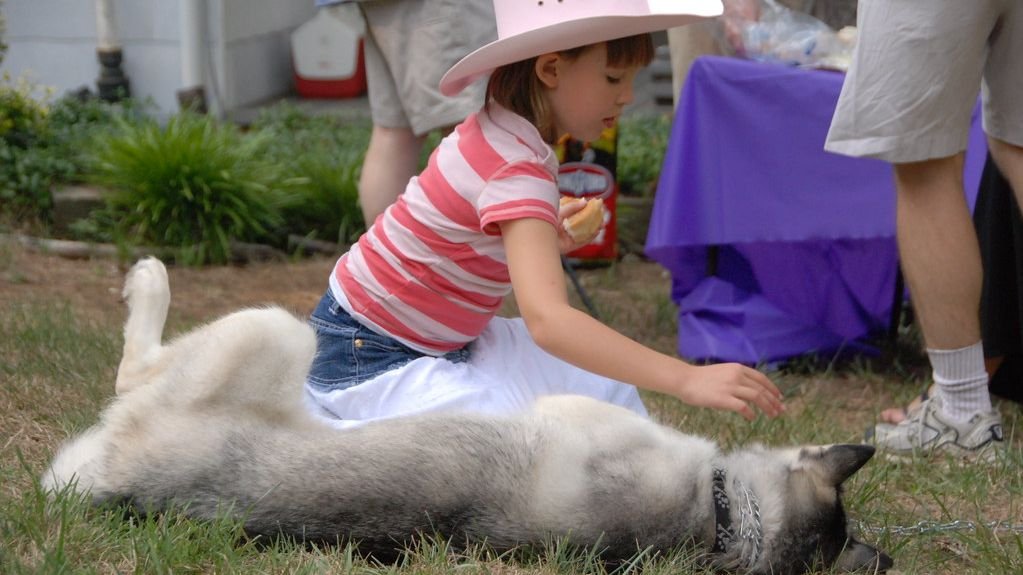
Picture this: you’re out on a Sunday morning walk with your dog, feeling great, coffee in hand, when suddenly your pup spots a squirrel and bolts straight toward a busy road. Your heart drops. In that split second, one word, one well-practiced command, could be the difference between a scare and a tragedy.
Dog training isn’t just about impressing people at the dog park. It’s about building a shared language between you and your best friend, a language built on trust, clarity, and love. Teaching your dog essential commands is about so much more than showing off how well-behaved they are. These basics can actually keep your dog safe. Whether you have a brand-new puppy or a spirited adult rescue, the ten commands below are your starting point. Let’s dive in.
1. Sit: The Gateway to Everything Else
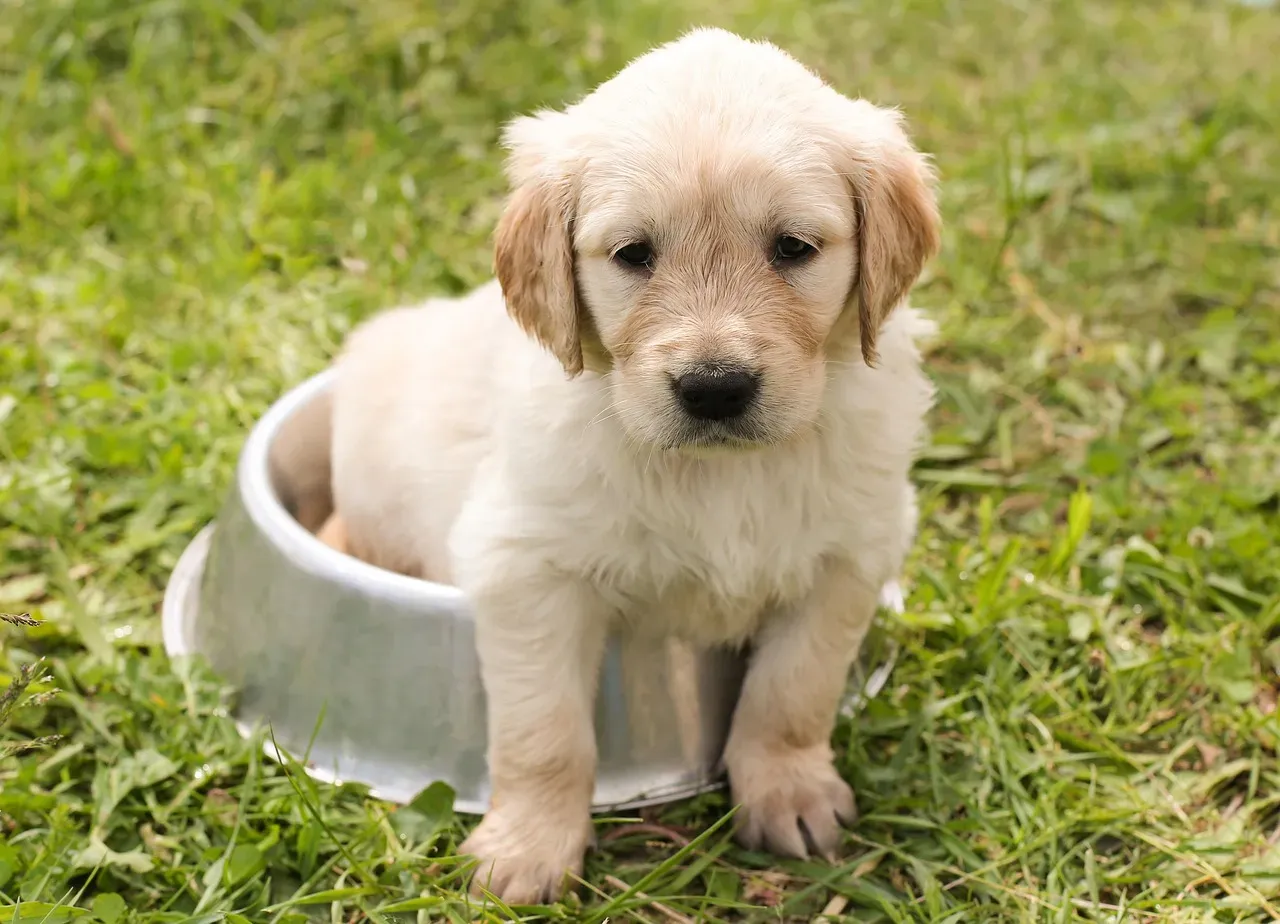
Honestly, if there’s one command that lays the foundation for almost every other behavior, it’s “Sit.” The “Sit” command is often the first command taught and serves as the foundation for many other behaviors. Think of it like the alphabet before reading. You cannot skip it and expect everything else to work.
Teaching your dog to sit can help manage unwanted behaviors. For example, a sitting dog can’t jump, so you can train your dog to sit when you walk in the door to avoid jumping greetings. That alone saves a lot of embarrassment when guests arrive. Practical, simple, and immediately useful.
To teach it, hold a treat close to your dog’s nose and slowly move it upward and over their head. As your dog’s head follows the treat, their bottom will naturally lower to the ground. As soon as they sit, say “Sit” and reward them with the treat. Repeat this in different rooms, outdoors, and around mild distractions to make it truly reliable. Consistency is everything here.
2. Stay: The Command That Could Save a Life
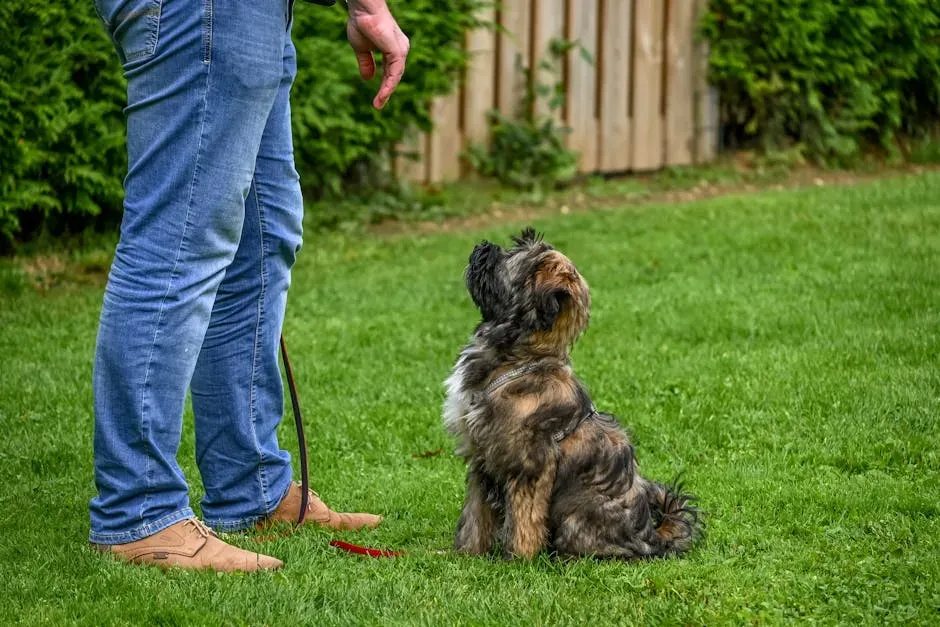
Let’s be real, “Stay” is one of the most underrated yet critically powerful commands in your entire training toolkit. Arguably the most important command to teach your dog, “stay” will come in handy daily. For their safety and the safety of others, “stay” needs to be taught at an early age.
The “stay” command is crucial for keeping your dog safe in various situations. It’s especially helpful when you need your dog to remain in one place, such as when you’re answering the door, crossing a road, or during off-leash activities like hiking or picnicking. Imagine your dog staying calmly at the edge of a trail while a cyclist flies past. That is the dream, and it’s totally achievable.
Start training your dog to stay for only a few seconds, giving them a verbal and visual cue and rewarding them only before they move. If they move, do not reward them and try again. Gradually increase the amount of time and distance you ask them to stay in place. Patience is the secret ingredient. Think of it like building a muscle, slow and steady wins every single time.
3. Come: Your Dog’s Emergency Recall Button
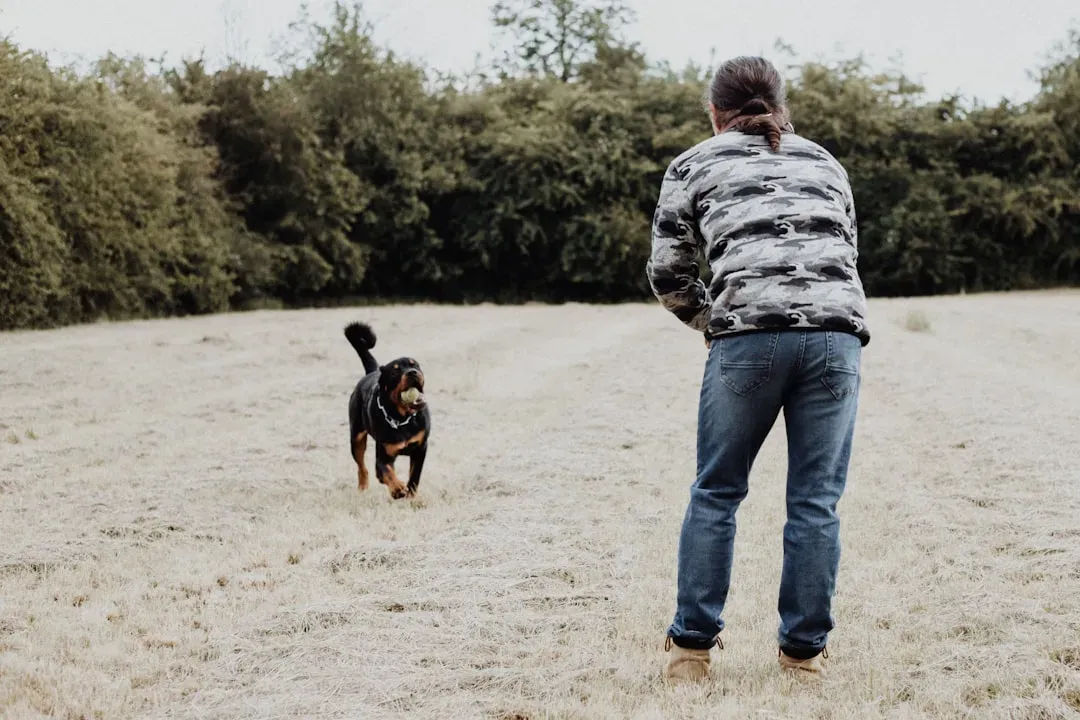
If “Stay” is the seatbelt, “Come” is the airbag. For your dog’s safety, “come” should be one of the first commands you teach them. It can save their life if they start to run off or get into an unsafe area. This command is your loudest, clearest line of communication in a moment of panic.
Whether your dog has wandered toward a busy street, spotted something toxic on the ground, or encountered an aggressive animal, “come” gets them back to safety fast. This is especially crucial for off-leash situations or if your dog ever escapes. I think every dog owner has had at least one heart-stopping moment where they wished their dog had a better recall. Don’t wait for that moment to start practicing.
Begin recall training on a long leash in a calm area. Use a happy, upbeat voice, never call your dog to you for something unpleasant like a bath or a nail trim, especially in the early stages. You want “Come” to mean the best thing in the world is about to happen. Simply put your dog on a leash and say the command while you tug lightly on their leash. When they come to you, reward them with a treat. This direction will take consecutive days of training, so be patient.
4. Down: Calm in the Chaos
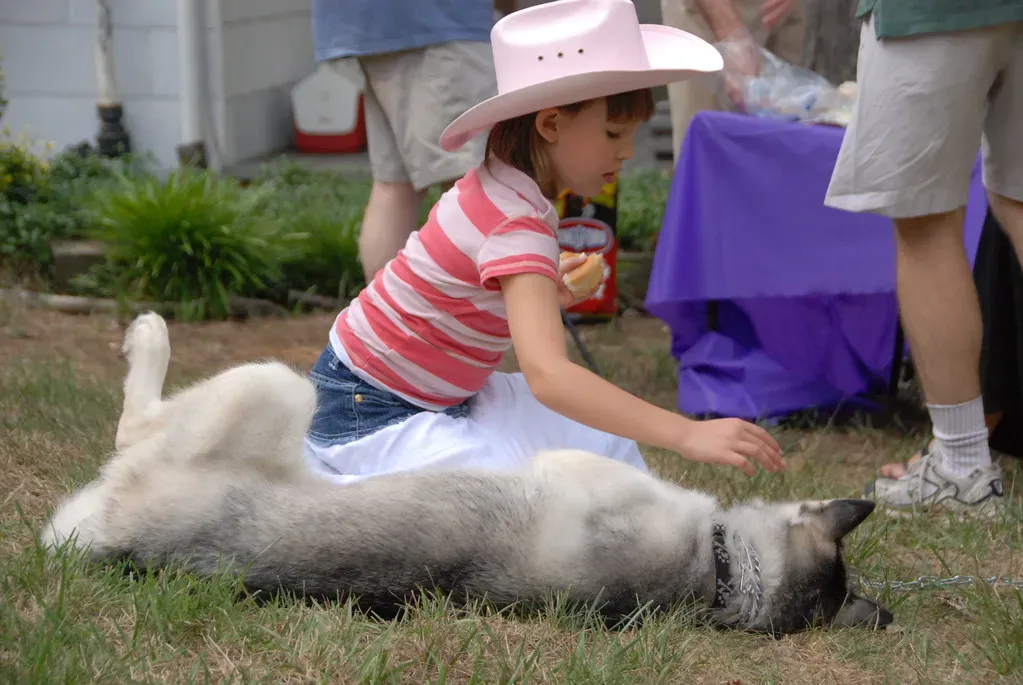
“Down” goes a step further than “Sit” and puts your dog in a fully relaxed, submissive posture. Similar to sitting, lying down helps to avoid bad behavior like counter surfing and running away. It’s also a wonderfully calming position for an overexcited dog who needs to take a breath, quite literally.
The “Down” command is a tricky command to teach, but a great one for your dog to know. Not only does it look cute, but it is important for when your dog gets a little too excited. Picture a dinner party where your dog lies quietly beside the table instead of begging for scraps. Yes, that life exists, and this command gets you there.
To teach it effectively, while your dog is sitting, move a treat from in front of their nose down to their front paws. Move the treat along the floor away from your dog until they lie down. Try training this command when your dog is tired, as they are already more likely to be on the ground, so all you have to do is mark the behavior with a verbal cue and reward. Smart timing makes a huge difference.
5. Leave It: Stop the Danger Before It Starts
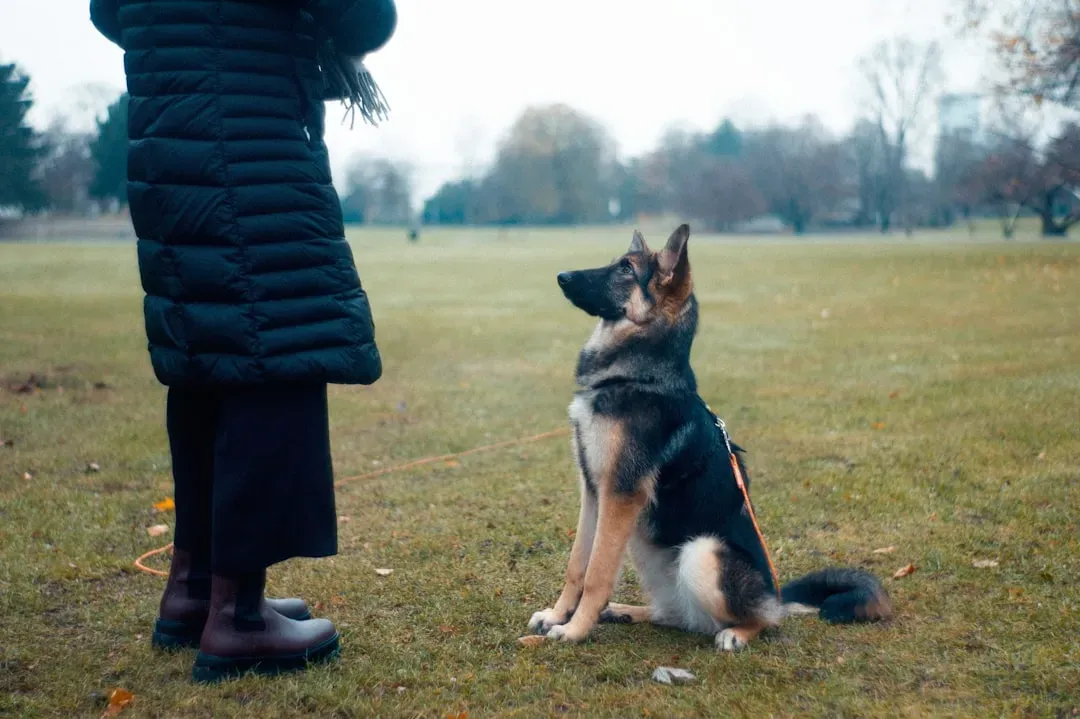
Dogs are curiosity machines on four legs. They will sniff, mouth, and investigate almost anything, including things that could genuinely harm them. If you catch your dog before they’ve picked up something, the “leave it” command can prevent them from eating anything harmful or destroying important items. Think chicken bones on the sidewalk, rat poison in a park, or your child’s toy that’s small enough to be a choking hazard.
The “leave it” command teaches your dog to avoid an interesting object. You can train “leave it” by presenting your dog with a fun toy or treat, and rewarding them with a different toy or treat when they ignore the first object on your command. It’s essentially teaching impulse control, and it transfers beautifully to real-world situations. Redirect your dog’s attention with treats or toys, use a verbal cue, and reward your dog when they ignore the object in favor of the treat you are offering.
6. Drop It: The Second Line of Defense
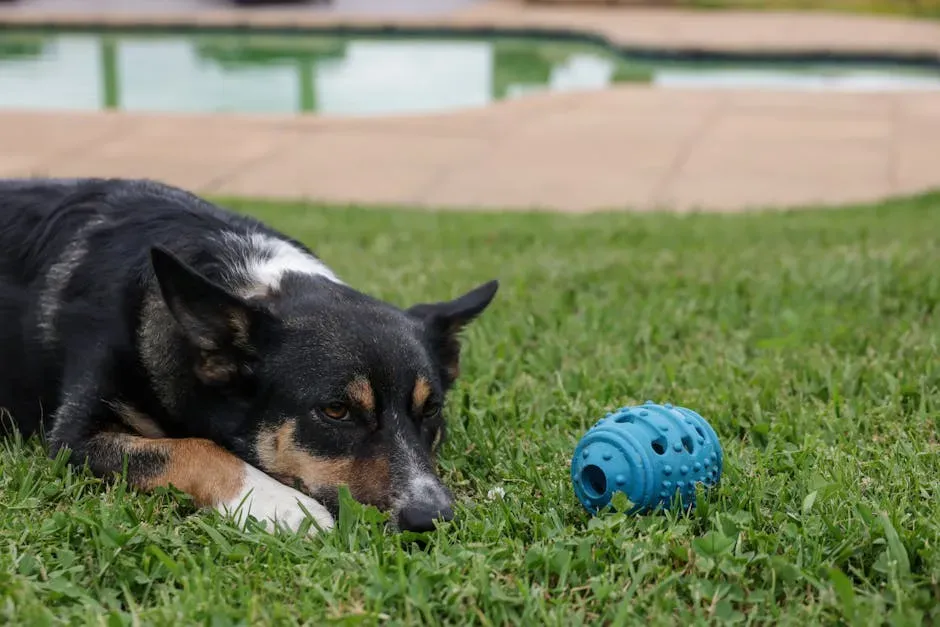
Sometimes “Leave It” comes too late and your dog already has something in their mouth. That’s where “Drop It” steps in as your second safety net. The “drop it” command teaches your dog to release objects from their mouth on command, preventing them from chewing or swallowing dangerous items. It’s helpful for ensuring your dog’s safety and preventing them from ingesting harmful objects or substances.
A dog that understands “drop it” won’t swallow that mysterious object they just picked up. It’s also a command that makes fetch so much smoother. Train it by making it a fair trade. Say “drop it” in a calm but assertive tone and offer a treat in exchange for the object. When your dog releases the object, praise them and give them the treat. Practice the “drop it” command with different objects, increasing the difficulty by degrees. Keep sessions fun and low-pressure.
7. Heel: Walk Like a Team, Not a Tug-of-War
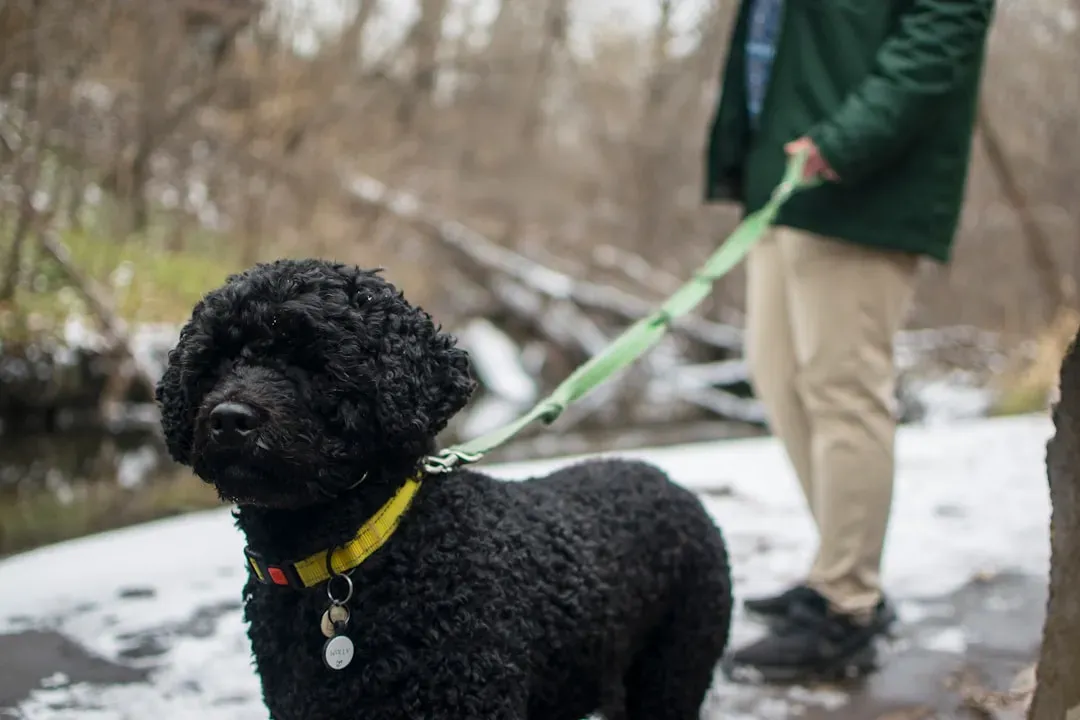
Raise your hand if you’ve ever returned from a walk with your shoulder practically dislocated because your dog pulled the entire way. Heel solves that. Teaching your dog to “Heel” is essential for walking calmly by your side. Start walking with your dog on a leash and use a treat to encourage them to stay beside you. Use the command “Heel” and reward them when they walk in the correct position. Gradually increase the duration of walks while maintaining the “Heel” position to reinforce this command.
A dog that heels is a dog you can safely walk through crowded sidewalks, past playgrounds, and around other animals. Leash training improves safety and makes walks more enjoyable. Dogs that learn to walk calmly are less likely to pull or react unpredictably. It transforms a stressful daily chore into a genuinely enjoyable bonding experience. That’s a win for everyone, including your shoulder.
8. Wait: Patience at the Door and Beyond

“Wait” is a close cousin to “Stay” but carries a slightly different energy. It teaches your dog to pause momentarily and check in with you before proceeding. The “Wait” command teaches your dog patience and impulse control. It can be a lifesaver, especially at doors or when crossing the street, preventing them from rushing into dangerous situations.
Think about this practically. Every time you open the front door, your dog has an opportunity to bolt. This is another command to help keep your dog from being a door dasher. It is similar to “stay” but you can apply it to many situations. Teach it at mealtimes by placing the food bowl down and asking for a “Wait” before releasing them to eat. Ask your dog to sit or lie down, then say “Wait” and take a step back. If they remain in place, return and reward them. Practice this command with increasing distances and distractions to strengthen their understanding.
9. No: The Clear Boundary Word
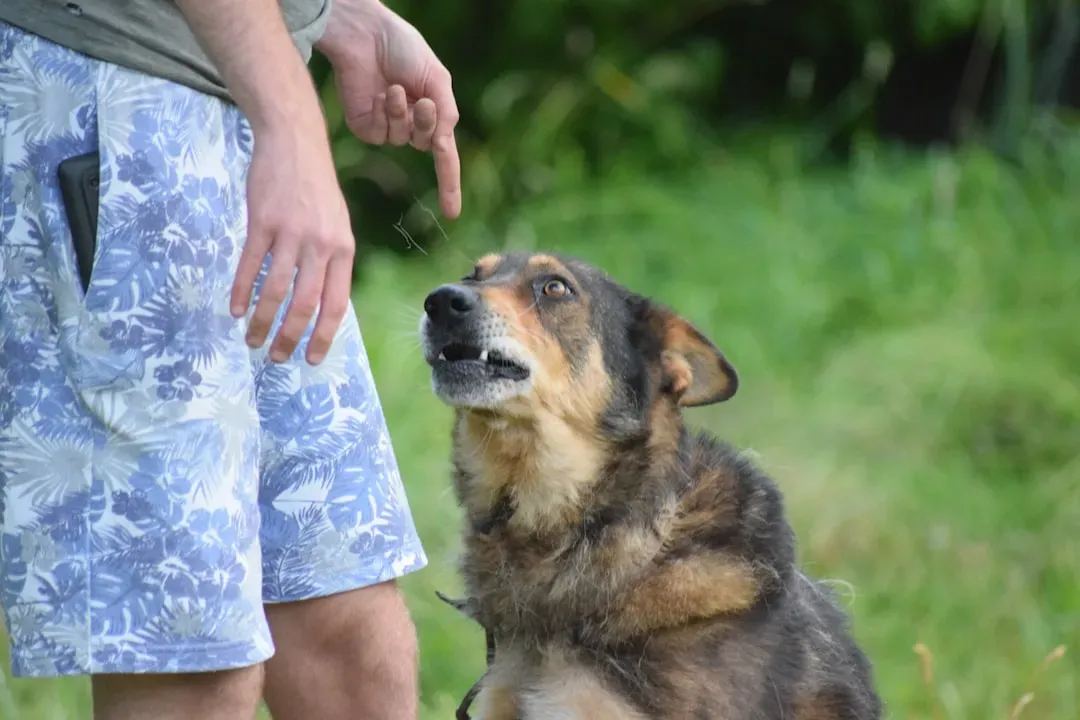
It’s hard to say for sure that any single word carries more weight in dog training than “No,” but it’s definitely a contender. Used correctly and calmly, it becomes one of the clearest signals you can give your dog that a behavior needs to stop immediately. The key word here is “calmly.” Screaming it does more harm than good.
This does not have to be spoken harshly. You can shake your head while saying “No,” which teaches your dog to watch you. When you say “No,” disengage from the dog by turning your head and not looking at them, or don’t interact with them for a few seconds. That withdrawal of your attention is often the most powerful consequence for a social animal like a dog. Pair it with redirection toward the correct behavior, and it becomes truly effective.
10. Go to Your Place: Your Dog’s Safe Haven Command
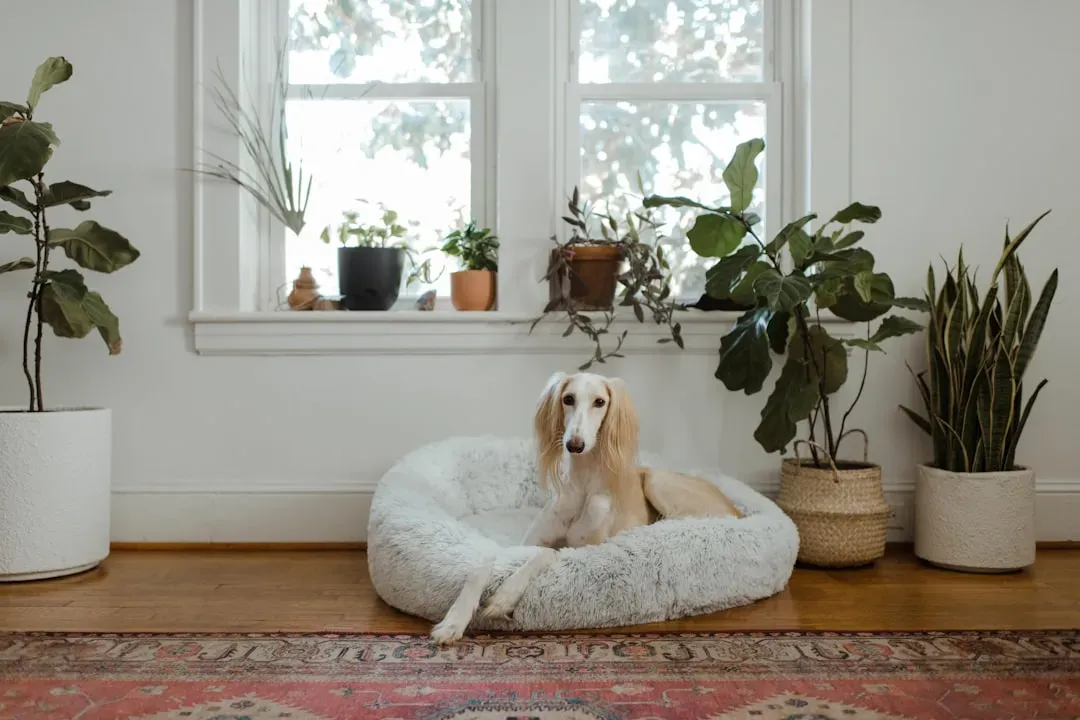
“Go to your place” or “Go to your spot” is one of those commands that feels almost magical once your dog has mastered it. The “Go to your spot” command helps your dog go to a designated place, such as a mat or bed. Use a treat to guide your dog to the chosen spot and say “Go to your spot.” Once they are on the spot, reward them. It gives your dog a defined space of calm in a world full of stimulation.
The “go to” command can refer to a mat, a blanket, a spot, or a crate, as long as it is a location that your dog associates with safety and calm. If something unexpected happens, a dog trained to go to an out-of-the-way location on command can easily be sent to safety while you deal with the situation. It also works wonders when guests arrive and your dog needs a moment to settle instead of charging the door. Over time, your dog will start retreating to their spot voluntarily when they feel overwhelmed. That’s emotional regulation at its finest.
Bringing It All Together: Training as an Act of Love
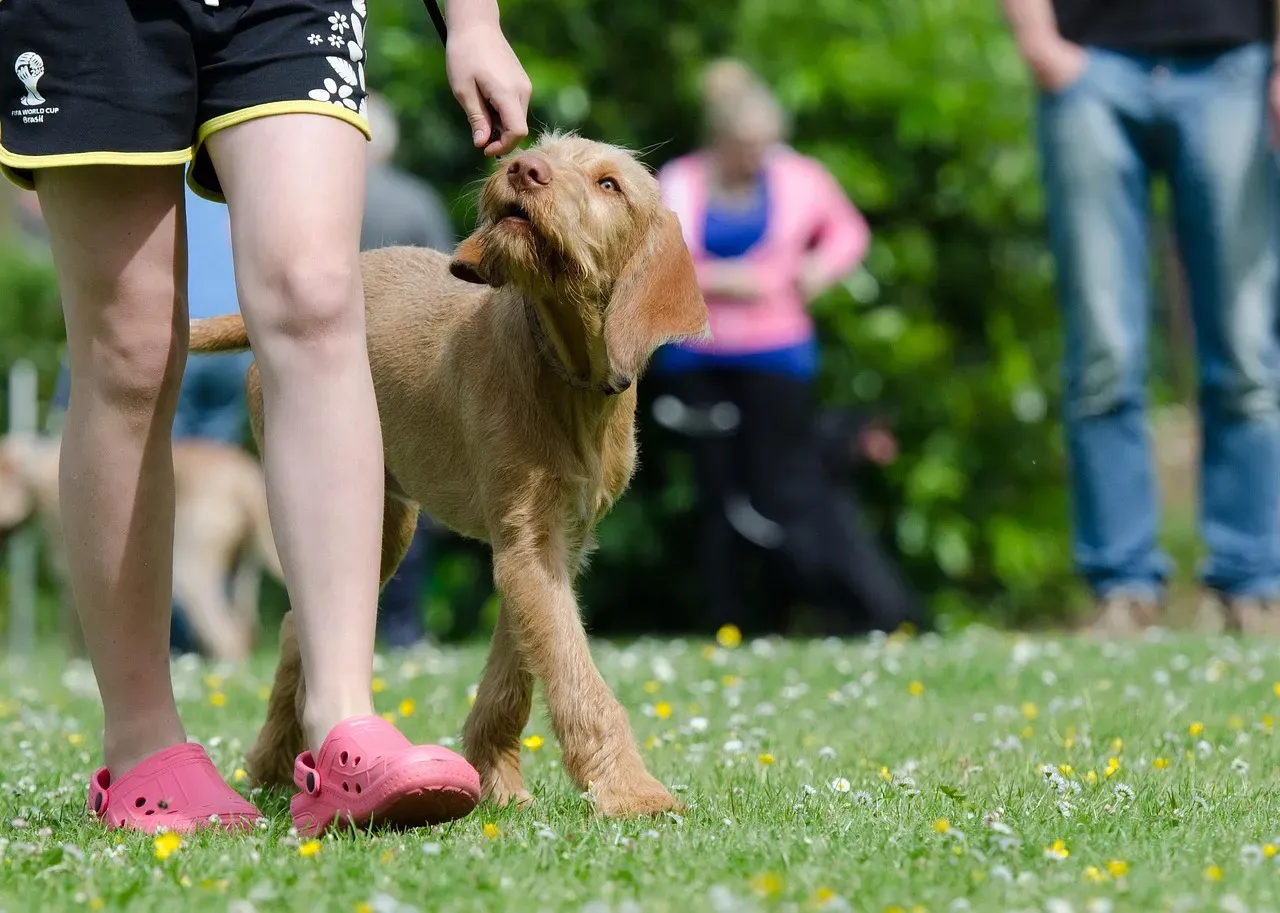
Here’s the thing most people don’t realize until they’re deep into the training journey. This is not about control. It’s about connection. Clear, consistent cues provide your dog with a sense of structure and predictability, which can help reduce stress and make them feel more secure in their environment. It’s also about connection. Training builds trust and helps your dog understand what you’re asking of them, which boosts their confidence and strengthens your relationship.
Dogs who receive daily training sessions show significantly fewer behavioral issues, and the investment of even ten to fifteen minutes a day pays off in years of peaceful, joyful co-existence. Training methods centered on positive reinforcement, like treat rewards, clicker training, and relationship-based approaches, are widely recognized as the most effective and humane. Studies show that dogs trained with reward-based methods display better obedience and fewer behavioral problems than those trained with punishment or aversive techniques.
Start with one command. Master it together. Then move to the next. Aim to practice all of them two to three times a day for ten to fifteen minutes at a time. It should take a couple of weeks for your dog to catch on, but once they do, you’ll be set for a lifetime. Every small win is a celebration worth having. You’re not just training a dog. You’re building a friendship that speaks its own quiet, powerful language.
So tell me, which of these ten commands are you starting with today? Drop your answer in the comments, and if you’ve got a story about a command that genuinely saved your dog’s life, we’d love to hear it.


