
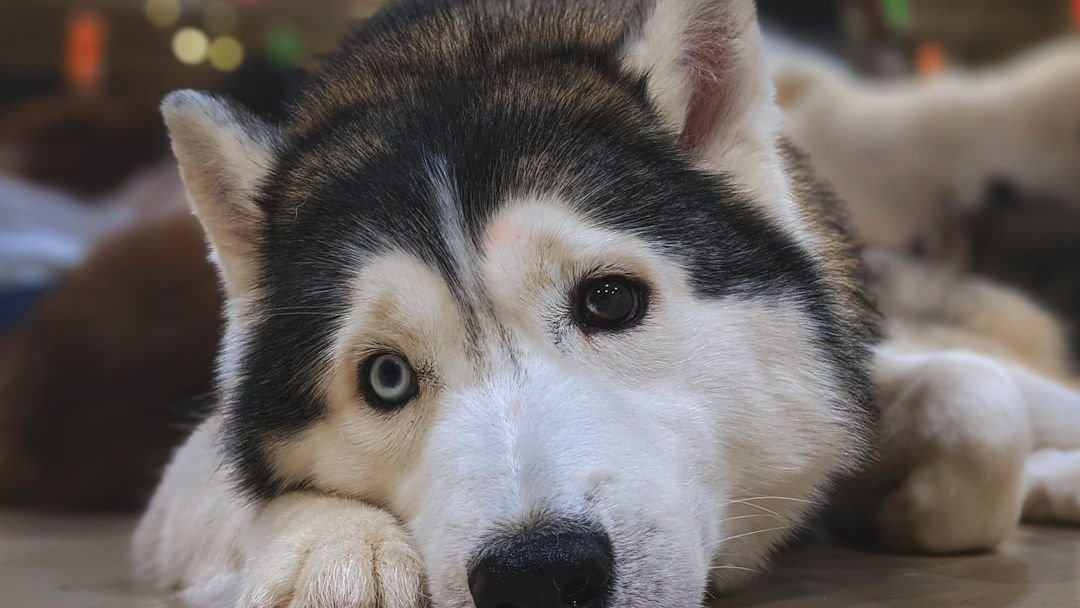
You think you know your dog. You see that wagging tail when you come home, the excited little dance before dinner, the contented sigh when they curl up beside you. They love you unconditionally, right? Here’s the thing though. While your furry best friend adores you to pieces, there are things you do every single day that drive them absolutely bonkers. They tolerate these habits because they’re polite like that, because they trust you, because they love you despite your well-meaning mistakes.
Dogs often tolerate behaviors they distinctly dislike, and misinterpretation can lead to dogs that are forced to endure undesirable behaviors which eventually can cause fearful, anxious and even aggressive responses. Think about it. Your dog can’t exactly sit you down and explain what bothers them. They can’t send you a text saying “Hey, could you maybe stop doing that thing with my head?” Instead, they communicate through body language that we often completely miss or misunderstand.
Let’s be real. Most of us mean well. We shower our dogs with what we think is affection and care, never realizing we might be making them uncomfortable. It’s time to decode what your dog has been trying to tell you all along. So let’s dive in.
Wrapping Them in Bear Hugs
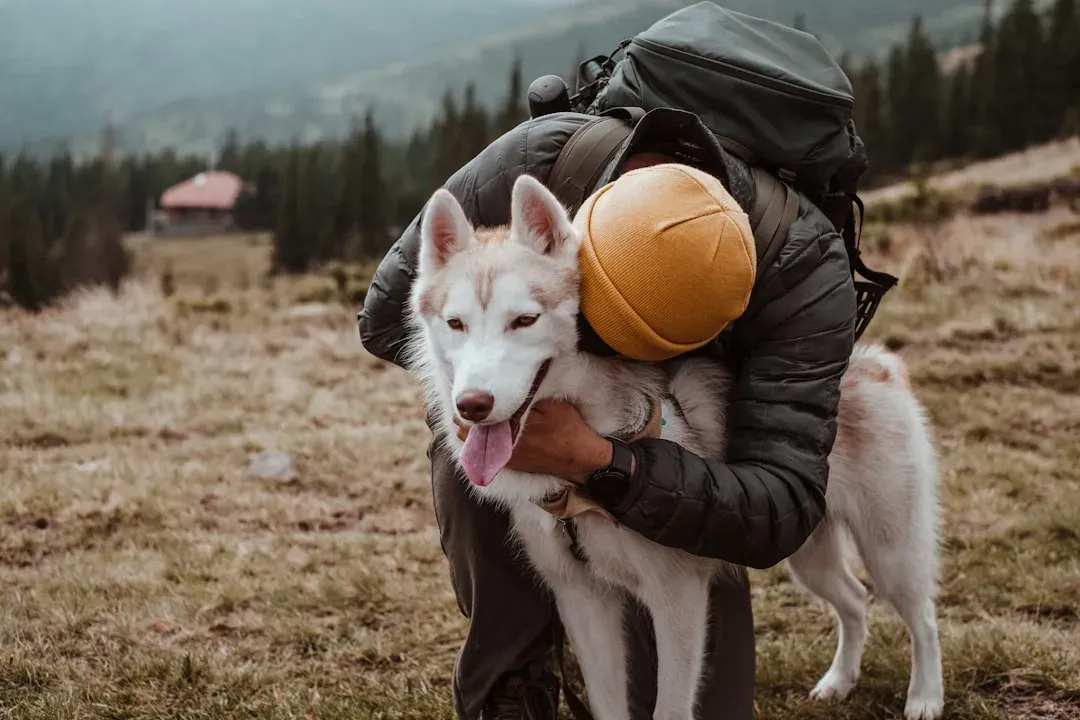
Most dogs do not enjoy hugging and while some will quietly tolerate the behavior, other dogs can become fearful or anxious when held and may act out. Picture this from your dog’s perspective. Something comes from above and wraps around their body, pinning them in place. For a species that relies on the ability to flee when threatened, this feels like a trap.
Watch for signs like tensing up, leaning their head away from you, avoiding eye contact, licking their lips, keeping their mouth closed, or pulling their ears back against their head – all of these are signs that a dog is uncomfortable. I know it sounds crazy, but that Instagram-worthy moment of you squeezing your pup might actually be stressing them out.
The fix here is simple yet requires a shift in thinking. Instead of grabbing your dog for a hug, let them come to you for affection. Sit down and invite them over. Pet them on the chest, shoulders, or back where they actually enjoy being touched. You’ll notice the difference immediately when your dog genuinely relaxes into the interaction rather than just enduring it.
Patting Their Head Like a Drum
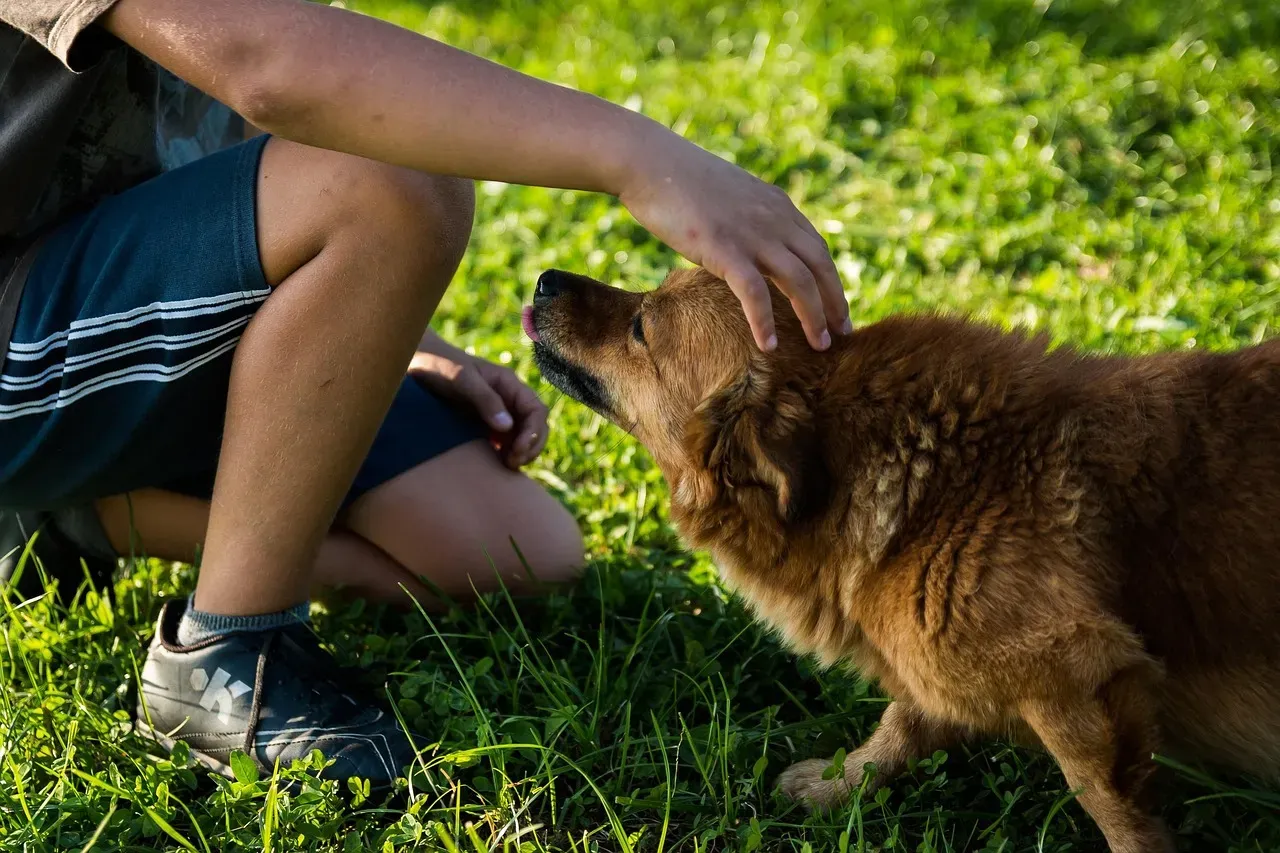
Dogs really dislike being patted on the head, and this is doubly true for anyone who’s not you. Think about how you’d feel if someone kept tapping the top of your skull every time they wanted to show affection. Annoying, right? Now imagine you’re much shorter and that hand is coming at you from above, blocking your vision.
Many dogs dislike head pats or face touches as they view it as an invasion of personal space, so instead try petting them on the back, side, or base of the tail – areas that are generally more comfortable and enjoyable. When you reach for your dog’s head, they often duck away or turn their face. That’s not shyness. That’s them politely saying “no thanks.”
Try this instead. Approach from the side rather than above. Let your dog sniff your hand first, then stroke them along their neck, shoulders, or back. Petting your dog in the right areas releases oxytocin, the “feel-good” hormone, strengthening your bond. Watch how much more enthusiastically they lean into your touch when you respect their preferences.
Staring Them Down
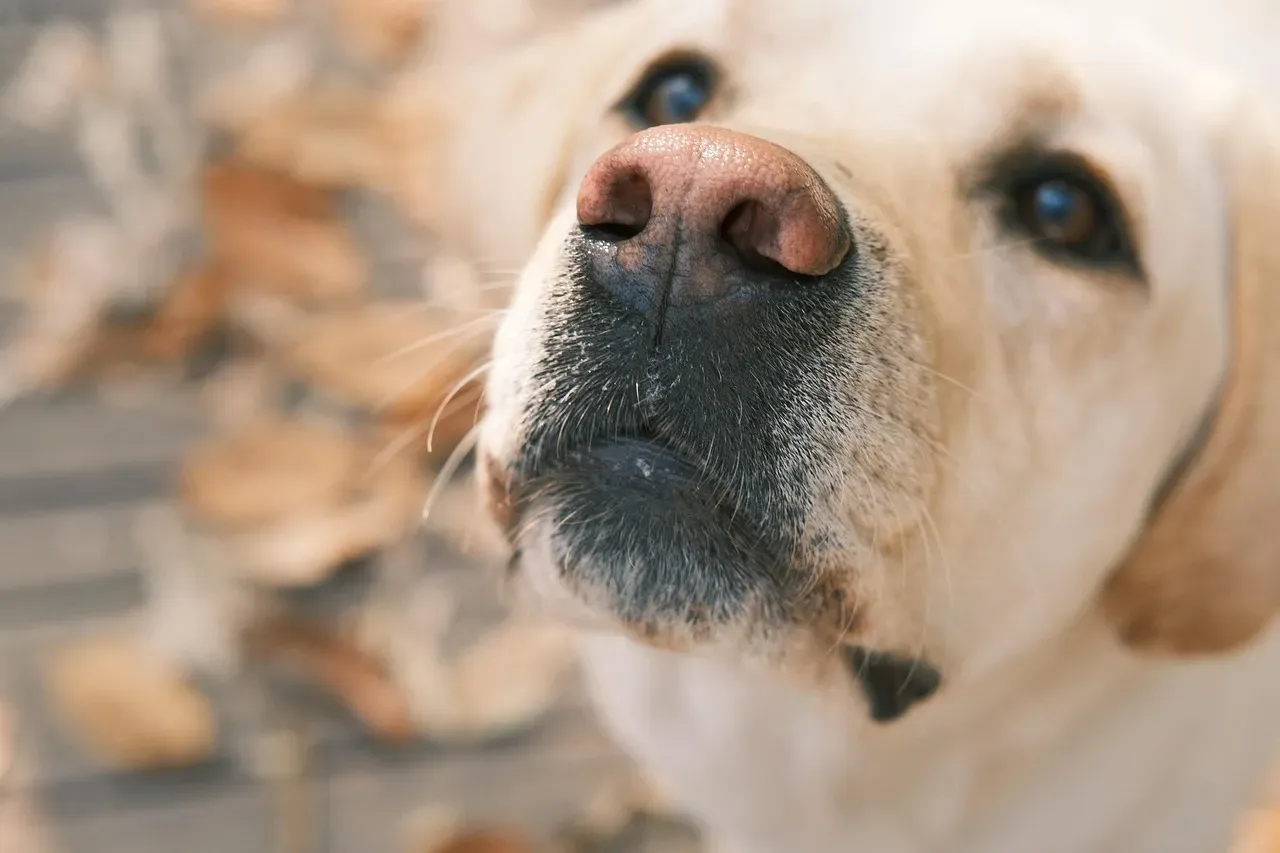
In the dog world, direct eye contact is used to establish dominance or intimidation, and a strange dog likely sees eye contact as an act of dominance, aggression, or even a challenge. You might think gazing lovingly into your dog’s eyes shows affection, especially with your own dog who knows you well. Yet with unfamiliar dogs, or even in certain situations with your own pup, intense staring creates serious tension.
Dogs communicate differently than we do. Prolonged eye contact in canine language isn’t romantic. It’s confrontational. Ever wonder why your dog looks away when you’re trying to make them hold a stay? They might be trying to diffuse what feels like a tense situation.
When approaching a new dog, try angling your body slightly and avoid intense eye contact, speak softly and allow the dog to approach you on their terms. With your own dog, soft glances and slow blinks communicate affection without the pressure of a hard stare. Save the intense eye contact for those genuine bonding moments when your dog initiates it.
Talking at Them Instead of With Them
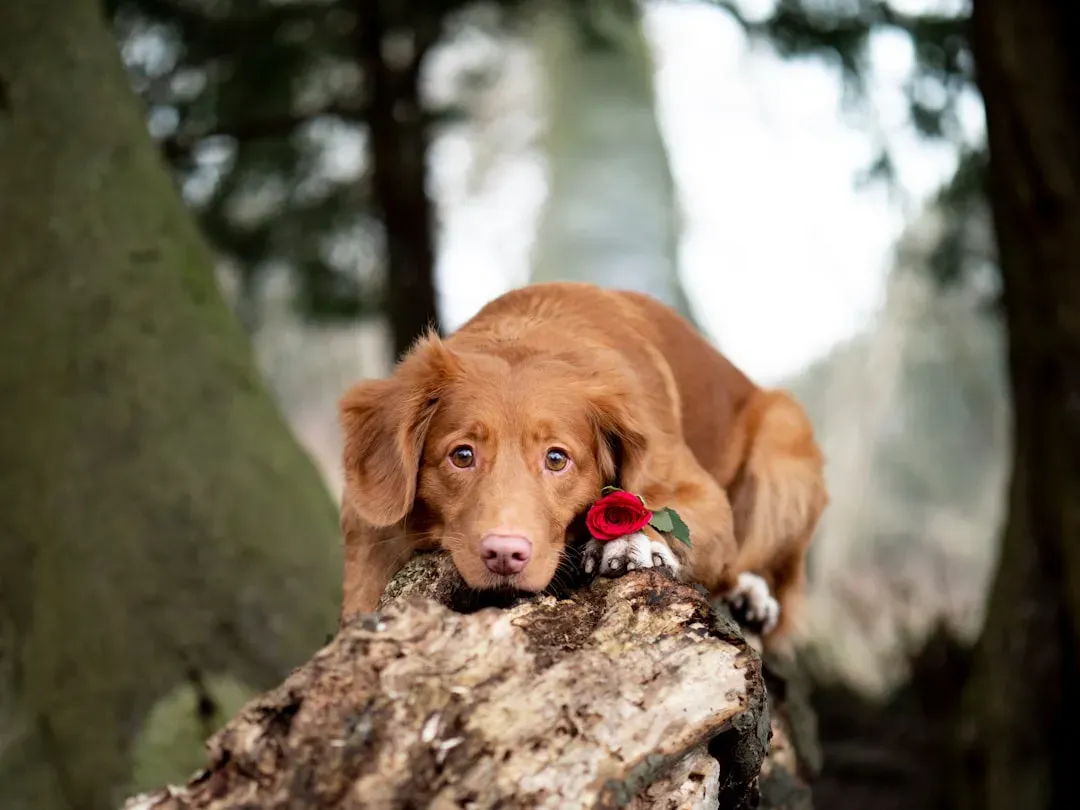
Dogs primarily understand our body language, not words, and while they may recognize a few keywords like “walk” or “treat,” they rely on body cues to interpret meaning – when we say one thing but our bodies communicate something else, it creates confusion. We’re verbal creatures who love to chat. Your dog? Not so much.
Dogs respond to your body language and tone of voice just as much, if not more than, your words. When you say “stay” while leaning forward with your body language screaming “come here,” your dog gets mixed signals. They’re not being stubborn. They’re just confused about which message to follow.
A useful exercise is to spend a day communicating with your dog solely through body language to strengthen your bond and help you become more aware of the physical cues you’re giving. Pay attention to what your body is doing when you give commands. Stand still when you want them to stay. Turn away when you want them to come. Crouch down to invite them closer. Your dog will thank you for finally speaking their language.
Rushing Through Their Walk
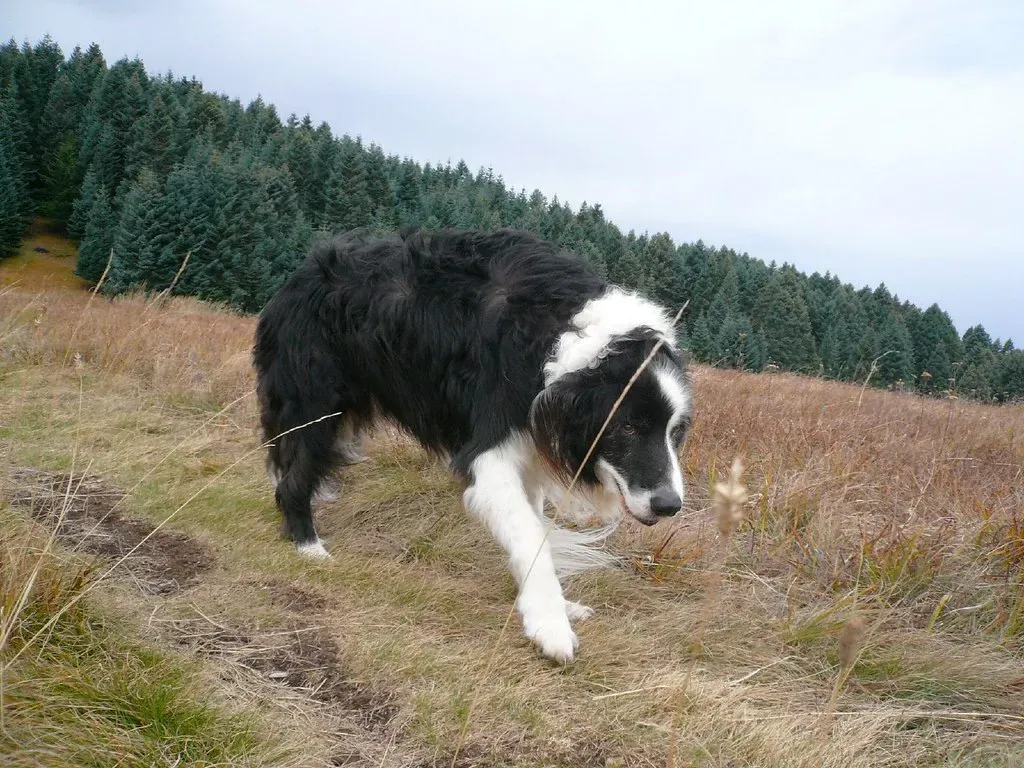
Dogs detest when we hurry them through their daily walks, yanking at their leashes each time they try to sniff out a new scent. That morning walk isn’t just bathroom time for your dog. It’s their newspaper, their social media feed, their entire connection to the world beyond your four walls.
Walks aren’t just about exercise; they’re also a sensory experience, and dogs interpret the world largely through scent. When you drag them away from that fascinating smell on the lamppost, you’re essentially ripping the phone out of their hands mid-scroll.
Consider designating some walks as “smell walks,” where you go slowly and let them take in new scents. Honestly, what’s the rush? Let them sniff. Bring a coffee and enjoy the moment. Alternate between purposeful exercise walks and leisurely sniff adventures. Your dog will be mentally stimulated and genuinely satisfied, not just physically tired.
Keeping Rules as Flexible as Rubber
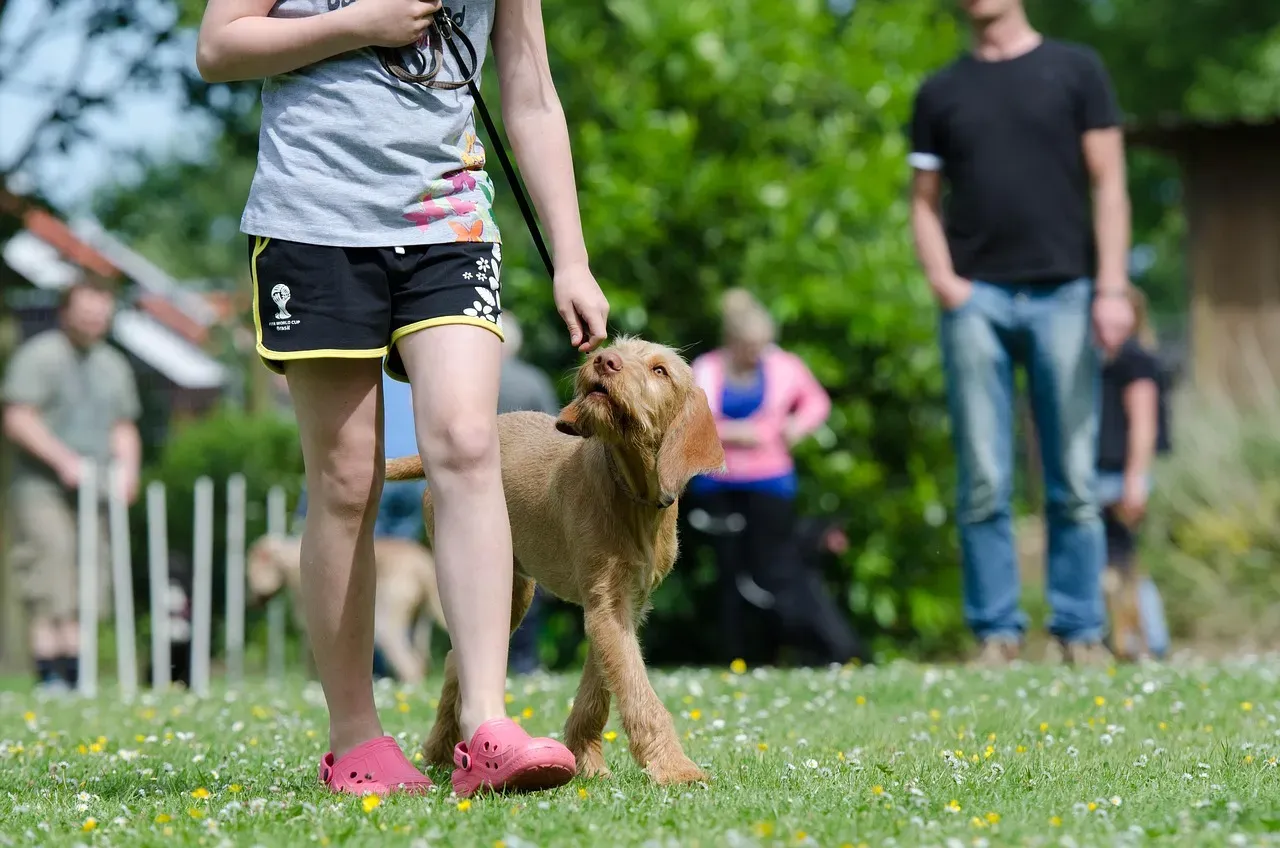
Dogs don’t understand exceptions to rules – they don’t understand that they’re allowed to jump on you when you have leisure clothes on but not when you have work clothes on, or that they’re allowed on the couch after a bath but not after coming in from a romp in the mud. Today the couch is fine, tomorrow it’s forbidden. Yesterday begging got them a treat, today it earns a scolding. Your dog isn’t dense. They’re just utterly baffled by your inconsistency.
Dogs feel more secure with structure, as rules create predictability, helping dogs understand expectations – they don’t comprehend situational exceptions, so consistent rules around behaviors provide clarity. When the rules change randomly, dogs feel anxious because they never know what’s expected. It’s hard to say for sure, but imagine living in a house where the laws changed daily.
When you spend time enforcing consistent boundaries with positive rewards, you build up their trust in you as a leader and set up conditions for a very happy dog. Pick your rules and stick to them. Get everyone in the household on the same page. Write them down if you need to. Your dog will relax when they know exactly what’s expected.
Forcing Unwanted Social Interactions
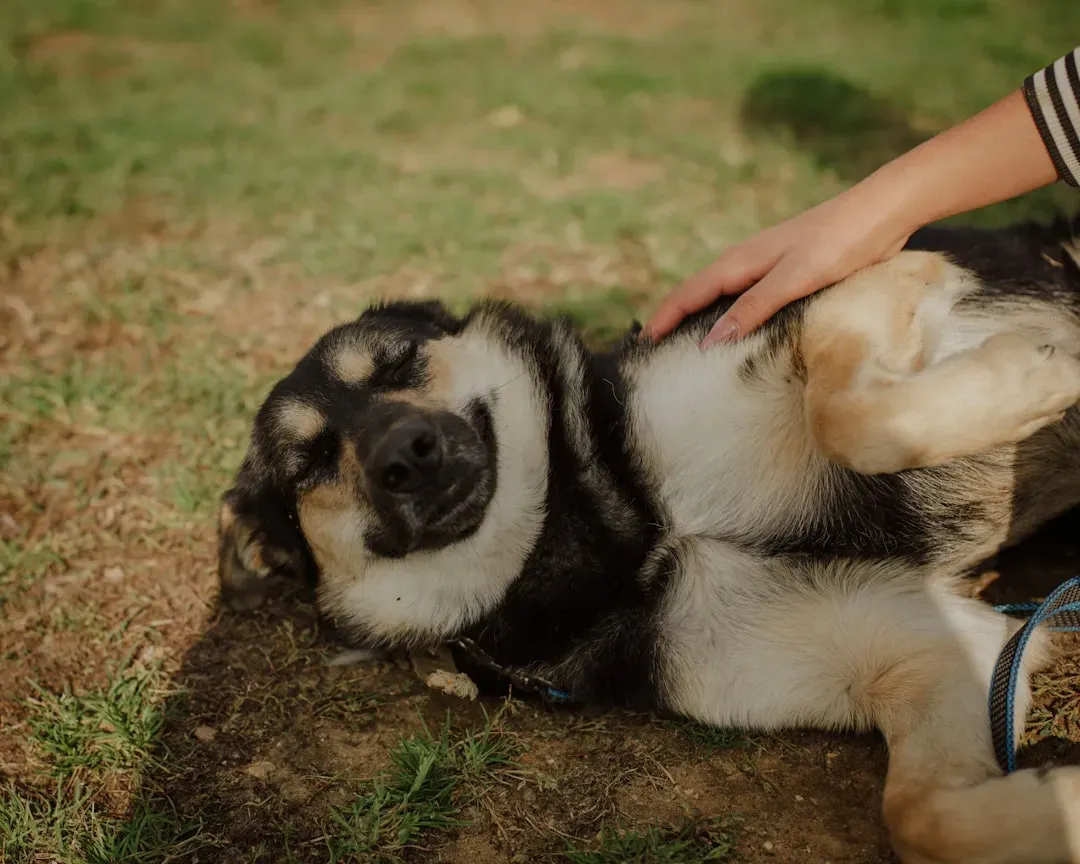
Like humans, dogs have preferences for people and other animals, and respecting a dog’s signals when they’re uncomfortable around another dog or person can prevent them from feeling trapped or stressed – dogs that are forced into unwanted interactions may grow anxious or even aggressive, eroding trust. Not every dog wants to be friends with every other dog. Not every dog loves meeting strangers. Yet we push them into uncomfortable situations because we think they “should” be social.
How would you feel if someone gave you unwanted hugs and commanded you to “make friends” with everyone you meet? Well, your pet isn’t a fan either. Your dog is an individual with preferences, fears, and boundaries. When they pull away from someone or show signs of discomfort, they’re not being rude. They’re being honest.
Allow them to approach new situations at their own pace. Watch for stress signals like whale eye, tucked tail, or trying to hide behind you. Advocate for your dog. It’s okay to tell people they can’t pet your dog. It’s okay to cross the street to avoid an off-leash dog. Protecting your dog’s emotional comfort builds trust far more than forced socialization ever could.
Keeping the Leash Tight as a Guitar String
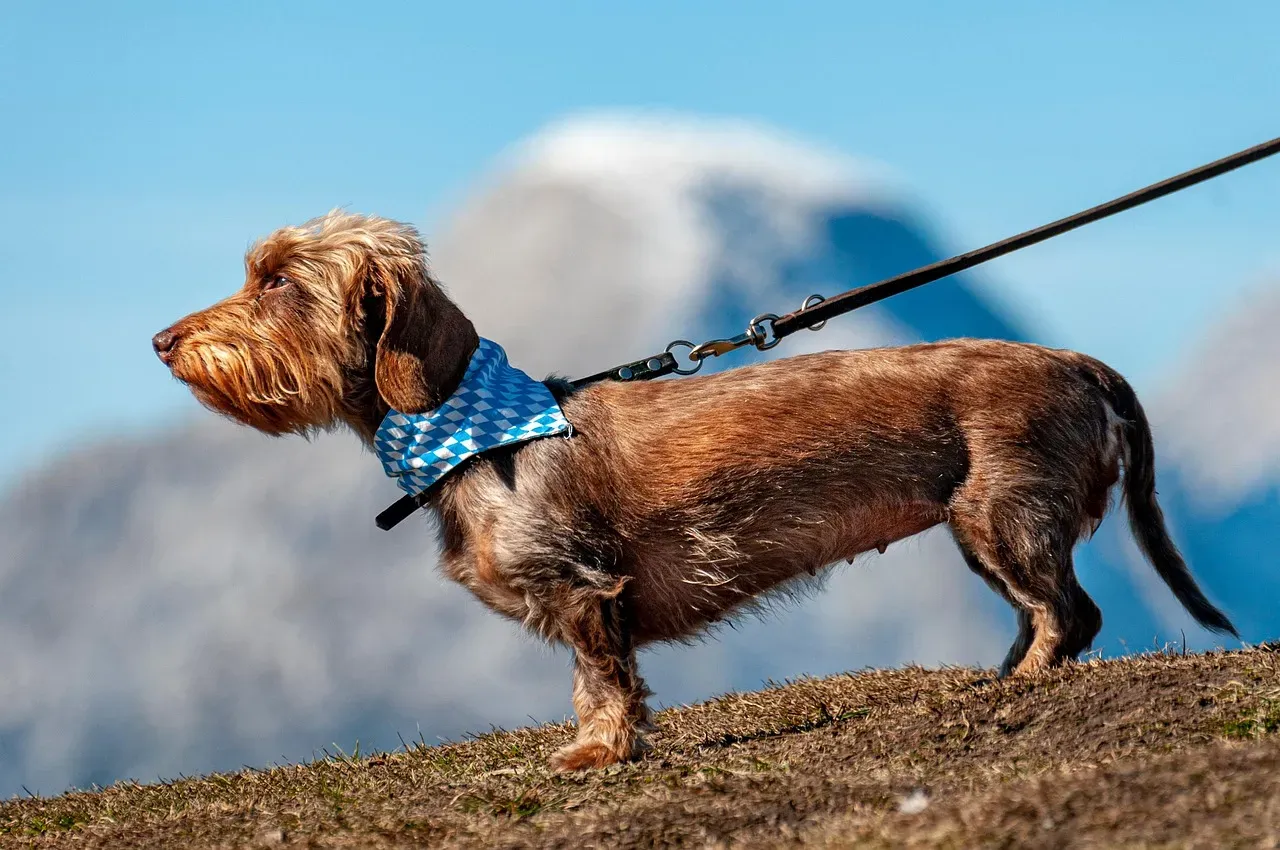
A tight leash communicates tension to your dog, often making them feel stressed or uneasy – practicing loose-leash walking helps your dog feel calm and secure, as a relaxed leash signals to your dog that you’re in control and there’s nothing to worry about. You know that feeling when someone grabs your arm too tightly? That’s what a constantly taut leash feels like to your dog.
Dogs can learn quickly that a tight leash means “go forward,” so a feeling of tension around their necks becomes the set point for walking. Ironically, the more you pull, the more they pull. You’re accidentally teaching them that pulling is how walking works.
The solution requires patience. When your dog pulls, stop walking. Stand still like a tree. When the leash goes slack, start moving again. It takes time, possibly weeks of consistent practice, but teaching loose-leash walking transforms walks from a battle into a pleasant experience. Consider getting a front-clip harness to make the process easier on both of you.
Drowning Them in Boredom
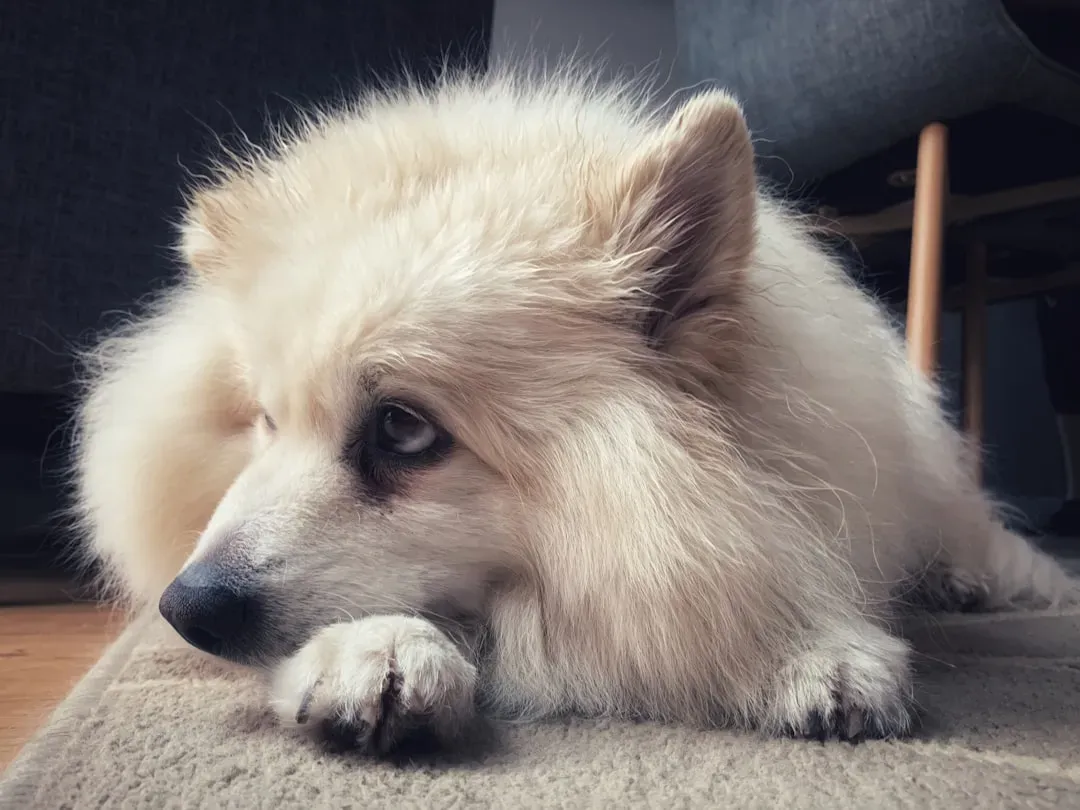
Particularly for dogs bred for activity, not being given enough physical and mental stimulation by guardians is a big issue – many dogs are never taken on walks and owners consider free run of the yard appropriate exercise, meanwhile the dog is destroying their home and yard due to boredom and too much excess energy. Your dog isn’t destructive because they’re bad. They’re destructive because their brain is rotting from understimulation.
Some breeds were created to run for miles a day, such as Dalmatians, and a quick ten minute walk around the block isn’t going to give this dog what he needs to be healthy and happy. Think about spending all day, every day, in the same four rooms with nothing to do. No books, no phone, no projects. You’d go stir crazy too.
Dogs need mental stimulation through interactive toys, a variety of chew items, play with other dogs, and training. Mix it up. Teach new tricks. Play hide and seek. Use puzzle feeders. Rotate toys so they seem new again. A mentally tired dog is a happy, well-behaved dog. Physical exercise alone isn’t enough for most breeds.
Projecting Your Stress Onto Them

Dogs are highly perceptive of human emotions and often mirror our stress – if you’re tense, your dog may act anxious or agitated, so taking moments to calm yourself can help your dog relax too. Your dog reads you like a book. When you’re anxious about the vet visit, your dog picks up on that energy. When you’re frustrated during training, they feel it.
It’s important to maintain an upbeat attitude because dogs can read human emotions – if your dog thinks you’re angry or stressed, they’ll shut down and stop learning, and what looks like stubbornness is often simply them reacting to your negative mood. That walk where you’re stressed about work? Your dog feels that tension through the leash.
Take a breath. Check in with yourself before interacting with your dog. If you’re having a terrible day, maybe skip the training session and just have quiet cuddle time instead. If you can’t recover your patience and positivity, take a break and try training later when refreshed. Your emotional state directly impacts your dog’s wellbeing more than you might realize.
Conclusion
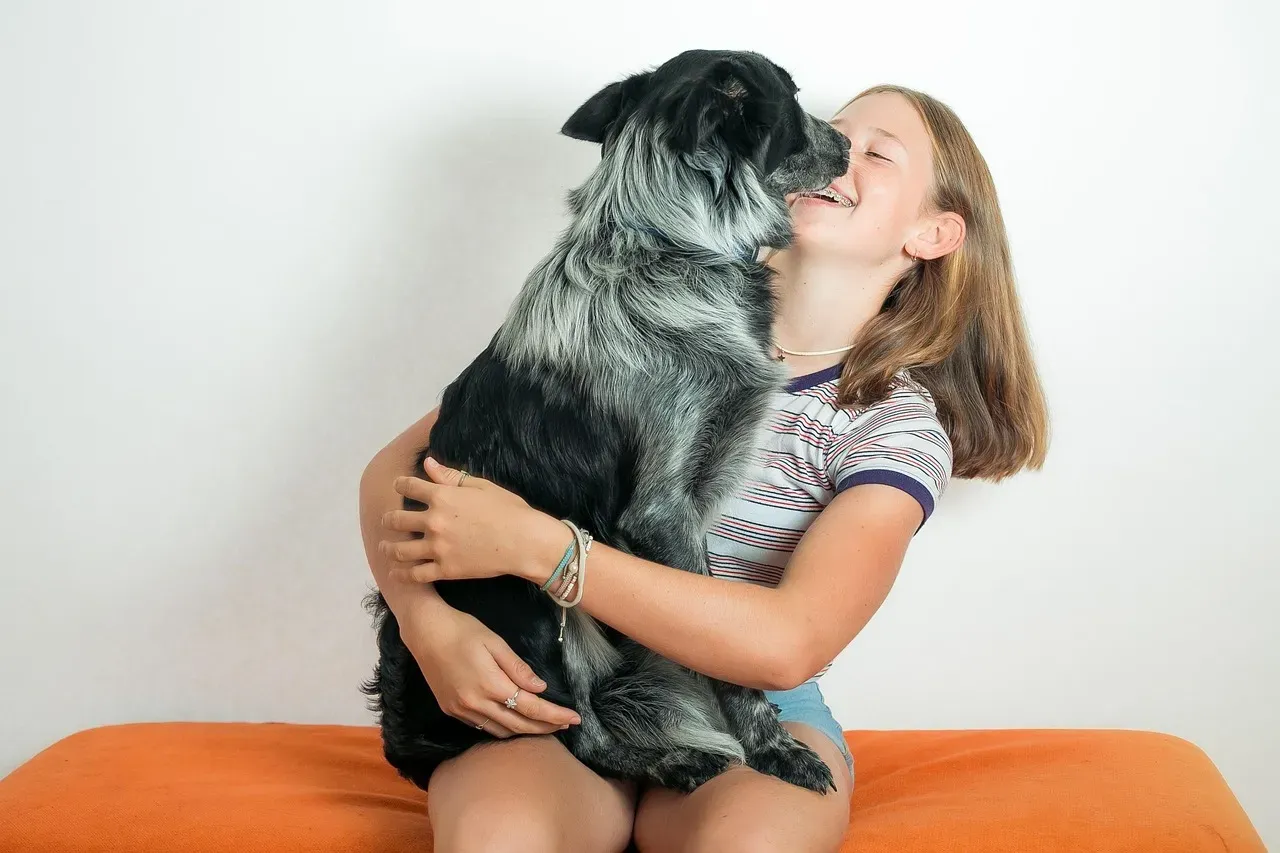
Here’s what matters most. Your dog doesn’t expect perfection. They’ve already forgiven you for every awkward head pat and unwanted hug you’ve ever given them. What they do need is your willingness to see the world from their perspective, to honor their unique way of communicating, to respect their boundaries just as you’d want yours respected.
By understanding and avoiding common actions that dogs dislike, you can foster a closer, more trusting bond – when we communicate on their terms, dogs are more relaxed, confident, and happy in our company. Small changes make enormous differences. A scratch on the chest instead of a head pat. Five extra minutes for sniffing on walks. Consistency with house rules. These aren’t sacrifices. They’re gifts you give to your best friend.
What surprised you most on this list? Maybe you’ve been doing some of these things for years without realizing the impact. That’s okay. Now you know better, and knowing better means you can do better. Your dog is already wagging their tail, ready to meet you halfway in this beautiful, complicated dance of interspecies friendship.


