

Picture this: you’re vacuuming the living room on a quiet Sunday morning, and your dog bolts under the bed like the floor just opened up. You didn’t do anything wrong. Your pup isn’t being dramatic. Something in their brain fired a full alarm – and honestly, from their perspective, the threat felt very real.
Dogs have more sensitive hearing than humans, and loud, sudden, or unpredictable sounds can trigger the brain’s fear center, especially in dogs with noise phobia or high anxiety. What’s more surprising is just how many dogs deal with this. Noise phobias in dogs are extremely common, affecting up to half of all dogs by some estimates. That’s not a small number. That’s potentially your dog, your neighbor’s dog, and the rescue pup down the street.
The good news? There is so much you can do. Understanding which sounds are most likely to set your dog off is the very first step. So let’s dive in.
1. Thunderstorms: The Classic Culprit

If there’s one sound that tops every list, it’s thunder. Thunder is perhaps the most commonly known sound that scares dogs, and it’s not just the loud booms that are terrifying – thunderstorms also bring changes in the air, like drops in barometric pressure, which can significantly affect your pup’s behavior. Think about that for a moment. Your dog may start panicking before you even hear the first rumble.
Dogs’ sensitivity to changes in barometric pressure can trigger fearful reactions to thunder long before humans even hear it. So if your dog suddenly seems restless on a perfectly clear afternoon, check the weather app. Paying attention to weather forecasts can help you prepare your dog before the ruckus starts. A little prep goes a long way – offer a calming treat, move to an interior room, and keep the energy in the house nice and steady.
2. Fireworks: Festive for Us, Terrifying for Them

Fireworks are another extremely common reason for noise phobia in dogs – they’re extremely loud and unpredictable, not to mention bright. Holidays like New Year’s Eve and the Fourth of July are genuinely stressful experiences for a huge number of dogs. It’s one of those situations where the celebration that brings us joy brings our dogs pure dread.
Loud noises can have a traumatising effect on dogs, and in some cases, recovery after a single event takes weeks or months. Let that sink in. One bad fireworks night can create a lasting fear response. Shut windows and have your dog in the central part of the house. You can also play music or have the TV on to drown out the noises outside, and close curtains to ensure your dog cannot see the flashes of light.
3. Vacuum Cleaners: The Monster in the Closet
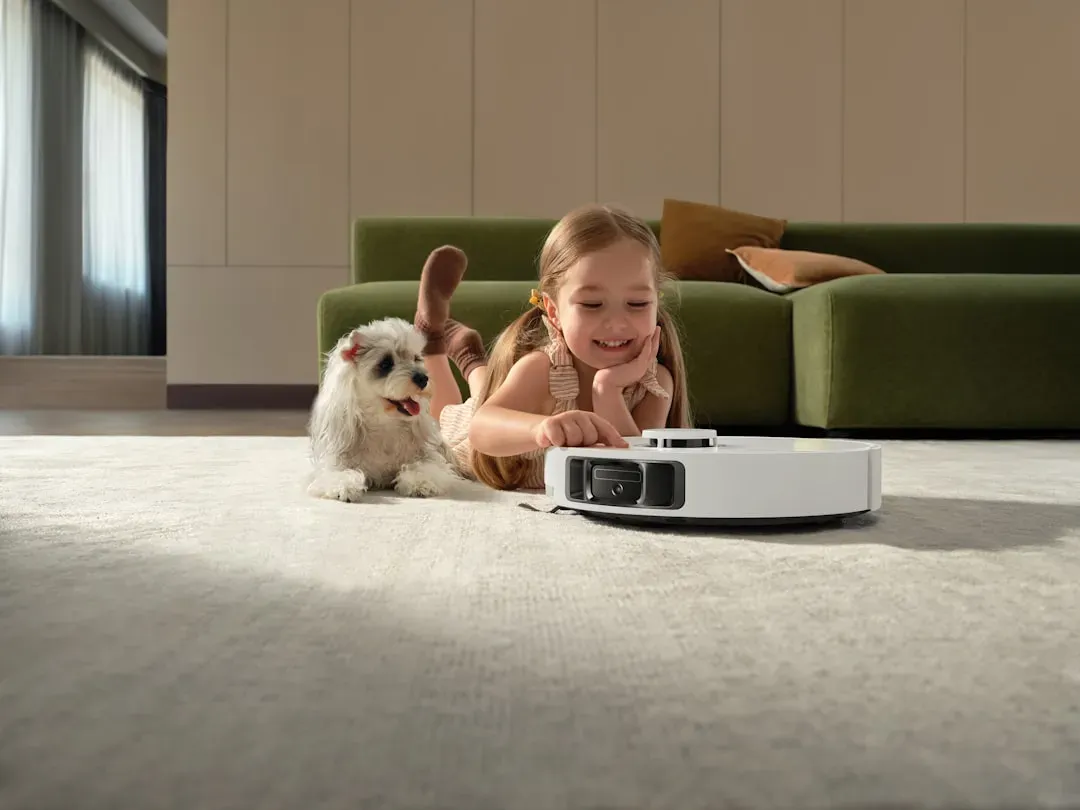
Let’s be real – even some humans find the vacuum cleaner a bit of a nuisance. For dogs, though, it can be a full-on villain. The vacuum is loud, it moves unpredictably, and it invades their space without warning. Common triggers for noise aversion include everyday household sounds such as vacuum cleaners. It’s one of the most relatable triggers for dog owners everywhere.
You can try desensitizing your dog to the sounds they are fearful of by playing a recording of the sound, starting off at a very low volume and gradually increasing the intensity as tolerated by your dog. Pair that recording with high-value treats and you’re essentially teaching your dog that the vacuum sound means “good things happen.” Gradually introducing your pup to household noises and rewarding them for remaining calm can help your dog form positive associations with the sounds and build their confidence.
4. Smoke Detector Beeps: Small Sound, Big Panic

Here’s one that catches a lot of owners off guard. It’s not the full alarm blast – it’s the low-battery chirp. That single, intermittent beep every 45 seconds is enough to send some dogs into a spiral. A low-battery warning chirp of a smoke detector was found to be the reason for stress behaviors lasting several days in a dog. Days. From a tiny beep. That’s how sensitive our dogs really are.
A sudden change in noise sensitivity can signal pain, illness, age-related changes, or increased anxiety. So if your dog starts acting strangely and you can’t figure out why, do a sweep of your home. Check for any devices making intermittent sounds. Always check with your veterinarian if your dog suddenly becomes fearful of everyday sounds. A vet visit rules out any underlying pain or health issues that might be amplifying the fear.
5. Sirens and Alarms: The Unpredictable Intruder

Alarms and sirens are sudden, unexpected, and loud sounds that can be very distressing for dogs. Whether it’s a car alarm, ambulance siren, or smoke detector, these sounds can wreak havoc on your pup. The problem with sirens is that they offer zero warning – they just appear out of nowhere and disappear just as fast, leaving your dog completely confused and on edge.
Watch for subtle body language cues before a full meltdown happens. More subtle dog body language that pet parents should look out for includes pinned back ears, a stiffened body position, and dilated pupils. If you catch those signs early, you can redirect your dog with a toy or treat before the anxiety escalates. Pets often pick up on their owner’s emotional state, so if you remain calm and composed, your pet is more likely to feel secure.
6. Construction Noise: The Prolonged Assault

If you or your neighbor are doing a home renovation, the sound of construction can be extremely disruptive to your dog. Power tools and heavy machinery aren’t particularly known for their silence, and having to listen to them for extended periods can be very stress-inducing. The issue here isn’t just volume – it’s duration. A terrified dog stuck enduring hours of drilling has no escape, which is genuinely distressing.
You can achieve avoidance by taking your dog to doggie daycare while you have a construction project going on at home. That’s actually a brilliant solution. A day at daycare means socialization, exercise, and zero drilling sounds – a win on every level. Music therapy may also promote calm and reduce the salience of sounds that trigger anxiety for those days when daycare isn’t an option.
7. Garbage Trucks: The Weekly Terror

Every single week. Same day. Same thunderous rumble. Same hydraulic grinding. And yet, every week, some dogs act like it’s the first time they’ve ever heard it. Garbage trucks rank consistently among the sounds that spook dogs most, and the roaring engine paired with the crashing and banging of bins creates a genuinely overwhelming soundscape for a sensitive dog.
What starts out as a simple dislike of loud noises can turn into a phobia, and it doesn’t take many exposures for a dog’s brain to learn to associate loud noises with intense fear. So if your dog shows mild discomfort at the garbage truck now, don’t ignore it. Providing rewards like food or play to create positive associations with noises is one of the most effective training methods and may change dogs’ emotional responses to noise. Try tossing a handful of treats every Monday morning when the truck pulls up.
8. Motorcycles and Loud Vehicles: Street-Level Stress

A motorcycle revving outside is the kind of noise that most of us barely register anymore. For a dog on a walk, though, it can be genuinely shocking. The sudden spike in volume, the aggressive engine note, and the vibration through the ground all combine into something that feels threatening. Dogs’ reactions to household and outdoor noises could have implications for their health and wellbeing, and if dogs are experiencing fear in response to regularly-occurring stimuli, they may be at risk for the development of stress-related behavioral or physiological problems.
On walks, stay aware of your surroundings and watch for heavy traffic patterns. If your dog freezes, pulls hard, or tucks their tail at passing vehicles, that’s their way of saying “I really don’t like this.” Desensitisation and counterconditioning are powerful behaviour modification techniques used to help dogs overcome fear. The goal is to expose your dog to the feared stimulus at a low intensity while pairing it with something positive, such as treats or playtime.
9. The Doorbell: Surprise Every Single Time
Okay, this one might feel less dramatic than thunder or fireworks, but the doorbell deserves a spot on this list. It’s sudden, it’s piercing, and for many dogs it signals an unexpected intrusion into their home territory. The barking frenzy that follows is often anxiety-driven, not just excitement. That distinction matters.
Dogs who haven’t been exposed to loud noises during their critical socialization period before 14 weeks may be more prone to developing fear later in life. If your dog was never taught that the doorbell equals good things – like guests who bring attention and affection – the sound alone becomes an alarm signal. Ad hoc counterconditioning whenever a loud noise occurs is easy to implement in everyday life and is effective in preventing and improving noise fears in dogs. Try ringing the bell yourself during training and rewarding calm behavior every time.
10. Ultrasonic Pest Repellers: The Silent Enemy You Might Not Know About

This one genuinely surprised me when I first learned about it. Those plug-in ultrasonic pest repellers that many of us use around the house? Completely silent to human ears – but potentially agonizing for dogs. In one case, owners had installed a sonic pest repellant device in their home, and upon turning off the device, the dog immediately began to relax and returned to normal behavior over the next few days. These owners were very dedicated to the welfare of their dog, but they simply could not hear the device.
Most adults hear sounds up to 20,000 Hertz. Dogs, however, hear sounds that reach frequencies as high as 47,000 to 65,000 Hz. That’s an entirely different sonic world. If your dog seems anxious for no obvious reason, starts avoiding certain rooms, or shows persistent stress signs, check for any ultrasonic devices you may have forgotten about. Many everyday household devices produce ultrasound, and some of them may be far more disturbing to your dog than you realize.
How to Build a Calmer, Safer Environment for Your Dog
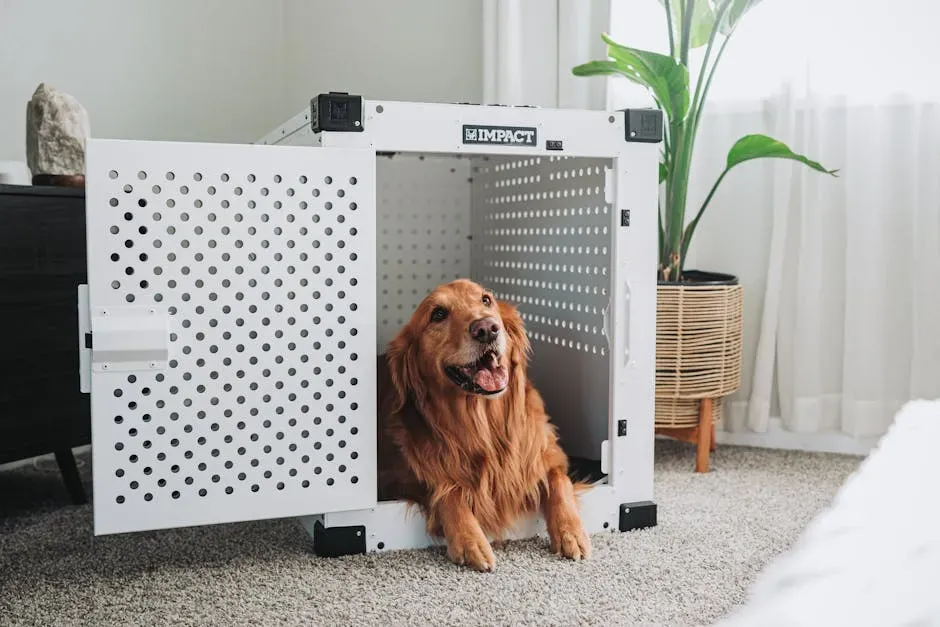
One effective environmental management technique involves setting up a safe space for your dog to hide when they’re triggered during an episode. It can be a crate, a bathroom, closet, or other interior room without windows. This “den” becomes their go-to place of safety, and the key is building positive associations with it before the scary sounds even happen.
Most dogs don’t simply “grow out” of true noise phobia. However, with early intervention, behavior modification, environmental changes, and sometimes medication, many dogs can greatly improve. There is real hope here. Your veterinarian may prescribe medications and/or nutritional supplements to help reduce fear and phobic responses in dogs, and in serious cases, a veterinary behaviorist can offer a tailored treatment plan. You don’t have to figure this out alone.
Conclusion: Your Dog Is Counting on You

Here’s the thing – your dog isn’t being silly or dramatic when they cower at the garbage truck or bolt from the vacuum. They are experiencing genuine fear. Fear is a behavior, not an obedience issue. Your dog isn’t doing anything wrong by being afraid, even if the noise seems harmless to you. Approaching their anxiety with patience and empathy rather than frustration changes everything.
Understanding the types of everyday sounds that dogs are fearful of, as well as the risk factors that contribute to them, can help owners improve the welfare of their dogs and strengthen the human-animal bond. That bond is everything. Every treat you offer during a storm, every safe space you create, every calm breath you take when the sirens blare – it all tells your dog “I’ve got you.”
So the next time your pup trembles at something you can barely hear, don’t dismiss it. Lean in, stay calm, and take one small step toward helping them feel safer in the world they share with you. Which of these sounds does your dog struggle with most? Tell us in the comments – you might just help another dog owner who needed to read exactly that.


