

Ever catch your pup glued to the ground, nose working overtime like a detective on a hot case? That wrinkled snout holds secrets we humans can only dream of cracking. It’s not just cute. it’s a gateway to their world.
Stick with me as we sniff out 10 jaw-dropping facts. You’ll see your best friend in a whole new light. Let’s dive in and celebrate that incredible nose.
1. Up to 300 Million Olfactory Receptors
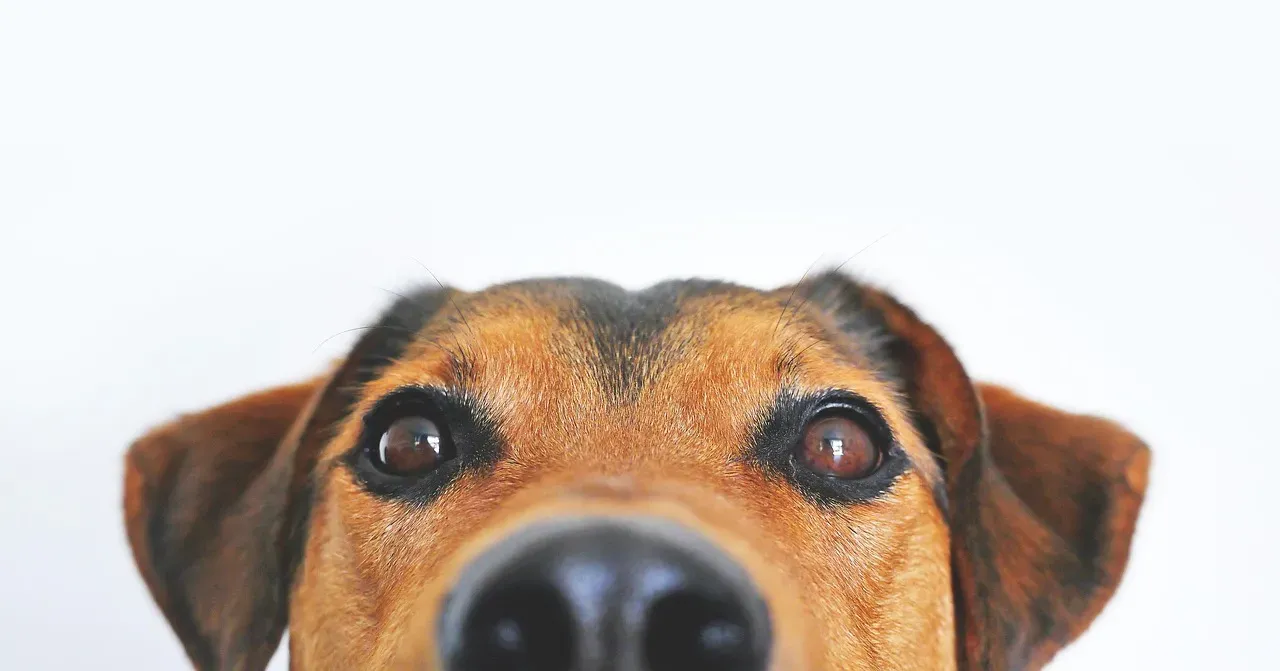
Dogs pack up to 300 million scent receptors in their noses. Humans manage a measly six million.[1][2] Picture trying to find a needle in a haystack blindfolded. That’s us compared to them.
Your Bloodhound’s nose shines here with the highest count. Next walk, watch them light up at faint whiffs. It explains why they ignore you for that intriguing bush.
2. A Brain Section 40 Times Bigger for Smells
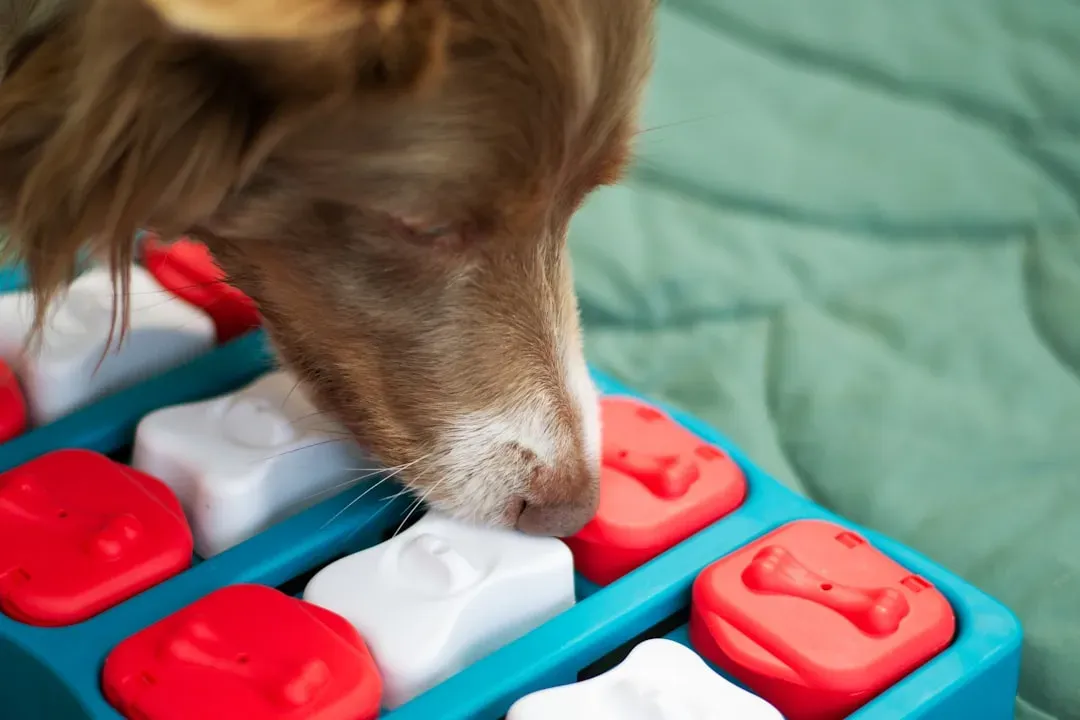
The olfactory bulb in dogs dwarfs ours proportionally. It’s about 40 times larger.[1] They process scents like we do sights or sounds. No wonder sniffing rules their day.
Let them explore safely on leashes during outings. This brain power helps them map emotions and dangers. I always feel grateful watching mine navigate by nose alone.
3. Sense of Smell 10,000 to 100,000 Times Stronger
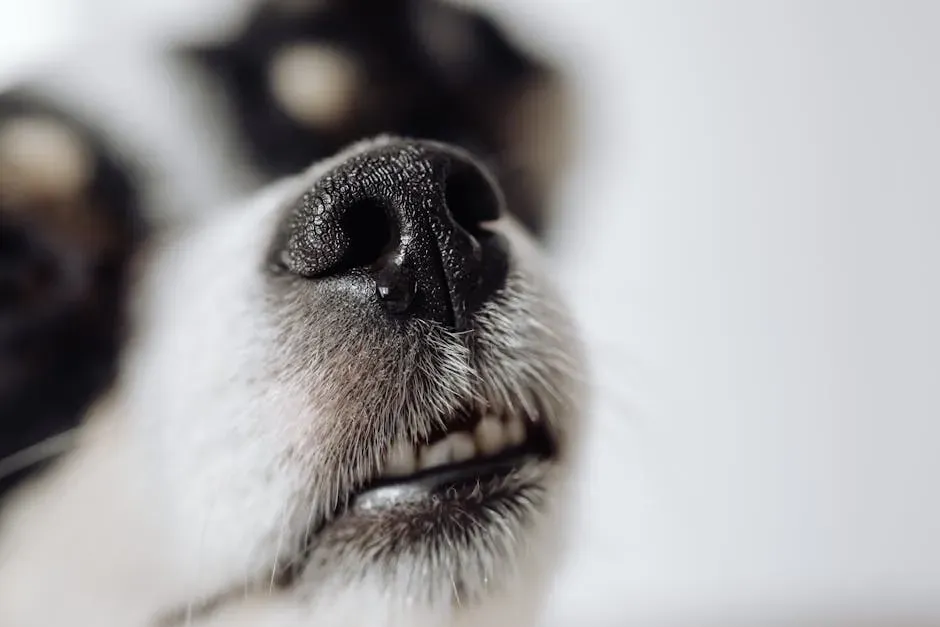
Dogs out sniff us by 10,000 to 100,000 times.[3] They catch odors we miss entirely. Think of it as their superpower in a scent-filled world.
Relatable moment: your dog bolts to greet a friend blocks away. Train with treats to channel this gift. It’s why search dogs save lives daily.
4. The Magic of the Wet Nose

A damp nose traps scent particles better. Moisture dissolves odors for easy pickup. Dry noses signal dehydration or illness. Check yours regularly.
Here’s the thing: licking keeps it moist. If it cracks or bleeds, vet time. My old Lab’s shiny nose always meant happy adventures ahead.
5. Unique Nose Prints Like Fingerprints

Every dog’s nose pattern is one-of-a-kind. Ridges and lines identify them uniquely. No two match, even in littermates. It’s nature’s ID tag.
Owners use ink pads for prints as keepsakes. Watch for changes signaling allergies. Feels personal, like their signature smile.
6. Breathing and Sniffing Simultaneously
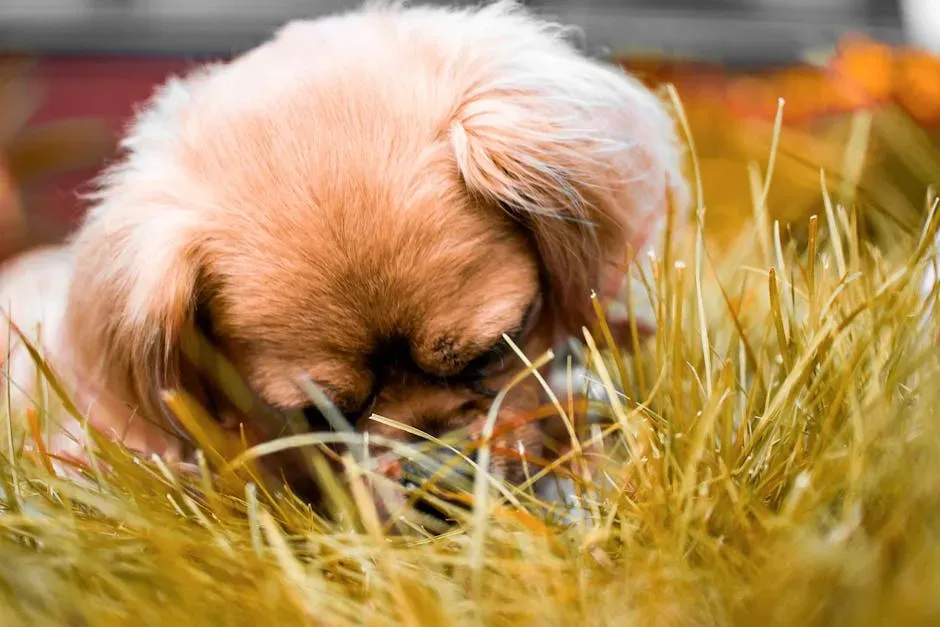
Dogs inhale and exhale through separate nose paths. Exhales don’t blow away scents. They swirl air for constant detection.[1] Humans can’t compete.
Observe the rhythmic sniffs on walks. It tires them less than panting. Give space for this vital behavior. Pure genius in action.
7. The Hidden Vomeronasal Organ
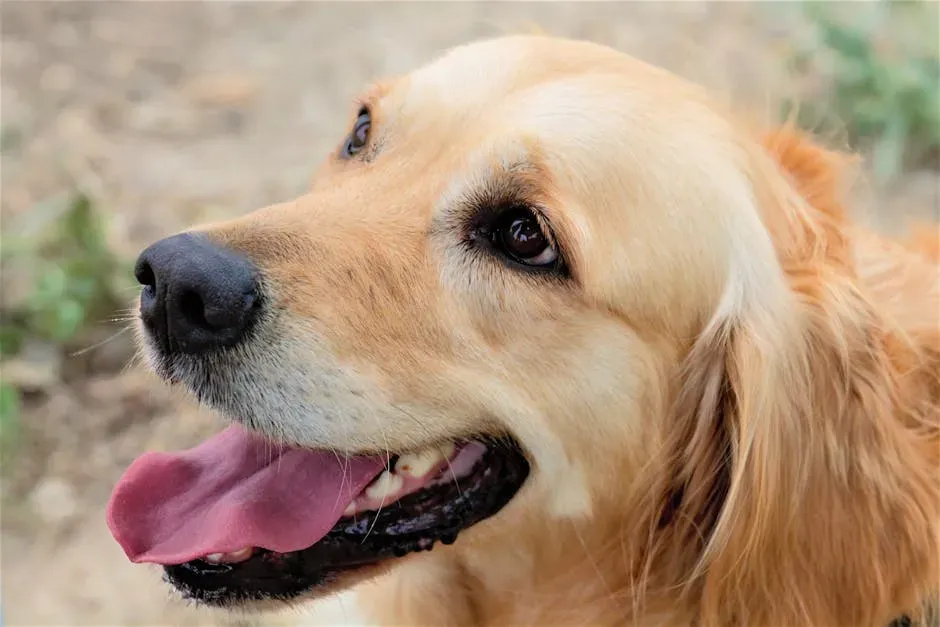
Tucked in the nasal roof sits Jacobson’s organ. It detects pheromones we ignore. Helps read moods and mates.[4] That’s the flehmen curl you see.
Unspayed females show it strongest. Respect their space during heats. Understanding this bonds you deeper. I know it sounds wild, but it works wonders.
8. Detecting Illness and Emotions
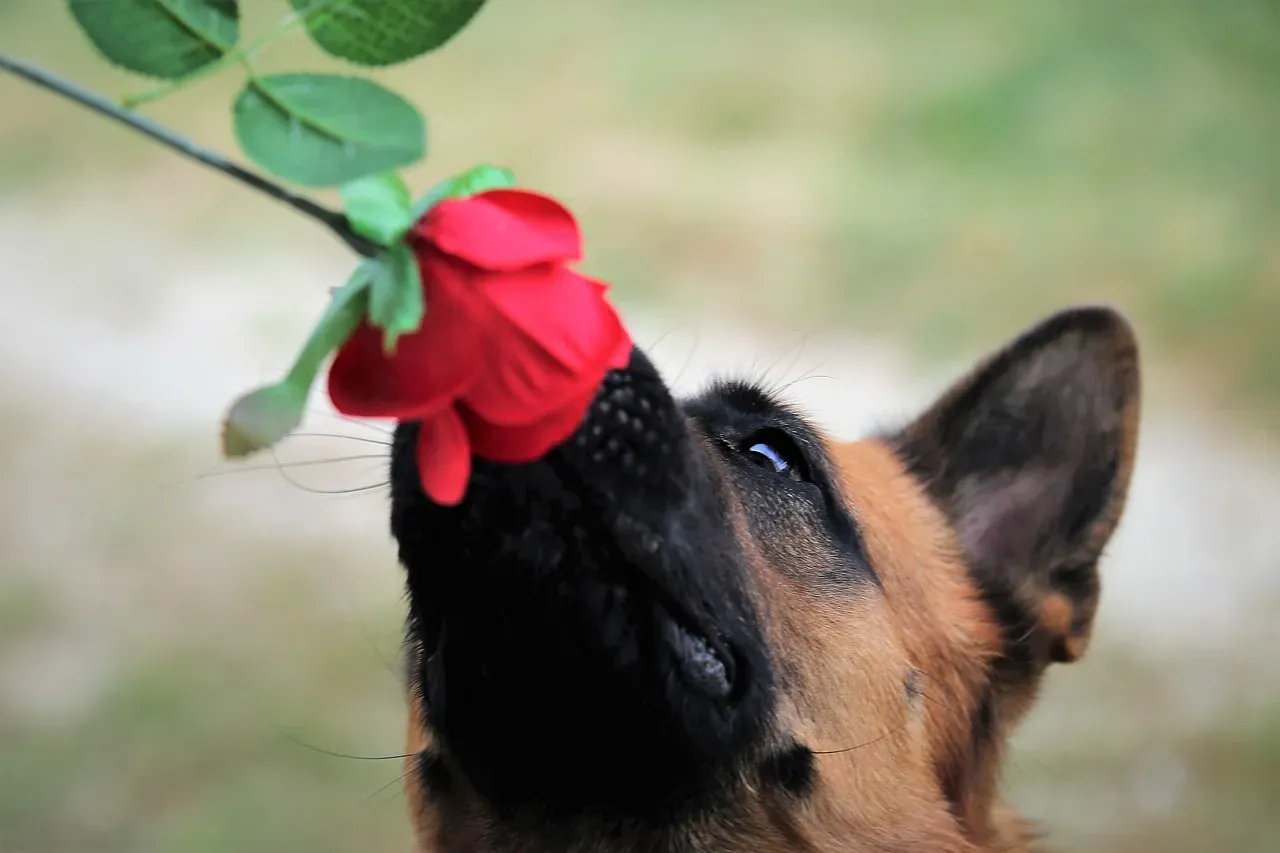
Dogs smell cancer, seizures, even stress hormones. Trained ones alert owners early. Their nose picks subtle body changes.[2]
If yours comforts you when down, thank their nose. Watch for nudges as health cues. Inspiring how they care back. Prevention starts with awareness.
9. Sniffing Traces in Parts Per Trillion

They detect one part per trillion. Like a drop in Olympic pools. Explosives, drugs, lost people. All thanks to nasal turbinates.[5]
Short-nosed breeds still impress despite anatomy. Enrich with scent games at home. Builds confidence and joy. Let’s be real, it’s endless fun.
10. Nose Color Shifts with Mood and Health
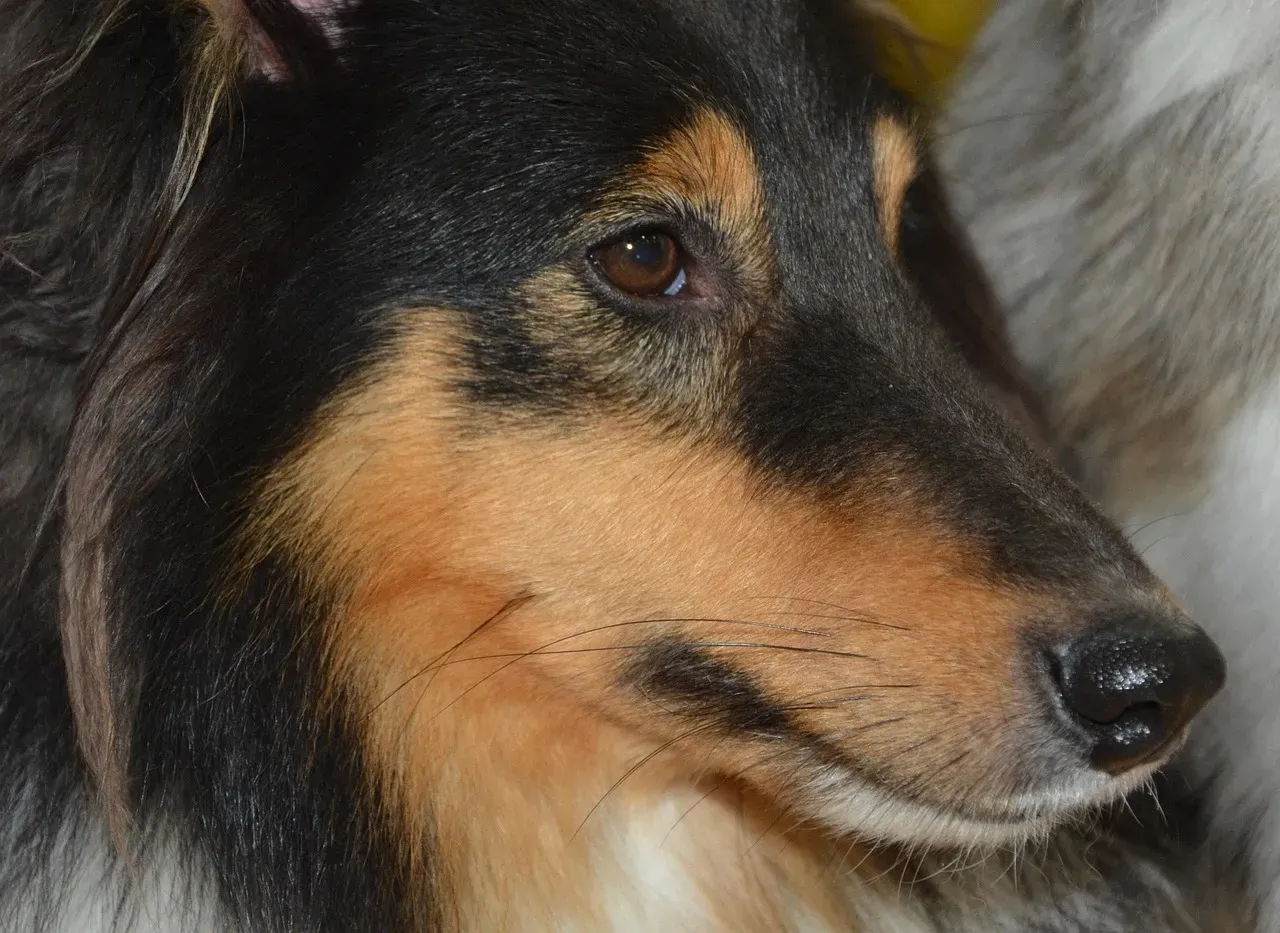
Black noses lighten when hot or excited. Pink means cold or sun damage. Monitor for cracks hinting allergies.[1] It’s a mood barometer.
Apply dog-safe balms for protection. My pup’s rosy nose in winter always tugs my heart. Small care yields big trust.
Your Dog’s Nose: A Lifelong Wonder
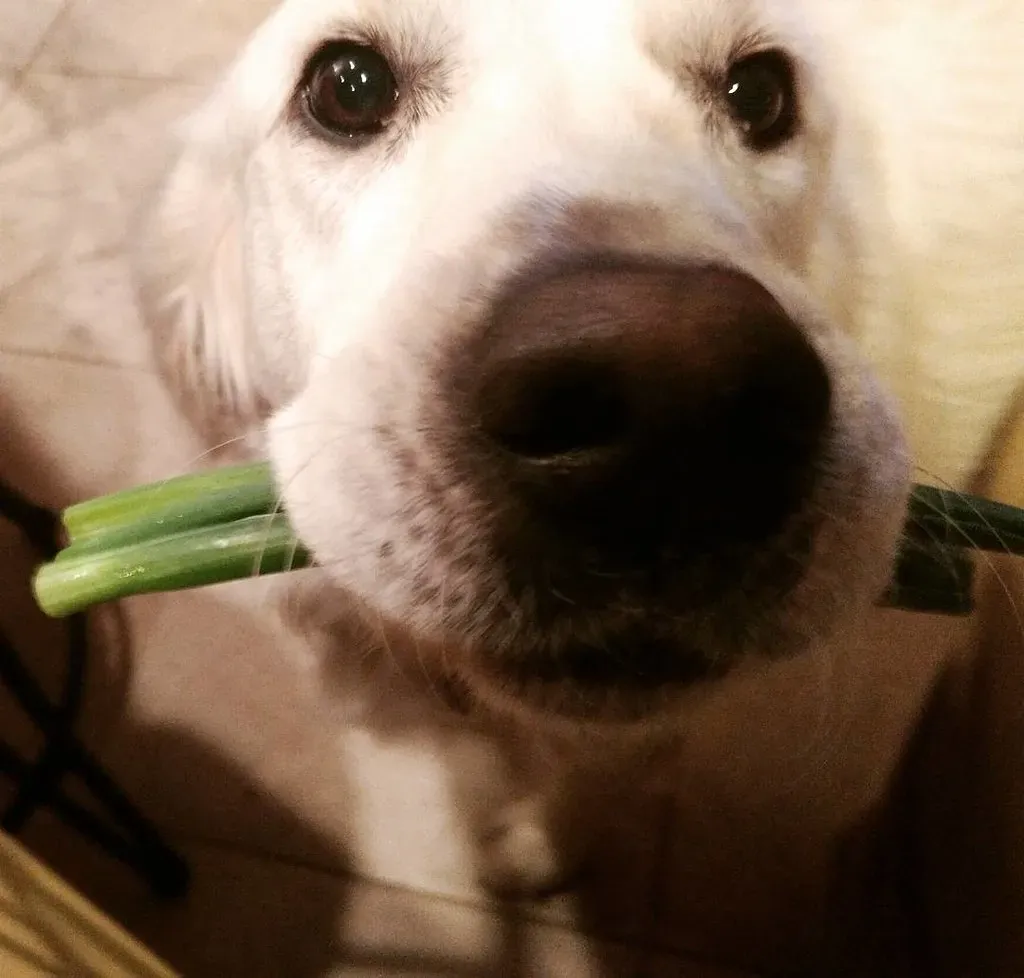
These facts remind us noses aren’t just cute. They’re lifelines to safety, joy, and connection. Cherish every sniff as a gift from evolution.
Next time your dog dives nose-first into grass, smile knowing the magic. What’s the craziest sniff story with yours? Share in the comments. We’d love to hear.


