
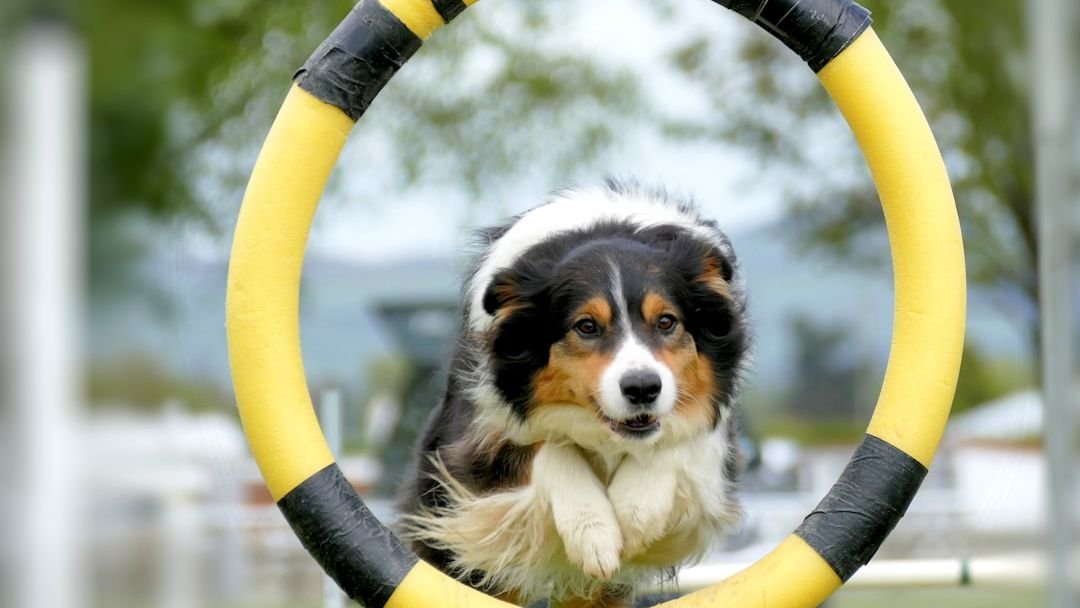
You love your dog. That goes without saying. Yet sometimes the daily walk just isn’t in the cards. Maybe the weather is brutal, maybe you’re nursing an injury, or maybe your pup is recovering from surgery and needs rest. Here’s the thing though: your dog still needs stimulation, engagement, and joy. Walking isn’t the only way to fulfill those needs.
Think of your dog’s brain like a muscle. It craves a workout just as much as their legs do. Mental work is tiring work, sometimes even more exhausting than physical exercise. When you tap into activities that challenge your dog’s mind, you’re not just keeping them busy. You’re giving them purpose, reducing anxiety, and strengthening the bond you share. Let’s dive into ten activities that will light up your dog’s world without stepping foot outside your door.
1. Nose Work and Scent Games
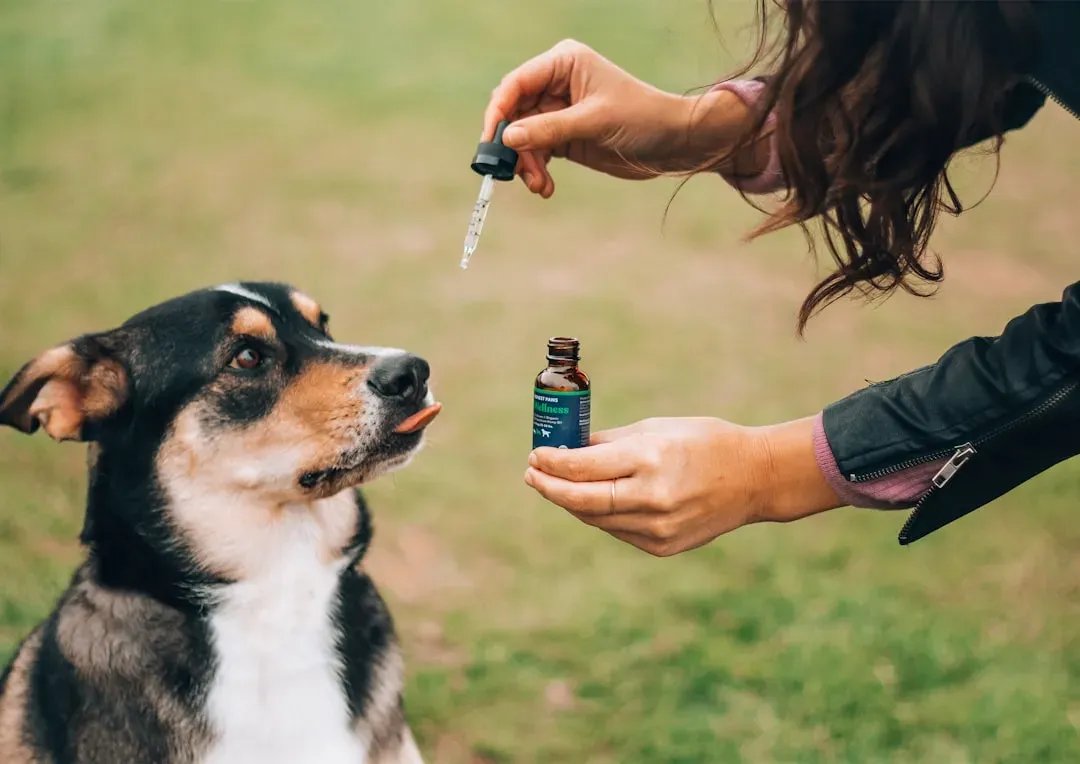
Dogs have up to 300 million olfactory receptors, which makes their sense of smell their most powerful tool for exploring the world. Scent training benefits dogs of all kinds by providing mental and physical enrichment, building confidence, and strengthening your bond.
Start simple. Grab a handful of cardboard boxes and hide treats inside a few of them. Let your dog sniff them out. Benefits of dog nose work include physical activity, mental stimulation, and confidence building. Watch how focused they become, how their tail starts wagging when they zero in on a box.
Nose work can be done by virtually any dog, including those who can’t take part in vigorous exercise because of age or physical limitations. It’s ideal for shy dogs needing a confidence boost or high energy dogs learning to focus. A few minutes of a calming scent game can help a dog relax.
2. DIY Puzzle Feeders and Food Games
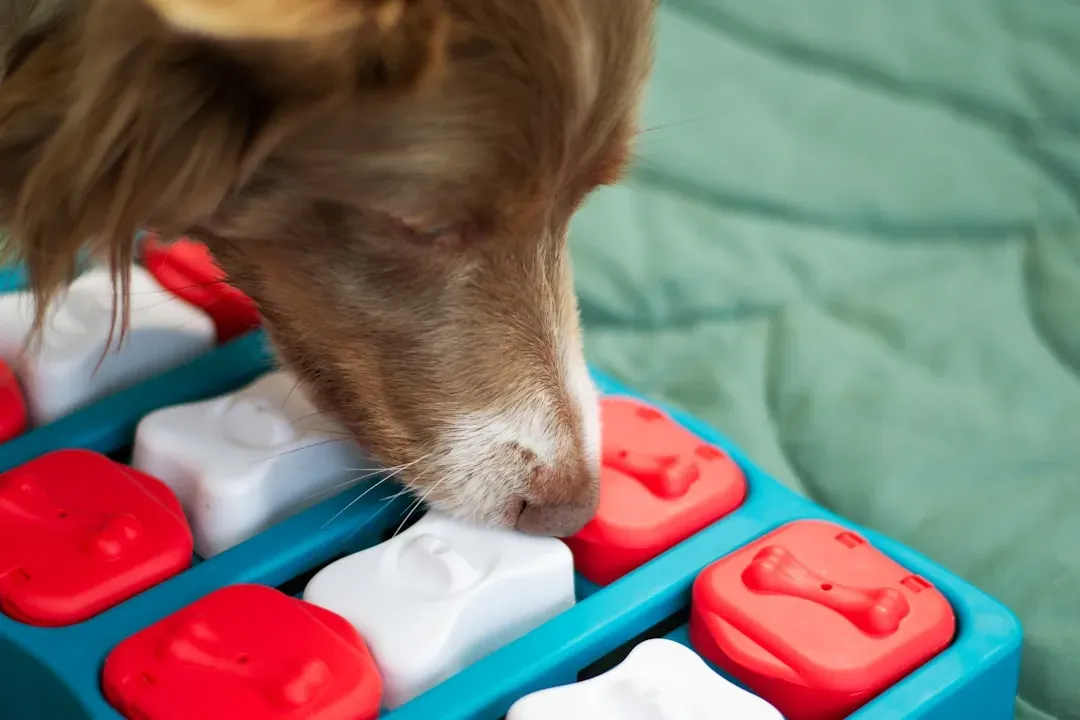
Forget the boring food bowl. Food puzzles are a great way to slow down your dog’s eating and provide mental stimulation. You don’t need fancy gadgets either.
Try the muffin tin game. Place treats in several cups of a muffin tin and cover all the cups using tennis balls, soft toys, or crumpled paper. Your dog has to figure out how to uncover each treat. It’s surprisingly challenging for them and hilarious to watch.
Research has shown that dogs prefer food rewards that they earn as an achievement from problem solving more than freely accessible food. Think about that for a moment. Your dog actually enjoys working for their meal. Egg cartons, towel rolls with treats tucked inside, even a snuffle mat made from old fabric strips can turn mealtime into an adventure.
3. Hide and Seek With You
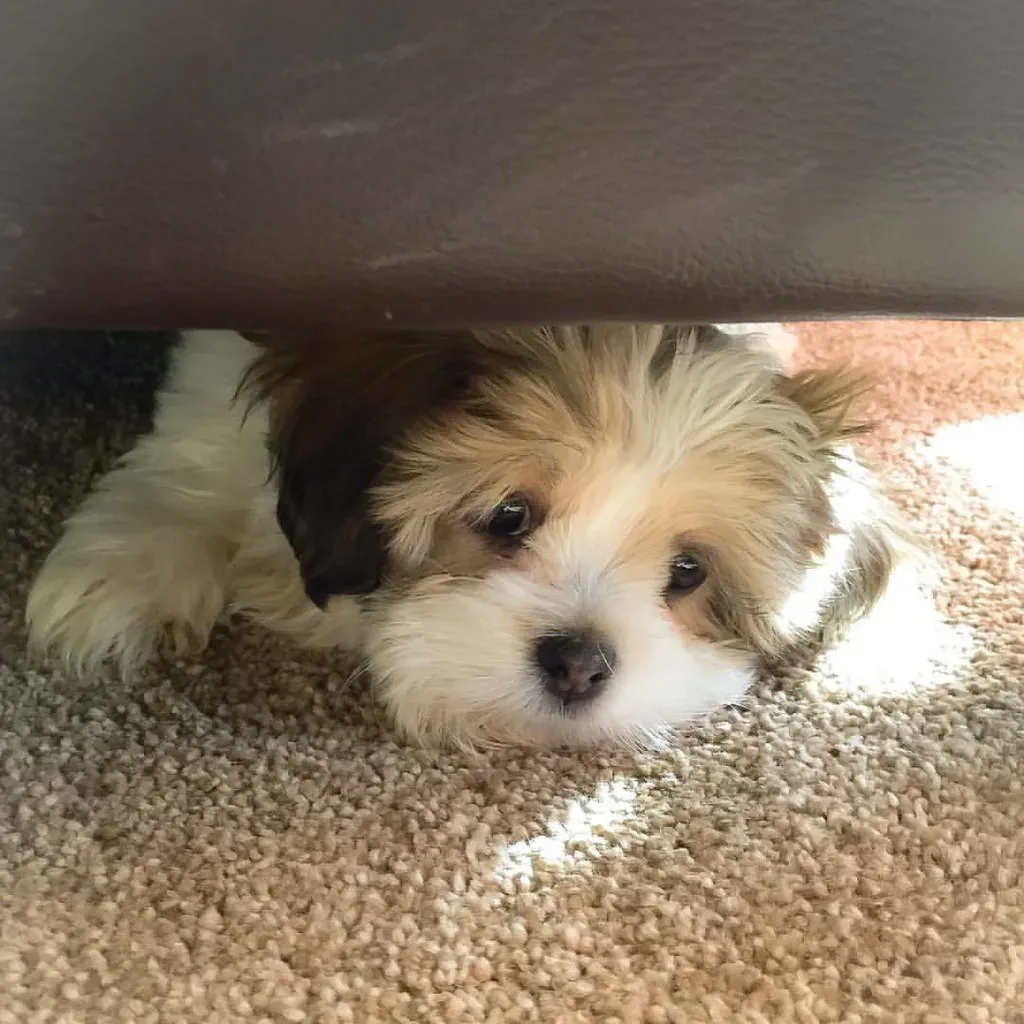
Playing hide and seek can nurture your dog’s needs and offer an opportunity to bond. This isn’t just a kids’ game. Dogs absolutely love it.
Your dog will need to understand basic commands like sit, stay, and come. Ask them to stay in one room, then go hide somewhere else in your home. Call their name and let them search for you. When they find you, celebrate with praise and a high value treat.
Start with easy hiding spots behind a door or around a corner. As your dog gets better at the game, increase the difficulty. Hide in a closet, behind the shower curtain, or under a blanket on the bed. The joy on their face when they discover you is pure magic.
4. Teach a New Trick
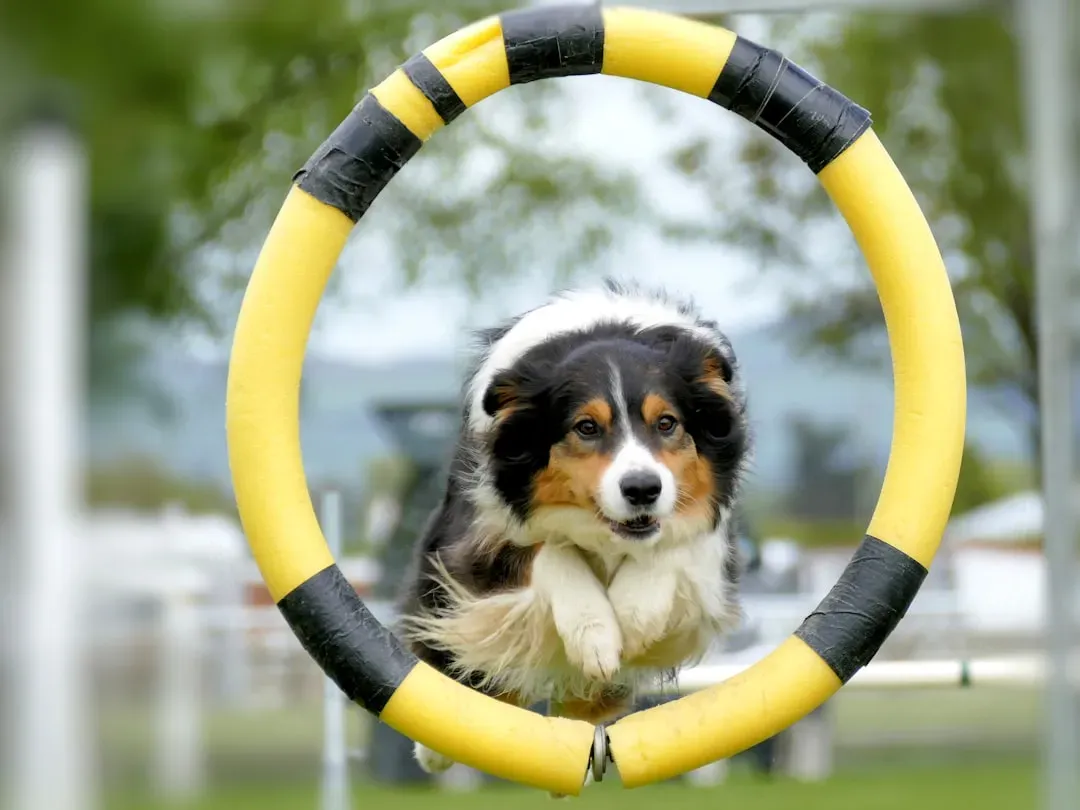
Teaching a new trick strengthens the bond between you and your dog. Whether it’s a classic shake or something quirky like playing dead, your dog will love the challenge.
Keep sessions short, no longer than five to ten minutes, to avoid frustration. Dogs have limited attention spans, especially when learning something brand new. Offer treats, belly rubs, and enthusiastic praise when they get it right.
Think beyond basic commands. Teach them to close a door, turn off a light switch, or fetch specific items by name. Teaching your dog the names of toys and asking for specific items boosts vocabulary and focus. These aren’t just party tricks. They’re genuine cognitive challenges that keep your dog’s mind sharp.
5. Indoor Obstacle Course
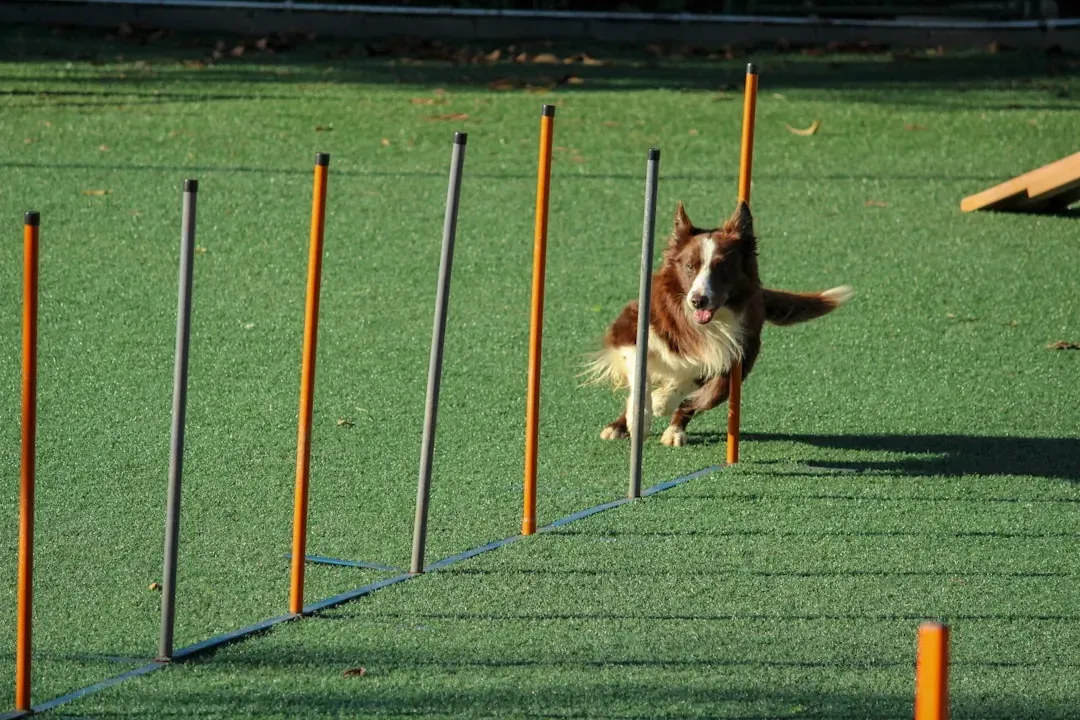
Creating an obstacle course is a unique enrichment activity for high energy dogs. You can build one with household items you already own.
Set up poles using household objects like chairs and instruct your dog to heel alongside you as you weave between them. Add a broomstick balanced between two chairs for them to jump over. Lay out pillows for them to walk across. This is an awesome way to work on coordination while getting a cardio workout.
Change the course every few days to keep things fresh. Your dog will have to think on their feet, literally, as they navigate new challenges. It’s mentally stimulating and physically engaging without needing to leave your living room.
6. Tug of War and Interactive Play
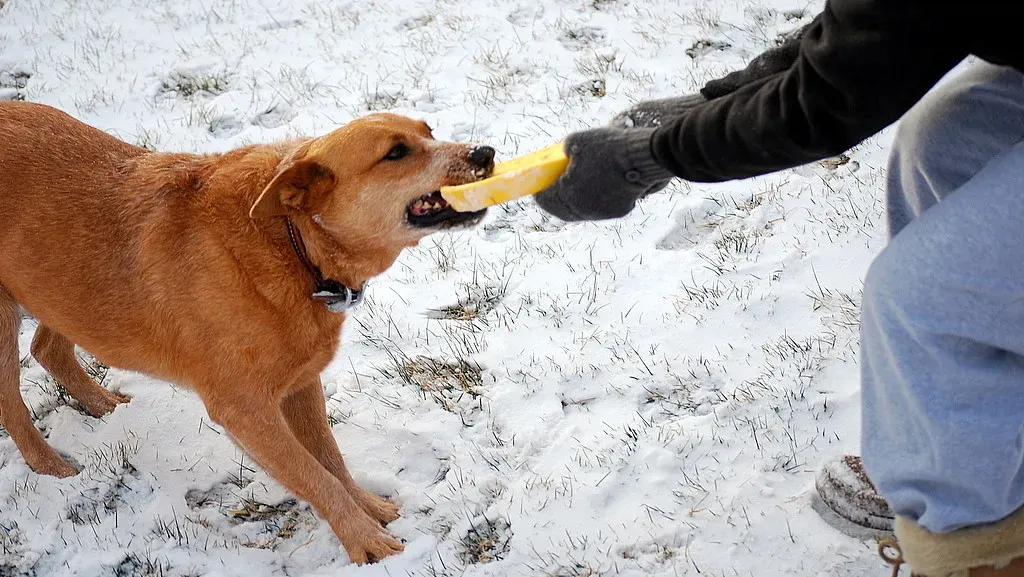
Tug of war is a great indoor game that can help your dog use up some pent up energy. Grab a sturdy rope toy and engage in a friendly battle of strength.
This game also gives you a perfect opportunity to reinforce the “drop it” or “let go” command. Let your dog win sometimes. It builds their confidence and keeps them engaged. Other times, you win, which reinforces your role and keeps the game balanced.
Mix in other interactive toys like squeaky toys, plush toys, or even a soft frisbee for indoor fetch down a hallway. Incorporate playtime with activities your dog enjoys and provide at least 30 minutes of playtime every day. The key is interaction. Your presence and participation make these activities infinitely more rewarding for your dog.
7. Frozen Treat Challenges
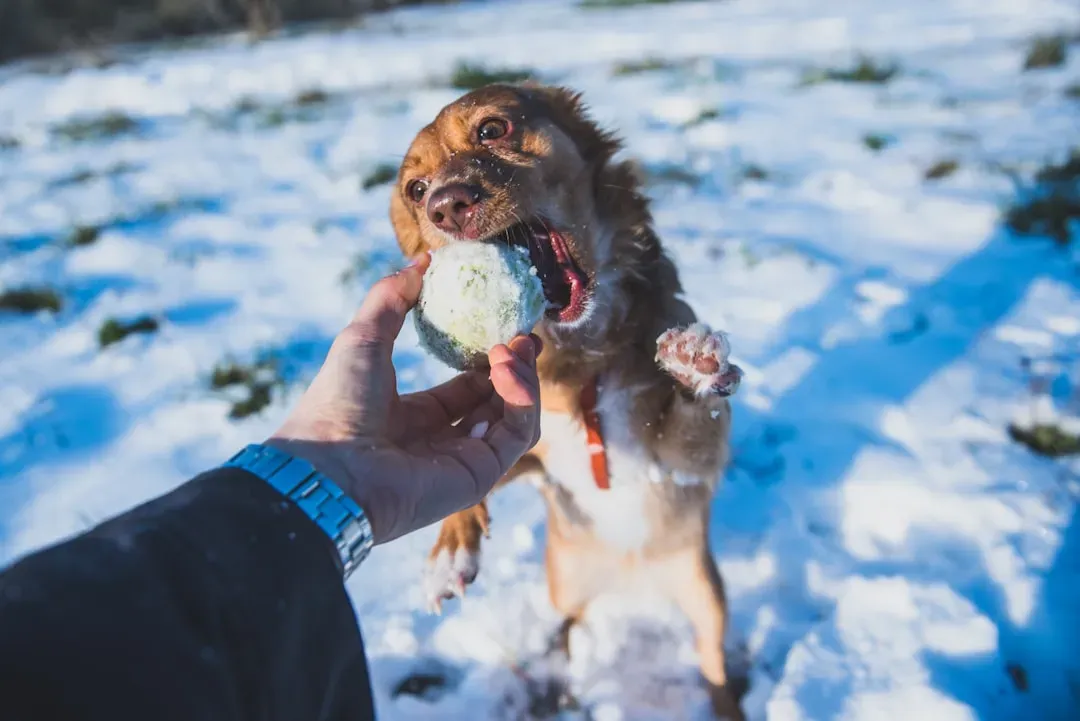
Frozen treats give your dog something yummy to eat but also take a bit of work, providing mental stimulation. Stuff a Kong or similar toy with peanut butter, yogurt, or wet dog food, then freeze it overnight.
Your dog will spend ages licking and working to get every last bit out. It’s calming, satisfying, and occupies them for far longer than a regular treat would. Try layering different flavors or adding small training treats into the mix before freezing.
On hot days, this doubles as a cooling activity. On cold days, it’s still engaging because of the challenge involved. Rotate different filling combinations to keep your dog guessing what surprise awaits them next.
8. Scatter Feeding and Treasure Hunts
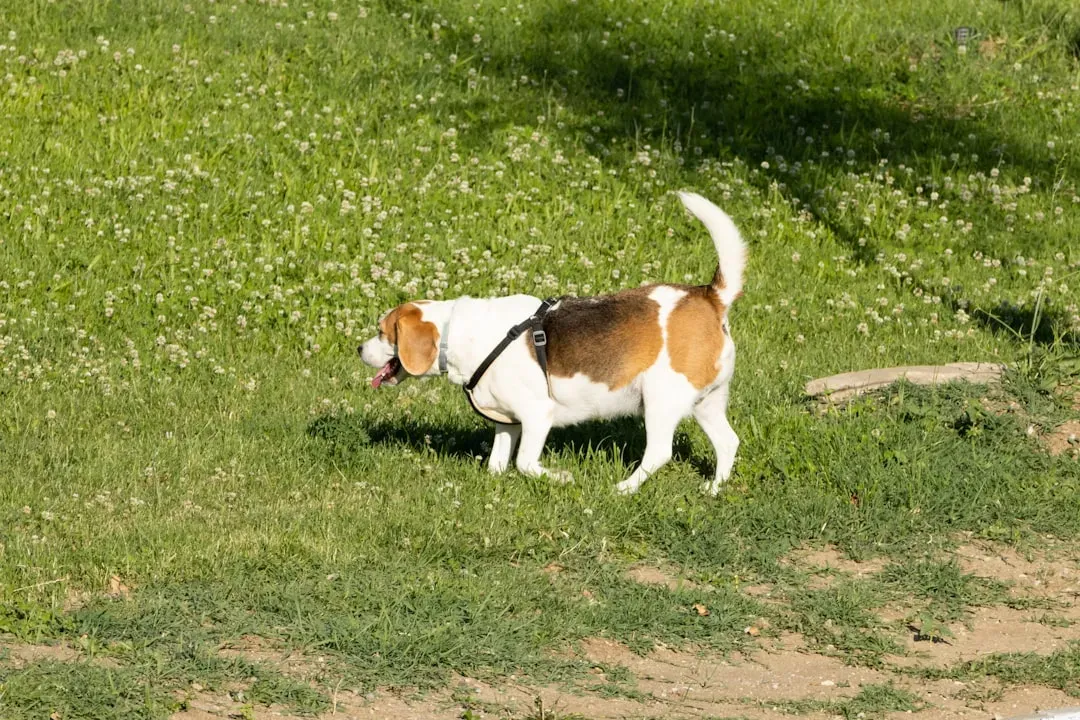
Scatter feeding encourages your dog to search for their food and helps encourage their natural foraging behaviors. Instead of using a bowl, toss their kibble across the floor, on the grass, or throughout a room.
As your dog gets better at using their nose to find the food, you can scatter it over a larger area or hide small piles of food. Hide treats under cushions, inside paper bags, or in the folds of a towel. Randomly toss treats into grass, snow, leaves, or on a blanket requiring your dog to use their nose.
This taps directly into their foraging instincts. It slows down fast eaters naturally and turns every meal into a stimulating hunt. You’ll notice how content and settled your dog becomes after a good sniffing session.
9. The Cup Game and Shell Game
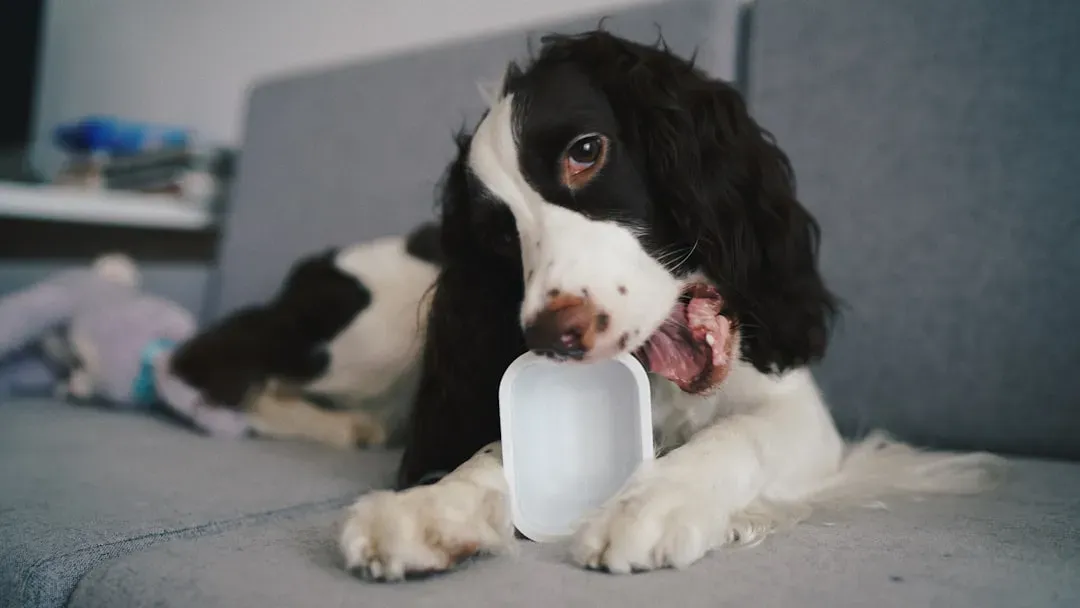
Take three cups and a treat, place the treat under one cup while your dog watches, then shuffle the cups. Encourage your dog to choose which cup hides the treat. Reward them when they choose the correct cup.
This classic game tests problem solving skills and sharpens focus. Start slow, letting your dog see exactly where you place the treat. As they improve, shuffle faster or use more cups.
Some dogs will use their nose to sniff out the treat. Others will track the cup with their eyes. Both approaches work, and watching your dog figure out their strategy is fascinating. It’s simple, requires almost no materials, and dogs find it genuinely engaging.
10. Grooming and Spa Time
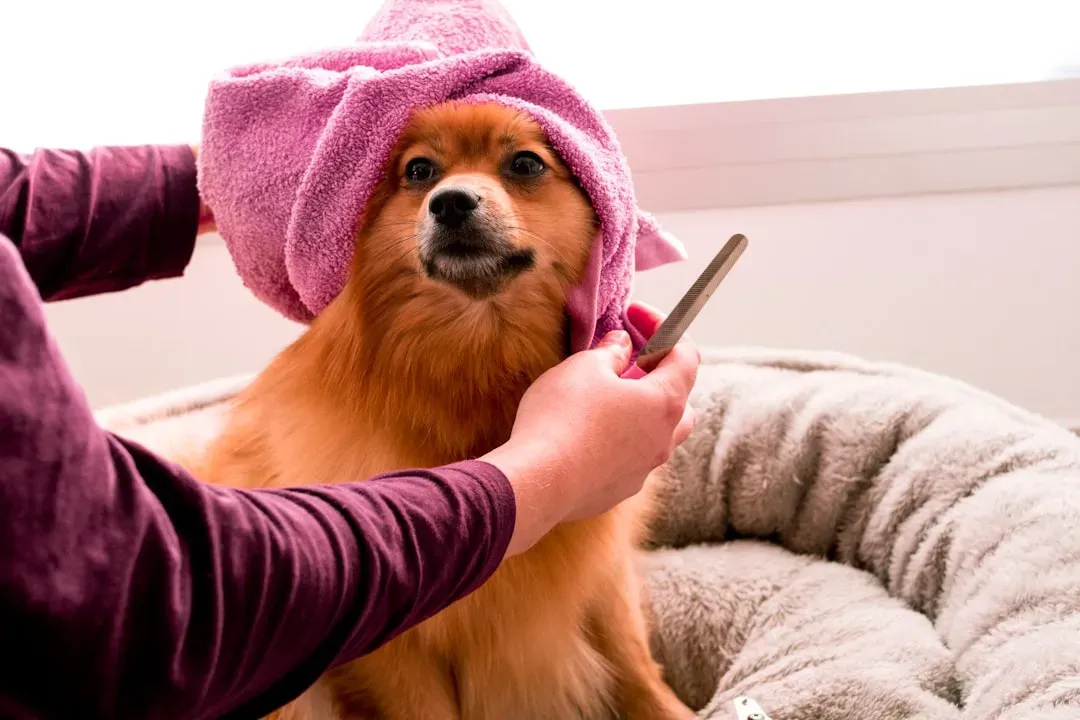
Bathing and grooming can be indoor enrichment for dogs, providing different sensations and teaching them they can be comfortable when handled. This is especially important for vet visits and general care.
Run a warm bath, scrub them thoroughly, then spend extra time brushing their coat and trimming their nails if needed. Make it a bonding experience rather than a chore. Talk to them in a soothing voice, offer treats throughout, and go at their pace.
Not every dog loves grooming initially, but with patience and positive associations, most learn to tolerate or even enjoy it. The physical touch releases feel good hormones for both of you, deepening your connection. Regular grooming sessions also help you spot any health concerns early, like lumps, skin issues, or overgrown nails.
Conclusion
Your dog doesn’t need a marathon walk to be happy and fulfilled. What they truly crave is engagement, mental challenges, and quality time with you. Enrichment helps keep your pup’s mind sharp, allows them to burn off excess energy, reduces stress and anxiety, and helps prevent problem behaviors.
These ten activities prove that the bond you share with your dog isn’t built on distance covered but on moments shared. Whether you’re hiding treats in boxes, playing hide and seek, or teaching a goofy new trick, you’re showing your dog they matter. You’re giving them purpose, joy, and the mental workout they desperately need.
So next time you can’t take that walk, don’t feel guilty. Grab some cardboard boxes or a muffin tin and get creative. Your dog will thank you with wagging tails, bright eyes, and that unmistakable look of pure canine happiness. What activities have you tried with your pup? Share your favorites in the comments below.


