
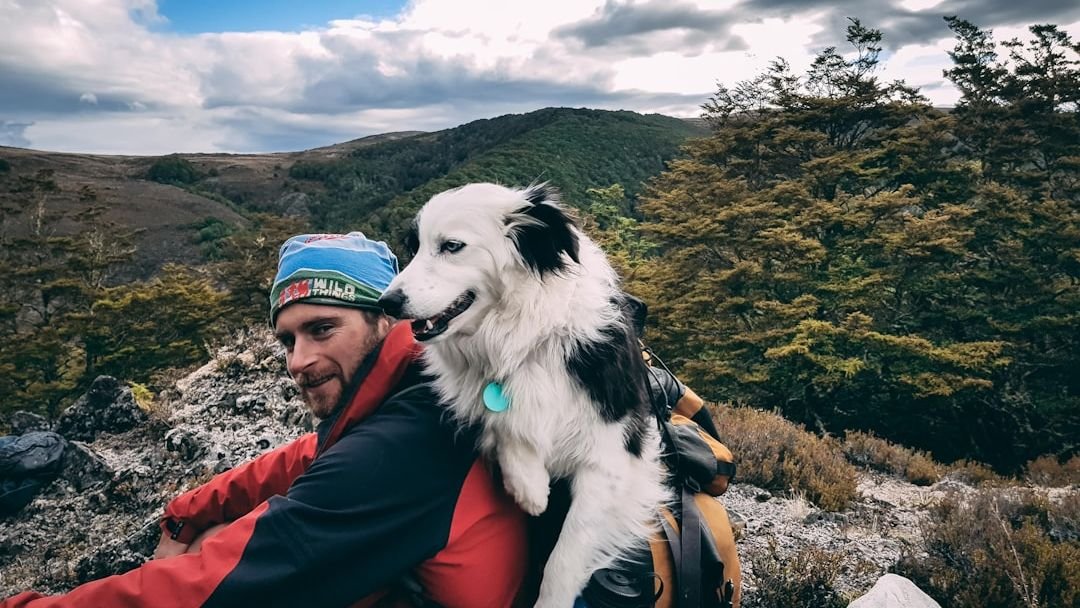
Picture this: Christmas morning arrives, and you unwrap that beautiful new cashmere sweater from your aunt. Your dog, meanwhile, is ripping apart wrapping paper with wild abandon, tail wagging like a helicopter blade. They don’t care about the price tag or the brand name. What they want is something entirely different from what we might assume.
Most of us shower our dogs with gifts during the holidays, but honestly, how many of those toys end up forgotten under the couch by New Year’s? I’ve been there, watching my own pup ignore the expensive squeaky toy in favor of the cardboard box it came in. Dogs have their own wish list, and it rarely matches what the flashy pet store displays suggest. So let’s dive into what your furry friend is really hoping to find under the tree this year.
1. A Puzzle Toy That Actually Makes Them Think
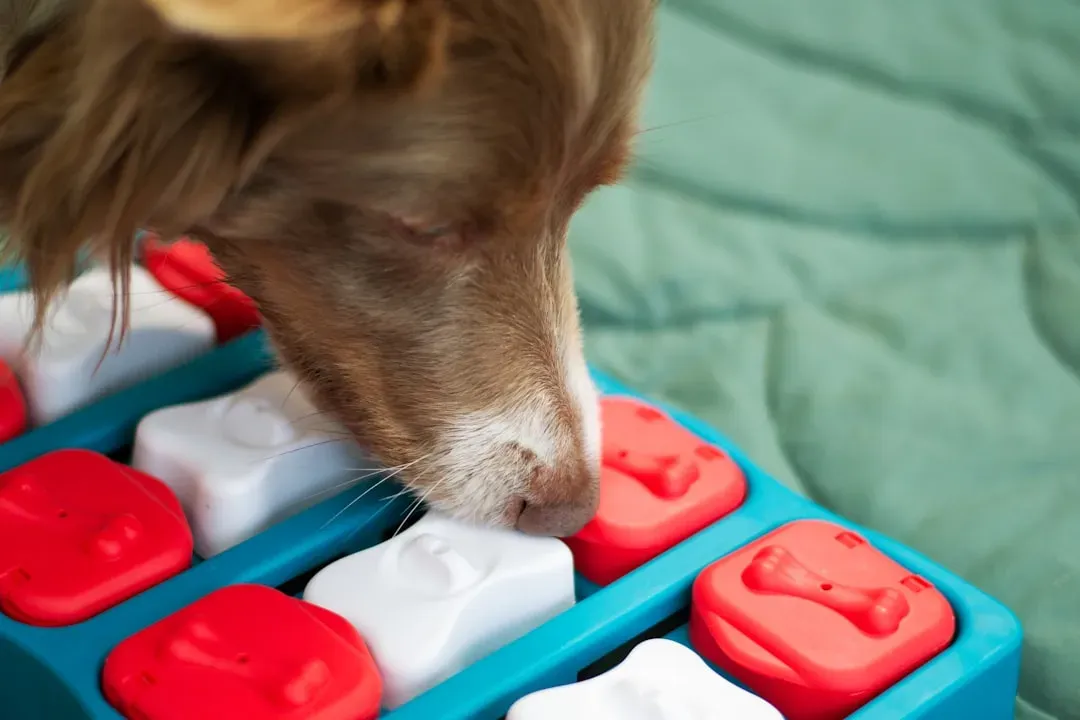
Enrichment toys are designed to stimulate your pup’s mind, challenge their instincts, and keep them engaged mentally and physically. Think about it from their perspective: your dog spends hours alone while you’re at work or running errands, and their brain is basically screaming for something to do.
Mental stimulation is just as important as physical exercise, with interactive puzzles featuring sliding pieces and hidden treat compartments keeping your pup guessing, stimulated, and rewarded. These aren’t just toys. They provide mental stimulation, helping prevent boredom and cognitive decline while keeping your dog’s brain sharp and engaged.
Watch for signs that your dog is bored: destructive chewing, excessive barking, or following you around constantly. Boredom can lead to destructive behavior, excessive barking, and anxiety in dogs, while enrichment toys provide a productive outlet for their energy and curiosity. Start with beginner level puzzles and work your way up as your dog masters each challenge.
2. Quality Time Without Distractions
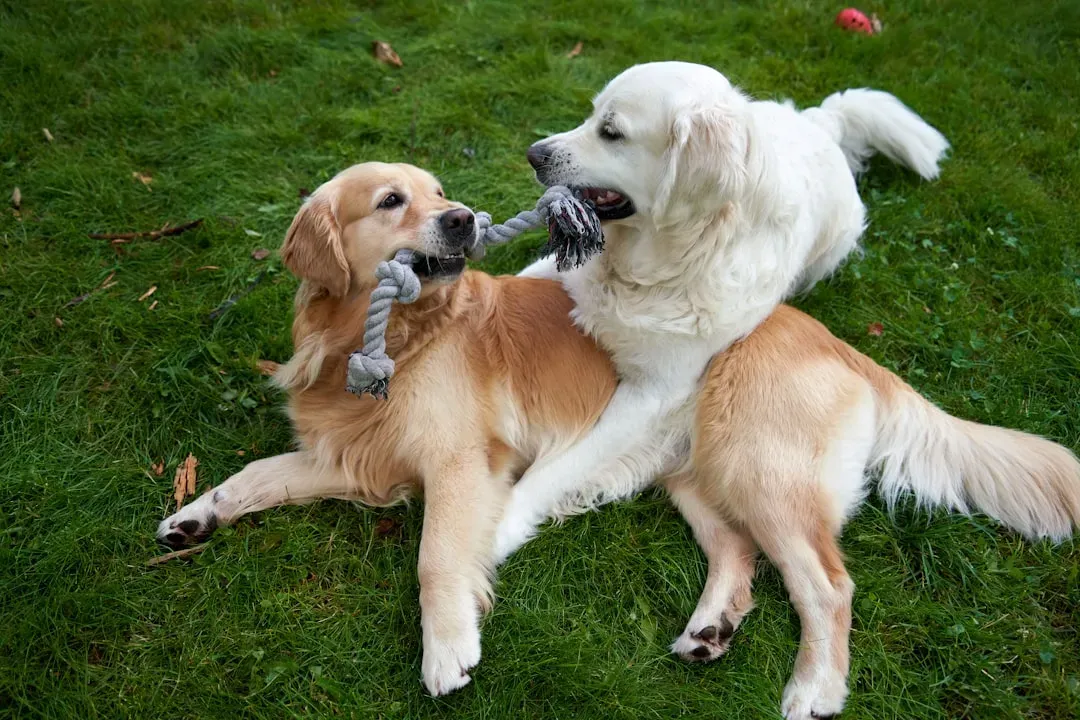
Here’s the thing: you can’t wrap quality time in a bow, but it’s probably the most valuable gift on this list. At the end of the day, nothing beats the joy of spending quality time with your dog, as human interaction is the most enriching experience they can have.
Put down your phone. Turn off the TV. Figure out what your dog’s favorite activity is and engage with them fully, as actively participating in fetch or tug-of-war means your dog will feed off of your excitement. Whether you’re playing, training, or simply relaxing together, your undivided attention strengthens your bond in ways no physical gift can match.
The bond between you and your dog needs time, care, and patience to grow, leading to better communication, effective training, and more fun. Schedule fifteen minutes of completely focused playtime daily. No multitasking, no checking emails. Just you and your best friend.
3. A Really Good Snuggle Session
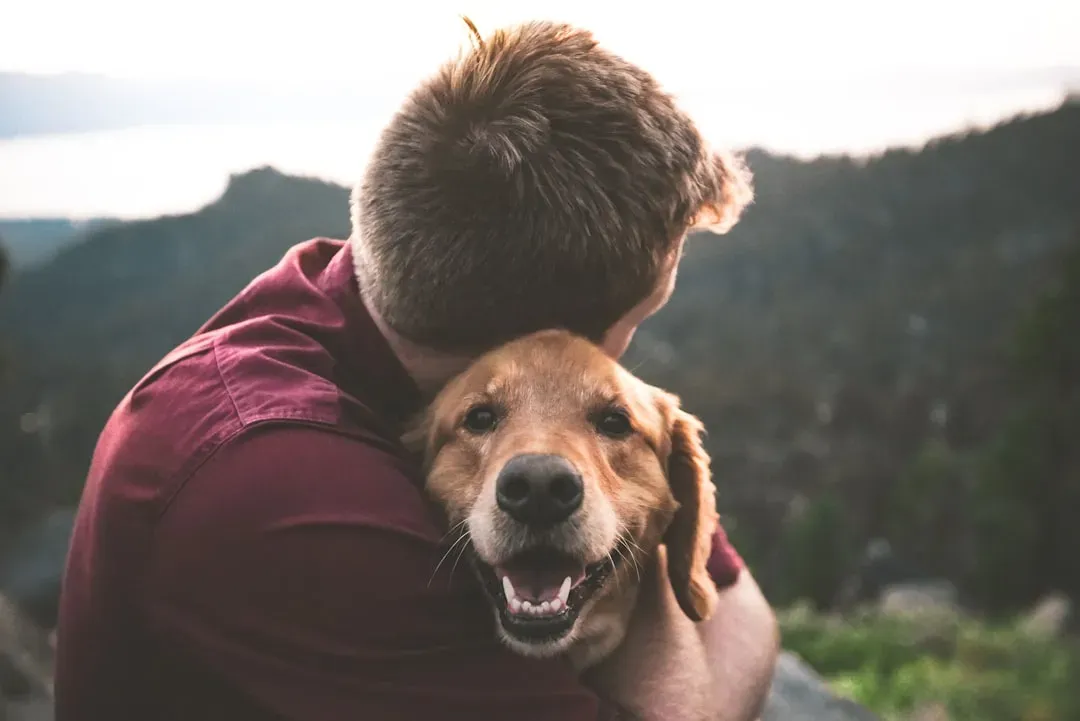
Not all dogs are cuddlers, but most appreciate physical affection on their own terms. Activities like brushing, petting, or cuddling your dog increase oxytocin levels in both dogs and humans, fostering trust and emotional connection.
Spend intentional time engaging in physical contact with your pet, joining them on the floor for quality cuddle time if they’re a snuggle bug, petting with intention and finding out their favorite spots like ear scratches or belly rubs. Some dogs prefer a gentle massage along their back, while others melt when you scratch behind their ears.
Pay attention to your dog’s body language during cuddle time. A relaxed body, soft eyes, and gentle tail wags mean they’re enjoying themselves. Stiff posture or trying to move away? Give them space. Respect their boundaries and they’ll trust you more.
4. An Adventure Beyond the Same Old Walk
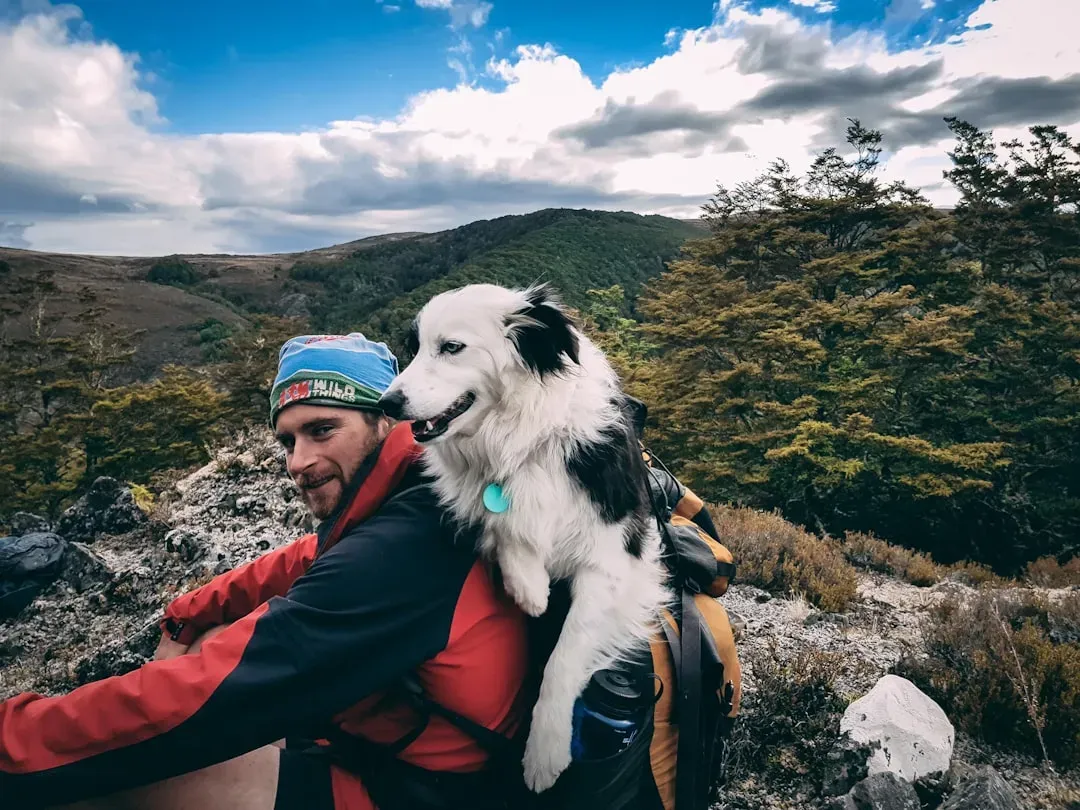
Getting outdoors and venturing off the beaten path is an exciting way to deepen your bond. Your dog walks the same neighborhood loop every single day. They know every fire hydrant, every tree, every spot where that annoying terrier lives.
Mix it up. Road trips can be a terrific way to bond with your dog, whether an overnight camping trip or adventure, as the new sights and smells bring excitement. Even a simple drive to a different park provides fresh scents and new environments that ignite their natural curiosity.
Let your senior dog explore at their own pace, never rushing them, and let them stop and sniff as long as they want. These sniff walks, where your dog leads and investigates to their heart’s content, provide incredible mental stimulation. Let them be the tour guide for once.
5. A Cozy Bed That Actually Supports Their Body

Your dog deserves better than that flattened cushion they’ve been using for three years. For dogs with arthritis, joint issues, or limited mobility, orthopedic memory foam beds can bring much-needed relief, featuring bolsters for an improved sense of security and a place to rest their head.
Older dogs especially need proper support for aching joints. Watch for signs like stiffness when getting up, reluctance to jump, or seeking out soft surfaces to lie on. These indicate your pup could benefit from better bedding.
If your dog loves to burrow, soft sherpa-lined nests are perfect for pups who like to feel snuggled and safe, becoming favorites in homes with anxious pups and cold climates. Consider their sleeping style when choosing: sprawlers need room, while curlers prefer bolstered edges.
6. A Slow Feeder or Food Puzzle
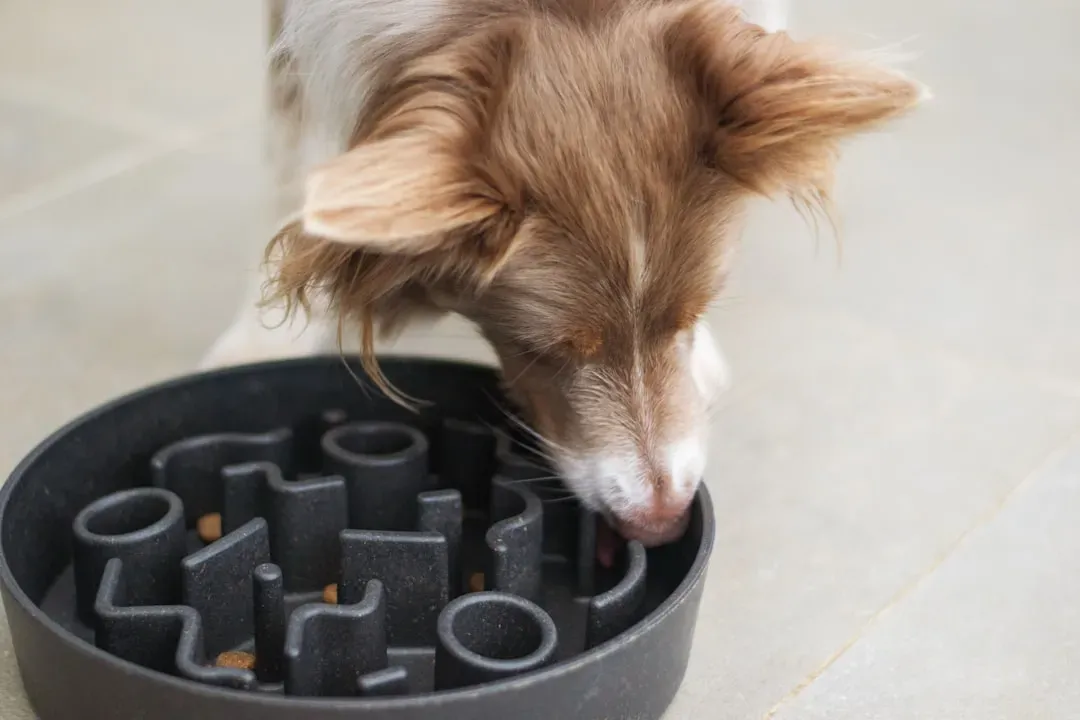
Slow feeders are a wonderful option for mental stimulation for any dog, often fitting in the crate and appropriate for senior dogs or dogs with mobility issues because they can use them while lying down. Mealtime shouldn’t be a three-second inhale-fest.
Slow feeders are often recommended for dogs who are fast eaters, as dogs who eat their food quickly are at increased risk of choking or bloat, and a slow feeder can reduce that risk. This is particularly important for deep-chested breeds prone to life-threatening bloat.
Scatter feeding is another brilliant option. Toss their kibble across the backyard and let them hunt for their breakfast. It taps into their natural foraging instincts and turns eating into an engaging activity rather than a race.
7. Training Sessions That Feel Like Games
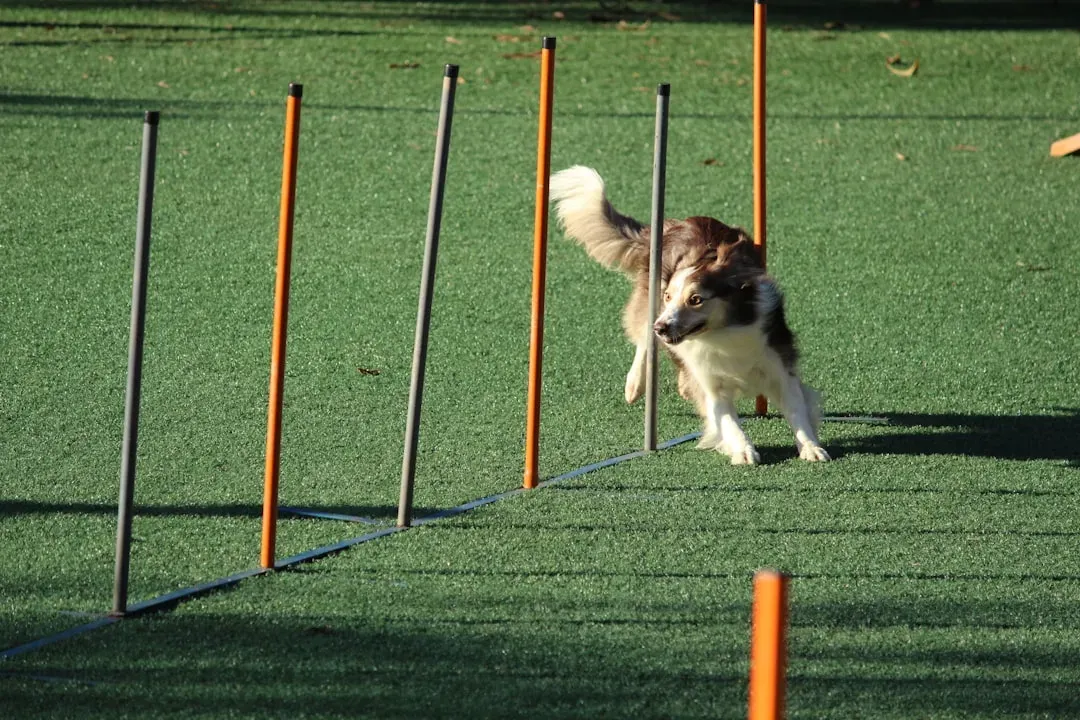
Teaching your dog new tricks helps them learn better manners and is a mentally enriching activity that deepens your connection, requiring your dog to be tuned into you for guidance while building their confidence. Training doesn’t have to mean boring repetitions of “sit” and “stay.”
Learning a new trick or activity stimulates your dog’s mind and enhances communication, with studies confirming that training is most effective when fun. Teach them to spin, play dead, or find hidden objects. Make it playful and rewarding.
Rewarding good behavior with treats, praise, or playtime reinforces your bond and creates a safe space for learning, while punishment-based methods can damage trust. Keep sessions short, end on a positive note, and celebrate small victories. Your enthusiasm is contagious.
8. A Durable Chew Toy for Stress Relief
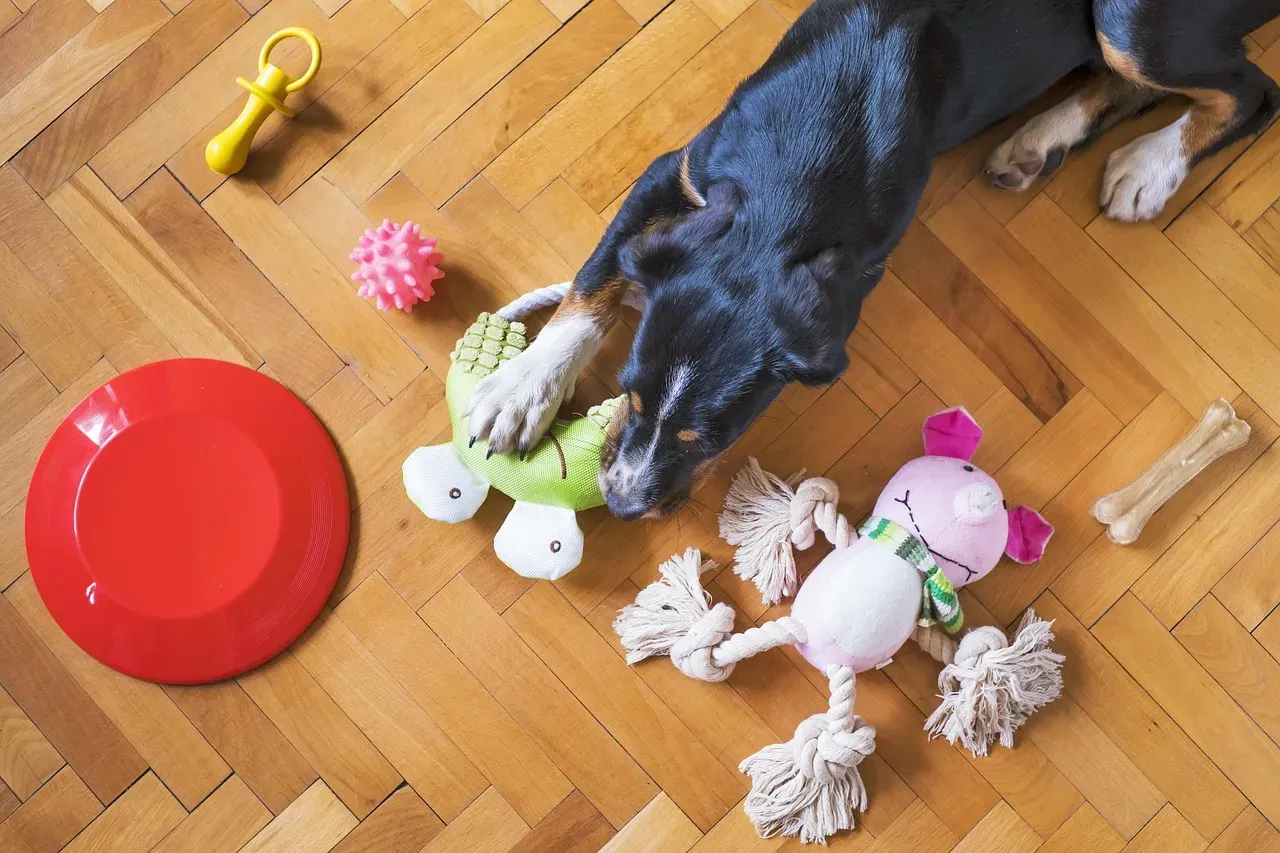
Chewing is hardwired into dogs. It’s not destructive behavior; it’s stress relief, dental care, and pure satisfaction all rolled into one. The key is providing appropriate outlets before your dog decides your favorite shoes look delicious.
Look for toys that match your dog’s chewing style. Power chewers need nearly indestructible options, while gentler mouths can enjoy softer materials. Rotate toys regularly to maintain novelty and interest.
Safety matters here. Avoid toys that can splinter or have small parts that could be swallowed. Supervise initially to ensure your dog can’t destroy and ingest pieces. A good chew toy should last weeks or months, not minutes.
9. Grooming Time That Feels Like Pampering
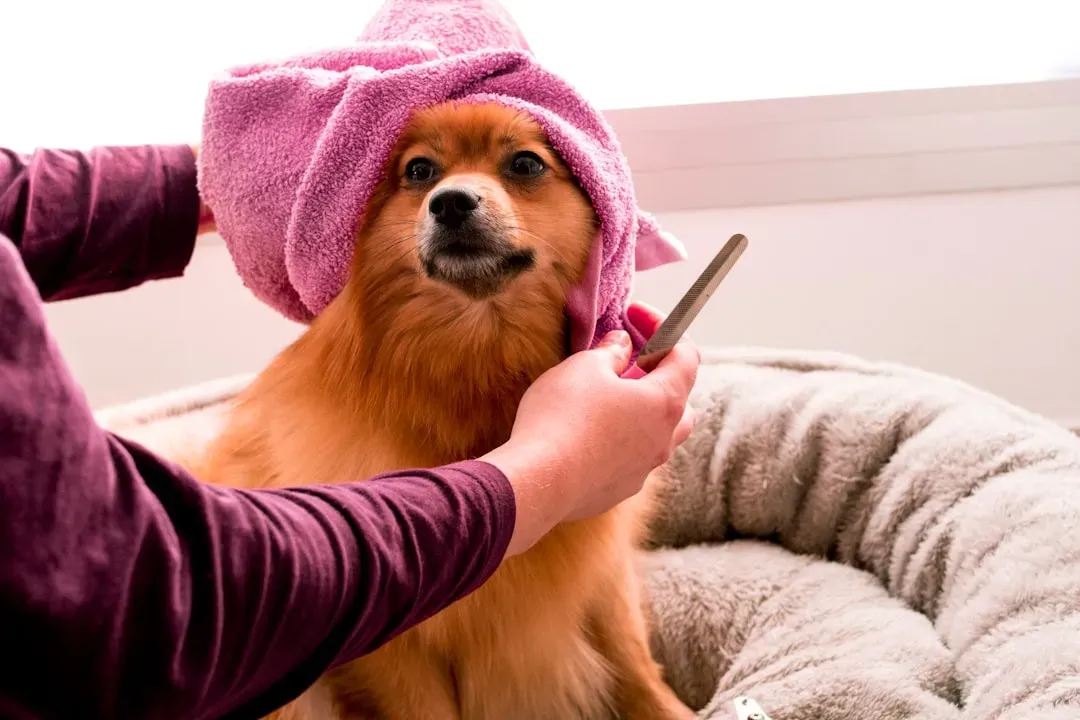
Grooming can strengthen the human-animal bond if done right, with regular brushing removing dirt, debris, and loose fur while being very soothing to many dogs. Most dogs don’t naturally love being groomed, but you can change that association.
The repetitive motion of brushing can help calm an anxious dog, offering mental relaxation and a chance to decompress, while teaching patience and self-control. Make it pleasant by pairing grooming with high-value treats and praise.
Regular brushing, gentle petting, or massage keeps your dog healthy and reinforces your bond, as touch builds trust and comfort. Start slowly with sensitive dogs. A few brush strokes followed by treats can gradually build positive associations.
10. Consistency and Routine
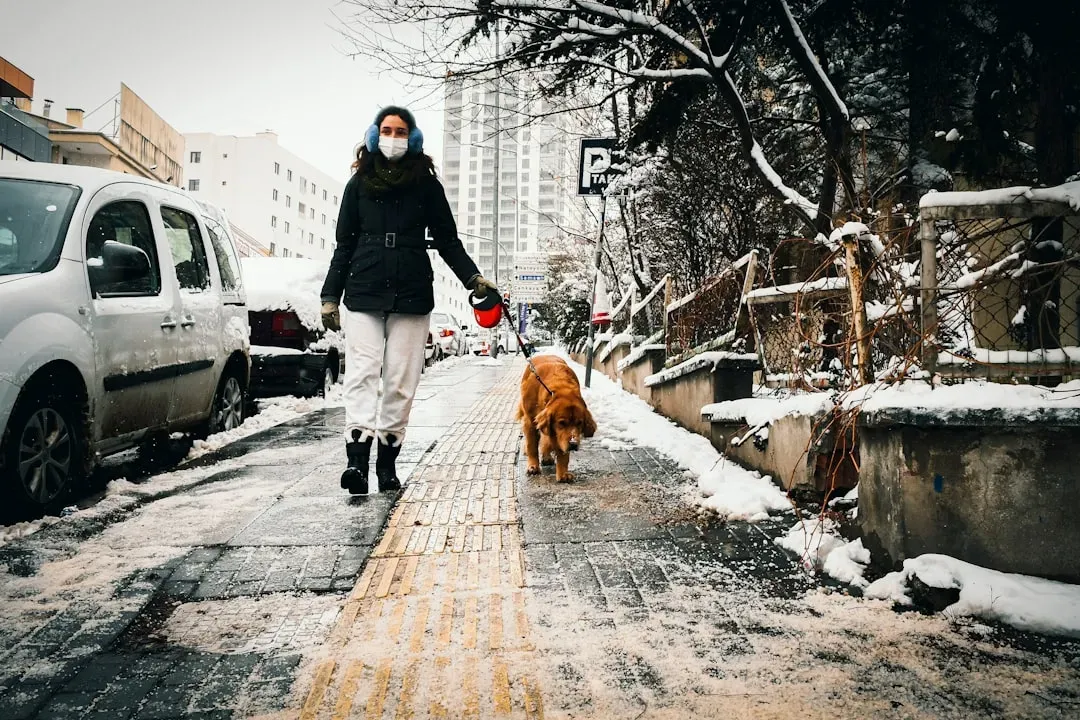
Dogs thrive on routine, with predictable mealtimes, walks, play, and rest helping your dog feel safe and secure, especially if they’re new to your home. This might not sound like a gift, but to your dog, it’s priceless.
A routine provides stability and consistency, which can reduce anxiety in dogs, as they know what to expect at certain times of the day. Wake up, eat, walk, play, rest. It might seem monotonous to us, but dogs find comfort in predictability.
Dogs thrive on consistent schedules, and by creating a routine together, they’ll know what to expect from you and when, which only serves to build their trust further. Inconsistency creates anxiety and confusion. Being reliable is one of the greatest gifts you can give.
Conclusion
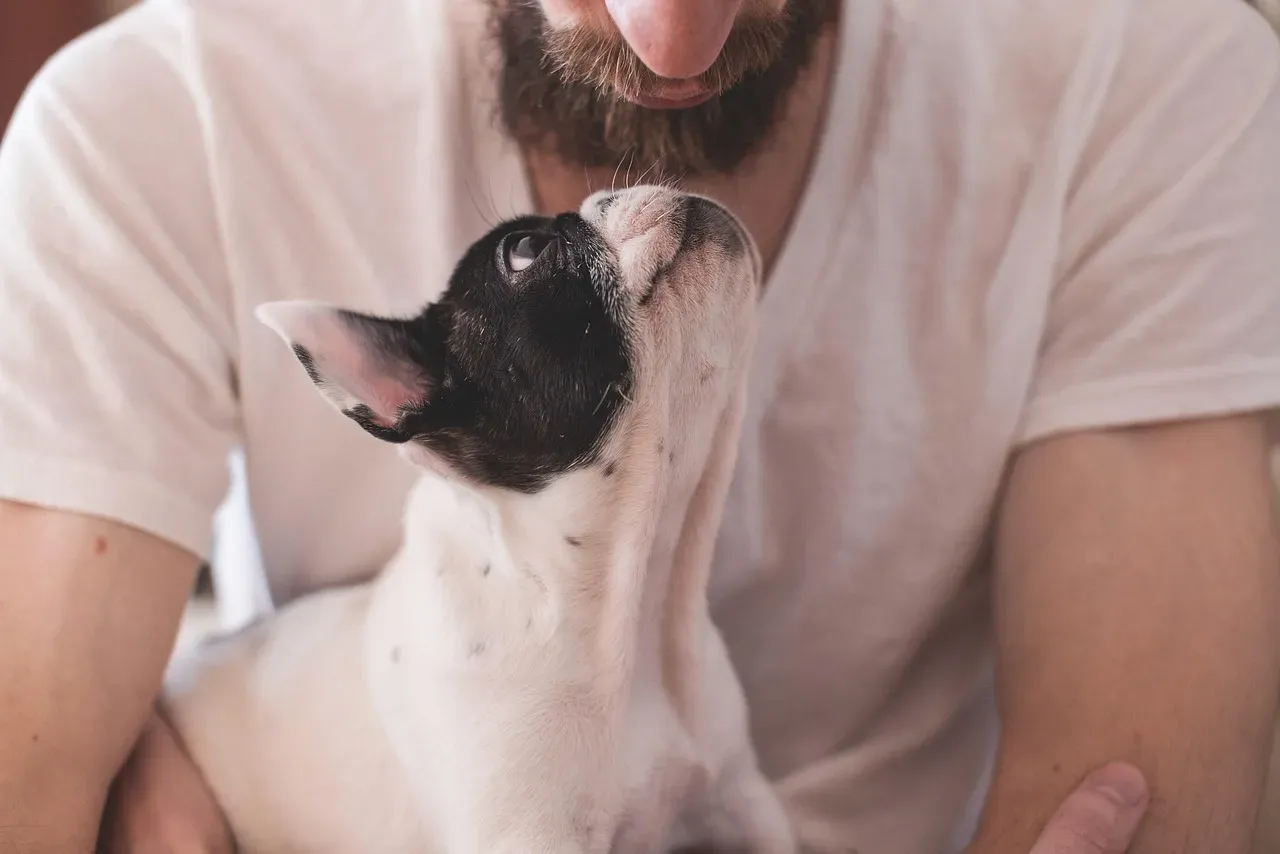
Let’s be real: your dog doesn’t care about designer collars or expensive tech gadgets. What they truly want this Christmas costs surprisingly little. Mental stimulation through puzzles, your undivided attention, physical affection, new experiences, comfort, and the security of routine matter far more than flashy presents.
The best gifts engage their natural instincts, strengthen your bond, and show them they’re valued members of the family. Watch how your dog lights up during a focused play session or relaxes into a good cuddle. Those moments reveal what they truly treasure.
This holiday season, consider what your dog actually wants rather than what clever marketing tells you they need. The tail wags and happy sighs will tell you everything. What gift do you think your dog would choose first? Tell us in the comments.


