
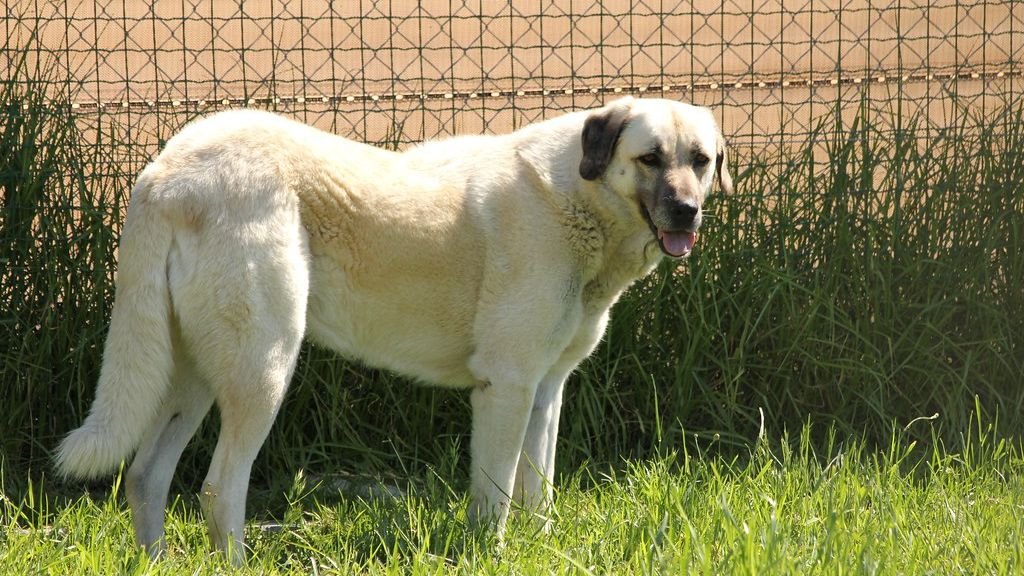
Imagine waking up before dawn to find your flock has been scattered across the hillside overnight. No fence torn. No obvious signs of struggle. Just missing animals. For sheep and cattle ranchers across Idaho, this isn’t a hypothetical nightmare. It’s a very real, very costly reality. Wolves have made a significant comeback in the Gem State, and with that comeback comes serious pressure on livestock operations, especially in remote central and southern Idaho ranges.
Livestock guardian dogs have been bred specifically to fend off wolves, coyotes, bears, and mountain lions, and they represent a long-standing, non-lethal best practice used widely by ranchers across Idaho and the wider American West. These dogs aren’t just tools. They’re partners. They’re family. And honestly, for many Idaho ranchers, they are the single most effective layer of protection money can buy. Let’s dive in.
1. Great Pyrenees: Idaho’s Most Beloved White Guardian
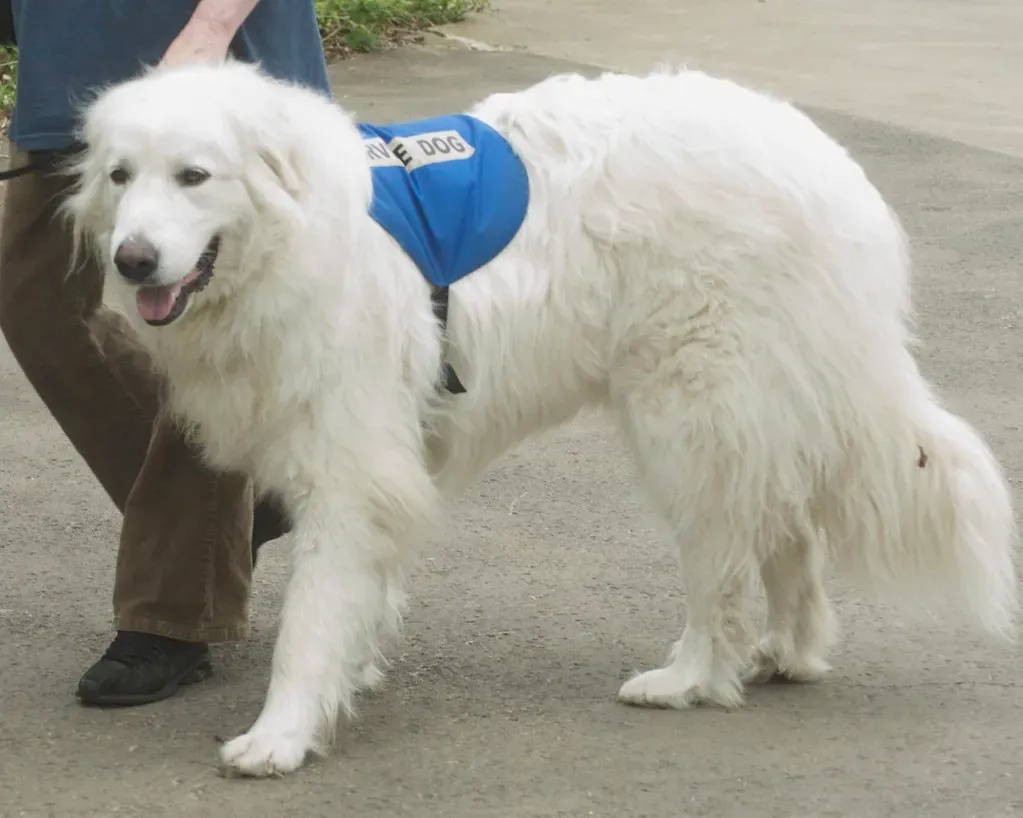
If there’s one breed that shows up on nearly every Idaho sheep ranch, it’s the Great Pyrenees. Big, fluffy, and deceptively athletic, these dogs are everywhere in Idaho’s rangelands. The breed is known for their large stature, thick white coat, and deep devotion to duty, especially when it comes to taking care of livestock.
History proves these dogs are effective protectors. The Great Pyrenees descended from white shepherd dogs that guarded flocks as far back as 10,000 to 11,000 years ago. Their bite force is a formidable 500 psi, meaning they can hold their ground even when wolves push back. Pair two or three of them together, and you’ve got a serious front line.
One real-world example: when a rancher in Parshall faced repeated wolf attacks, she credited Great Pyrenees dogs with dispersing the wolves and minimizing casualties. She noted that the dogs likely saved as many animals as they could by deterring the wolves from the flock and spreading them out. For Idaho ranchers, prevention is everything, and the Great Pyrenees delivers it with quiet confidence.
2. Akbash: The Swift, Silent Sentinel of the Range
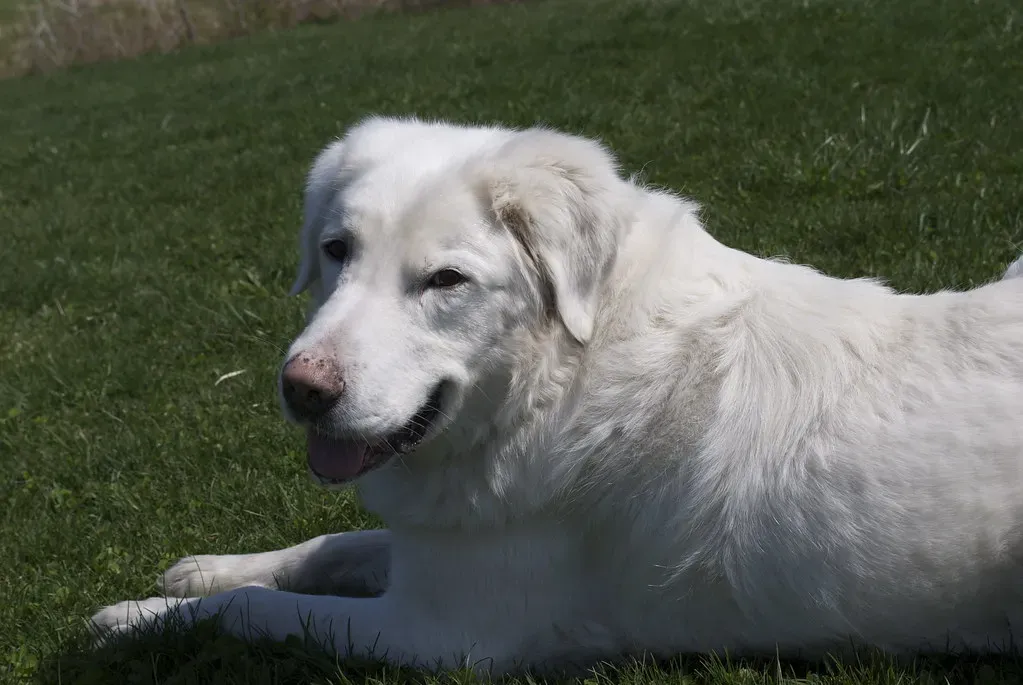
Originating in Turkey, the Akbash is a swift and agile guardian dog that specializes in protecting livestock. With their sharp instincts and strong territorial nature, they are excellent at keeping predators away from sheep and other livestock.
The Akbash combines the best traits of mastiffs and sight hounds, offering both strength and speed. Known for their white, short to medium-length coat and weighing up to 140 pounds, they are vigilant guardians, often seen standing watch over their flock. Their effectiveness is supported by research indicating a decrease in predation rates on farms where Akbash dogs are employed.
Think of the Akbash like a long-distance sprinter crossed with a bouncer. They won’t always pick a fight, but they will absolutely make sure a wolf thinks twice before stepping onto protected ground. Some of the most common breeds used in Idaho include Great Pyrenees, Akbash, and Anatolian Shepherds, and the Akbash has earned its place on that short list for good reason.
3. Anatolian Shepherd: The Independent Powerhouse
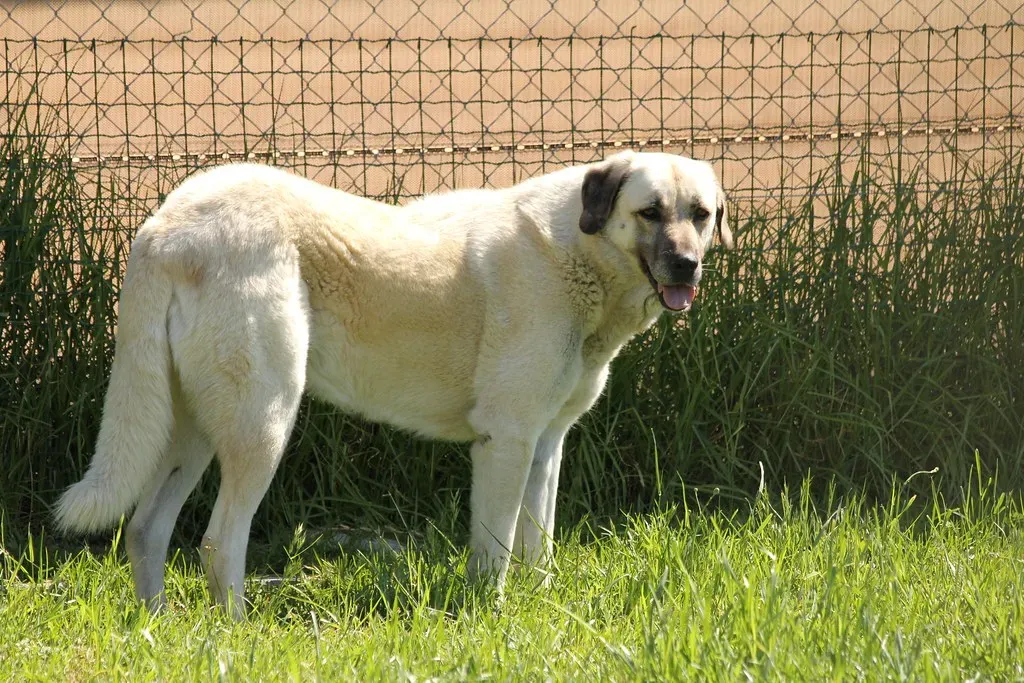
Hailing from Turkey, the Anatolian Shepherd is a formidable livestock guardian known for its agility and strength. Capable of weighing over 150 pounds, these dogs are vigilant and possessive of their flock, often working independently. That independence is key on Idaho’s wide open ranges, where a herder can’t always be watching.
Anatolians are large dogs still used today to guard sheep and other livestock, and the breed’s temperament reflects this function. The AKC describes them as “loyal, independent, and reserved,” noting that these dogs “possess great endurance, speed, and agility” and are “highly intelligent, courageous, adaptable, instinctively protective, and territorial.”
One important heads-up for ranchers: as territorial guardians, these dogs are not friendly to strangers when alone on their property. Unsocialized Anatolians have been known to become too protective and aggressive toward other dogs, so early socialization is key. Start them young, bond them to your flock early, and they’ll repay you with years of loyal, fearless service.
4. Kangal: The Wolf’s Worst Nightmare
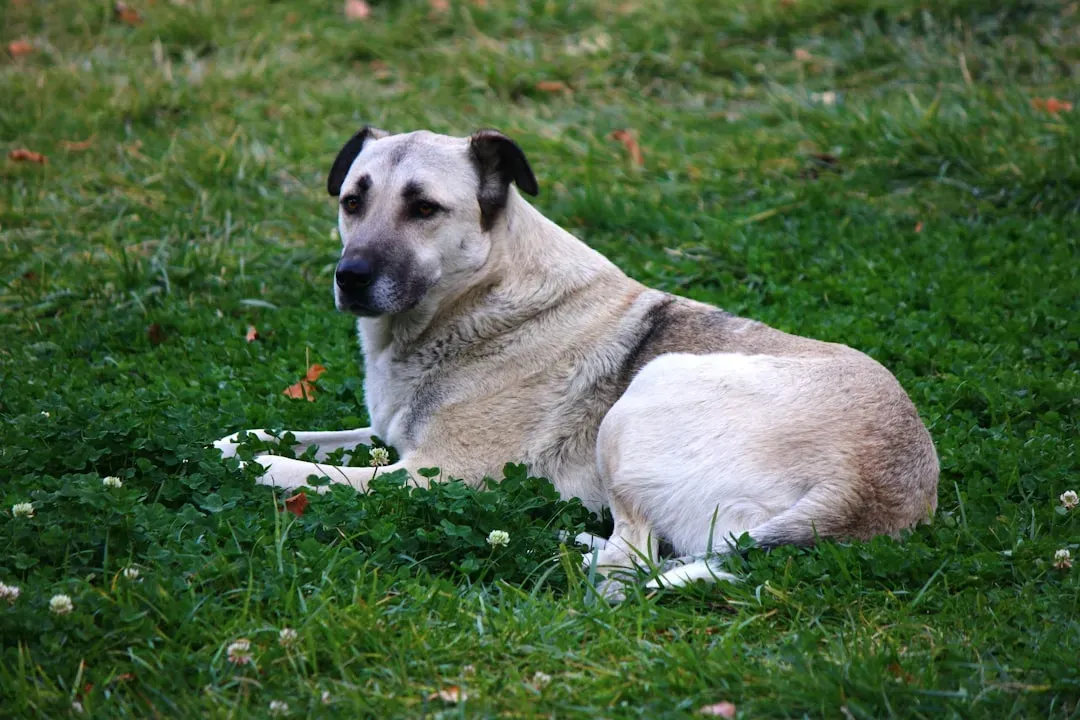
Let’s be real. When you’re dealing with large Idaho wolf packs, you want a dog that can genuinely match that energy. The Kangal is that dog. The Kangal stands out for its speed and strength, specifically bred to deter large predators such as wolves and bears. Their bite force is one of the strongest among canines, exerting up to 740 pounds per square inch.
The Kangal Dog is one of the most powerful livestock guardian breeds, boasting incredible strength and speed. This Turkish breed is known for its unmatched ability to guard livestock, often scaring off wolves with its intimidating presence. It’s hard to overstate just how impressive that is. For context, the average dog bites at roughly 230 psi. The Kangal is in a completely different league.
One Idaho-adjacent rancher who deployed Turkish Kangals alongside Great Pyrenees found that the combination dramatically shifted the balance in her favor during a particularly aggressive stretch of wolf activity. She credited her livestock guardian dogs with providing the most protection and giving her the greatest peace of mind out of every tool she tried. That says a lot.
5. Maremma Sheepdog: Italy’s Gift to American Ranchers
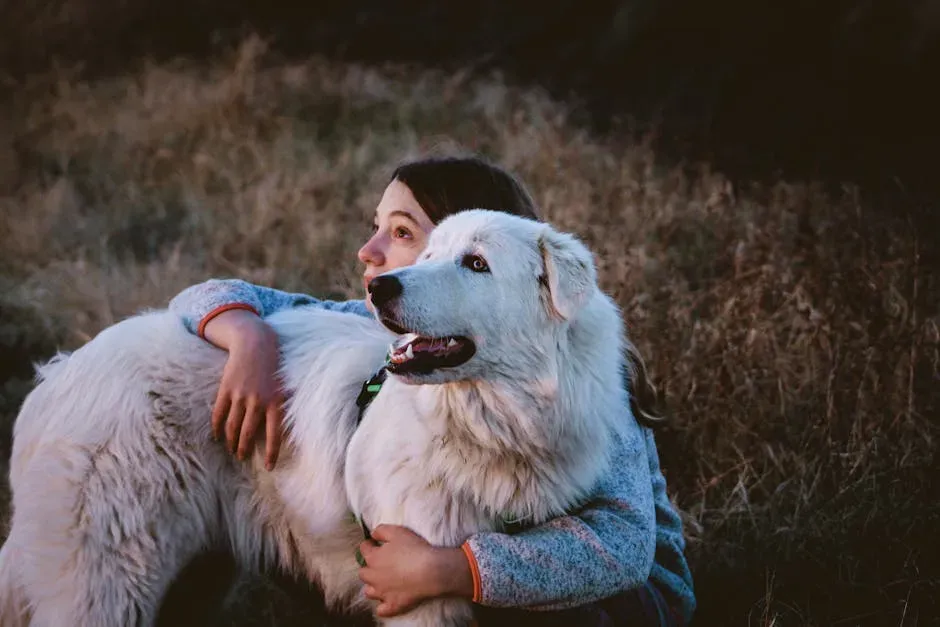
Hailing from Italy, the Maremma Sheepdog is a guardian dog breed that excels at protecting livestock in rural environments. These white-coated protectors blend in with their flocks, making them less visible to predators. They are affectionate with their family but take their job of protecting livestock very seriously.
The Maremma Sheepdog, native to Italy, is prized for its blend of independence and protective instincts. Typically weighing between 70 and 100 pounds, these dogs bond closely with their flock and are known for their ability to make autonomous decisions in the face of danger. Studies in Applied Animal Behaviour Science have documented the Maremma’s effectiveness in deterring predators and minimizing livestock losses.
There’s something almost poetic about a dog that blends so seamlessly into the flock that a predator doesn’t even realize the threat until it’s too late. On Idaho’s vast range allotments where constant human supervision isn’t possible, that autonomous decision-making ability is worth its weight in gold.
6. Tibetan Mastiff: Ancient Power Meets Modern Protection
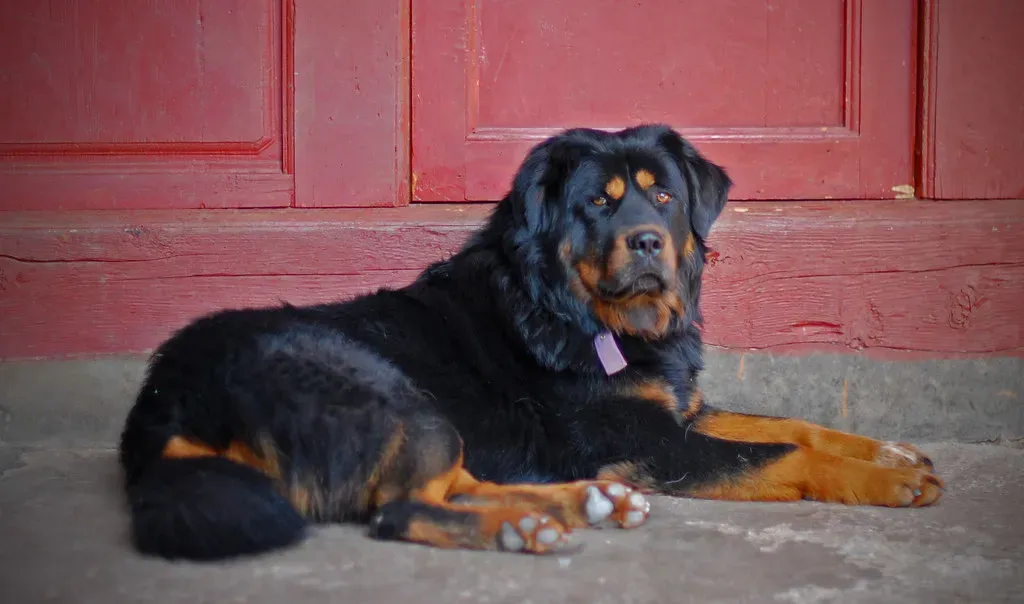
One of the most ancient livestock guardian breeds, the Tibetan Mastiff has been guarding livestock in the Himalayas for centuries. These massive dogs are highly independent and protective, making them excellent at keeping livestock safe from predators. Their thick coats allow them to withstand freezing temperatures with ease.
The Tibetan Mastiff is one of the more aggressive livestock guardian breeds. They have a deep and highly pitched barking sound that can threaten wolves from miles away. Idaho winters are brutal, and the Tibetan Mastiff doesn’t flinch. If anything, cold mountain terrain is where this breed feels most at home.
That said, these fearless large dogs require proper training at an early age; otherwise, they might become difficult to manage. Once they are comfortable and well-trained, they are excellent protectors and deeply loyal to their owners. They aren’t a hands-off breed. But for a rancher willing to invest in proper socialization, the payoff is remarkable.
7. Kuvasz: The Fearless Hungarian Guardian
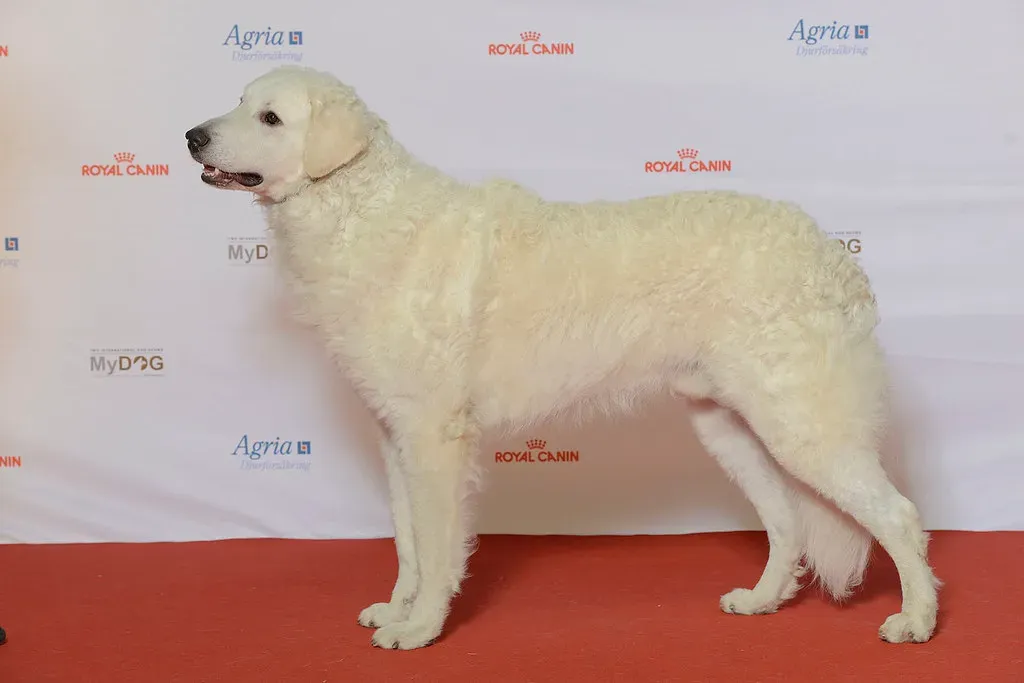
Originally from Hungary, the Kuvasz is a noble and fiercely loyal guardian dog breed. Historically, they were used to protect sheep from wolves and other predators, making them highly skilled at livestock protection. Their white coats help them blend in with flocks, and their natural suspicion of strangers makes them an excellent deterrent to threats.
According to its breed standard, the Kuvasz is “loyal, fearless, and courageous,” a natural guardian who will not hesitate to protect family, house, and property. Today, the Kuvasz serves primarily as a livestock guardian, family companion, and occasional therapy dog. It’s hard to say for sure, but the Kuvasz may be one of the most underrated guardian breeds in Idaho. Ranchers who discover them rarely look back.
The Kuvasz is such a devoted creature that it builds strong bonds with its family and does not do well if relocated. In World War II, German and Soviet soldiers reportedly had to confront these dogs just to enter households, which tells you everything you need to know about how seriously this breed takes protection. Put them near your flock and they will treat your livestock like their own family.
8. Komondor: The Mop-Coated Master of Disguise
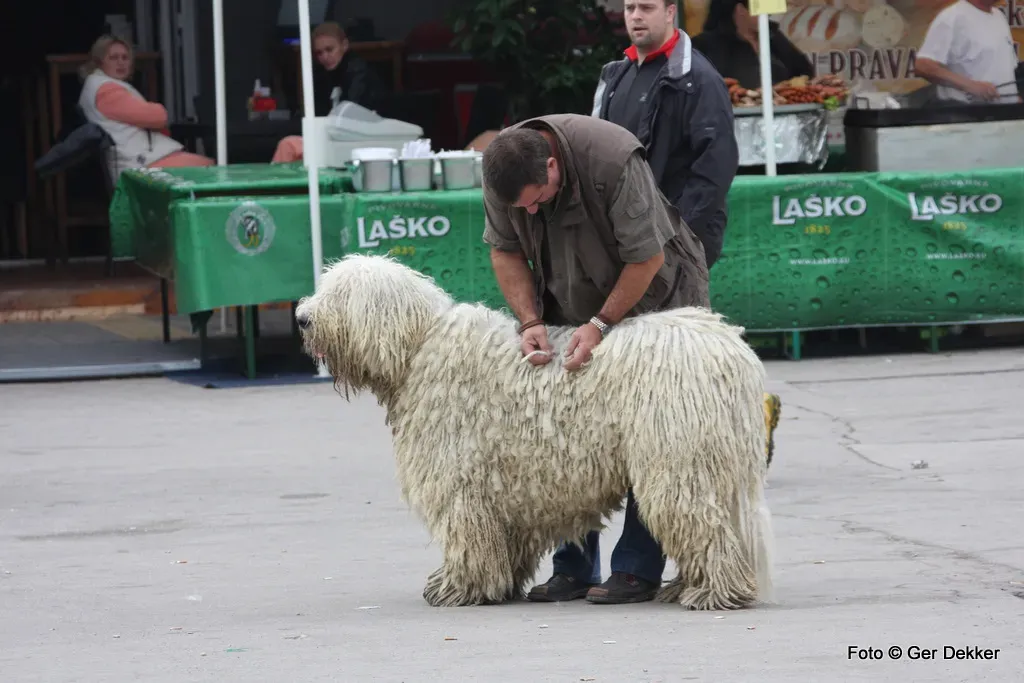
The Komondor, also known as the Hungarian Sheepdog, is a breed with a truly unique appearance. These large dogs, frequently weighing over 40 kilograms, have a corded coat that resembles a walking mop. This thick hair helps them stay warm in chilly winters. In Idaho, that insulation is no small advantage come January in the high country.
These dogs are known to be very territorial and form strong bonds with their flock, both animals and humans. They tend not to wander and instead stay close to the livestock and people they are guarding, making them ideal as livestock guardians. That tendency to stay put is especially valuable on densely packed range allotments where a wandering dog is a vulnerable dog.
The heavy white cords that make up the Komondor’s unusual coat help the dogs blend in with the sheep they guard and serve to protect against extremes of weather as well as predators. Nature gave this dog a coat that’s basically a built-in armor suit. It’s one of those designs you can’t help but admire.
9. Pyrenean Mastiff: The Gentle Giant With a Fierce Side
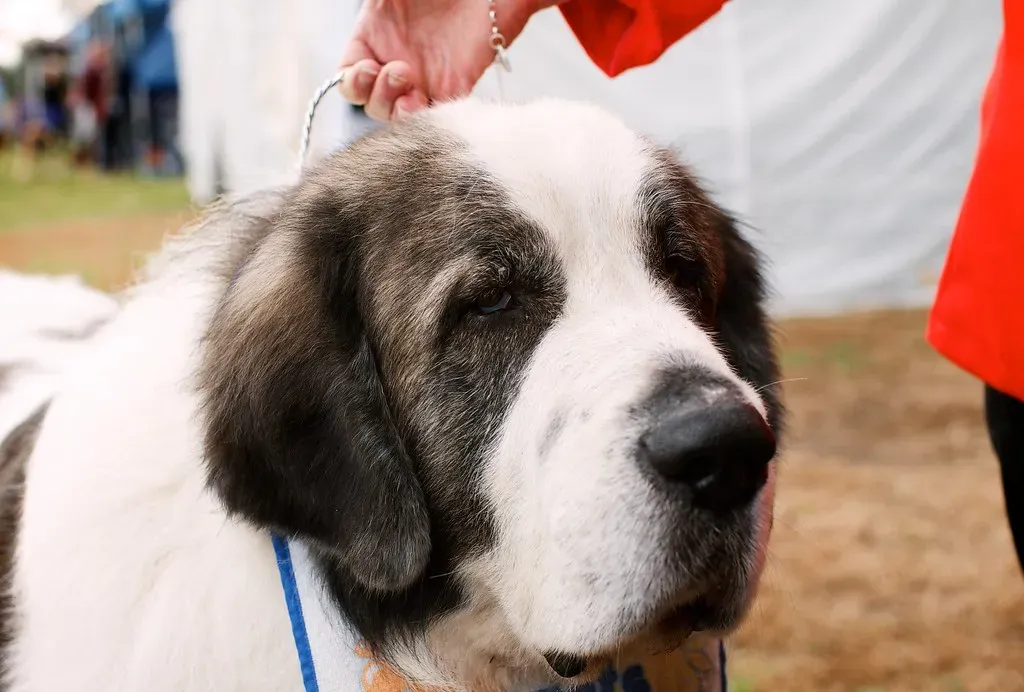
A close relative of the Great Pyrenees, the Pyrenean Mastiff is a Spanish guardian breed with a rich history of livestock protection. These dogs are large but gentle, forming strong bonds with their flocks and human families alike. Honestly, this breed feels like the best of both worlds. Calm enough to live among lambs, bold enough to confront a wolf.
The Pyrenean Mastiff is a rare dog breed with a protective, affectionate, and playful nature. They were originally bred as working dogs in the Pyrenean mountains of Spain. Their sheer size alone is a serious deterrent. Imagine a wolf pack approaching a flock and being greeted by a 200-pound dog with a commanding bark. Most predators will recalculate quickly.
For Idaho ranchers running larger operations with both sheep and cattle, the Pyrenean Mastiff offers a calm, adaptable temperament that fits multi-livestock environments well. They’re not widely known in Idaho yet, but that’s changing as more ranchers seek bigger, more wolf-capable dogs for their operations.
10. Polish Tatra Sheepdog: The Mountain Dog Built for Idaho Terrain
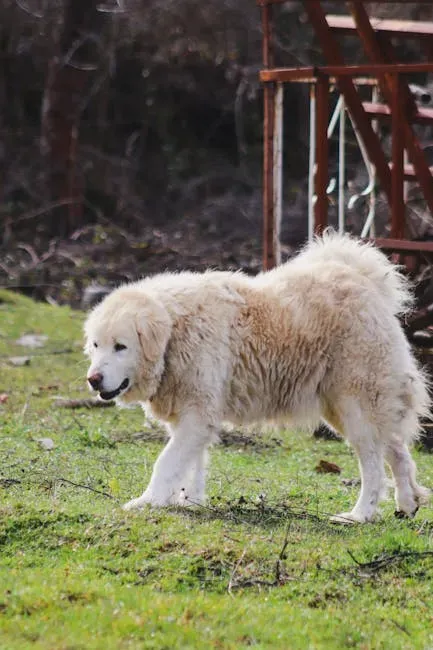
The Polish Tatra Sheepdog is a lesser-known but highly effective guardian dog breed from Poland. These white-coated dogs are natural protectors, bred to guard livestock in mountainous regions. They are intelligent, fearless, and deeply loyal to their families and flocks.
Here’s the thing about Idaho terrain: the Sawtooth Mountains, the White Clouds, the rugged allotments of south-central Idaho. These aren’t gentle rolling hills. They demand a dog built for mountains. All livestock guardian dogs have a dense water-repellent coat, strong build, and independent disposition, and the Polish Tatra brings all of that plus exceptional sure-footedness on rocky ground.
They’re rare in the United States, which means finding a reputable breeder takes patience. But for ranchers who want something a little different with equally serious credentials, the Polish Tatra is worth pursuing. Think of them as the hidden gem of the guardian dog world. Not flashy, not famous. Just deeply, reliably effective.
What Every Idaho Rancher Should Know Before Choosing a Guardian Dog
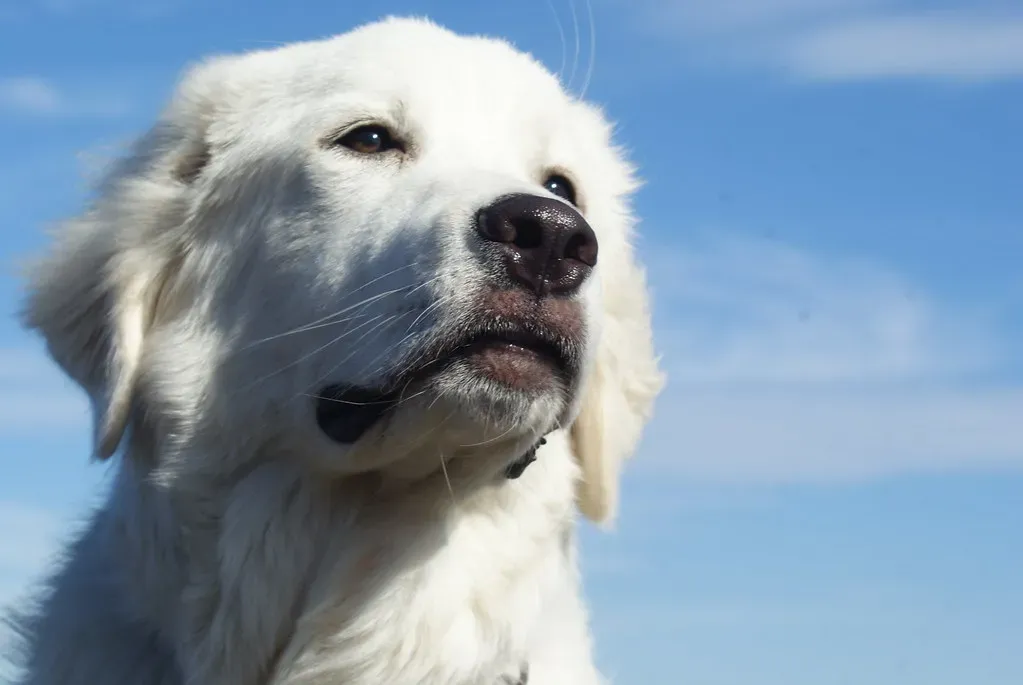
Multiple trained adult dogs are recommended, with five to seven being ideal, though the number necessary to be effective will depend on the level of wolf activity in the area, how well the sheep are bunched, and the behavioral characteristics of the dogs. In other words, one dog alone rarely cuts it when wolves are involved.
Ranchers invest a lot of time into training guardian dogs. There’s a fine art to training them so they bond with the sheep but also obey their human handlers. A dog that bonds only to humans and ignores the flock is essentially useless on the range. Start young. Be patient. The payoff is enormous.
Idaho range sheep operations cover huge swaths of country from spring to summer range. These dogs hike hundreds of miles with the sheep, guard them, and sleep with them around the clock. They aren’t pets in the traditional sense. They’re working professionals. Respect that distinction and they will give you everything they’ve got.
Conclusion: A Living Shield on Idaho’s Vast Ranges
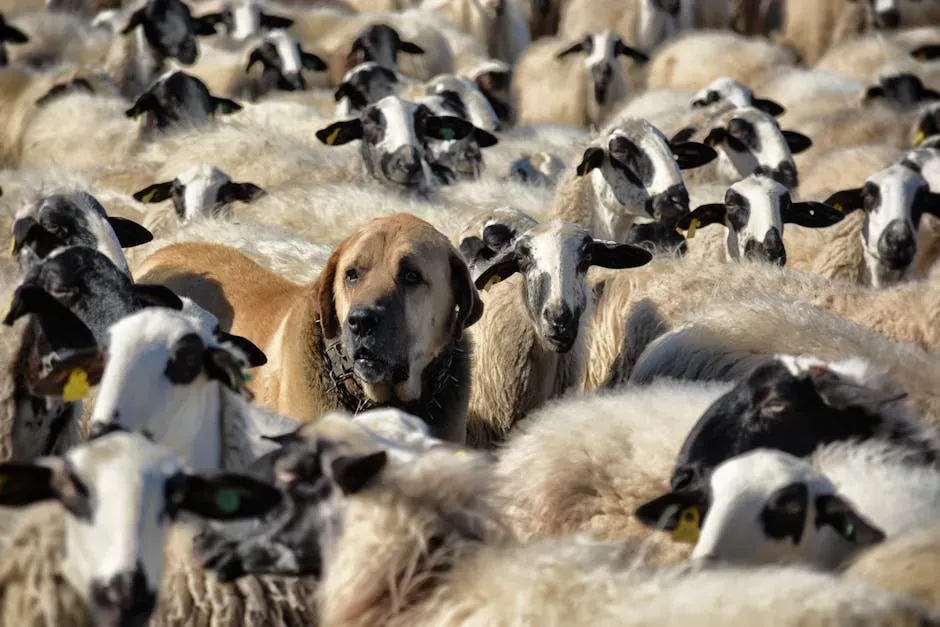
Livestock guardian dogs have been used worldwide to ward off predators for over 2,000 years. That’s not a trend. That’s a proven tradition backed by millennia of real-world results. For Idaho ranchers dealing with the very real threat of wolf predation, these ten breeds represent the best, most battle-tested line of defense available.
The use of livestock guardian dogs for the protection of herds reduces losses of animals between 11 and 100 percent, without requiring significant investments, special technologies, or government assistance. That’s a staggering range of impact, and even on the conservative end, it’s a meaningful improvement for any ranching operation.
Every breed on this list brings something unique to the table. Some are speed demons. Some are immovable walls. Some blend into the flock like they were born there. The best approach? Honestly, combine two or three complementary breeds, invest in proper bonding and training, and let these extraordinary animals do what they’ve been doing for thousands of years. Your flock deserves that kind of protection. So do you. Which breed surprised you most on this list? Share your thoughts in the comments below!


