

You’ve chosen your breed carefully. You’ve bought every training manual on the shelf. You’ve watched YouTube videos. Yet there you stand, treat in hand, repeating the same command for what feels like the hundredth time, while your dog stares back with the canine equivalent of a shrug.
Let’s be real. Not all dogs are wired the same way. Some pups seem to download commands like software updates, while others act like they’ve never heard the word “sit” in their entire lives. It’s not about intelligence, though. Many of the most challenging breeds are actually brilliant. They just have their own agenda. And honestly, if you’ve ever felt the sting of training frustration, you’re not alone. Some dogs were bred to think independently, to make decisions without human input, and that fierce autonomy? It doesn’t just disappear because you bought a clicker and some treats. So let’s dive into which breeds will test your patience and which ones will make you look like a professional trainer at the dog park.
Afghan Hound: The Elegant Rebel
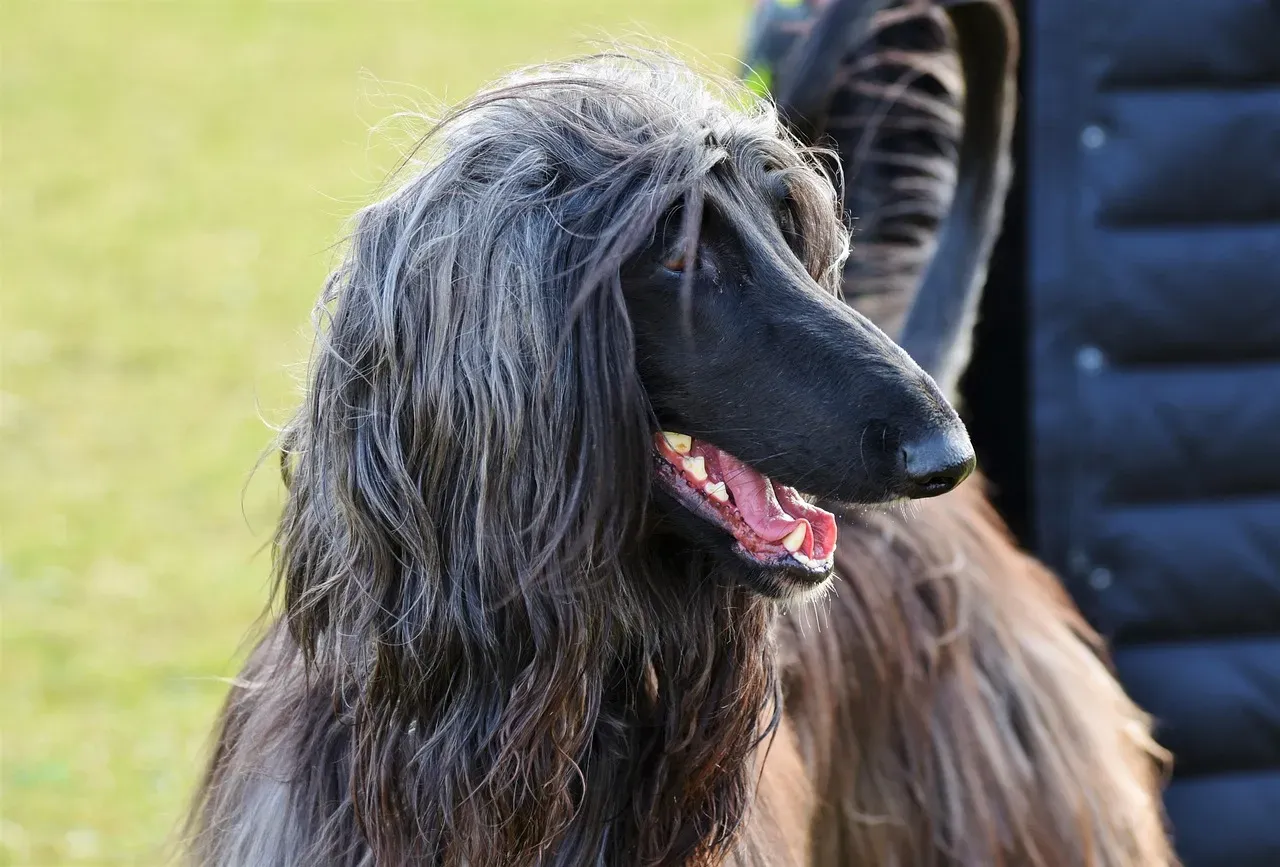
Afghan Hounds are known for their beauty and intelligence, but they are also one of the most independent dog breeds. They can be aloof and often choose to listen to commands on their own terms. Picture this: a dog so stunning it could walk a runway, yet so stubborn it will perform a trick once just to prove it can, then never repeat it again.
Research has concluded that the striking Afghan hound needs at least 80 repetitions to understand a new command. Their hunting heritage means they were bred to chase prey independently across the Afghan mountains. Afghan Hounds can be incredibly aloof, often displaying a cat-like demeanor that leads them to question every command. They’re also notorious for their short attention spans, especially when they catch a tantalizing scent outdoors.
The secret with Afghans isn’t domination but mutual respect. Positive reinforcement, treats, and praise are absolutely critical with this breed. Think of training as a negotiation rather than obedience school.
Basenji: The Barkless Thinker
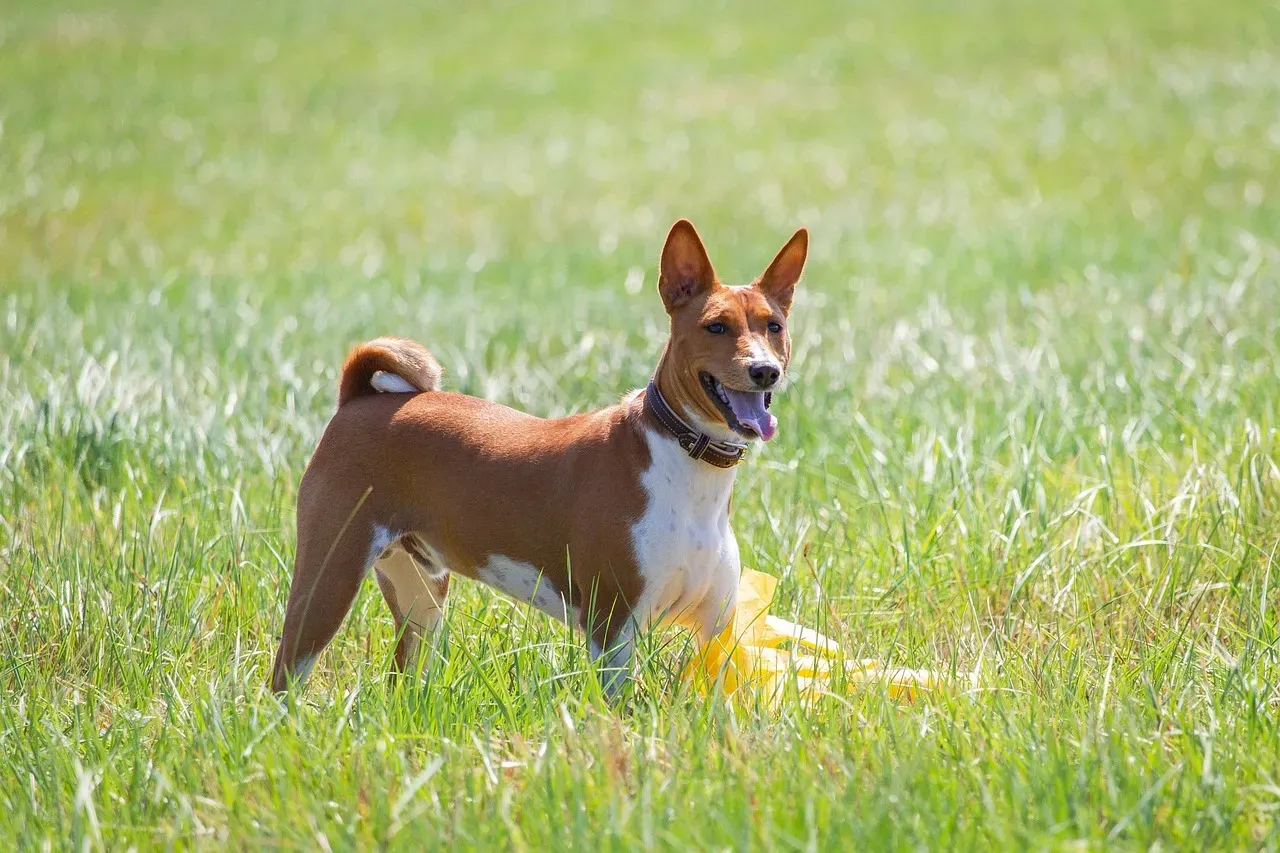
Basenjis are known for their cat-like personalities, being both independent and intelligent. This breed is notoriously difficult to train due to their stubborn nature. If you’re looking for a dog that follows every command with enthusiasm, the Basenji will shatter that dream spectacularly.
These dogs don’t bark, which sounds like a dream until you realize they yodel instead. The Basenji is a very intelligent breed, but one that is also very stubborn and headstrong. This stubbornness convinces their owners to think otherwise regarding their intelligence and to underestimate it. They’re curious, playful, and prone to getting into trouble like toddlers who discovered where you hid the cookies.
Basenjis do not respond well to confrontational or disciplinary training. They do respond well to positive reinforcement and rewards. Keep high-value treats handy and prepare for a training journey that requires creativity and patience in equal measure.
Siberian Husky: The Escape Artist
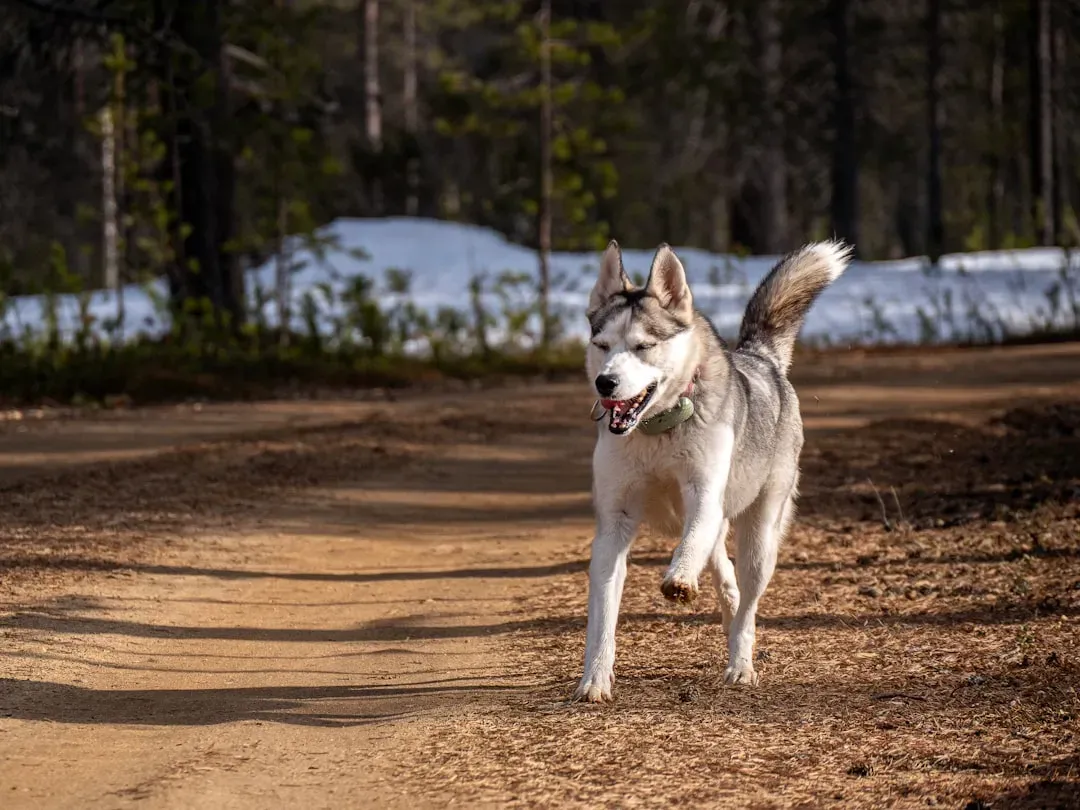
Siberian Huskies are arguably the most stubborn breed. Their short attention spans make them challenging to train and unsuitable for first-time pet owners. These gorgeous dogs with piercing blue eyes were bred to run for miles across frozen tundra, making independent decisions about safe terrain.
They were bred to be independent, as this ensured a mushing group of huskies would ignore commands if the terrain was deemed unsafe. But all these years later, that independence means they have a stubborn streak when it comes to listening to commands. Huskies are also notorious escape artists. If Houdini had been a dog, he’d definitely have been a Husky.
Without enough exercise, they become destructive. These dogs need a lot of exercise and mental stimulation to prevent boredom, which can lead to destructive behavior. Honestly, if you work long hours and live in a small apartment, a Husky is probably not your best choice.
Beagle: The Nose Knows Best
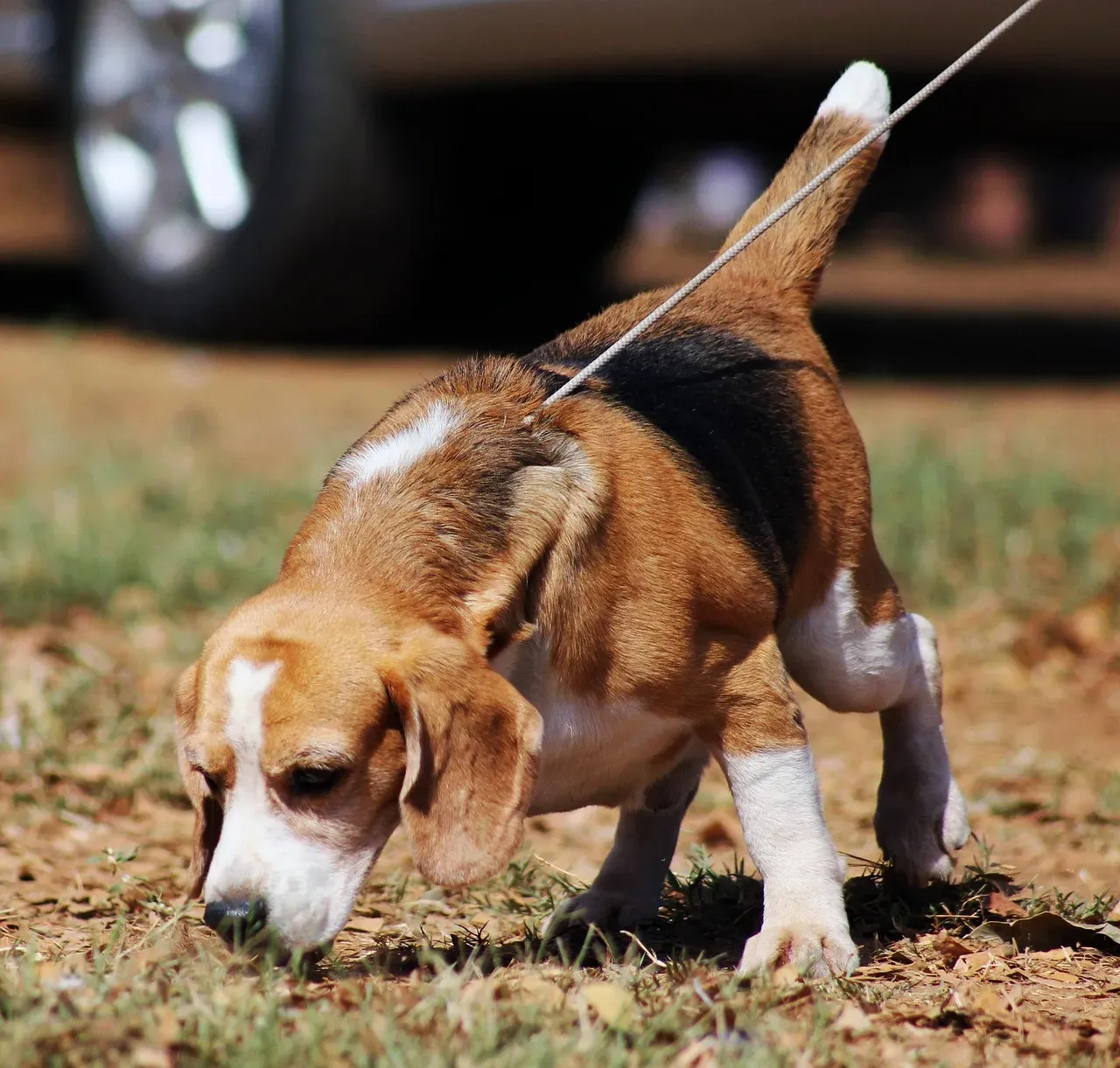
The Beagle has a nose for everything. This breed’s exceptional sense of smell often leads them to be easily distracted by scents, making training a challenge. You might think teaching recall should be straightforward until your Beagle catches a whiff of something interesting three blocks away.
A scent hound originally bred to track and hunt small game using their keen sense of smell, the Beagle gets easily distracted during training, thanks to their powerful nose. Unlike the dogs that are easy to train, Beagles are inherently stubborn and would rather do what their noses are telling them to than remain obedient throughout training.
The good news? Beagles are food motivated. Even if they are a bit stubborn, owners can overcome that with treats because beagles are usually motivated by food. Keep those training sessions short, use irresistible treats, and accept that your Beagle will always have one ear tuned to the world of smells.
Bulldog: The Lovable Couch Potato
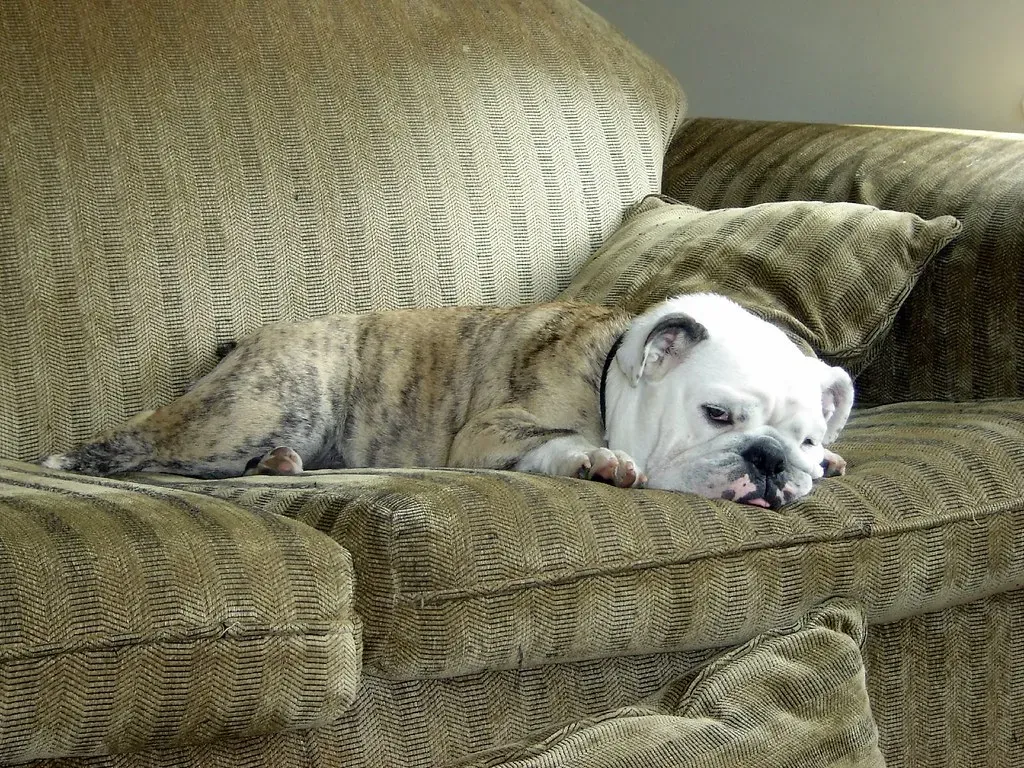
The English Bulldog is loving, friendly, playful, very trainable, courageous, and calm. You wouldn’t think that a calm dog like the bulldog is one of the stubborn dog breeds, but perhaps the English bulldog is too chill to perform tricks and obey commands. The English Bulldog likes to walk and play but isn’t as interested in being trained.
One reason the breed appears so high on this list may be its famed laziness. Bulldogs would rather curl up on the couch than run laps or master complicated commands. Even if their stubbornness doesn’t get in the way of their training, they tend to be slow learners. If you’re hoping to train a bulldog, patience and repetition is a must.
Their protective nature can also complicate training. Still, with patience and consistency, even the most stubborn Bulldog can learn basic manners. Just don’t expect Olympic-level agility performances.
Chow Chow: The Aloof Guardian
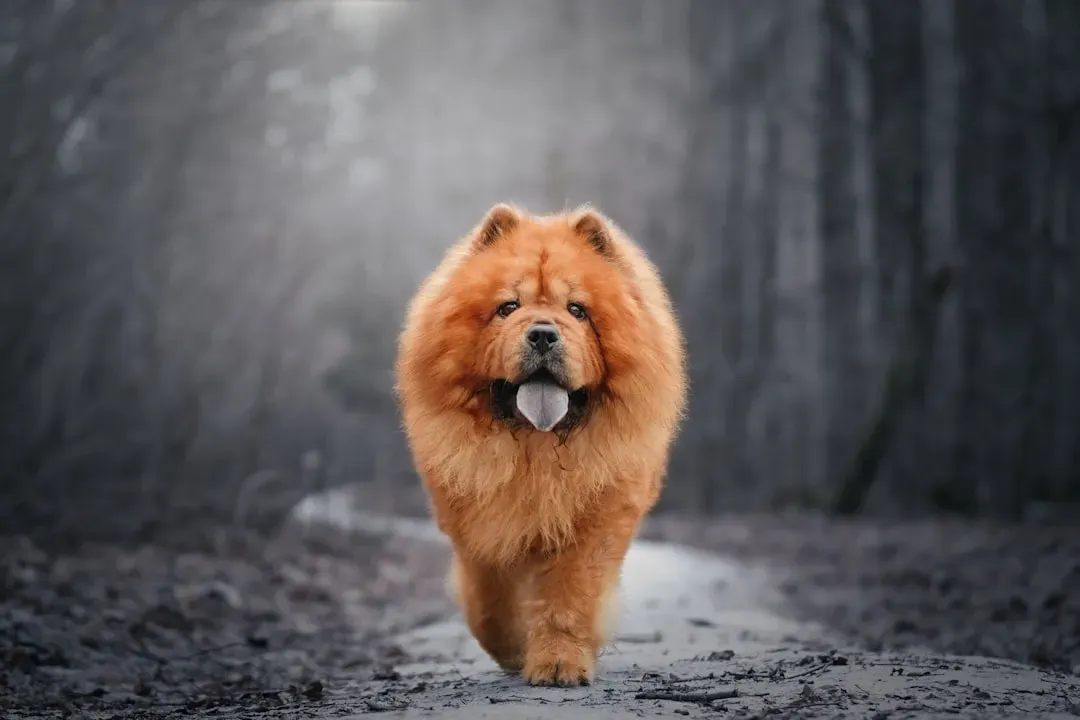
Chow Chows have a reputation for being strong-willed and aloof. They can be wary of strangers and may require extensive socialization. With their trademark blue tongue and teddy bear appearance, Chows look cuddly but possess an independent streak that rivals any cat.
Along with their trademark blue tongue, teddy bear appearance and scowl, Chows are also known for their aloofness and independence. They’re protective of their families but not necessarily eager to please. Training a Chow Chow requires firmness, consistency, and reinforcement. Early socialization and obedience training are crucial for this breed.
These dogs need experienced handlers who understand that respect must be earned, not demanded. Harsh corrections will backfire spectacularly with a Chow Chow.
Dachshund: The Determined Hunter
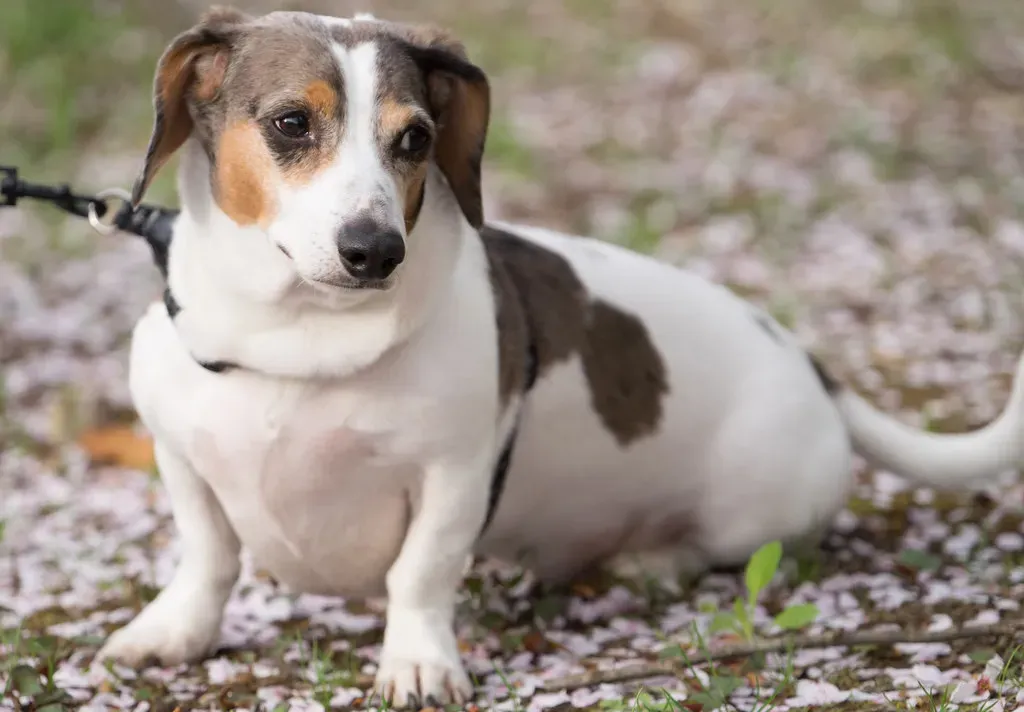
Dachshunds are also among the breeds most challenging to train due to their hound instincts. Their high energy and bold attitude mean they need plenty of exercise and a persistent owner. Those adorable sausage dogs were bred to hunt badgers, which requires courage, determination, and a healthy dose of stubbornness.
Their independent spirit means they often decide when and if they’ll follow commands. These dogs look to their owners for guidance, but, without training, they can develop unsavory habits like barking and digging. It’s hard to stay annoyed with something that looks like a hot dog with legs, but Dachshunds definitely test your patience.
Consistent training from puppyhood helps. Channel their energy into activities they enjoy, and you’ll have a loyal if occasionally defiant companion.
Shiba Inu: The Independent Spirit
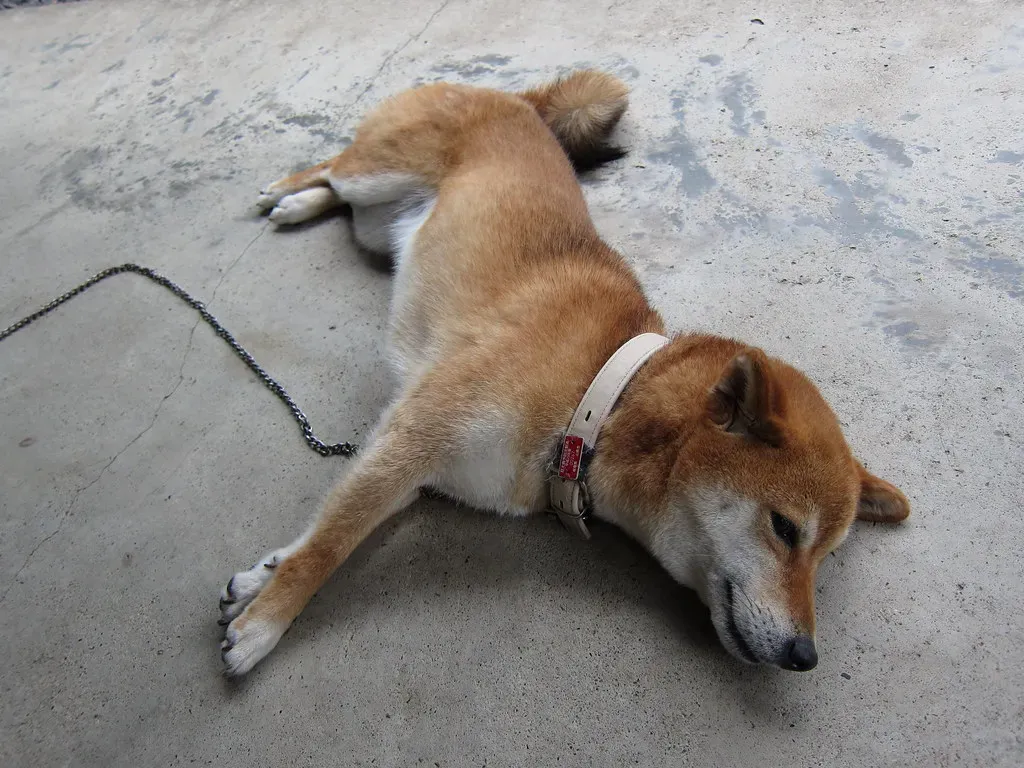
Shiba Inus are known for their strong-willed nature and independent thinking. They are intelligent dogs but can be aloof and stubborn. These Japanese dogs look like foxes and act like they own the place. Shibas do things on their own terms, thank you very much.
The Shiba Inu is loving, friendly, independent, protective, alert, attentive, and needs mental stimulation. The Shiba Inu breed is fiercely independent, making them one of the most stubborn dog breeds. These pets are also known for being aggressive if not properly trained at a young age.
Early socialization is non-negotiable with Shibas. They need experienced owners who appreciate their unique personality rather than expecting blind obedience. Think of them as the cats of the dog world.
Basset Hound: The Stubborn Sniffer
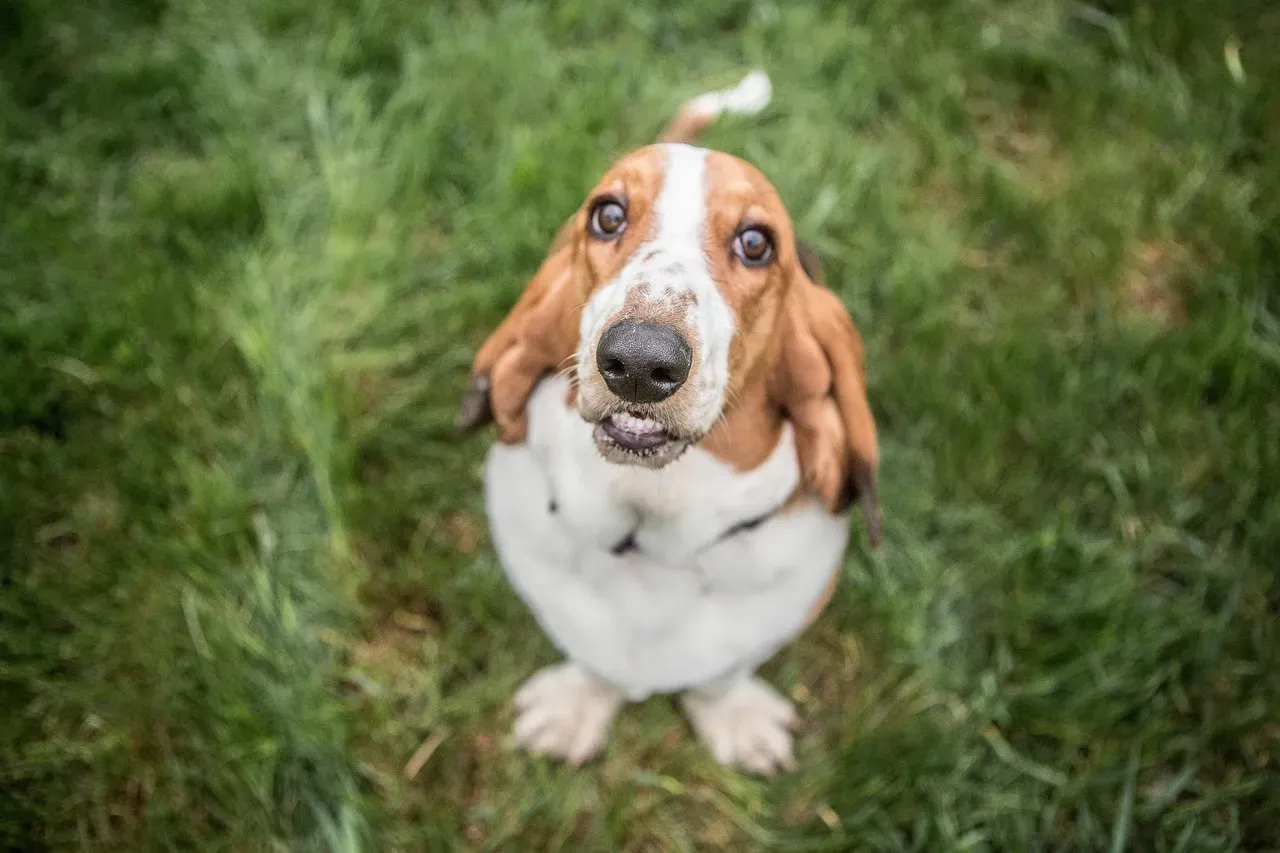
Basset Hounds are adorable but can be stubborn, especially when it comes to housebreaking. Their keen sense of smell often distracts them during training sessions. Those droopy ears and soulful eyes hide a surprisingly stubborn personality.
Their independence and stubborn streak can make training tough. They often ignore commands when they catch a scent, and their focus is hard to break. Basset Hounds were bred to track game, so when they catch an interesting smell, good luck getting their attention back.
The trick is patience and consistency. Positive reinforcement and patience are key with this breed. Thankfully, they are extremely food motivated, so just keep some treats handy during training sessions.
Jack Russell Terrier: The Energetic Firecracker
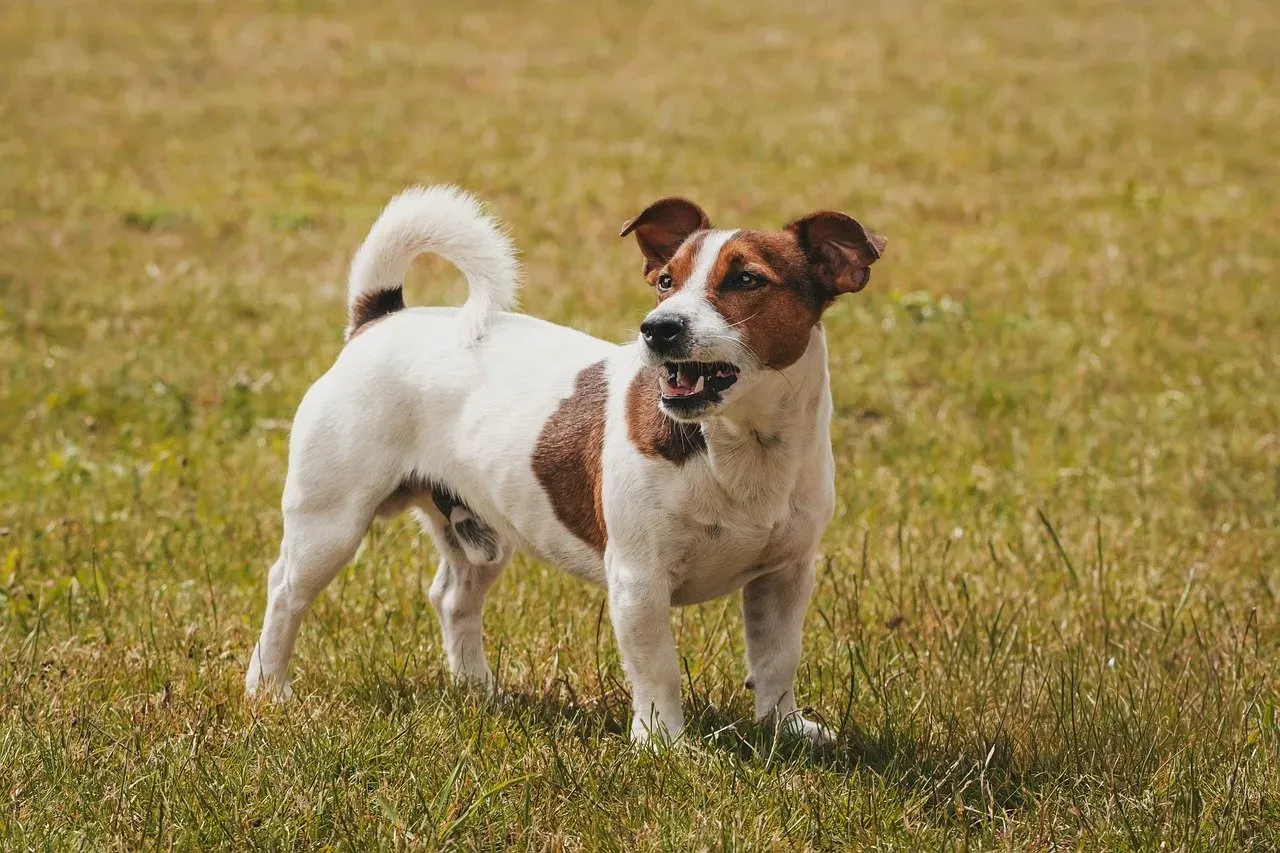
Jack Russell Terriers are lively, intelligent, and highly energetic dogs. They possess a strong prey drive and may exhibit stubborn tendencies. These small dogs have enough energy to power a small city and the determination to match.
Consistent, patient training methods that utilize reinforcement and mental stimulation are essential. Regular exercise and engaging activities will help keep them focused and prevent destructive behavior. A bored Jack Russell is a destructive Jack Russell. They need jobs to do, puzzles to solve, and plenty of physical activity.
If you can channel that energy positively, Jack Russells can learn an impressive array of tricks. Just be prepared for a dog that always thinks it knows better than you.
Border Collie: The Genius Workaholic
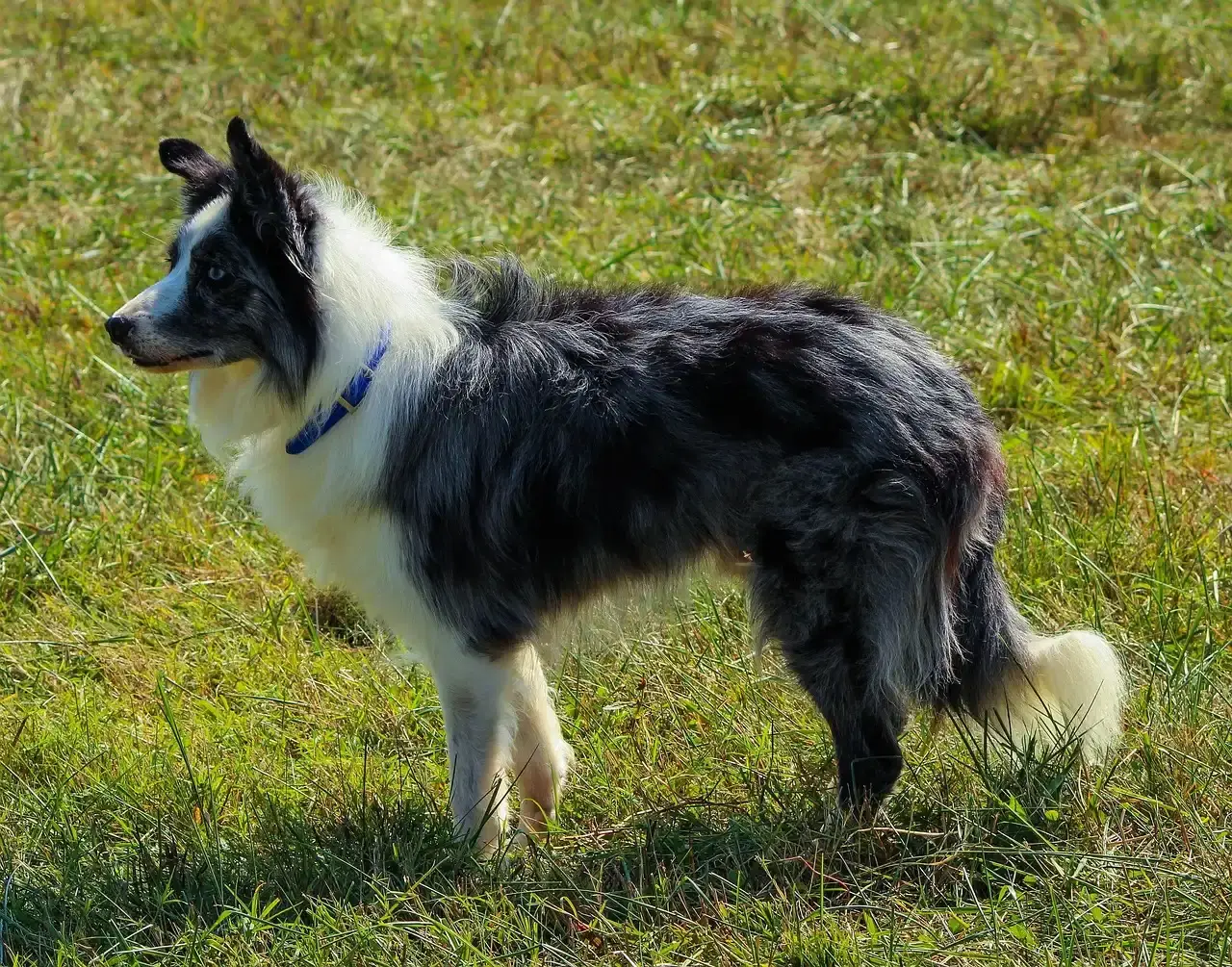
Border Collies are often cited as one of the most trainable and intelligent of canine breeds. Border Collies in this group aced “the cylinder test,” a common animal cognition studies task that requires memory and impulse control. Wait, you might be thinking, aren’t Border Collies supposed to be easy to train?
Here’s the thing. Border Collies are extremely smart, and that makes them easy to train. The challenge comes from their intensity. Border Collies can be prone to anxiety and stress, so you need to manage their behavior from time to time to keep them calm and happy. Without proper mental and physical stimulation, they can develop obsessive behaviors.
Border collies are absolutely renowned for their intelligence, energy and strong work ethic. This makes them a great choice if you’re wanting to do agility or advanced tricks with your pet. However, in a normal home environment I find that they can potentially become too hyper-vigilant, oversensitive and reactive. They’re working dogs who need jobs, not casual companions for couch surfing.
Golden Retriever: The Eager Student
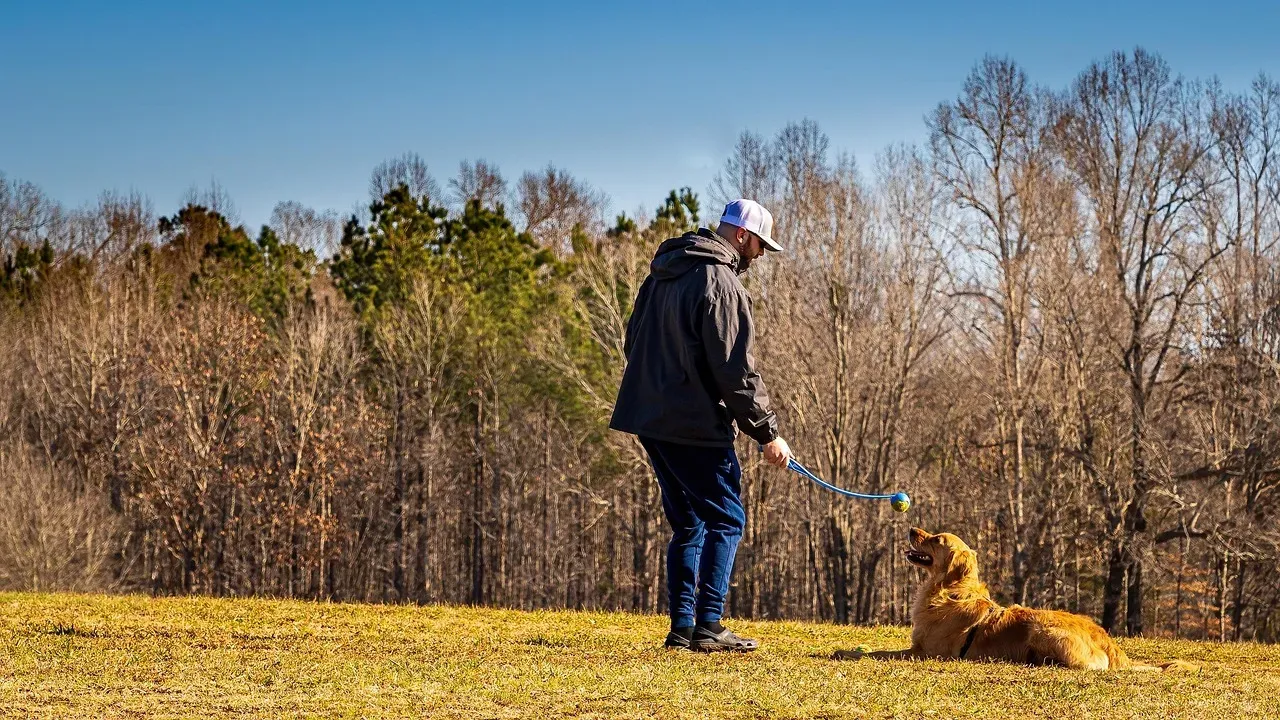
Goldens are often known for being a bit goofy, but they’re also extremely loyal to their people and eager to please. Their friendly and patient nature makes them excellent candidates for obedience training and advanced skills, such as search and rescue or therapy work. Finally, some good news for frustrated dog owners!
Golden Retrievers are among the most popular dog breeds in the world, largely due to their kind disposition and eager-to-please personality. Goldens are smart, gentle, and obedient, making them fun to train. They genuinely want to make you happy, which makes training sessions feel like bonding time rather than a battle of wills.
Goldens excel in therapy work, search and rescue, and basically any job that requires intelligence combined with a sweet temperament. They’re patient with children, friendly with strangers, and forgiving of training mistakes. Honestly, if dogs could be described as wholesome, Golden Retrievers would be the definition.
Labrador Retriever: The Enthusiastic Companion
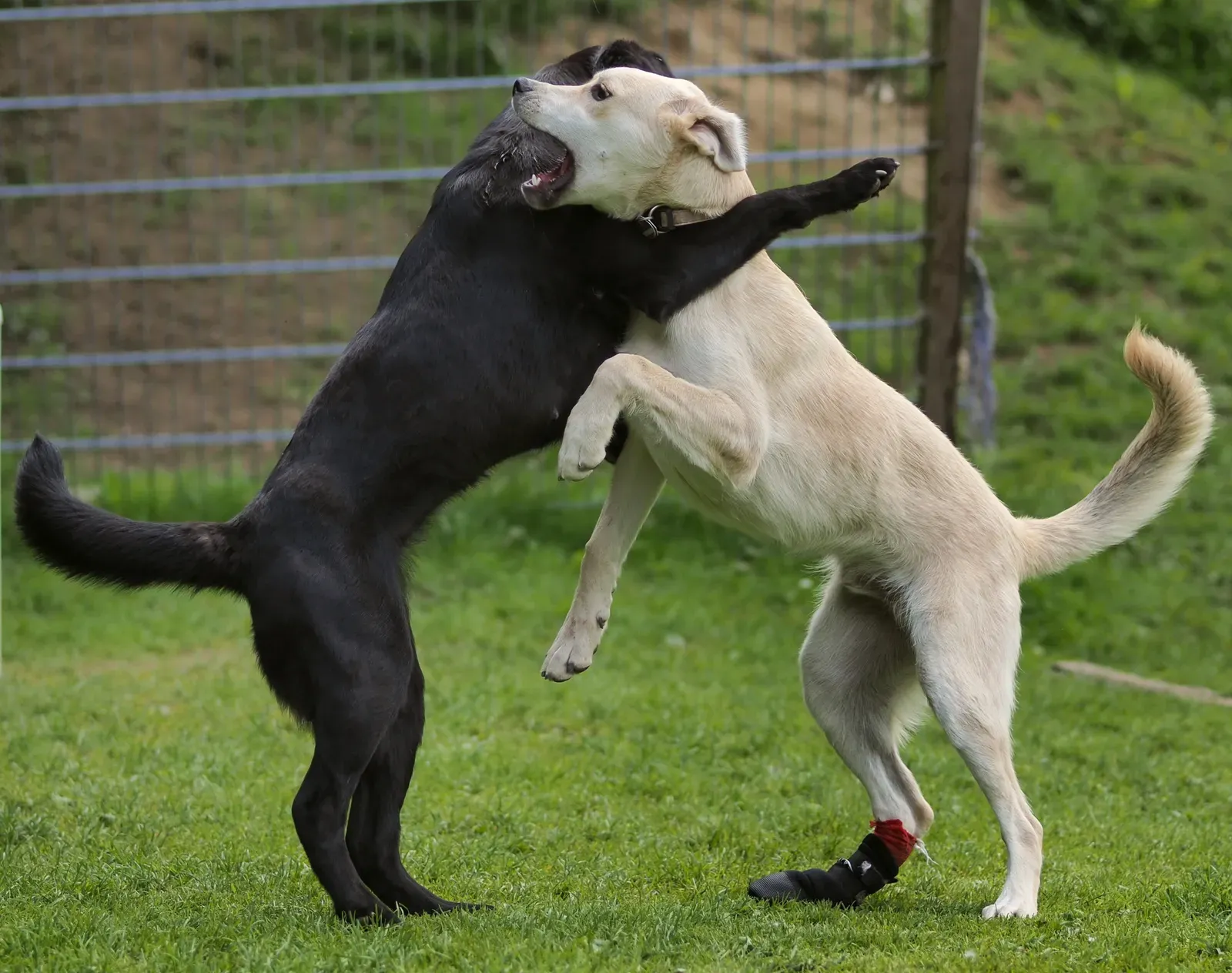
Labs are intelligent, energetic, and eager to please. These characteristics make them highly trainable dogs. Labradors are America’s sweetheart breed for good reason. They love people, they love learning, and they especially love treats.
Labs are known for their friendly and outgoing personalities, and they’re also among the easiest dogs to train. They’re bred to be people-pleasing, stable and confident, which makes them an excellent family pet. Their food motivation doesn’t hurt either. Labs will practically do backflips for a good treat.
Whether you want a running partner, a therapy dog, or just a loyal family companion, Labs adapt beautifully. They’re forgiving of inconsistencies and patient during the learning process. Just watch their weight, because Labs would happily eat their way into obesity if given the chance.
Poodle: The Intelligent Performer
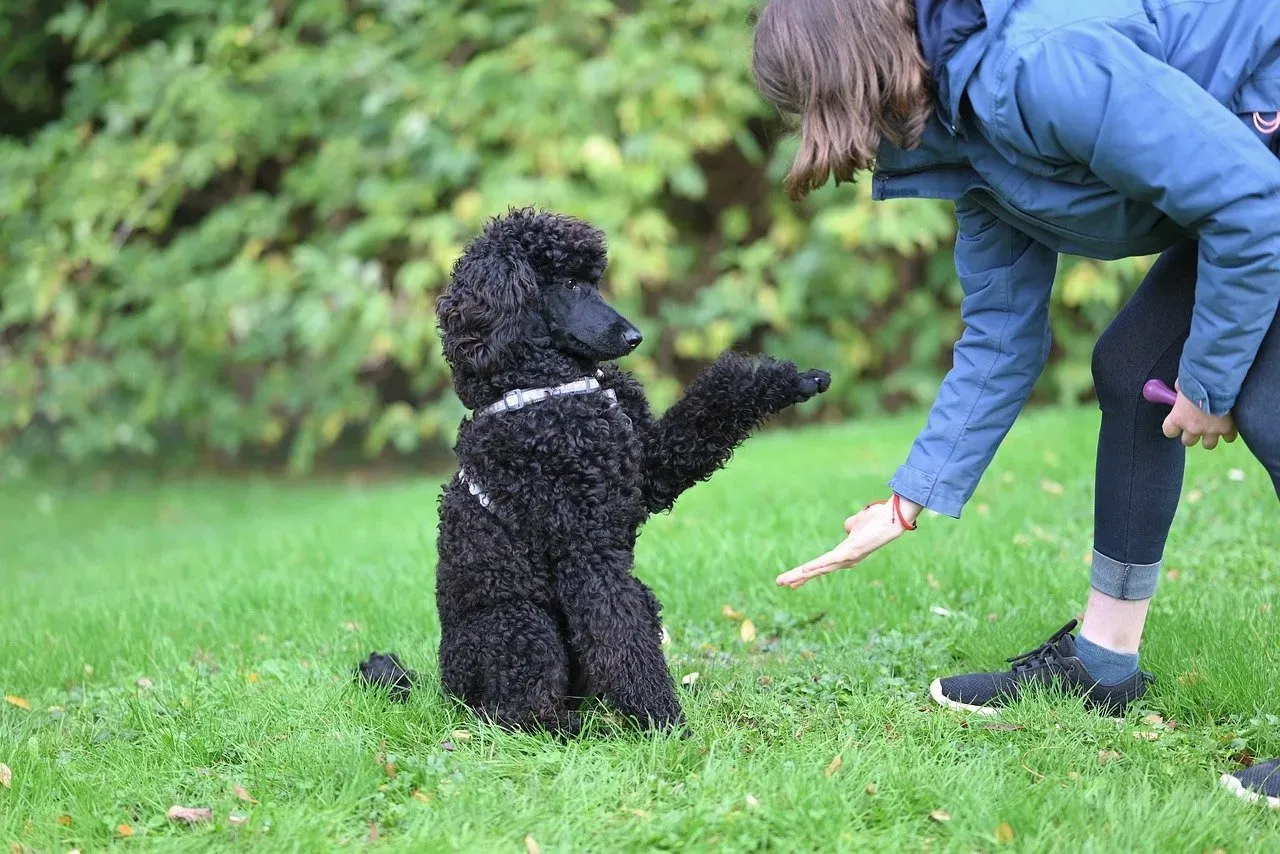
All three types of Poodle tend to do well at training. These intelligent and elegant dogs also come with a high desire to please their humans, allowing them to excel at obedience training and various dog sports. Don’t let the fancy haircut fool you. Poodles are athletes with brains to match.
Standard Poodles are quick learners, and their desire to please their owners makes them one of the easiest breeds to train. Whether you choose Standard, Miniature, or Toy, all Poodles share that combination of intelligence and eagerness that makes training a joy.
They excel in obedience, agility, hunting, and even therapy work. Though often not thought of as working canines, Poodles also tend to make excellent service dogs. Their hypoallergenic coat is a bonus for allergy sufferers.
German Shepherd: The Loyal Protector
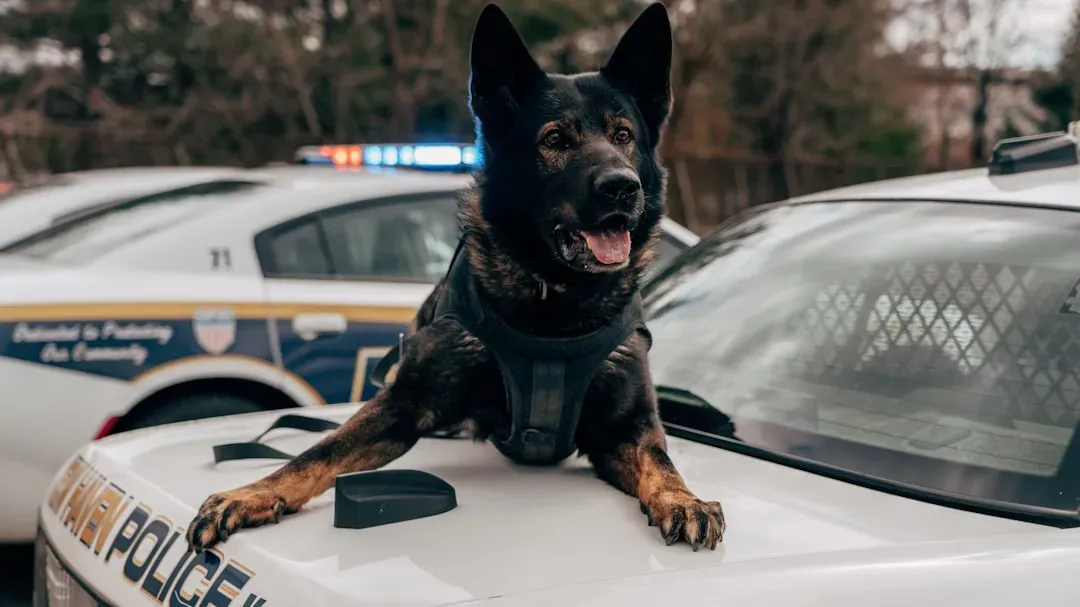
German Shepherds are quick learners and highly versatile. German Shepherds are often used in police and military roles due to their trainability. There’s a reason you see German Shepherds working alongside police officers, military personnel, and search and rescue teams.
German Shepherds are not only known for their loyalty and protective nature but also for their ease of training. They are highly intelligent, loyal and courageous and tend to have a great rapport with their handler, which contributes to their trainability. They form strong bonds with their families and are naturally protective without being overly aggressive.
Owners should focus on consistent training and early socialization to ensure their German Shepherd thrives. They need structure and purpose but reward that investment with unwavering loyalty and impressive capabilities.
Papillon: The Tiny Genius
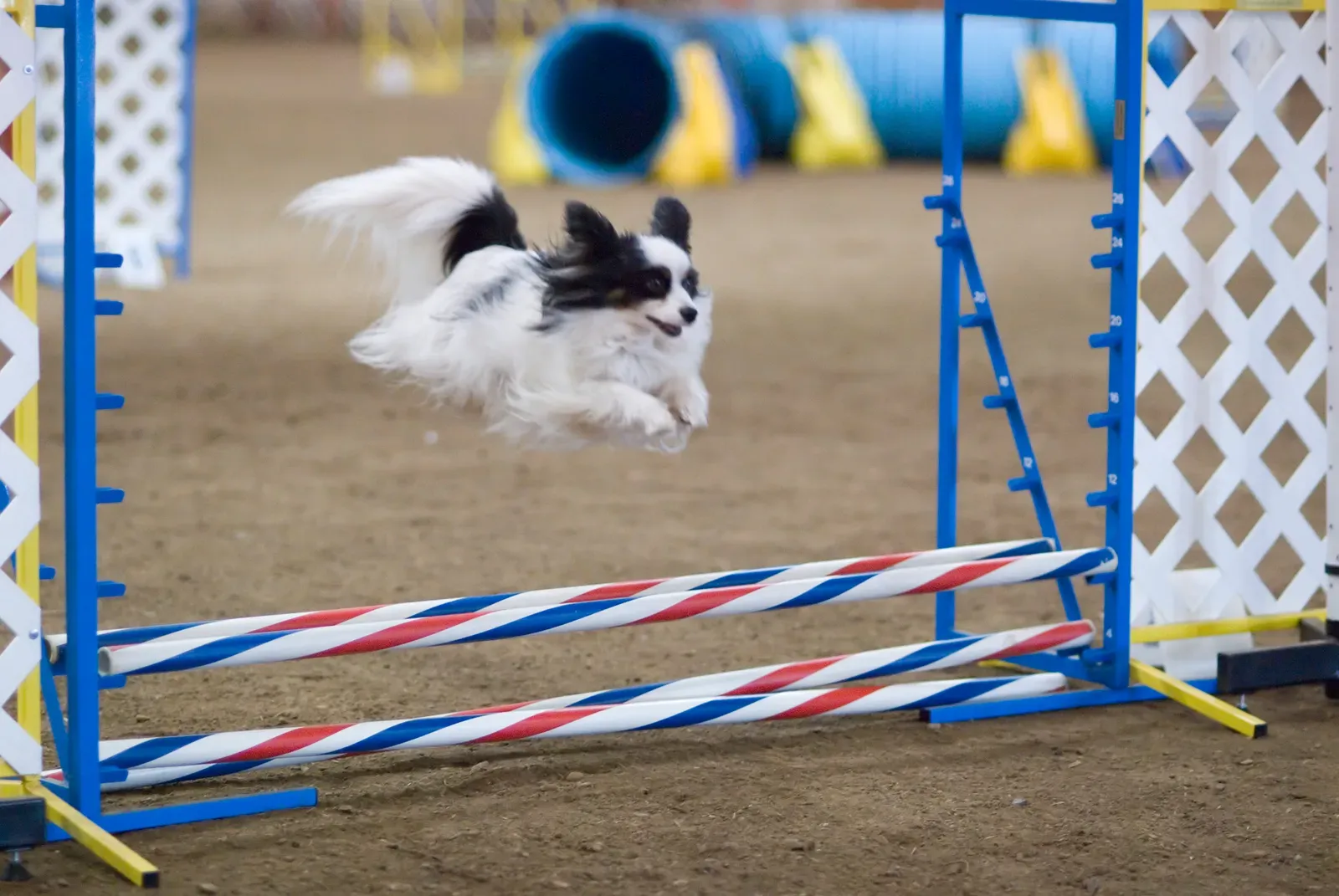
The Papillon is a small dog breed known for its butterfly-like ears and lively personality. Despite their size, they are highly intelligent and eager to learn new tricks and commands. Don’t underestimate these little dogs. Papillons pack serious brainpower into their tiny frames.
Papillons are eager to learn, quick to pick up commands, and absolute stars in obedience and agility competitions. They’re often considered the most trainable of all toy breeds. Papillons are quick learners who love tricks and excel in competitive obedience and agility.
Their small size makes them perfect for apartment living, yet they have the heart and intelligence of a much larger dog. They’re adaptable, devoted, and genuinely enjoy the mental challenge of learning new things.
Conclusion: Finding Your Perfect Match
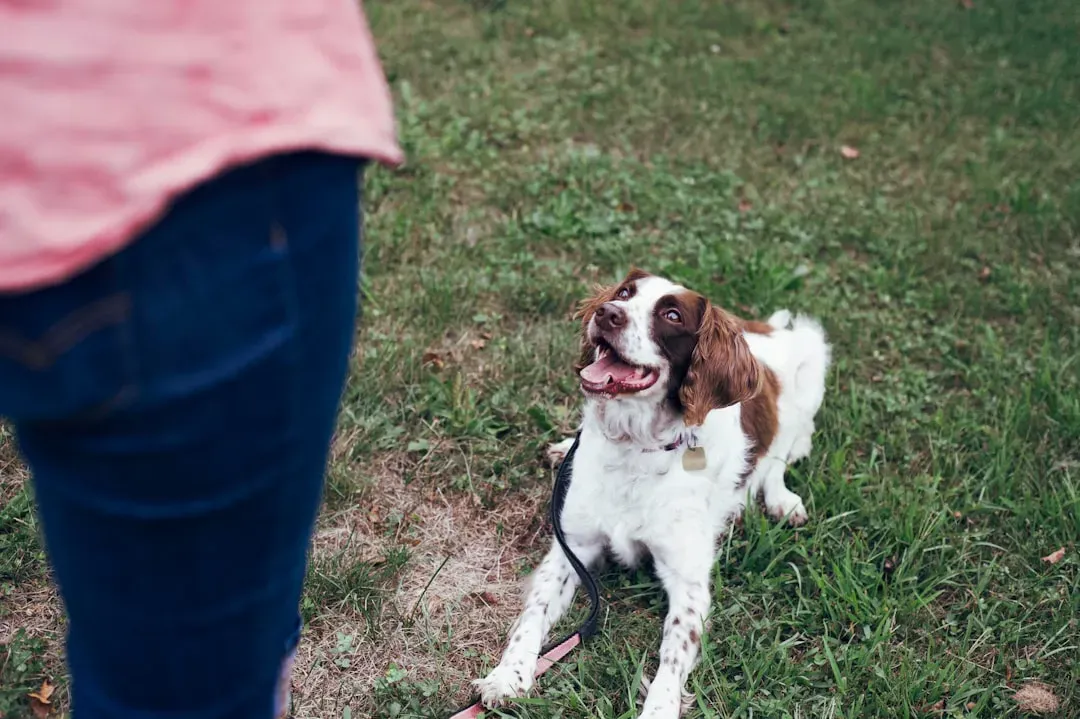
Training difficulty doesn’t mean a dog is less lovable or less worthy. Those stubborn breeds often possess incredible loyalty, unique personalities, and traits that made them invaluable working dogs for centuries. Most stubborn dog breeds respond to positive reinforcement but might need more training sessions than other pets.
The key is matching your lifestyle, patience level, and experience with the right breed. First-time owners might struggle with an Afghan Hound but thrive with a Golden Retriever. Active families could find a Husky’s energy exhilarating while a retired couple might prefer a more laid-back companion.
While these breeds are renowned for being the hardest dogs to train, don’t forget that there is no untrainable pup. The breeds listed above just require more dedication, patience, and perseverance. Every dog deserves an owner who appreciates their unique qualities rather than fighting against their nature.
So whether you’re living with a stubborn Basenji who thinks training is optional or a eager Lab who lives to please, remember that the bond you build together matters more than perfect obedience. Did your breed make the list? What training challenges have surprised you most? Share your stories, because honestly, every dog owner has been humbled by their furry companion at some point.


