
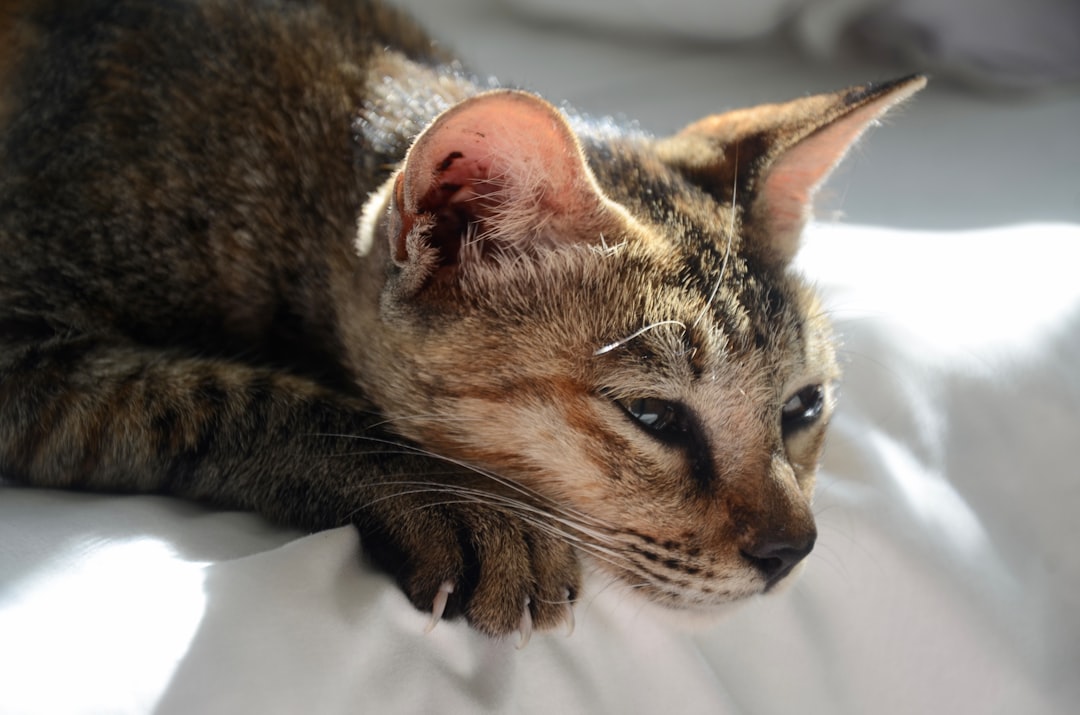
Saying goodbye to a beloved cat is one of the hardest things a pet parent can face. But understanding the subtle and not-so-subtle signs—like loss of appetite, hiding more often, or clear physical discomfort—can help you make a kind, informed decision. It’s not just about recognizing decline, but about ensuring your cat is comfortable, respected, and surrounded by love in their final moments. These signs don’t mean you’ve failed; they mean your cat has had a life full of care and companionship. And that’s something truly meaningful to hold onto.
Loss of Appetite and Severe Weight Loss

One of the most telling signs that your cat may be nearing the end is a sudden or steady loss of appetite. It can start with your cat picking at their food or only eating treats, but soon, even their favorite snacks lose appeal. Over time, this lack of interest leads to dramatic weight loss, making their bones more prominent. The once-plump cheeks may appear sunken, and their fur could lose its luster. If your cat turns away from food day after day, even after trying different options, it’s a clear signal that something serious is happening. This isn’t just picky eating—it’s often a sign that their body is shutting down. As heartbreaking as it is, this decline is common in elderly or very ill cats, and it’s a powerful message that their journey may be coming to an end.
Chronic Pain That Cannot Be Managed

Cats are masters at hiding pain, often masking discomfort until it becomes unbearable. If you notice your cat limping, flinching when touched, or struggling to get comfortable, it could mean their pain is out of control. Sometimes, even the best medications and treatments stop working. You may see them avoiding stairs, hesitating to jump, or crying out when moving. Chronic pain can make daily life miserable, stealing away the joy from your cat’s days. When pain becomes a constant companion, and nothing eases their suffering, it’s a sign that their quality of life is fading. No pet parent wants their furry friend to live in agony, and acknowledging this can be one of the most compassionate choices you’ll ever make.
Difficulty Breathing or Persistent Coughing

Breathing problems in cats are truly distressing to witness. If your cat is open-mouth breathing, gasping for air, or struggling with every breath, it’s a sign of severe distress. Some cats develop persistent, hacking coughs or wheezing noises that can’t be soothed. These symptoms can point to advanced heart failure, lung disease, or fluid buildup in the chest. Watching your cat labor for each breath is both terrifying and heart-wrenching. When medical interventions no longer provide relief, and your cat can’t seem to catch their breath, it’s time to ask yourself if their suffering has become too much. The struggle for air is not something any animal should endure for long.
Loss of Interest in Favorite Activities
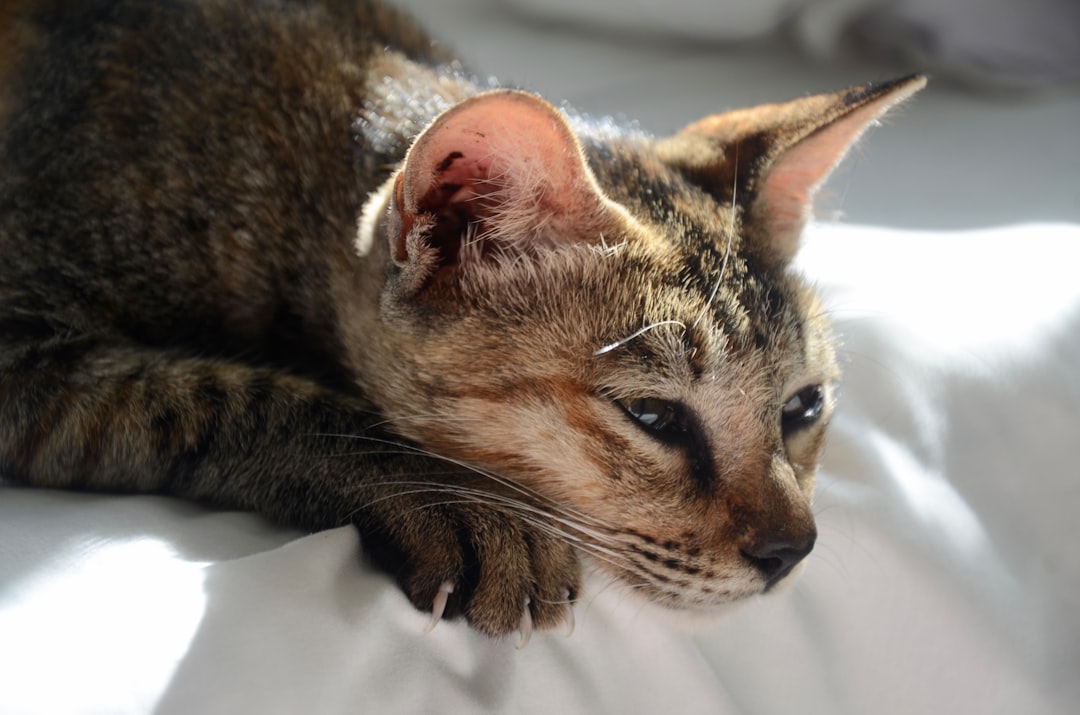
Think about all the little things that made your cat unique—chasing a toy mouse, curling in the sun, or pouncing on a feather wand. If those playful antics and affectionate behaviors have disappeared, it can be a sign that your cat is feeling unwell. Cats who are ready to say goodbye often withdraw from the things they once loved, preferring isolation or simply lying in one spot all day. This loss of joy is not just sadness or boredom; it’s often a sign that their body and mind are giving up. When the simple pleasures of life no longer light up your cat’s world, it’s a painful clue that it might be time to let go.
Frequent Hiding and Social Withdrawal
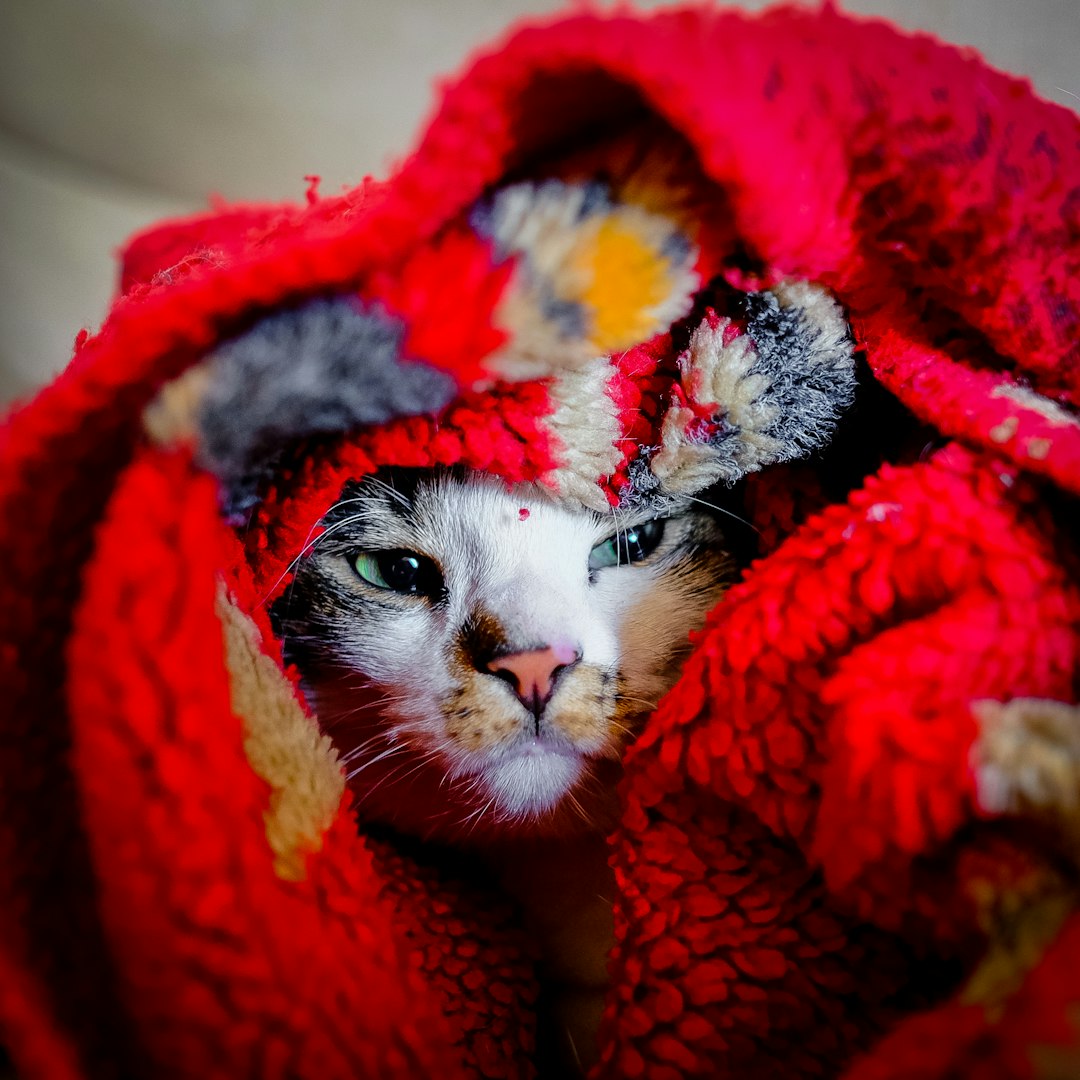
Cats are known for their independent streak, but when your social butterfly suddenly becomes a recluse, something is wrong. Sick or dying cats instinctively seek solitude, often hiding in dark, quiet corners where they won’t be disturbed. If your cat avoids your touch, no longer greets you at the door, or spends hours tucked away, it’s a red flag. This withdrawal isn’t just about wanting alone time; it’s a natural response to feeling vulnerable and unwell. If your affectionate companion now shuns your company, it’s a powerful sign their time may be drawing to a close.
Uncontrollable Vomiting or Diarrhea

Digestive issues are common in terminally ill cats. Repeated vomiting or bouts of diarrhea that don’t respond to treatment can quickly sap your cat’s strength. You might find messes around the house, or worse, see your cat struggling to make it to the litter box. These symptoms often cause dehydration, further weakening your cat. If your cat can’t keep food or water down, and their body is wasting away, it’s a sign that internal systems are failing. At this stage, comfort becomes the priority, and sometimes that means making a heartbreaking decision for their sake.
Incontinence and Poor Grooming Habits
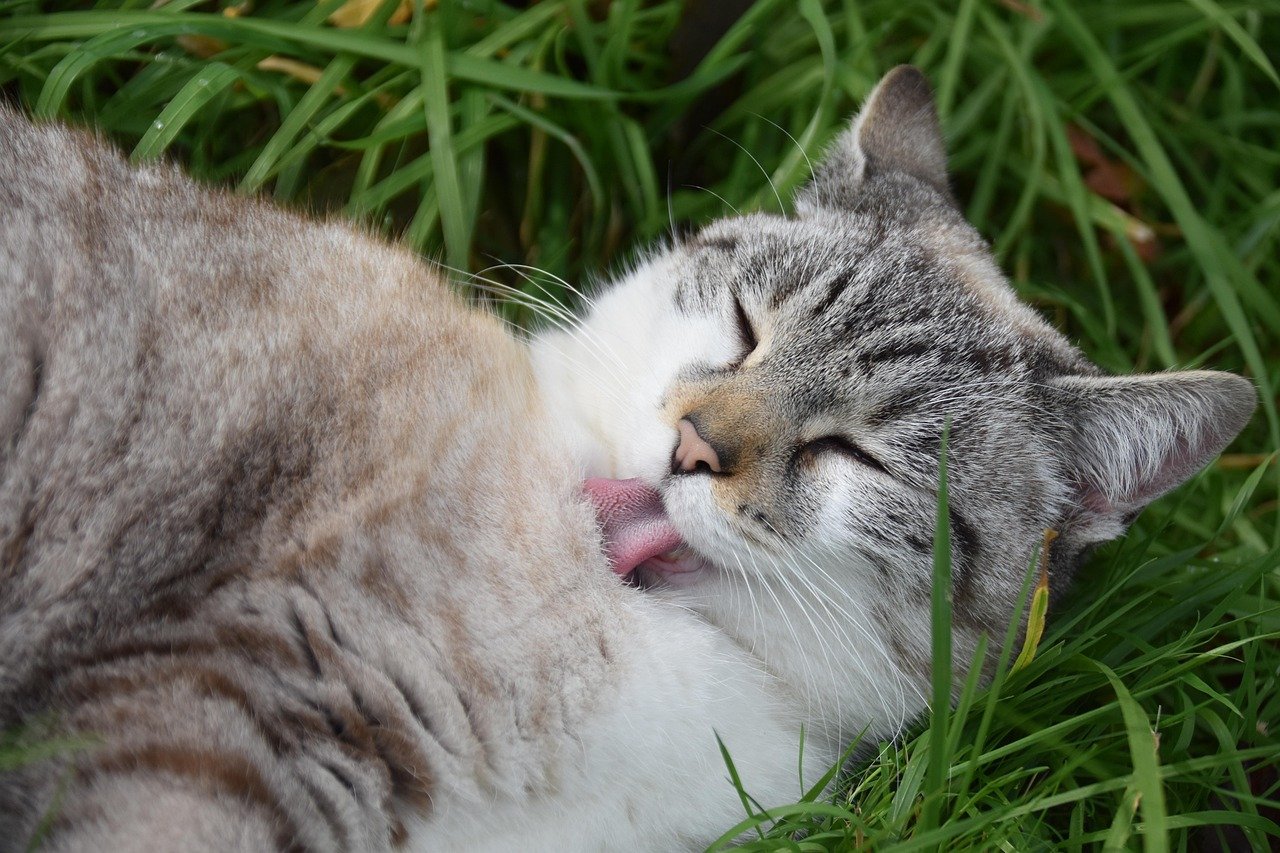
Cats are usually fastidious, cleaning themselves with pride and always using the litter box. When your cat starts having accidents outside the box or is unable to keep themselves clean, it’s a sign that their health is in rapid decline. You may notice matted fur, urine stains, or a strong smell that lingers. These changes are not just embarrassing for your cat—they can be deeply distressing. Incontinence and poor grooming often mean your cat is too weak or uncomfortable to care for themselves. If your once-dignified cat can no longer maintain these basic routines, it’s a tragic indication that their quality of life has slipped away.
Severe Lethargy and Weakness

A cat who is ready to say goodbye often lacks the energy to move around. Severe lethargy means your cat barely gets up, spending most of their time sleeping or staring into space. They may seem limp or floppy when picked up, unable to hold their head up for long. Even eating, drinking, or grooming requires too much effort. This overwhelming weakness can make even the simplest tasks impossible. Cats with advanced illness may lose muscle tone, stumble when they try to walk, or collapse frequently. If your cat is no longer able to interact with their world, it’s a sign that their journey is nearing its end.
Labored or Unusual Vocalizations

Cats communicate in many ways, and sometimes, their voices reveal more than we realize. If your cat starts making strange, persistent cries, howls, or groans, it could signal pain or confusion. Some cats become unusually quiet, while others may yowl throughout the night. These vocal changes can be a cry for help or a way of expressing discomfort that words can’t reach. Pay close attention to any new or distressing sounds—especially if they’re paired with other signs on this list. When your cat’s vocalizations change dramatically, it’s one more heartbreaking clue that their time with you may be running out.
Loss of Coordination or Paralysis

One of the most alarming signs is when your cat loses control of their body. Wobbling, stumbling, or dragging their back legs can indicate neurological problems or severe illness. In some cases, paralysis sets in, leaving your cat unable to move part or all of their body. These changes often come suddenly and are incredibly distressing for both you and your pet. If your cat can no longer stand, walk, or control their movements, their independence and dignity are deeply affected. This loss of coordination is often irreversible and may signal that the kindest act is to let them go.
Facing the end of your cat’s life is incredibly emotional, but recognizing the signs early helps you make compassionate choices. It’s never easy, but being there for your cat with love, comfort, and dignity means everything. Remember, your bond doesn’t end—it simply changes. And honoring that connection, even in goodbye, is one of the kindest gifts you can give.


