
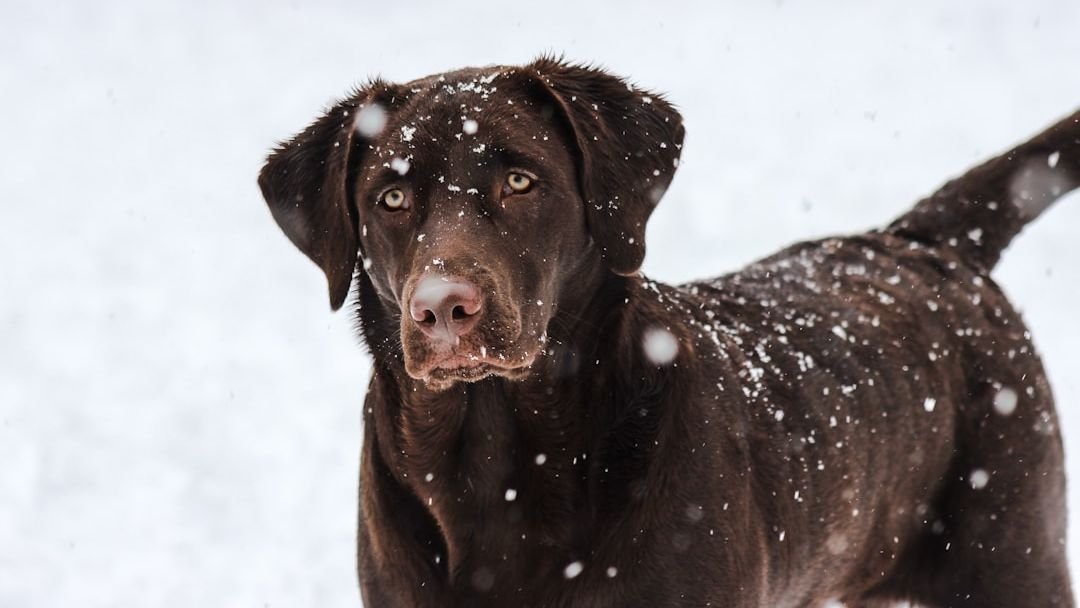
You see those frosty paw prints on your driveway each morning, and your dog’s tail wagging with excitement at the sight of fresh snow. Winter brings a kind of magic that even our four-legged friends seem to appreciate. Yet beneath that charming winter wonderland lies a collection of threats most dog lovers never see coming.
I know what you’re thinking. Your dog has fur, so they must be fine in the cold, right? Honestly, that’s what a lot of us believe until something goes wrong. The reality is, winter poses unique risks that can sneak up on even the most vigilant pet parents. From invisible toxins lurking in your garage to silent gases building up indoors, the cold months demand more attention than you might expect. Let’s be real, some of these dangers are downright sneaky, hiding in plain sight while we focus on keeping our pups warm with adorable sweaters.
What follows might surprise you. Some hazards are obvious once you know about them, while others seem so harmless on the surface that they catch everyone off guard. Either way, understanding what threatens your dog during winter could make all the difference. So let’s dive in.
Frostbite Can Strike Faster Than You Think
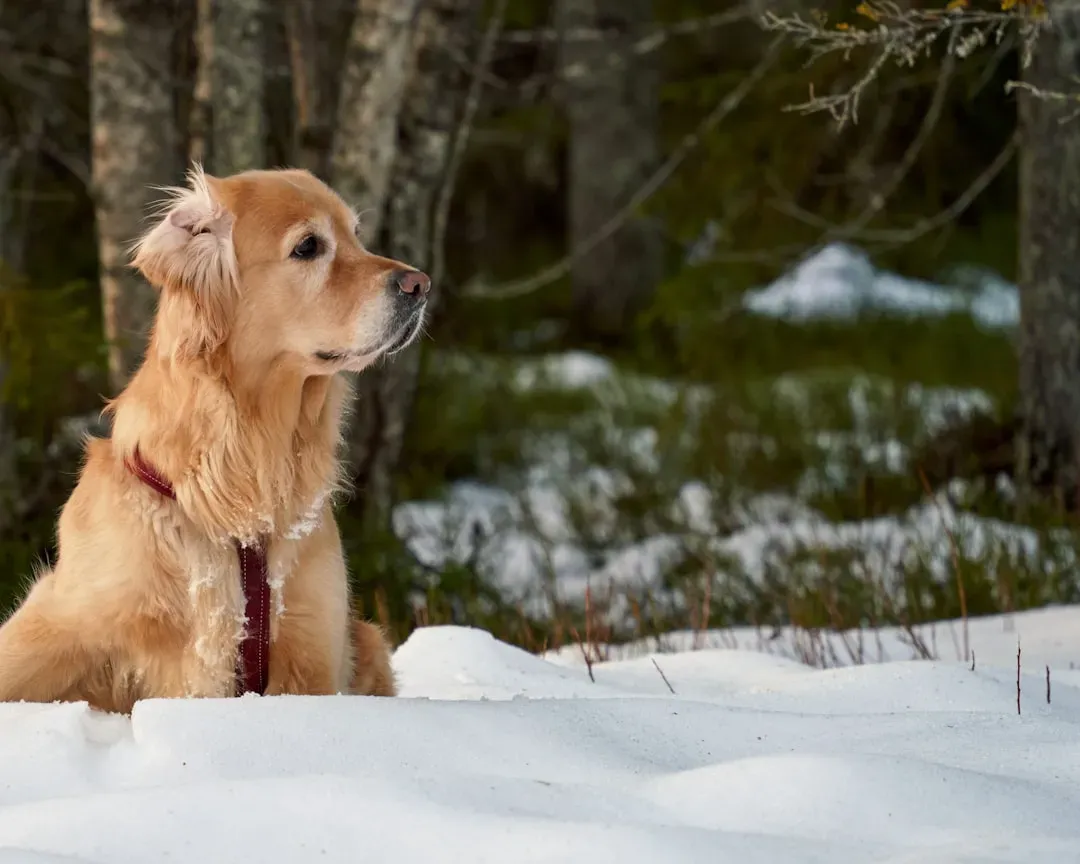
Frostbite can develop in just 30 minutes when temperatures fall below freezing, especially for dogs with short hair or smaller bodies. Think about your pup’s ears, tail, and those delicate paw pads. These areas with less fur are most vulnerable to damage from prolonged exposure to extreme cold.
Signs include shivering, skin discoloration, swelling, and pain when the affected area is touched. The tricky part? Frostbite is harder to detect, and may not be fully recognized until a few days after the damage is done. Your dog might seem fine during your walk, but the tissue damage has already begun beneath the surface. If you notice any unusual coloring or your dog favoring a paw, get them inside immediately and contact your vet. Never rub the affected area as this can cause more harm than good.
Hypothermia Threatens Even Thick-Coated Breeds
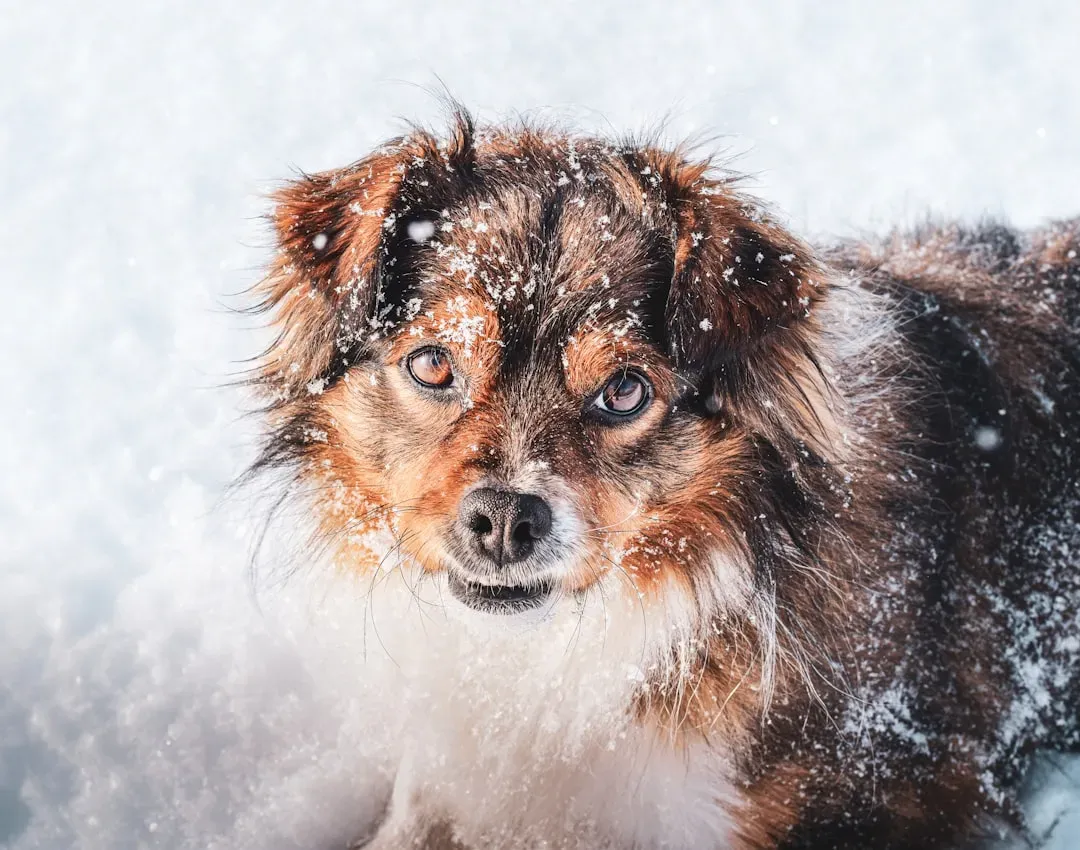
Here’s the thing about hypothermia – it doesn’t discriminate. Cats and dogs are susceptible to frostbite and hypothermia and generally should be kept inside, regardless of their coat type. Mild hypothermia can begin when dogs’ body temperature drops below 98 degrees.
If your pet is whining, shivering, seems anxious, slows down or stops moving, seems weak, or starts looking for warm places to burrow, get them back inside quickly. What’s particularly frightening is that as hypothermia progresses, cold animals will stop shivering or looking for heat, as their bodies can no longer work to stabilize their temperature, leading to a hypothermic spiral where they just get colder and colder. At that point, every second counts. Dogs who spend extended time outdoors in frigid conditions need constant monitoring, and honestly, shorter bathroom breaks are your safest bet during extreme cold snaps.
Antifreeze Is a Sweet-Tasting Killer
Ethylene glycol, a sweet-tasting, odorless liquid, is the active ingredient in antifreeze, and this is where things get genuinely terrifying. Dogs may be attracted to ethylene glycol by its sweet taste, and as little as half a teaspoon per pound of a dog’s body weight can result in death. Let that sink in – half a teaspoon per pound.
Symptoms can appear within hours and may include vomiting, lethargy, and wobbly walking, but immediate veterinary treatment is crucial because an appropriate antidote is only effective within a few hours of ingestion. The antidote (fomepizole) is only effective if given within 8–12 hours in dogs. Even a few drops from a driveway leak can be fatal. The best approach? Clean up any spills immediately and consider pet-safe antifreeze alternatives. Your dog’s life may depend on your vigilance.
Rock Salt and Ice Melt Burn Delicate Paws
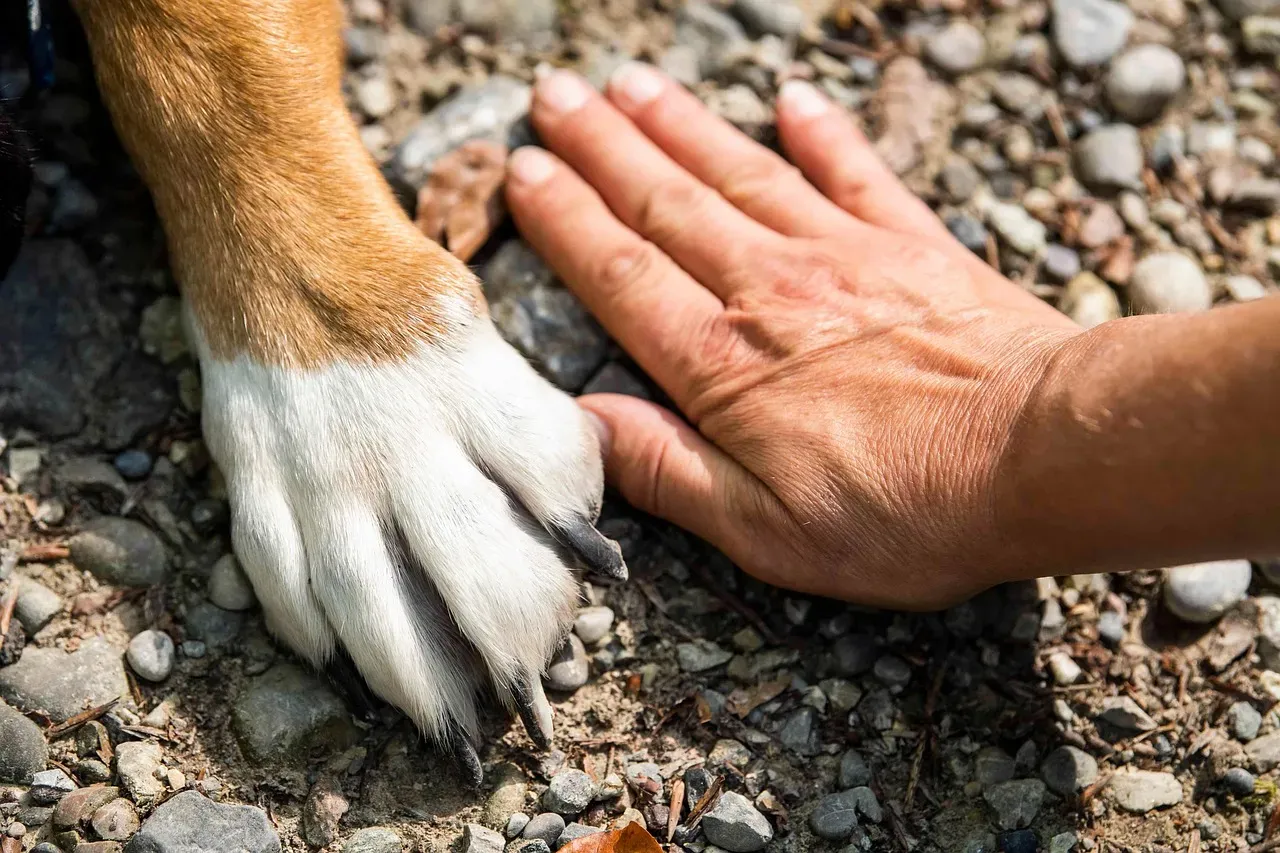
Those sidewalks might look safe after a fresh salt treatment, but for your dog’s paws, they’re a minefield. Rock salt that is commonly used to melt ice can cause injuries, irritation, or burns to paws, and a dog’s paw pads could become sore from repeatedly stepping on rough salt crystals.
Walking on ice salts can dry out and crack your pup’s paw pads, leading to painful irritation or chemical burns. What makes this worse is that if your dog licks their paws after a winter walk outside, they could also be ingesting some of these chemicals. Ice melts containing certain salts such as sodium chloride, potassium chloride, calcium chloride and magnesium chloride pose a higher risk of electrolyte changes, and elevated sodium can result in neurologic symptoms. Always rinse and thoroughly dry your dog’s paws after walks, or invest in properly fitted booties. It might look silly at first, but those little boots could save your dog from serious pain and toxic exposure.
Dehydration Happens Even When It’s Freezing

It sounds counterintuitive, doesn’t it? But with the drier air of winter, your dog might actually be losing more moisture from their body than they would in summer. People assume water isn’t a priority when temperatures drop, yet the opposite is true.
Dogs need plenty of fresh, clean water to maintain hydration, as even mild dehydration can contribute to skin flakiness and dryness, so consider adding warm water to your dog’s dry food or adding a splash of low-sodium broth to the water dish to encourage drinking. Cold weather combined with indoor heating systems creates an exceptionally dry environment that pulls moisture from everything, including your dog’s body. Keep those water bowls full and refreshed, and maybe make them a bit more enticing with gentle warming or flavor additions. Hydration isn’t just a summer concern.
Dry Skin and Cracked Paw Pads Are More Than Cosmetic

When the air becomes cold, it loses moisture, and this arid air can strip the water from your dog’s skin and slow the production of the skin’s natural oils. The result? Uncomfortable, itchy dogs who scratch constantly and develop flaky skin or dandruff.
Low humidity can cause transepidermal water loss, which is the major reason dogs get dry skin in winter, and when the stratum corneum becomes dry, it becomes brittle and easier to damage. This damaged skin barrier makes dogs more susceptible to allergens and irritants. Regular brushing helps distribute natural oils, and running a humidifier in your home adds much-needed moisture to the air. Don’t overlook moisturizing balms for those paw pads either – cracked paws are painful and can become infected quickly.
Carbon Monoxide Is the Silent Winter Threat
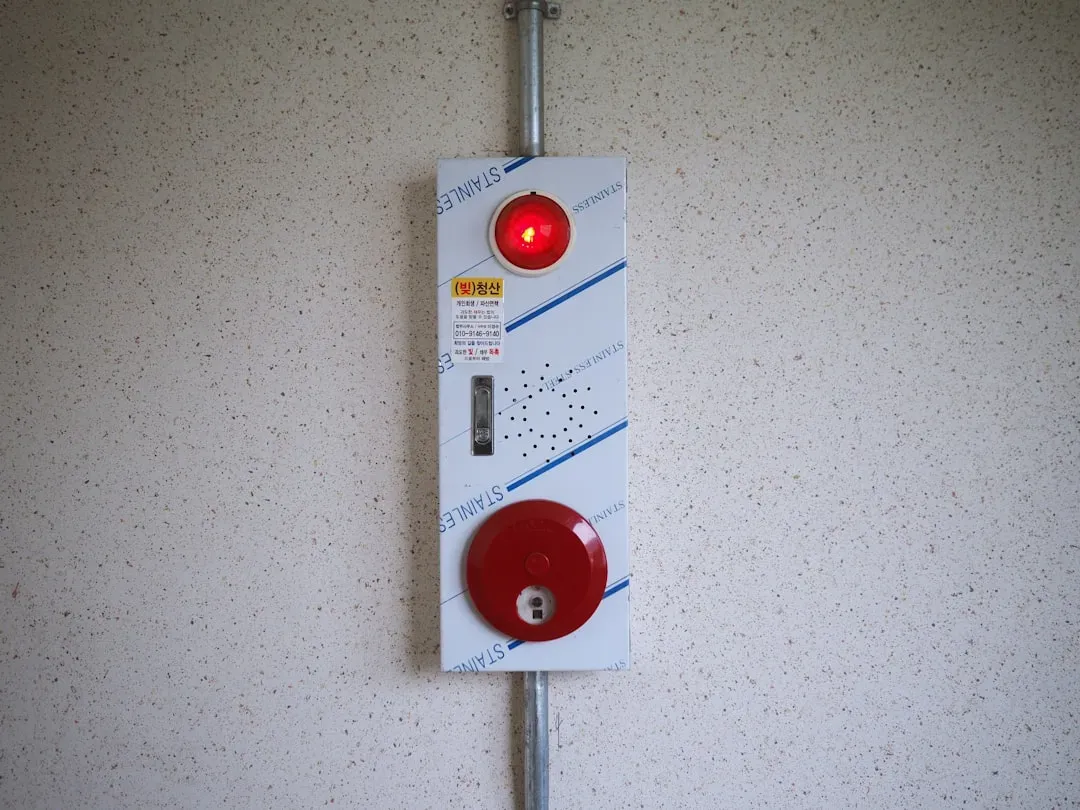
This one genuinely keeps me up at night sometimes. Carbon monoxide is a colorless, odorless and tasteless gas – but still highly toxic. Winter is the time of the year for carbon monoxide, since home furnaces are one of the most common sources.
Since they are smaller and spend more time at home, pets can exhibit signs of carbon monoxide poisoning before humans. A dog left in closed garage with car engine running can receive toxic levels of carbon monoxide in about ten minutes, and pets left in a running car that has a blocked exhaust pipe have died in just 15 minutes. Install CO detectors throughout your home, especially near sleeping areas and wherever your dog spends significant time. Have your furnace and heating systems serviced annually. Never run your car in an attached garage, even briefly. These simple steps could save every life in your household.
Slippery Ice Leads to Serious Injuries
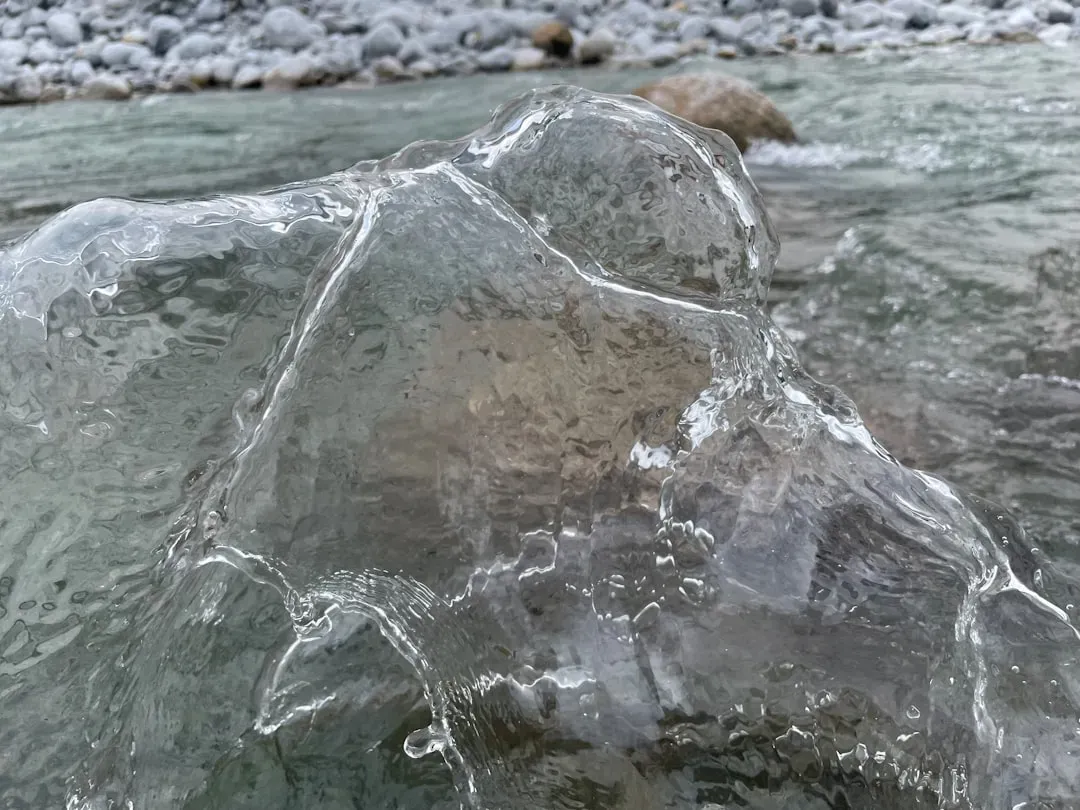
Arthritic and elderly pets may have more difficulty walking on snow and ice and may be more prone to slipping and falling. But really, dogs of any age can take a tumble on icy surfaces, leading to sprains, torn ligaments, or worse.
Think about how carefully you navigate icy sidewalks. Now imagine doing that on four legs without boots or the ability to consciously slow down when excited. Ice accumulation between toe pads can also cause dogs to slip or walk uncomfortably. Trimming the hair between their toes reduces ice ball buildup. Stick to cleared pathways when possible, and keep walks shorter during particularly icy conditions. Your dog’s enthusiasm for their walk can override their caution, so you’ll need to be the sensible one.
Older Cars and Warm Engines Attract Outdoor Cats Near Your Dog
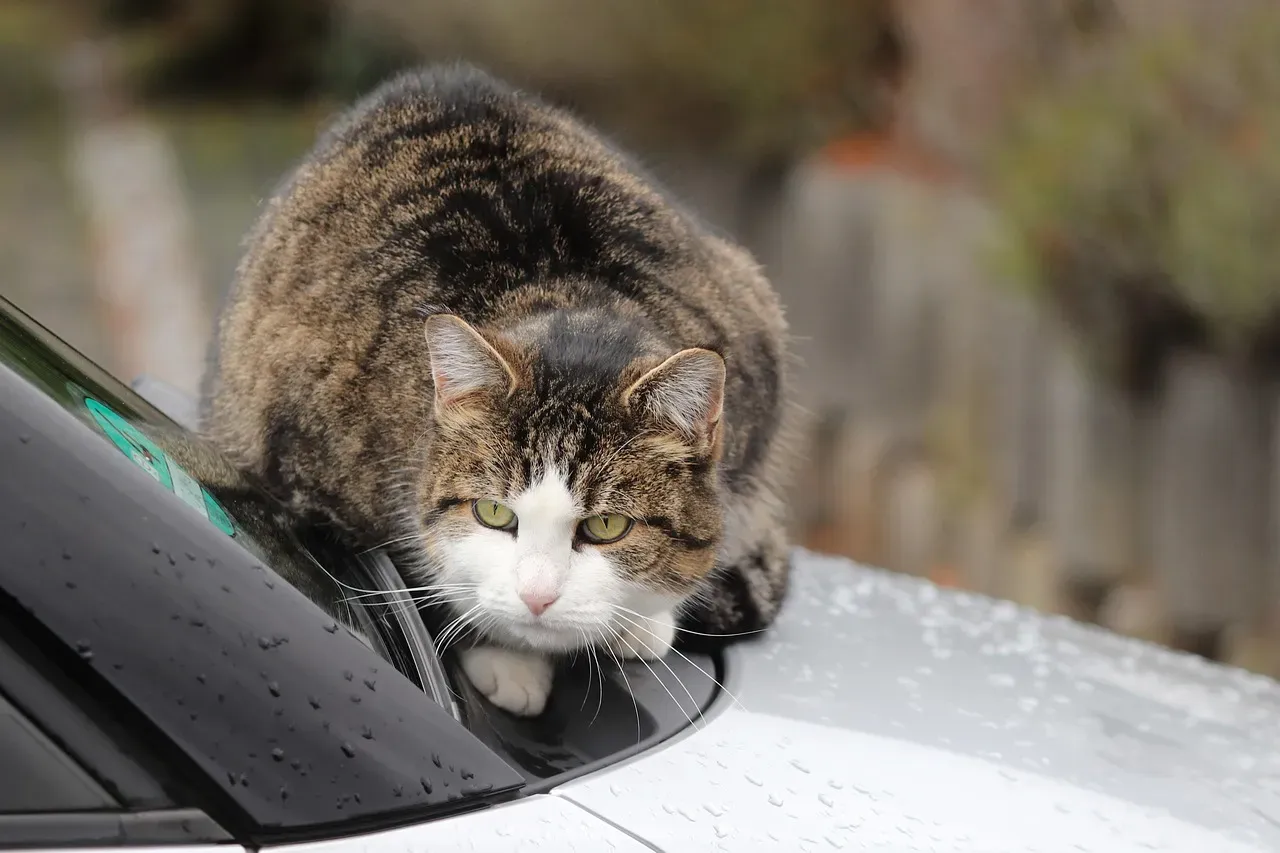
This might seem like an odd danger for dog owners, but hear me out. A warm vehicle engine can be an appealing heat source for outdoor and feral cats, but it can be deadly, so check underneath your car, bang on the hood, and honk the horn before starting the engine.
If you walk your dog near parked cars or have an outdoor dog, a cat suddenly injured by an engine can create a chaotic and potentially dangerous situation. Your dog might react to a distressed cat, leading to fights or your dog bolting in fear. Beyond the immediate chaos, it’s simply the humane thing to do – a quick hood tap takes two seconds and could save a life. Small preventative actions create safer environments for all animals in your neighborhood.
Shortened Daylight Means Visibility Dangers
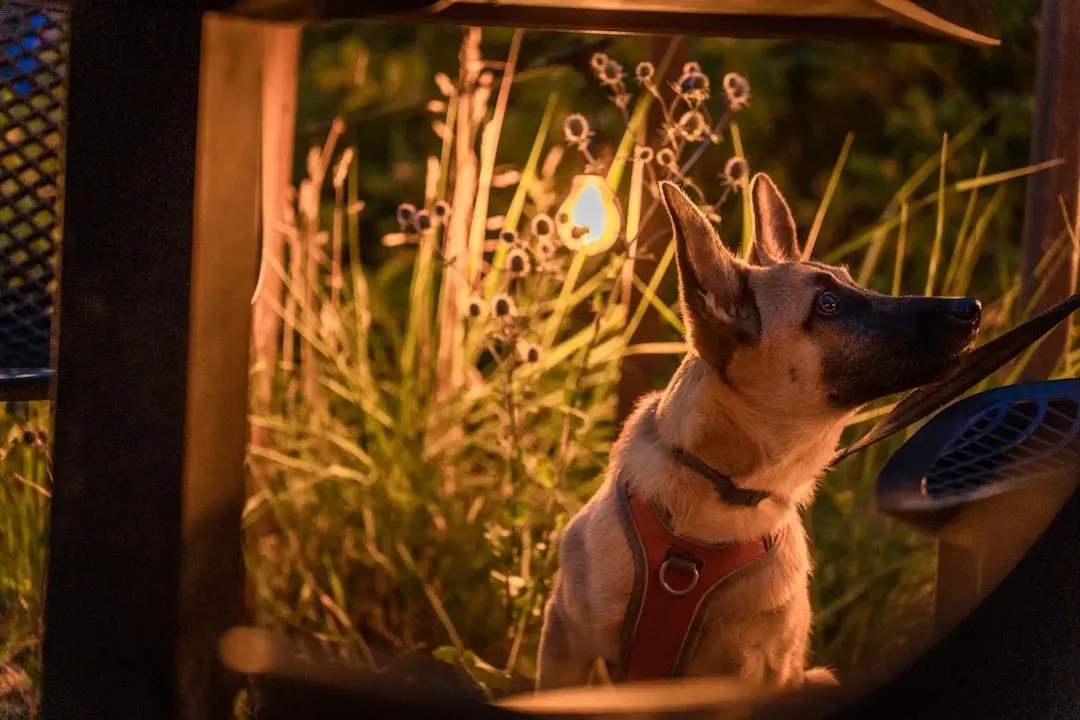
Winter darkness falls early, and those evening walks that happened in daylight just months ago now occur in pitch black. Dogs wandering even slightly away from you become nearly invisible to drivers, cyclists, or other hazards.
Reflective gear isn’t just trendy – it’s essential. Invest in reflective collars, leashes, and even light-up attachments. Consider a headlamp for yourself so you can spot hazards like ice patches, wildlife, or dropped food. Many pets become lost in winter because snow and ice can hide recognizable scents that might normally help your pet find their way back home. Keep your dog leashed and close during winter walks. The reduced visibility combined with scent disruption from snow creates a perfect storm for dogs getting disoriented and lost.
Overheating from Indoor Heating and Overdressing

Yes, overheating in winter – it happens more than you’d think. We bundle our dogs in sweaters and keep our homes toasty, but dogs regulate temperature differently than humans. Wet sweaters or coats can actually make your dog colder, and overheated indoor environments can cause discomfort and excessive panting.
Watch for signs your dog is too warm: heavy panting, seeking cool surfaces, or trying to remove their clothing. If your dog has a short coat or seems bothered by the cold weather, consider a sweater or dog coat, and have several on hand so you can use a dry sweater or coat each time your dog goes outside. Balance is key – protection from cold is important, but so is allowing your dog to thermoregulate naturally. Remove layers once back indoors, and monitor their comfort level. Not every dog needs winter clothing, and overdressing an already warm dog creates unnecessary stress.
Conclusion

Winter’s beauty shouldn’t blind us to its dangers. From the obvious threats like frostbite and hypothermia to the sneaky ones like carbon monoxide and antifreeze, cold weather demands heightened awareness from every dog owner. The good news? Most of these hazards are entirely preventable with knowledge and vigilance.
Keep your walks shorter, your dog’s paws protected, and your home equipped with proper detectors. Stay aware of what your dog encounters both indoors and out. Your furry friend trusts you completely to keep them safe, and honestly, that’s both a huge responsibility and an incredible privilege.
What surprised you most about these winter dangers? Stay warm out there, and keep those pups safe!


