

Your dog can’t text you, call you, or leave a sticky note on the fridge. But every single day, they are communicating with you in dozens of quiet, nuanced ways. The problem? Most of us are too busy, too distracted, or simply not trained to notice.
Here’s the heartbreaking part. Research suggests that the vast majority of dogs in the U.S. demonstrate at least some behavior issues, many directly related to being unhappy. That means the sad pup curled in the corner might not just be “tired.” They might be reaching out to you in the only language they know.
This article breaks down the ten most overlooked signals your dog sends when something is wrong emotionally. Some will surprise you. Others might make you look at your pup in a completely new way. Let’s dive in.
1. They’ve Gone Quiet and Withdrawn From the Family

You know that dog who used to greet you at the door like you were a rockstar? If that same dog is now sneaking off to a quiet corner and barely lifting their head when you walk in, something has shifted. An unhappy dog might avoid attention, hide in corners, or separate themselves from the family.
A stressed or sad dog may exhibit withdrawal from social interactions, become less playful, avoid physical contact, or isolate themselves from family members or other pets. Think of it like a person who stops answering texts. It doesn’t mean they don’t love you. It means they’re struggling inside.
The fix? Don’t force interaction. Instead, sit quietly near them. Let them come to you. If you notice signs of stress, first remove them from the stressor and find a quiet place to regroup. Sometimes just being a calm, safe presence is the most powerful thing you can do.
2. Their Appetite Has Changed Noticeably
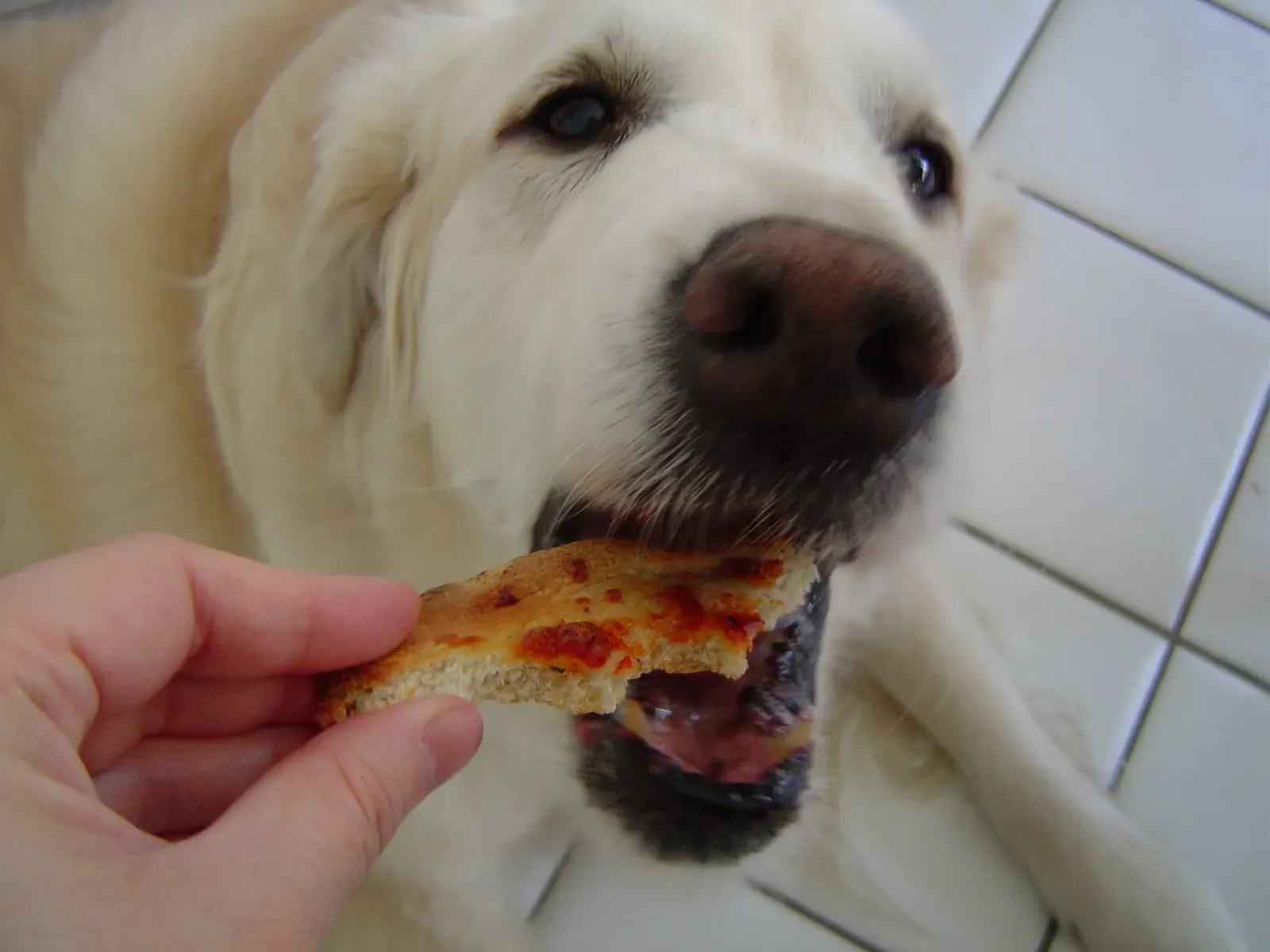
A dog who suddenly turns their nose up at their favorite meal is waving a red flag. Loss of appetite or reduced interest in food or treats can be a sign of both emotional and physical discomfort. On the flip side, some dogs go the other way entirely.
Research has demonstrated that stress and unhappiness can be appetite suppressants in all kinds of dogs, while one study noted that unhappy dogs can also overeat, just like humans. Whether your dog is barely touching their bowl or suddenly inhaling everything in sight, that shift in eating behavior is a signal worth taking seriously.
Always rule out a medical cause first. Loss of appetite, specifically refusing to eat for more than 24 to 48 hours, is a sign your dog may have a health concern. A quick vet visit can make all the difference.
3. They’re Sleeping Way More Than Usual
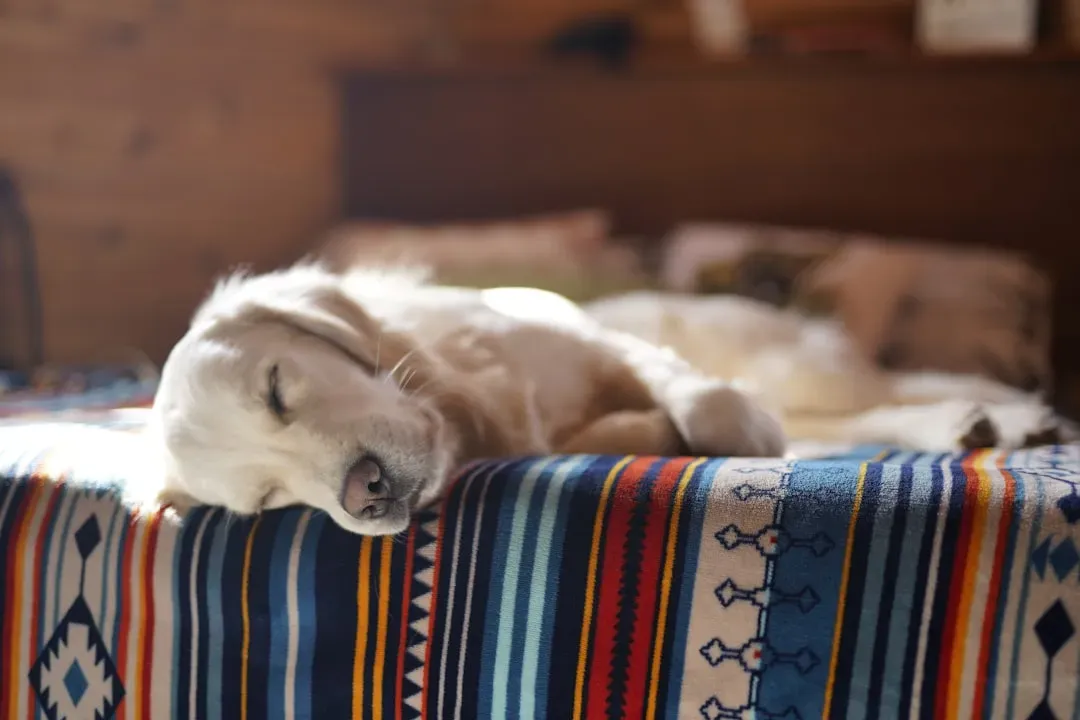
Yes, dogs sleep a lot. That’s perfectly normal. But there’s a difference between a relaxed afternoon snooze and a dog who barely moves from their bed all day. Pay attention to your dog’s sleep. If they are suddenly sleeping way more than they used to, that’s a classic sign of sadness in humans and might be a signal your dog is unhappy too.
Sleeping more than usual or low energy can point to unhappiness or underlying health issues. It’s like that feeling of wanting to pull the blanket over your head and not face the world. Dogs do the same thing. The tricky part is knowing the difference between “I had a big walk today” tired and “something is wrong” tired.
Watch for patterns. If the extra sleeping comes paired with other signs on this list, it’s time to pay closer attention and speak with your vet.
4. Their Body Language Is Screaming What Their Voice Can’t
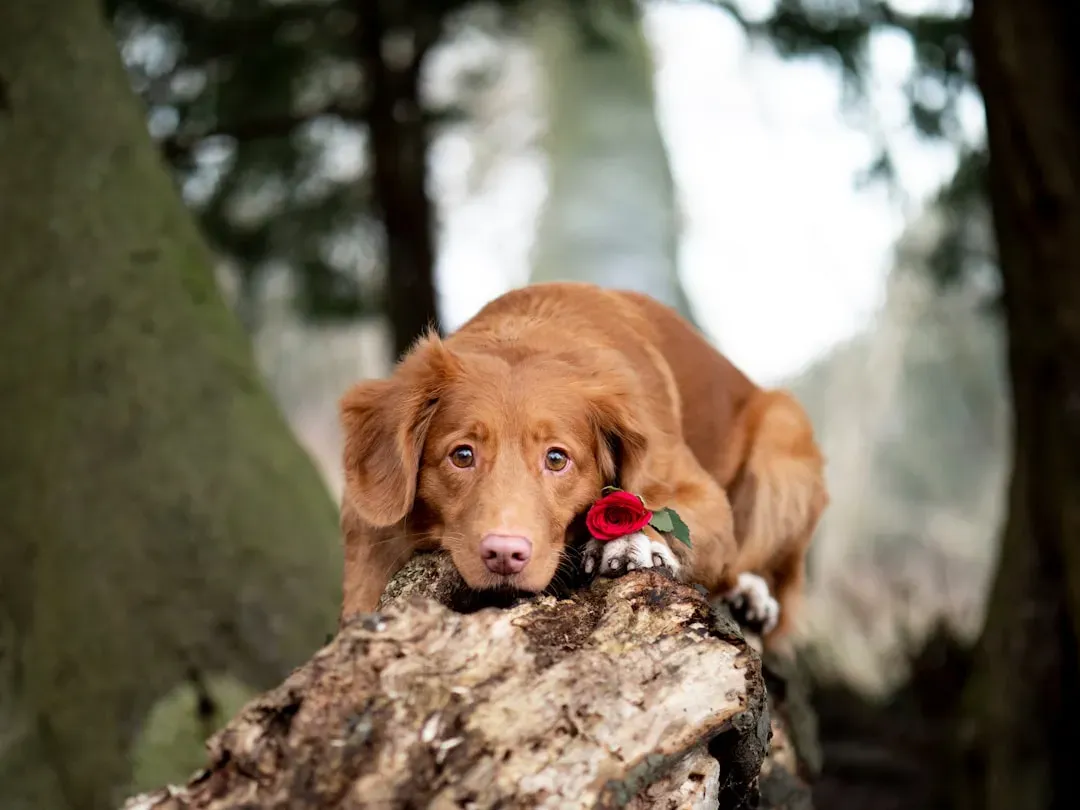
Here’s the thing about dogs. Their bodies are constantly broadcasting their emotional state, loud and clear, if you know what to look for. Stress signs to look for include whale eye (when dogs reveal the whites of their eyes), tucked ears or tail, raised hackles, lip-licking, yawning, and panting.
A tail held low or between the legs often expresses fear or sadness, ears drawn back can signal discomfort or anxiety, and dogs that avoid looking at you may be feeling distressed or threatened. These cues are easy to miss because they seem so small. But honestly, once you start noticing them, you can’t unsee them.
Research suggests that dogs express sadness most clearly through their body language. The more familiar you are with an individual dog, the better you’ll likely be at reading their emotions. So make it a habit to really observe your dog, not just glance at them.
5. They’re Pacing and Can’t Seem to Settle

Imagine trying to relax when your mind won’t stop racing. That’s exactly what pacing looks like in a dog. When dogs are pacing back and forth, it’s a sign they can’t settle down because something is stressing them. If this happens during mealtimes or for short periods it might not be a big deal, but noticing when your dog engages in this behavior can give you clues about what’s triggering their anxiety.
Dogs that pace and pant, particularly at night, are often restless and not wanting to settle. This is especially distressing to witness at bedtime, when you just want your pup to feel safe and cozy. It’s worth noting that in older dogs, restless pacing can sometimes signal a deeper issue.
In older dogs, pacing may be a sign of dementia. If you start to notice this in your senior pet, talk to your veterinarian right away. Early action always leads to better outcomes.
6. They’re Grooming Obsessively or Neglecting Themselves
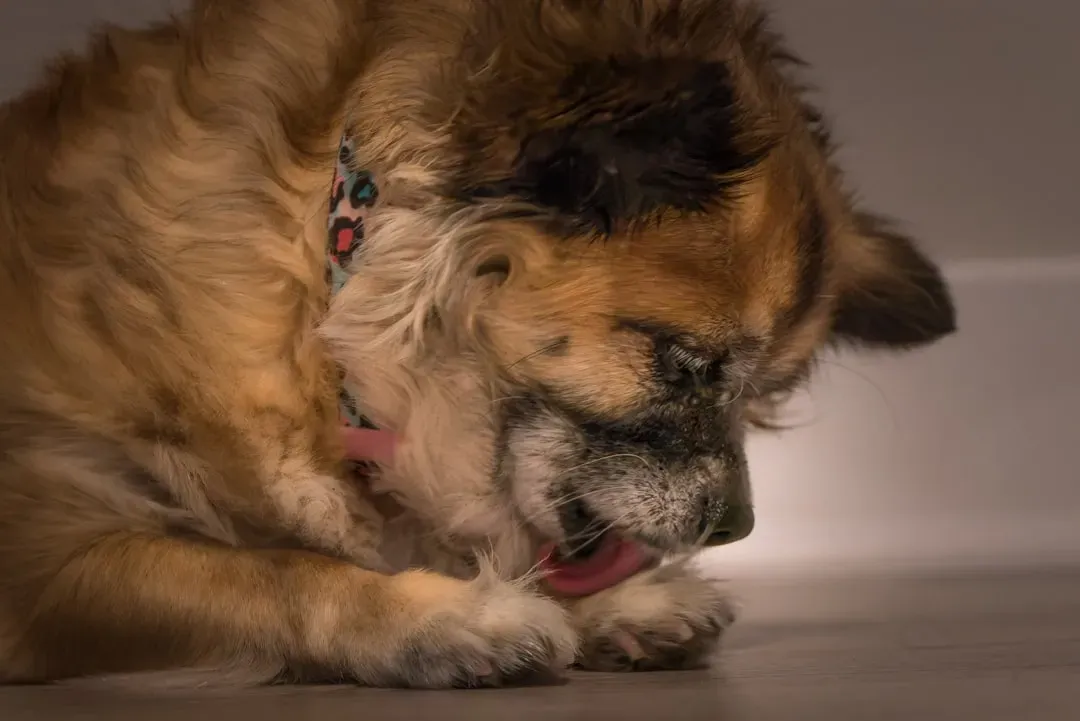
A little self-grooming is healthy and normal. But when your dog starts licking one spot on their leg until it’s raw, or you notice their coat looking dull and matted because they’ve stopped grooming altogether, that’s a signal worth investigating. Dogs may lick or scratch themselves more than usual in response to stress, anxiety, or a skin condition.
Sadness can sometimes manifest physically in dogs. You might notice weight loss, licking or chewing, and a dull coat. Think of excessive licking as the canine equivalent of nail-biting. It’s a self-soothing mechanism, and it tells you the dog’s nervous system is under strain.
If you spot raw or irritated patches of skin, don’t just treat the wound. Treat the root cause. Look at what might be generating the anxiety in your dog’s daily life and adjust accordingly.
7. Destructive Behavior Has Suddenly Appeared
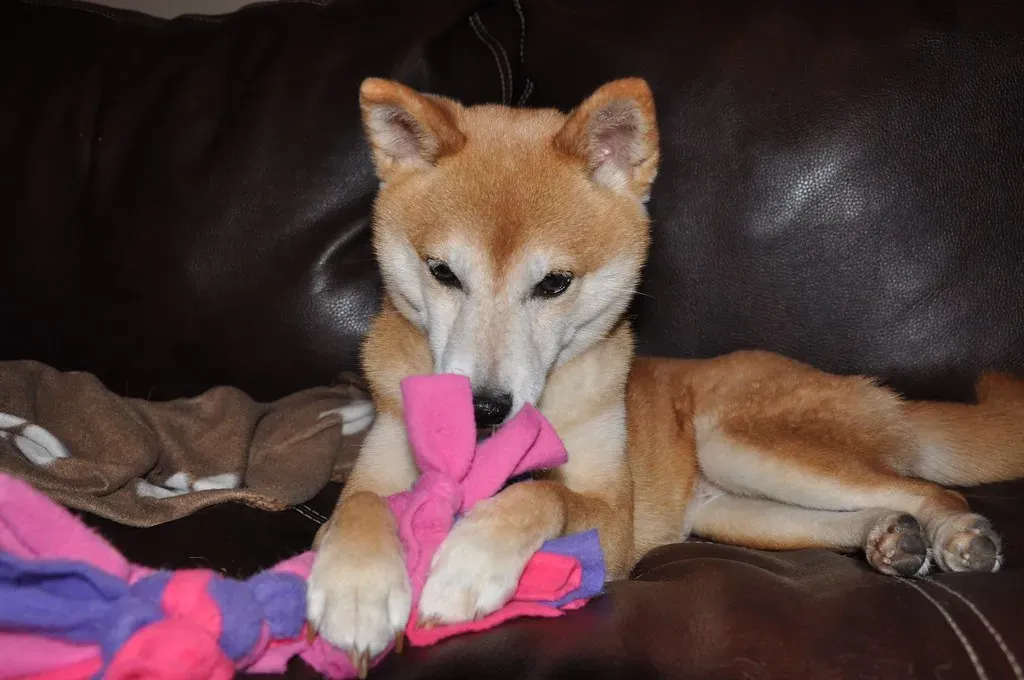
Coming home to a shredded couch cushion is frustrating. But before you scold your dog, consider what they might be trying to tell you. Chewing furniture, excessive digging, or scratching can signal frustration or anxiety. It’s rarely about the couch. It’s almost always about an unmet emotional need.
Dogs can exhibit anxiety through a wide range of behavior problems, including showing signs of distress such as whining, howling, barking, pacing, house soiling, or destroying household items after their owner leaves. If this only happens when you’re away, separation anxiety is very likely the culprit. A working from home trial or a camera to monitor behavior can reveal a lot.
Dogs have been bred over hundreds of years to excel in certain jobs or tasks, and if a dog doesn’t get an outlet for these hard-wired behaviors, they can become frustrated, bored, or depressed. The solution isn’t always discipline. Sometimes it’s just more enrichment.
8. They’re Growling, Snapping, or Acting Unusually Irritable

Most loving dog parents are blindsided when their sweet, gentle pup suddenly snaps at them. But I’d ask you to resist labeling this as “bad behavior” right away. Growling is an obvious way to tell if your dog is uncomfortable. It could mean that someone is in their space, they feel threatened, or that something hurts.
In some cases, dogs tend to be irritated and easily annoyed when they get sad. Chewing, aggressive behavior, and irritability are possible signs of dog sadness and depression. So before reacting, ask yourself: what changed recently? New baby in the house? New pet? A move? Pain they haven’t shown you?
Many people try to discourage their dogs from growling. Instead, respect their space or figure out a different way to get what you want from them. A growl is communication, not a character flaw. Honor it.
9. They’ve Lost Interest in Their Favorite Things

This one is quietly devastating to witness. The dog who used to spin in circles at the sight of a leash and now just stares at it. The pup who once lived for a game of fetch and now won’t even sniff the ball. Depressed dogs may show symptoms such as a lack of interest in activities, loss of appetite, increased irritability, and unusually clingy or needy behavior.
A dog with low mood may have little enthusiasm for exercise or games or joining in with the things they normally enjoy. It’s one of those signs that’s easy to brush off as the dog “getting older” or “just being lazy.” Don’t brush it off. Loss of joy is a real and important warning sign.
Dogs who don’t receive enough mental stimulation throughout the day can become bored, which can lead to depression. Most dogs need regular exercise throughout the day to remain healthy and happy. Even small changes, a new walking route, a sniff-focused outing, or a puzzle feeder, can genuinely reignite a dog’s spark.
10. Their Sleep Is Disrupted or Erratic

Beyond sleeping too much, the opposite can also be a warning sign. Either sleeping excessively or experiencing disrupted sleep can reflect emotional distress. A dog that circles restlessly at night, wakes suddenly, or seems unable to get comfortable is telling you something is off.
Stress and unhappiness can cause sleep deprivation in both humans and dogs. Research confirms that sleep deprivation is unhealthy and can actually worsen sadness in both humans and dogs. So it becomes a cycle. Unhappiness disrupts sleep, and poor sleep deepens unhappiness. Sound familiar? It should. Dogs experience this spiral too.
Creating a calm, consistent bedtime environment matters enormously. Dogs benefit from having a designated space where they feel safe and secure. This can be a crate, a quiet room, or a comfortable bed where they can retreat to when they need to relax and unwind.
What to Do When You Spot These Signs
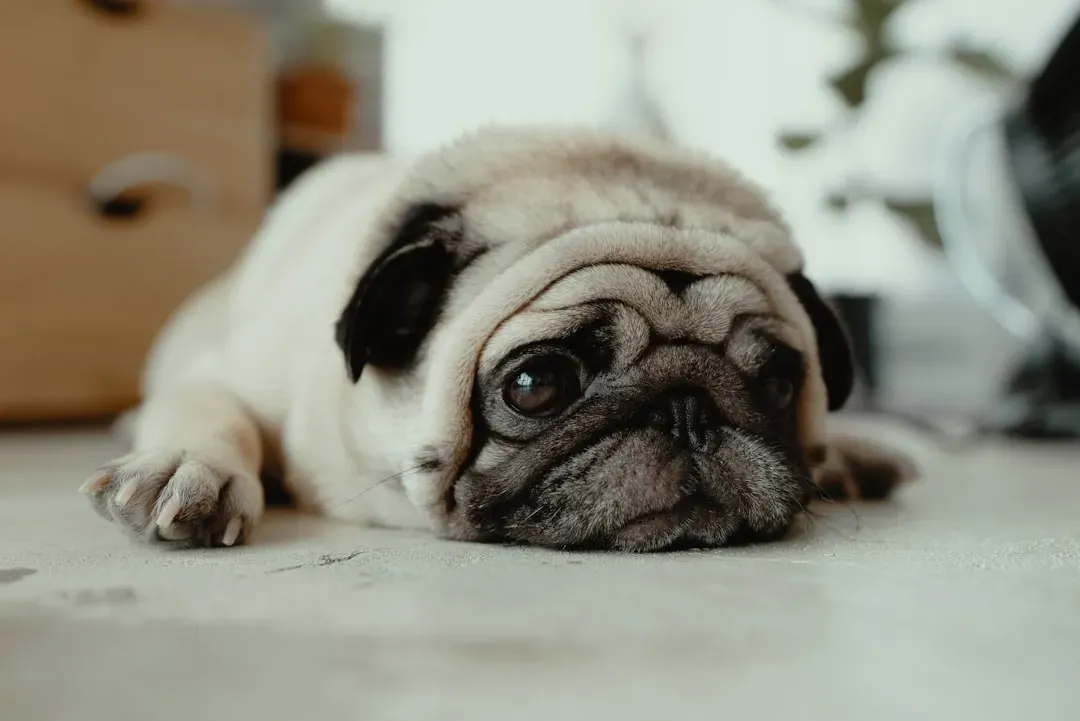
First, take a breath. Noticing is already the most important step. Recognizing the signs of an unhappy dog requires attention, empathy, and action. Many signals are subtle, but consistent changes in behavior, physical appearance, and routines should not be ignored.
Underlying medical issues are a major cause of unhappiness and must be ruled out first by a vet. Always start there. Once physical causes are cleared, look at your dog’s environment, daily routine, social interactions, and stimulation levels. Small tweaks can lead to huge emotional shifts.
An anxious dog is an unhappy dog. You can change that by adding consistency and predictability to your dog’s life. Regular mealtimes, walks, and play sessions give your dog a sense of safety. Honestly, sometimes the best medicine is simply more of your time and presence.
Often with a little help and attention, dogs can turn around to become confident and secure in their environment again. So don’t feel guilty. Feel empowered. You noticed. Now you can act.
Your dog chose you as their whole world. They can’t tell you in words when that world feels dark, but they’re always trying to show you. The question is simply whether we’re paying close enough attention to see it. Are you?


