
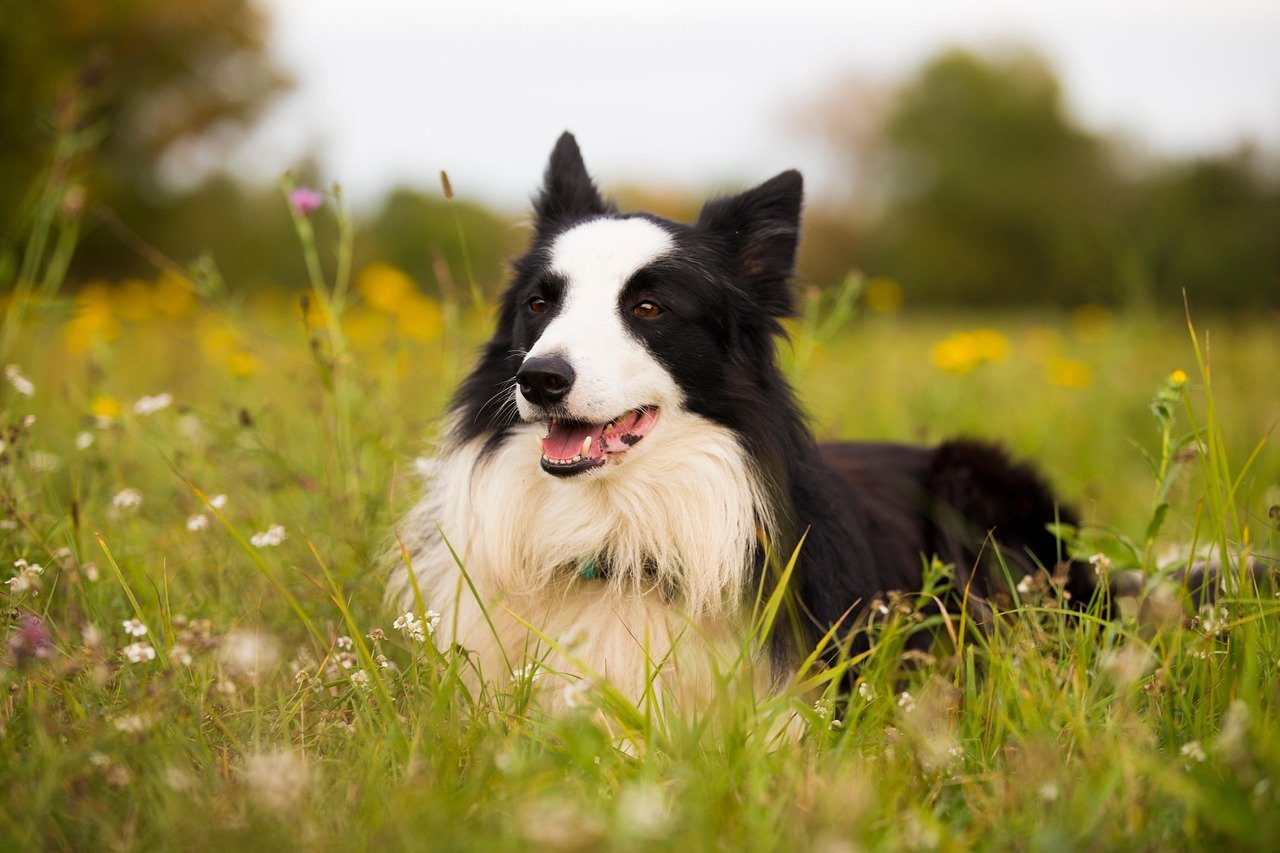
Picture this: you’re settling into a peaceful retirement, dreaming of a loyal canine companion to share your golden years. You visit the shelter and fall in love with a stunning Border Collie or energetic Jack Russell Terrier. Those soulful eyes and wagging tail make your heart melt. Yet within weeks, you might find yourself exhausted, overwhelmed, and wondering if you made the right choice.
The harsh reality is that some dog breeds, despite their incredible qualities, can be a perfect storm of chaos for elderly owners. These powerhouse pups were bred to work from dawn till dusk, and they don’t understand the concept of slowing down just because you have. While every dog deserves love and care, the wrong match can turn your peaceful retirement into a daily marathon you never signed up for.
Border Collies: The Einstein of Dogs With Marathon Energy
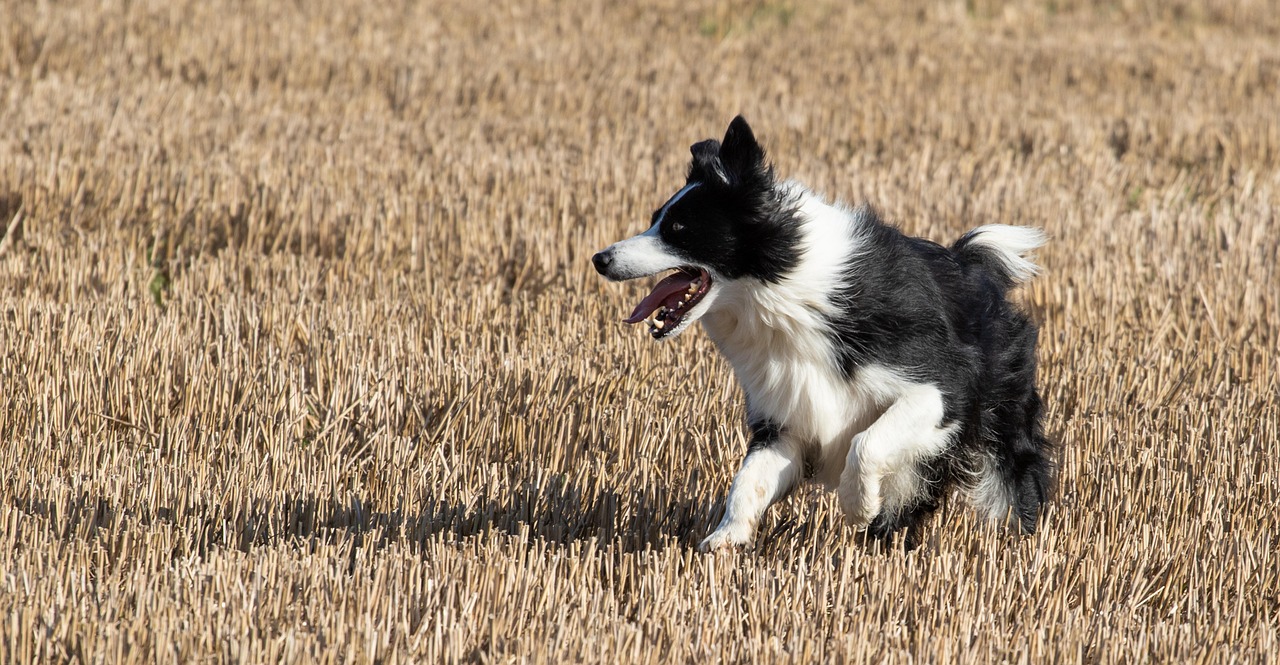
Border Collies need at least two hours of exercise every day, with walks alone not being enough to satisfy their incredible energy levels. These remarkable dogs were bred to work all day herding sheep on the rugged Scottish countryside, and they approach life with the same intensity today.
Without proper activity and mental stimulation, they quickly grow bored, which can lead to destructive behavior that seniors often find hard to manage. Their natural herding instincts can also lead to nipping or chasing behaviors, which may be risky for seniors with balance issues.
Imagine trying to keep up with a dog that views every day as a working assignment. While their intelligence is legendary, it becomes a double-edged sword when they’re under-stimulated and start “helping” by reorganizing your home in creative ways.
Australian Shepherds: Beautiful But Demanding Ranch Hands
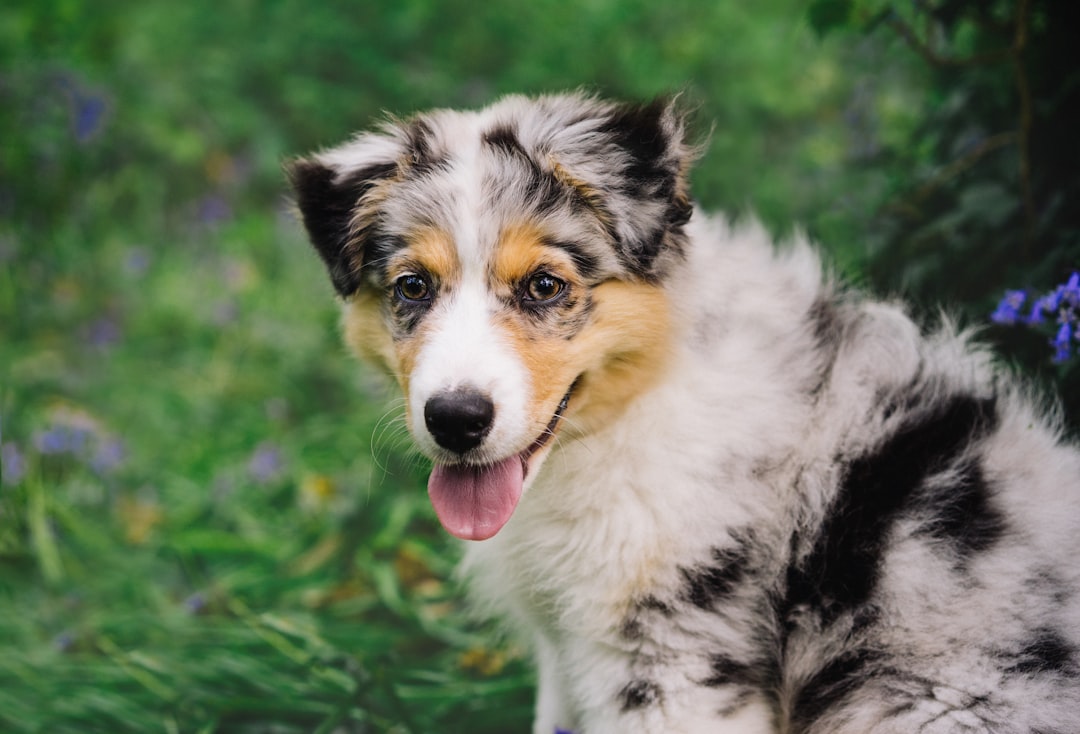
Australian Shepherds were first bred in the 1800s on U.S. ranches to herd livestock, requiring at least an hour of daily exercise including walks, runs, bike rides, hikes, backyard games, or canine sports. These stunning dogs with their mesmerizing eyes and flowing coats hide a powerhouse of energy beneath their beautiful exterior.
Australian Shepherds are extremely active, requiring at least an hour a day of exercise and preferring to do so with their owner. Without these activities, they become bored, anxious, and even destructive, making it challenging for seniors to match this level of activity.
Their grooming needs add another layer of responsibility. Australian Shepherds have beautiful, thick coats that shed heavily twice a year and require weekly brushing to prevent matting, which can be challenging for seniors and may even affect respiratory health.
German Shepherds: Magnificent But Physically Demanding
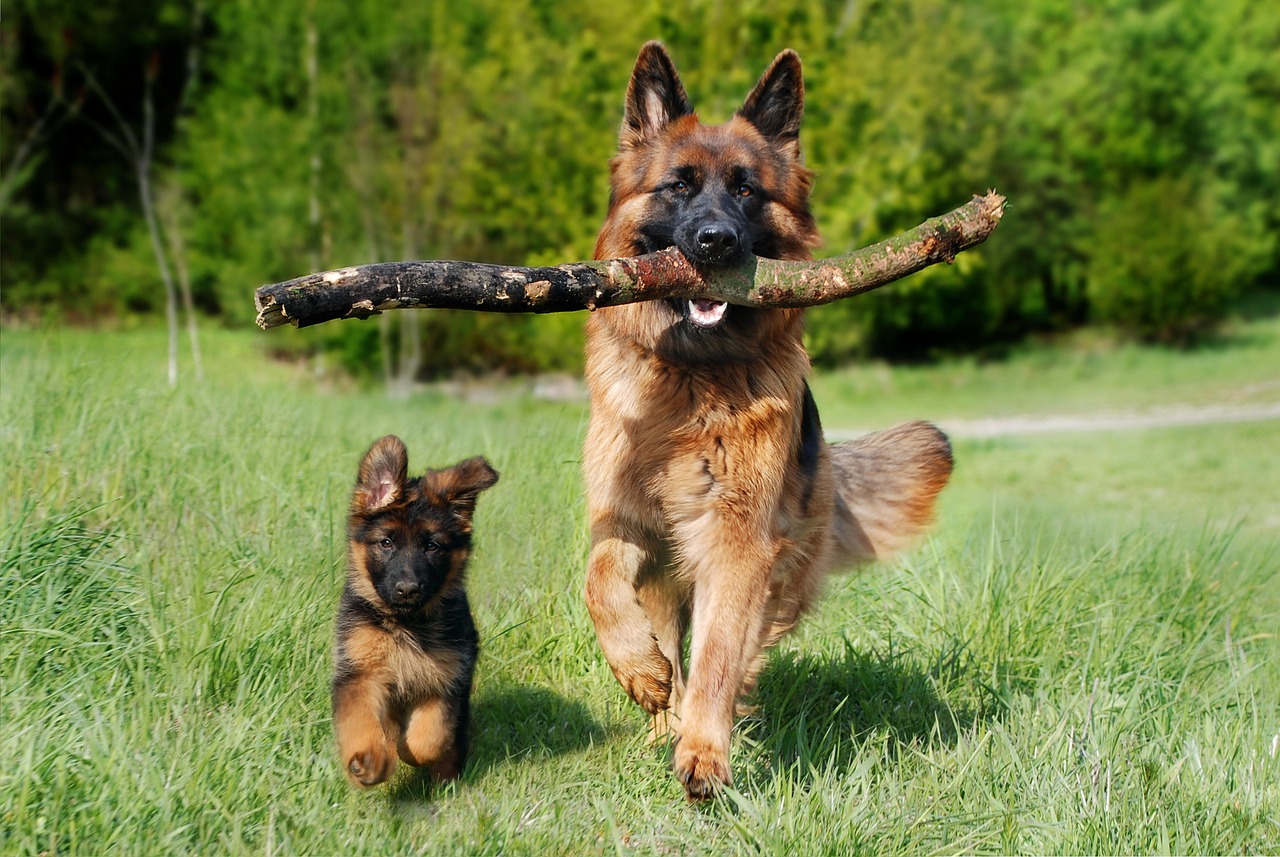
German Shepherds are highly active dogs that need at least two hours of daily exercise, with simple walks not being enough as they thrive on challenging activities and regular mental stimulation through consistent training. These noble dogs were bred for serious work, and retirement isn’t in their vocabulary.
German Shepherds are challenging for elderly homeowners because they shed heavily year-round, requiring daily brushing and constant cleanup that can be exhausting and time-consuming for seniors. Their loyalty is unmatched, but their needs can quickly overwhelm less active owners.
German Shepherds need at least two hours of vigorous exercise every day, and without sufficient activity, they become restless, anxious, and even destructive. Their protective instincts and powerful build require an owner who can provide firm, consistent leadership.
Jack Russell Terriers: Small Dogs With Giant Personalities
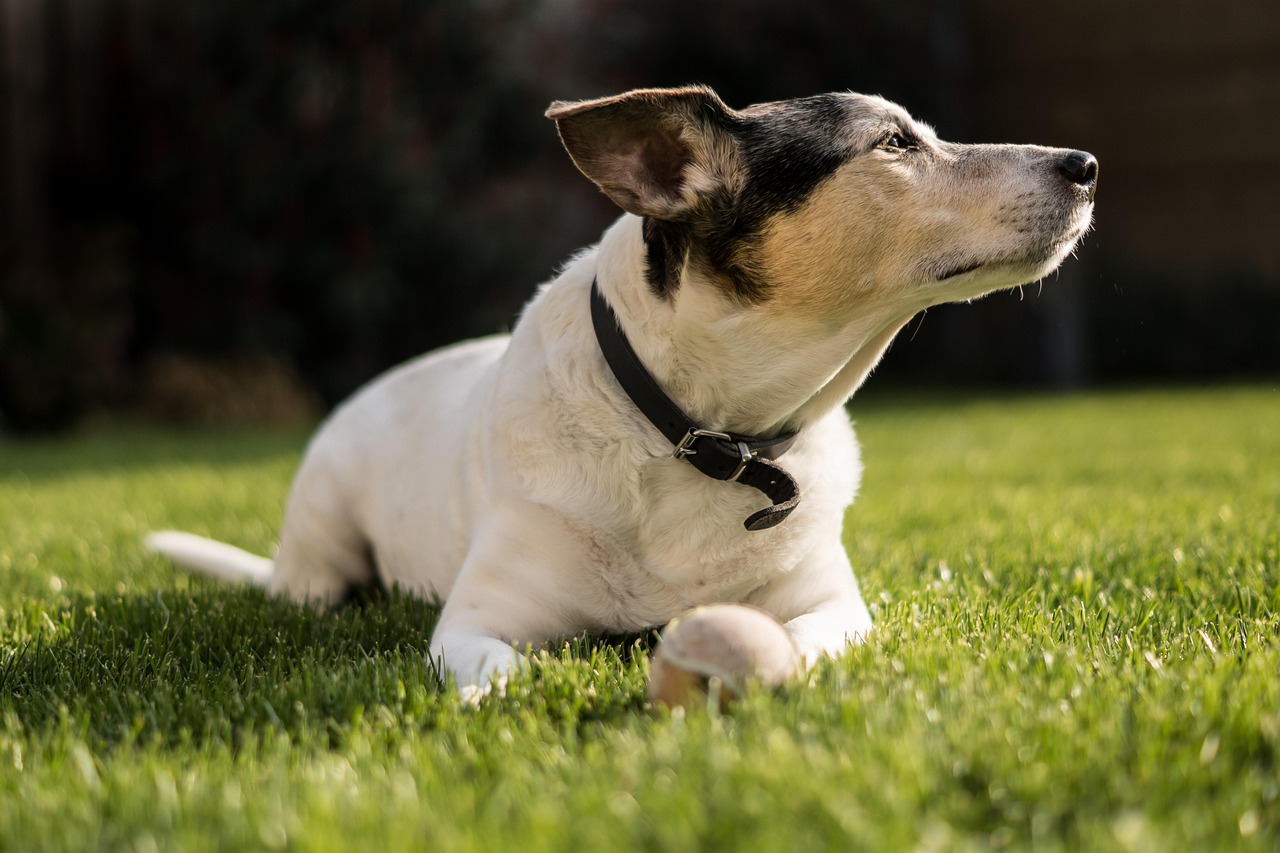
Jack Russell Terriers have boundless energy and need plenty of daily exercise and mental stimulation, becoming bored and destructive without it, requiring space to run and struggling with apartment living, making it difficult for seniors who cannot provide long play sessions. Don’t let their size fool you these compact terriers pack more energy than dogs three times their size.
Jack Russell Terriers are intelligent but stubborn with an independent nature, requiring patience, consistency, and skill in training, making their strong-willed nature hard for older owners seeking a calm, easy companion.
Jack Russells can be challenging to train, including at potty time, and without strict schedules and rigorous consistency, they might permanently mark or use the bathroom in the house, with cleanup being quite taxing. They’re escape artists and diggers who view every fence as a challenge to overcome.
Siberian Huskies: Arctic Athletes in Your Living Room
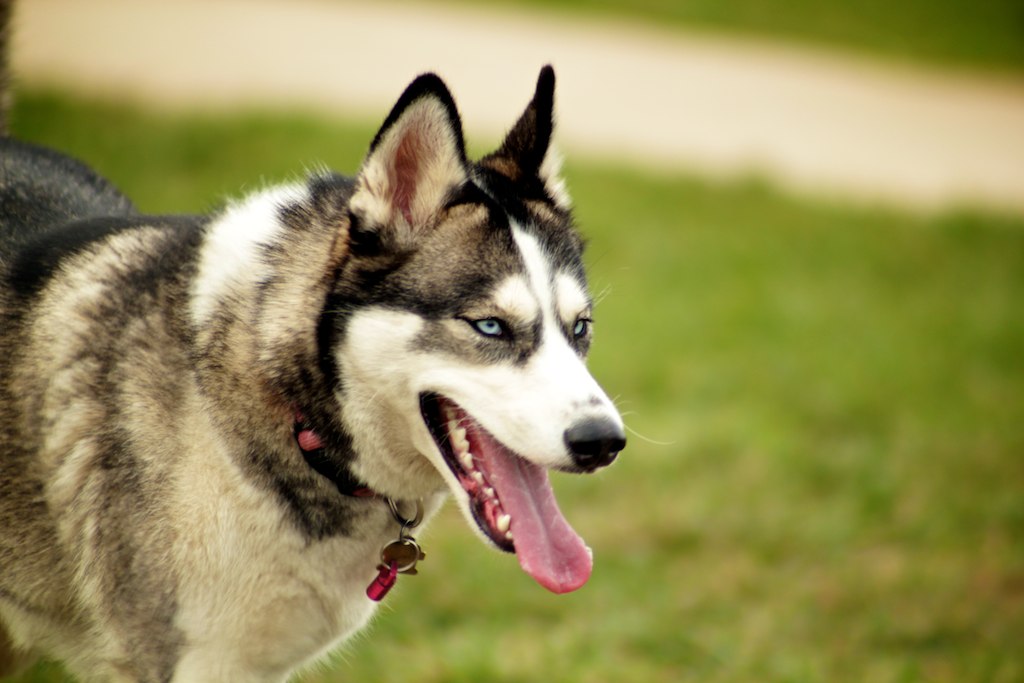
Siberian Huskies were bred for endurance and energy, thriving in active environments, requiring extensive exercise to maintain their well-being as they love to run and play for hours, needing activities like sledding or dog sports for mental stimulation. These magnificent dogs carry the spirit of the Arctic wilderness in their DNA.
Their stunning blue eyes and wolf-like appearance might draw you in, but their exercise requirements are staggering. Siberian Huskies love running around all day and enjoy being part of a pack. They’re notorious escape artists who will go to incredible lengths to find adventure if their needs aren’t met.
Without proper outlets for their energy, Huskies become destructive forces of nature. They’ll redecorate your home by chewing furniture, digging through floors, and howling operatic performances that your neighbors won’t appreciate.
Dalmatians: Firehouse Dogs With Endless Stamina
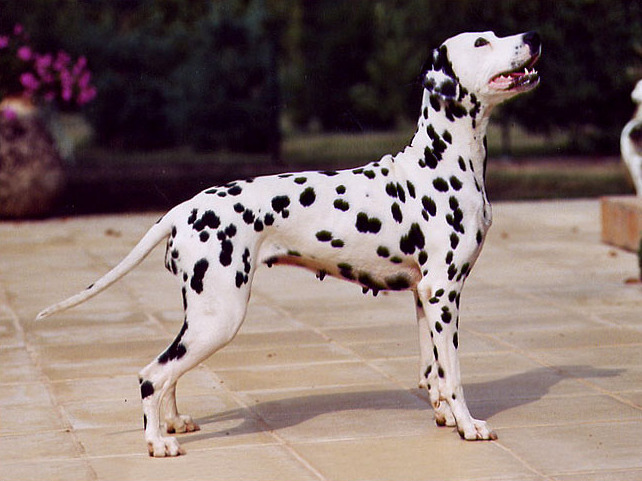
Dalmatians are large, energetic dogs that need plenty of exercise to stay happy and healthy, and can be strong-willed, requiring consistent training and socialization that might be taxing for some seniors. These spotted beauties were bred to run alongside horse-drawn fire carriages, and they still possess that same tireless endurance.
Dalmatians are notoriously hard to train, requiring lots of outdoor exercise that would overwhelm most seniors, with stubborn temperaments that can be destructive without enough exercise, and some may be extremely fearful and overly aggressive.
Dalmatians are energetic, playful dogs that are loyal and bond closely with their family, but their high energy can be overwhelming for seniors as they need lots of daily exercise to burn off boundless energy. Their spotted coats also shed continuously, requiring constant maintenance.
Weimaraners: The Gray Ghosts That Never Rest
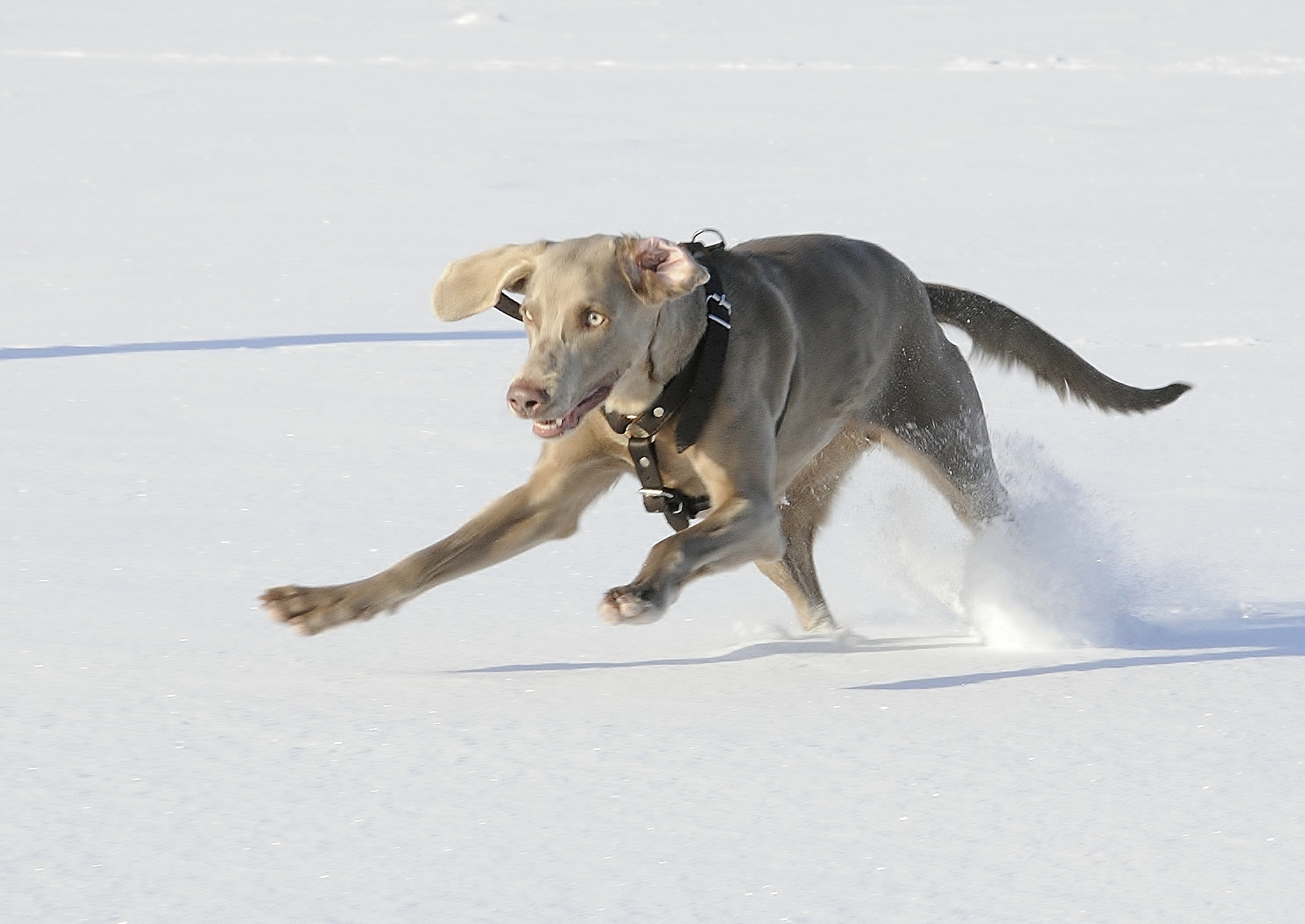
Weimaraners need lots of daily exercise to burn off boundless energy, and while this makes them great companions for active households, it can be exhausting for elderly parents. These sleek silver dogs were bred as hunting companions for German royalty and maintain their aristocratic energy levels.
The breed’s strong hunting instincts and willful nature require attentive supervision, especially on walks or around other pets, and without mental and physical stimulation, they may become restless or vocal, which can be stressful for seniors.
Weimaraners need large spaces to move and thrive, along with consistent training and interaction, with their devotion meaning they follow their owners everywhere, requiring energy and attention that seniors may struggle to meet safely, making them a challenging choice for those seeking calm, low-maintenance companions.
Boxer Dogs: Perpetual Puppies in Powerful Bodies
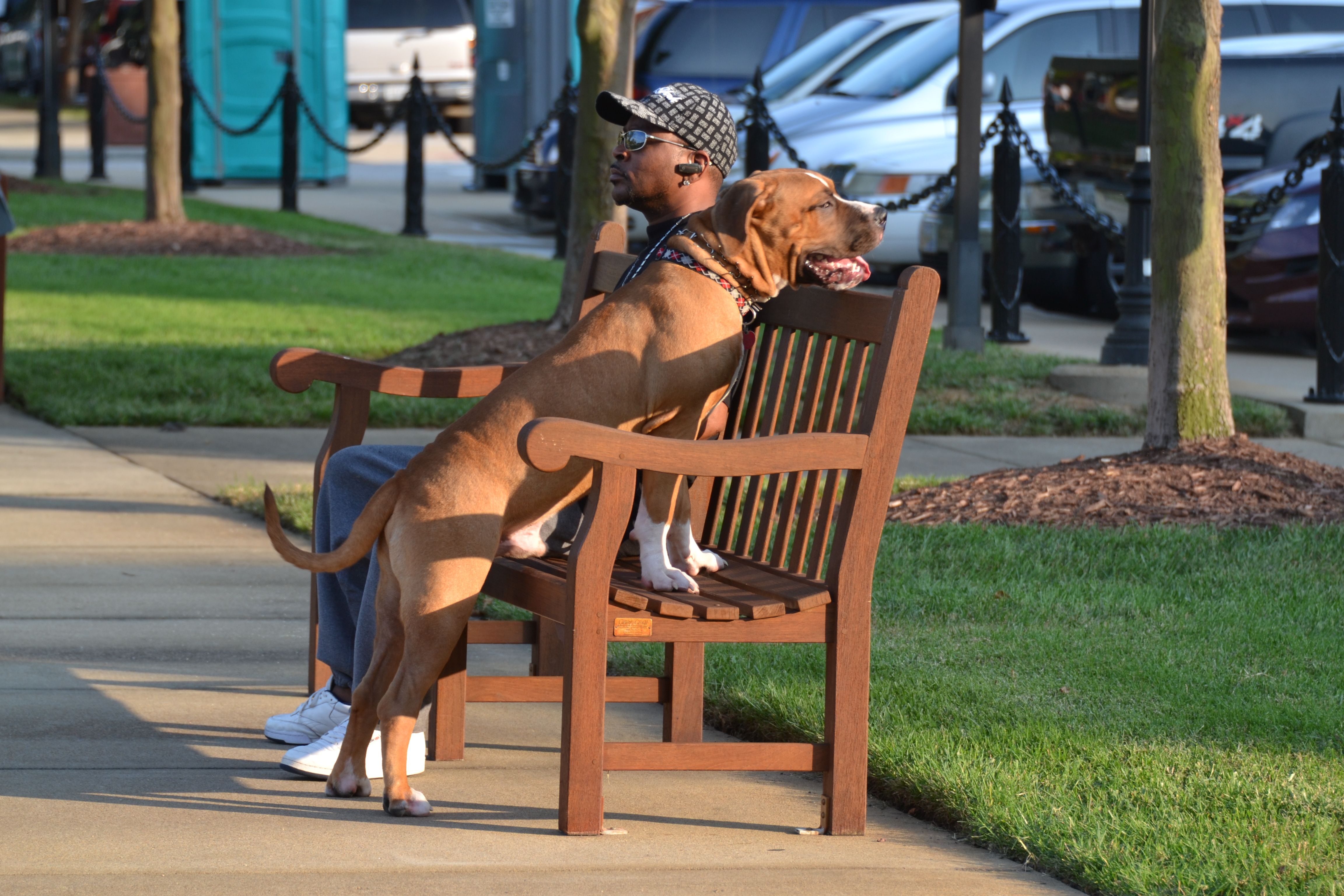
Boxers are wonderful family dogs, but they do have boundless energy. These dogs get large before their brains fully develop, so they stay in a puppy stage for a long time, wanting to play constantly, which can be exhausting for older owners.
Boxers approach life with unbridled enthusiasm that can be overwhelming for seniors. They’re notorious for their jumping, spinning, and “kidney bean” dance moves that showcase their joy but can easily knock over an unsuspecting owner.
Their powerful claws can easily tear the skin. While their hearts are pure gold, their physical exuberance and strength require owners who can handle their playful but potentially dangerous enthusiasm.
Cane Corso: Gentle Giants With Guardian Instincts
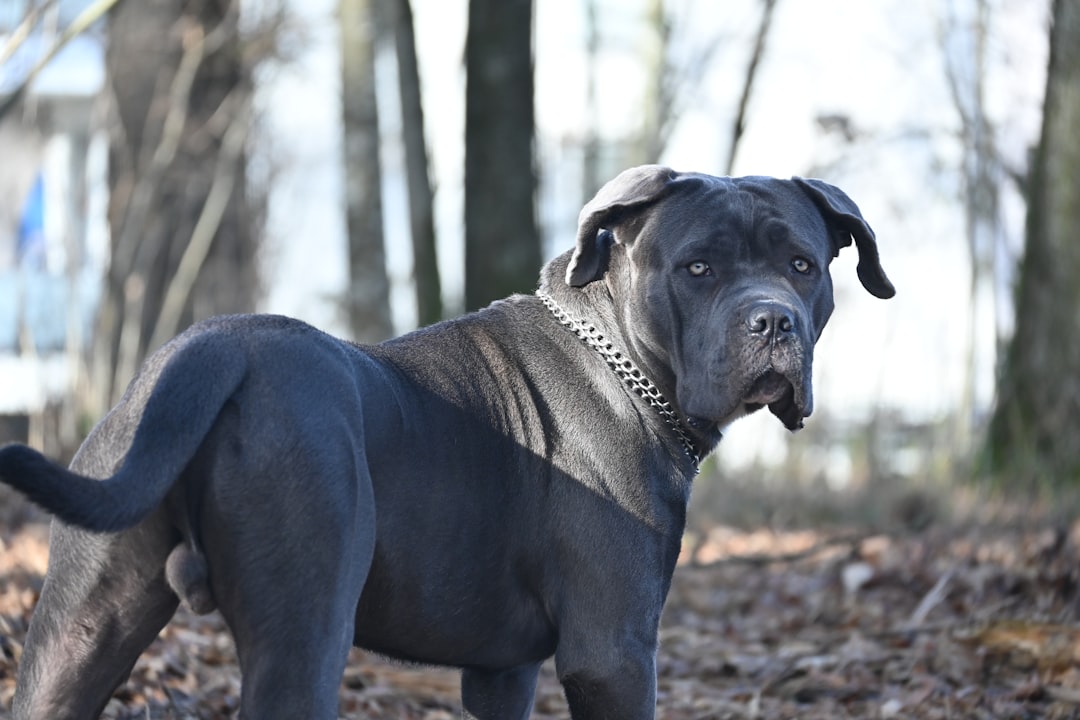
Cane Corsos are high-energy breeds likely to overwhelm senior dog owners, requiring a brisk walk or run at least two times a day to be healthy and happy. These large dogs weigh more than 100 pounds and have variable weight depending on their height, which ranges between 23 and 27 inches.
Cane Corsos are loyal, intelligent, and confident dogs that form strong bonds with their family and can show friendly, outgoing nature in the right hands, but their instinct to take charge and protect can be overwhelming for elderly parents.
This breed’s vigilance and size often exceed what elderly owners can comfortably manage. Their protective nature, while admirable, requires experienced handling and socialization that can be challenging for seniors to provide consistently.
German Shorthaired Pointers: Hunting Machines That Never Clock Out
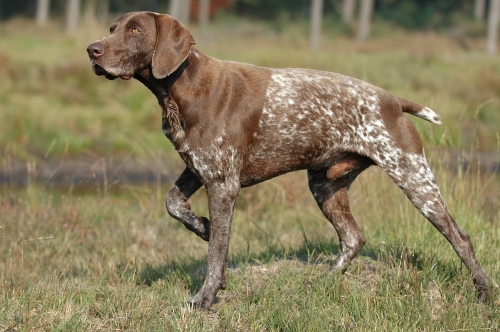
German Shorthaired Pointers were originally bred in Germany as hunting and birding dogs, perfected in the 1800s as eager-to-please and very intelligent dogs that are happiest when they can swim, run, and play frequently because they are highly energetic.
These athletic dogs were designed to work in the field all day, and they bring that same work ethic to modern life. They need constant mental and physical challenges to prevent boredom-induced destruction.
Their hunting instincts remain razor-sharp, meaning they’ll chase anything that moves, from squirrels to bicycles. This prey drive requires constant vigilance and secure fencing, which can be stressful for elderly owners to manage safely.
The Calm Alternative: French Bulldogs
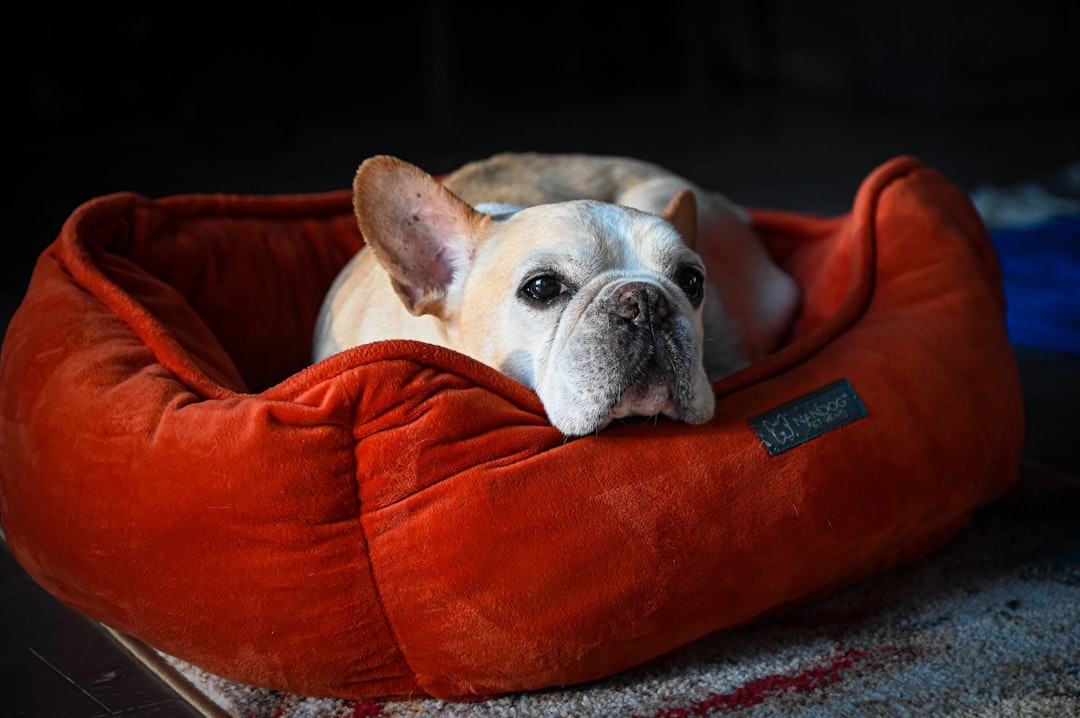
French Bulldogs are perfect for older adults seeking low-energy, low-maintenance dogs, with loyal and friendly temperaments and calm dispositions that suit apartment living or smaller homes, requiring minimal exercise and having minimal grooming needs.
These charming companions understand the art of relaxation. French Bulldogs are among the best breeds for senior citizens because of their low energy levels and minimal grooming needs, being incredibly adaptable and thriving in various environments while being quiet, calm, and happiest when lounging beside their owner.
Their endearing snorts and wrinkled faces bring daily smiles without the exhaustion. They’re content with short walks and prefer spending their days as your devoted shadow, making them ideal retirement companions.
The Gentle Giant: Greyhounds
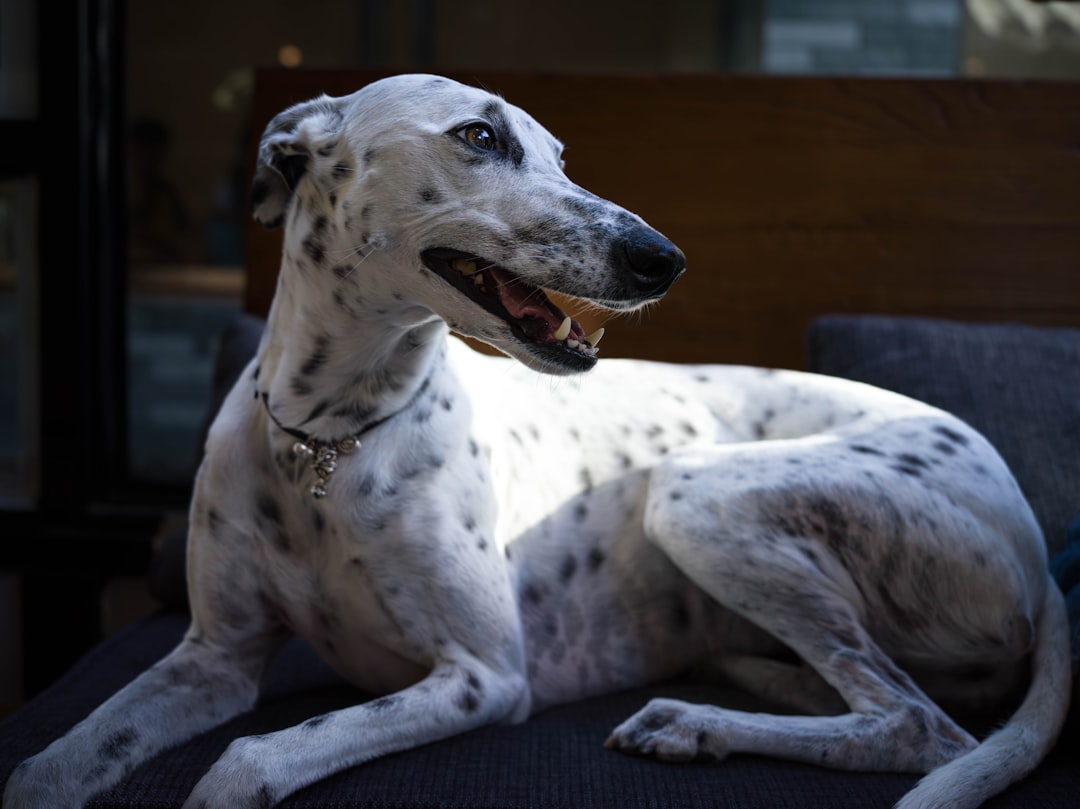
Greyhounds might surprise you despite their racing past, as they are one of the calmest dog breeds perfect for seniors, nicknamed the “40-mph couch potato,” being incredibly laid-back and loving short walks followed by long, luxurious naps.
Greyhounds have sleek, short coats needing minimal grooming with just a little care to keep their skin healthy, and while considered large breeds, their gentle nature makes them suitable for smaller living spaces as they rarely bark, don’t drool much, and are content with a relaxed lifestyle.
Despite their racing background, greyhounds are surprisingly low-energy when at home, enjoying long periods of rest. They’re the perfect example of how appearances can be deceiving in the dog world.
The Lap Dog Supreme: Cavalier King Charles Spaniels
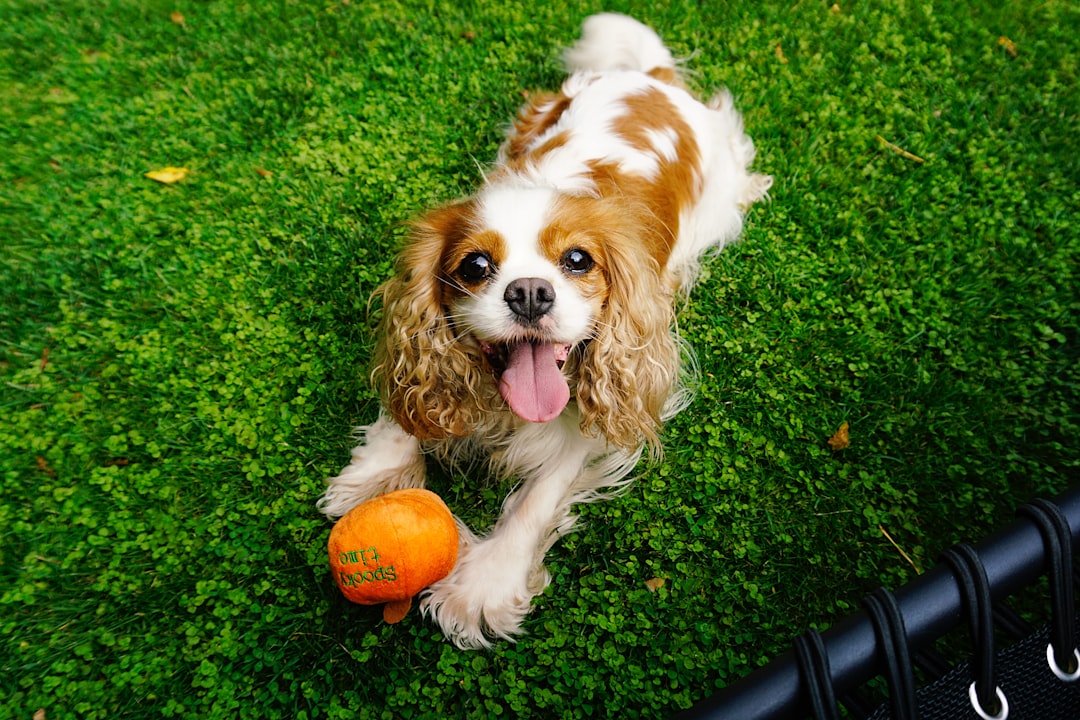
Cavalier King Charles Spaniels are among the best small dogs for older adults, being gentle, affectionate dogs that love spending time with their owners, enjoying walks and playtime without high exercise requirements, making them suitable for individuals who cannot commit to long periods of activity, and being generally low-maintenance despite needing regular brushing.
This small breed has the attentiveness of a toy dog and the athleticism of a sporting Spaniel, standing 12-13 inches tall and weighing 13-18 pounds, making them perfect for apartment living and excellent companions for seniors.
According to Hill’s Pet, they are known for their loving nature, staying happiest around their owners, with silky coats that come in four colors: black, ruby, tricolor, and tan. Their gentle souls seem designed specifically for providing comfort and companionship.
The Cheerful Companion: Pugs
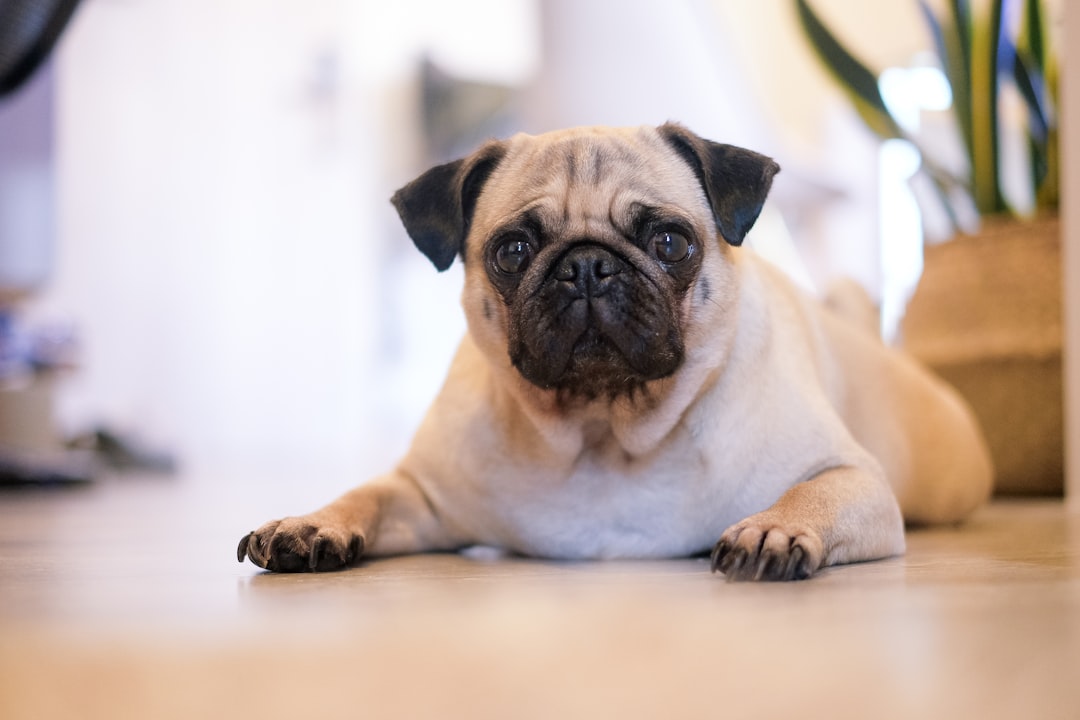
Pugs, with their squished faces, expressive eyes, and charming snores, are bundles of happiness in small packages, bred as royalty lapdogs in ancient China, making them one of the best dog breeds for seniors as they’re not fans of long walks or intense activity, needing only a little play before they’re ready to rest.
Small in size, weighing between 14 and 18 pounds, pugs are easy to manage and handle, with expressive faces and amiable dispositions making them great companions for seniors and among the most gentle dog breeds, adoring their owners and following them around, preferring sleep over exercise and making excellent apartment dogs.
With their wrinkly faces and twinkling eyes, Pugs have a knack for making people smile, being playful without being overly energetic, making them excellent for elders who enjoy lighthearted companionship, adapting well to small spaces and being content to lounge around the house while forming deep bonds with their owners.
The Adaptable Darling: Shih Tzus
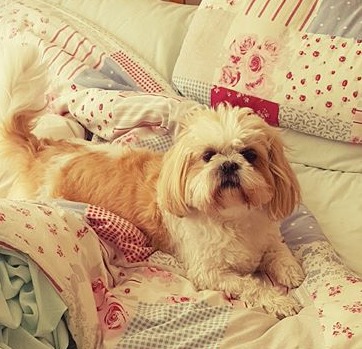
Shih Tzus are great dogs for older adults, being friendly and calm dogs that adapt well to indoor living with moderate energy levels, meaning they enjoy walks but don’t require extensive physical activity. Shih Tzus are great companion dogs for seniors thanks to their low-to-moderate energy and small size, being affectionate and gentle enough to be around children and the elderly, doing well with short walks that help keep loved ones more active.
These small breeds have low energy that won’t require a lot of play within a small home. Shih Tzus weigh between 10 and 15 pounds with silky coats that don’t shed very much, and while daily brushing is recommended, you can opt for a puppy cut to keep grooming minimal, being extremely sweet and affectionate, happy to spend the day snuggling on their owner’s lap with indoor playtime often being enough exercise.
Their name literally means “lion dog,” but these gentle souls are more like living teddy bears. They possess the perfect balance of playfulness and tranquility that matches the rhythm of retirement life beautifully.
Making the Right Choice for Your Golden Years
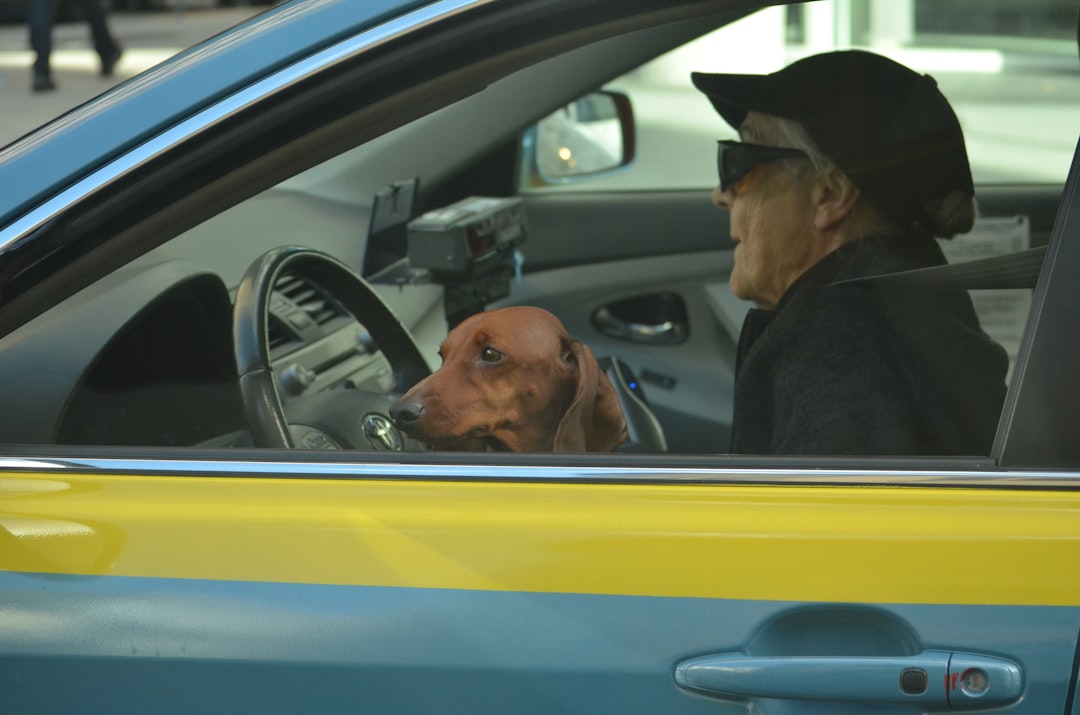
The difference between a perfect canine companion and an overwhelming burden often comes down to honest self-reflection about your current abilities and lifestyle. It’s essential to choose a breed that matches your energy level, living space, and lifestyle, as a thoughtful choice means less stress and more quality time to enjoy the deep, healing bond between human and dog.
The right dogs for seniors can help elderly loved ones stay lightly active, ease loneliness, and uplift mood and cognitive health, with studies showing that dog ownership can improve mental well-being, promote heart health, and contribute to a longer, more fulfilling life. However, the wrong match can turn this blessing into a daily struggle.
Consider adopting an older dog who has already settled into their personality and energy levels. Adult dogs are often calmer and already trained, making them easier to manage than puppies that require lots of energy, training, and patience. Many senior dogs in shelters are there through no fault of their own and would cherish the chance to spend their golden years with someone who understands the value of a slower pace.
The goal isn’t to avoid energetic breeds because they’re somehow lesser dogs. These high-energy breeds are magnificent creatures that bring incredible joy to the right families. The goal is finding your perfect match so both you and your four-legged friend can thrive together. Your retirement years should be filled with the gentle companionship of a dog who enhances your life rather than exhausts it. What kind of energy do you honestly have to give? Your future furry friend is counting on your honesty.


