

You fell in love with those big eyes at the shelter. Or maybe it was that viral video of a fluffy, bouncing puppy that sent you searching for the breed name at midnight. We’ve all been there. Choosing a dog is one of the most exciting decisions a person can make, but let’s be honest, it’s also one where reality can hit hard and fast.
Some breeds demand so much time, energy, grooming, and emotional investment that even the most passionate dog lovers find themselves overwhelmed. Burned out. Running on empty. The good news? Knowing what you’re walking into makes all the difference. Whether you’re rethinking a breed or looking for a smarter, easier match, this guide has everything you need to make the right call. Let’s dive in.
1. Border Collie: The Genius That Never Sleeps
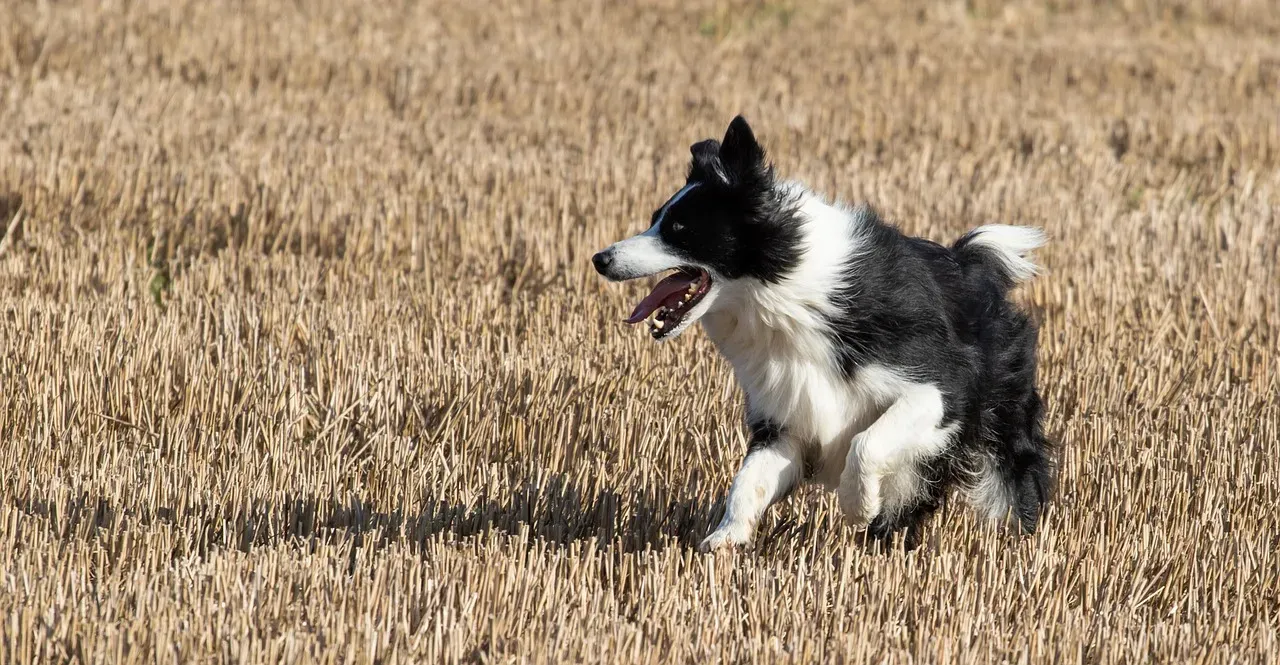
Often considered one of the smartest dog breeds, keeping a Border Collie entertained and exercised can be quite a chore for an owner who is not equally active. Think of it like owning a PhD student who absolutely refuses to sit still. They need a purpose, a job, a challenge, every single day.
Laser-sharp focus, high intelligence, extreme energy, and strong herding instincts make this breed unsuitable for regular family life. Border Collies need hours of exercise daily to meet their physical needs, in addition to healthy outlets for their natural drive. If you can’t commit to that lifestyle, your couch and shoes will pay the price.
Early training is necessary to teach Border Collies not to herd other pets or young children. Yes, that includes your toddler running across the living room. Prevention tip: enroll them in agility training or structured dog sports early to channel that unstoppable energy constructively.
2. Australian Shepherd: The Herder Who Never Clocks Out
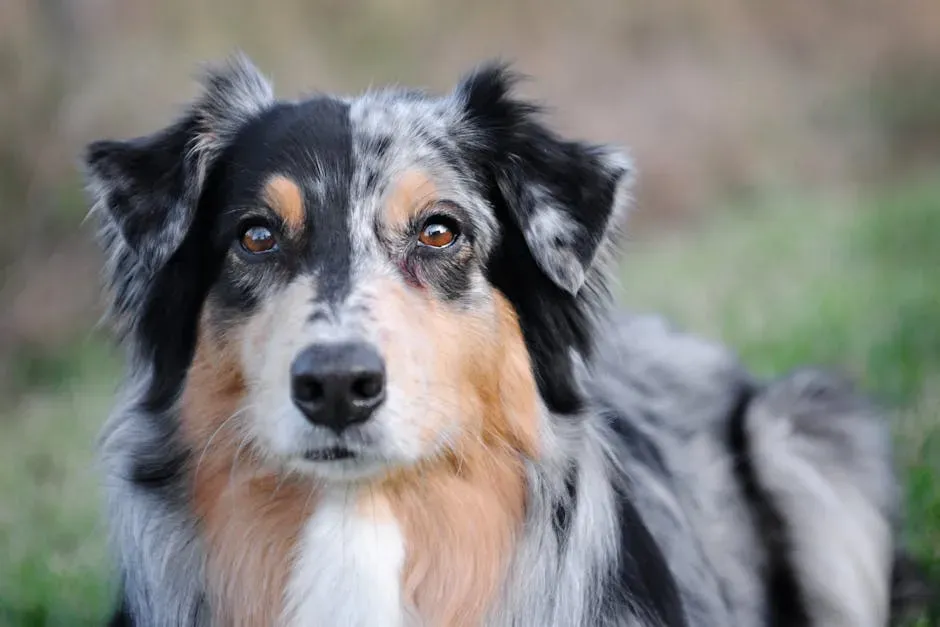
Australian Shepherds are energetic dogs with innate herding instincts. They are a high-maintenance breed due to their enormous capacity for exercise. They need a huge amount of physical activity and mental stimulation daily, plus they thrive on human companionship and interaction. An under-stimulated Aussie is, honestly, a wrecking ball in disguise.
Bred to herd sheep, the Australian Shepherd will chase and herd anything it can, whether that’s children, pets, bicycles, or cars. About one-third of all Aussies also suffer from some degree of noise phobia. That’s a significant behavioral and emotional management challenge that many first-time owners simply aren’t prepared for.
Prevention tip: if you notice your Aussie fixating on fast-moving objects or flinching at thunder, consult a behaviorist early. Watch for pacing, excessive barking, or destructive chewing as signs that their needs aren’t being met.
3. Siberian Husky: The Escape Artist With a Big Voice
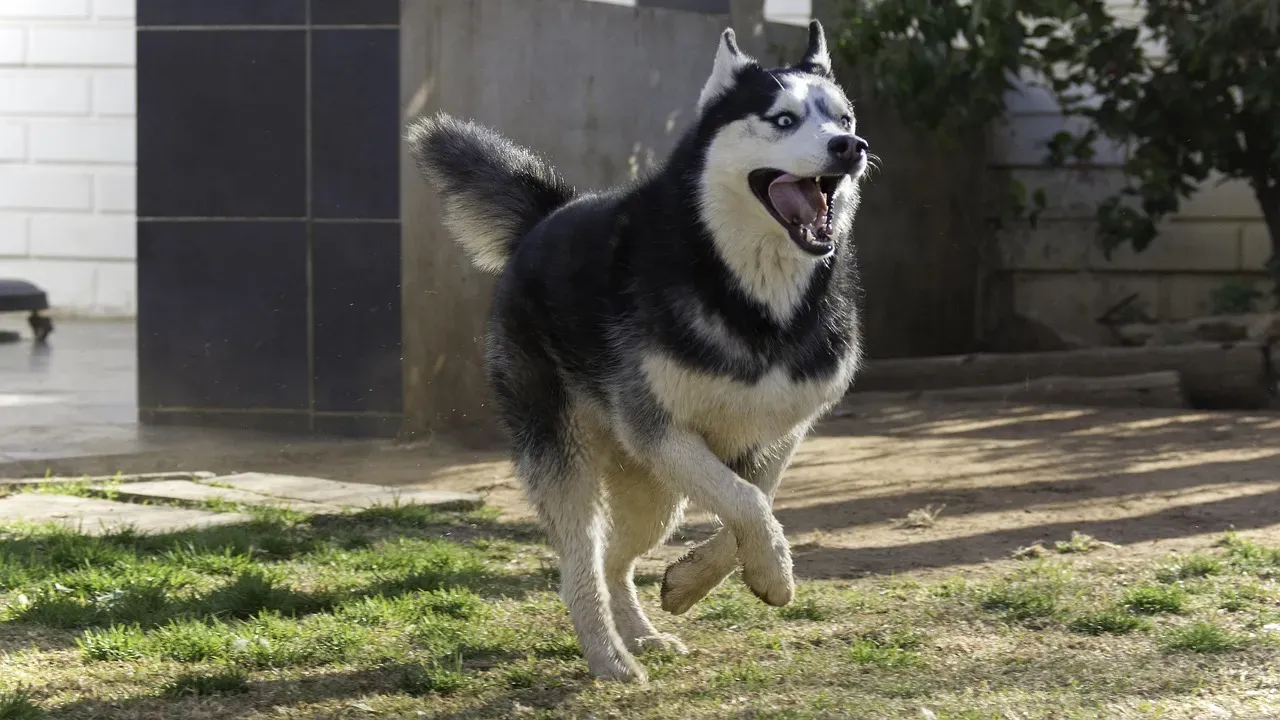
Siberian Huskies are extremely athletic, meaning a ton of exercise is necessary. They were bred to pull sleds for up to 100 miles every single day, so to remain happy and healthy, they require a significant amount of physical activity. That’s not a metaphor. That is literally what their bodies were built for.
They don’t enjoy being left alone, meaning doggy daycare or a reliable pet sitter is often necessary. To top it off, their thick double coats shed year-round, and you may go through multiple vacuum cleaners just to keep your home clean. If you value your sanity and your furniture, this breed requires serious lifestyle alignment.
Health signs to watch: a condition found in Huskies and not many other breeds is zinc deficiency. An autoimmune skin disease called emphigus foliaceus is also found in Huskies and normally develops around four years of age. This condition can lead to sore skin and sensitivity to sunlight and requires immediate attention if signs develop.
4. Vizsla: The Velcro Dog That Needs You, All of You

Vizslas not only need vigorous physical activity, but they also thrive on mental stimulation or they can turn to destructive tendencies. Plus, this is a “Velcro” dog that likes to stick close to its owner at all times. We’re talking shadow-level closeness. Bathroom included.
With extremely sensitive natures, the Vizsla does not respond well to an inexperienced training approach. They need time, care, and an enriched life with plenty of opportunities to roam the outdoors. Harsh corrections or inconsistency can break their confidence fast. Positive reinforcement and patience are non-negotiable with this breed.
If you work long hours away from home, I’d honestly think twice before choosing a Vizsla. They thrive on togetherness, and too much solitude leads to anxiety-driven destruction that no puzzle toy can fix.
5. Chow Chow: The Stubborn Beauty With Sky-High Grooming Bills
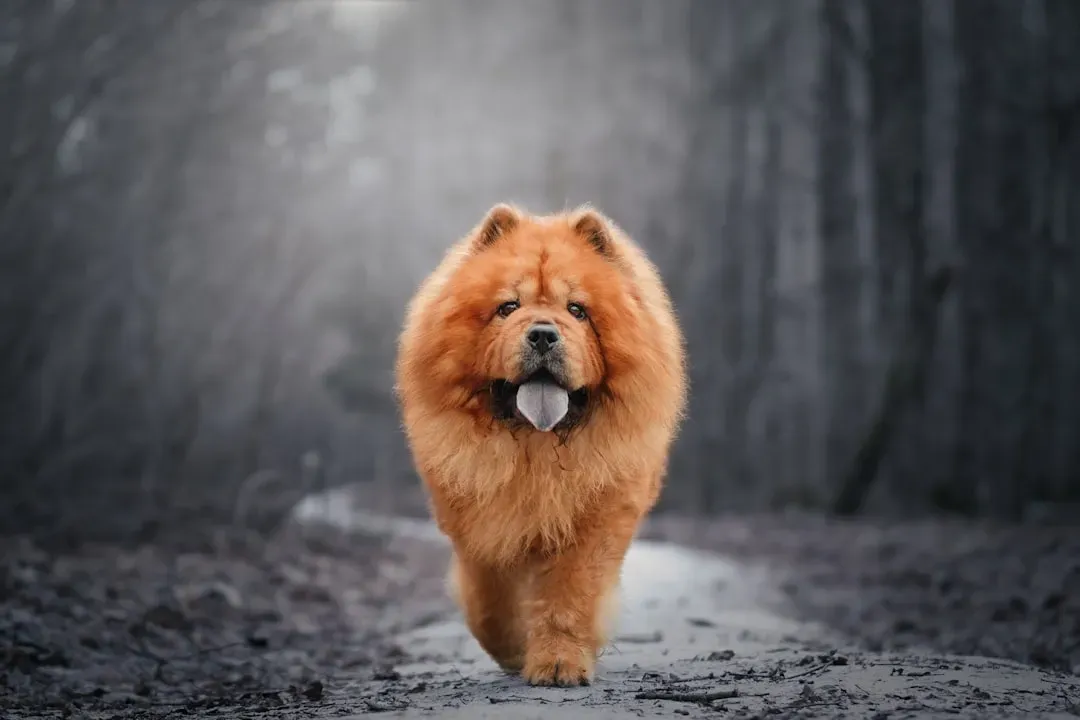
Chow Chows are very independent, strong-willed, and stubborn dogs that can be difficult to train. Without proper socialization, they can easily become aggressive. Their beautiful, thick coat also needs a lot of maintenance. They need daily brushing and regular attention from a groomer in order to avoid developing an uncomfortable matted pelt.
They are usually reserved around new people and can be aggressive around other dogs. This means structured, consistent socialization from the very first week you bring them home. Skip it, and you’ll end up with a lion-faced dog that terrifies your houseguests.
Prevention tip: introduce your Chow to new people, sounds, and environments during the first twelve weeks of life. This window is critical. Missing it is one of the most common mistakes Chow owners make.
6. Akita: The Loyal but Demanding Guardian
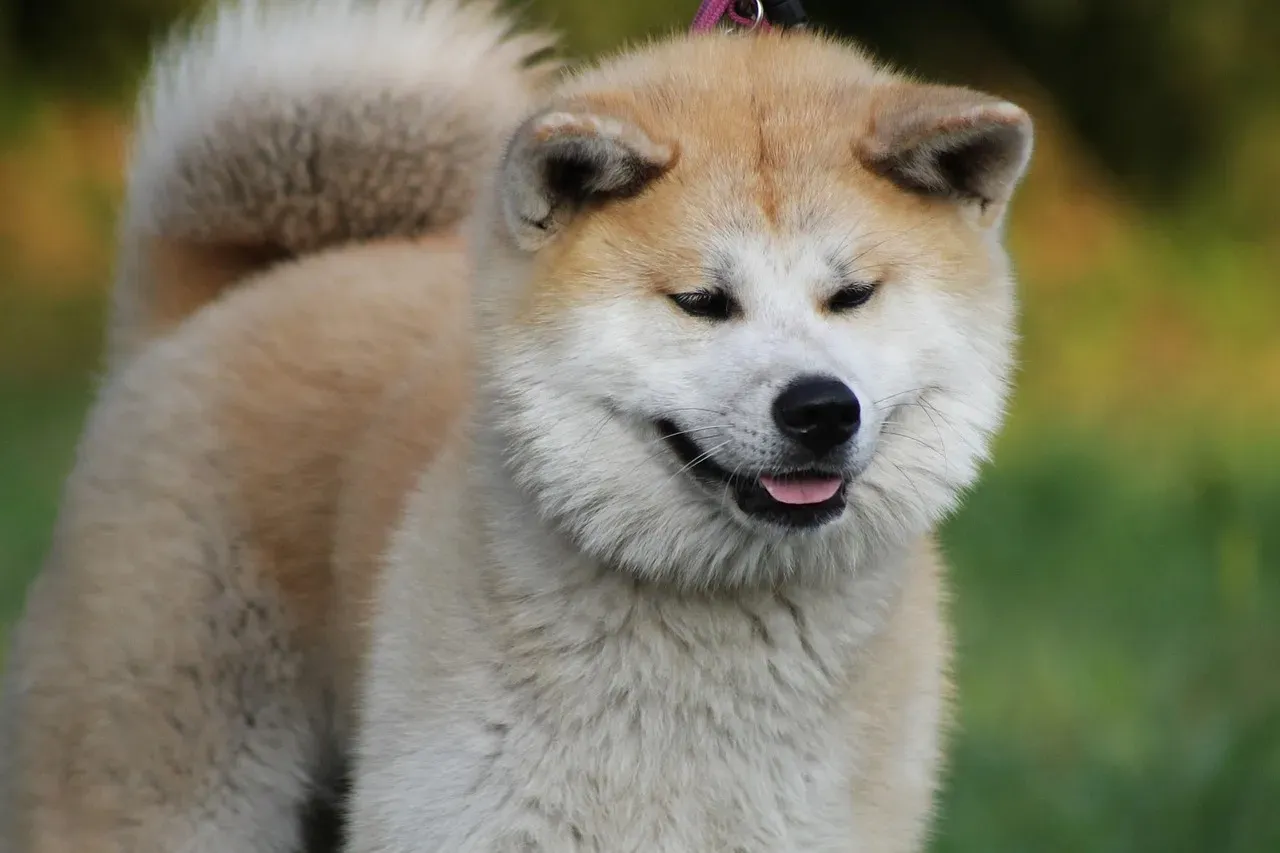
Akitas are not an ideal breed for a first-time dog owner as they require an experienced handler. They fit into several high-maintenance areas: grooming, training, exercise, and temperament. It’s rare for a breed to be challenging across all four categories simultaneously. The Akita is one of the few.
Akitas are large dogs that can become aggressive with other people or dogs unless they are extremely well-socialized. They are prone to killing small animals and are unlikely to tolerate a child’s teasing. Akitas can be great, protective family dogs when they are well-trained, well-socialized, and receive enough exercise, but a breakdown in any of these can result in disaster.
The grooming side is no joke either. That beautifully thick, fluffy coat sheds prolifically, so be prepared for constant brushing and vacuuming. Think of it like living inside a snow globe, except the snow is fur and it never stops.
7. Belgian Malinois: The Working Dog That Will Run You Into the Ground
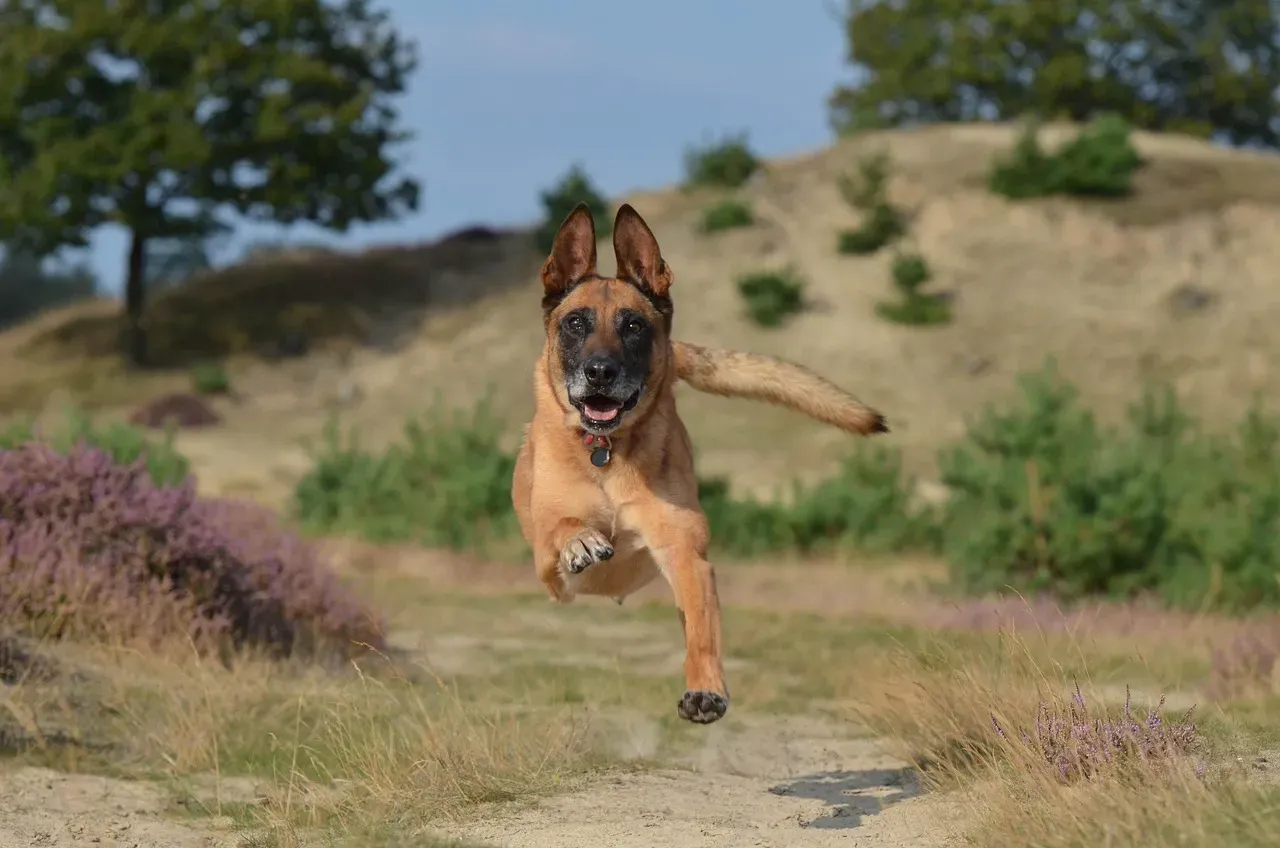
There is a reason they are known as “Maligators” – they do enjoy biting and grabbing things with their teeth. They require hours of input, sensitive expert training, and appropriate exercise every single day without fail. There are no days off with this breed for at least the first two years. No days off. Let that sink in.
They can handle any amount of outdoor activity and respond extremely well to high-intensity training. They have strong instincts to guard and defend their territory, which is why they are the most common breed now used by the military and police enforcement. That’s great for K-9 units. For the average suburban family, it’s a recipe for chaos.
Behavior cue to watch: if your Malinois is fixating on objects, people, or animals with intense, unblinking focus, that’s a sign they need more structured work. Redirect immediately with purposeful tasks before that intensity becomes a behavioral problem.
8. Poodle: The High-IQ Diva Who Needs Regular Salon Days
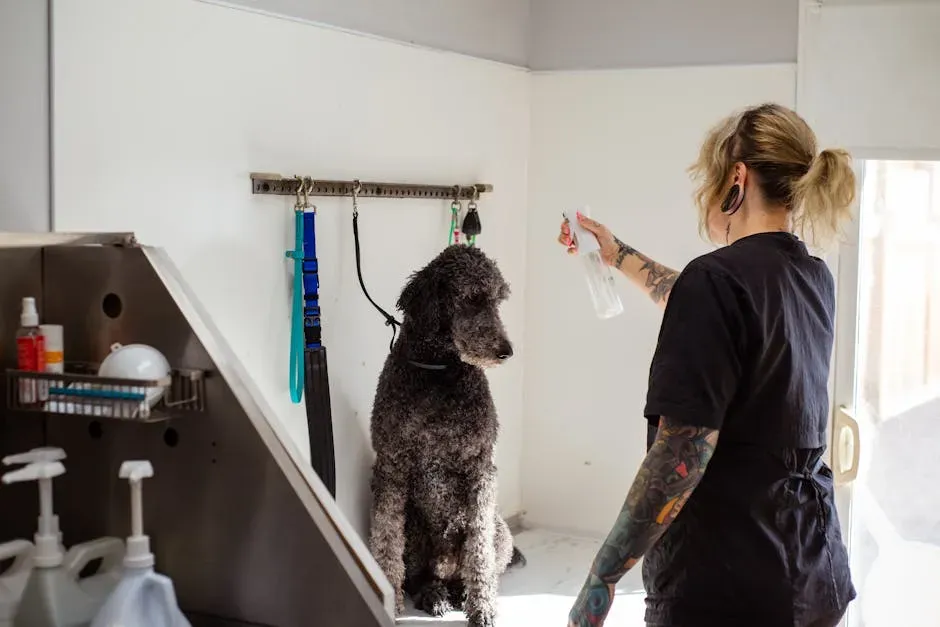
Poodles certainly fit into the high-maintenance category. They need both daily exercise and plenty of human interaction, but it’s their grooming requirements that really ramp up the time and work. Poodles need consistent, expert grooming or their coats can become matted and messy. Imagine never cutting your hair, ever. That’s a neglected Poodle’s coat situation.
Here’s the thing though: Poodles are genuinely wonderful. They’re brilliant, affectionate, and endlessly entertaining. The challenge is that their intelligence means they get bored quickly, and a bored Poodle will absolutely invent problems for you to solve. Keep their minds busy, their coats trimmed, and their social calendar full.
Health sign to watch: Poodles can be prone to hip dysplasia, progressive retinal atrophy, and thyroid issues. Regular vet screenings matter enormously with this breed, especially as they age.
9. Cocker Spaniel: The Sweet Heartbreaker With Ear Problems
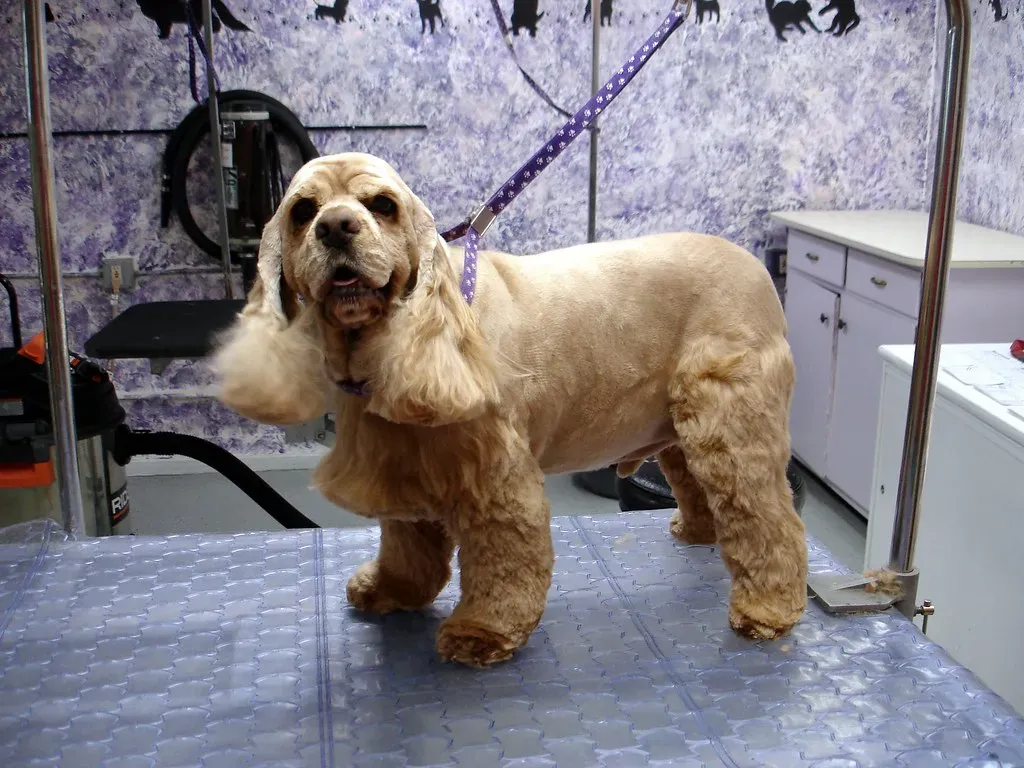
Grooming a Cocker Spaniel is a high-maintenance task that often requires weekly grooming time. Their flowing locks require regular attention including bathing and trimming, and they tend to shed more than other breeds. Many owners of the breed rely on regular visits to their groomer, sometimes as much as twice a month.
The breed loves human interaction and dislikes being left alone at home, often developing separation anxiety that can lead to excessive barking, whining, and even destructive behavior. Ear infections are common with Cocker Spaniels as moisture is trapped within the ear canal. Drying their ears after exercise can help, but some Cocker Spaniels have oil glands that produce too much oil in their ears, further complicating their ear hygiene.
Prevention tip: check and gently clean your Cocker’s ears weekly. If you smell something unpleasant or notice your dog shaking its head repeatedly, visit a vet promptly. Caught early, ear infections are simple to treat. Left alone, they become genuinely painful.
10. Afghan Hound: The Supermodel That Demands Full-Time Grooming
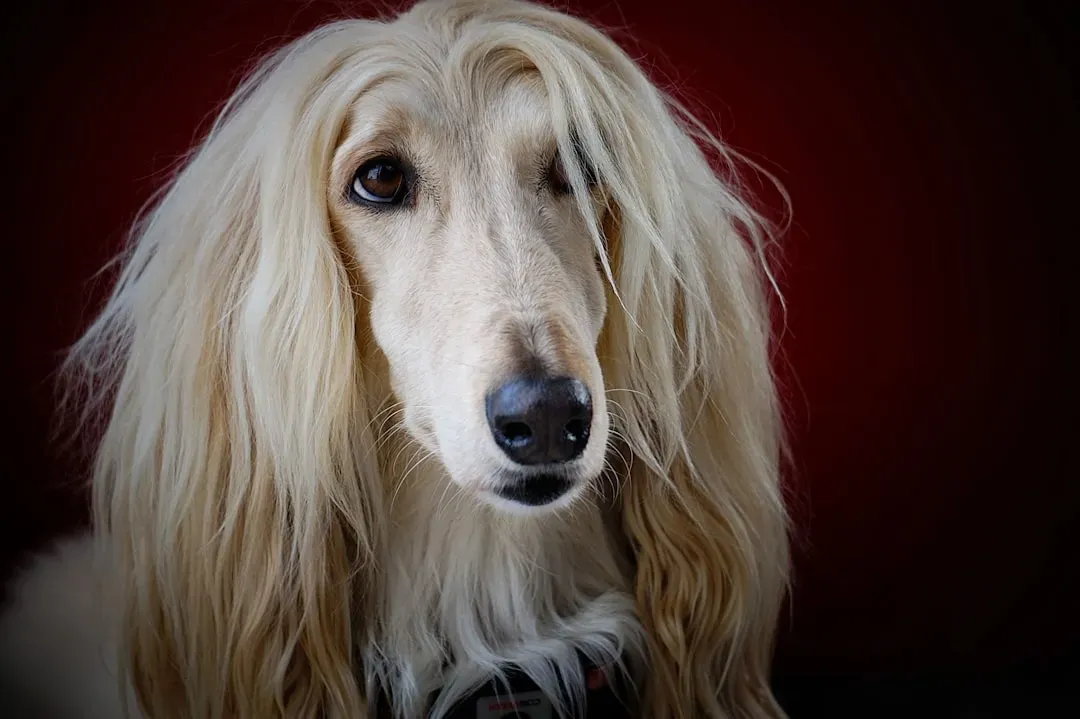
The Afghan Hound is a stunning breed, but its luxurious coat makes it super high-maintenance. To keep their fur in good shape, owners have to brush daily and provide baths weekly, ensuring they carefully dry their pups with a blow dryer. That’s a full salon treatment. Every. Single. Week.
Beyond grooming, Afghan Hounds are notoriously independent thinkers. They were bred to hunt without human direction, which means they have their own agenda and they’re not particularly interested in yours. Training them requires extraordinary patience and creative reward-based methods. Frustration-based training will get you absolutely nowhere with this breed.
They’re also powerful sprinters with a strong prey drive. A securely fenced yard is not optional, it’s essential. An Afghan off-leash in an open space will be a dot on the horizon before you finish calling their name.
11. Greyhound: The Low-Key Sprinter That Surprises Everyone

Now here’s where things get refreshing. Despite their racing reputation, Greyhounds are one of the most low-maintenance breeds around. Known as “couch potatoes,” they love lounging indoors and require only short walks to stay healthy. Their sleek coat sheds very little, meaning grooming is practically effortless. Greyhounds are gentle, calm, and incredibly affectionate.
Greyhounds are the fastest dogs in the world, but that doesn’t mean they have an always-on-the-go personality. They’re actually the total opposite and have a well-earned reputation for being couch potatoes. It’s one of the most delightful contradictions in the dog world. The fastest dog breed is basically a professional napper.
One genuine consideration: Greyhounds have a strong prey drive, so smaller animals in the household need a careful, supervised introduction. Keep them on a leash in open, unfenced areas. Otherwise, you have yourself one of the most easygoing, loving dogs imaginable.
12. Basset Hound: The Lazy Legend Who Lives for Snacks and Naps
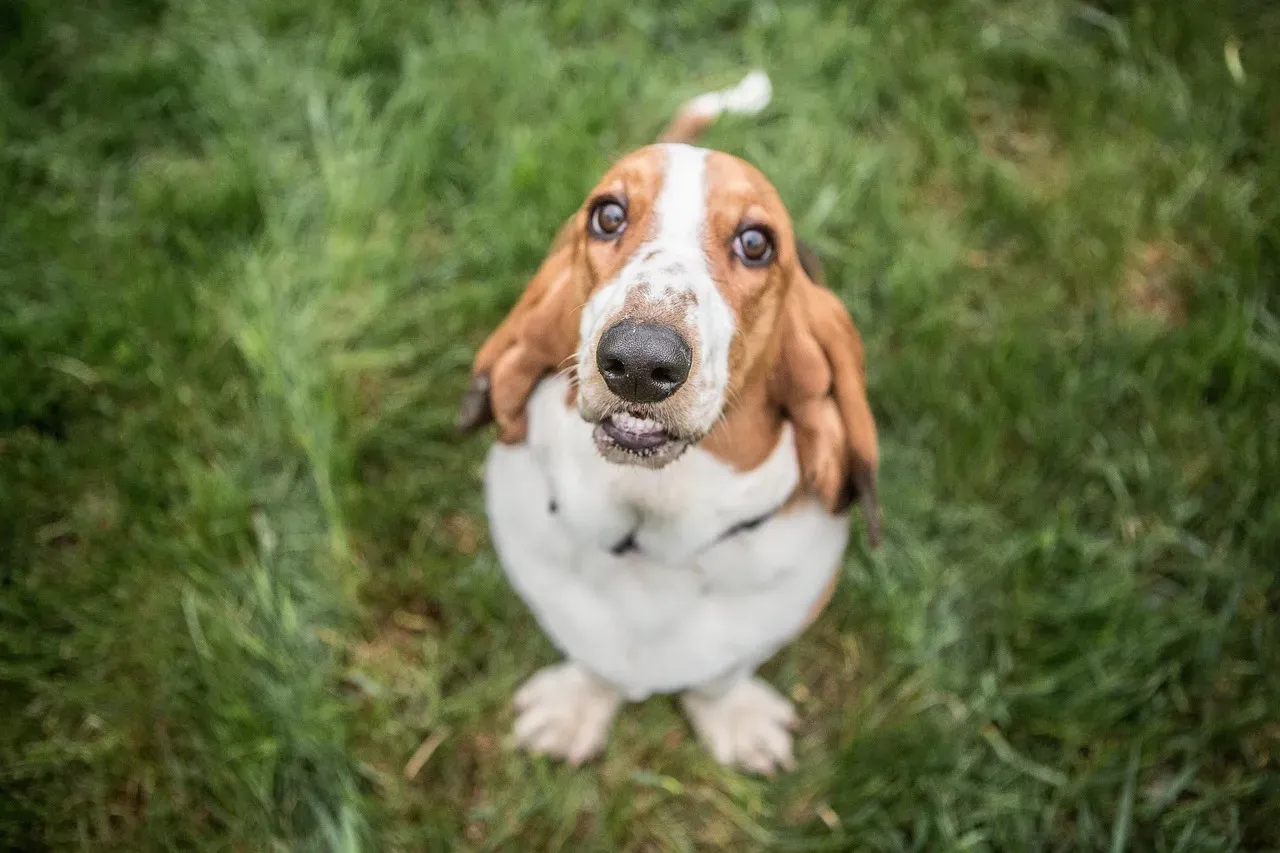
Droopy and low to the ground, Basset Hounds are happy with one long daily walk followed by an even longer nap at home. They’re pretty low-energy and slow-moving pups, and their short coat is a cinch to care for. Honestly, the Basset Hound is the dog equivalent of a cozy Sunday morning.
Known for their laid-back demeanor, Basset Hounds are content lounging while you tackle your to-do list. Short daily walks keep them happy without consuming your evening. That said, watch their diet carefully. Bassets love food and gain weight easily, which puts pressure on their already low-slung spines.
The most time-consuming part of caring for a Basset Hound is his long, floppy ears. They’ll need a weekly cleaning to stay healthy and infection-free. A small weekly habit that can save you a fortune in vet bills over time.
13. Shih Tzu: The Apartment-Friendly Companion With Big Love Energy

The vibrant and active Shih Tzu is an outgoing pup that does well with children and families. This healthy breed doesn’t need a lot of exercise. A short walk or two will do. The Shih Tzu does well with apartment living and first-time owners who are still figuring out daily life with a dog.
Shih Tzus are often described as little bundles of love. While their coat does require occasional brushing, they are generally low-energy dogs who are content with moderate playtime and short walks. Their affectionate nature makes them the perfect companions for families or individuals who want a loyal pet without the chaos of high-energy breeds.
Think of a Shih Tzu as a small, cheerful roommate who asks for very little and gives back enormous amounts of warmth. They’re not perfect, but honestly, they come pretty close for busy owners who still want unconditional love.
14. Boston Terrier: The Dapper, Easy-Going People Pleaser

Boston Terriers are famous for their well-behaved personality and dapper tuxedo jacket-like coat in black and white. They are a highly low-maintenance dog breed, which is why they are well-suited to almost all people of all ages. Their small size and adaptable nature help them to adjust to any kind of setting and they do not require ample spaces to thrive.
With their big brown eyes and tuxedo-style coat, Boston Terriers are gregarious pups who just want your approval. They are one of America’s favorite dog breeds. The amount of exercise they need varies from dog to dog, but a couple of walks a day and some playtime indoors is typically sufficient.
They’re trainable, sociable, and genuinely funny to be around. I think Boston Terriers are one of the most underrated breeds for city dwellers and first-time owners alike. Low drama, high joy.
15. Chihuahua: The Tiny Dog With a Surprisingly Easy Care Routine
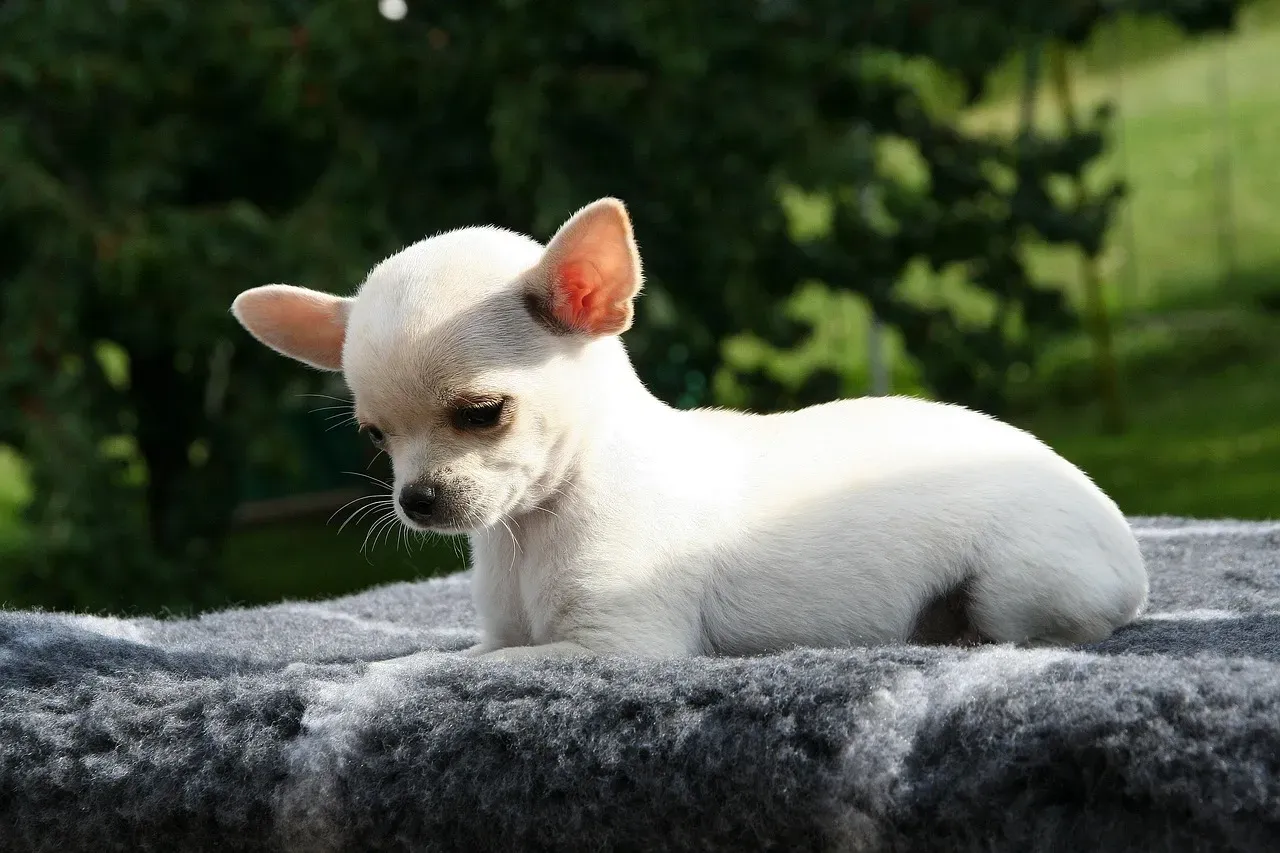
Don’t let their petite frame fool you – Chihuahuas are confident, alert, and loving dogs. With minimal grooming needs and low exercise requirements, they’re ideal for people with tight schedules or small living spaces. Their small size makes traveling with them convenient.
Chihuahuas are a low-maintenance small dog. Though they come in two coat types, long and short, neither sheds very much, and Chis don’t require much grooming beyond a quick weekly brush. They’re also famously long-lived, with many reaching their mid-to-late teens. You get years of loyalty from a dog that asks for very little in return.
The one area to stay on top of: early socialization and training. Chihuahuas need attentive, early socialization training to ensure good behavior. Without it, that bold personality can tip into snappiness. Start early, stay consistent, and you’ll have one of the most devoted little companions imaginable.
Choosing the Right Dog: What Nobody Tells You Before You Commit
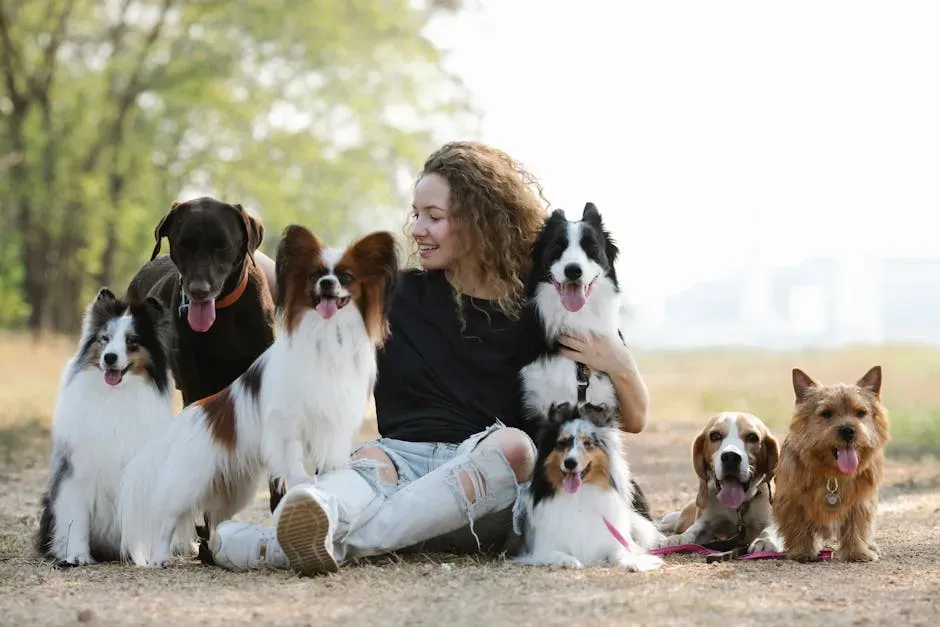
Here’s the real talk moment. Dogs that require high levels of care and attention from their owners are known as high-maintenance breeds. These breeds typically have high energy levels, may be prone to separation anxiety, require frequent grooming, may have certain health issues, and need more mental stimulation. Knowing this before you choose a breed is the difference between joy and exhaustion.
Low-maintenance dog breeds are specifically valued for their ability to provide loving companionship while requiring less intensive care. They typically have simple grooming schedules, adaptable temperaments, and moderate exercise needs that make them suitable for a wide range of households. By choosing a breed with manageable needs, owners can focus more on enjoying the emotional rewards of dog ownership.
Matching your lifestyle to your breed isn’t a compromise. It’s actually the most loving thing you can do, for yourself and for your dog. A mismatched pairing doesn’t just exhaust owners. It creates anxiety, behavioral problems, and a dog that spends its life not quite thriving.
A Final Thought for Every Dog Lover Out There
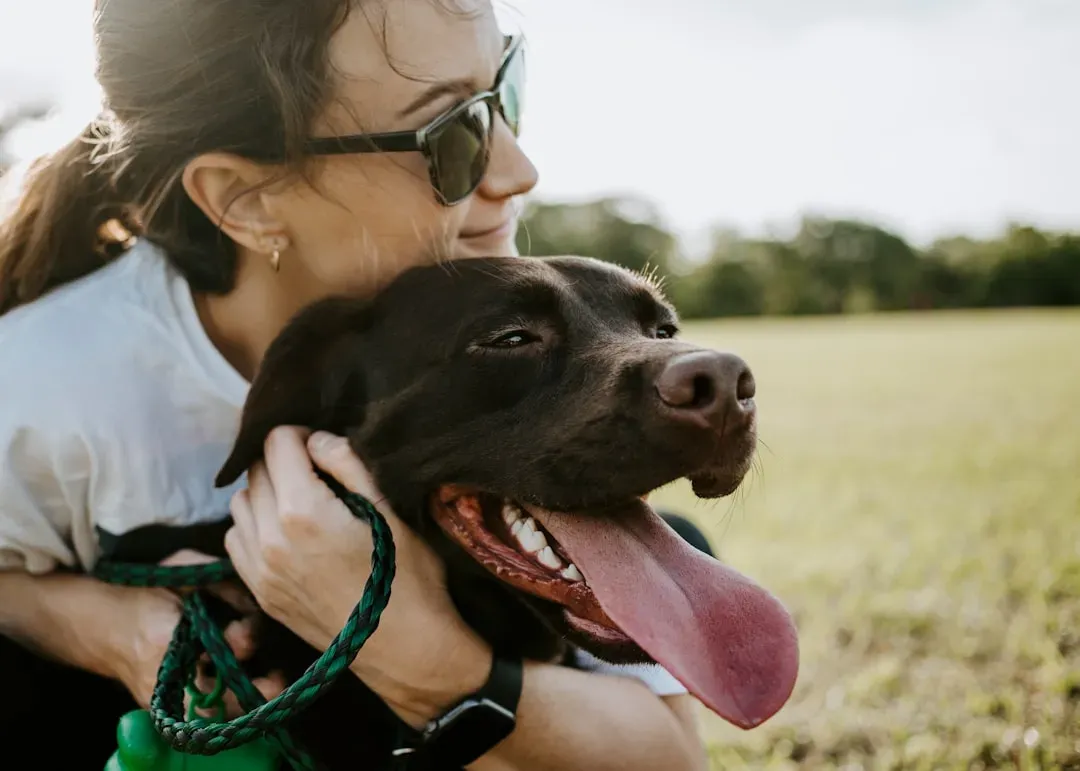
Every dog on this list, whether a restless Border Collie or a napping Basset Hound, deserves an owner who truly understands them. High-maintenance breeds aren’t bad breeds. They’re just misunderstood breeds that landed in the wrong homes. The exhausted owner and the anxious dog are both victims of a mismatch that could have been avoided.
The most important thing you can do before bringing any dog home is to be brutally honest with yourself about your time, your energy, and your lifestyle. Not the lifestyle you aspire to, the one you’re actually living right now. Your future dog is counting on that honesty.
So take a breath, do your research, and choose the companion who fits your real life. The right dog won’t exhaust you. They’ll complete you. Which breed surprised you the most on this list? Drop your thoughts in the comments – we’d genuinely love to hear your story.


