

We love our dogs with everything we have. We buy them the good treats, let them hog the sofa, and honestly, half of our camera roll is just their faces. So it stings a little to hear this, but there’s a real chance that some of the things you do every single day are quietly driving your dog absolutely crazy.
Despite living side by side with humans for thousands of years, we still do things to dogs that we believe they love, when dogs actually distinctly dislike them. Misinterpretation and what some call “anthropomorphism,” projecting our own human feelings onto our pets, can lead to dogs that feel forced to tolerate undesirable behaviors, which eventually causes fearful, anxious, and even aggressive responses. The good news? Once you know, you can do better. Let’s dive in.
1. Hugging Them Tight (Even With All the Love in the World)
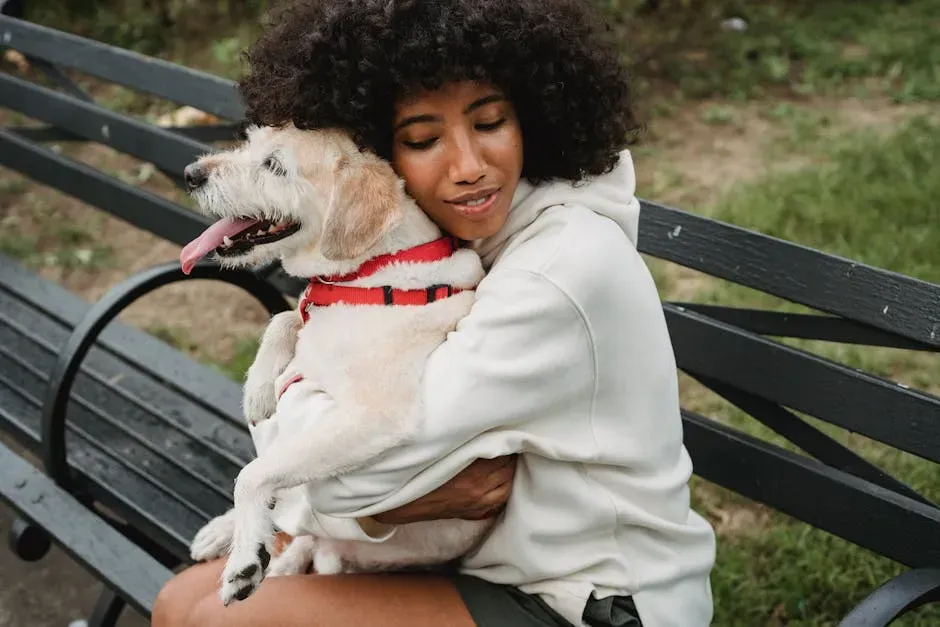
Here’s the thing: hugging is one of the most natural ways humans show affection. It’s warm, it’s comforting, and it feels like the most obvious thing in the world to wrap your arms around your fluffy best friend. However, hugs and tight squeezes cause discomfort for many dogs, who frequently interpret this behavior as disrespecting their personal space, which can result in stress and defensive body language, including stiff muscles or even avoidance.
Many dogs will tolerate a hug with grace, but some dogs will feel threatened, fearful, or just flat out loathe the feeling, and in fact, a child grabbing a dog for a hug is why many dog bites occur. Watch for a tense mouth, ears pulled back, or a body gone rigid during your cuddle session. Those are your dog’s polite way of saying, “Please, no thank you.”
2. Staring Them Down with Intense Eye Contact

Prolonged eye contact can be unsettling for many dogs. In the canine world, staring can signal potential dominance or aggression, triggering a submissive or fearful response. Think of it like this: imagine a stranger on the street locking eyes with you and refusing to look away. Uncomfortable, right? That’s essentially what your dog experiences.
Eye contact is an important signal for dogs, and just as a hard stare can be a precursor to aggression, looking away is meant to calm a situation. When dogs feel stressed, they’ll pointedly look away and avoid eye contact, and people often interpret this as their dog ignoring them or being stubborn, when the dog is actually expressing discomfort. Use soft, blinking eyes instead of a hard stare to communicate warmth and trust.
3. Yelling and Raising Your Voice

Dogs have incredibly sensitive hearing that is about four times more powerful than the human ear, which makes them excellent at tasks like hunting and guarding, but on the flip side, their tolerance for loud noises is about 20 dB lower than what humans can withstand. So when you raise your voice, even in frustration, it hits your dog much harder than it hits you.
A 2020 study published in PLOS One showed that dogs trained with aversive methods like yelling had significantly higher levels of cortisol, a stress hormone, in their saliva compared to those trained exclusively using positive reinforcement. Yelling when a dog does something wrong has also been observed to negatively impact their training progress. A calm, firm voice will always get better results than an angry one.
4. Reaching Over Their Head to Pet Them
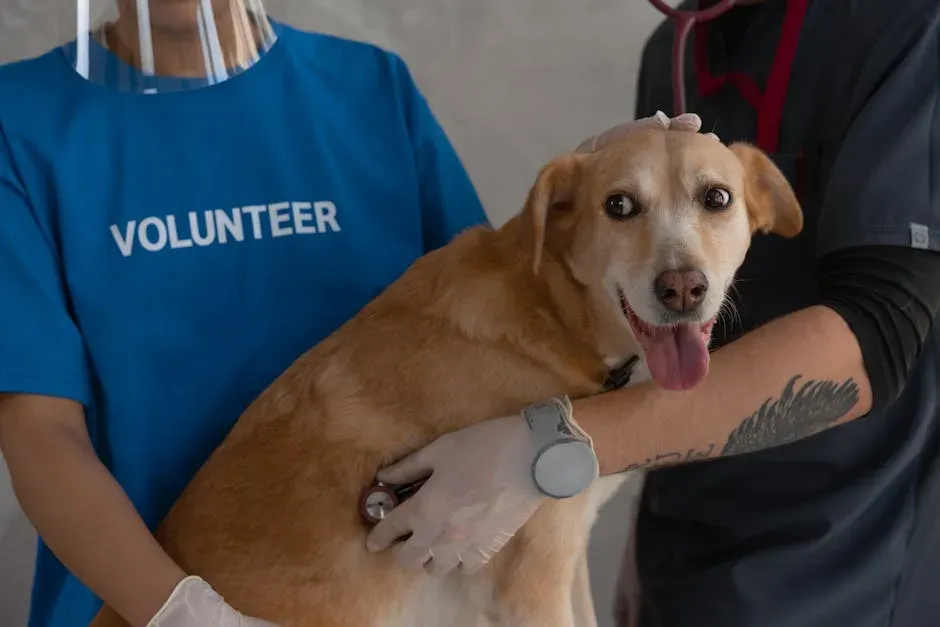
It seems like the most natural greeting in the world: you see a dog, you reach out and pat them on the head. Turns out, from the dog’s point of view, that hand coming at them from above is actually pretty alarming. According to a 2017 study by the University of California San Diego, reaching over a dog’s head can cause a lot of stress. In the study, dogs of all breeds and ages were observed as a human approached them from the front, side, and back, and what researchers found was that dogs were much more likely to avoid or withdraw from the human who reached over their heads.
Anything out of their peripheral vision may cause some anxiety, and the best way to reach for a dog is from the side, where you can give them pets on the side and stomach. So instead of going for the top of the head, crouch down and offer your hand low and to the side. Watch their whole energy change.
5. Being Inconsistent With Rules and Routines

One day your dog is allowed on the couch. The next day, they’re scolded for jumping up. Sound familiar? Research shows that the most inconsistent owners had dogs that were the least likely to obey commands and also showed the most signs of stress in day-to-day activities. The study confirms that dogs are creatures of habit, and if you stray too much from their daily routine and rituals, it will most likely stress them out.
Consistency isn’t just about training. It’s about emotional safety. Dogs find comfort in knowing what to expect, much like a child thrives with a bedtime routine. Frequent annoyance can significantly impact a dog’s long-term mental health and behavior, and persistent stress from negative interactions may lead to anxiety, aggression, or withdrawal. Pick your household rules and stick to them, for everyone in the family.
6. Overwhelming Them With Strong Scents
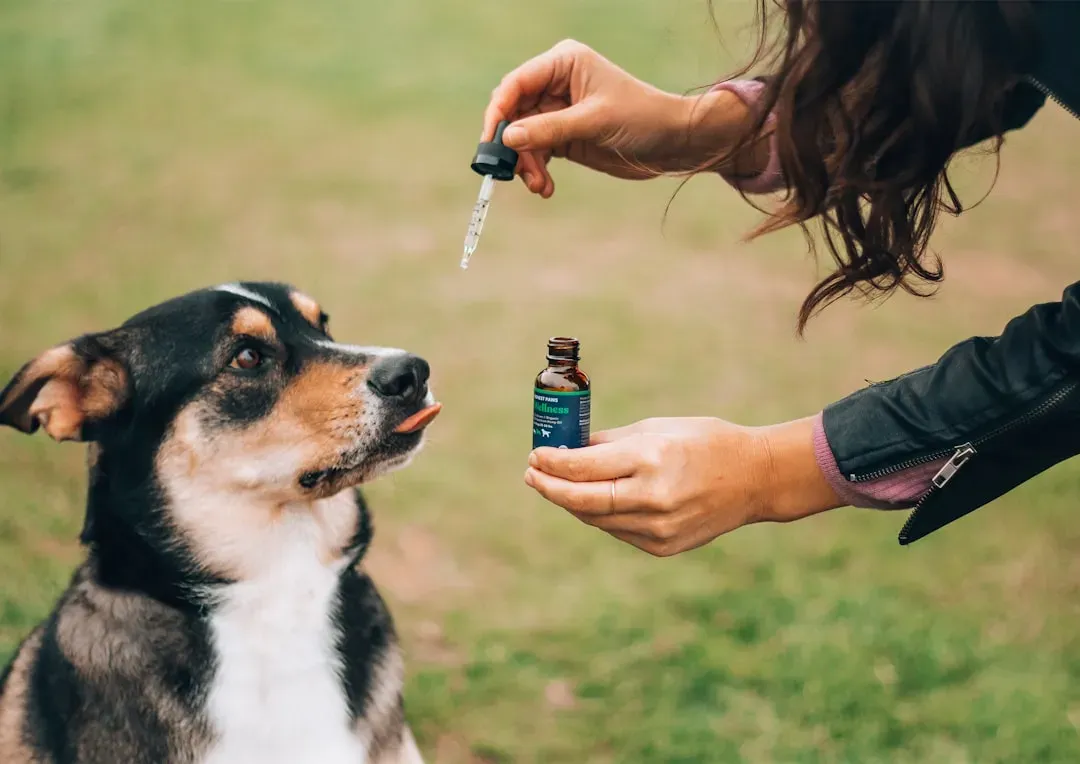
Your freshly spritzed perfume might smell amazing to you. To your dog, it’s basically an assault on the senses. As dogs are between 10,000 and 100,000 times more sensitive to scents than human noses, the strong smells of cleaners, products, and perfumes can really bother your pooch, and when using anything that has a strong odor, you should make sure your dog is at a distance from the source of the smell.
Dogs possess a highly developed sense of smell, making them particularly sensitive to potent air fresheners, perfumes, or cleaning products, and when exposed to these scents, your furry friend may exhibit signs of stress, such as excessive panting or licking. Opting for natural scents and pet-safe products is a great way to maintain a comfortable environment. Dog-friendly alternatives suggested by animal welfare groups include lavender, chamomile, frankincense, and cedarwood.
7. Leaving Them Alone for Too Long
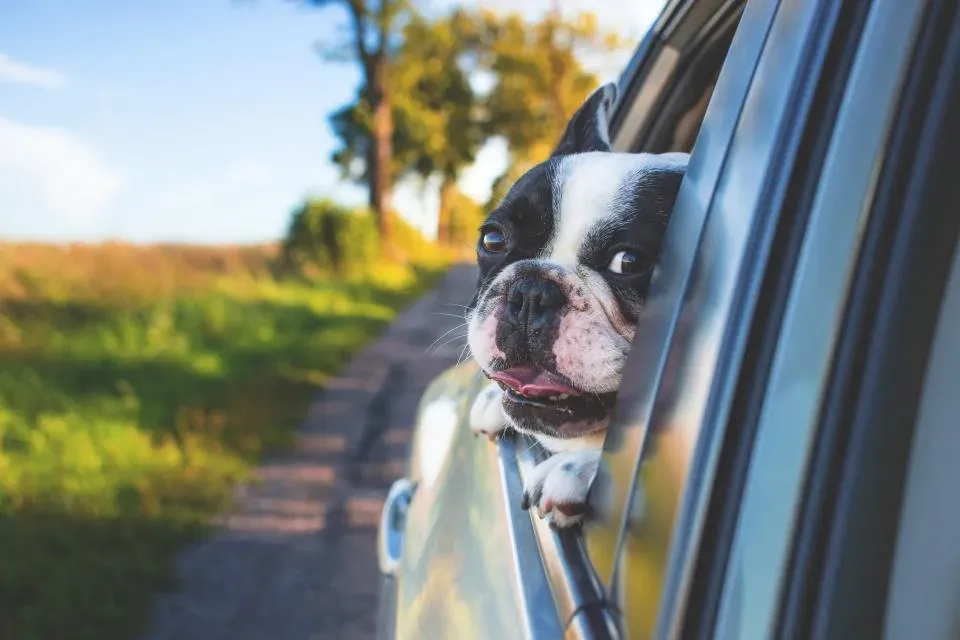
We get it. Life is busy. Work hours are long and life doesn’t always bend around a dog’s schedule. Still, it’s worth understanding what extended alone time actually does to your dog emotionally. Dogs left alone for ten or more hours each day can develop a number of behavioral and psychological issues like separation anxiety, excessive barking or digging, destructive behavior, or escaping.
It is important to provide your dog with a safe place in the home where they can escape stimuli that trigger a stress response, because everybody, including your dog, enjoys a calm place to retreat. If a long workday is unavoidable, consider a midday dog walker, enrichment toys, or even a doggy daycare. Leaving challenging toys or a frozen Kong can help a dog manage those long stretches of alone time much better.
8. Forcing Them Into Costumes and Clothes

Okay, I know. The Halloween dog costume photos are absolutely irresistible. Honestly, they are. But your dog’s tiny witch hat comes at a cost. Costumes are prone to cause anxiety by making your dog feel trapped and restricted, and some may put pressure on the sensitive areas dogs feel particularly protective of, including their head, paws, and tail. Forcing your pup into a costume can further compound the stress of situations like Halloween, which already make them feel overstimulated with lots of unfamiliar noises and strangers at the door.
Watch your dog’s body language the moment you reach for that outfit. If a healthy dog with no orthopedic problems shifts their weight to the rear legs or cowers, they may be exhibiting stress, and when scared, dogs may also tuck their tails or become rigid. If your dog genuinely tolerates a light-fitting shirt or bandana, great. If not, maybe let them rock their natural fur coat with dignity.
9. Ignoring Their Stress Signals
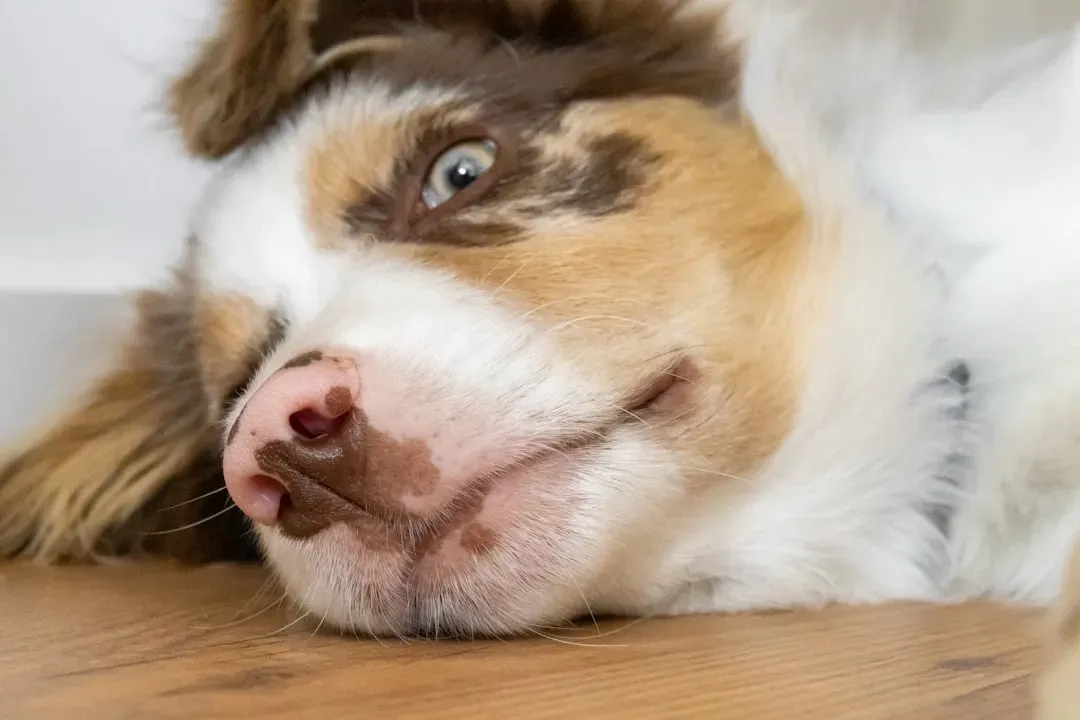
This one is so important and so often overlooked. Research has shown that dogs display specific facial and body movements when experiencing stress, and these signals are consistent across breeds and contexts. Studies using the Dog Facial Action Coding System have identified distinct muscle movements associated with different emotional states, allowing researchers to objectively measure canine stress responses.
Sometimes, if a dog has learned over time that their more mild signals are not listened to, they might skip some steps and jump straight to higher levels of aggression. This is why it’s always better to pay attention to what dogs are trying to tell you and help them get out of stressful situations, so that they don’t feel like they have to escalate to get people to listen. Key early signals to watch include yawning and nose-licking, which are signs that the dog is cautious, concerned, stressed, or anxious. Learn these cues and respond to them. Your dog is always talking. The question is whether you’re listening.
10. Not Giving Them Enough Mental Stimulation
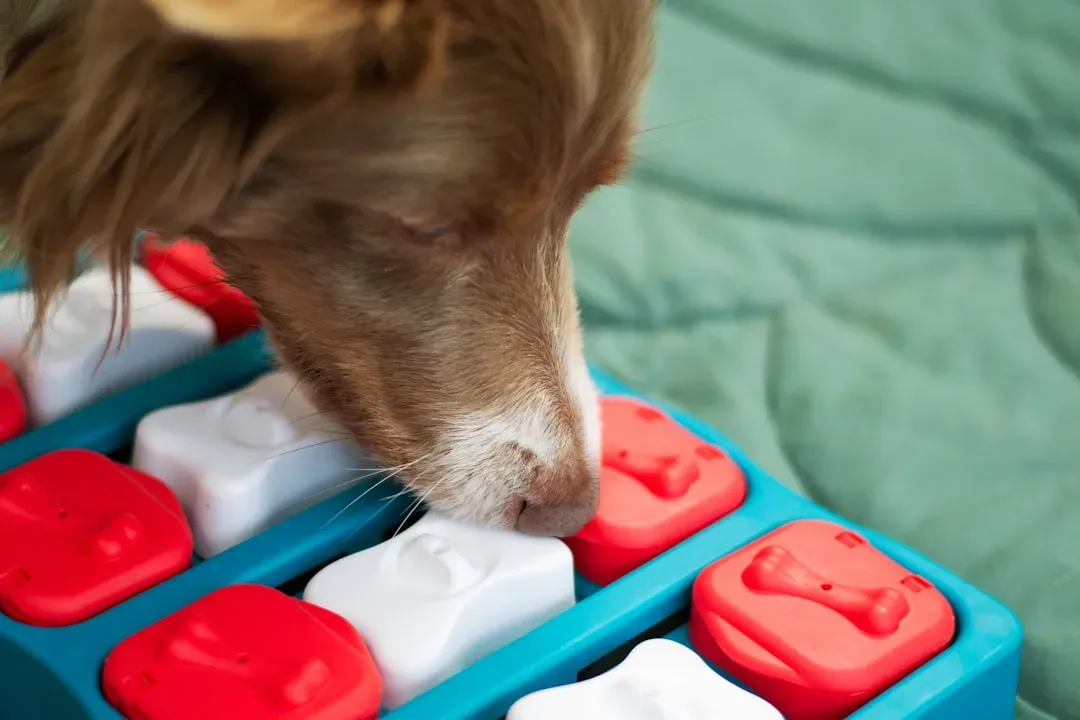
Physical exercise matters, but mental stimulation is just as vital and far more often neglected. Think of your dog’s brain like a muscle. Leave it idle every day and things start to go sideways. A big issue for dogs, particularly those bred for activity, is not being given enough physical and mental stimulation. It’s very normal to meet with a dog’s family and find out that the dog is never taken on walks and that free run of a yard is considered appropriate exercise, while the dog is destroying the home and yard due to boredom and too much excess energy.
An hour of training is worth a couple of hours playing a repetitive game of fetch in terms of wearing a dog out. While exercise and walks are important, adding in some brain work will make your dog happy-tired, and even just 15 to 30 minutes of trick training a day will make a big difference. Puzzle feeders, nose work games, and new walking routes all count. A mentally tired dog is a happy, calm, well-behaved dog.
A Final Thought for Every Dog Lover

Here’s the beautiful truth: none of us are doing these things out of malice. We hug our dogs because we love them. We raise our voices because we’re frustrated, not cruel. We miss the stress signals because no one taught us what to look for. The fact that you’re reading this at all says everything about the kind of dog parent you want to be.
Understanding canine body language is crucial for preventing behavioral problems, improving the human-dog bond, and ensuring our dogs’ emotional wellbeing. Small adjustments in how you interact can create an enormous shift in how safe and loved your dog truly feels. Crouch down instead of looming over them. Use a calm voice. Keep the routine steady. Let the perfume bottle stay on the shelf when your pup is near.
Your dog can’t tell you what bothers them in words. They can only show you, again and again, with their body, their eyes, and their quiet withdrawals. Pay attention to those moments. They’re not stubbornness or bad behavior. They’re trust, still being offered to you. What will you do differently starting today?


