

Have you ever wondered why your dog suddenly hides under the bed or gives you those sad, pleading eyes? You might be surprised to learn that everyday things you do—often without realizing—can cause your furry friend a whole lot of stress. Dogs are incredibly sensitive creatures, picking up on our moods, routines, and even the smallest changes in our behavior. If you truly love your dog, it’s time to take a closer look at your own habits. Some of them might be accidentally making your loyal companion anxious or uneasy. Let’s dive into the most common human habits that stress out dogs and see how you can make life happier for your best friend.
Yelling or Raising Your Voice

It might feel natural to shout when your dog misbehaves, but loud noises and yelling can terrify dogs. Their ears are much more sensitive than ours, so what sounds like a normal volume to you can be overwhelming for them. When you raise your voice, your dog might not even understand what you’re saying, but they will sense your anger or frustration. This can cause them to hide, shake, or act out even more. Think of it like thunder during a storm—your dog doesn’t know why it’s happening, only that it’s loud and scary. Instead of yelling, try using a calm voice and positive reinforcement. Your dog will respond much better to a gentle, encouraging tone than to scary shouting.
Inconsistent Rules and Boundaries
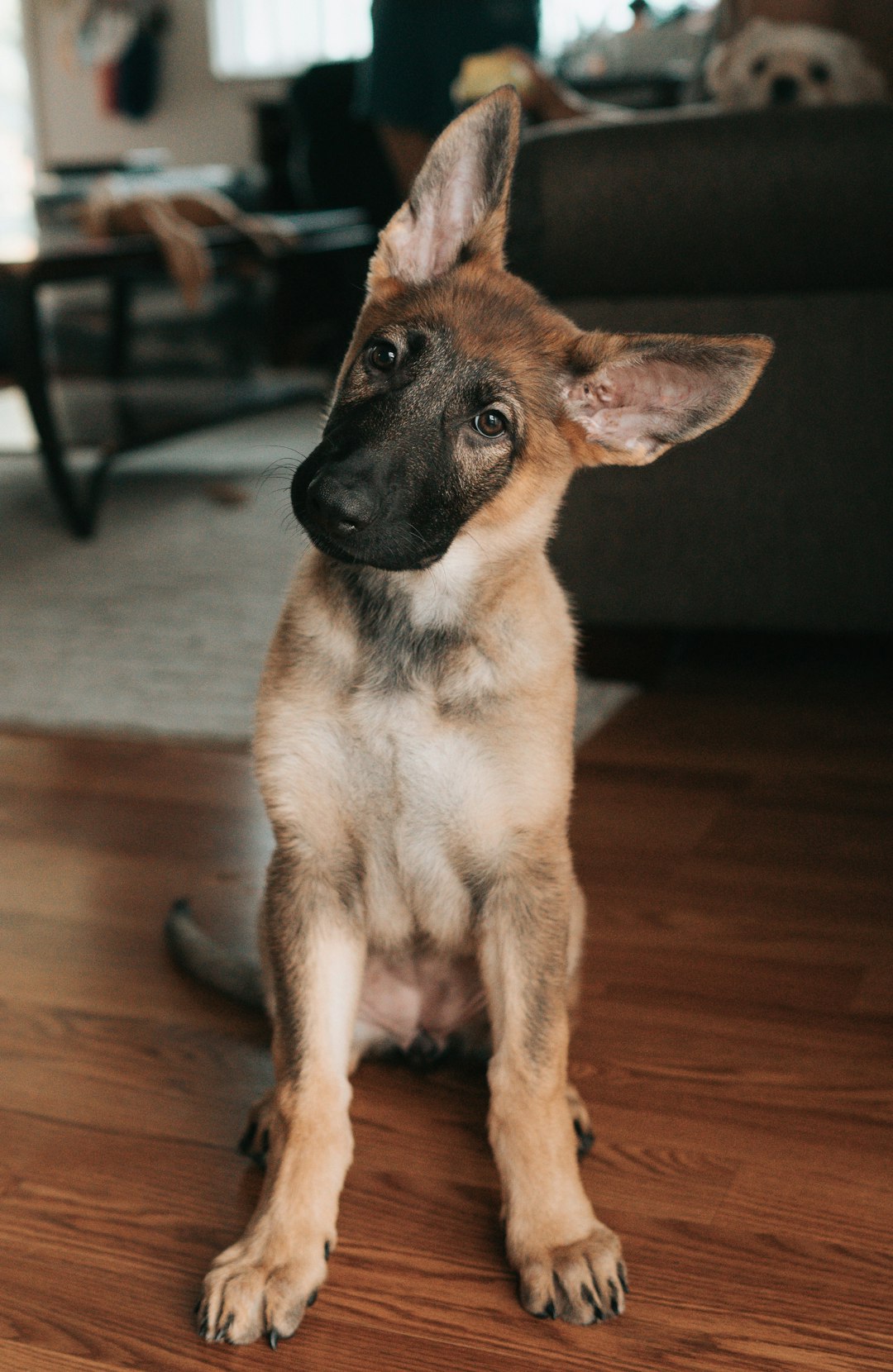
Imagine if one day you were allowed on the couch, and the next day you were scolded for it. That’s how dogs feel when we’re inconsistent with our rules. Inconsistency confuses dogs and makes them anxious because they don’t know what to expect. Dogs thrive on routine and clear boundaries. If you let them jump up one day but punish them the next, they can become stressed and unsure. For a happier, more confident dog, make sure everyone in the household agrees on the rules and sticks to them. Consistency provides security and helps your dog feel safe in their home.
Leaving Your Dog Alone for Long Periods

Dogs are social animals—they crave companionship and can feel deep loneliness when left alone too long. While it’s impossible to be with your dog every minute, extended absences can cause separation anxiety. Signs of this include destructive behavior, excessive barking, or even bathroom accidents indoors. Think of your dog waiting for you all day, counting the minutes until you return. If you have to be away, provide toys, leave on some calming music, or consider a pet sitter or doggy daycare. Even a puzzle toy filled with treats can help ease their boredom and stress until you come back.
Ignoring Your Dog’s Body Language

Dogs communicate through body language, but many owners overlook the signals. If your dog tucks their tail, yawns repeatedly, or avoids eye contact, they might be telling you they’re stressed. Ignoring these signs can make things worse, leading to more intense anxiety or even aggression. Learning to read your dog’s cues—like lip licking or pacing—helps you step in before stress escalates. Imagine if someone ignored your cries for help. Paying attention to these signals shows your dog you care and helps build trust and comfort.
Too Much or Too Little Exercise
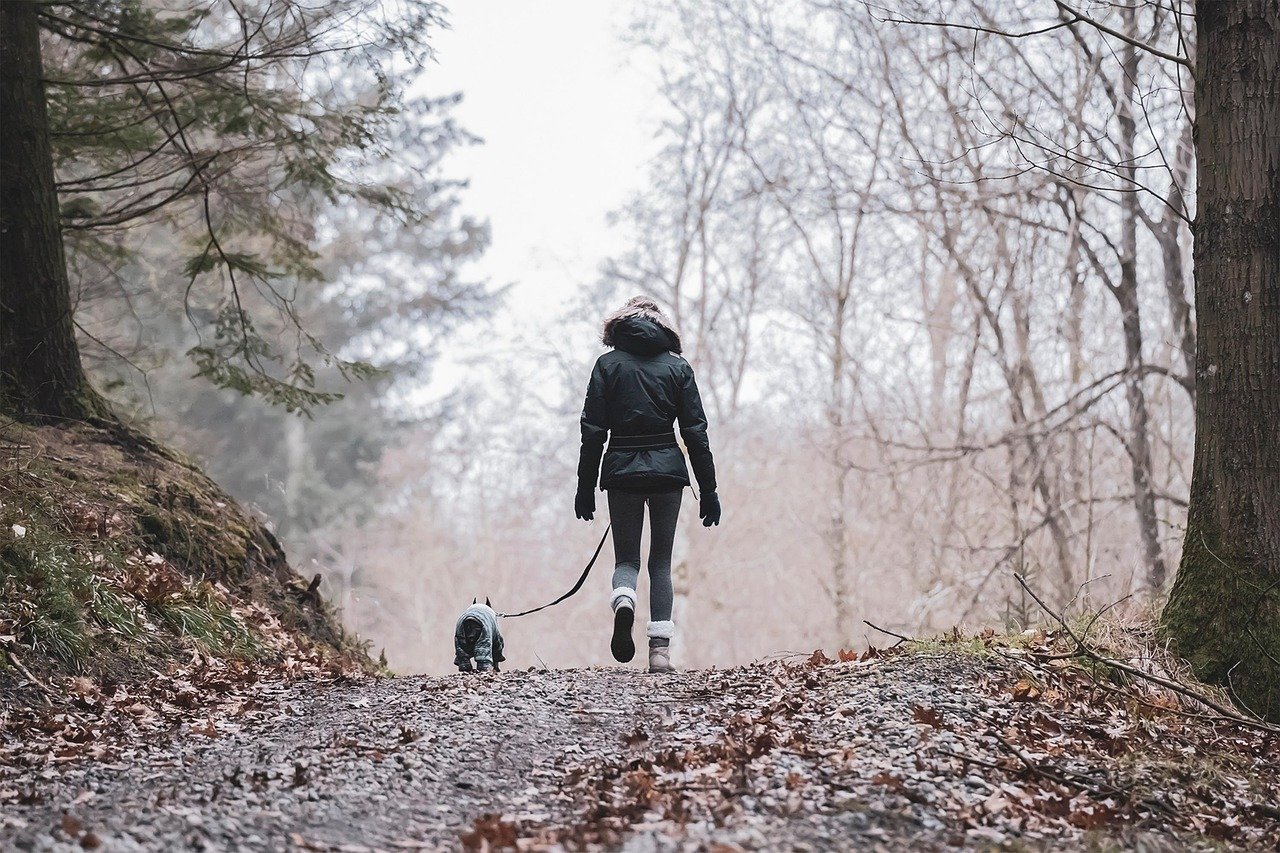
A lack of exercise can leave your dog bored, frustrated, and full of nervous energy. On the flip side, too much exercise without enough rest can exhaust and overwhelm them. Dogs need a balance, just like people. A dog who doesn’t get daily walks or playtime may start chewing furniture or barking excessively out of stress. Meanwhile, overdoing it—especially with puppies or senior dogs—can lead to injuries and anxiety. Find a routine that fits your dog’s age, breed, and energy level. Walks, games of fetch, and mental stimulation like puzzle toys can make a world of difference.
Frequent Changes in Routine
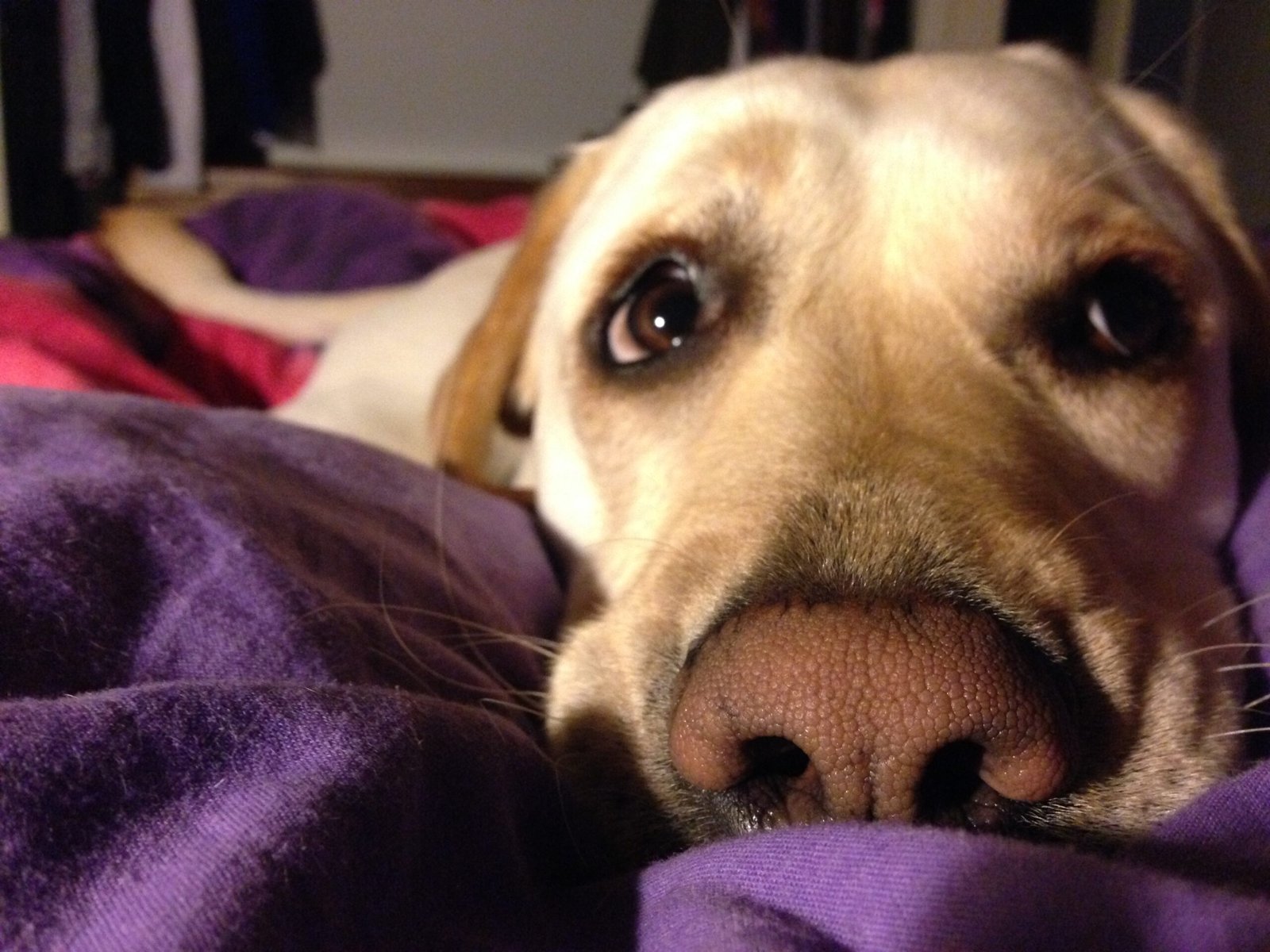
Dogs are creatures of habit; they feel most comfortable when life is predictable. Sudden changes—like a new feeding time, moving furniture, or changing your work schedule—can turn their world upside down. Even small shifts can cause stress, leading to changes in appetite or behavior. Think about how you feel when you lose your daily routine—dogs feel it even more deeply. Try to keep feeding, walks, and bedtime consistent. If changes are unavoidable, introduce them gradually and offer plenty of reassurance.
Forcing Unwanted Interactions
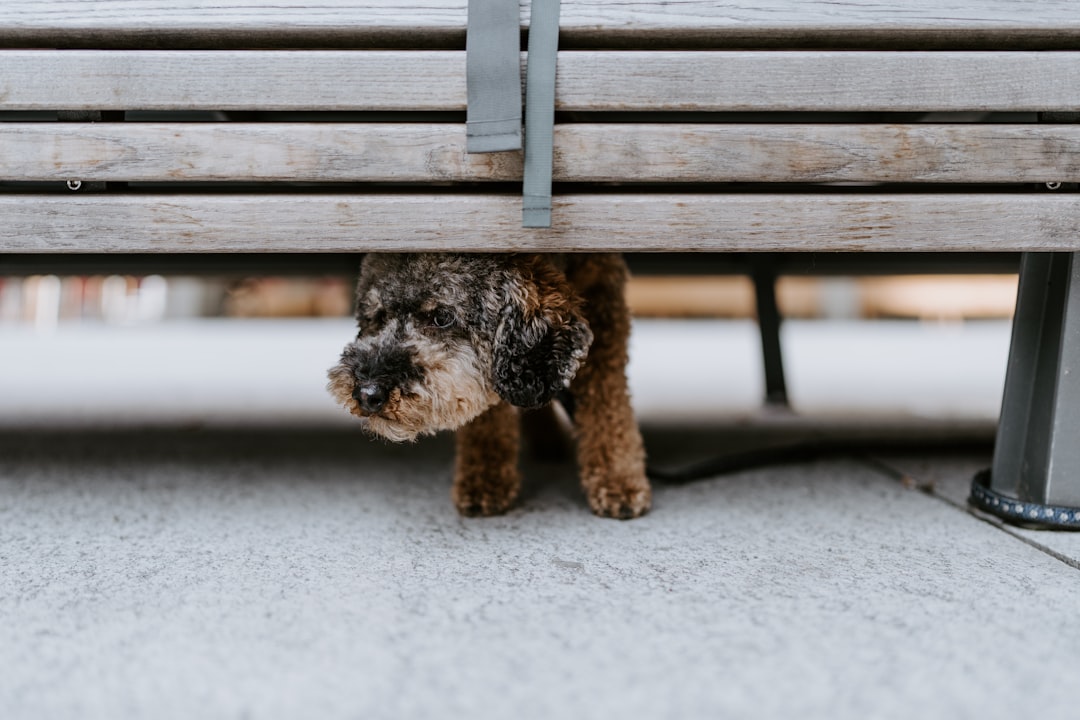
Some dogs love meeting new people or other dogs, while others feel nervous or threatened. Forcing your dog to interact—whether with guests, kids, or other animals—can cause significant stress. Imagine being pushed into a crowd when you’d rather be alone; that’s how your dog feels. Watch for signs like cowering, growling, or trying to hide. Respect your dog’s boundaries and give them a safe space to retreat if they feel overwhelmed. Positive experiences build confidence, but forcing interactions can do lasting harm.
Neglecting Mental Stimulation
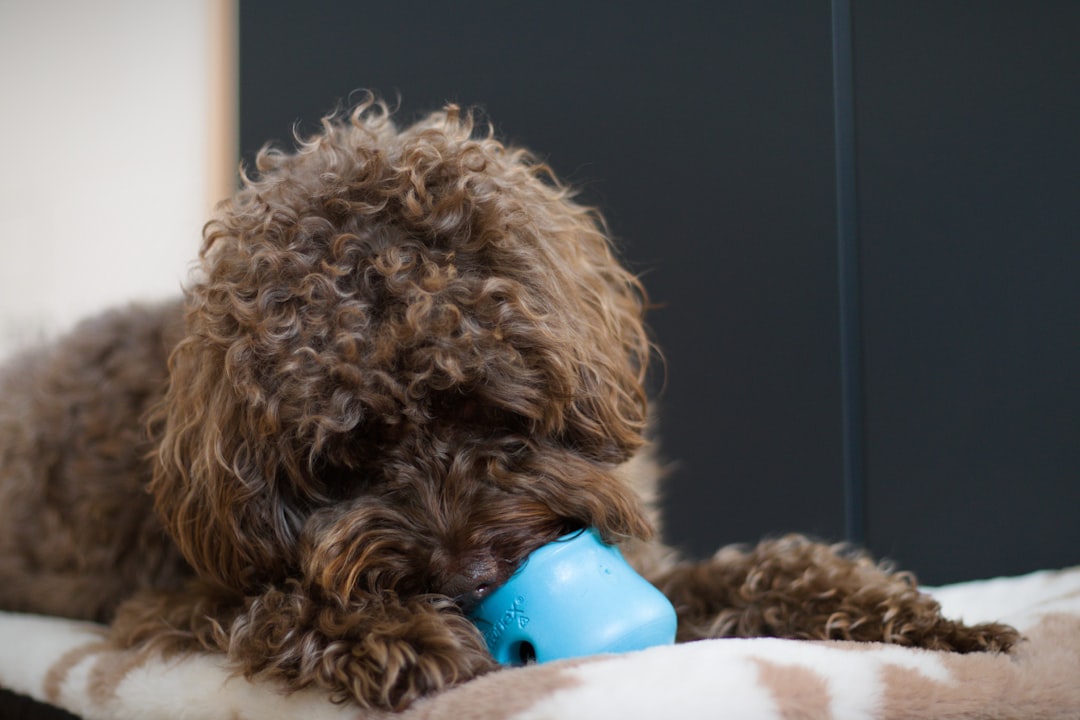
Mental exercise is just as important as physical activity for your dog’s happiness. When dogs are bored, they can become anxious or destructive. Simple games like hide-and-seek, treat puzzles, or new tricks keep their minds sharp and engaged. Without this stimulation, dogs may resort to chewing, digging, or barking excessively out of sheer frustration. Imagine being stuck in a room with nothing to do all day—it’s no wonder they get stressed! Incorporate fun challenges and learning opportunities into your dog’s daily routine to keep them happy and relaxed.
Using Strong Scents or Harsh Chemicals

Dogs have an incredible sense of smell—up to 100,000 times stronger than ours. What you consider a pleasant air freshener or cleaning spray can be overwhelming, even painful, to your dog’s nose. Harsh chemicals and strong perfumes can stress your dog and may even be harmful to their health. Watch for sneezing, pawing at the nose, or trying to leave the room after you clean. Choose pet-safe cleaning products and avoid spraying strong scents near your dog’s favorite spots. A little consideration goes a long way toward their comfort.
Ignoring Signs of Illness or Discomfort

Finally, ignoring your dog’s subtle hints of pain or discomfort can cause unnecessary stress. Dogs often hide their pain, but changes in appetite, limping, or unusual behavior are cries for help. Dismissing these signs can make your dog anxious because they can’t communicate their needs. Imagine suffering in silence because no one is listening. Regular vet check-ups, attention to changes in behavior, and prompt care show your dog that their wellbeing matters to you. It’s not just about avoiding stress—it’s about showing your love through care and attention.


