
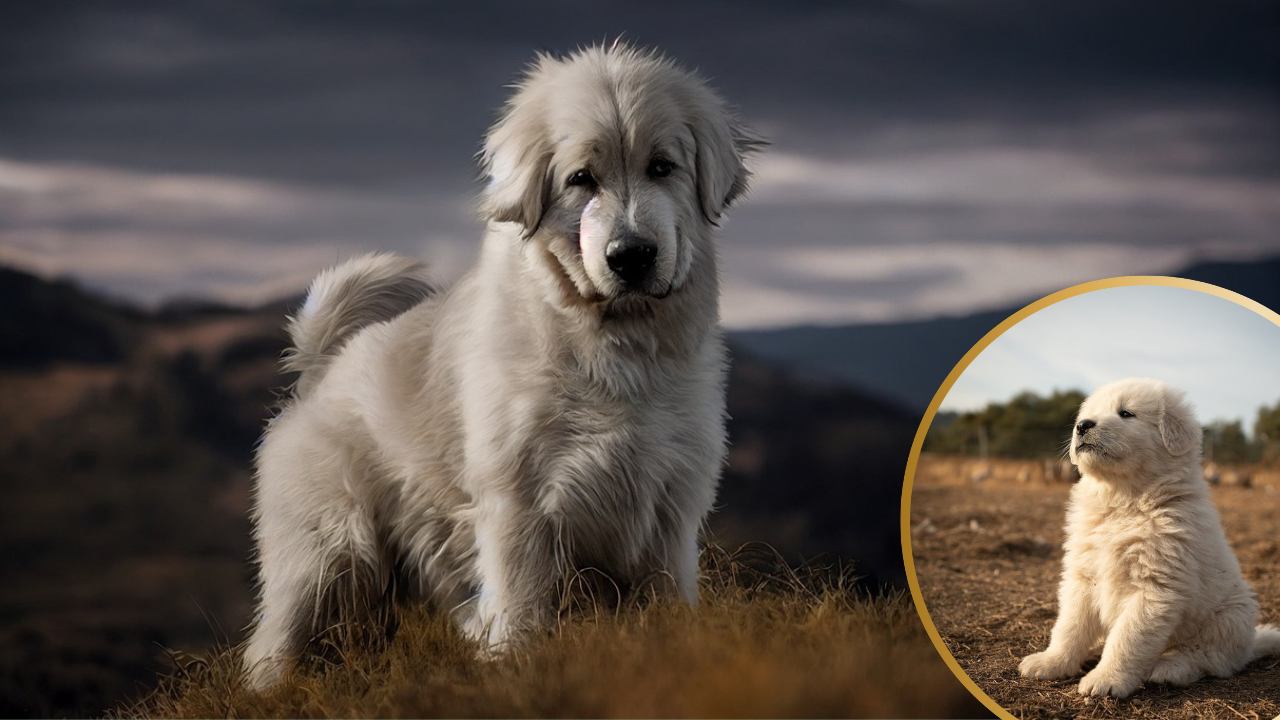
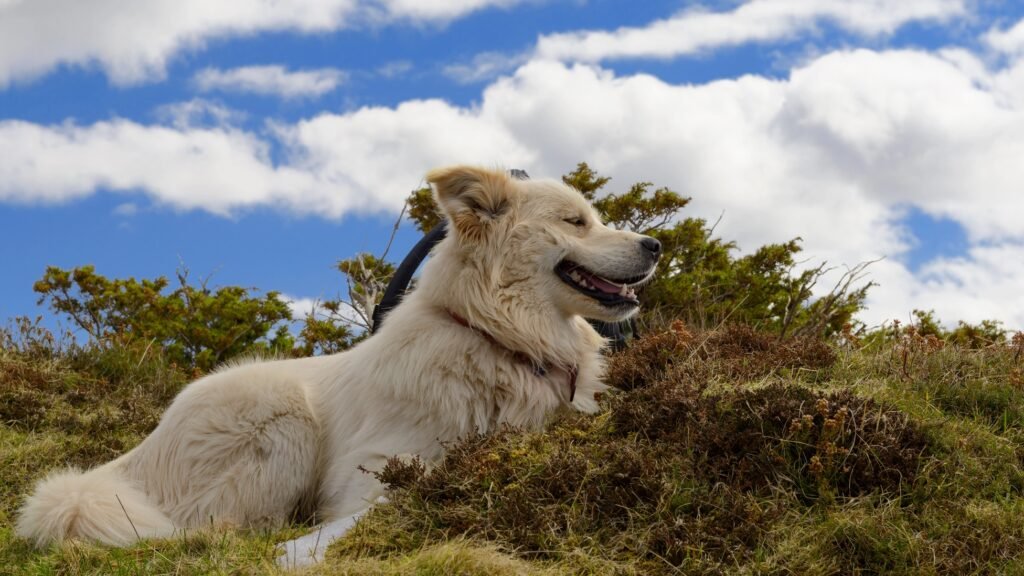
Majestic, loyal, and as breathtaking as the mountains they’re named after, the Great Pyrenees is a breed that leaves a lasting impression. Known for their imposing size and fluffy, snow-white coats, these gentle giants have been protectors, companions, and guardians for centuries. Whether they’re safeguarding livestock or snuggling up with their favorite humans, the Great Pyrenees is a breed full of fascinating traits and rich history. In this article, we bring you 10 incredible facts about these remarkable dogs that highlight just how unique and extraordinary they truly are.
1. Origin and History

The Great Pyrenees, known as the Pyrenean Mountain Dog in certain regions, boasts a rich history that dates back thousands of years. Originally bred for guarding livestock, particularly sheep, in the snowy mountainous regions of the Pyrenees Mountains between France and Spain, these dogs have been integral to pastoral life. Their lineage can be traced back to as early as 1800 B.C., highlighting their longstanding role as protectors in harsh climates.
2. Impressive Size and Strength
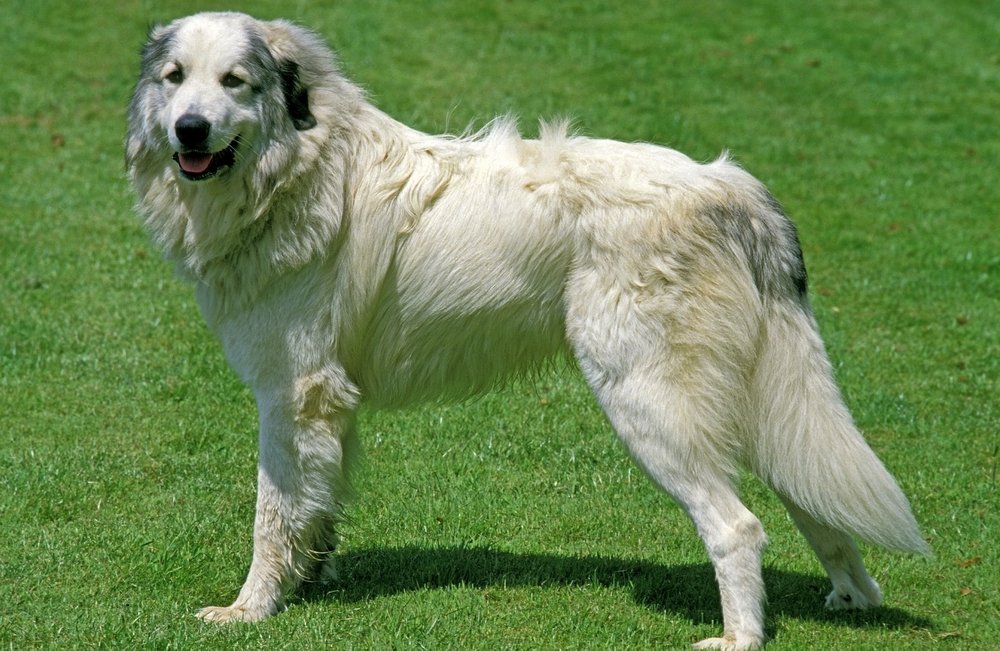
The Great Pyrenees are known for their large size and formidable strength, which make them ideally suited for their historic role as livestock guardians. Adult males can weigh between 100 and 160 pounds, while females typically weigh between 85 and 115 pounds. Despite their size, they possess a graceful and stoic presence, coupled with a powerful physique capable of fending off predators such as wolves and bears.
3. A Distinctive Double Coat
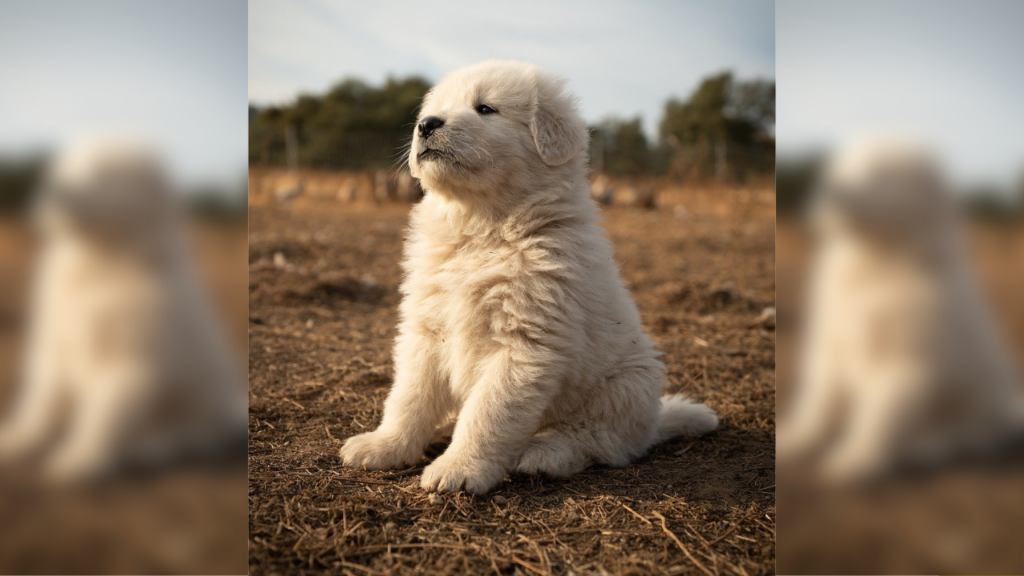
The breed’s distinctive double coat is not just for aesthetics; it serves a functional purpose. The thick, weather-resistant outer coat, combined with a soft, dense undercoat, provides insulation and protection against extreme weather conditions. This unique feature allows them to remain comfortable while working in snowy and cold environments, which was essential for their historical tasks.
4. Temperament and Behavior

Great Pyrenees are known for their calm, patient, and gentle temperament. Despite their guarding instincts, they are typically good-natured with their human family members and other animals, making them excellent family pets. They are independent thinkers due to their history of working alone, which can sometimes manifest as stubbornness, but overall, they are loyal companions.
5. Loyal Protectors
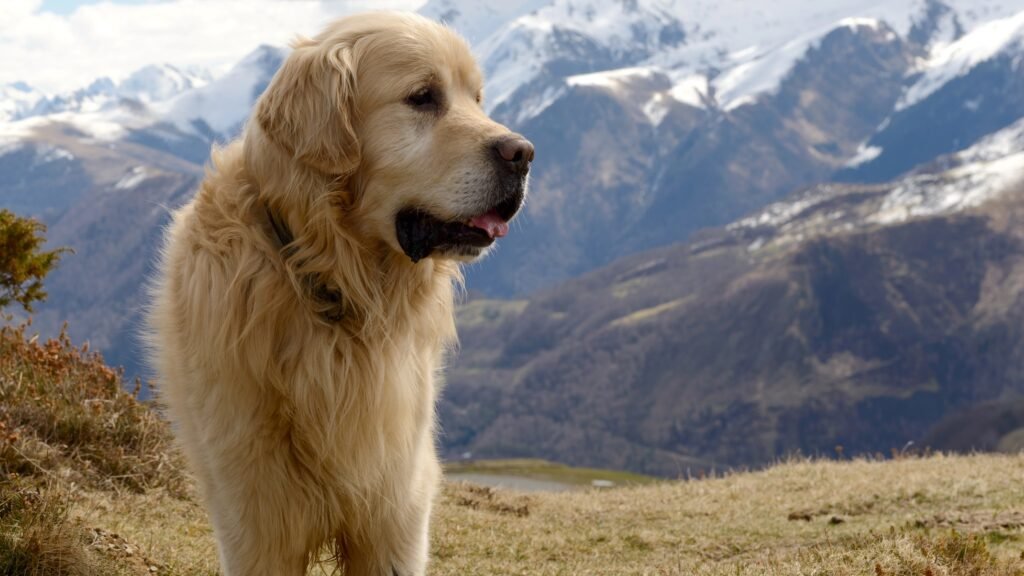
The guarding instinct of the Great Pyrenees is deeply ingrained, a trait for which they are highly valued. They are naturally wary of strangers and will instinctively move to protect their family, livestock, and territory. Their vigilance, combined with a powerful bark, makes them effective deterrents against potential threats.
6. Intelligent and Independent

Great Pyrenees are intelligent dogs, capable of making decisions independently, especially in their role as livestock guardians. This independence, while a testament to their problem-solving abilities, means they may not always respond immediately to commands, as they assess situations on their terms.
7. Nighttime Vigilance

A unique trait of the Great Pyrenees is their nocturnal vigilance. Historically, they patrolled pastures at night to ward off predators, a behavior that is still seen in modern Great Pyrenees. This means they are often more alert and active during the night, ready to protect their territory and loved ones.
8. Gentle Giants with Children

Despite their imposing size, Great Pyrenees are known for their gentle and nurturing behavior towards children. Their calm and tolerant nature makes them excellent companions for youngsters. However, due to their size and strength, it’s important to supervise interactions to ensure safety for the children and the dog.
9. Exercise and Space Requirements

While they don’t have the high-energy needs of some other large breeds, Great Pyrenees do require regular exercise to keep them healthy and happy. They thrive in environments where they have ample space to roam and explore, as their natural herding instincts drive them to patrol and guard. This makes them less suited to small apartments unless they are given plenty of outdoor time.
10. Health and Lifespan
The Great Pyrenees generally have a lifespan of 10 to 12 years, and like many large breeds, they can be predisposed to certain health issues, including hip dysplasia, bloat, and certain heart conditions. Regular veterinary check-ups, a balanced diet, and appropriate exercise can help them lead a healthy life. Responsible breeding practices also play a vital role in maintaining the overall health of this majestic breed. From their ancient history as guardians to their gentle and loving nature, the great Pyrenees embody a perfect blend of strength and serenity. Whether you’re already a proud Pyrenees parent or simply an admirer, one thing is clear: these dogs leave an unforgettable mark on everyone lucky enough to know them.


