
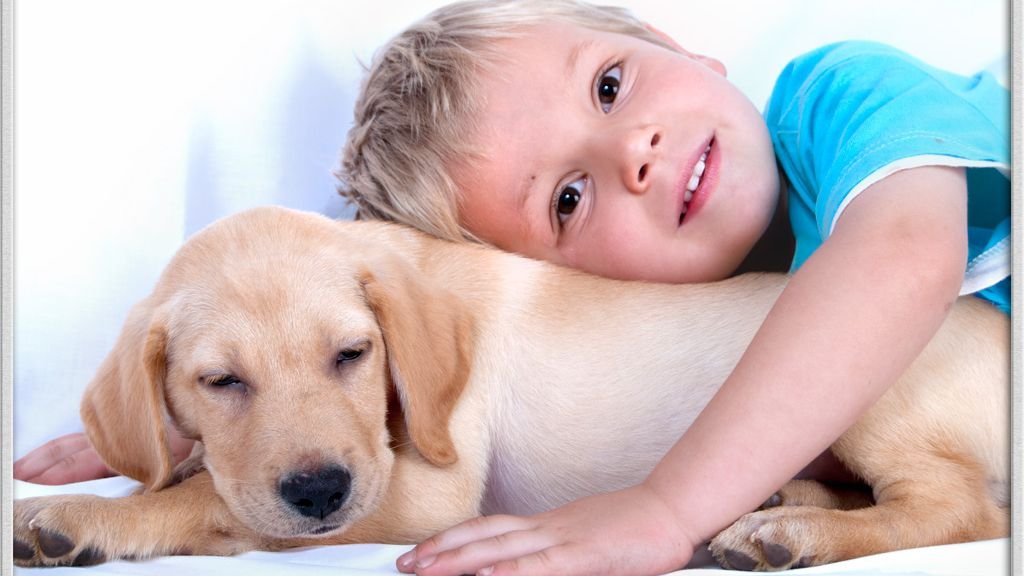
There’s something magical about a dog that takes up half the couch but wouldn’t hurt a fly. Big dogs often get a bad reputation for being intimidating, yet many of the largest breeds are among the gentlest souls you’ll ever meet. These furry giants prove that size doesn’t determine temperament.
When you’re thinking about adding a large breed to your household, it’s worth knowing which ones combine impressive stature with remarkable patience and affection. Let’s be real, nothing quite compares to the feeling of a massive dog resting their head on your lap, trusting you completely. So let’s dive in and discover these gentle giants that could be perfect for your family.
Golden Retriever: The Classic Family Favorite
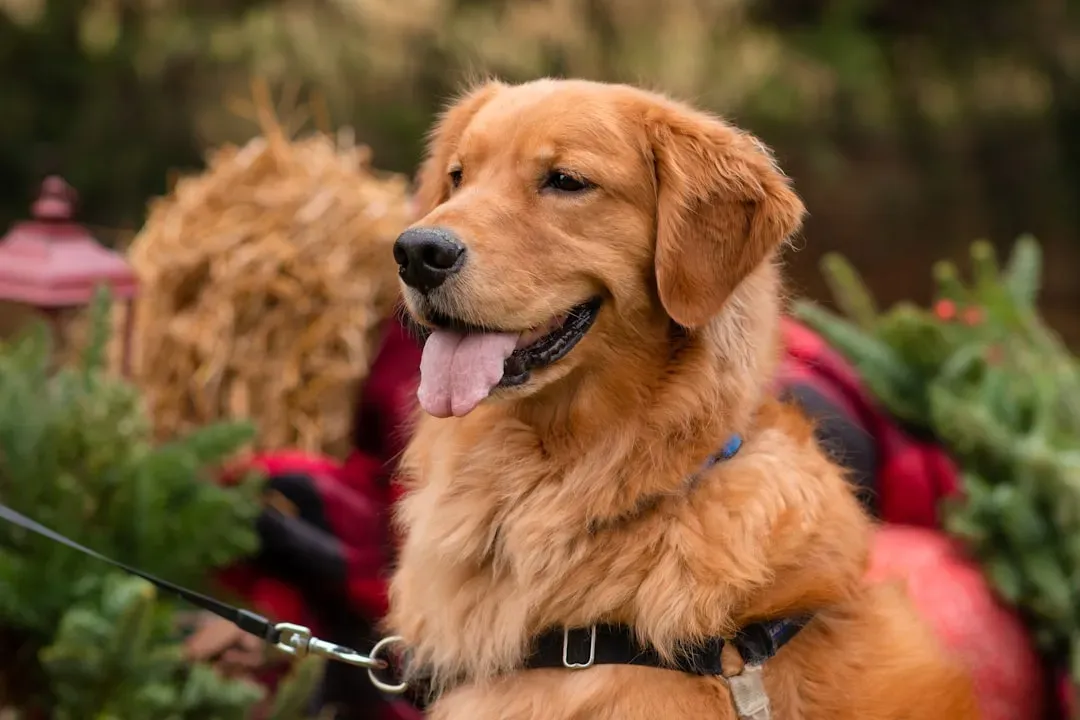
Golden Retrievers are renowned for their friendly and gentle nature, and these medium-to-large dogs are highly intelligent, making them easy to train, and they get along well with children and other pets. Honestly, it’s hard to find a more universally loved breed. Their warmth isn’t just for show either.
Goldens tend to be gentler and calmer when it comes to temperament compared to some other retrievers. They sense when a child needs comfort and adjust their energy accordingly. Goldens are softer in temperament and more focused on their owners, which makes them incredibly attuned to family dynamics.
Watch for signs of hip dysplasia as they age, since it’s common in the breed. The average Golden Retriever lifespan is 10 to 12 years, with cancer being sadly a common concern, particularly hemangiosarcoma and lymphoma. Regular vet checkups help catch issues early.
Labrador Retriever: Playful Yet Patient
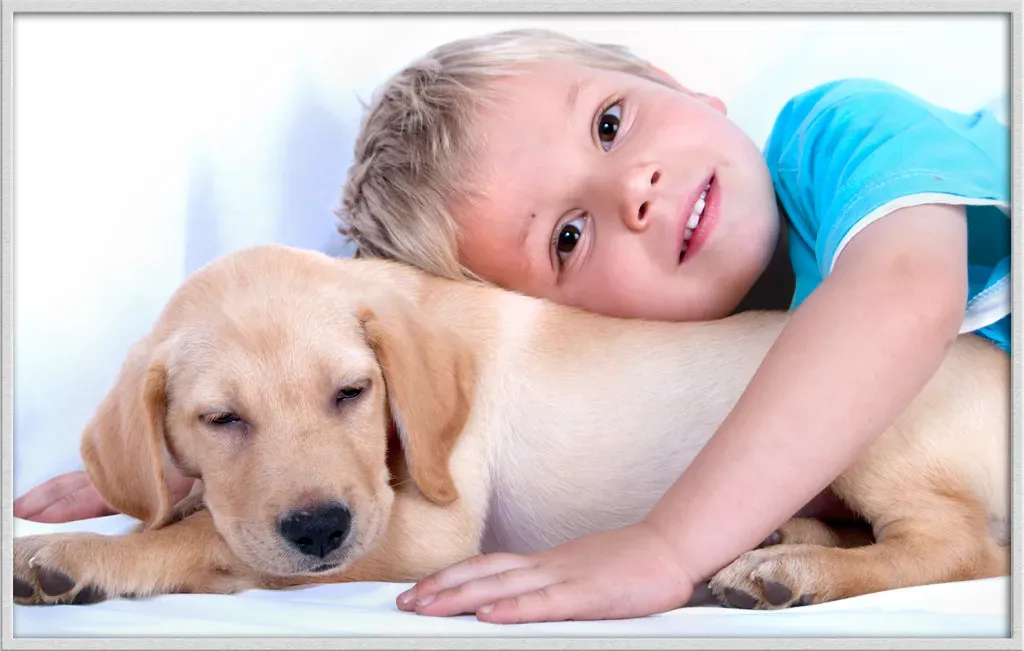
Labrador Retrievers remain one of the most beloved large breeds in the United States, with their cheerful disposition, combined with their playful energy, making them ideal for families with children, and Labs are social, eager to please, and adaptable to both city and suburban lifestyles. These dogs greet every day like it’s the best one yet.
Their food motivation makes training straightforward, though you’ll need to monitor their weight carefully. Labs have endless enthusiasm for outdoor activities, from swimming to fetching, which keeps active families perfectly matched with their energy levels.
Labradors are typically more boisterous and energetic, known for their enthusiastic approach to life, and they’re often more food-motivated and tend to have a more exuberant personality. They’re the friend who never turns down an adventure. Still, that same exuberance means they need proper training from puppyhood to prevent jumping or pulling on the leash.
Newfoundland: The Gentle Water-Loving Giant
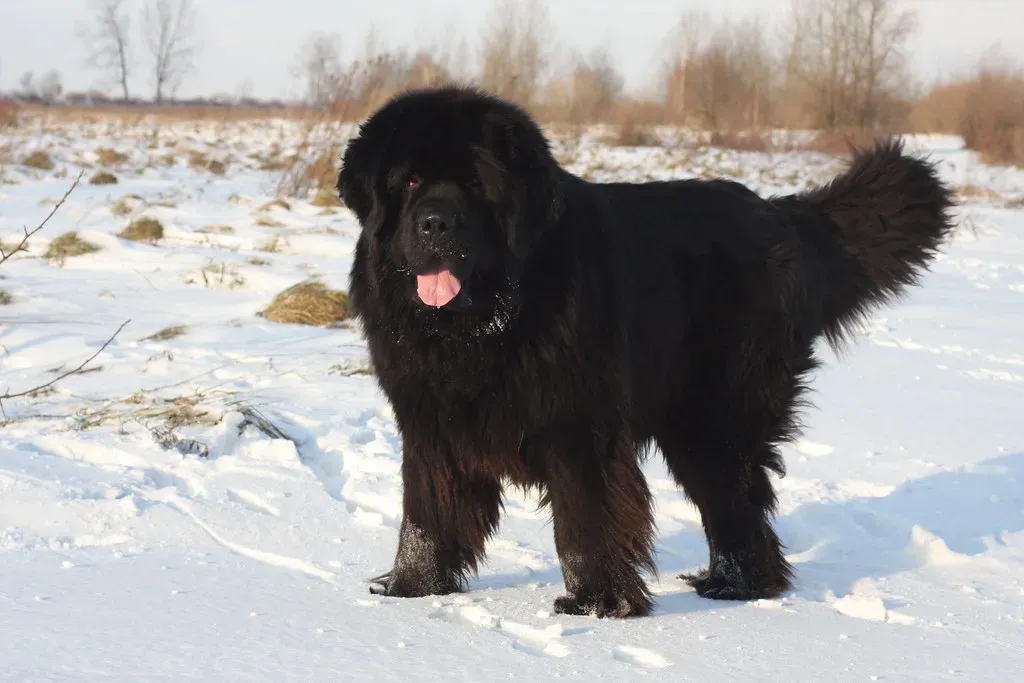
Here’s the thing about Newfoundlands – they’re massive, yet they move with surprising softness. The Newfoundland dog breed is known for being a gentle giant, and when you put their calm demeanor with their highly adaptable nature, Newfoundlands are one of the best dog breeds for families.
Families love Newfies because of their reputation as “nanny dogs,” as they are watchful, kind, and very accepting of kids. They instinctively protect without aggression, creating a sense of safety around children. Their love of water is legendary, so if you have a pool or live near a lake, your Newfie will be in absolute heaven.
Expect considerable drooling and shedding with this breed. Their thick double coat requires regular grooming, and they are prone to health issues like hip dysplasia, bloat, and hypothyroidism. The trade-off? A devoted companion who radiates calm.
Bernese Mountain Dog: The Devoted Farm Dog
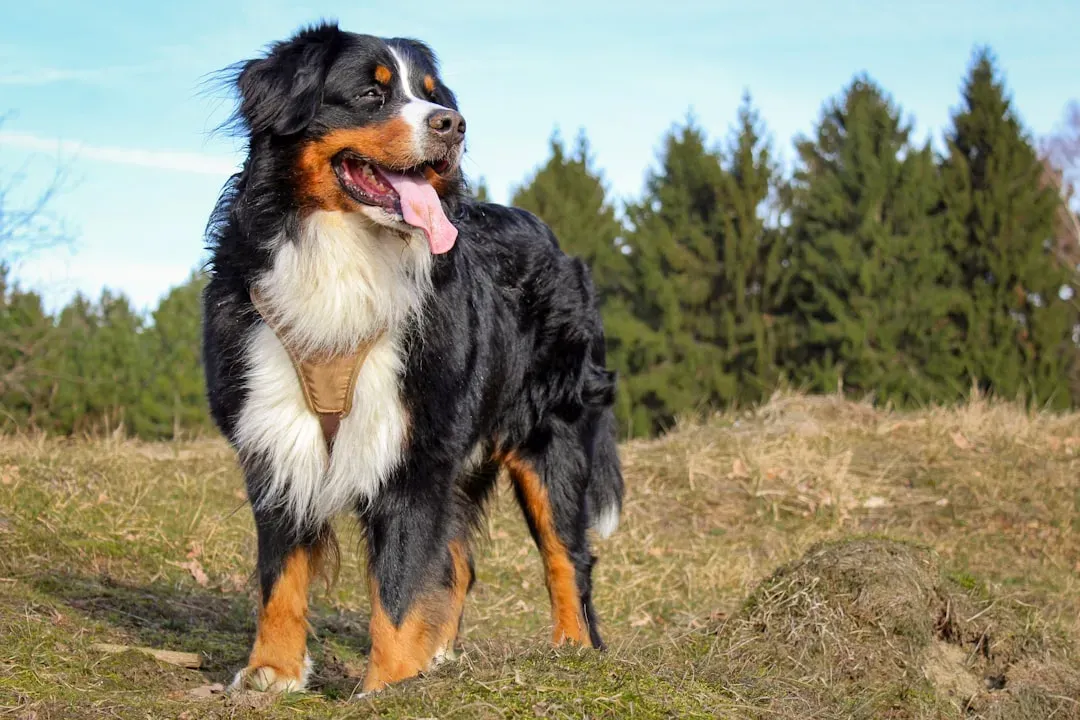
If you dream of a big, fluffy dog with a calm temperament, the Bernese Mountain Dog could be your match, with their striking tricolor coats and gentle eyes, and Bernese are as beautiful as they are affectionate, thriving in homes where they can spend plenty of time with their people. They’re not overly energetic, which suits families looking for a more relaxed giant.
Berners bond deeply with their families and thrive in homes that appreciate their warm, loyal temperament, and they enjoy spending time with people and tend to be patient with children. Picture a dog content to lie at your feet while you work, occasionally nudging your hand for a gentle pat.
Their lifespan tends to be shorter than we’d like, often around eight to ten years. Regular brushing prevents mats in their thick coats, especially around the ears and legs where tangles form easily. It’s heartbreaking how popularity led to some health challenges in the breed.
Great Dane: The Towering Softy
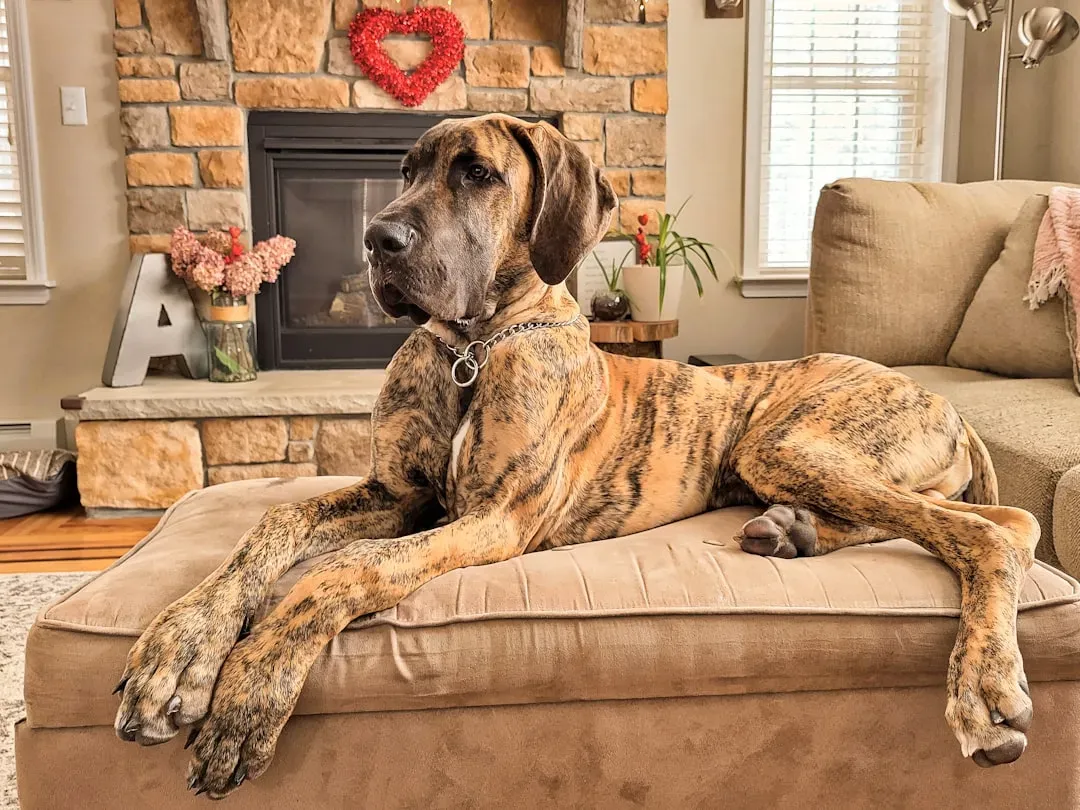
Great Danes carry a presence that turns heads wherever they go, with their calm, noble stride giving them an air of quiet confidence that matches their affectionate nature, and known as the “Apollo of Dogs,” they combine grandeur with a personality that melts even the coldest heart. Despite their intimidating height, they’re surprisingly gentle indoors.
Many Great Danes believe themselves to be lap dogs and love resting near their favorite people, and their affectionate behavior makes them excellent indoor companions. You’ll find yourself sharing the sofa whether you planned to or not. They’re elegant yet goofy, a combination that brings constant smiles.
Watch their exercise carefully during the growth phase, as their joints need protection. Great Danes typically prefer moderate activity that suits their long limbs and large frames. Short, gentle walks work better than marathon runs for these giants.
Saint Bernard: The Alpine Rescue Hero
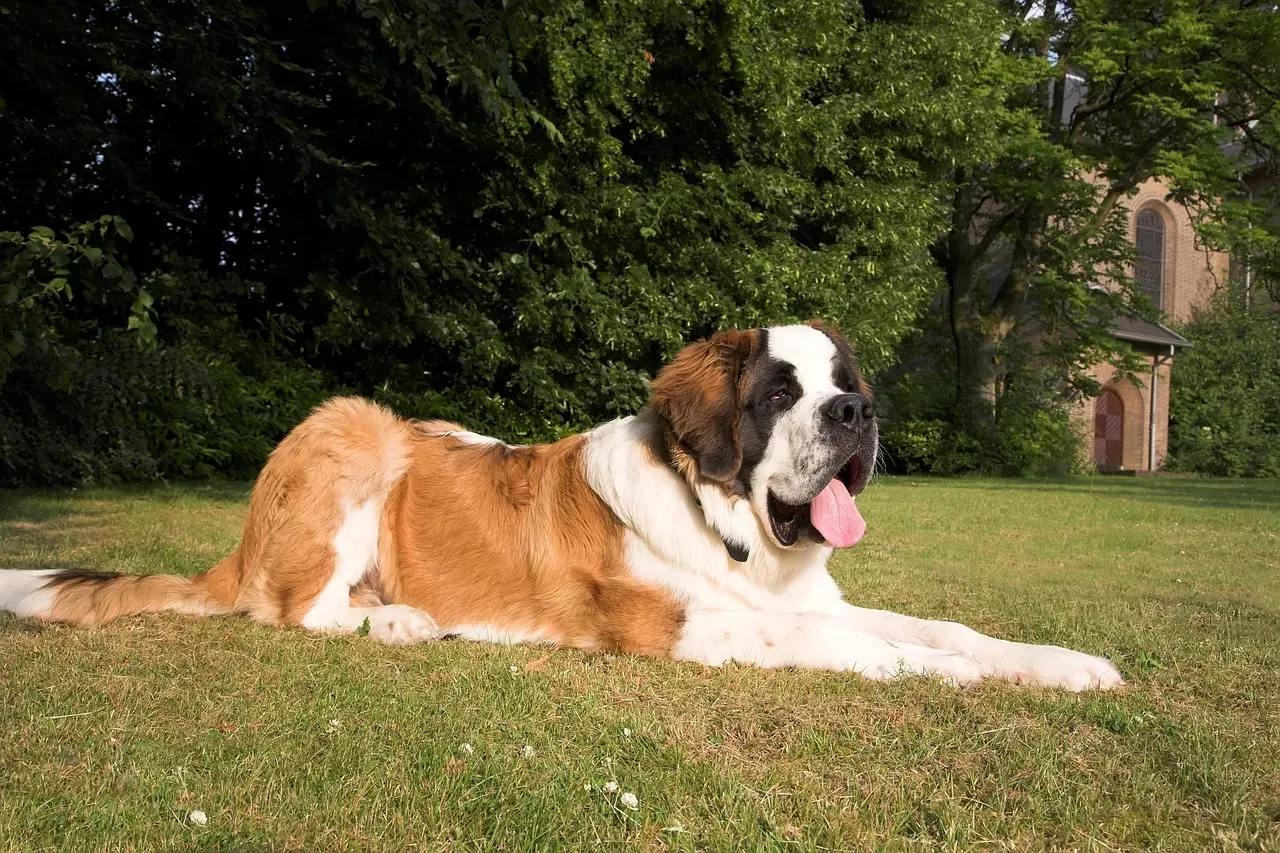
Among the best large dog breeds, the benevolent Saint Bernard definitely lives up to its saintly title, and these warmhearted dogs are slow, patient, and very responsive to training, and they are famous for their rescue work and love playing in the snow with children. Their history as mountain rescue dogs speaks to their incredible temperament.
St. Bernards are known as “gentle giants” for a reason, as they aren’t aggressive or overly energetic, and instead, they are pretty friendly and patient, especially around children. They bring a calming presence to chaotic households. Expect significant drooling though, so keep towels handy throughout your home.
They are affectionate and great with children, earning them the nickname “nanny dogs,” though potential owners should be prepared for drooling, a stubborn streak, and their need for early socialization. Training from an early age helps manage their size before they become too large to control effectively.
Great Pyrenees: The Majestic Guardian
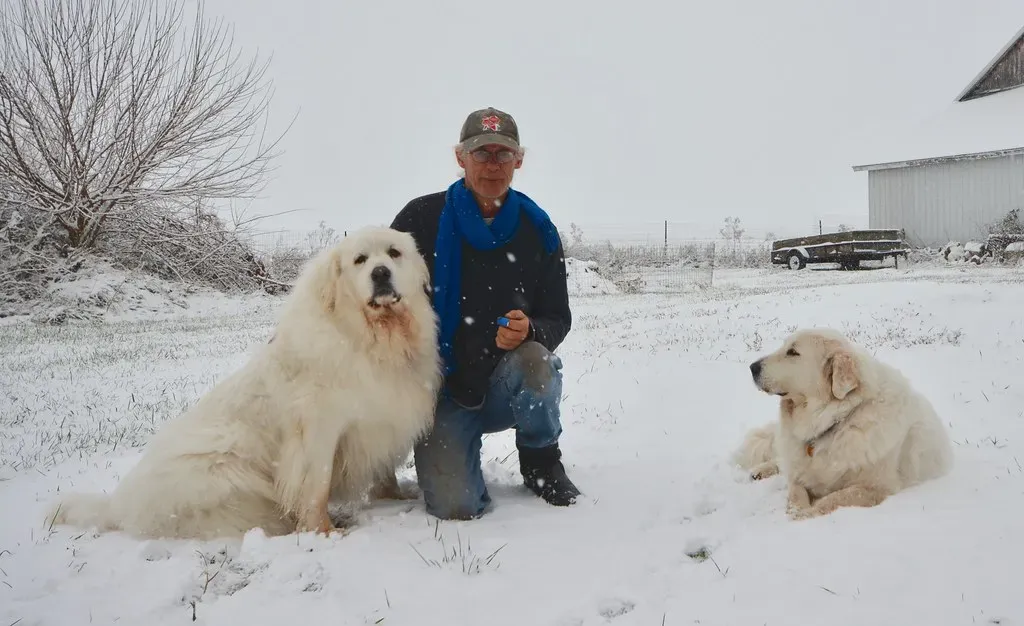
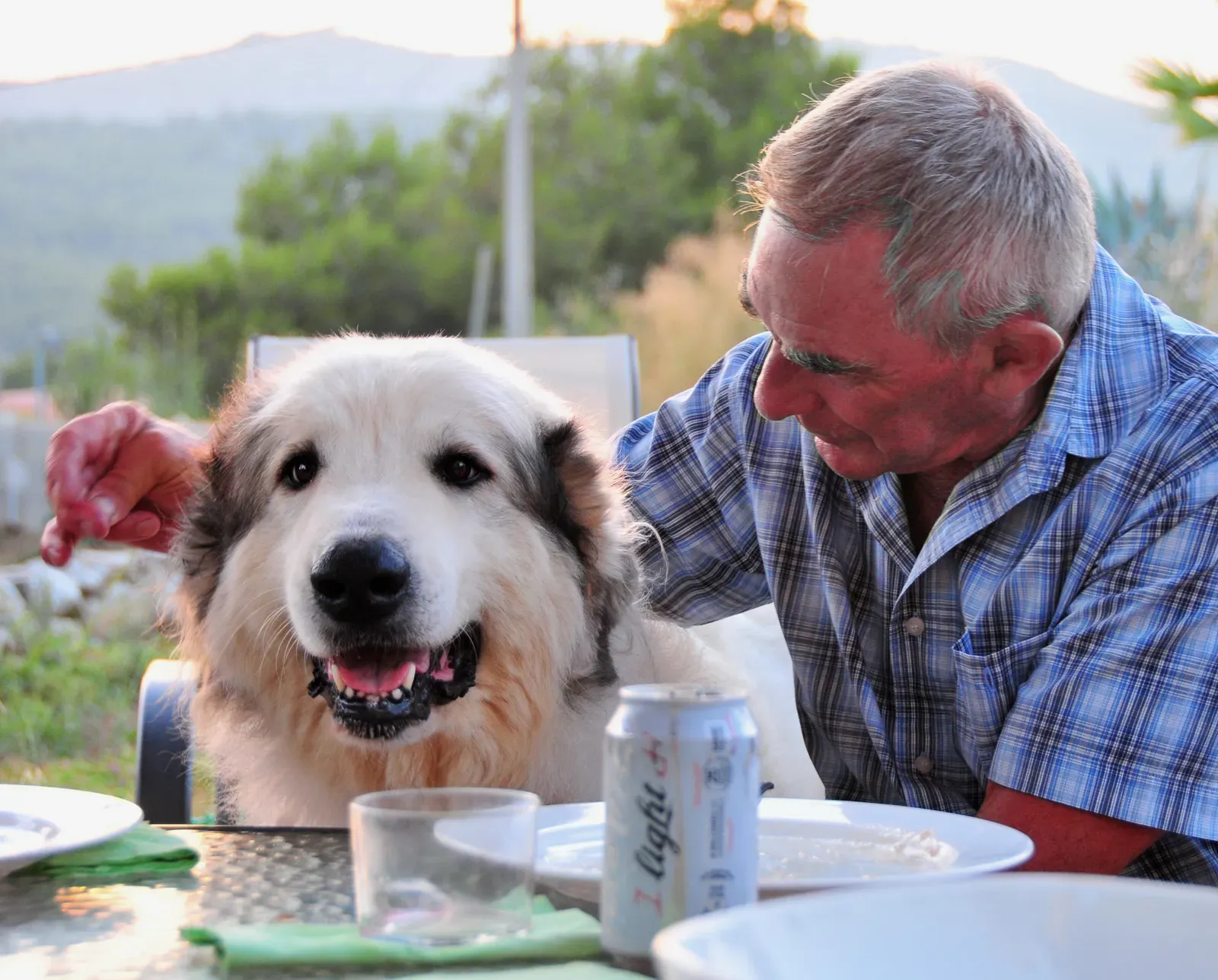
The Great Pyrenees is a majestic livestock-guardian breed known for its thick white coat and calm, confident presence, with its impressive size once helping protect sheep from predators in the mountains of France and Spain, and today, this breed still carries its natural sense of responsibility, and these dogs are gentle with their families, often displaying a thoughtful and patient temperament.
Their protective instincts are deeply ingrained but expressed thoughtfully rather than aggressively. The Great Pyrenees is a calm, affectionate, and loyal dog that adores its family, and despite their gentle nature, they retain a strong instinct to protect their loved ones, which makes them both devoted companions and vigilant guardians.
They tend to bark more than some other gentle giants, alerting you to anything unusual in their territory. Their independent nature means training requires patience and consistency. That gorgeous white coat sheds heavily and needs regular grooming to prevent mats, especially during seasonal changes.
Irish Wolfhound: The Tallest Gentle Soul
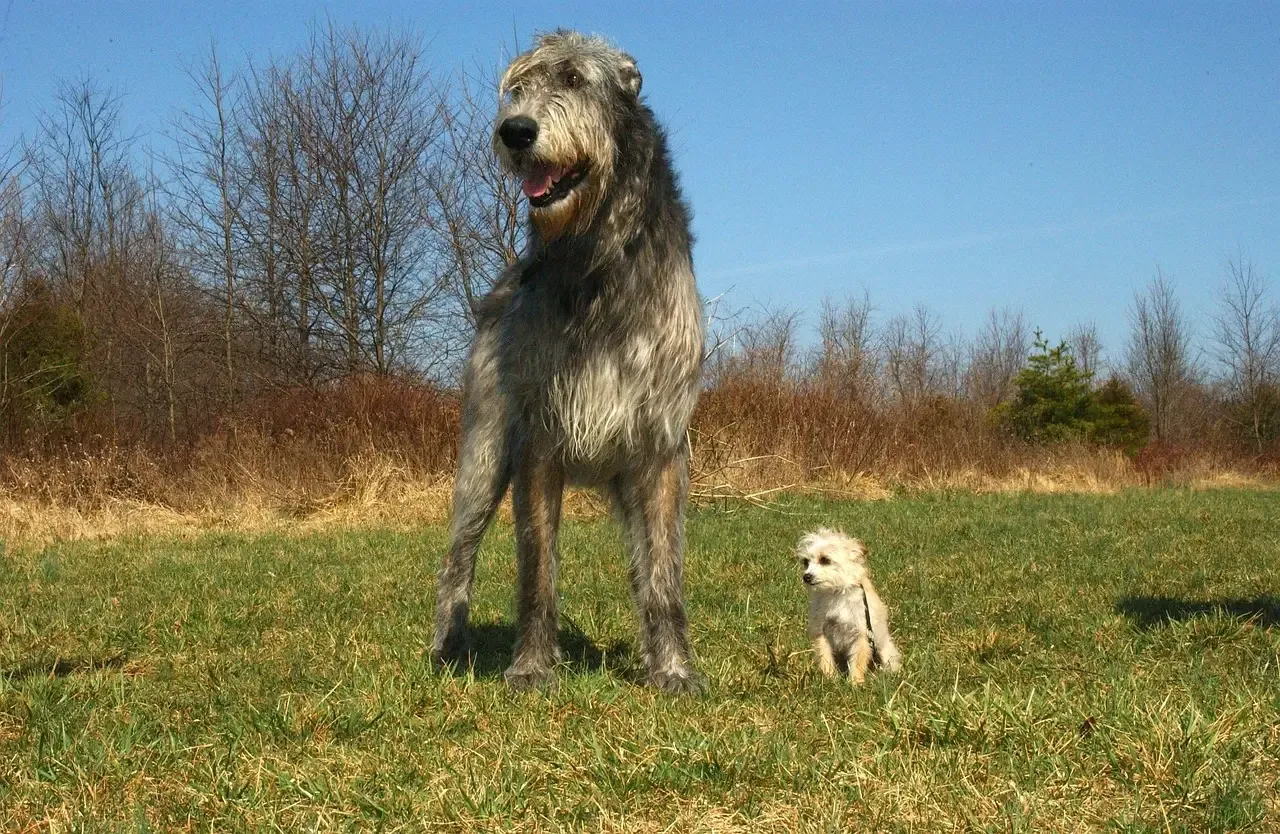
Irish Wolfhounds are known for their calm presence, which pairs beautifully with their massive frame, and their size gives them a natural authority, yet their nature stays steady and approachable. Originally bred to hunt wolves, these dogs are a surprisingly sweet-tempered and calm breed, and although they thrive in places where they can stretch their long legs, Irish Wolfhounds are quiet in the house and respond well to obedience training.
They rarely need to raise their voice to be noticed, as their height alone is enough to make anyone pause, yet their eyes reflect nothing but kindness, and they blend quiet watchfulness with a noble spirit, creating an aura that feels both safe and comforting at home. Think of them as gentle giants in the truest sense.
Their shorter lifespan, often around six to eight years, is one of the hardest parts of owning this magnificent breed. They need space to stretch those incredibly long legs but don’t require intense exercise. Moderate daily walks and room to move comfortably suit them perfectly.
Leonberger: The Lion-Hearted Companion
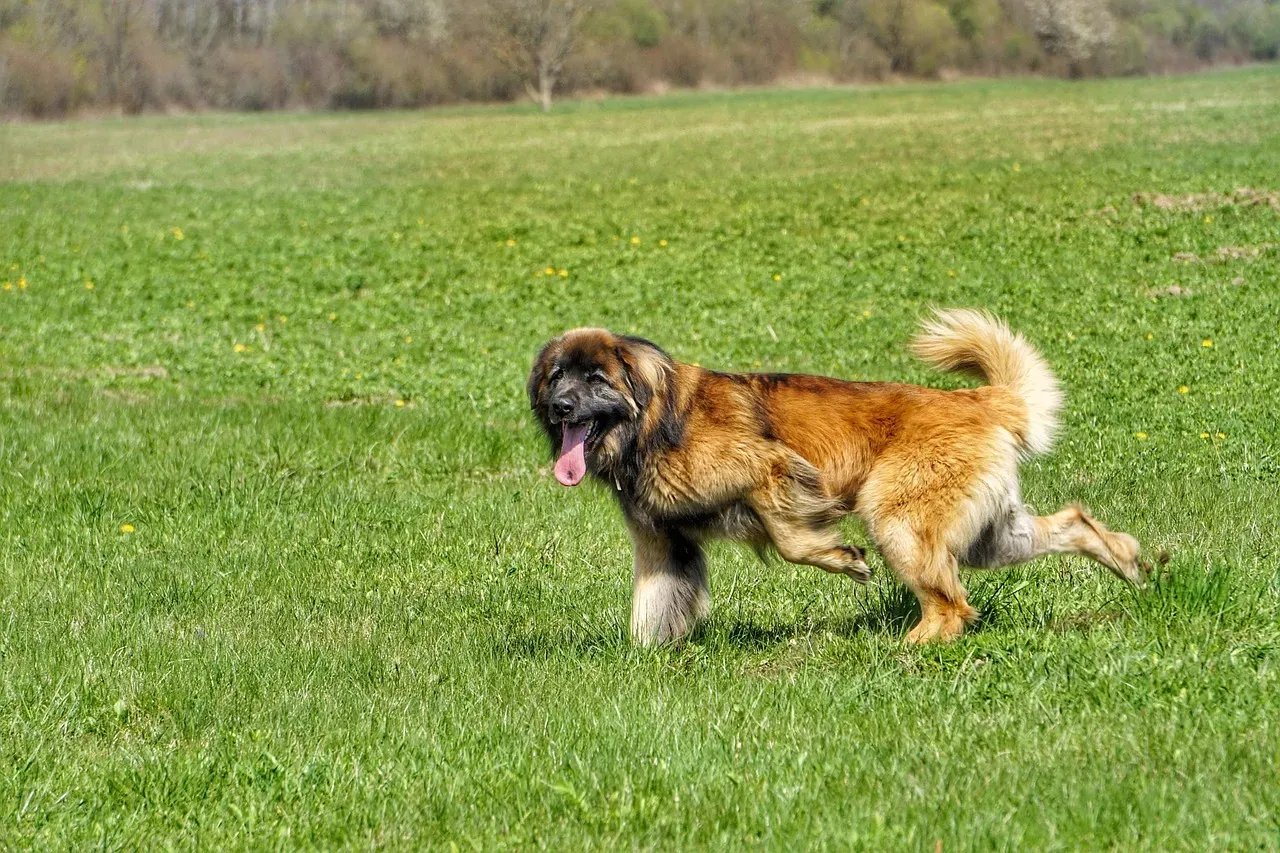
Known for their calm, patient, and friendly nature, Leonbergers are true gentle giants, and they are affectionate with their family, great with children, and get along well with other dogs, and despite their massive size, they are surprisingly playful and social, eager to be a part of family activities and interactions. Their lion-like appearance is striking, with males sporting an impressive mane.
The Leonberger is known as the “gentle lion” for good reason, as these pups are playful, tender and affectionate, and they’re not independent dogs; they prefer to be included in all your fun. They shadow their favorite humans throughout the day, wanting to participate in everything.
A 2026 study found a life expectancy of roughly 10 years for the breed, and according to the Leonberger Health Foundation, cancer is the leading cause of death in Leonbergers, with these dogs being susceptible to osteosarcoma and hemangiosarcoma. Regular health screenings and choosing reputable breeders help minimize risks.
English Mastiff: The Calm Colossal Protector
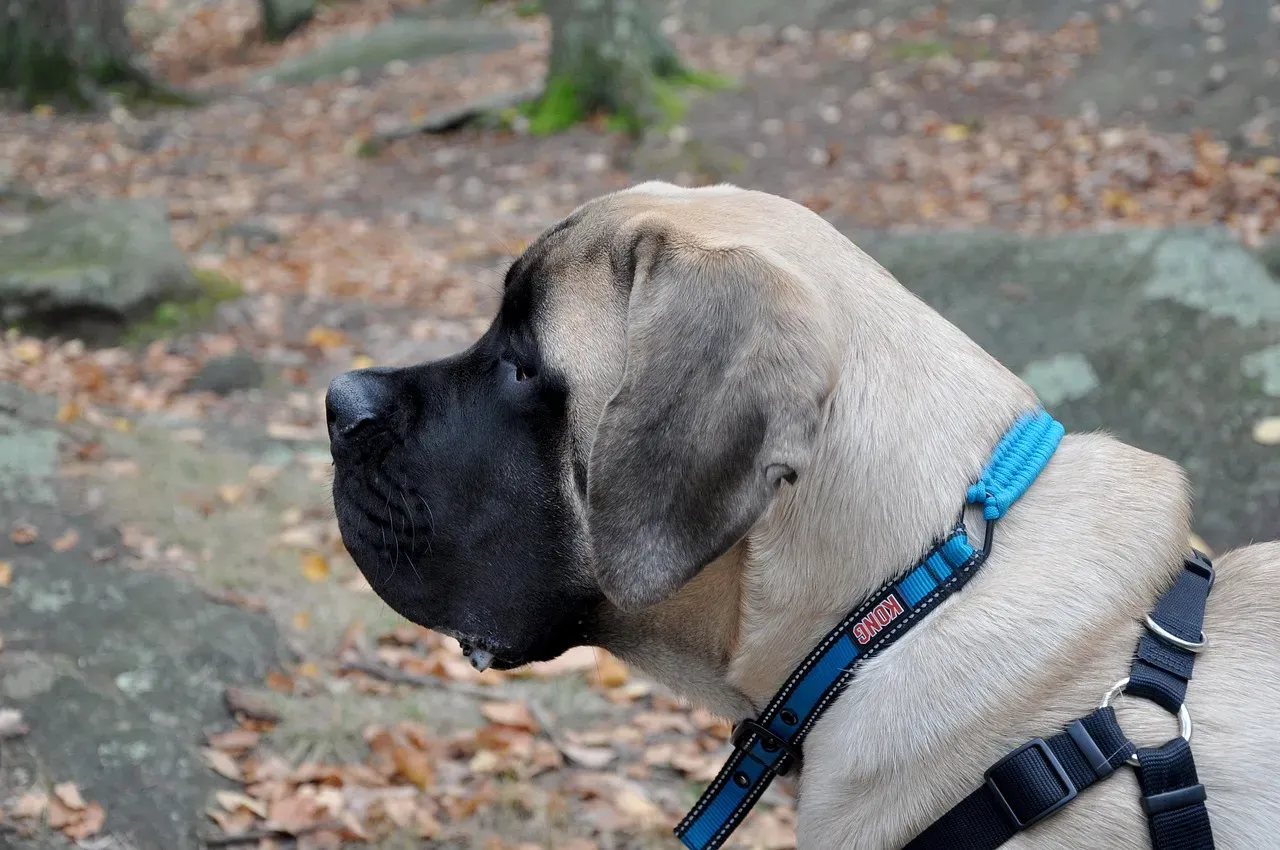
Mastiffs are among the oldest and largest breeds in the world, and despite their massive frames, they are gentle, calm, and deeply devoted to their families, and their protective instincts run strong, which makes them excellent guardians of both home and loved ones. They look intimidating until you see them with their family.
Loyal and courageous, English Mastiffs have big hearts and a gentleness that makes them excellent family dogs, and with proper socialization, Mastiffs get along well with children, and chances are kids will love them back just as much. They’re content with a relaxed lifestyle and moderate daily walks.
These formidable and dedicated dogs will gladly put up with countless silly antics from household children while protecting them from harm when needed. The downside? Considerable drooling and shedding require daily maintenance. Their shorter lifespan of six to ten years means every moment with them becomes precious.
Choosing Your Gentle Giant Wisely
Bringing home a gentle giant means committing to their unique needs. These dogs require space, regular veterinary care for size-related health concerns, and early training before they reach full size. Each breed has distinct quirks, from the Newfie’s love of water to the Great Pyrenees’ protective barking.
Consider your lifestyle honestly before choosing. Active families might thrive with an energetic Labrador, while those seeking a calmer companion could prefer a Bernese or Mastiff. Remember that gentle doesn’t mean easy – these dogs need consistent training, socialization, and plenty of love.
The reward? A loyal friend whose size is matched only by the enormousness of their heart. They’ll teach your children empathy, fill your home with warmth, and remind you daily that the best things in life often come in the largest packages. What would you choose – regal elegance or playful devotion? The perfect gentle giant is waiting.


