

Picture this: you come home after a long day, and your couch is in pieces. The trash is scattered across the kitchen floor. Your favorite pair of shoes? Gone. You look around and there sits your beautiful, big dog – tail wagging, eyes wide, completely unbothered. Sound familiar?
Behind each chewed-up shoe or bit of shredded couch cushion hides a simple truth: dogs are smart, emotional beings, and their needs extend far beyond food, water, and a comfy bed. It’s natural to want to call a misbehaving dog “naughty,” but it’s much more productive to consider their behavior a request for more attention, purpose, and engagement. Here’s the thing – it’s not rebellion. It’s a cry for help. And if you own one of these ten large breeds, understanding what’s driving that chaos could honestly change everything. Let’s dive in.
1. German Shepherd: The Overachiever Who Goes Off the Rails Without a Job
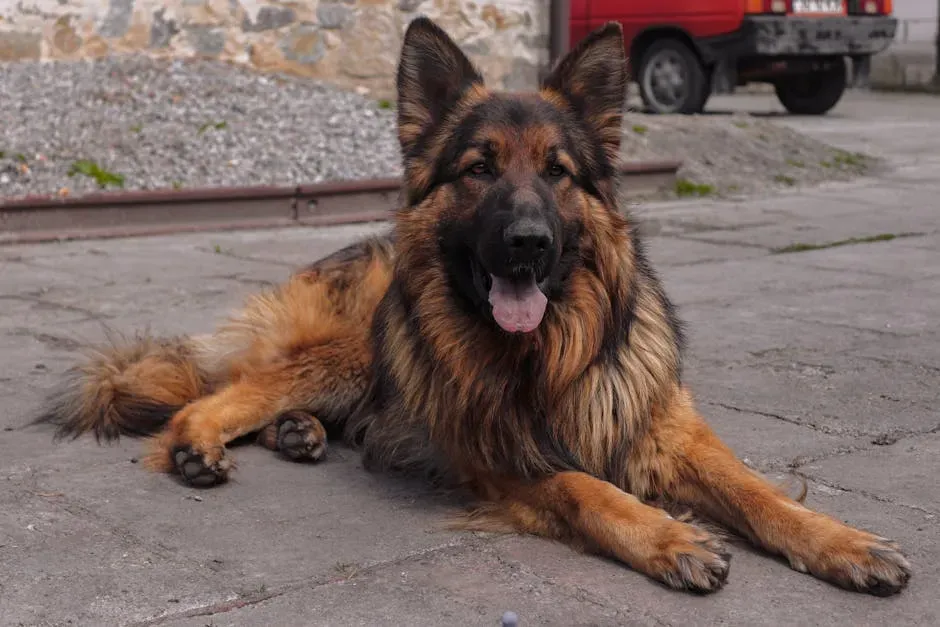
German Shepherds are known for their high energy levels and intense need for mental stimulation. Left alone or under-stimulated, they can easily turn to chewing and digging to relieve their boredom or anxiety. Think of them like that brilliant coworker who becomes a complete nightmare when there’s nothing on their to-do list. They need purpose constantly.
Your furniture, shoes, and garden may quickly become casualties if your German Shepherd doesn’t have an appropriate outlet for their energy. Originally bred for herding, these dogs are also quite protective and may exhibit destructive behavior when they feel their home territory is threatened. Prevention tip: Interactive toys, obedience training, and plenty of playtime can help keep your German Shepherd happy and your home intact.
2. Labrador Retriever: The World’s Favorite Dog With a Secret Destructive Streak

The number one most destructive dog breed, according to some research, is the Labrador Retriever. This might surprise many, given their reputation as excellent family pets. However, their high energy levels and intelligent minds can sometimes lead to mischief if not properly managed. Honestly, it’s a bit of a gut punch. You think you’re getting a gentle family dog, and instead you also get a part-time demolition crew.
Labradors are an active breed with lots of energy to burn. Without sufficient exercise, this energy can be redirected into unwanted behaviors like chewing, digging, or generally causing a ruckus around the house. Their intelligence can be a double-edged sword. While it makes them highly trainable, it also means they require a lot of mental stimulation. Boredom can quickly lead to destructive behavior with this breed.
3. Rottweiler: A Gentle Guardian Turned Chaos Machine When Understimulated

Rottweilers are large, powerful dogs known for their loyalty and protective nature. However, they are also highly intelligent and energetic, which means they can become bored if not properly stimulated. The contrast is striking, really. At their best, Rottweilers are calm and devoted companions. At their worst? They are 100-plus pounds of frustrated energy with a powerful jaw.
When a Rottweiler is bored, they can become destructive, often turning to behaviors such as chewing, digging, and even aggressive behavior towards other animals or people. They need regular exercise, mental challenges, and consistent training to keep them happy and prevent boredom-induced destruction. Providing them with a job to do, whether it’s obedience training, protection work, or even participating in dog sports, can help channel their energy in a positive direction. Rottweilers also thrive on social interaction with their owners, so spending quality time with them daily is essential.
4. Siberian Husky: The Escape Artist Who Rewrites the Rules of Your Home
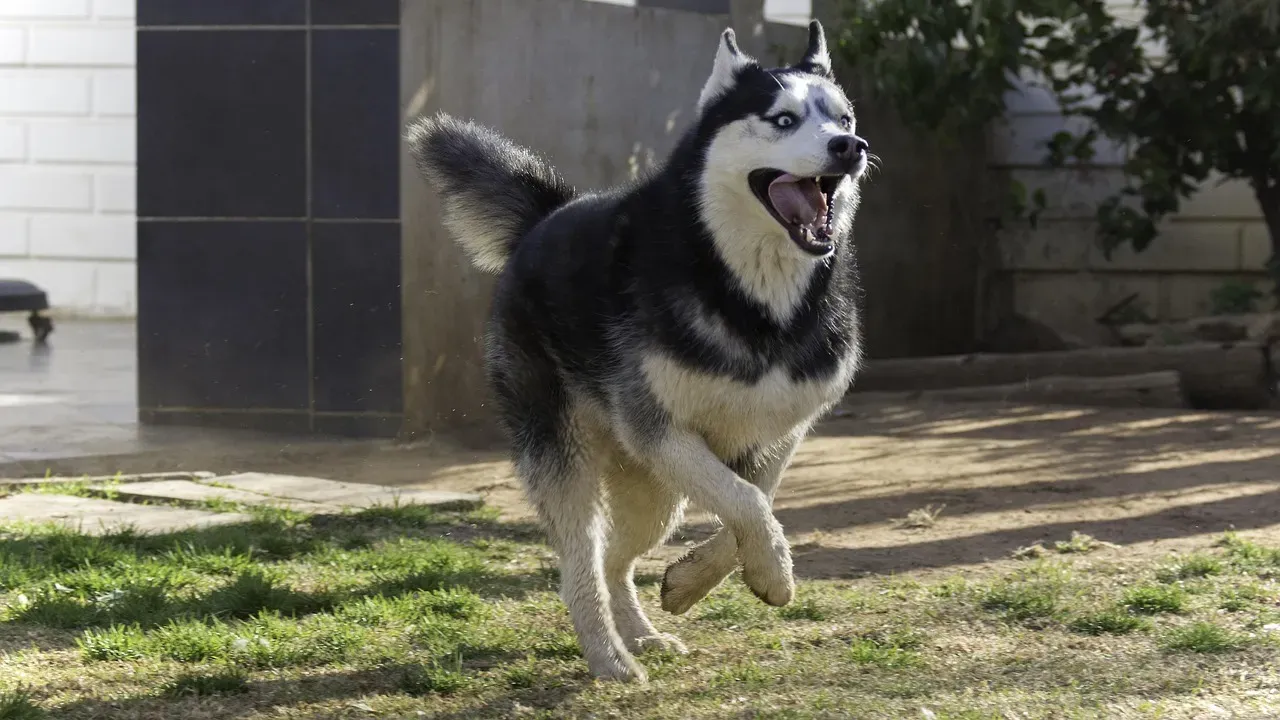
Originally bred as sled dogs, Siberian Huskies have boundless endurance. These athletic and intelligent dogs also have a reputation for being escape artists. Keeping them mentally stimulated using enrichment techniques is essential to help prevent boredom and any escapee situations. I think of Huskies as nature’s little anarchists. They will find the one weak spot in your fence. They always do.
Huskies were originally bred to pull sleds across icy tundras, which means they are high-energy dogs with a thick double coat and a deep need for stimulation and space. When stressed or bored, they may contemplate and act on destructive behaviors. If left in the backyard, Huskies are notorious for their escape attempts. Give them a puzzle toy, a long run, and a job to do. Or brace for the consequences.
5. Belgian Malinois: The Canine Athlete That Needs a Mission Every Single Day
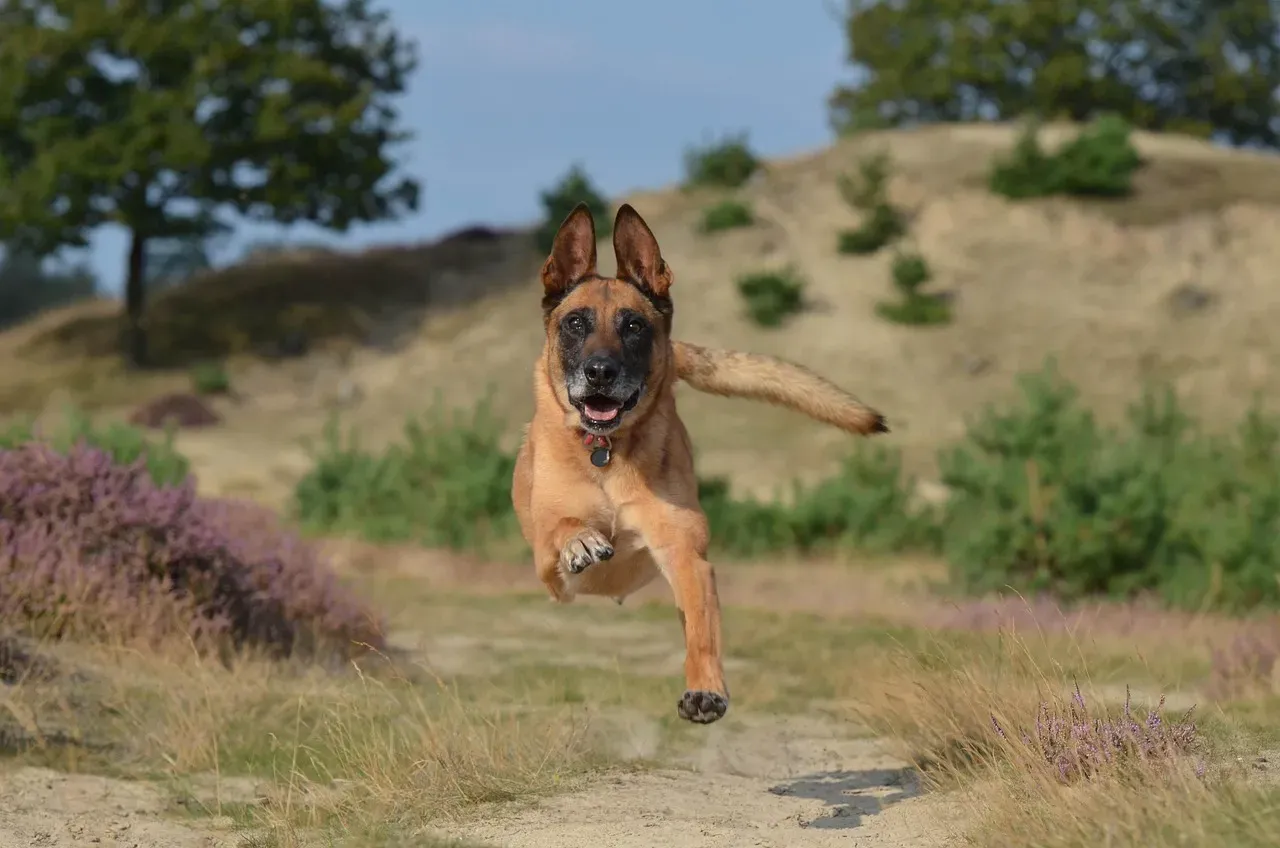
Having a sleek appearance and agile build, the Belgian Malinois has long been serving as a police and military breed. Belgian Malinois are extremely intelligent and have a high drive. They need rigorous exercise to keep their sharp minds engaged. This is not a dog you adopt because it looks cool on Instagram. This is a dog you adopt when you are fully prepared to become a part-time athletic trainer.
Their athletic build and high energy levels mean they require lots of exercise for both physical and mental stimulation to stay fit. Lack of adequate exercise can lead to destructive behavior. They enjoy activities like herding, tracking, agility, and games of fetch. Daily structure is not optional for this breed. It is survival for your household.
6. Boxer: The Overgrown Puppy Who Never Quite Grows Up

Boxers are playful, affectionate, and endlessly energetic. They act like puppies well into adulthood and love constant attention. While that can be fun, it also means they don’t settle down easily and can be pushy or destructive if bored. There is something endearing about a dog that just refuses to mature. Until you realize your grown Boxer just destroyed a brand new sofa pillow in three minutes flat.
Boxers tend to have a strong urge to gnaw and chew, so they need to be trained from a young age on what is not appropriate to chomp on. They have strong, powerful jaws, and while all puppies tend to be mouthy, Boxers often retain this trait as adults. As an active breed, Boxers have a low boredom threshold, which makes them more likely to help themselves to what they may view as a perfect chew toy.
7. Weimaraner: The Velcro Dog That Falls Apart When Left Alone

Weimaraners are elegant, sleek, and high-maintenance in every sense. They’re energetic, emotionally sensitive, and very attached to their people. They don’t do well left alone and need lots of structured activity to stay calm. Without enough stimulation, they become destructive and anxious. If German Shepherds are the overachievers, Weimaraners are the sensitive artists. Beautiful. Intense. Completely unhinged when ignored.
Weimaraners are known for their striking appearance and boundless energy. Originally bred as hunting dogs, these dogs have high stamina and need a lot of exercise to stay content. Weimaraners are better suited for homes with ample space to run and exercise. According to PDSA, they need at least two hours of exercise every day. Two hours. Every day. Plan accordingly.
8. Doberman Pinscher: The Loyal Protector Who Needs Structure Like Air

Dobermans are highly athletic and need daily physical exercise, including brisk walks and opportunities to run. Just as important is mental stimulation – training sessions, puzzle toys, and varied activities help prevent boredom. Let’s be real: a bored Doberman is one of the more alarming things you can encounter in a home setting. They are powerful, clever, and deeply in need of direction.
Their personality does not lend itself well to long periods of isolation. This breed was designed to work closely alongside people, and too little companionship can quickly lead to frustration and behavioral issues. Owners who work long hours away from home may struggle to meet a Doberman’s emotional needs. Dobermans are happiest when they have a job to do. They excel in police work, military service, search and rescue, and competitive canine sports.
9. Border Collie: The Genius Who Will Outsmart Your Home If You’re Not Careful

Border Collies are often hailed as one of the most intelligent dog breeds in the world. Originally bred to herd sheep, these dogs have an almost endless energy supply and a sharp mind that thrives on problem-solving and challenges. It’s hard to say for sure, but I genuinely believe Border Collies are plotting at all times. Smart is an understatement. These dogs need their minds stretched every single day.
This combination of intelligence and energy means that Border Collies can quickly become bored if they’re not given enough to do. When bored, they can become destructive, turning their attention to chewing, digging, and even herding children or other pets in the home. Border Collies need a job to do, whether it’s actual herding, agility training, or other forms of mental and physical exercise. Owners must be prepared to dedicate a significant amount of time each day to exercising and engaging with their dogs to prevent boredom and the resulting destructive behavior.
10. Great Dane: The Gentle Giant Whose Boredom Has a Very Large Footprint
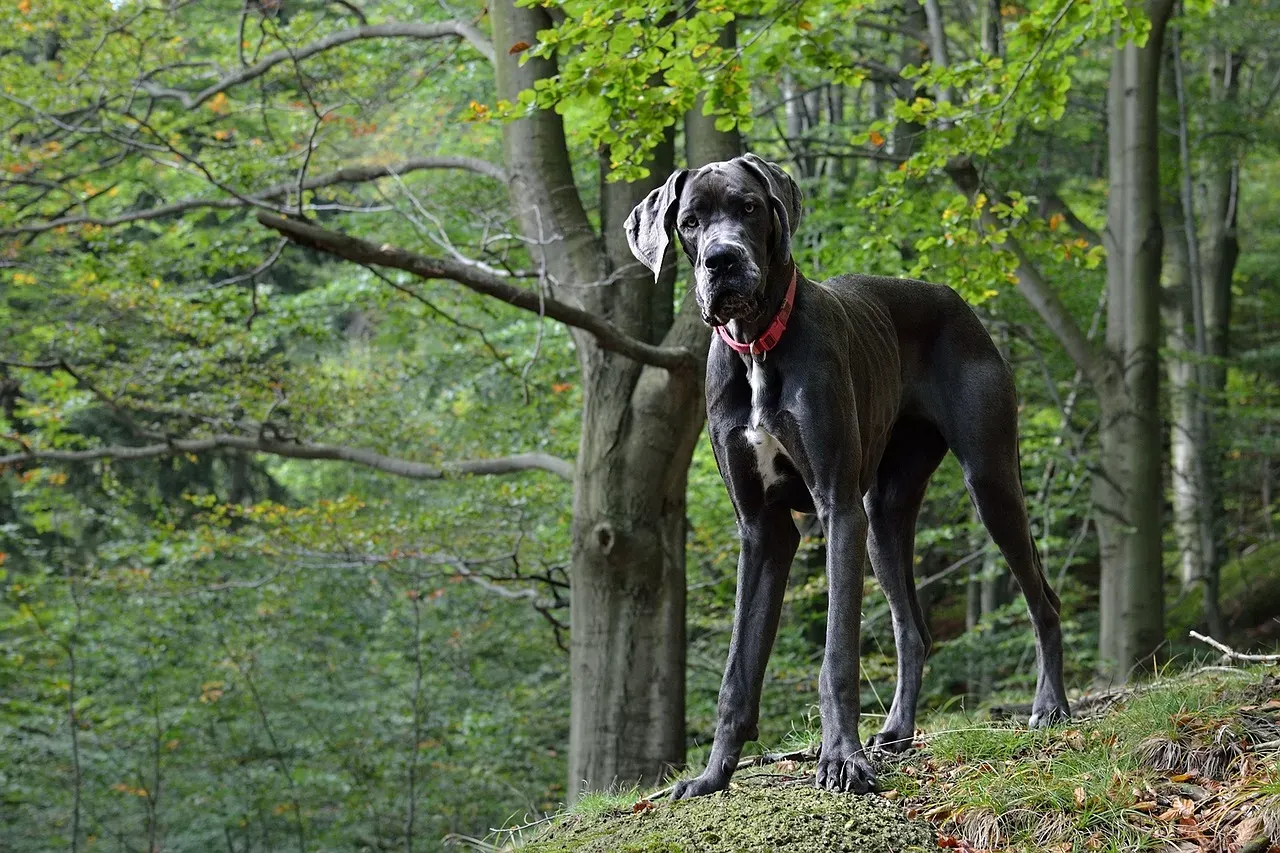
They may be gentle giants, but don’t mistake their chill moments for low maintenance. Great Danes eat a lot, need space, and require close monitoring for health issues. Their size alone demands attention – training, socialization, and control are non-negotiable. Think of a bored Great Dane as a very slow, very large bulldozer. They are not moving fast, but everything in their path is getting knocked over.
Giant breeds such as Great Danes require 45 minutes to an hour of moderate exercise to prevent joint stress. While this is less than some high-energy breeds, the emotional need for companionship is just as intense. Dogs are inherently social animals. They have a natural tendency to form strong ties with people and other dogs because they evolved to survive in packs. Without companionship and stimulation, some dogs are prone to developing emotional or behavioral issues, which may lead them to engage in destructive behaviors. Great Danes feel this deeply.
Final Thoughts: Your Dog Isn’t Bad – They’re Just Bored

Many breeds were developed for specific purposes such as herding, guarding, and retrieving, and when modern life does not provide a need for those, they invent their own “jobs” – like chewing furniture or barking at every leaf that falls outside the window. That context matters so much. Your dog is not trying to ruin your life. They are trying to survive the monotony of one.
A tired dog will spend most of its time sleeping rather than destroying your home, so try to begin each day with a good long walk or run. Pair that with puzzle feeders, training games, and quality time together. Ensure you dog-proof your home to minimize the opportunities for your dog to display destructive behavior, exercise your dog both physically and mentally, and always leave them with toys and stimulation to avoid boredom and stress.
You chose a big, brilliant dog. Now give them the big, brilliant life they were built for. What would your dog say if they could tell you exactly what they needed today?


