
Picture this: you’re retired, looking for a loyal canine companion to share your golden years with. You visit the local shelter and fall head over heels for that massive, gentle-looking pooch wagging his tail in the corner. But before you sign those adoption papers, let me share something important with you. While every dog deserves love, some large breeds come with unique challenges that might be tougher to handle than you’d expect, especially as we get older.
German Shepherds: The Beautiful Workhorses That Never Rest

You know that iconic image of a German Shepherd – proud, intelligent, absolutely stunning. These dogs were literally born to work, and that drive doesn’t just disappear when they move into your living room. German Shepherds need at least two hours of daily exercise and require regular mental challenges through consistent training and positive reinforcement. Think about it – can you commit to two solid hours of vigorous activity every single day?
The mental stimulation part is equally demanding. Without enough physical and mental stimulation, they can become restless and destructive. I’m talking about chewed furniture, destroyed gardens, and escape attempts that would make Houdini proud. These dogs are brilliant, but their intelligence works against them when they’re bored.
Labrador Retrievers: The Energizer Bunnies of the Dog World

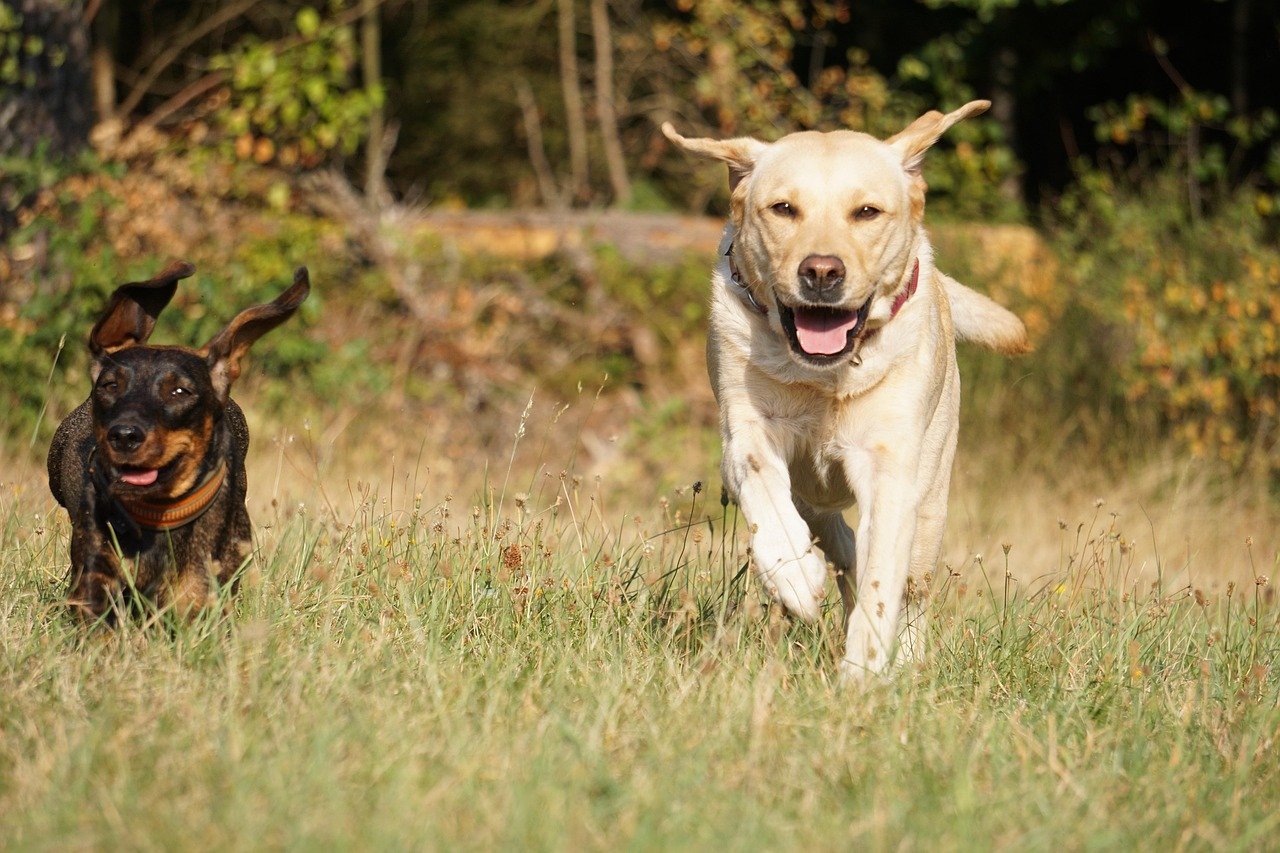
Don’t let those adorable commercials fool you. The energetic nature of Labrador Retrievers may be challenging for seniors to keep up with, especially if they have limited mobility or energy levels. These dogs are like that friend who always wants to go hiking at 6 AM – every single day.
Labrador Retrievers require a significant amount of attention, time, and exercise to stay mentally and physically healthy and happy. We’re talking about dogs that need multiple walks, interactive play sessions, and mental challenges throughout the day. Without enough exercise and proper training, they can become bored and develop destructive habits.
Siberian Huskies: The Beautiful Escape Artists
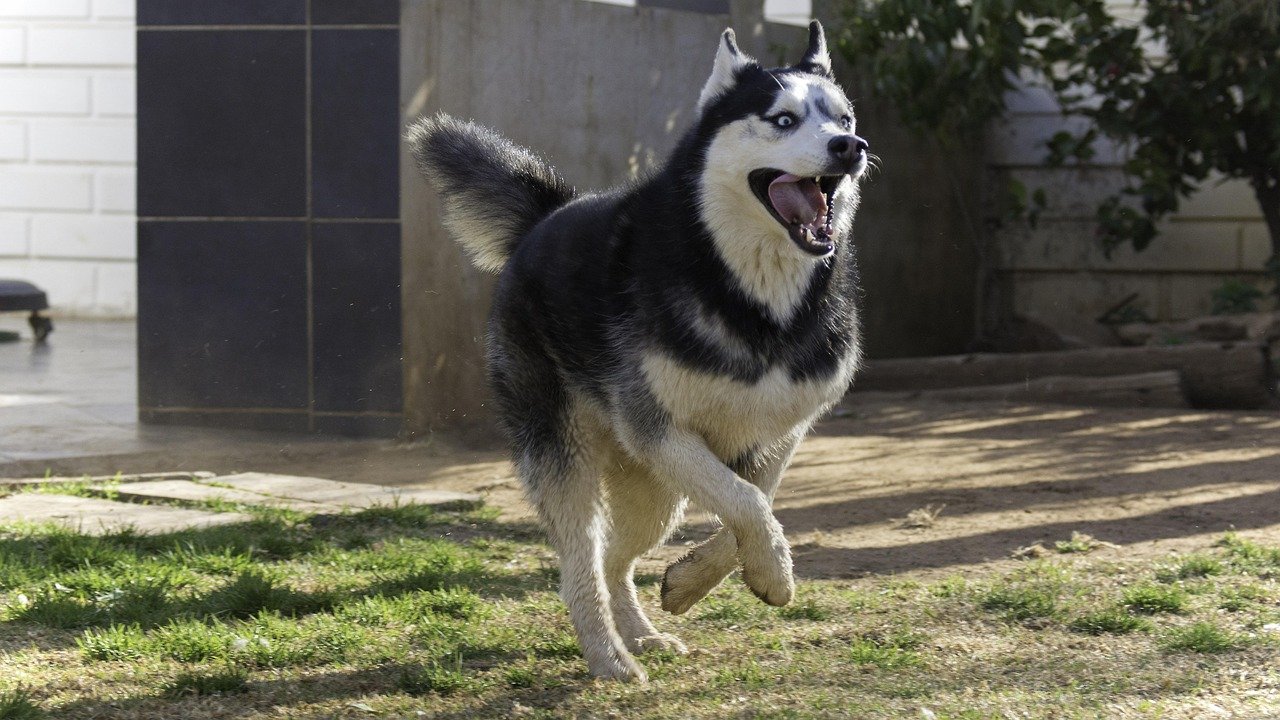
Those piercing blue eyes and that wolf-like beauty are absolutely mesmerizing, aren’t they? But here’s what most people don’t realize about Huskies. These large dogs require a fair amount of playtime, exercise, and activity to keep them mentally stimulated and physically fit. Think marathon runners, not Sunday strollers.
What makes Huskies particularly challenging is their independent streak. Huskies can be somewhat more stubborn than other breeds when it comes to training, which may pose challenges for seniors who may need a dog with a more obedient and adaptable nature. They’re also notorious escape artists who can dig under, climb over, or find their way through just about any barrier you put up.
Saint Bernards: The Gentle Giants That Require Giant Care
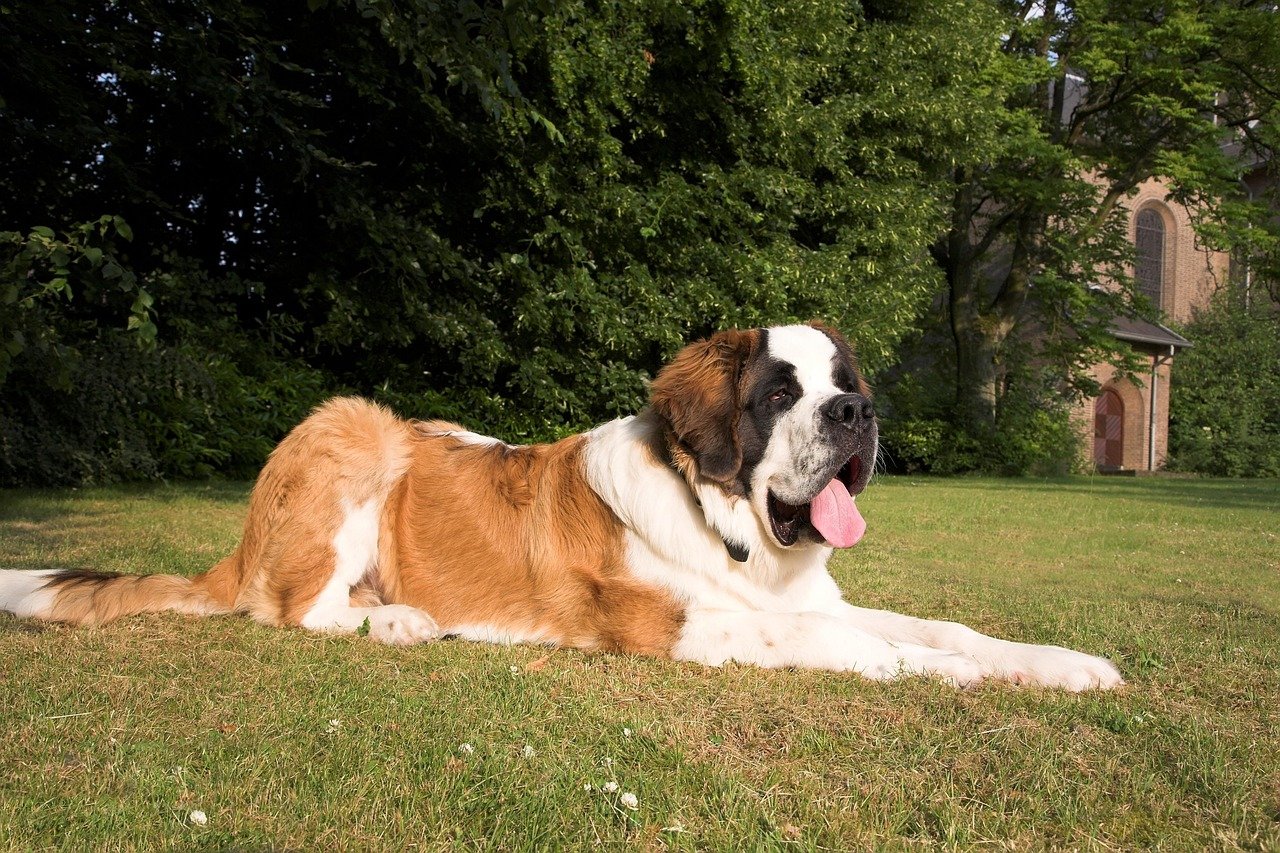
Saint Bernards embody the term “gentle giant” perfectly, but their size creates real challenges for senior owners. Although its temperament makes the dog an excellent choice for people of all ages, its size and strength tend to make it too difficult for children or seniors to manage. We’re talking about dogs that can weigh up to 180 pounds – that’s more than many adult humans!
The practical considerations are overwhelming. The Mastiff’s size is the major challenge to its upkeep. It requires a large area in which to stretch out and sleep and also requires a large vehicle in which to travel. The Mastiff is an expensive dog to own, especially with respect to food. Plus, the breed is not a good choice for fastidious housekeepers, as its drool is a constant feature.
Great Danes: The Apartment-Sized Dogs with Hearts of Gold

Great Danes are often called “gentle giants,” and their temperament truly lives up to that name. However, living with one is like sharing your space with a small horse. The first thing you’ll notice about any Saint Dane, even the puppies, is that they’re really, really big. Males typically weigh 140-175 pounds and females 110-140 pounds.
The sheer logistics of caring for a Great Dane can be overwhelming. Everything from their food bowls to their beds needs to be super-sized, and they can knock over smaller humans with a big jump. When you combine their size with their lifespan – typically shorter than smaller breeds – the emotional and physical toll can be significant for seniors.
English Mastiffs: The Living Room Bulldozers
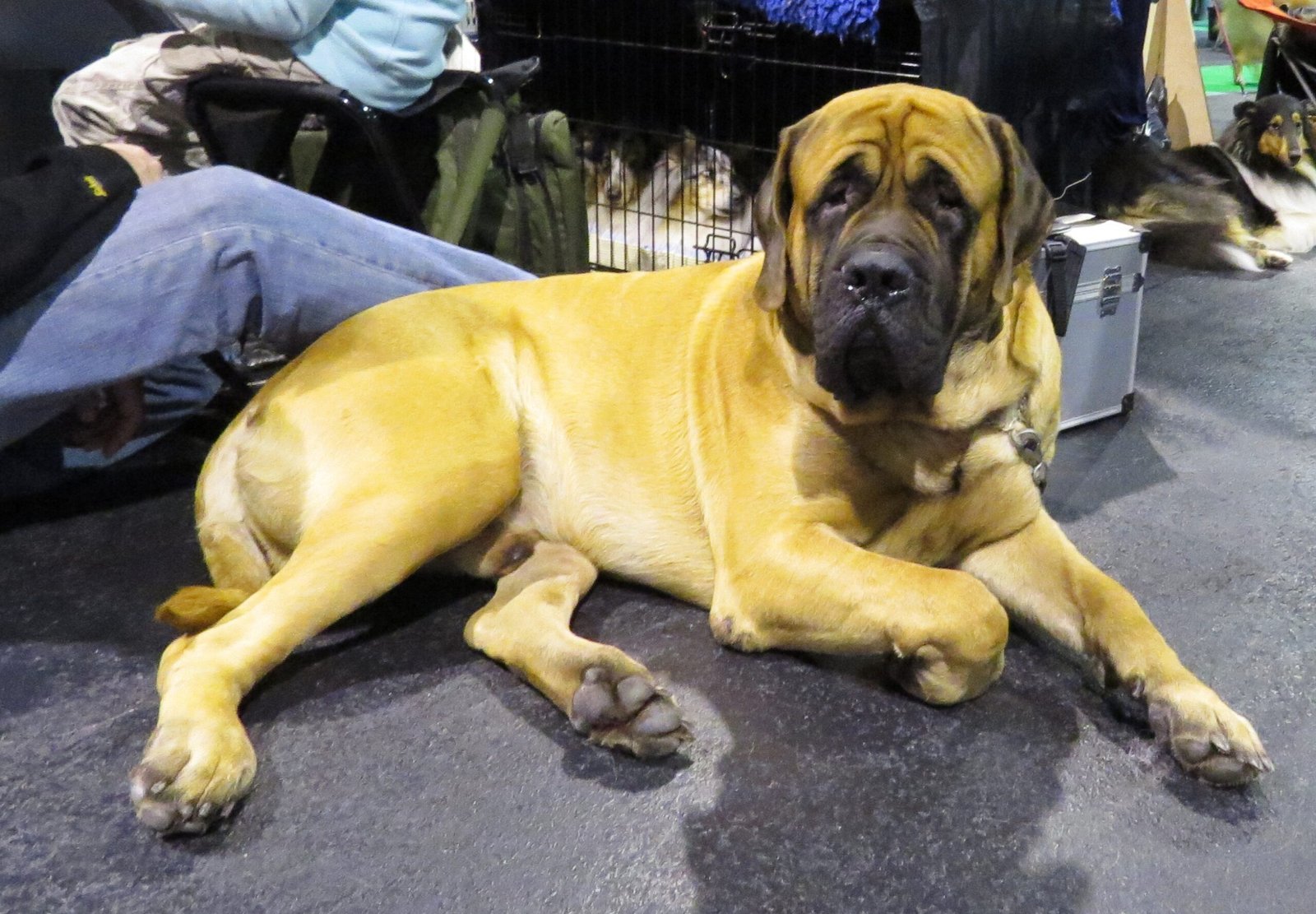
English Mastiffs are truly magnificent creatures, but they present unique challenges for seniors. English Mastiffs are among the heaviest dog breeds, significantly outweighing wolves by 50+ kg (110+ lbs) on average. Males can weigh as much as 240 pounds and females 210 pounds. Most males weigh between 170 and 200 pounds and females 150 to 180.
Although its temperament makes it an excellent choice for people of all ages, its sheer size and strength can make it too difficult for children or seniors to manage, and its low energy level and sheer bulk make it a poor choice for families seeking a hiking or jogging companion. Imagine trying to give medication to a 200-pound dog who doesn’t want to cooperate, or dealing with an emergency vet visit.
Bullmastiffs: The 100-Pound “Lap Dogs”

Bullmastiffs might be smaller than their English Mastiff cousins, but they’re still substantial dogs. The Bullmastiff breed standard sets the weight for the dogs at 110 to 130 pounds for males and 100 to 120 pounds for females. That’s still a lot of dog to handle, especially if they decide to lean on you or try to be a lap dog!
Instilling good habits like staying off the furniture and not jumping on people must begin early since they’re much more challenging to manage when they weigh over 100 pounds. The training window is crucial because correcting behavior problems in a 120-pound dog requires physical strength and assertiveness that many seniors might not possess.
Border Collies: The Canine Einsteins That Never Switch Off
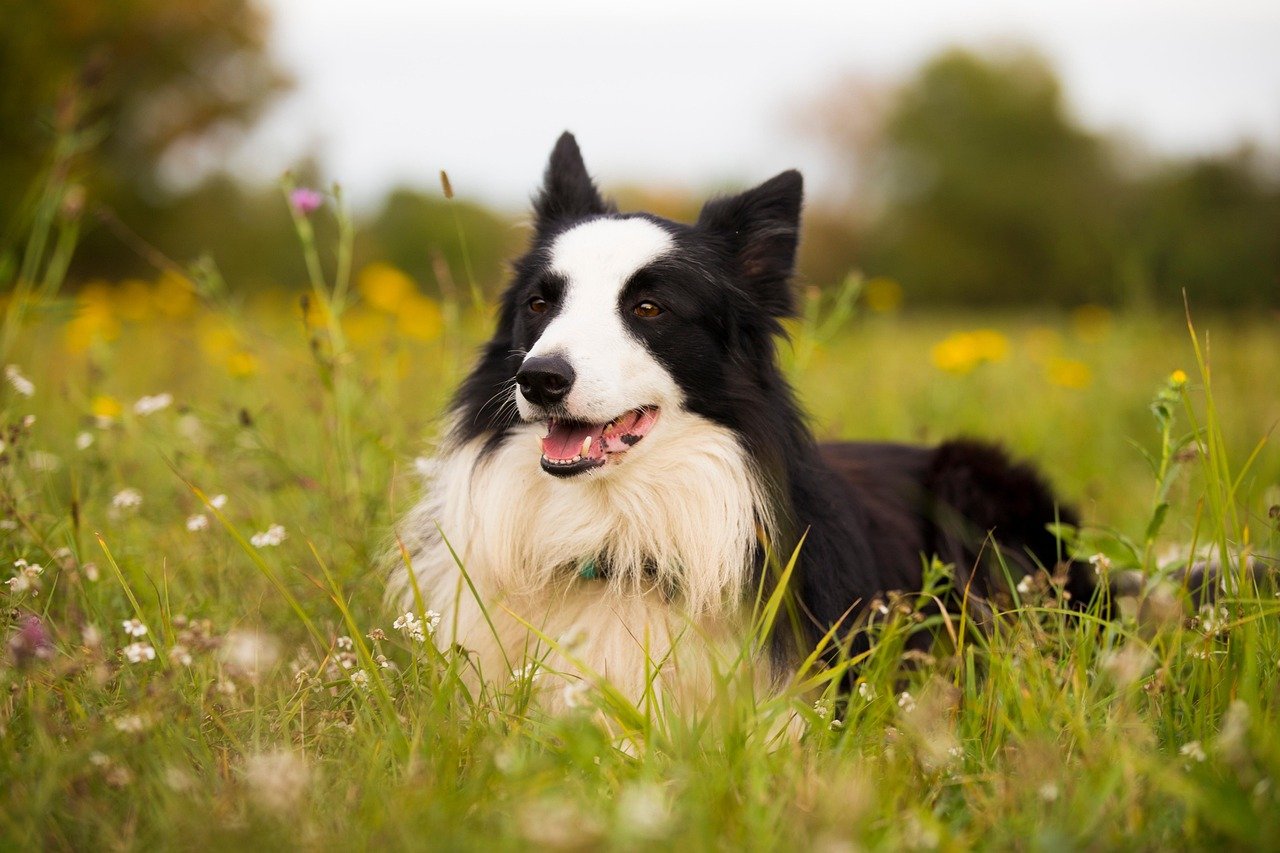
Border Collies are absolutely brilliant – and that’s precisely the problem. Border Collies are medium-sized dogs known for their intelligence and high energy levels. They require a significant amount of physical and mental stimulation to thrive. These dogs don’t just want a job; they need one, and they’ll create their own if you don’t provide it.
If they do not receive enough exercise and mental enrichment, they can become bored and may exhibit destructive behaviors. This breed is not suitable for seniors who have a sedentary lifestyle or live in small spaces like apartments. Additionally, Border Collies have a herding instinct, which may lead them to try and herd other animals. This behavior can be challenging to manage, especially if the senior has other pets in the household.
Australian Shepherds: The Ranch Dogs in City Bodies
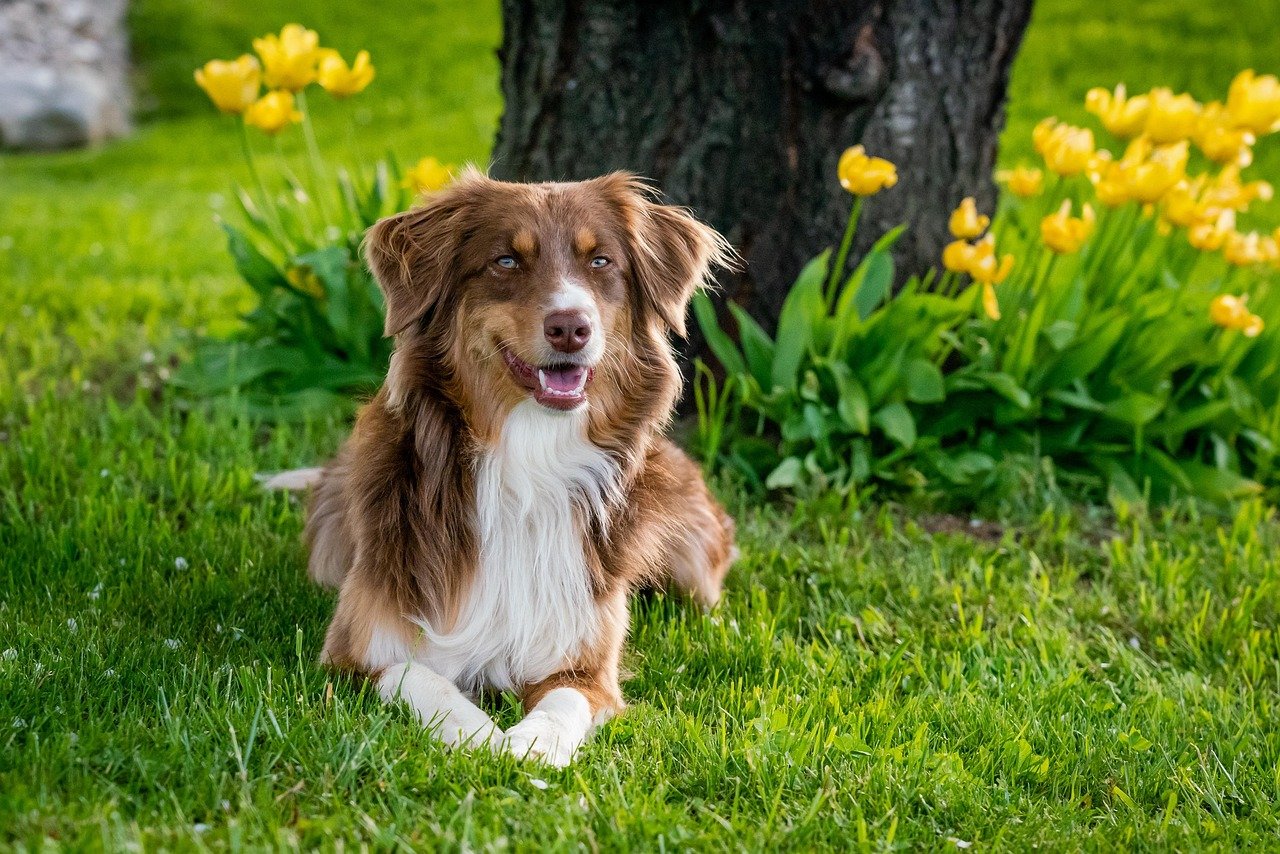
Australian Shepherds were first bred in the 1800s on U.S. ranches to herd livestock and are closely related to the Border Collie, this breed is known for intelligence and a strong work drive. These aren’t city apartment dogs – they’re working ranch animals at heart.
The exercise requirements are intense. This herding breed is always on the move. They need at least an hour of daily exercise – walks, runs, bike rides, hikes, backyard games, or canine sports. Without these activities, they get bored and can become anxious or even destructive. Seniors may find it hard to match this level of activity.
Rottweilers: The Powerful Protectors That Need Strong Leadership

Rottweilers are incredible dogs with unwavering loyalty and natural protective instincts. However, breeds with more aggressive temperaments, such as Dobermans and Rottweilers, are generally not recommended for seniors. These dogs can be challenging to control and may present safety concerns, especially for older individuals.
Breeds like the Saint Bernard, Great Dane, and Rottweiler are known for their size and strength. Large and powerful breeds, on the other hand, might be physically demanding for seniors. While they might not require as much exercise as high-energy breeds, their sheer size can make them difficult to manage. The combination of size, strength, and protective instincts requires confident, experienced handling.
Conclusion: Love Isn’t Always Enough
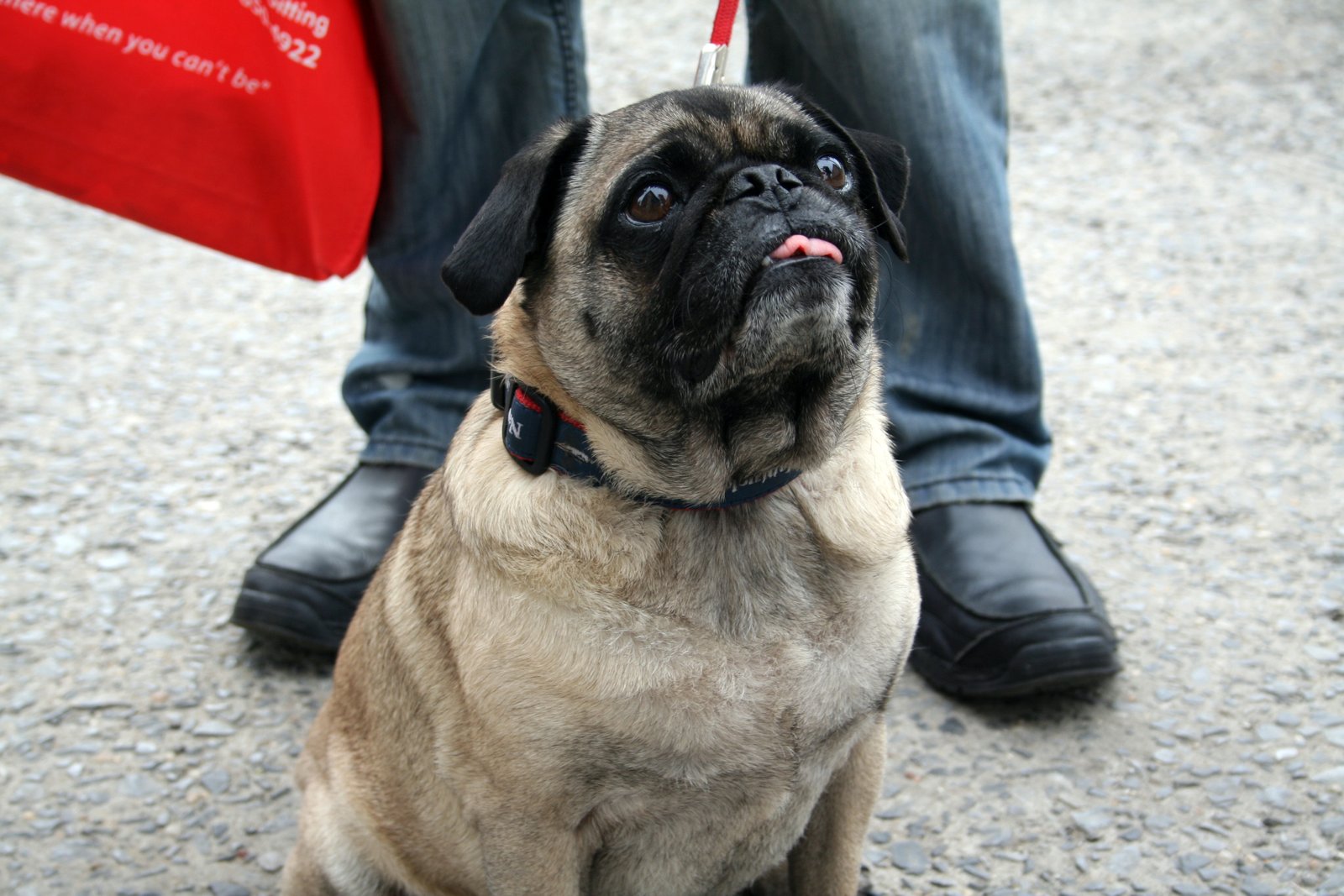
I want to be crystal clear about something – this isn’t about these breeds being “bad” dogs. Every single breed I’ve mentioned can make wonderful, loving companions for the right person. The issue isn’t with the dogs; it’s about finding the right match for your lifestyle, physical capabilities, and living situation.
When selecting a dog, seniors should consider their physical capabilities, lifestyle, and housing situation. It’s important to choose a breed whose exercise needs match the senior’s activity level. Smaller, less active breeds are often better suited for seniors who have mobility issues or live in smaller spaces. The goal isn’t to discourage you from dog ownership – it’s to help you find a furry friend who’ll bring joy without overwhelming challenges.
Remember, choosing the right dog is one of the most important decisions you’ll make. Take your time, be honest about your limitations, and don’t let your heart overrule your head. The perfect companion for your golden years is out there waiting for you – it just might not be the 150-pound gentle giant you first fell in love with. What matters most is finding a match that works for both of you, don’t you think?


