
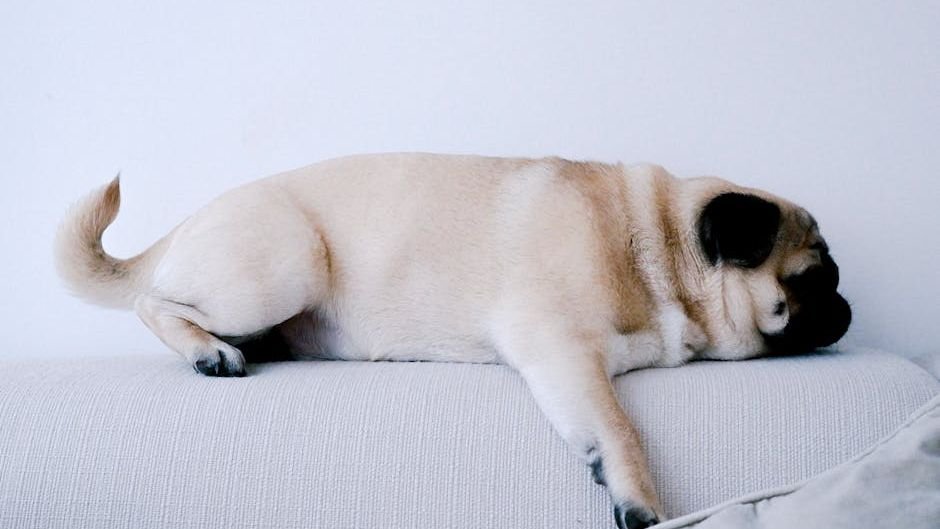
Picture this: it’s a Sunday afternoon, the sofa is calling your name, and your dog has been napping for the past three hours without a single care in the world. Sounds like a dream, right? For millions of dog lovers, that dreamy scene is a daily reality. Not every dog wants to run marathons or chase frisbees until sundown. Some breeds were simply built for a slower, snugglier kind of life.
Low-energy dogs have a reputation for being content to spend the day snoozing or watching activity unfold around them, rather than running around looking for a job to do. These breeds can be a great fit for households that want the companionship of a dog without the commitment of spending several hours each day expending a pet’s energy. Honestly, that sounds pretty perfect to me. Whether you live in a cozy apartment, you’re a senior looking for a gentle companion, or you just prefer cuddles over chaos, this list is for you. Let’s dive in.
1. English Bulldog: The Reigning Couch Champion
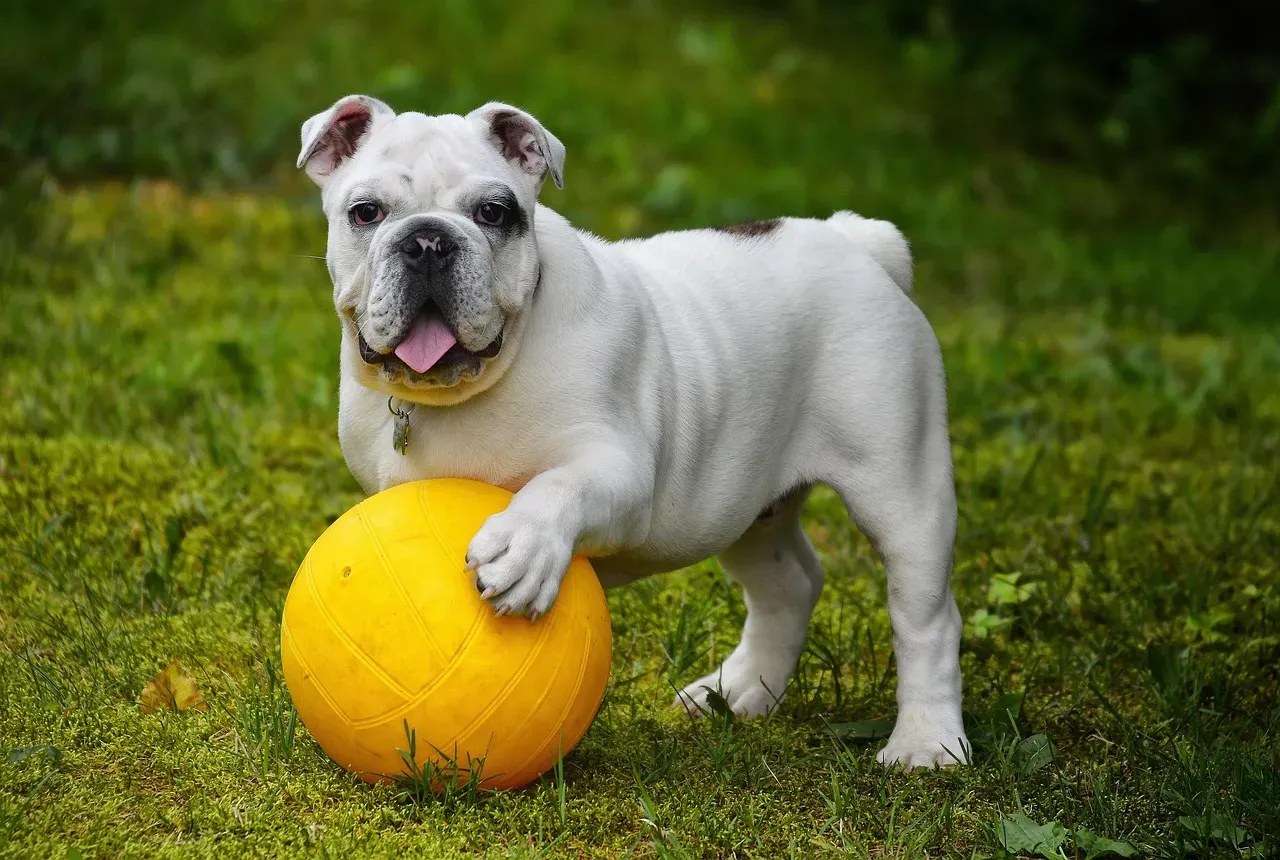
If French Bulldogs are low-energy, English Bulldogs are practically stationary. These 40 to 50 pound dogs are the ultimate couch potatoes, requiring only about 20 to 30 minutes of exercise daily in the form of short, slow walks during cool weather. Think of them as the heavy-duty armchair of the dog world. Solid, warm, and not going anywhere fast.
This dog’s flat face and short legs mean they aren’t built for intense or vigorous exercise. Instead, a short walk in moderate temperatures or an interactive indoor game is best for an English Bulldog. Keep an eye on the heat, too. Their flat or squishy faces, technically classified as brachycephalic, limit their exercise and heat tolerance, meaning naps and cuddles reign supreme, as does indoor play in air conditioning, especially in hot weather.
2. Basset Hound: The Soulful Snoozer
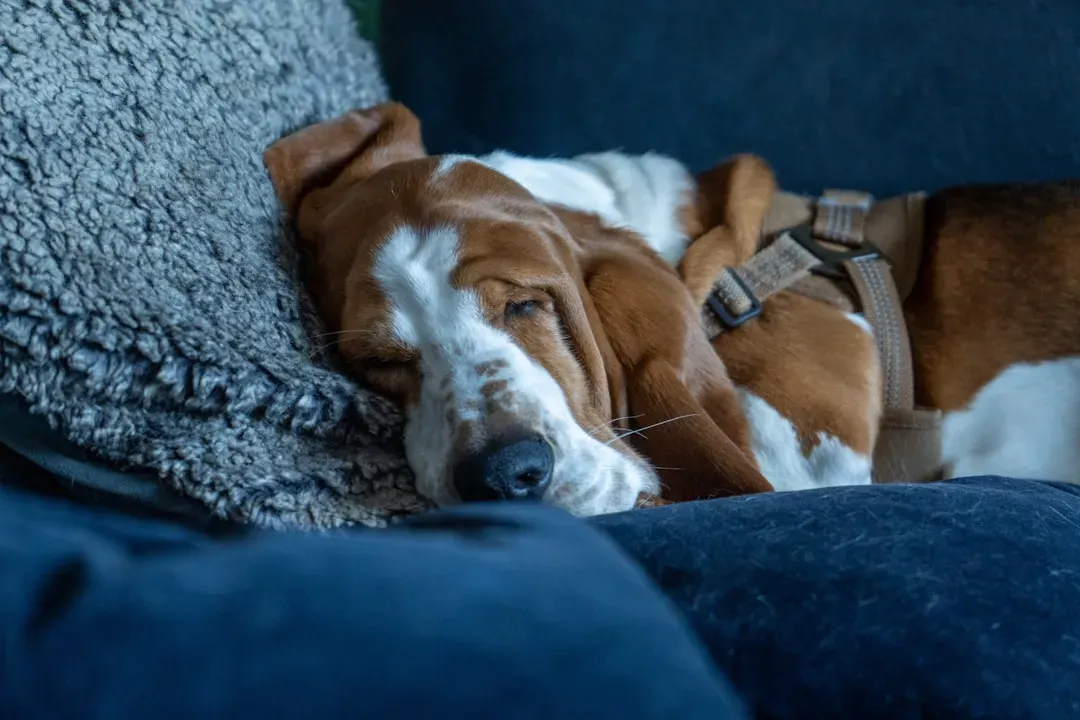
Known for their droopy ears and soulful eyes, Basset Hounds are gentle and laid-back companions. Their energy level is minimal and they love short walks and long naps. They’re also friendly with kids and other animals. If you’ve ever seen a Basset Hound slowly amble across a yard like they have all the time in the world, you already understand this breed completely.
They’re also very low energy and have an independent streak, which can make exercise and training activities a challenge. However, Basset Hounds love to follow a scent, so nose work such as a game of hide-and-seek or a scavenger hunt to find hidden treats is an excellent way to get your Basset Hound up and moving around. Their floppy ears are adorable but need regular attention. Their floppy ears require regular cleaning to prevent ear infections.
3. Pug: The Little Comedian Who’d Rather Nap
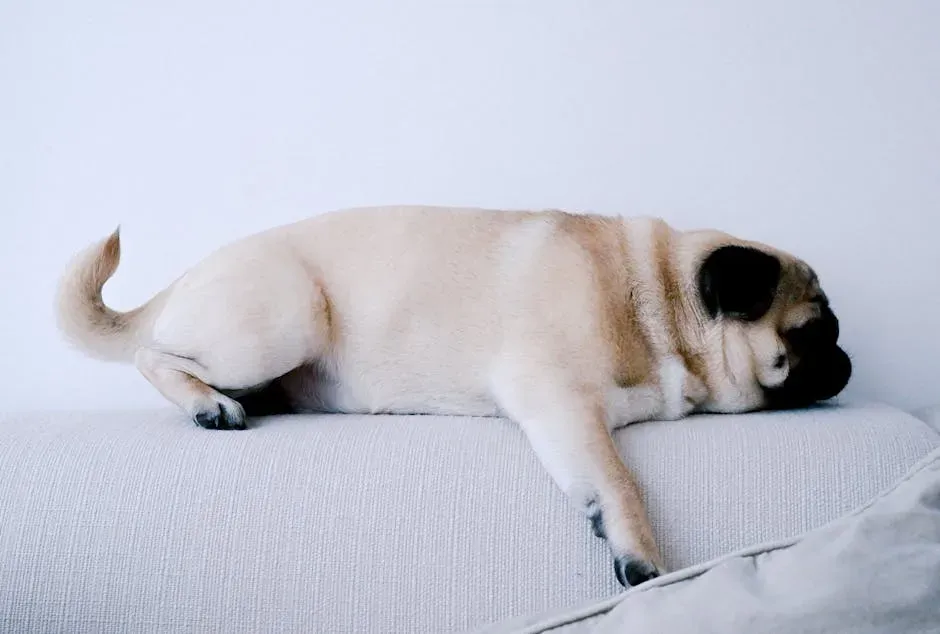
The Pug has no choice but to lay in your lap, on your head, or anyplace else they can find. They do like to play sometimes, but only when they feel like it, which is only once in a while unless you can entice them with food. Let’s be real, Pugs basically invented the art of selective participation. They’ll sprint to their food bowl but treat the rest of the day as optional.
Pugs are known for their charming personalities and love for human companionship. They enjoy light play and short walks but need to avoid strenuous exercise due to their brachycephalic, or flat-faced, structure. Watch their weight carefully. The English Bulldog and similar flat-faced breeds like Pugs still require some exercise for mental stimulation and to avoid obesity-related health issues.
4. Shih Tzu: The Lap Dog Royalty
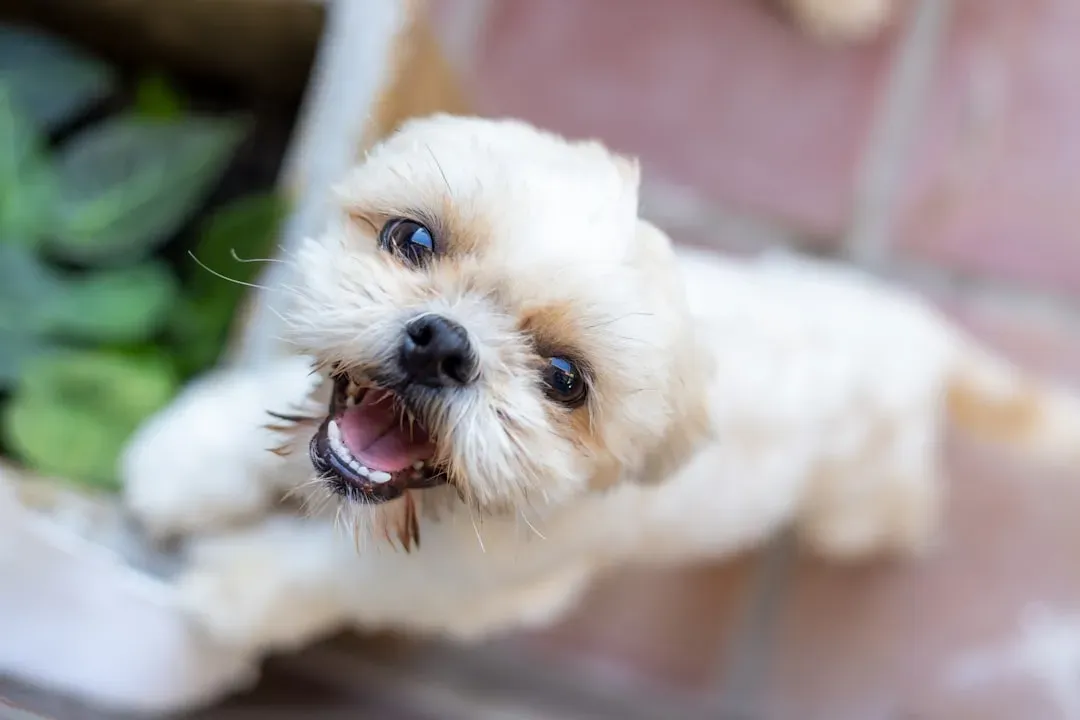
The Shih Tzu is a classic lap dog, bred for royalty and companionship. These small breeds are playful but don’t require high levels of exercise. A daily walk and time spent snoozing by their owner’s side keep them happy. Originally pampered in ancient Chinese palaces, the Shih Tzu has basically never forgotten that lifestyle, and honestly, good for them.
Shih Tzus are charming little dogs with a friendly disposition. They thrive on companionship and are perfectly happy with a few short walks each day, combined with plenty of cuddle time. Their low exercise needs make them ideal for apartment living or for individuals with a more sedentary lifestyle. Just remember that their gorgeous coat needs regular brushing to stay tangle-free.
5. Cavalier King Charles Spaniel: The Gentle Soul
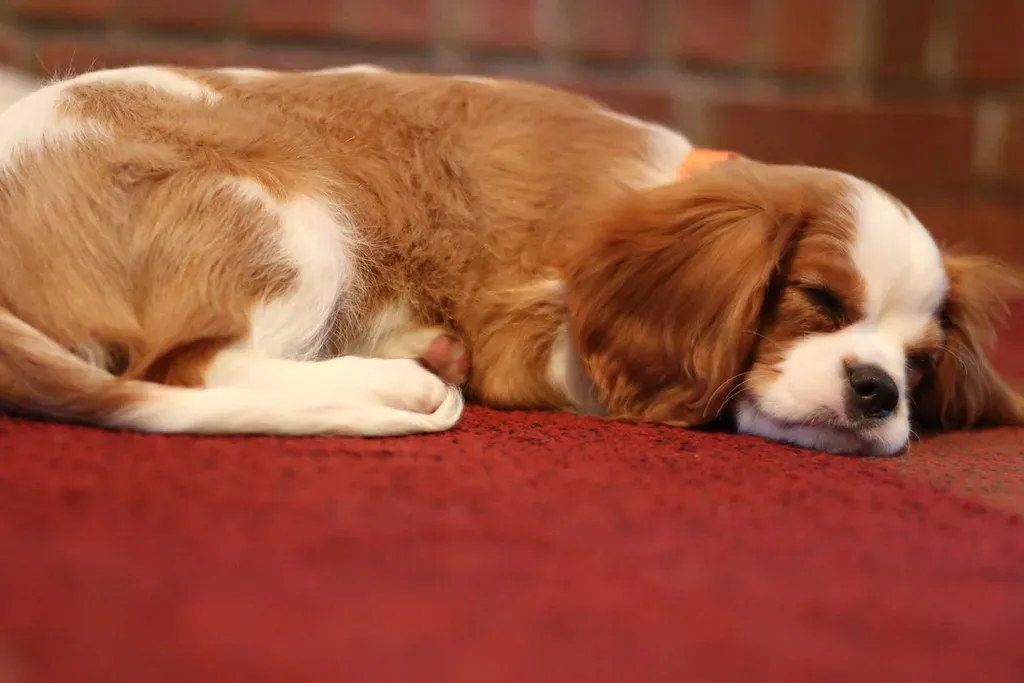
Unlike their gun-dog relatives, these adorable, floppy-eared spaniels are more interested in cuddles than hunting. Their low prey drive means they’d rather curl up with the family cat than chase them around the house. It’s hard not to fall in love with a dog that chooses peace over pursuit. They are, quite possibly, the most diplomatic breed on this list.
Like many low-energy breeds, Cavaliers don’t like being alone. You won’t need to carve out hours of daily exercise, but you will need to spend a significant portion of your time with them or else they might develop destructive behaviors. They’re also genetically prone to heart disease, so maintaining a healthy lifestyle and regular vet visits may help offset the risk of early onset.
6. French Bulldog: The Charming Apartment Dog
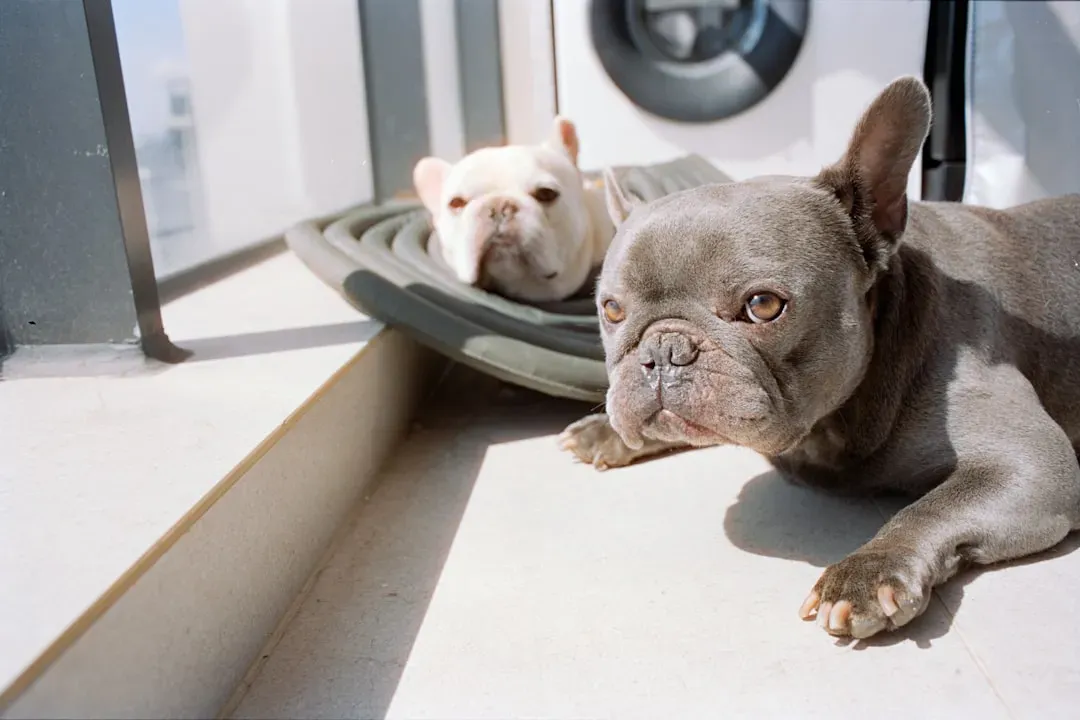
A chilled-out little pup that copes well with apartment living and doesn’t need hours of outdoor exercise. These bat-eared companion dogs are quite happy hanging out and amusing you with their charm and wit. As a brachycephalic breed, they shouldn’t over-exert themselves, especially if it’s hot. French Bulldogs are basically proof that a big personality can come in a very compact, low-maintenance package.
Heat sensitivity is a serious concern with French Bulldogs. Their brachycephalic faces severely limit their ability to cool themselves through panting. Exercise must occur during cool parts of the day, and they should never be left in warm environments. Air conditioning is essential in warm climates. Keep that in mind before summer walks.
7. Greyhound: The Surprising Sofa Hound
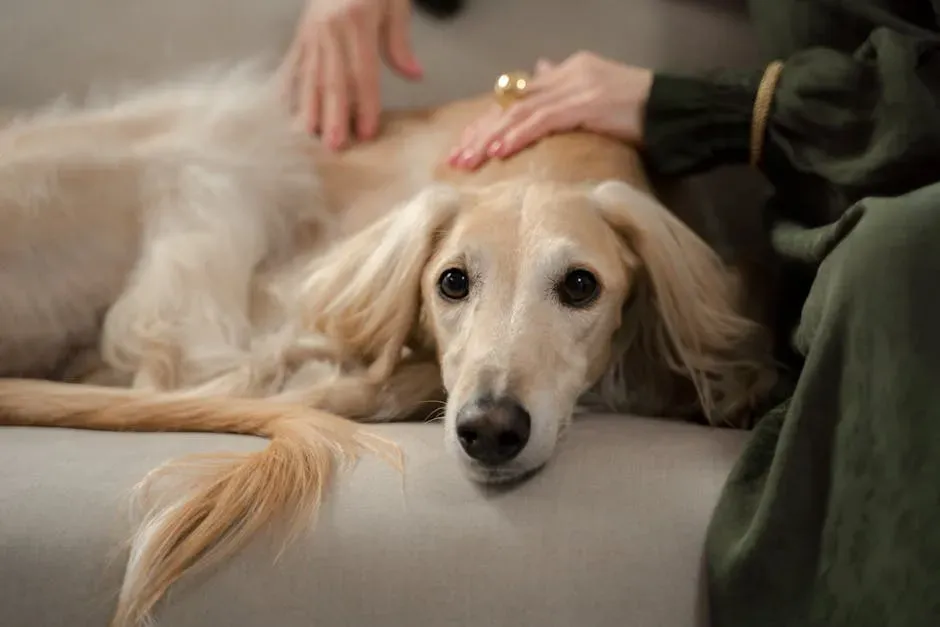
Here’s the one that surprises almost everyone. A racing dog on a list of the laziest breeds? Absolutely. Bred for speed, the Greyhound might seem like a surprise as a low-energy dog breed, but the reality is that these large dogs are quite lazy at home and are often referred to as couch potatoes. That said, Greyhounds do require a daily outlet for pent-up physical and mental energy. A leashed walk or short sprint within a fenced space to stretch those long legs is ideal.
Think of a Greyhound like a sports car in a garage. Incredible power when called upon, but mostly just sitting there looking magnificent. After short bursts of speed, they are more than happy to curl up on the couch for hours. Their low-energy personalities outside of sprinting make them perfect for apartment living. Give them a soft bed, because their lean frames need cushioning.
8. Chow Chow: The Independent Homebody
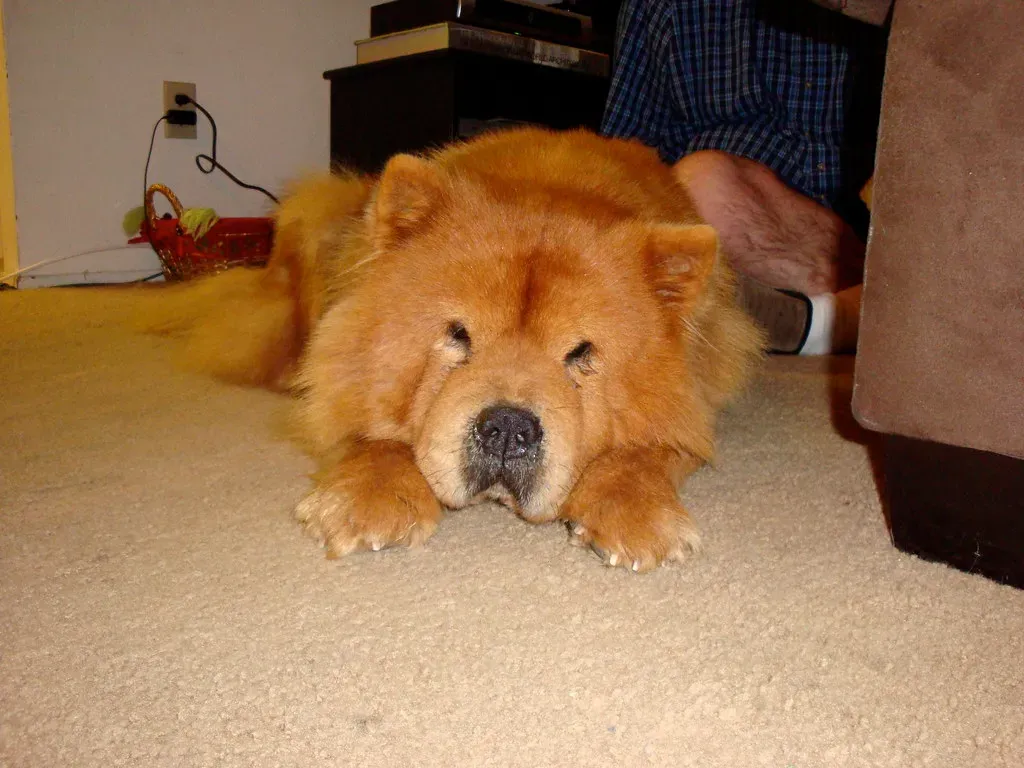
Chow Chows are known for their independent, reserved spirits rather than their high-octane enthusiasm, making them less inclined to seek constant activity. They’re the type of dog that will sit beside you on the couch, not because they’re needy, but because they’ve simply decided that’s the best spot in the room. There’s a certain regal dignity to it, honestly.
Chow Chows need socialization and early obedience training and frequent grooming. Because of that lion’s mane of fur, exercise your Chow Chow in the cooler hours of the day because they can overheat in warmer temperatures. It’s also worth knowing that in addition to genetic problems common in multiple breeds such as hip and elbow dysplasia, Chow Chows are at risk for developing hypothyroidism. Regular vet checkups are a must.
9. Saint Bernard: The Gentle Giant Who Loves a Good Rest
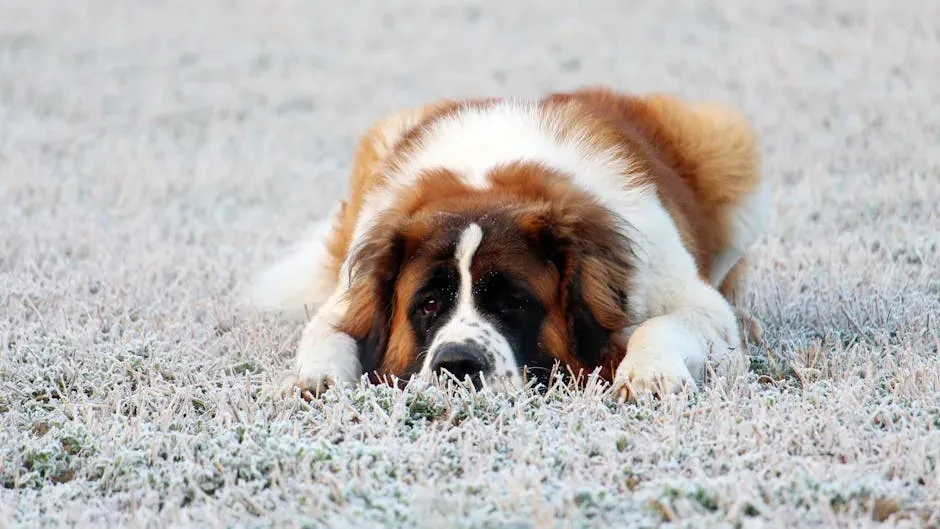
Despite a reputation for aggression, large breeds such as Saint Bernards have earned a solid reputation as caregivers to young children in the family. They are only leery of strangers or other animals who aren’t part of their household. Saint Bernards are essentially big, warm, living blankets with hearts of gold. They’ll happily plonk themselves beside you all evening without complaint.
A 2025 study published in PLOS One, which analyzed over 47,000 dogs enrolled in the Dog Aging Project, found that size was statistically associated with differences in behavioral domains including attention and excitability. Larger dogs tended to have lower excitability scores, suggesting they naturally exhibit calmer, less active daily rhythms. The researchers noted that behavior, size, and overall well-being are closely connected, reinforcing the idea that many large dogs aren’t wired for nonstop activity. Saint Bernards are a textbook example of that.
10. Newfoundland: The Snuggliest Big Dog on Earth
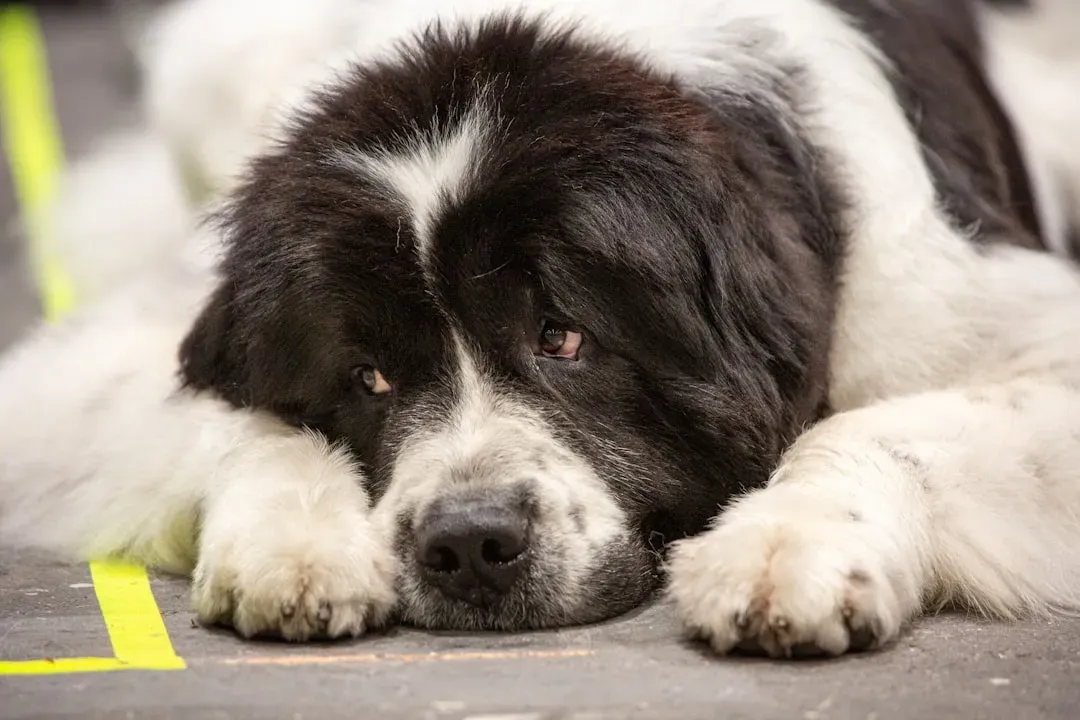
A Newfoundland, or Newfie, is a lovable and large low-energy dog breed. A calm and loyal disposition is a hallmark of this breed, which was bred for heavy work and water rescues in their namesake homeland of coastal Canada. Despite that impressive working history, the modern Newfie is perfectly content to retire to the living room rug at the earliest opportunity.
Having a Newfie is like having a big teddy bear that will keep you warm with their furry coat and almost 150 pounds of snuggliness. These lazy pooches would rather sleep than play fetch. In fact, you may have to bribe your big snoozer with a treat to get them to exercise at all. Keep them on a healthy diet and don’t skip those daily walks, because weight gain in large breeds can accelerate joint problems significantly.
The Golden Rule: Lazy Doesn’t Mean Neglected
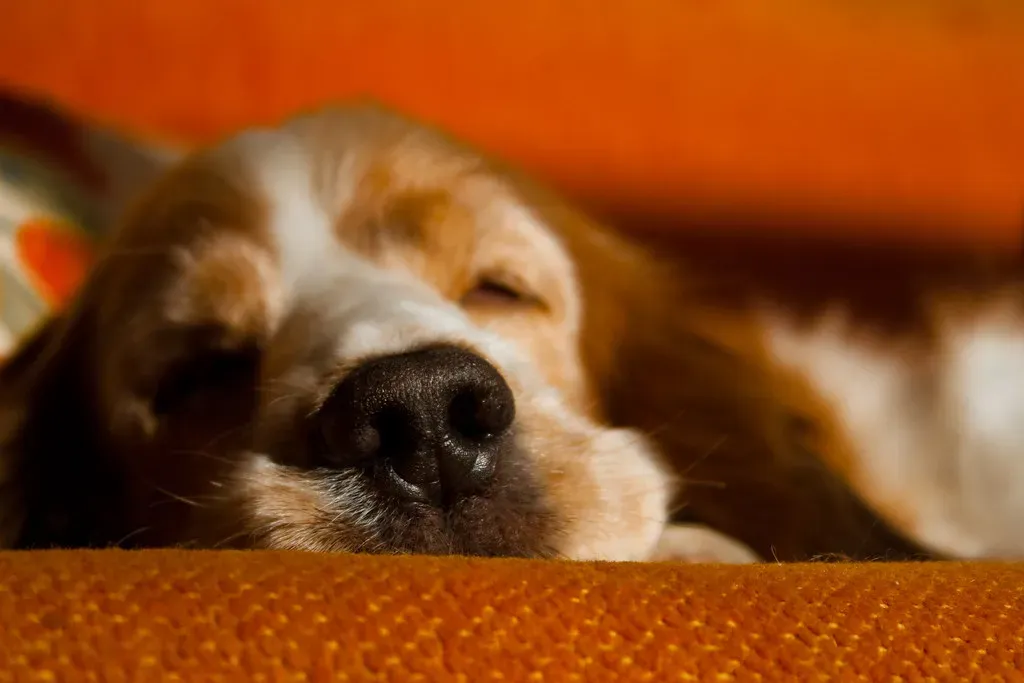
Even the most couch-potato pup still requires regular exercise and attention to prevent obesity and keep their mind sharp. This is something every owner of a low-energy breed needs to keep front of mind. A lazy dog is a wonderful companion, but a neglected one is a different story entirely. Short, consistent walks and mental enrichment games go a long way.
Age also dramatically affects energy levels. Almost all puppies are high-energy regardless of breed. If you truly want a lazy companion, consider adopting an adult or senior dog whose personality is already established. That’s genuinely practical advice that many first-time owners overlook. A Basset Hound puppy is still a puppy. Give them time.
Conclusion: The Joy of Slowing Down Together
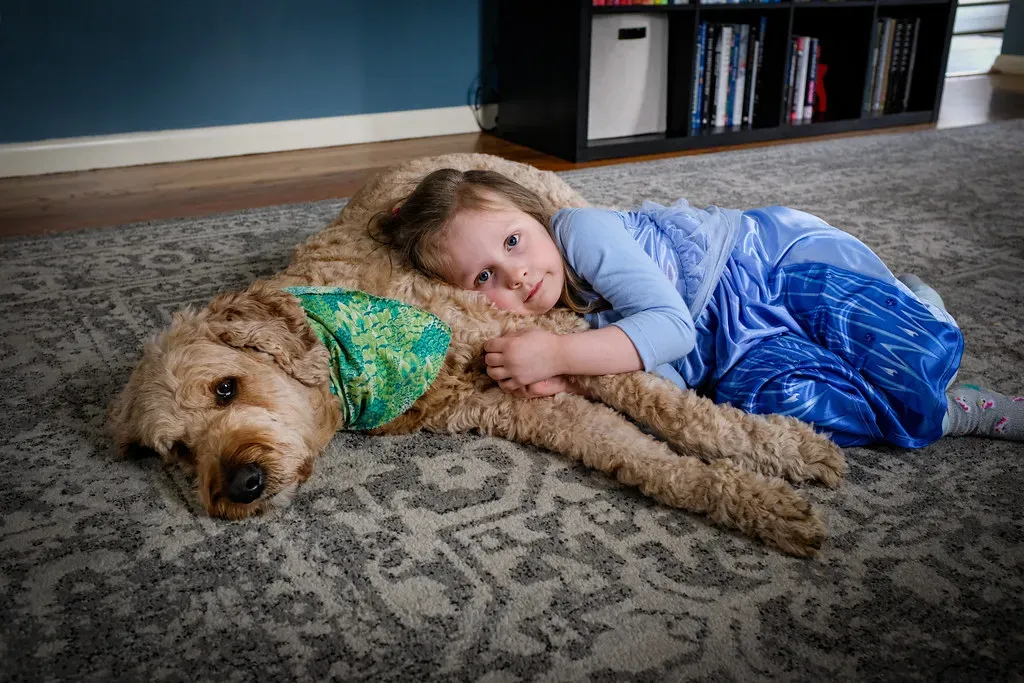
There’s something quietly beautiful about a dog that matches your pace. Not every relationship needs to involve five-mile runs and agility courses. Sometimes the most meaningful bond is built one slow walk, one Netflix marathon, and one afternoon nap at a time.
The laziest dog breeds are far from boring. They’re loyal companions who bring comfort, affection, and joy into homes. From the Basset Hound and Pug to the Great Dane and Newfie, these dogs show that sometimes the best moments are shared while snoozing together on the couch. Every dog on this list has something unique and deeply loveable to offer.
Whether you’re a first-time owner, a senior looking for a gentle friend, or simply someone who knows the value of a quiet Sunday, one of these laid-back legends might just be your perfect match. Which lazy breed surprised you most? Drop a comment below and let us know which snoozy pup has stolen your heart.


