

Dogs experience the world in ways that are surprisingly different—and fascinating—from us humans. For starters, their sense of smell is up to 100,000 times stronger, allowing them to “see” with their noses! They can hear sounds at much higher frequencies, picking up things we can’t even detect. Dogs also see fewer colors, but their night vision is far superior. Ever wonder why your dog tilts their head? It’s their way of fine-tuning sounds and better understanding what you’re saying. They’re also experts at reading human emotions through body language and tone. From sensing storms to detecting illnesses, dogs perceive the world with a depth we’re only beginning to understand. It’s a reminder of just how unique—and amazing—our furry friends really are.
Dogs “See” Scents Like We See Colors
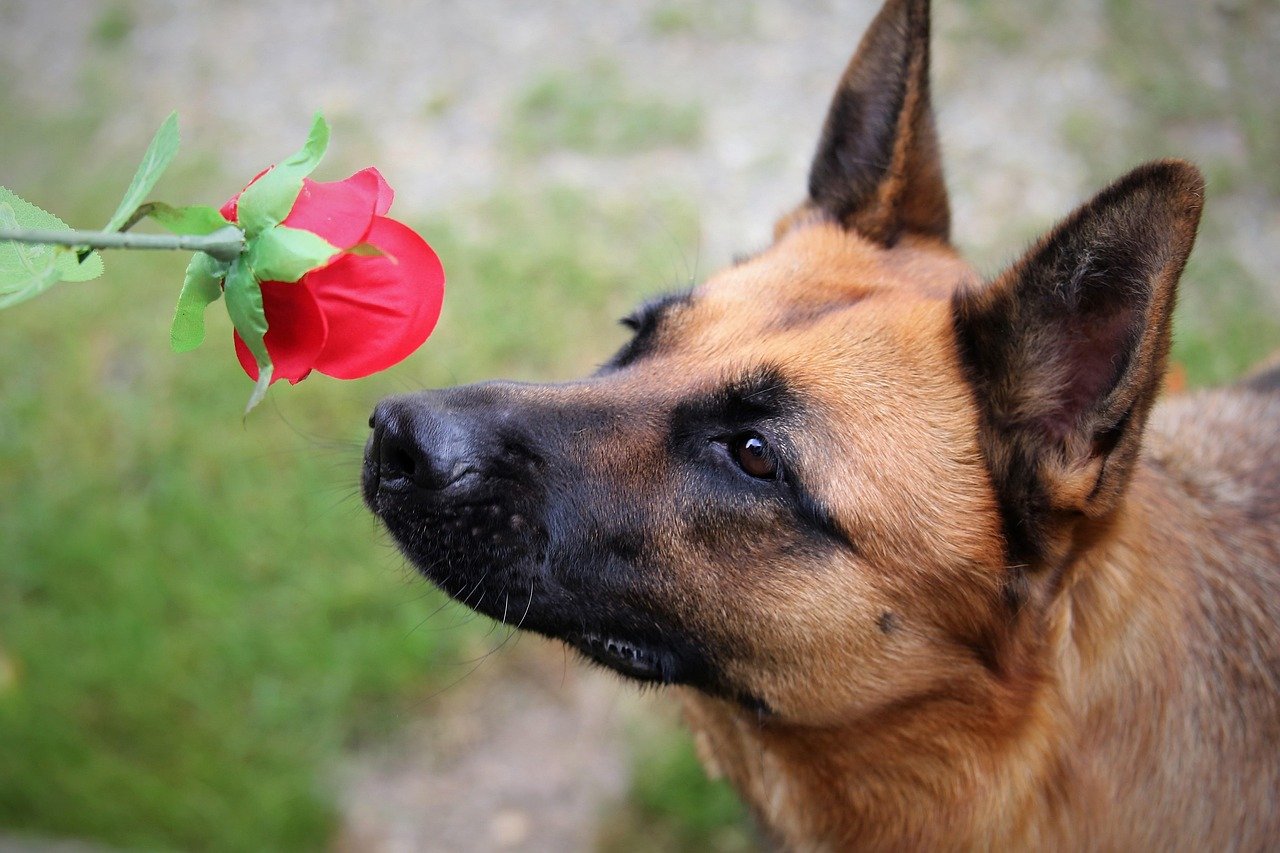
It’s hard to wrap your head around, but a dog’s nose is their superpower. While humans rely heavily on sight, dogs experience the world through their sense of smell. Their noses contain up to 300 million scent receptors, compared to our measly 5 million. To put it in perspective, what we see as a single flower, a dog “smells” as an entire story — who’s been there, what’s happened, even how long ago.
Dogs can even track emotions through scent. When you come home stressed, your dog knows before you say a word. This ability allows them to “read” the environment in a way we simply can’t. For dogs, every walk outdoors is like reading a constantly changing newspaper, packed with news and gossip from every passing animal or person.
Color Vision: Dogs Don’t See in Black and White
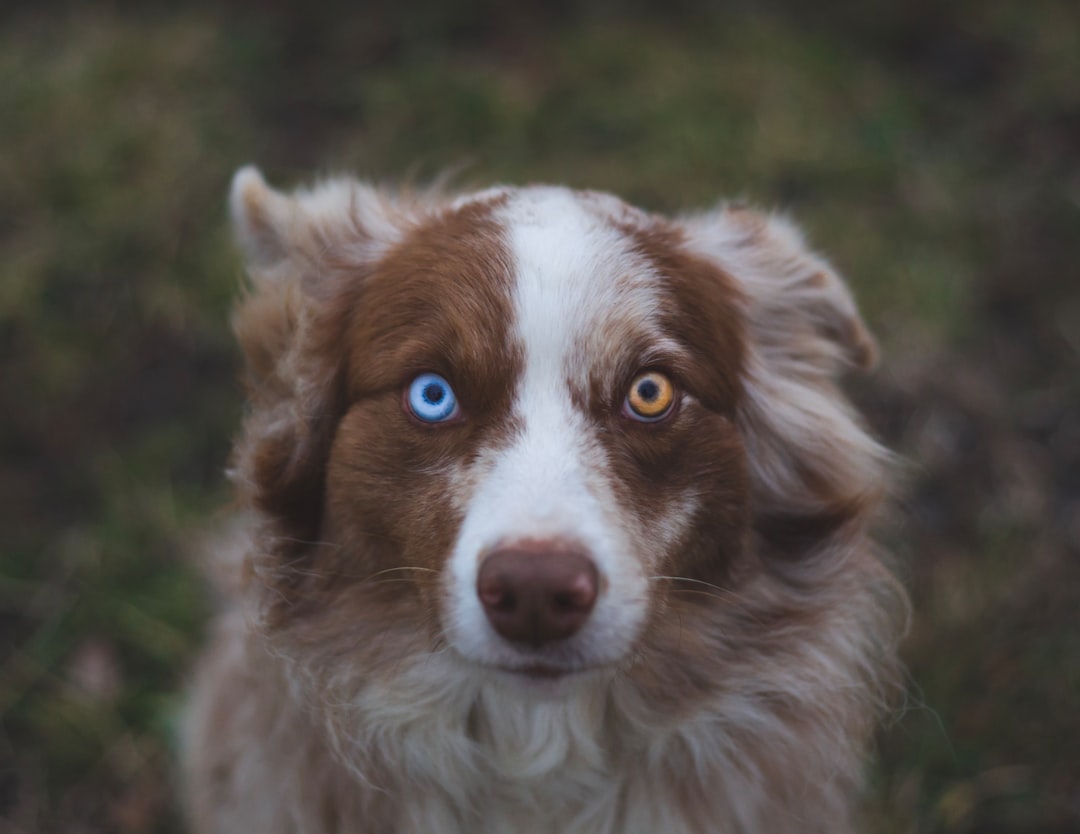
You may have heard that dogs only see in black and white, but that’s a myth. Dogs do see colors, just not as vividly as humans. Their world is painted mainly in shades of blue and yellow, while reds and greens blend into grayish tones. Think of it as watching life through a slightly faded vintage filter.
This difference in color perception doesn’t bother dogs at all. They rely more on movement and contrast than on color. That’s why your dog might ignore a bright red toy in green grass — it just doesn’t stand out! The next time you’re picking out a new toy, try blue or yellow; it’ll pop right out for your pup.
Dogs Hear Sounds That Are Out of Our Range

A dog’s ears are like finely tuned radar dishes. While humans can hear sounds up to about 20,000 Hertz, dogs can hear up to 65,000 Hertz. This means they pick up high-pitched noises and faint sounds that are completely silent to us. Have you ever noticed your dog barking at what seems like nothing? Chances are, they’re responding to a sound you can’t hear.
This super-hearing helps dogs detect distant thunder, the jingle of a neighbor’s keys, or even the whine of electronics. Some breeds, like Border Collies, are especially sensitive and use their hearing for herding. Living in a world that’s so full of hidden sounds must be both exciting and overwhelming for our four-legged friends.
Dogs Rely Heavily on Body Language

Unlike humans, who communicate with words, dogs are masters at reading body language. They notice the slightest shift in your posture, the way your hand moves, or the tilt of your head. Dogs communicate with each other through subtle cues like tail position, ear direction, and even the way they stand.
This keen attention to body language means your dog picks up on your mood before you even speak. If you’re tense, they sense it. If you’re happy, they wag along with you. Dogs often respond to your gestures rather than your words — a raised eyebrow or a sigh can say more than a sentence.
Dogs Experience Time Differently
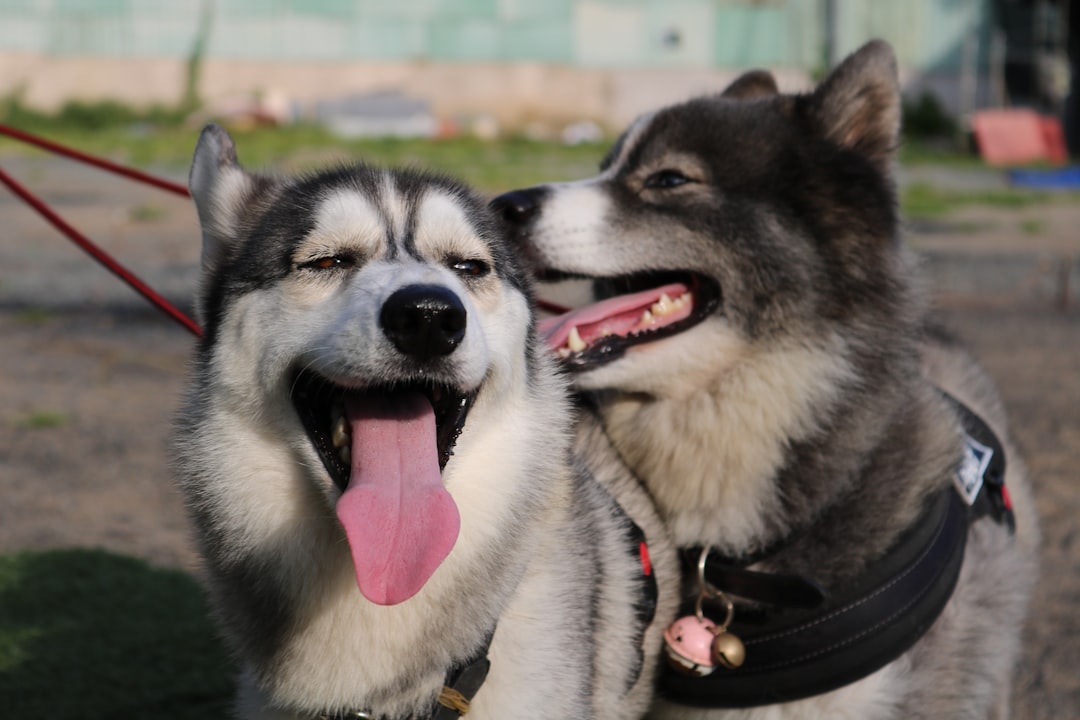
Have you ever wondered why your dog is so insanely excited to see you, even if you’ve only been gone for five minutes? Dogs don’t experience time the same way we do. While they may not understand hours and minutes, they do sense routines and changes in their environment.
Dogs use environmental cues, like the sun’s position or household noises, to guess what’s about to happen. That’s why your dog knows when it’s dinner time or when you’re about to leave for work. It’s their way of tuning into the rhythm of your life, which makes every reunion — no matter how short the separation — feel like a joyful celebration.
Dogs React to Human Emotions

Dogs are emotional detectives. They’re able to sense your feelings through your scent, tone of voice, and body language. Studies have shown that dogs can even distinguish between happy and angry facial expressions. If you come home frustrated, your dog might act submissive or give extra cuddles.
This emotional connection goes both ways. Many people report their dogs comforting them during sad times, or getting excited when they’re happy. It’s as if dogs are wired to sync up with our emotional state. This deep empathy is one reason dogs make such wonderful companions and therapy animals.
Dogs Have a Unique Taste World

You might think dogs don’t care what their food tastes like, but they actually have taste buds for sweet, sour, salty, and bitter flavors. However, their taste buds are only a fraction of what humans have — about 1,700 compared to our 9,000. Smell plays a much bigger role in their eating experience.
Dogs are more likely to be drawn to foods with strong smells, which is why they go wild for savory treats. Oddly enough, some dogs love the taste of certain non-food items, like grass or socks. Their taste preferences are as unique as their personalities, and sometimes their choices can be downright hilarious.
Dogs See the World at a Different Speed

If you’ve ever played fetch and marveled at how fast your dog reacts, there’s a reason. Dogs perceive motion at a much higher frame rate than humans. It’s like their world moves in slow motion compared to ours, allowing them to spot the tiniest movements — a twitch of a squirrel’s tail or a fluttering leaf.
This heightened motion detection is why dogs are such skilled hunters and athletes. They’re wired to chase and pounce, which is also why they’re so quick to notice when you pick up their leash. For dogs, the world is always lively and full of possibilities.
Dogs Experience Touch More Intensely
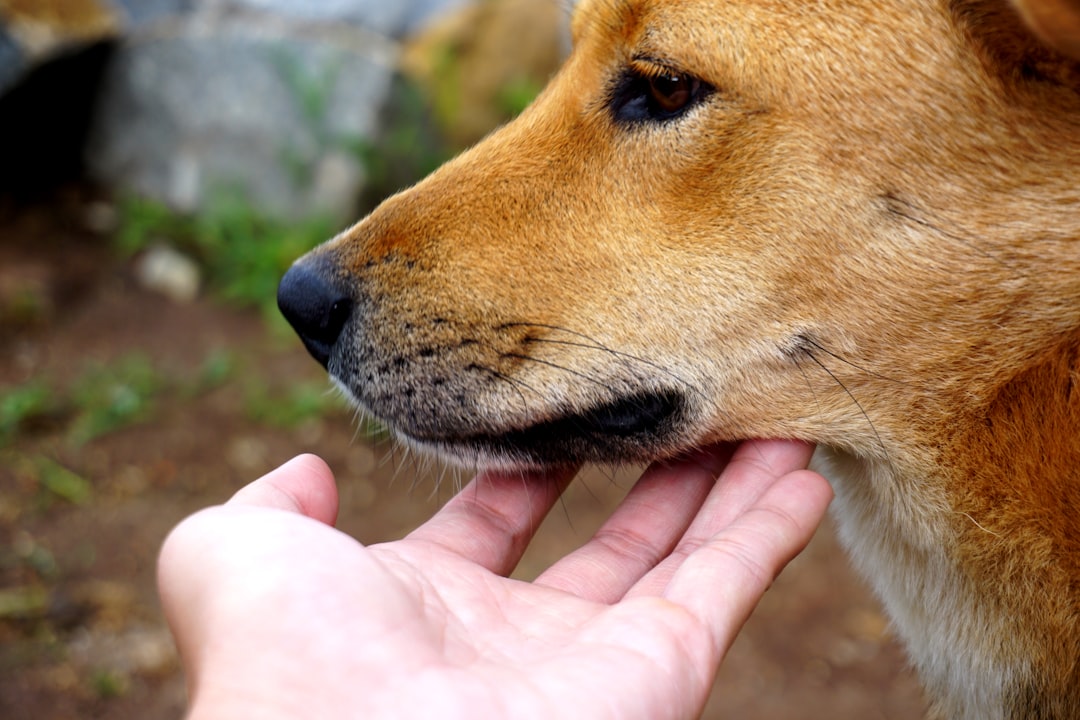
Touch is a powerful sense for dogs, and their bodies are covered in sensitive nerve endings. Vibrations, pressure, and temperature changes are all felt keenly. That’s why a gentle scratch behind the ears or a belly rub can send them into a state of pure bliss.
Certain areas, like their paws, ears, and muzzle, are especially sensitive. Some dogs love cuddles, while others prefer a little space. Understanding your dog’s preferences for touch is key to building trust and strengthening your bond. It’s also why some dogs react strongly to grooming or being handled by strangers.
Dogs Build a Mental Map of Their World
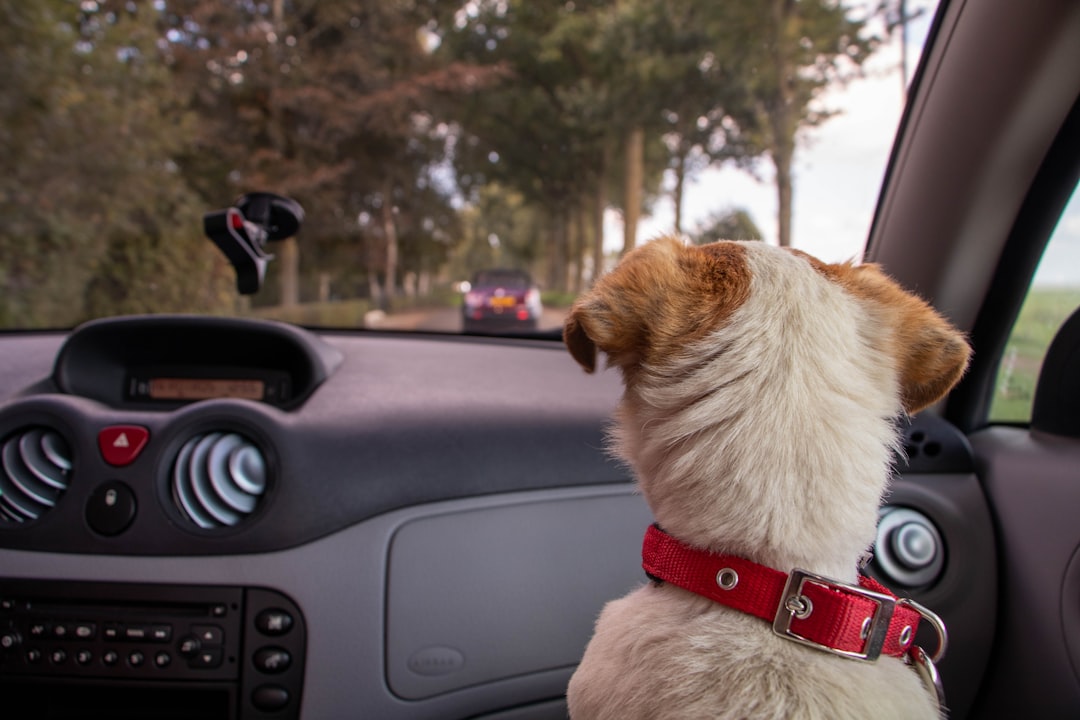
Dogs are constantly taking mental notes about their surroundings. They remember where treats are hidden, which paths lead to the park, and even the layout of your house. This mental mapping is a combination of scent, sight, and sounds, allowing them to navigate confidently even in the dark.
If you move the furniture around, your dog may seem confused at first but will quickly adapt. They use landmarks — like a favorite chair or the scent of your shoes — to orient themselves. Their memory for places and routines is surprisingly sharp, making them creatures of habit and comfort.
Learning how dogs experience the world gives us a whole new appreciation for their unique abilities. From super-sniffers to emotional radar, our pups are tuned in far beyond what we often realize. The more we understand their senses, the better we can connect with them. It’s just one more reason why dogs truly are extraordinary companions.


