
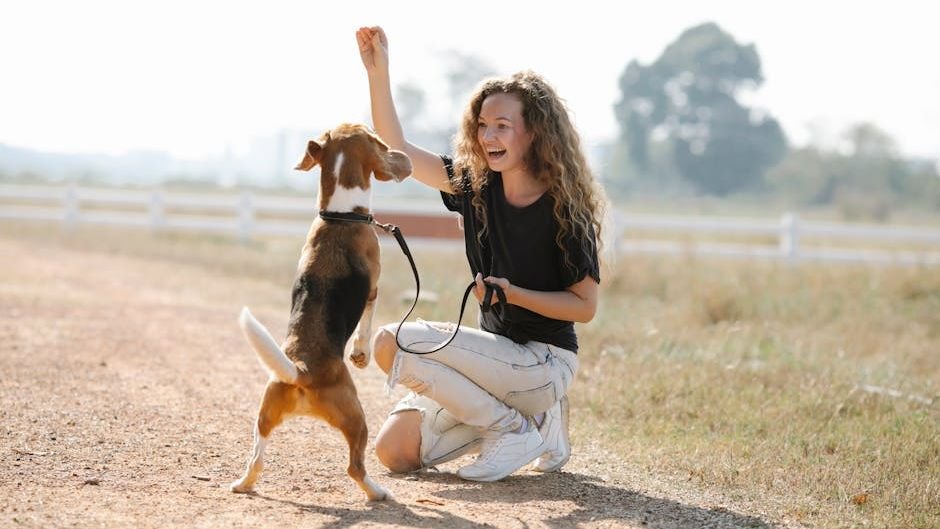
You love your dog with everything you’ve got. You spoil them, worry about them, and probably think about them even when you’re at work. So it might sting a little to hear this – some of the most well-meaning things we do for our dogs are actually leaving them scratched heads, anxious, or deeply confused.
Here’s the thing: dogs don’t speak our language. They read patterns, body language, tone, and routine. When what we do doesn’t add up in their world, they don’t know what to do with it. The result? Chaos at the front door, ignoring commands, or a dog that seems “difficult” – even though they’re actually just lost.
The good news? None of this is your fault, and all of it is fixable. Let’s dive in.
1. Being Inconsistent With Rules and Commands
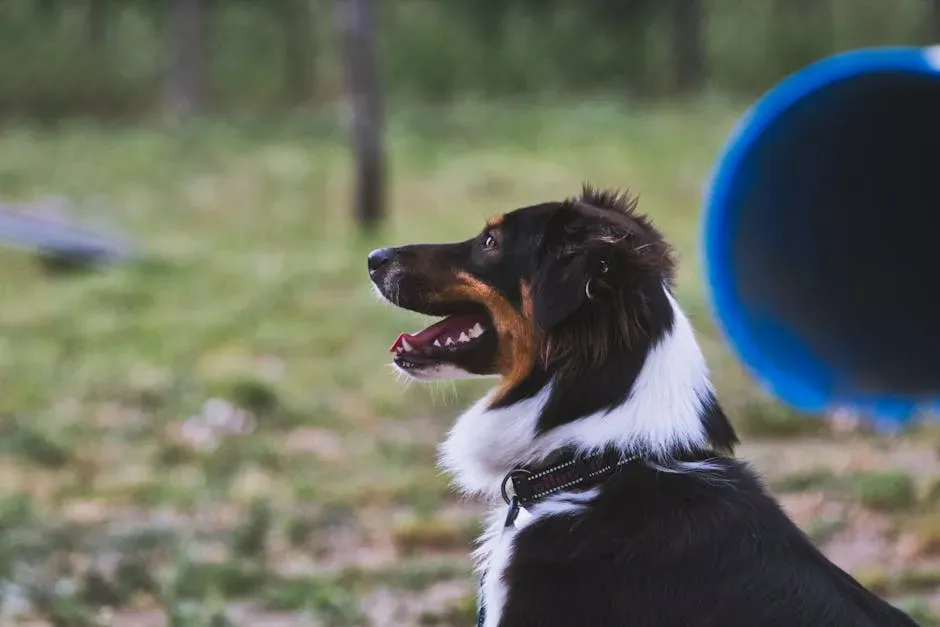
Imagine your boss telling you jeans are fine on Mondays, then scolding you for wearing them on Friday. You’d be confused and frustrated, right? That’s exactly how your dog feels when training is inconsistent, such as using multiple commands for the same behavior or rewarding sometimes but not others – dogs become confused, which slows progress and may even lead to unwanted behaviors.
If dad says “no couch” but mom always approves, or the dog walker allows the dog to pull on the leash, you’ll end up with a very confused dog that has no idea what behavior to follow. The fix is surprisingly simple. Get the whole family on the same page, pick your commands, write them down if you have to, and stick to them every single day.
2. Repeating Commands Over and Over
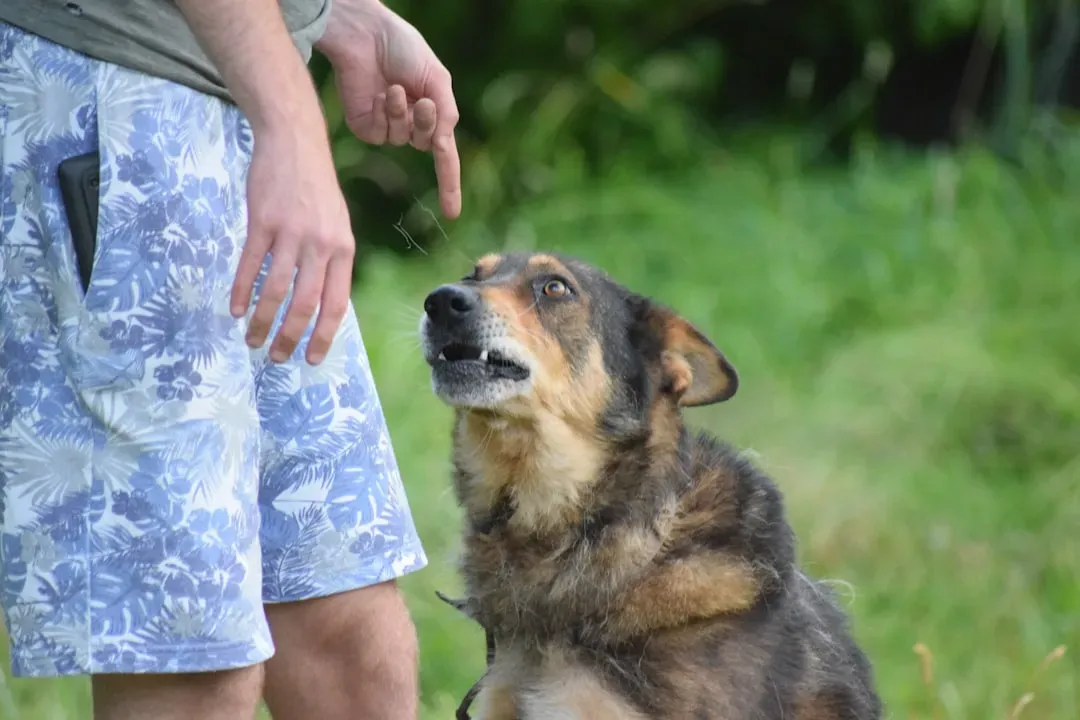
There’s a fine line between effective guidance and what can be called “poisonous nagging.” Repeating orders incessantly can confuse your dog, making them less likely to react promptly in the future. When you say “sit, sit, sit, SIT,” what your dog actually hears is a stream of noise with no clear signal attached.
When you issue a command, give your dog reasonable time to respond before repeating it. If they don’t react as expected, consider whether the order is clear or if there are environmental distractions. Say it once, wait patiently, and reward the moment they get it right. That’s the rhythm that actually works.
3. Accidentally Rewarding Bad Behavior
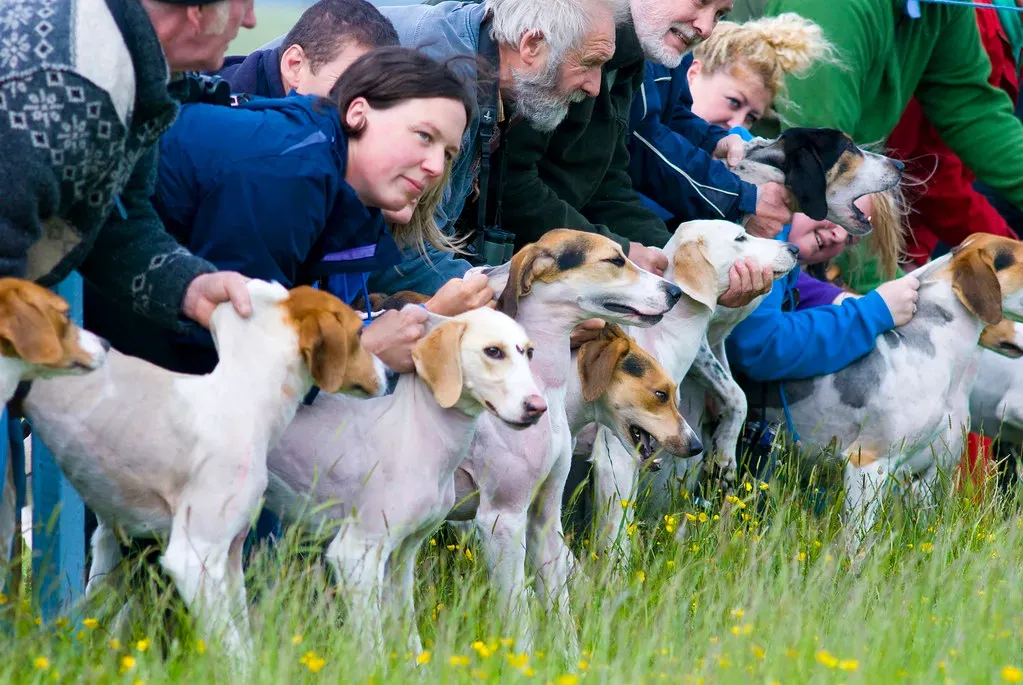
This one is sneaky. Really sneaky. A brand-new dog owner might say “I don’t reward the jumping,” but is simultaneously petting the dog to calm it down. The dog doesn’t understand your intention – they only understand that jumping got them physical touch, which to them is a jackpot.
Reinforcement isn’t about intention – it’s about what the dog perceives as rewarding. So when your pup barks at you and you immediately go to the kitchen to fill their bowl, guess what behavior just got reinforced? Giving attention when your dog jumps up, petting them when they bark for attention, or opening the door when they whine are all ways you may unintentionally reinforce unwanted behaviors.
4. Punishing Them Long After the Fact

You come home, see the chewed-up sofa cushion, and immediately tell your dog off. It feels natural – but it is genuinely one of the most confusing things you can do to them. If you come home and your dog has had an accident, they will have already performed multiple behaviors since it happened. Punishing them hours later will only confuse them, as they won’t associate the telling off with their earlier misbehavior.
Correcting a dog who does not understand a request reduces trust and increases stress. That guilty look they give you? Honestly, it’s not guilt at all. It’s a stress response to your body language and tone. Your dog knows you’re mad, but unless you caught them in the act, they do not know why. Address behavior in the moment, or let it go entirely.
5. Skipping Socialization or Getting It Wrong

Neglecting socialization is one of the most common mistakes dog owners make that results in a frightened dog. Frightened dogs are unpredictable dogs, and that can be dangerous for their owners, guests, and other animals in the home. Many owners think socialization just means meeting lots of other dogs – but that’s only part of the picture.
Proper socialization is about exposure to a variety of environments, sounds, surfaces, people, and controlled interactions – not letting every dog run up and say hello. Over-socialization in chaotic settings can actually create reactivity or insecurities later. Think of it like introducing a shy child to new experiences. Gentle, positive, and always at their pace.
6. Using Mixed Body Language and Verbal Signals
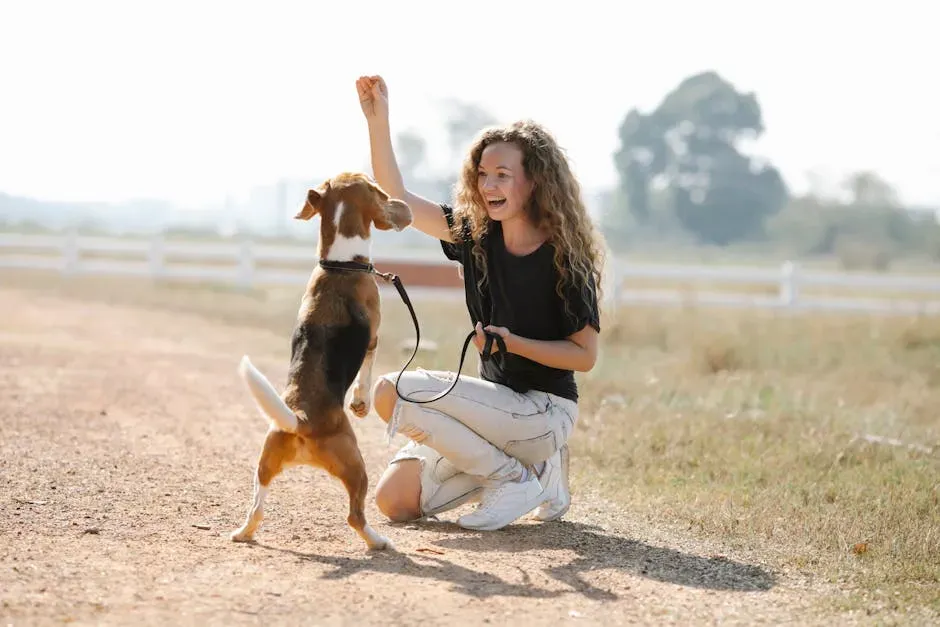
Although dogs may understand many words, your dog will be attending to your body language, gestures, and the tone of your voice, along with what you say. Make sure every signal is in agreement to avoid confusing your dog. When your words say “stay” but your body is leaning forward with arms open wide, your dog is going to follow your body every time.
Dogs read human messages through body language and tone of voice. So if you’re constantly shouting at them, they may misinterpret this as you joining in and bark even louder. I think this surprises most people. Your dog is studying you constantly – far more carefully than you’re studying them. Keep your signals clean, calm, and aligned.
7. Only Training at Home and Nowhere Else
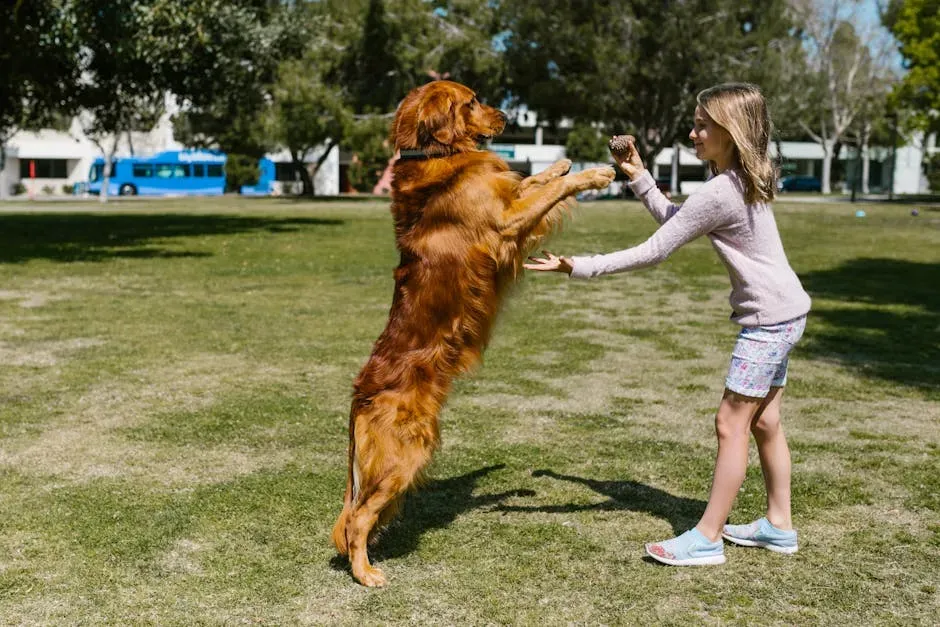
Your dog sits perfectly in the living room. They’re a star. Then you get to the park, say “sit,” and they look at you like you’ve just spoken Klingon. Sound familiar? Dogs don’t generalize well. If you teach your dog to sit in the kitchen, they’ll think the cue for sit means “sit in the kitchen.” You need to train your dog in many different environments before they understand that their cues apply no matter where they are.
Dogs need exposure to different settings to enhance their adaptability and response to unexpected stimuli. By incorporating training in diverse locations such as parks or busy streets, and introducing distractions like noises or other animals, you can strengthen your dog’s focus and response time in real-world scenarios. Start simple, add distractions gradually, and celebrate every win – no matter how small it seems.
8. Giving Too Much Freedom Too Soon

It comes from a beautiful place – you want your dog to feel at home, free, and loved. First-timers often give a new dog tons of freedom right away – roaming the house, greeting everyone, sleeping wherever, and choosing their own pace. While well-intentioned, this can create anxiety and confusion. Think of it like starting a new job with zero guidance. Freedom without structure isn’t liberating – it’s overwhelming.
Clear patterns – routines, boundaries, and predictable interactions – help dogs settle faster and behave more confidently. Handling a big space can be overwhelming for a new dog and especially a puppy. This can lead to housebreaking issues and destructive behavior and can set the dog up for failure. Start small, expand their world gradually, and watch their confidence grow.
9. Ignoring Good Behavior and Only Reacting to Bad

Let’s be real – how often do you look up from your phone to praise your dog for lying quietly on their bed? Probably not as often as you should. A lot of us will ignore our dogs when they are being good and then only pay attention to them when the dog is acting out and out of control. The terrible irony here is that we are literally training the behavior we don’t want.
If your dog says “hi” to another dog and the greeting goes well, take note and praise your dog. Tell them you are proud of them for being such a polite, well-mannered dog. The same principle applies at home. Catch them being calm, quiet, gentle, and good – and make a big deal of it. You’ll be amazed how quickly the good behaviors start to multiply.
10. Expecting Your Dog to “Just Know Better”
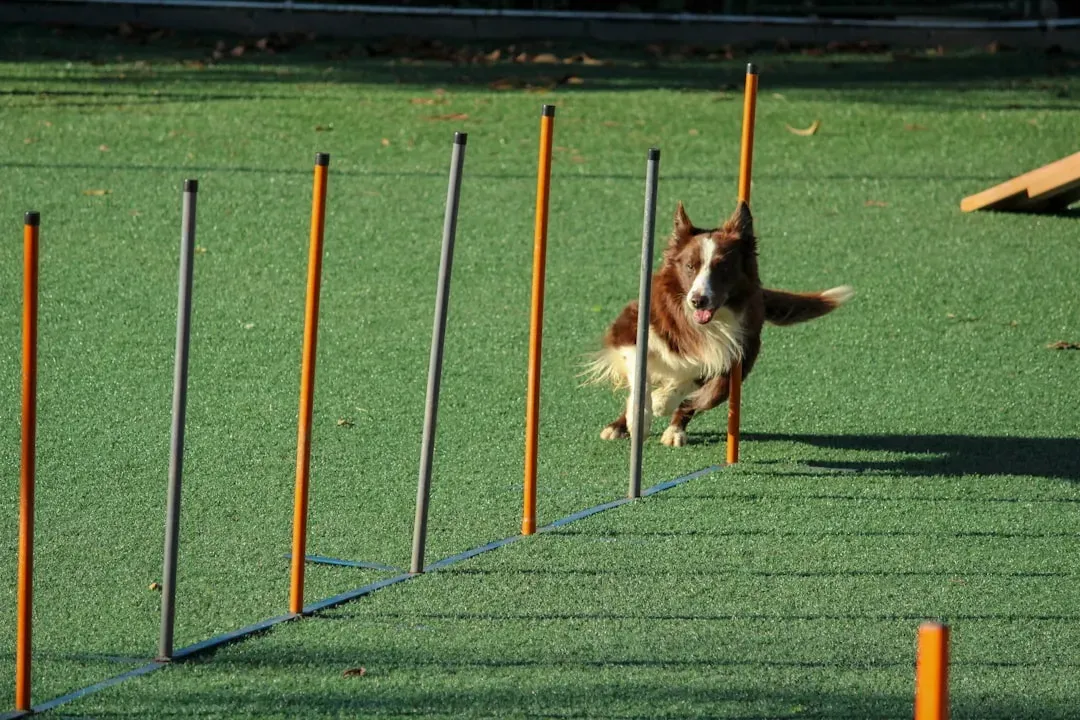
Honestly, this might be the most emotionally loaded mistake of all. Many owners interpret unwanted behavior as intentional disobedience. In reality, dogs don’t operate from guilt, spite, or moral awareness. They operate from reinforcement history and habit. When your dog steals food off the counter, they’re not being spiteful – they found something that worked, and they’re repeating it. Simple as that.
Most serious dog behavior issues are preventable. The dogs seen by trainers are mostly doing the best they can and behaving based on the current conditions they live in. These are not bad dogs. Instead, they come from common mistakes that are often well-intentioned but based on outdated or misleading information. Once you shift your perspective from “my dog knows better” to “my dog needs clearer guidance,” everything changes for the better.
The Bottom Line: Confusion Is Never Your Dog’s Fault

Here’s what every dog owner needs to hear: none of these mistakes make you a bad person, or even a bad owner. They make you human. None of these mistakes come from laziness, lack of intelligence, or lack of love. They’re simply assumptions people often make when they’re new to the world of dog behavior. The moment you understand how your dog actually processes the world around them, everything clicks into place.
Your dog isn’t trying to drive you crazy. They’re trying to figure out the rules of a world that speaks a very different language. The kindest, most loving thing you can do is make those rules crystal clear, wonderfully consistent, and positively reinforced at every turn.
You already love your dog fiercely. Now imagine what happens when that love is paired with real understanding. That’s when the magic happens – that’s when you stop having a dog that confuses you, and start having a dog that truly trusts you. What’s one of these mistakes you’ve caught yourself making? Drop it in the comments – we’d love to hear your story.


