

You did everything right. You researched breeds, bought the best food, picked out the cutest collar, and counted down the days until your new dog finally came home. The excitement was real. The love was overflowing. So it’s a little hard to believe that in those first weeks, you might have already done a handful of things that quietly hurt your dog’s feelings without even realizing it.
Here’s the truth: dogs feel deeply. They experience joy, fear, confusion, and yes, something very close to heartbreak. The mistakes most new owners make aren’t born from carelessness. They come from not yet knowing how to read what a dog is actually telling you. So let’s change that. Let’s dive in.
1. Scolding Your Dog for Something They Did Hours Ago

You walk through the front door and find your favorite shoe in pieces on the floor. Your first instinct? Tell your dog off immediately. Totally understandable. But here’s the thing – by the time you get home, your dog has moved on through dozens of behaviors since that moment.
If you come home and your dog has had an accident, they will have already performed multiple behaviors since it happened. Punishing them hours later will only confuse them, as they won’t associate the telling off with their early misbehavior. What your dog does understand is that you walked in and suddenly became scary. That’s not a lesson. That’s just fear.
Watch for signs your dog is confused or emotionally withdrawn after a scolding: tucked tail, flattened ears, or slinking away from you. It’s unlikely that your pet will make the connection that their chosen behavior was wrong. It will only make them feel anxious and teach them to fear you. Address bad behavior the moment it happens, or simply let it go.
2. Punishing Instead of Teaching

Many new owners confuse punishment with training. They feel like raising their voice or using physical correction will communicate authority. Honestly, it does the opposite. Yelling or using physical punishment can damage the bond between you and your dog, causing fear rather than trust.
Anger and violence against a puppy are never acceptable, and don’t teach your new dog to behave in the future. Improper corrections break the confidence of your growing puppy, and instill a sense of stress, fear, and anxiety as they go through their day. Think of it this way: you wouldn’t expect a toddler to respond well to being screamed at. Your dog is the same.
Positive reinforcement alone sends clear signals to your dog that good behavior leads to good things. Though sticking to positive reinforcement alone typically takes practice and a calm hand, using rewards rather than punishment helps your new pet thrive going forward. Swap the scolding for a treat and a calm cue. You’ll be amazed how quickly they catch on.
3. Rushing Them Through Their Walk
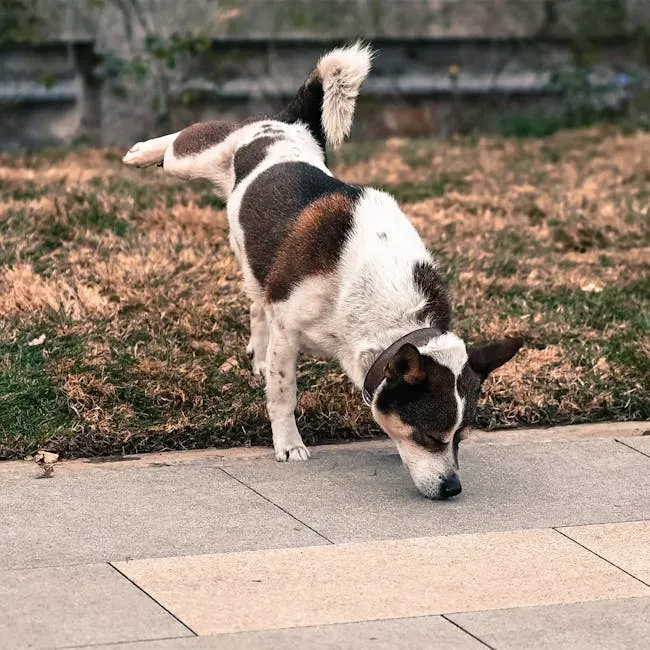
Let’s be real. We’ve all done it. You’ve got ten minutes, the dog needs to go out, and you end up dragging them along at full speed while they desperately try to sniff every single blade of grass. But to your dog, those sniffs are everything.
Allowing a dog to sniff on a walk helps fulfill their instinctual desire to explore. Rushing them through their walk is one of the common mistakes that hurt your dog’s feelings without you even realizing. Think of a walk like your dog’s version of checking social media. Every smell is a story, a message, a piece of the world.
Most dogs love their walks. Not only are they good for their physical health, but walks will help your dog’s mental wellbeing too, having lots of things to sniff, look at and enjoy. Build in a few extra minutes. Let them linger. It costs you nothing and means everything to them.
4. Being Inconsistent With Rules

One day, the dog is allowed on the sofa. The next day, you’re scolding them for it. Sound familiar? Allowing a dog to get away with certain behaviors one day but disciplining them for the same behavior the next can cause confusion. For your dog, this inconsistency isn’t just confusing. It’s genuinely distressing.
Not being consistent with rules is a common mistake dog owners make. It can be tempting to allow your cute new puppy to run wild in your home as everyone gets to know the new family member. However, failure to maintain consistency with house rules can lead to trouble in the long run.
Get the whole household on the same page. Decide whether the dog is allowed on furniture, what areas are off-limits, and how they should behave around guests. Make sure everyone in the household is on the same page to avoid sending mixed signals. Consistency is an act of kindness, not strictness.
5. Misreading Fear as Stubbornness
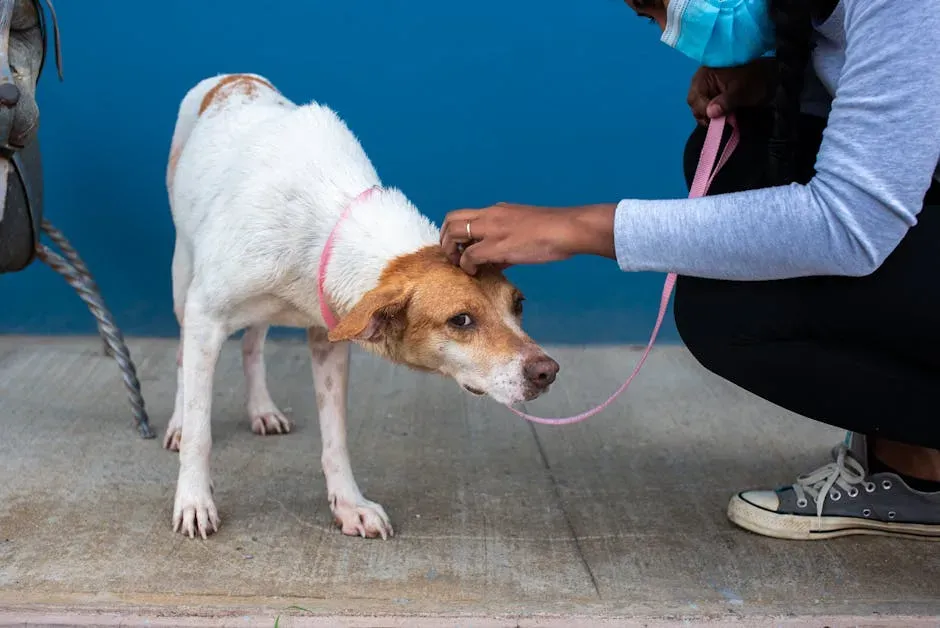
Your dog refuses to walk past the park gate. You think they’re being difficult. You pull the leash harder. But your dog isn’t being stubborn at all. They’re scared. New dog owners commonly refer to their dogs as being stubborn. They’ll say their dog won’t walk with them outside or won’t respond to cues in public places. However, in many of these cases, the dogs are not being “stubborn” but are actually anxious or fearful of the situation.
Unlike humans, pets cannot verbalize distress. Instead, they communicate through body language, vocalizations, and behavior changes that owners sometimes misinterpret as disobedience or stubbornness. Watch for yawning, lip-licking, a low tail, or pulling backward. These aren’t attitude problems. They’re distress signals.
Not being able to recognize when your dog is fearful is a big mistake that can be costly. If you are pushing your dog to do something and they are afraid, they could end up biting you or another dog or person. Back off, breathe, and create a safe distance. Fear needs patience, not pressure.
6. Skipping Socialization in the Early Weeks

The early weeks with a new puppy feel fragile. New owners often want to keep their pup home, safe, and cocooned. It feels protective. Unfortunately, keeping them isolated during that critical period can do serious emotional damage long-term.
Without proper and thorough socialization during the socialization period, a dog runs a high risk of developing behavior problems including fears and phobias, fear of handling, over-sensitivity, sound sensitivity, separation anxiety, and fear aggression. It’s a long list, and all of it is largely preventable.
Some new owners keep their dogs sheltered from other dogs and people, which can lead to fear or aggression. Socialization is key to raising a confident, well-behaved dog. Expose your dog to various people, environments, and other dogs early on. This helps them become comfortable in different situations, reducing the chances of behavior issues later. Puppy classes, park visits, quiet café terraces – all of it counts.
7. Invading Their Personal Space
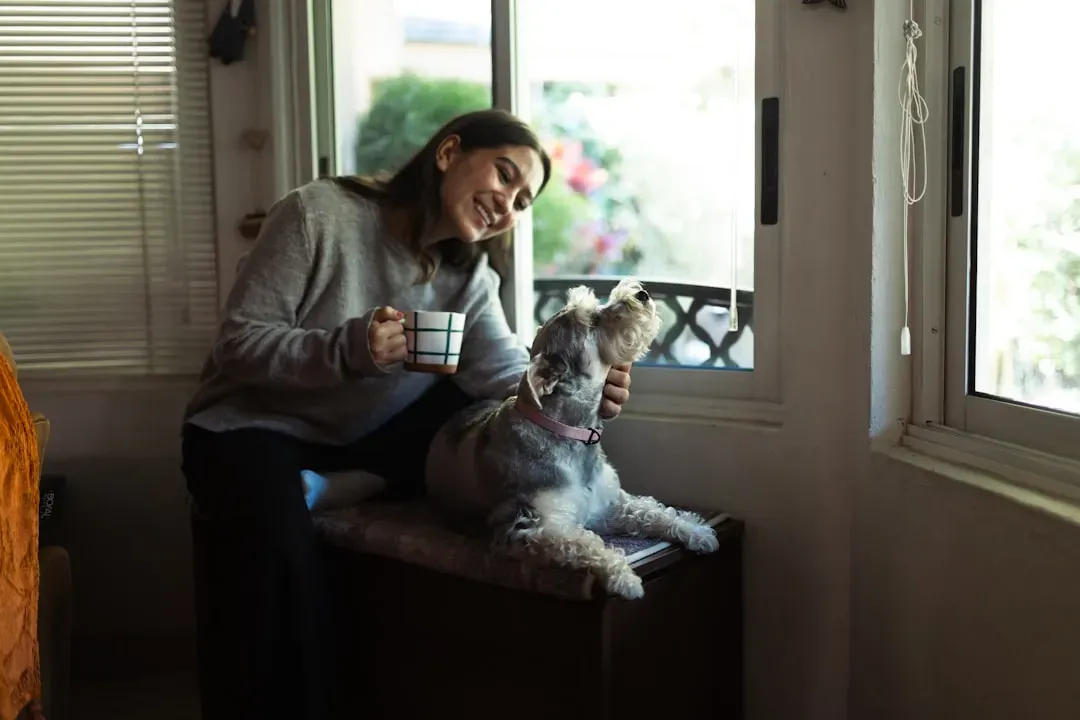
We hug dogs because we love them. I get it. But here’s something that genuinely surprised me when I first learned it: most dogs actually dislike being hugged. It can feel restraining and threatening, not comforting. Every person has their own personal space bubble, and so do dogs. Whether it’s a hand in their face or a hug that catches them off-guard, invading your dog’s personal space can not only annoy them but hurt their feelings as well.
Closely watching the dog’s tail movement and eye position can be the easiest way to know your dog is becoming too excited or stressed. People also commonly misinterpret repeated licking and rolling over as a dog being friendly, but these behaviors are actually signs of stress.
Learn to read consent. If your dog leans in, they want contact. If they turn their head away or go stiff, they need space. Most dogs love to be petted, especially if they know and trust you. It’s important that you show your dog lots of affection so your dog is comfortable with being touched. Touch is important for bonding with your dog as well as allowing you to touch them in situations where you need to. But always let it be on their terms first.
8. Neglecting Mental Stimulation
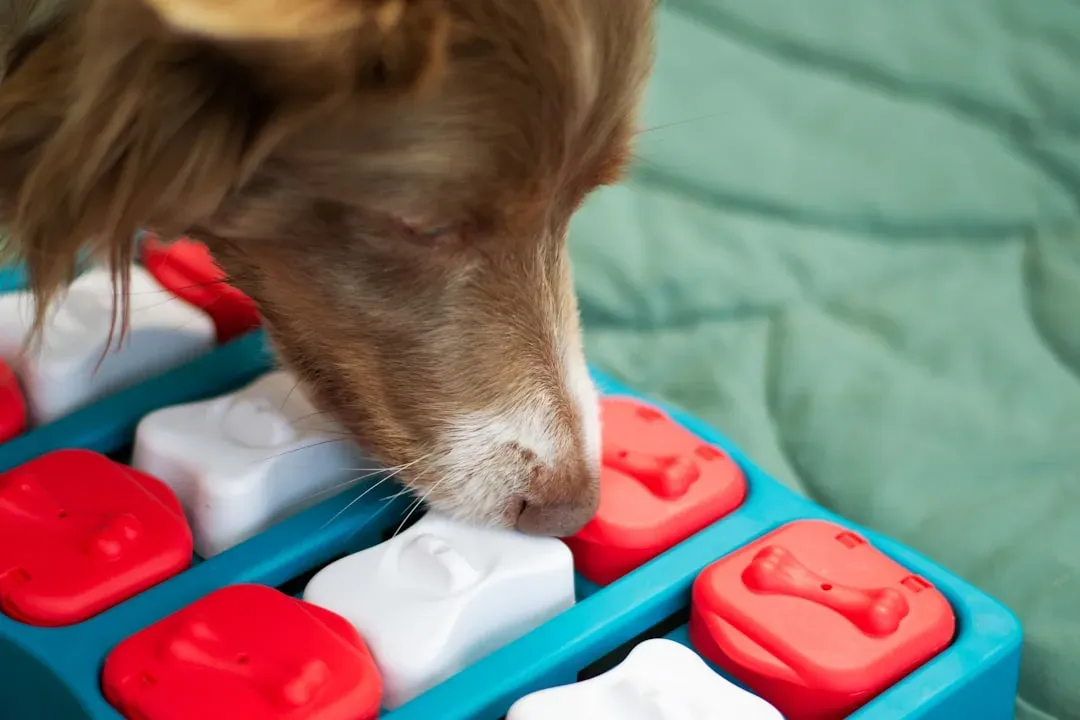
A dog that seems “hyper” or “badly behaved” is very often just bored. We tend to focus on physical walks and forget that a dog’s brain also needs a serious workout. Dogs are natural scavengers and hunters. Without a productive outlet for their energy or enough mental stimulation, anxiety and destructive behaviors can manifest.
Neglecting a dog’s mental and emotional wellbeing can have serious and long-lasting effects on their overall health and behavior. Just like any other animal, dogs need mental stimulation, emotional support, and a sense of safety to thrive and have a great quality of life. A bored dog isn’t a bad dog. They’re a dog desperately asking for something to do.
Puzzle feeders, sniff games, short training sessions – these all count. Mental stimulation is equally as important as physical exercise. Even ten minutes of a sniff-and-find game indoors can calm an anxious, overstimulated pup down dramatically. Try it. You’ll be surprised.
9. Delaying Training Because “They’re Just a Puppy”
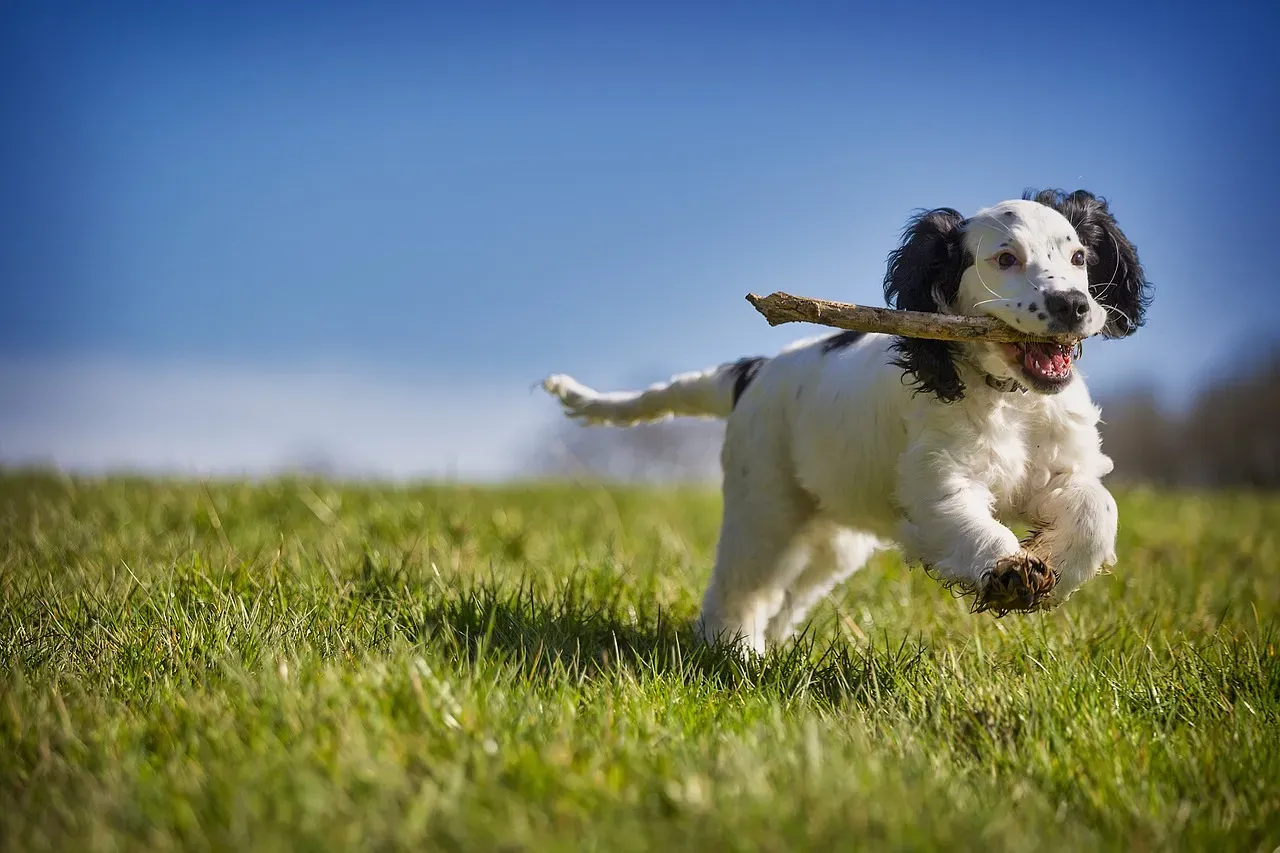
It seems kind to let a puppy just be a puppy for a while, doesn’t it? Skip the rules, let them explore, figure it all out later. But the truth is, waiting to train is one of the most emotionally confusing things you can do for a dog. Many new dog owners think training can wait until the dog gets older. However, the earlier you start, the better your dog will learn and adapt to your household.
We often overlook undesirable behavior in puppies because it’s cute or funny when they’re little. It could be your dog hiding behind you and barking, getting a little feisty during food time, or even playing the “catch me if you can” game in the backyard. That stuff snowballs fast once they’re bigger.
Puppies are like sponges and can absorb a lot of information quickly. Start simple: sit, stay, come. Keep sessions short and joyful. Training isn’t about control. It’s about giving your dog the confidence to understand their world, and that makes them genuinely happier.
10. Not Creating a Safe, Predictable Routine

Dogs are creatures of routine in the most profound way. When mealtimes shift, walks disappear, or the household energy becomes chaotic, your dog doesn’t just get confused. They feel genuinely unsafe. Dogs, like humans, thrive on routine. Without a consistent schedule, they may become anxious or act out.
Changes in routine, such as moving to a new home or adjusting to a different work schedule, disrupt the predictability pets rely on for emotional security. Think of a predictable schedule as your dog’s emotional anchor. They know what’s coming. That knowledge alone reduces a huge amount of background stress.
Establishing consistent routines helps dogs feel safer and more confident when they know what to expect. Feeding, walking, and bedtime routines provide structure that reduces anxiety. It doesn’t have to be military precision. Just a reliable rhythm they can count on, day after day.
A Final Thought: Your Dog Believes in You
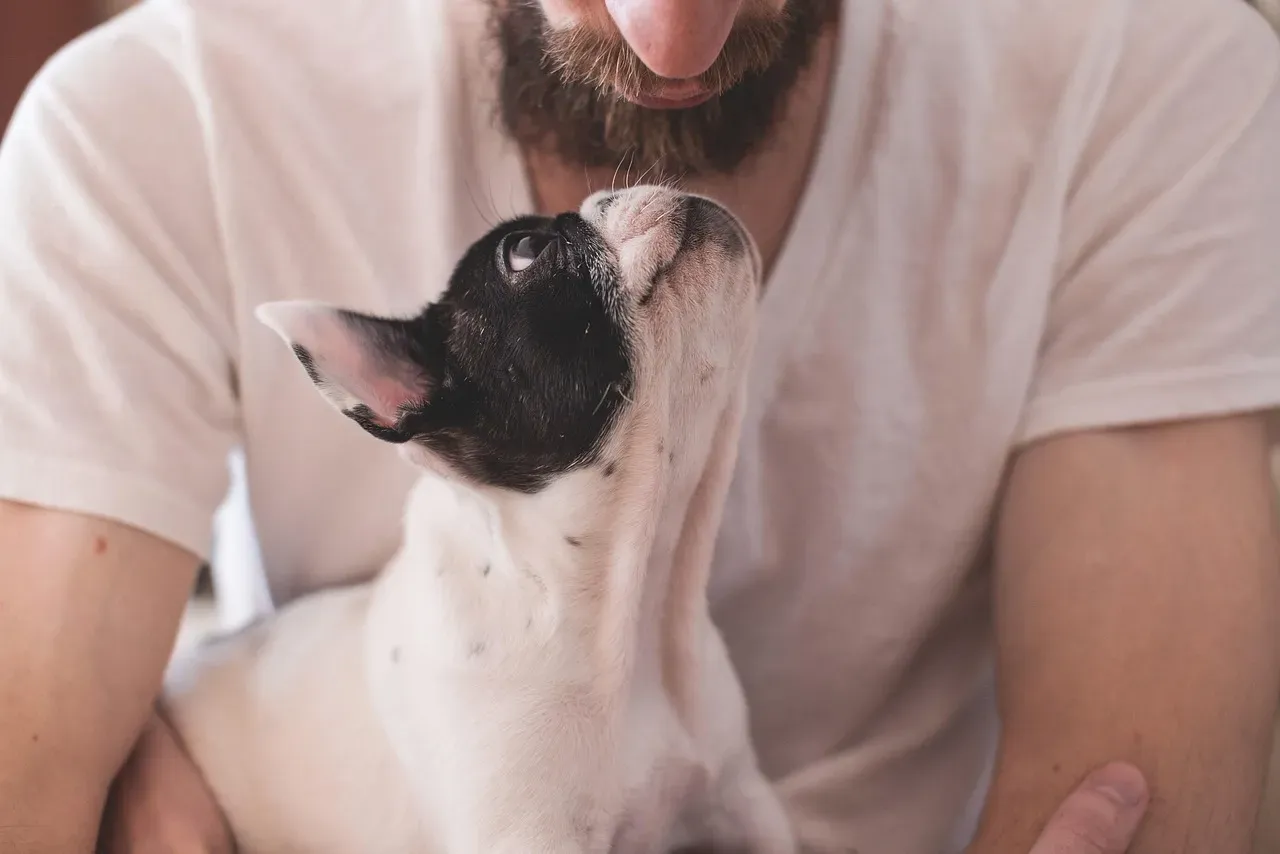
None of the mistakes on this list make you a bad dog owner. They make you a new one. There’s a massive difference. Every single mistake here has a gentle, practical fix, and your dog – loyal to the core – is already rooting for you to figure it out.
The most beautiful thing about dogs is how willing they are to forgive, reset, and try again. Helping our dogs cope with stress and anxiety is one of the most important ways we can support their overall wellbeing. Ignoring these challenges can affect their health, behavior, and the bond we share with them. By learning to recognize the signs of stress and taking proactive steps to reduce it, we can help our dogs feel safe, confident, and understood.
So take a breath. Watch your dog a little more closely tomorrow. Notice the flick of an ear, the softening of their eyes when you get it right, or the way their whole body relaxes when you simply sit beside them. That right there is everything. Your dog isn’t asking you to be perfect. They’re asking you to keep showing up. Are you ready to do that differently?


