
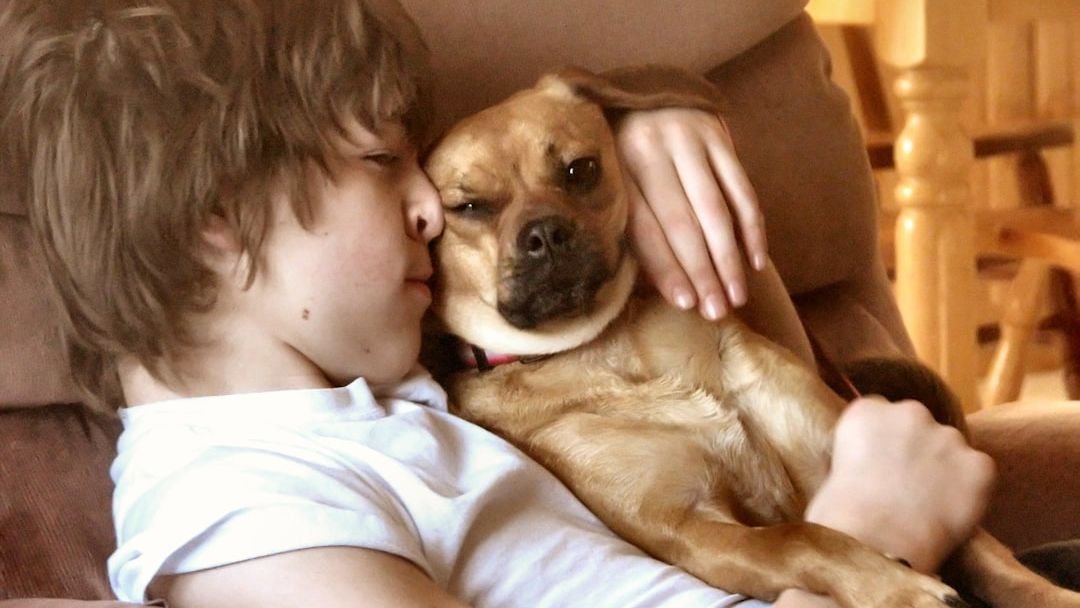
Picture this: you’ve just walked through the front door, heart full, new puppy or kitten tucked under your arm, and your resident dog runs over tail wagging. You think, “This is going to be perfect.” Then it isn’t. There’s growling, stiff body language, and suddenly the joyful moment you imagined feels like a disaster unfolding in slow motion.
The truth is, most introductions don’t go wrong because of bad dogs. They go wrong because of well-meaning humans who skip crucial steps. Whether you’re bringing home a second dog, a cat, or any other pet, what you do in those first hours and days can make or break the relationship for months to come.
Here’s everything you need to know to get it right – because your dog deserves that.
Mistake #1: Doing the First Meeting Inside Your Home
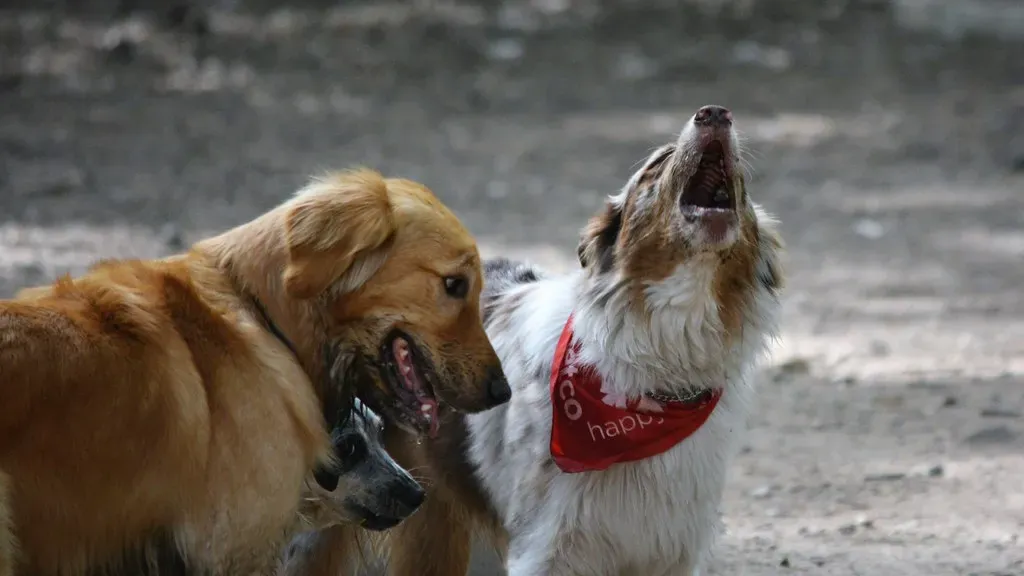
Here’s the thing – your dog’s home is their kingdom. Every corner, every couch cushion, every doorway carries their scent and their sense of ownership. Walking a brand-new animal straight through that front door is like someone walking into your bedroom uninvited.
When you introduce a new pet to the family, it changes the dynamic, and this can be a lot for existing animals to process, especially if they’re used to being the only pet in the house. The first meeting is best to take place outside and on a lead for safety purposes. A park, a quiet street, or even a neighbor’s yard works wonderfully as neutral ground.
The introduction should happen in a large outdoor space that’s neutral to both dogs, meaning neither has “claimed” it by frequent visits or marking. Ideally, this location should have enough space so the dogs can be at least 30 feet apart at first. Give them room to breathe. Distance is your friend early on.
Mistake #2: Rushing the Introduction
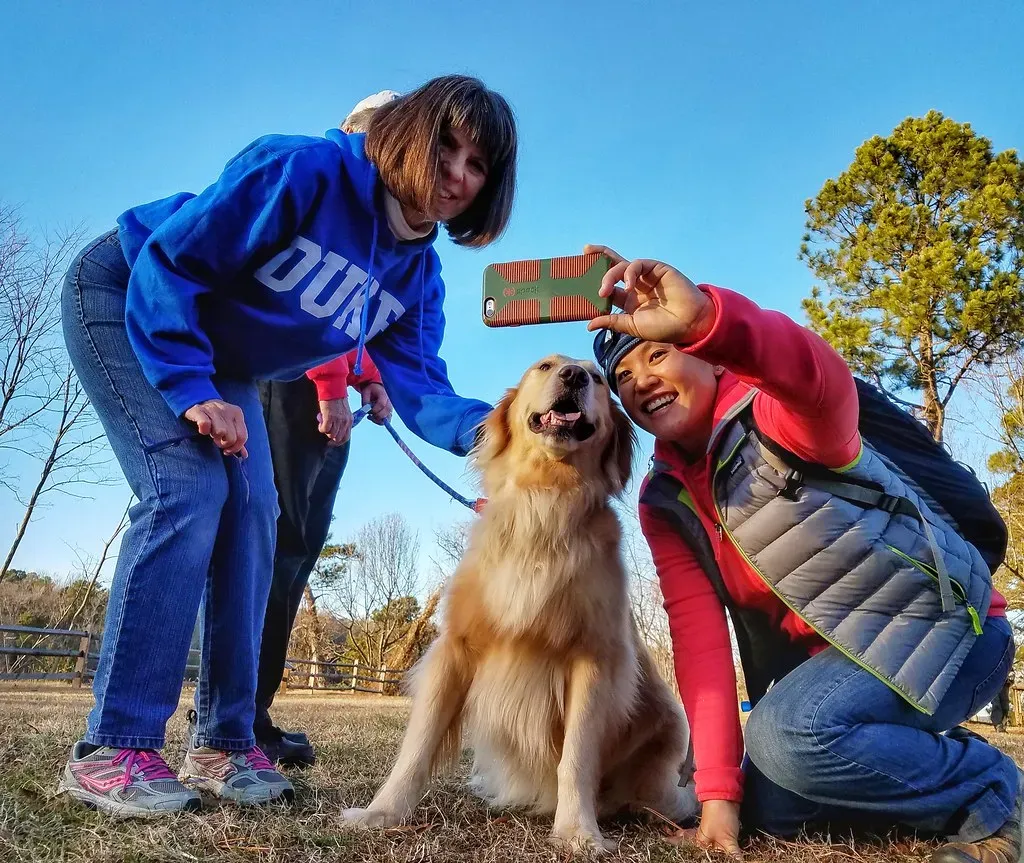
Honestly, this is the mistake I see most often. People are so excited to see their pets bond that they push things way too fast. Imagine being dropped into a room with a stranger and being told to be best friends immediately. Stressful, right?
Dog introductions should be slow, structured, and stress-free. Parallel walking at a distance is the gold standard for first meetings. Walk both dogs side by side, far apart at first, allowing them to gradually become aware of each other without direct confrontation.
For some dogs this process can be as quick as a day or two. For others, it can last weeks or even months. Remember that every dog gets comfortable at their own pace, and that rushing them can backfire and cause them to take even longer to accept their new friend. Slow and steady isn’t just a saying here – it’s the strategy.
Mistake #3: Ignoring Your Dog’s Body Language
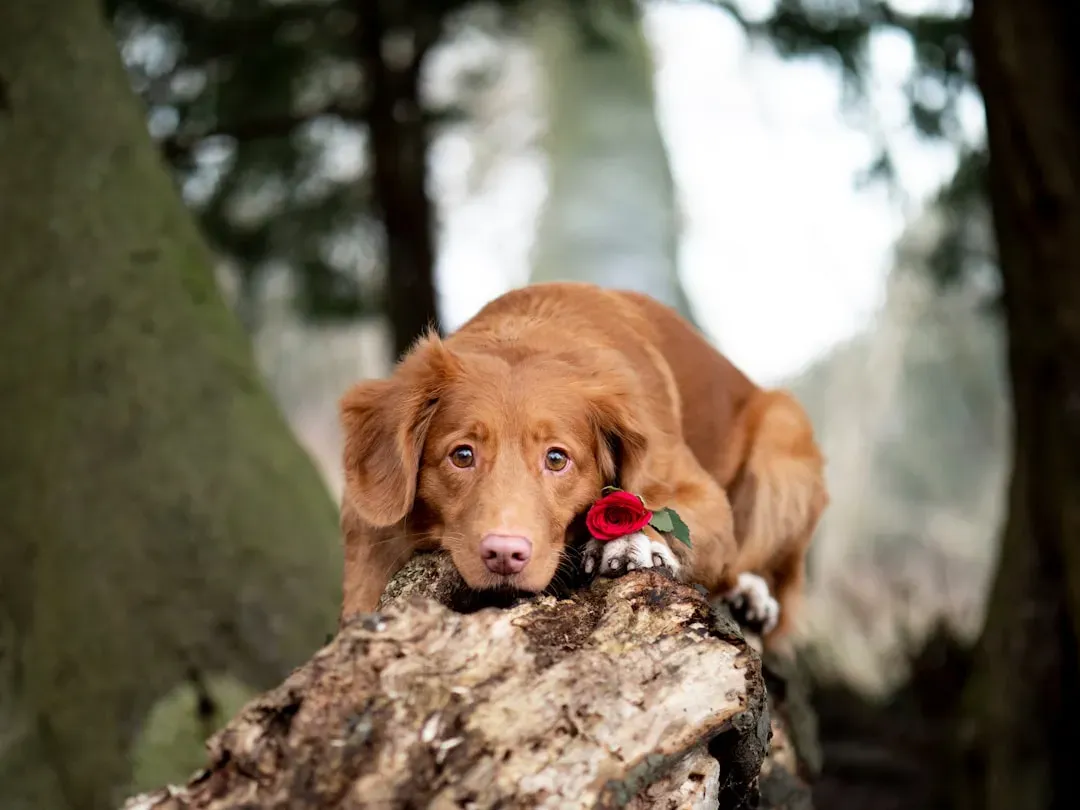
Your dog is talking to you constantly. The problem is, most of us aren’t fluent in that language yet. A wagging tail doesn’t always mean happiness. A stiff body and hard stare can be a warning sign that an explosion is seconds away.
Warning signs in dog body language include stiffening, low growling, avoidance, or hard stares. If you see these behaviors, calmly move the dogs away from each other. Remember, some dogs do not like the company of other dogs, and they should never be forced into a greeting.
Dogs communicate constantly through their posture, facial expressions, and movement. Learning to understand your dog’s body language helps you build trust, prevent stress, and support their emotional well-being. Think of reading body language as the single most powerful tool in your introduction toolkit.
Mistake #4: Forcing Interaction When a Dog Signals Discomfort
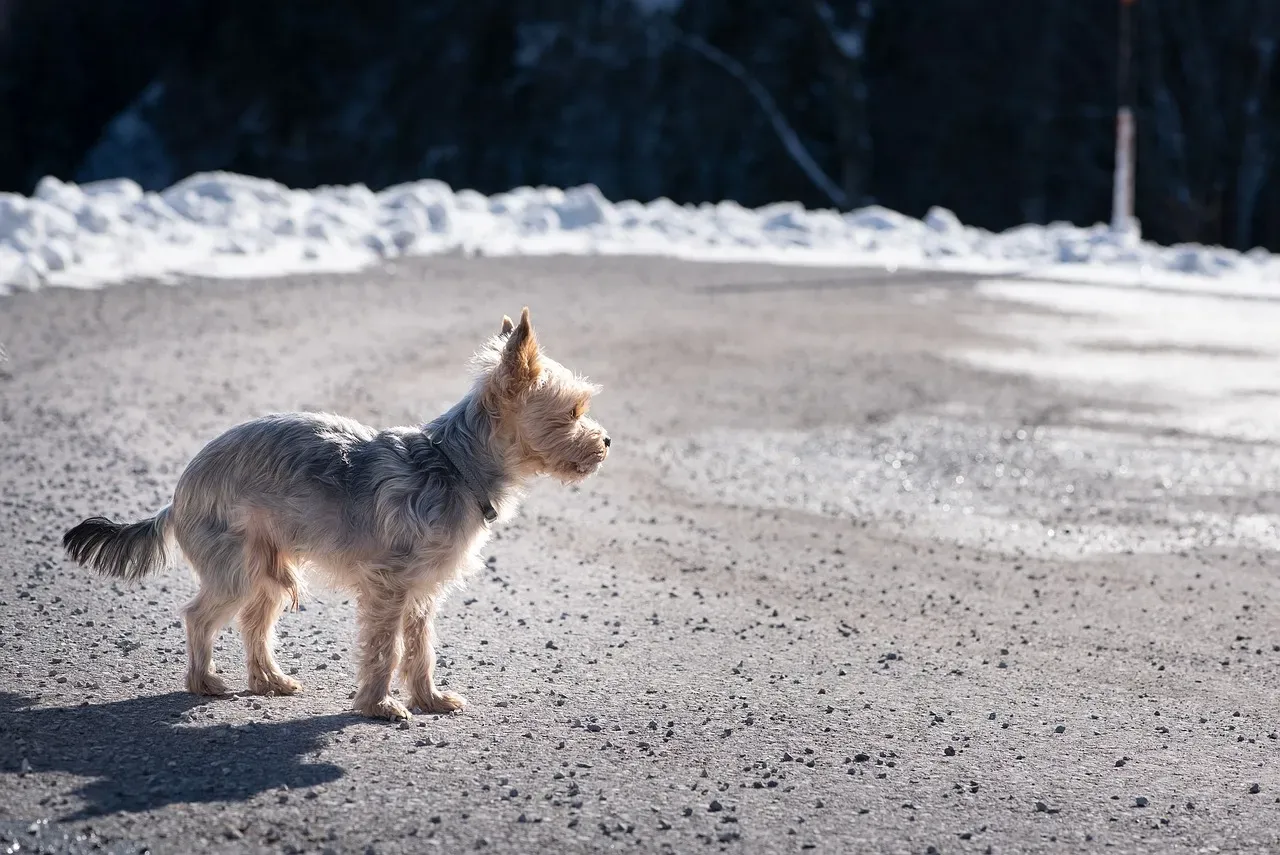
Here’s something that surprises a lot of people: forcing a scared or uncertain dog to interact doesn’t build confidence. It actually does the opposite. It chips away at their trust in you and in the new pet.
All dogs should always be given the choice to approach or not to approach other humans or animals. If a dog does not choose to approach someone, give them space; forcing them to interact will only cause them to get more anxious, and they should be given space. Never force a dog to interact!
When responding to your dog’s signals, it’s important to remain calm, patient, and encouraging, as dogs are very sensitive to human emotions and can easily pick up on stress or frustration. If your dog appears unsure, anxious, or uncomfortable, give them space and allow them to move away or observe the situation from a distance rather than forcing interaction. Let them opt in. That choice matters enormously.
Mistake #5: Neglecting Your Resident Dog’s Emotional Needs

When a new pet arrives, it’s easy to pour all your attention into the newcomer. They need the vet visit, the new bed, the photos. Meanwhile, your resident dog is watching all of this and quietly wondering what happened to their world.
Spend equal time with both pets. You should spend time with each pet separately and allow them to smell their scents on you. Be sure to pay extra attention to the resident pet, so they don’t associate the change and presence of a new pet with less affection and attention.
Think of it like bringing a new sibling home. The older child still needs reassurance, hugs, and their routines intact. Your dog feels that same kind of displacement. A few extra cuddles and one-on-one walks go a very long way in keeping their trust and emotional stability solid.
Mistake #6: Leaving Them Unsupervised Too Soon
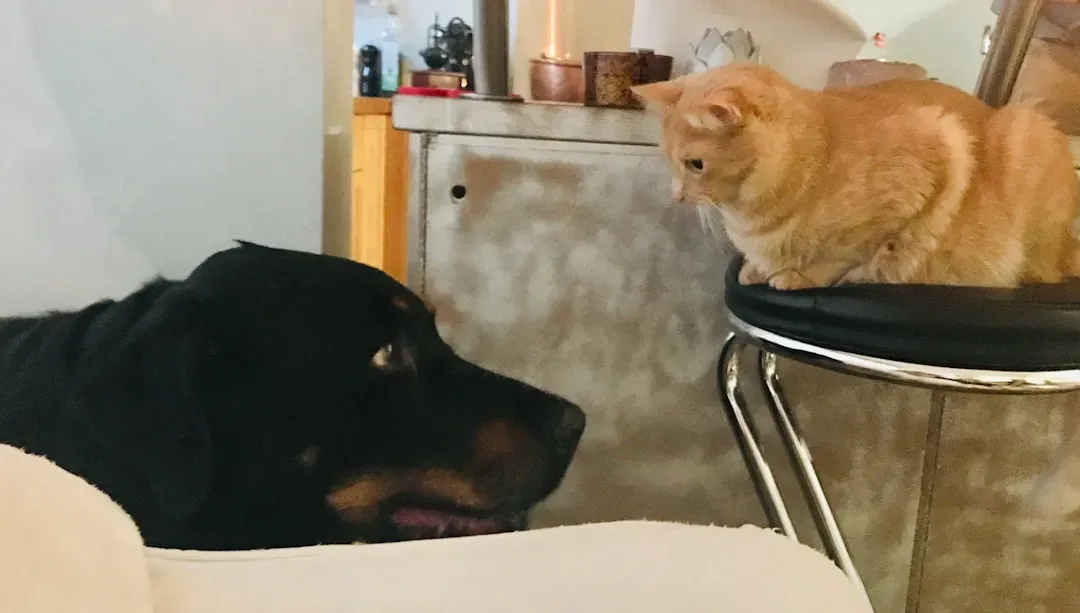
Let’s be real – even when things seem to be going brilliantly, leaving two animals alone together before they’ve truly bonded is a gamble you don’t want to take. One wrong moment, one resource, one bad day and things can escalate fast.
It’s important to go at your pets’ pace and not pressure them to interact before they are ready. Observe and read both pets’ body language throughout the process, and only move to the next step when both pets are comfortable.
Supervise your dog’s interactions so you can be sure the friendly greeting is mutual; don’t leave your dog unattended. When you’re not home, use crates, baby gates, or separate rooms as a safety net. It’s not a sign that things are going badly – it’s just smart, responsible parenting.
Mistake #7: Overlooking Resource Guarding Triggers

Food bowls, toys, beds, even your lap – these are all potential flashpoints. Dogs who are otherwise perfectly friendly can shift into a completely different mode when a high-value resource is nearby. It’s wired into them, and it’s nothing personal.
At home, let them settle in, but make sure you’ve put away your dog’s toys, bones, and food bowls first because these items can be sources of conflict. Whenever you feed the dogs – and if you’re going to offer high-value items like Kongs or chews – it might be best to separate them while they eat. Once the dogs are good friends, they might be more willing to chomp side by side on food and high-value items.
Make sure there is an environment of plenty. There should be more than one water bowl and more than one comfortable place to lie down. There should be plenty of toys, especially of kinds your dog likes, so that there’s no reason for the dogs to have a conflict over access to them. More resources means less competition. Simple but powerful.
Mistake #8: Punishing Growls and Warning Signals
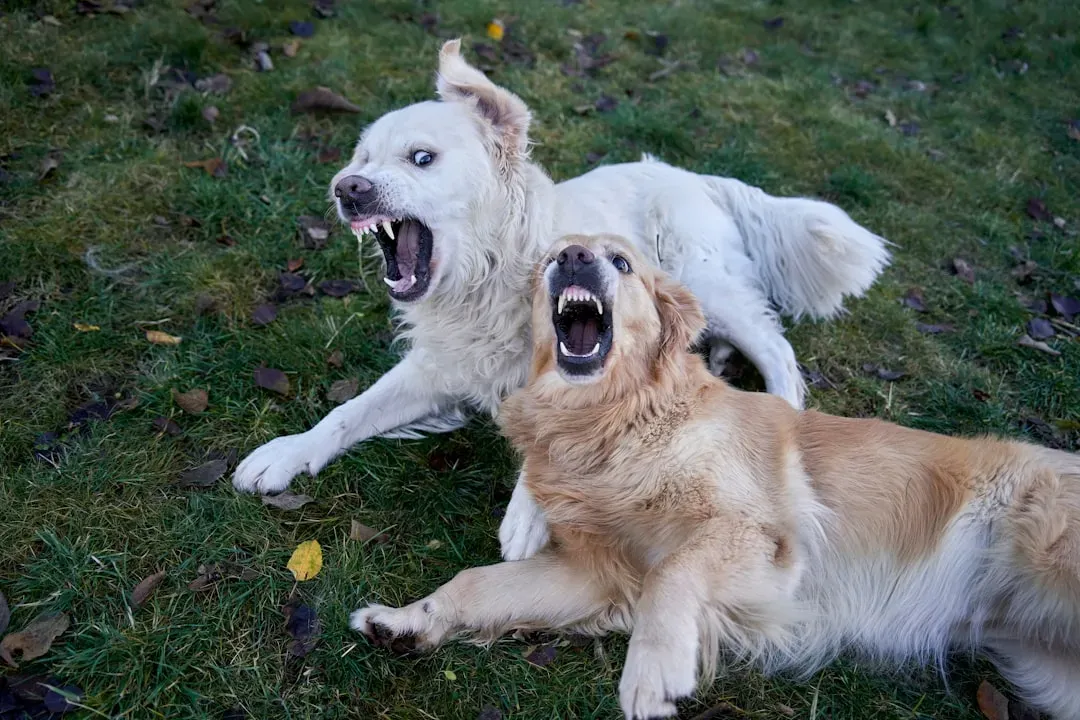
I know it sounds scary when your dog growls at the new pet. But here is something really important to understand: that growl is communication. It’s your dog saying “I’m not comfortable right now.” Punishing it doesn’t make the discomfort go away – it just silences the warning system.
As the dogs become more comfortable with each other they should do less of this, but punishing them can have very negative results. It can turn uncertainty into fear and aversion and result in ongoing conflict between the dogs. Supervise and distract as needed to make sure serious conflicts don’t arise, but don’t punish this sort of behavior.
Avoid punishment, as it can increase fear, damage trust, and suppress important warning signals that your dog uses to communicate discomfort. Instead, calmly interrupt, create distance, and redirect. Respond to the emotion behind the growl, not just the sound.
Mistake #9: Skipping the Scent Introduction Phase
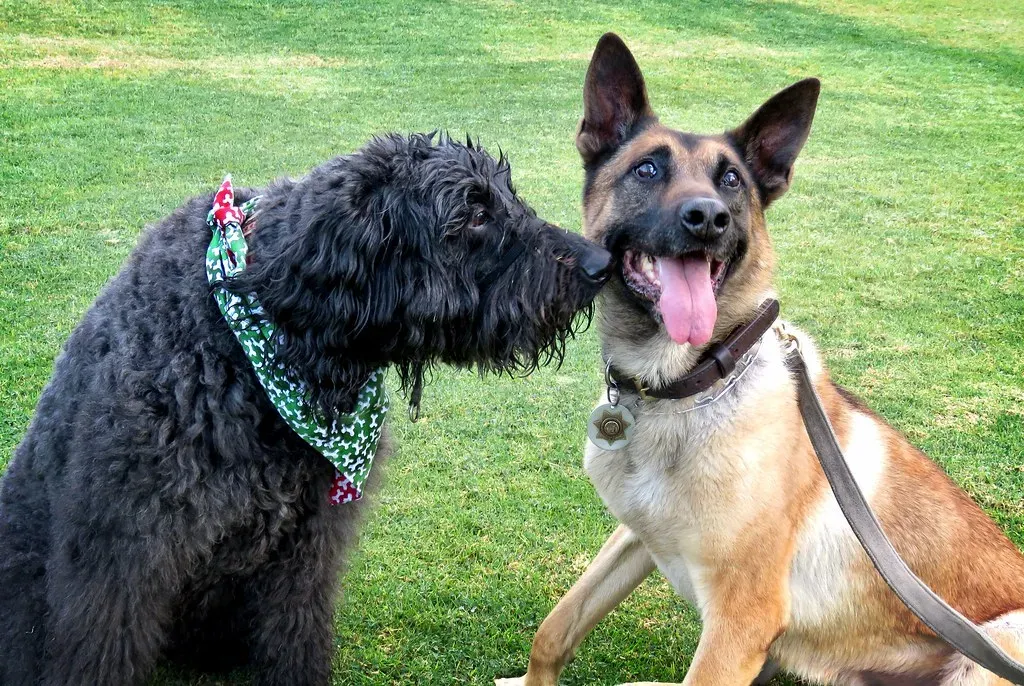
Dogs experience the world through their nose in a way we humans genuinely cannot fathom. Before a nose-to-nose meeting, dogs need to process smell. Yet so many owners skip this step entirely and go straight to a face-to-face greeting. It’s like starting a conversation mid-sentence.
Let the new pet decompress before starting the introduction process. We want to give the new pet lots of time to decompress and become familiar with the household routines before adding the extra stress of meeting the resident dog or cat. A great technique is to swap blankets or toys between the animals before they ever meet, letting each one sniff and process the other’s scent in a safe, pressure-free setting.
It might seem funny, but sniffing each others’ behinds is part of how dogs get to know each other. Repeat this process three times, keeping the sniff sessions short, about 3 seconds each. When the full meeting finally happens, they won’t be meeting a stranger. They’ll be meeting someone they already know by scent.
Mistake #10: Having Unrealistic Expectations About the Timeline
Here’s the one that quietly derails so many households. Owners expect their pets to be friends within a week. When they’re not, panic sets in. Tension rises. The humans get stressed, the dogs feel that stress, and suddenly everything feels worse than it actually is.
Similar to small children, puppies and dogs don’t always behave the way you’d like, especially when they’re just getting used to a new home. It’s one of the mistakes dog owners make to expect too much from new pets when you first bring them home. Work with your furry friend slowly to help it acclimate to its new surroundings, and introduce it gradually to other pets in the home so it doesn’t feel threatened or stressed. By adjusting your expectations to manageable levels, you can create a happy dog home for both your pet and family members.
Experienced owners usually understand daily structure is calming to dogs. First-timers often give a new dog tons of freedom right away – roaming the house, greeting everyone, sleeping wherever, and choosing their own pace. While well-intentioned, this can create anxiety and confusion. Clear patterns – routines, boundaries, predictable interactions – help dogs settle faster and behave more confidently. Patience is not passive. It’s one of the most active, loving things you can offer your dog.
Conclusion: A Little Patience Goes a Very Long Way
Bringing a new pet into a home with an existing dog is one of the most meaningful things you can do for your family. It’s also one of the most delicate. The mistakes we’ve covered today aren’t signs of bad ownership – they’re signs of excitement, love, and the very human desire to see it all work out instantly.
The good news is that with the right approach, most dogs can learn to coexist peacefully, and many go on to become the most unlikely, heartwarming best friends. All it takes is neutral ground, patience, supervision, and a genuine willingness to listen to what your dog is telling you.
Your dog has trusted you with their whole world. Returning that trust by introducing change slowly and thoughtfully is one of the greatest gifts you can give them. So take a breath, slow down, and let the friendship unfold on their timeline. What do you think – did any of these mistakes surprise you? Drop a comment below and share your experience!


