
Picture this. You’re scooping kibble into your dog’s bowl, their eyes gleaming, their tail wagging with pure, unfiltered joy. It feels like love, doesn’t it? Here’s the thing, though: Sometimes the very gestures we think express our devotion are quietly undermining our dog’s health. The truth is, isn’t as simple as pouring food into a dish and calling it a day. It’s easy to slip into habits that seem harmless or even kind but can lead to serious problems down the road.
So many of us are getting it wrong without even knowing it. From guessing portion sizes to sneaking treats under the table, these small missteps add up. What if the way you’re feeding your pup is actually setting them up for weight gain, digestive trouble, or worse? Let’s dive in and uncover the feeding mistakes that too many dog lovers are making, so you can keep your furry friend healthy, happy, and thriving for years to come.
Overfeeding: Love Isn’t Measured in Extra Scoops
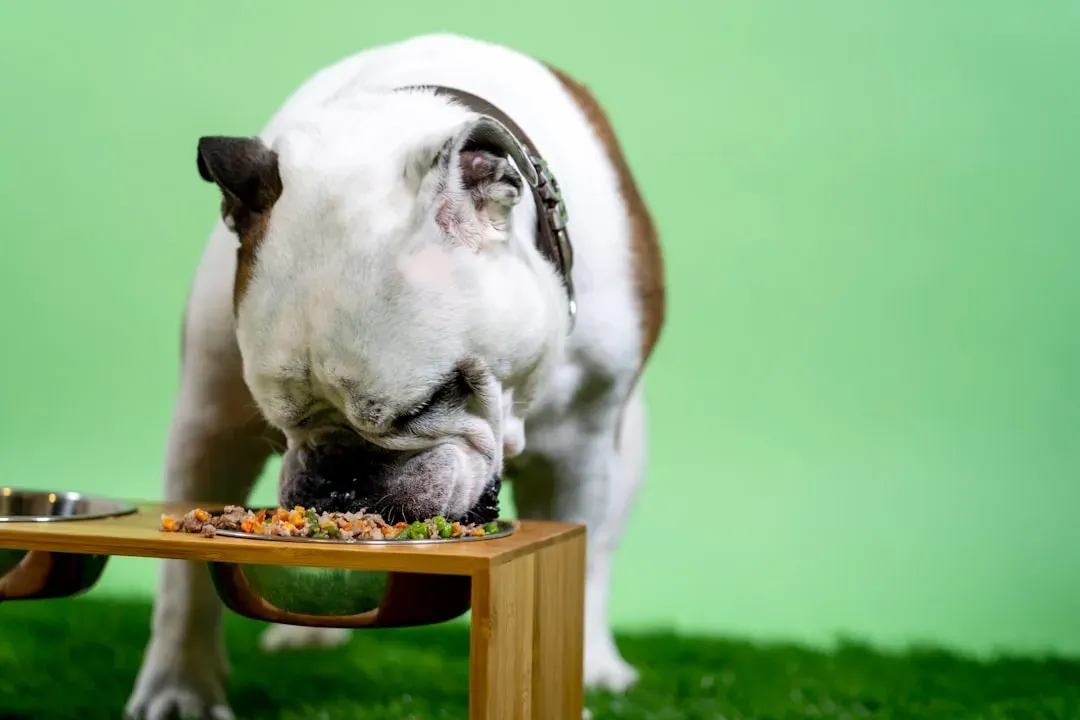
Let’s be real, those puppy dog eyes are impossible to resist. Your dog sits there, staring at you like they haven’t eaten in weeks, and suddenly you’re reaching for the food bag again. According to the American Kennel Club, roughly more than half of dogs in the U.S. are overweight, and overfeeding is a major culprit. We confuse love with food, thinking an extra scoop shows how much we care.
The reality? Over can result in obesity, diabetes, heart strain, and joint problems. Weight sneaks up on dogs slowly, especially the fluffier breeds where a few extra pounds hide under all that fur. Over-nutrition can cause health problems other than excessive weight gain including loose stools, abdominal discomfort and swelling, as overfeeding puts more demands on the digestive system and reduces its efficiency. Your dog doesn’t need more food to feel your love. They need the right amount to feel their best.
Eyeballing Portions Instead of Measuring
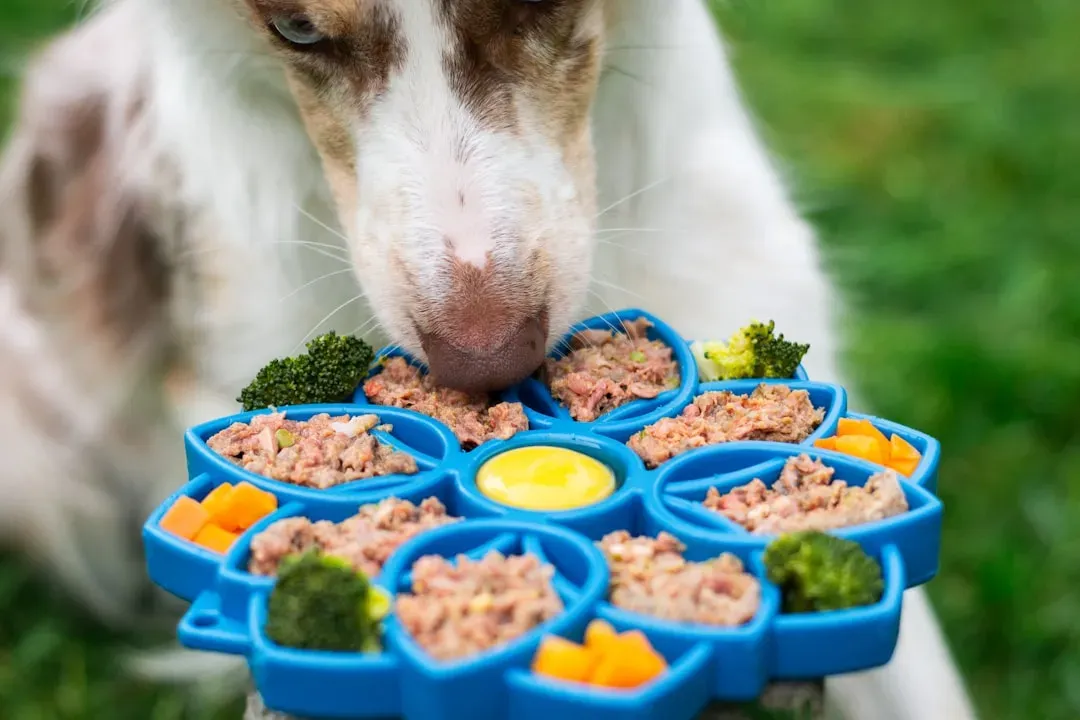
How many of us actually measure our dog’s food? Honestly, most people grab a scoop or a cup and just eyeball it. You love your pet and don’t want them to be hungry, which means if you’re eyeballing portions, you’re bound to guess high. That heaping cup you think is fine might actually be way more than your dog needs.
Over time, those extra calories create a calorie surplus that leads to weight gain and all the health issues that come with it. Get yourself a proper measuring cup and stick to the recommended portions based on your dog’s weight and activity level. Weigh your dog and take their body condition score once a month for a more accurate assessment of your dog’s weight. It’s a small habit that makes a massive difference.
Free Feeding: Leaving Food Out All Day
Free feeding, or leaving food out all day, can lead to overeating and poor portion control, as many dogs tend to eat when they’re bored or anxious, leading to weight gain. Dogs aren’t always great at self-regulating, especially when there’s nothing else to do. That bowl sitting there all day becomes less about hunger and more about habit or entertainment.
Scheduled mealtimes work much better. Set consistent feeding times, usually two meals a day, and measure portions to avoid overfeeding, which helps create a routine for your dog and promotes better digestion. Plus, scheduled feeding makes it easier to monitor how much they’re actually eating and spot any changes in appetite that might signal a health issue. Structure isn’t just good for you; it’s good for them too.
Ignoring Treats in the Daily Calorie Count
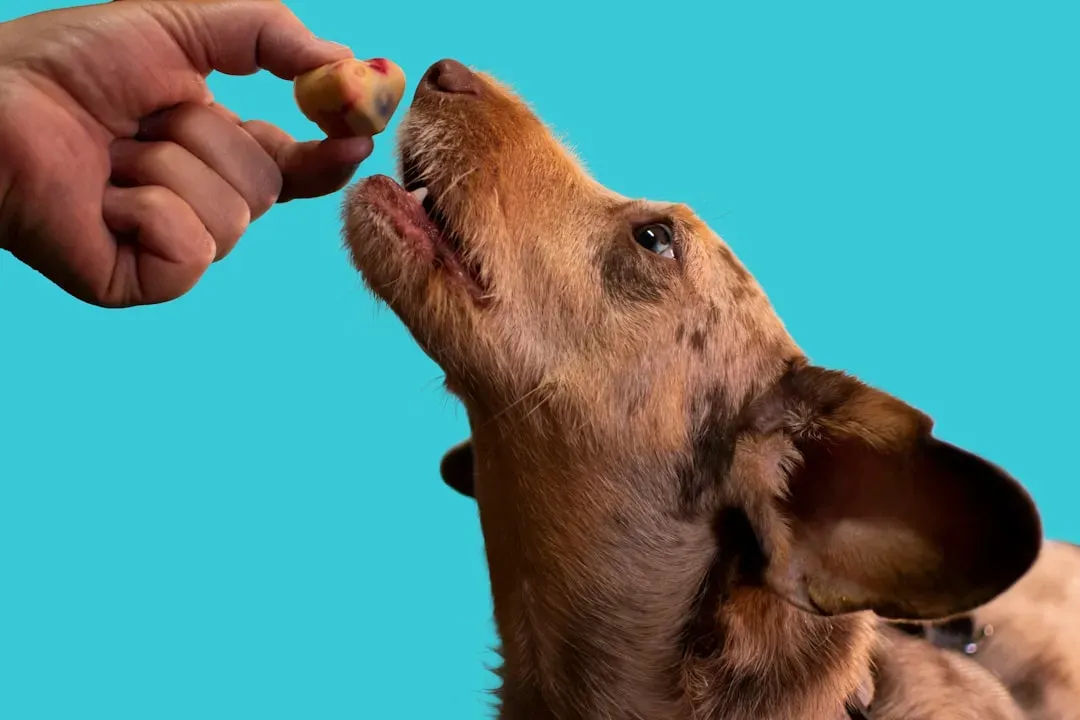
Training sessions, good behavior rewards, just-because-you’re-cute treats. We hand them out like confetti without thinking twice. It’s easy to lose count of treats, but those extra rewards add up over time, and too many treats can lead to unwanted weight gain if you’re not careful. You might be feeding the perfect amount at mealtime, then blowing it with a handful of biscuits throughout the day.
Treats should make up less than 10% of your dog’s daily diet. That’s not a lot. If your pup gets multiple treats daily, you need to adjust their meal portions accordingly. Consider healthier, lower-calorie options like carrot sticks or green beans. Your dog won’t know the calorie difference, but their waistline will.
Feeding the Wrong Food for Their Life Stage
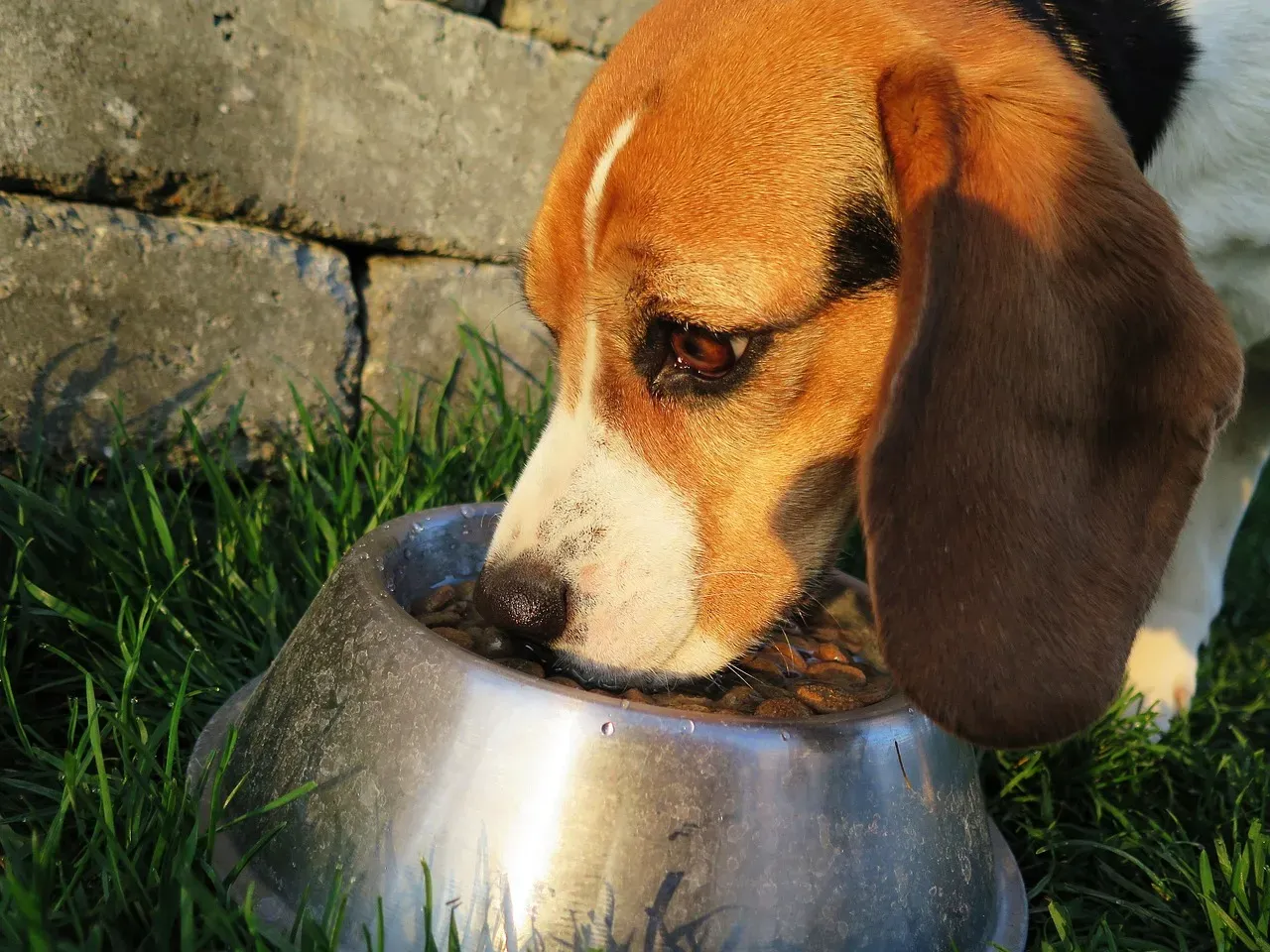
Puppy food, adult food, senior food – they’re not just marketing gimmicks. It is essential to feed your dog food appropriate for his or her age, as their nutritional needs change as they grow, and puppy diets also tend to be more fatty and more calorie dense, so feeding an adult dog puppy food will oftentimes result in a pretty chubby dog fairly quickly. A growing puppy has wildly different nutritional needs than a less active senior dog.
Feeding a puppy adult food or a senior dog high-calorie food can lead to nutritional imbalances. It might seem easier to buy one type of food for all your dogs, but that approach can backfire. Each life stage requires specific nutrients in specific amounts. Talk to your vet about what’s right for your dog’s age, breed, and activity level, and switch foods as they grow older.
Sharing Table Scraps Without Thinking Twice
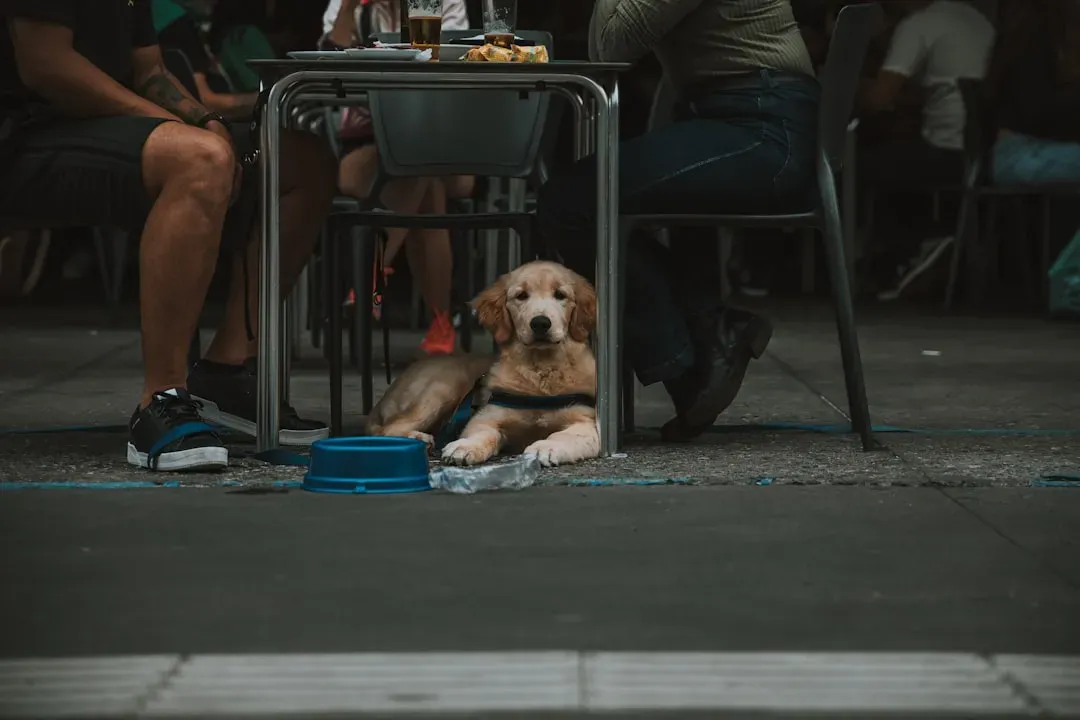
Those eyes. That gentle paw on your knee. The soft whimper that says, “Please, just one bite.” A little slice of bread or cheese here or there may not seem like a ton of calories, but they sure do add up, especially for cats and small dogs, and worse yet, table foods can be harmful and even toxic to pets. Even seemingly harmless human foods can wreak havoc on your dog’s system.
Chocolate, grapes, onions, and certain spices can cause severe reactions, and many other foods we eat regularly can upset their digestion or contribute to long-term health problems. Onion, garlic and chives can cause gastrointestinal irritation and red blood cell damage, which can lead to anemia. Just because it’s safe for you doesn’t mean it’s safe for them. Keep human food on your plate, not in their bowl.
Not Reading Dog Food Labels Carefully
Many dog owners don’t pay enough attention to the ingredients on the dog food label, as some commercial dog foods are filled with low-quality fillers like corn, soy, and artificial additives that provide little nutritional value. We grab whatever’s on sale or whatever has cute packaging, but what’s actually inside matters more than the marketing on the front.
Cheap fillers don’t nourish your dog; they just fill space. Look for foods with quality protein sources listed first, and avoid products loaded with artificial colors, preservatives, or vague ingredients like “meat meal.” Choose dog food formulated for your dog’s age or opt for an all-life stages dog food that meets the nutritional standards set by the Association of American Feed Control Officials. Your dog depends on you to make smart choices, so take the time to read those labels.
Forgetting About Fresh Water
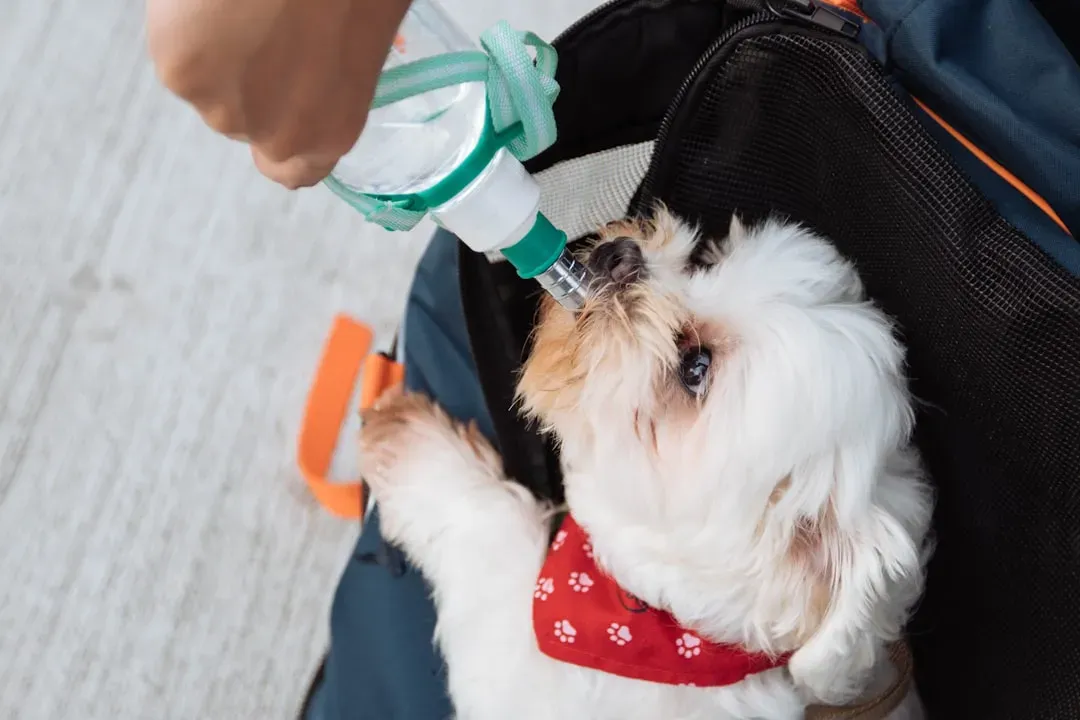
Food often takes the spotlight, but hydration is equally important, as lack of clean water can lead to urinary issues, dehydration, and kidney stress. It sounds basic, but so many people forget to check their dog’s water bowl regularly or let it get grimy between refills. Dogs need constant access to fresh, clean water, not a stagnant bowl that’s been sitting there for days.
Provide fresh, clean water at all times, wash water bowls daily to prevent bacterial growth, and monitor intake, as sudden changes may indicate health issues. Dehydration affects everything from digestion to energy levels. A simple habit like refreshing their water twice a day can prevent serious health problems down the line.
Switching Foods Too Quickly
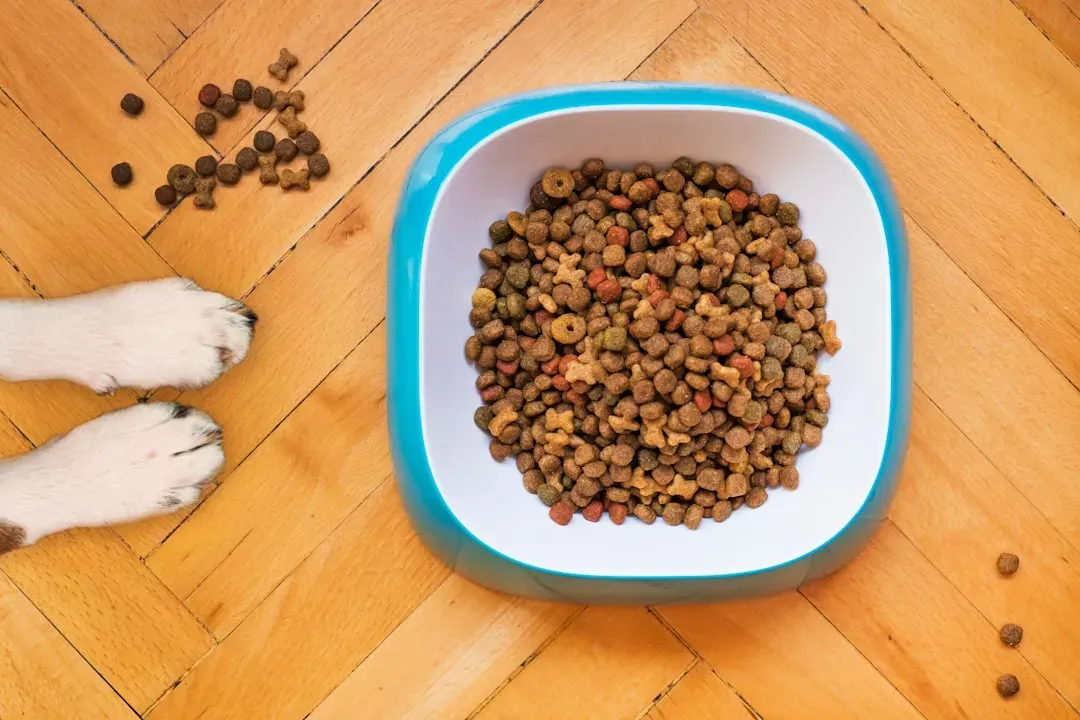
You found a new brand or decided to try a different protein source, so you dump the old food and start fresh the next day. Big mistake. If you decide to change your dog’s food for some reason, you should slowly mix the old and new food, as you just don’t want to do it all at once because then, a diet change can cause them to get a real upset stomach. Dogs have sensitive digestive systems, and sudden changes can trigger vomiting, diarrhea, and discomfort.
Transition gradually over at least a week, mixing increasing amounts of the new food with decreasing amounts of the old. Start with roughly a quarter new food to three quarters old, then slowly shift the ratio each day. This gives their gut time to adjust and prevents unnecessary digestive drama. Patience here saves you both a lot of trouble.
Relying Solely on the Feeding Guidelines on the Bag
Portions on the back of the bag are good starting points, but they don’t fit all pets, as lifestyle, activity level and health status can change how much your pet should eat, so always verify with your veterinarian the correct amount to feed your pet. Those guidelines are generic. Your couch potato Labrador and your friend’s agility-training Border Collie shouldn’t be eating the same amount, even if they weigh the same.
Every dog is different. Activity levels, metabolism, age, and health conditions all play a role in determining the right portion size. Use the bag’s guidelines as a rough starting point, then adjust based on your dog’s body condition and energy levels. Regular vet check-ins help you fine-tune their diet as their needs change over time.
Conclusion: Small Changes, Big Impact
Feeding your dog might seem straightforward, but as we’ve seen, it’s surprisingly easy to make mistakes that can quietly harm their health. The good news? Most of these missteps are simple to fix once you’re aware of them. Measure portions, read labels, ditch the table scraps, and pay attention to your dog’s changing needs as they age. These aren’t huge lifestyle overhauls; they’re small, manageable tweaks that add up to a healthier, happier pup.
Your dog trusts you to make the right choices for them, and honestly, they deserve nothing less. With a little more mindfulness around mealtime, you can help them maintain a healthy weight, avoid preventable health issues, and enjoy a longer, more vibrant life by your side. What do you think? Did any of these surprise you? Share your thoughts and experiences in the comments below.


