
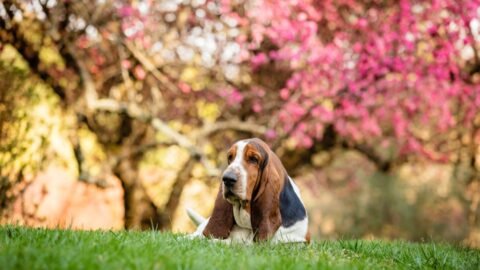
Have you ever caught yourself wishing your dog could tell you exactly what’s on their mind? Well, some pups practically do just that. They bark, howl, whine, and even seem to hold full conversations with you, expressing everything from joy to frustration with impressive vocal range. While all dogs communicate through sound, certain take it to a whole new level. They’ve been bred for centuries to use their voices as tools, whether for hunting, herding, or simply keeping their humans in the loop.
If you’re considering adding a chatty companion to your home or already share your space with a vocal pup, understanding why they’re so talkative can make all the difference. These aren’t just noisy for the sake of it. Their vocalizations tell stories, signal needs, and reflect their unique personalities. So let’s dive into the world of the and discover what makes them such expressive communicators.
Siberian Husky
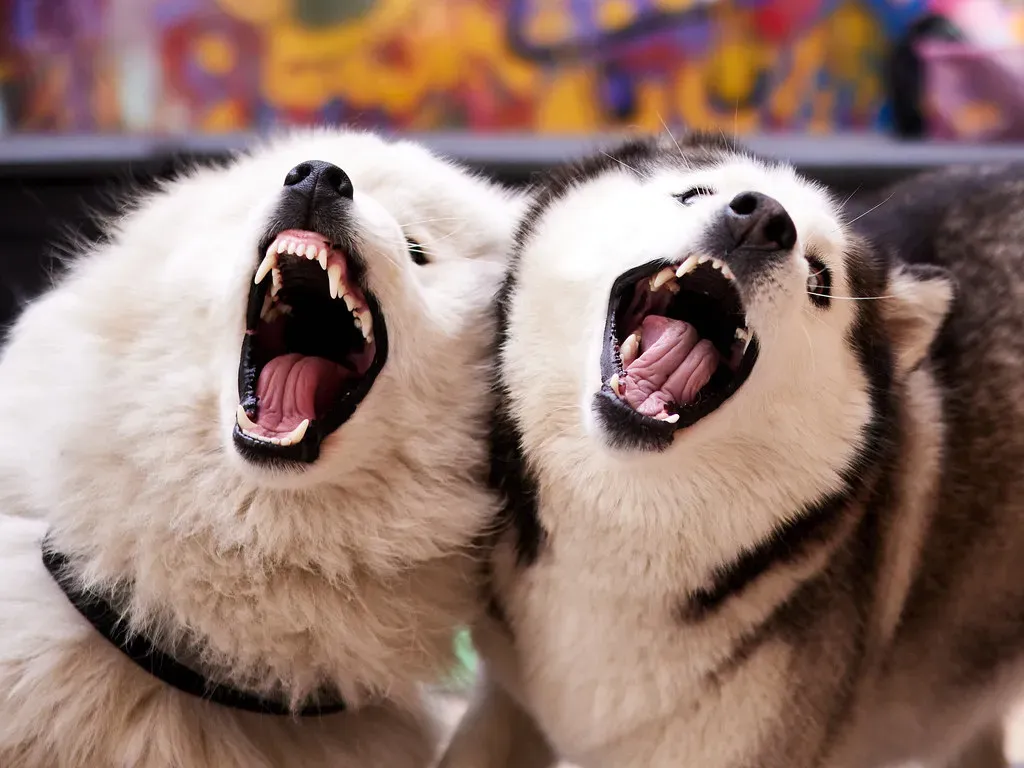
Siberian Huskies are energetic and extremely vocal, known for howling, talking, screaming, and even singing, with sounds that can even resemble humans. If you’ve ever spent time around a Husky, you know they don’t just bark. They talk back. These stunning dogs have an impressive range of sounds, from dramatic howls to grumbles to what can only be described as full conversations.
Since they’re used to working in packs, Huskies have a natural tendency to use their voice to communicate with their comrades, which translates to lots of howling and vocal expression in a human pack, and they’ll never hesitate to let you know what’s going through their mind. Their chattiness isn’t rudeness. It’s how they bond and share their feelings. Expect your Husky to vocalize when they’re excited, bored, or just want to join in on a conversation. Honestly, their theatrics can be as entertaining as they are loud.
Beagle
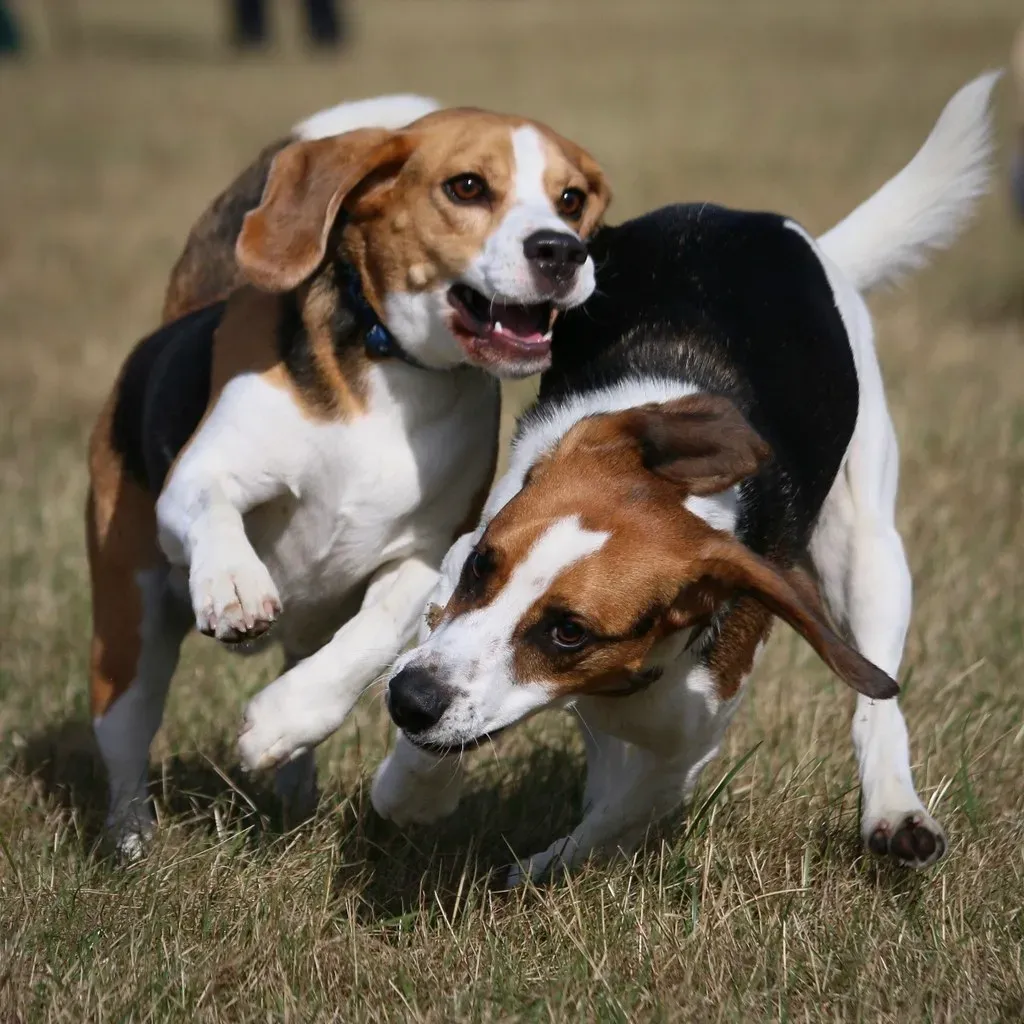
Beagles are hunting hounds who love to use their voice, barking, howling, and baying whenever they catch a scent, and their name even comes from the French word bégueule, meaning loudmouth. That should tell you everything you need to know about this lovable breed. These merry little hounds were bred to track prey and alert hunters with their distinctive bay, a sound that’s deeper and more drawn out than a typical bark.
Even if your Beagle isn’t out on a hunt, don’t be surprised if they serenade you at home. Like many hounds, Beagles will provide you with no shortage of vocalizations, and these dogs love to bay and howl at just about any opportunity. They’ll often join in when they hear sirens or music. Their friendly, curious nature makes them fantastic family dogs, but their vocal habits mean they’re better suited to homes where a little noise won’t be an issue.
Chihuahua
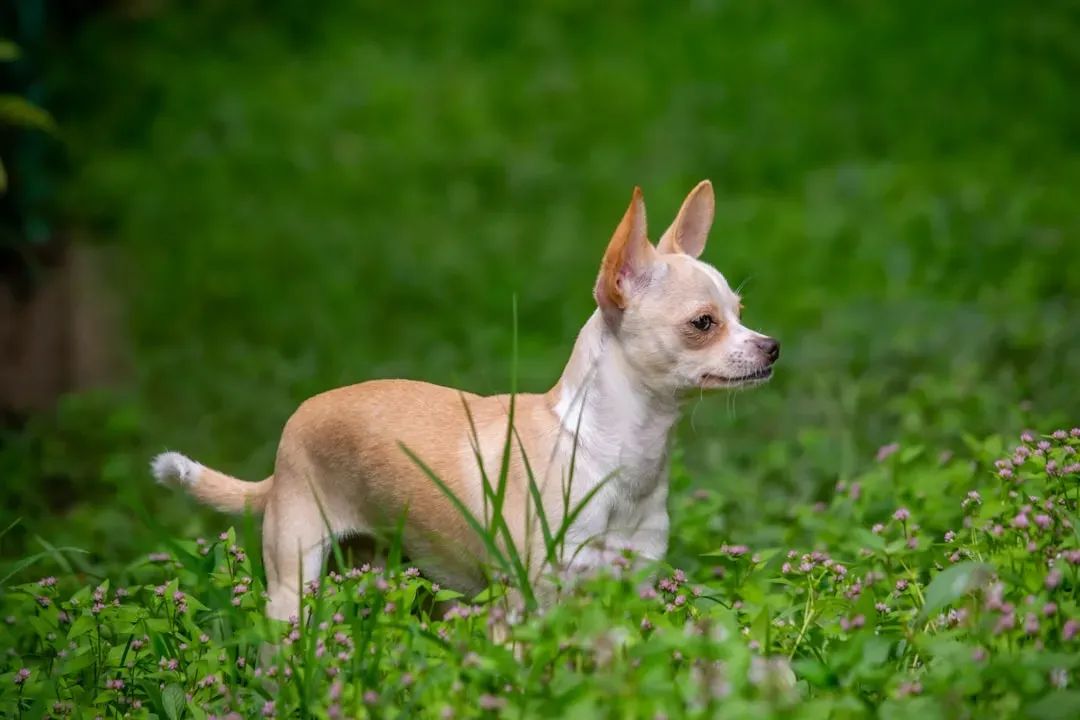
Let’s be real: Chihuahuas have big personalities packed into tiny bodies. The Chihuahua is known for being boisterous, and this breed’s lung capacity and alert personality is quite impressive, but can also be exhaustive. These pint sized pups are fiercely protective and won’t hesitate to sound the alarm at the slightest provocation.
Originally from Mexico, these spicy little dogs may be tiny in size but big in personality, with loyalty, charm, and an attitude you’d expect from a dog many times their size, and Chihuahuas also love to bark frequently, although it sounds more like a full throated yap. They can be territorial, anxious, or simply expressing excitement. With proper training and socialization, you can help manage their vocal tendencies, but expecting total silence from a Chihuahua is like asking the sun not to shine.
German Shepherd
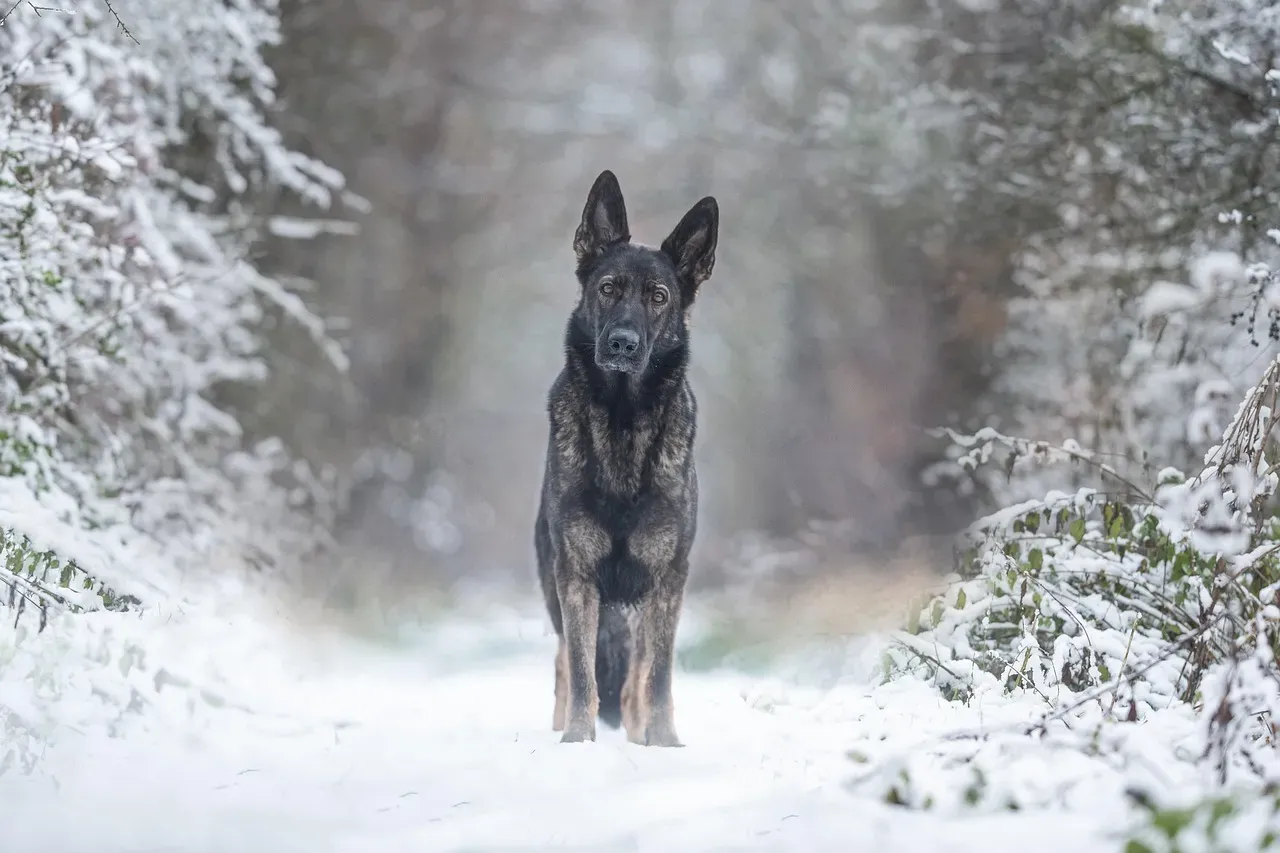
German Shepherds are among the most intelligent and versatile out there. Bred to guard and herd livestock, German Shepherds are extremely talkative, communicating by barking, whimpering, grumbling, or whining. Their vocalizations aren’t random noise. They’re purposeful communication, whether they’re alerting you to something unusual or expressing their needs.
These dogs thrive on having a job to do, and they use their voice as part of that work. The German Shepherd can give the Siberian Husky a run for its money when it comes to having something to say, and has a lot of things to say especially in stressful and exciting situations, with howls, whines, and grumbles all common vocalizations. They’re natural protectors with sharp minds, making them outstanding working dogs. Just be prepared for them to keep you updated on everything happening in their world.
Pomeranian

Energetic, affectionate, sassy, and vocal, the Pomeranian is the epitome of a small dog with a big personality, and these little pooches were bred as companion dogs, wanting nothing more than to be with their people and the center of attention. Don’t let their fluffy cuteness fool you. Pomeranians have a lot to say and aren’t shy about saying it.
For being known as a yappy dog, the Pomeranian lives up to its reputation, and these dogs may be small but they can be tough and aren’t afraid to bark, and you can definitely count on a Pomeranian to let you know if trouble is afoot on your property. Their alert nature makes them excellent little watchdogs. They might bark at visitors or unfamiliar people, so early socialization helps. Still, a certain amount of vocalization is just part of their charm.
Basset Hound
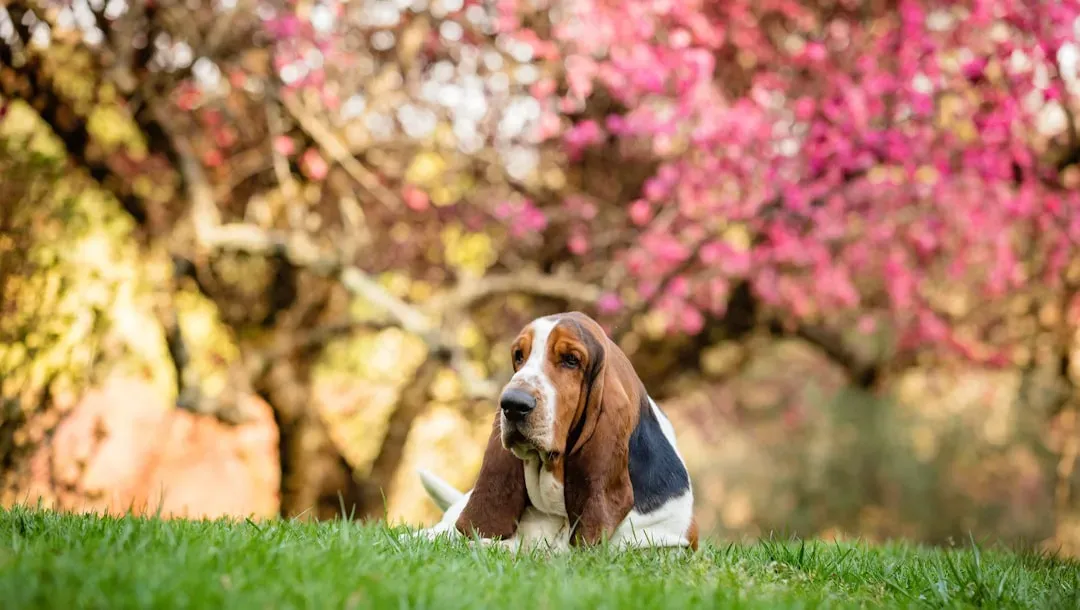
With their droopy eyes and long ears, Basset Hounds are instantly recognizable and utterly endearing. Easily one of the most popular dogs around the world, they are fantastic family pets with a laidback, almost relaxed attitude toward life, though if left alone in a yard for hours on end, you’ll find your neighborhood getting serenaded by your dog’s mournful howls. Their deep, melodious bay can carry quite a distance.
These low key hounds were bred for tracking, and their vocalizations were meant to alert hunters. That instinct remains strong. They’ll howl when they’re lonely, anxious, or simply want to express themselves. It’s hard to stay annoyed when the sound is so soulful and full of personality, though.
Dachshund

Dachshunds might be small, but their bark is surprisingly loud and commanding. This little scent hound was originally bred in Germany for hunting tunneling animals such as rabbits and foxes, which tends to make them very courageous for their small size, and due to being a hunting dog they can be more vocal than your average pet dog, and another aspect that can make them more vocal is the fact they are great little watchdogs.
These tenacious little dogs won’t hesitate to alert you when people approach the home or if they perceive any danger. Their boldness and confidence shine through in their voice. They’re loyal, playful, and full of spirit, but their bark can be quite persistent if they’re not given enough mental and physical stimulation.
Alaskan Malamute
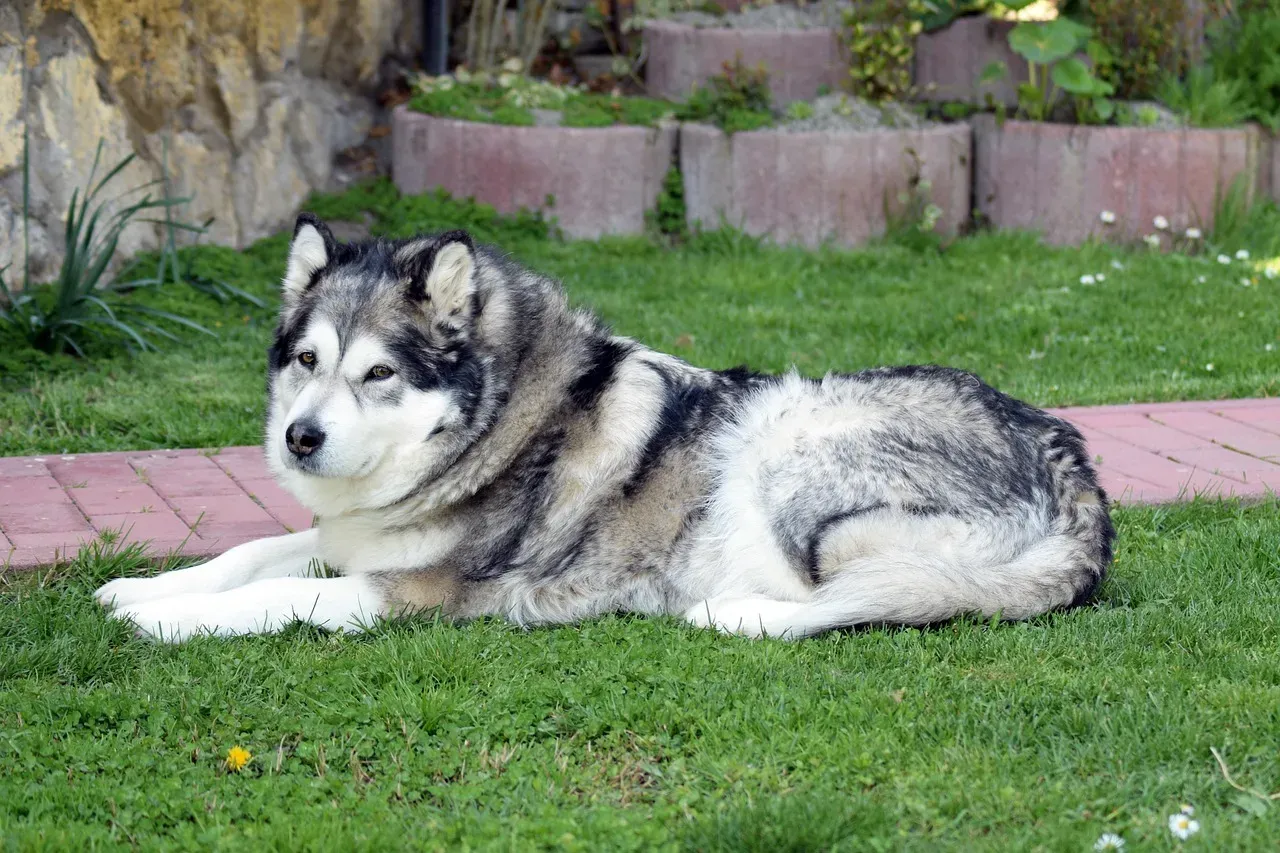
Like the Siberian Husky, the Alaskan Malamute is quite the vocal dog, and this breed has a wide variety of vocalizations for many different things, and they love to sing, yelp, howl, and bark for many reasons, from benign to essential. These powerful, majestic dogs are built for endurance and communication across long distances.
The Alaskan Malamute shares the Husky’s love for howling, and this is definitely a vocal breed, though while some use howling to show stress and anxiety, the Alaskan Malamute howls to communicate with their owner and other dogs. Their large size combined with their tendency to vocalize makes them impressive watchdogs. They’re loyal, hardworking, and incredibly expressive, making them wonderful companions for those who appreciate a chatty canine.
Yorkshire Terrier
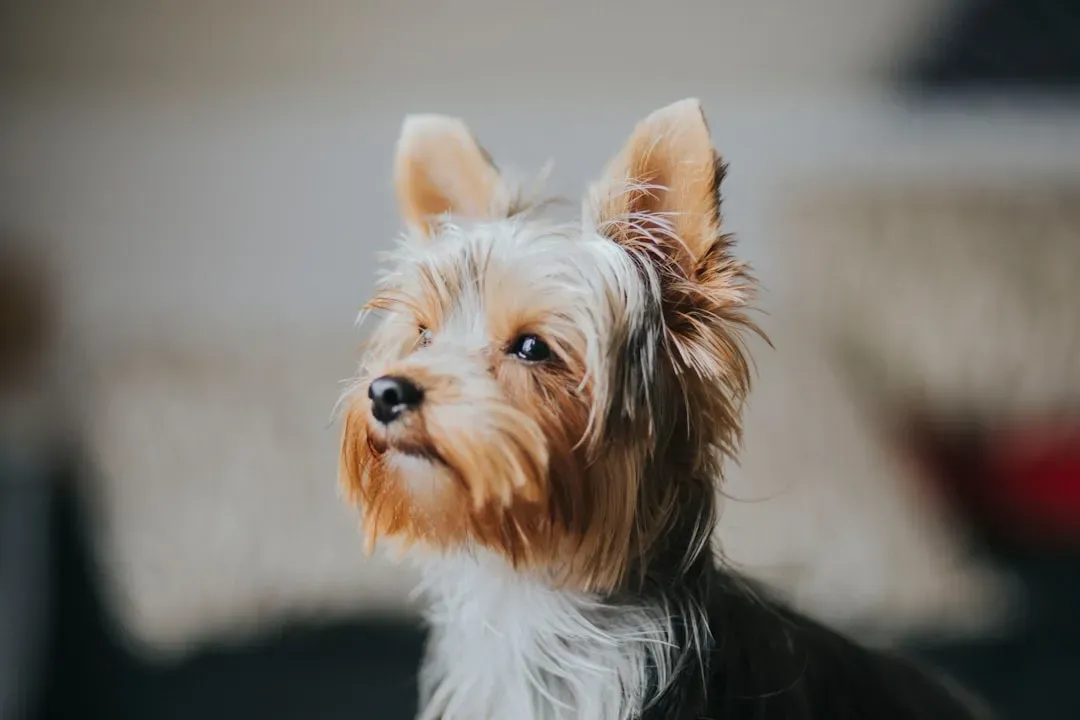
Yorkshire Terriers may be tiny, but they’ve got the attitude of a dog ten times their size. These feisty little terriers are known for being alert and protective, and they’re not afraid to use their voice to back that up. They’ll bark at strangers, unusual sounds, or anything that catches their attention. Their high pitched bark can be quite persistent if not properly managed.
Despite their small stature, Yorkies are bold and confident. They were originally bred to catch rats in textile mills, so their tenacity runs deep. With consistent training and plenty of socialization, you can help your Yorkie learn when barking is appropriate. Still, expecting complete silence from this spirited breed is unrealistic.
Australian Shepherd
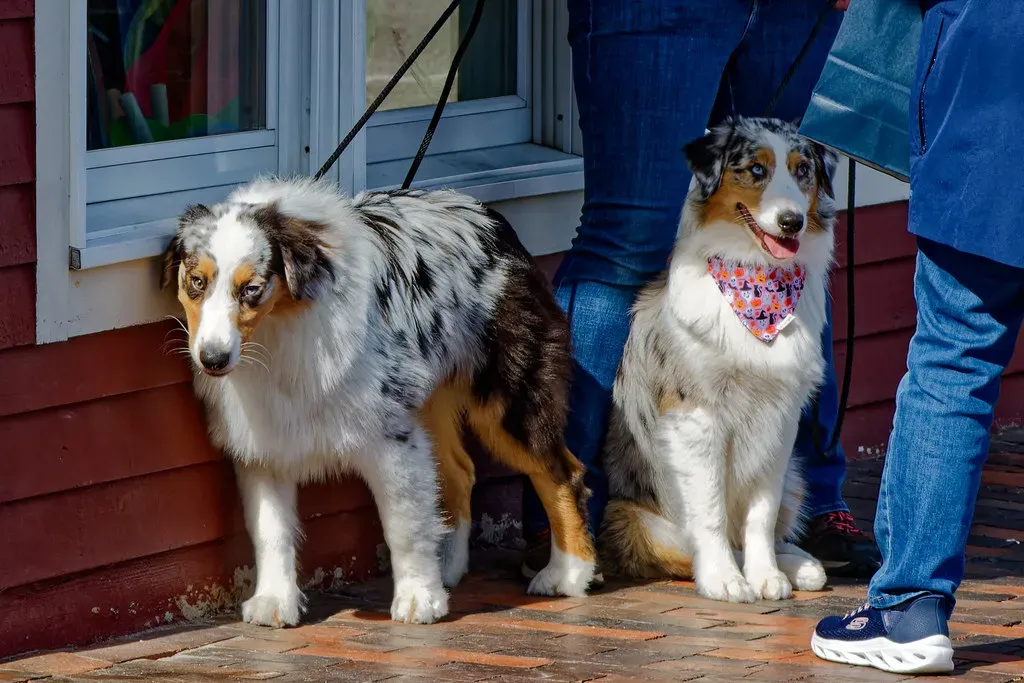
It’s part of the Aussie DNA to herd and keep everyone in the proper place, and to do this they rely a lot on barking, and even if your Australian Shepherd isn’t running the fields or guiding the flocks, don’t be surprised to see and hear them hard at work around the house. These intelligent, energetic dogs are happiest when they have a job to do, and their voice is a key part of how they work.
Australian Shepherds are incredibly smart and need lots of mental and physical stimulation. Without it, they may become vocal out of boredom or frustration. They thrive in active households where they can channel their energy positively. Their barking isn’t a nuisance when you understand it’s their way of communicating and working alongside you.
Conclusion
Living with a talkative dog breed can be a joy and a challenge all at once. These vocal pups bring personality, humor, and endless entertainment into your home. Understanding why they bark, howl, or talk helps you respond with patience and empathy rather than frustration. Whether it’s the Husky’s dramatic howls or the Beagle’s melodious bay, each vocalization tells you something important about what your dog is feeling or experiencing.
Training, exercise, and mental stimulation go a long way in managing excessive barking. Remember, these dogs were bred to use their voices, so expecting total silence isn’t fair. Instead, focus on teaching them when and how to communicate appropriately. With the right approach, you’ll find that your chatty companion’s voice becomes one of the things you love most about them. What do you think about these talkative ? Do you have one at home?


