
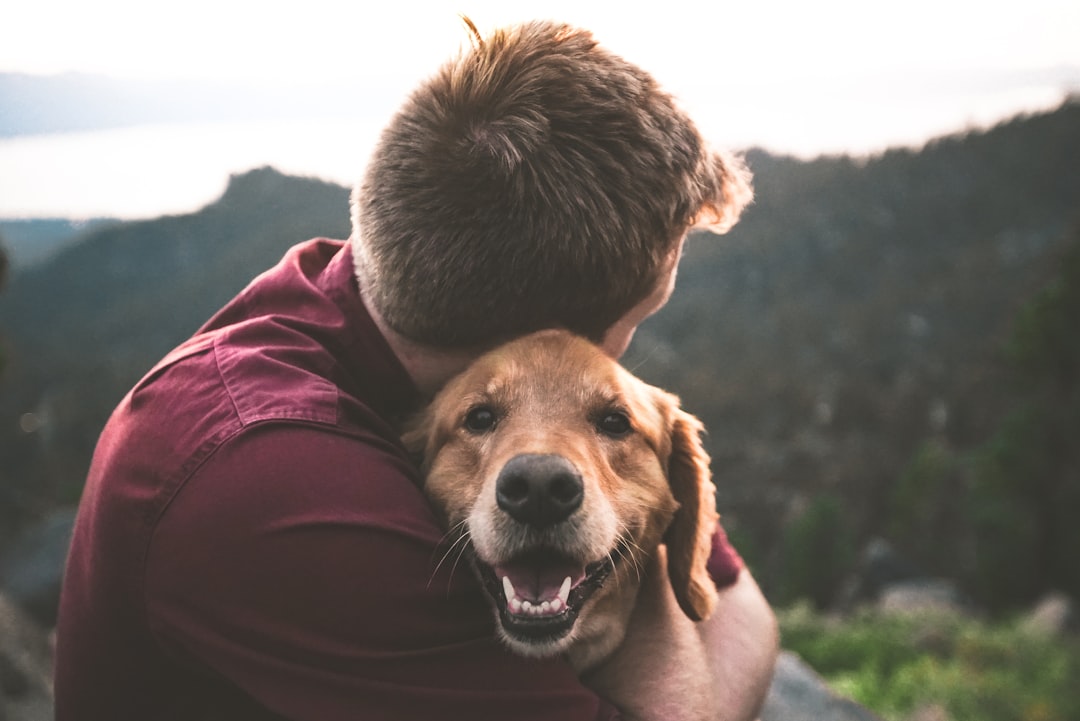
Have you ever looked into your dog’s eyes and wondered just how deep their devotion runs? The idea that dogs are endlessly loyal has captured human hearts for centuries, but is everything we believe about their loyalty really true? Some of our most cherished beliefs about our furry companions are not just outdated—they’re downright misleading. Get ready to be surprised, maybe even a little shocked, as we unravel the truth behind the most common myths about dog loyalty. Dog lovers, prepare to see your best friend in a whole new light!
Dogs Are Loyal To Only One Person
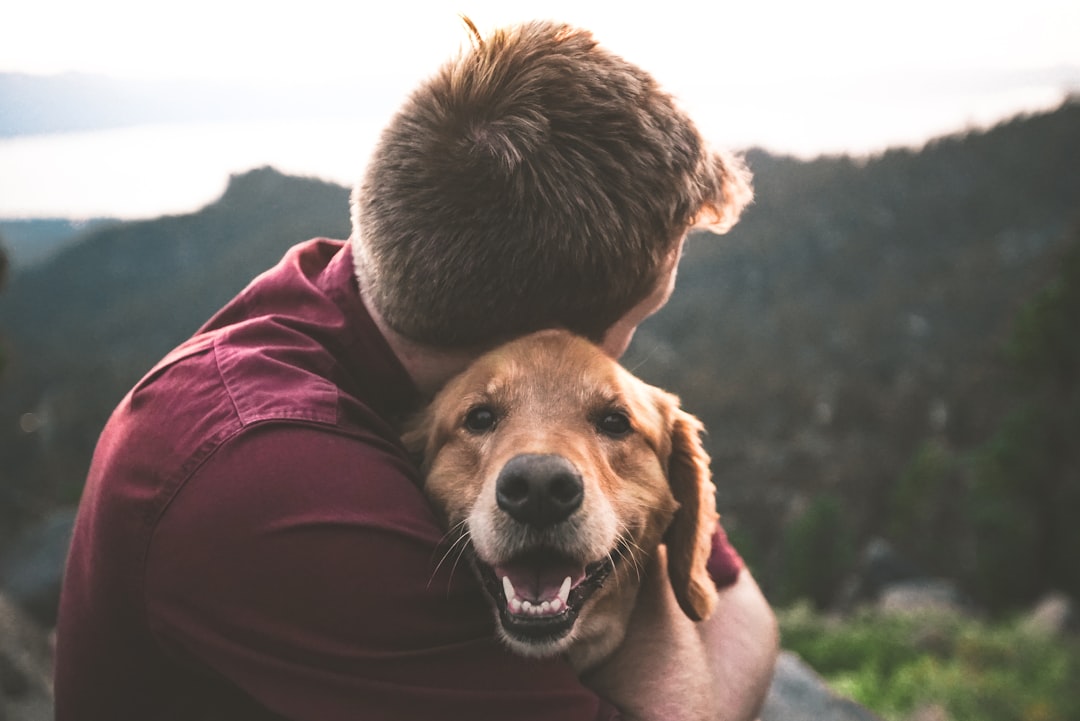
Many people think that dogs can only form a strong bond with one special human. The truth is, dogs are often capable of loving and connecting with several people at once. While some breeds are known to be more “one-person” dogs, most pups will happily share their affection with anyone who treats them kindly. Think about families with multiple members—Fido doesn’t choose just one favorite, but spreads his love around. Dogs are social creatures, wired for community, and their loyalty is not limited to just a single person. This myth can sometimes make new family members feel left out or unimportant, but with time and care, dogs usually welcome everyone into their circle. Loyalty in dogs is flexible and can grow to include new faces, especially when positive experiences are shared.
Loyalty Means Obedience
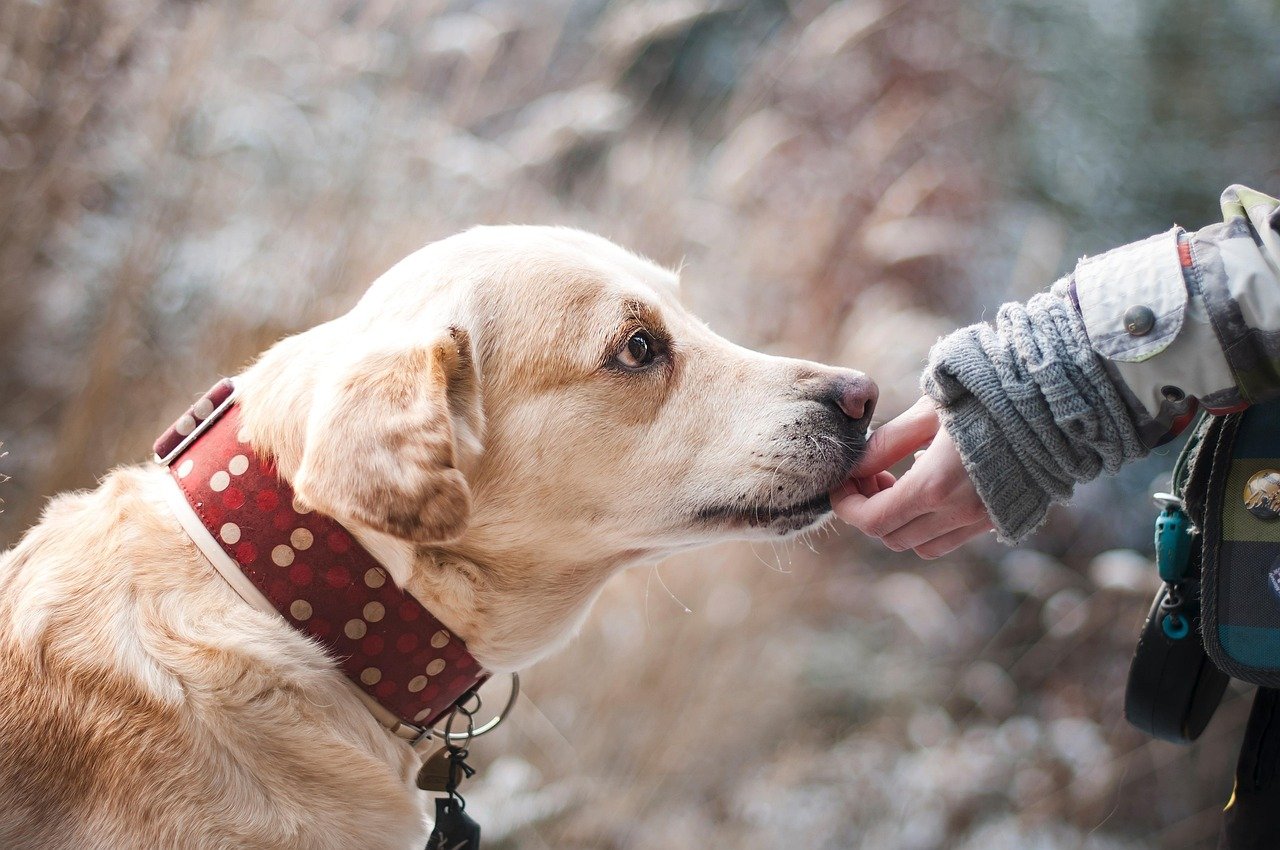
It’s easy to mistake a well-trained dog for a loyal one, but these two qualities don’t always go hand in hand. A loyal dog might ignore your commands if it senses something’s wrong or if it thinks you’re in danger. Obedience is about training and repetition, while loyalty is about emotional connection. A dog might not always sit or stay on command, but that doesn’t mean it loves you any less. Sometimes, disobedience is actually a sign of loyalty—for example, if your dog refuses to leave your side when you’re upset. The relationship between you and your dog is more than just rules and rewards; it’s about trust and mutual respect.
All Dogs Are Equally Loyal
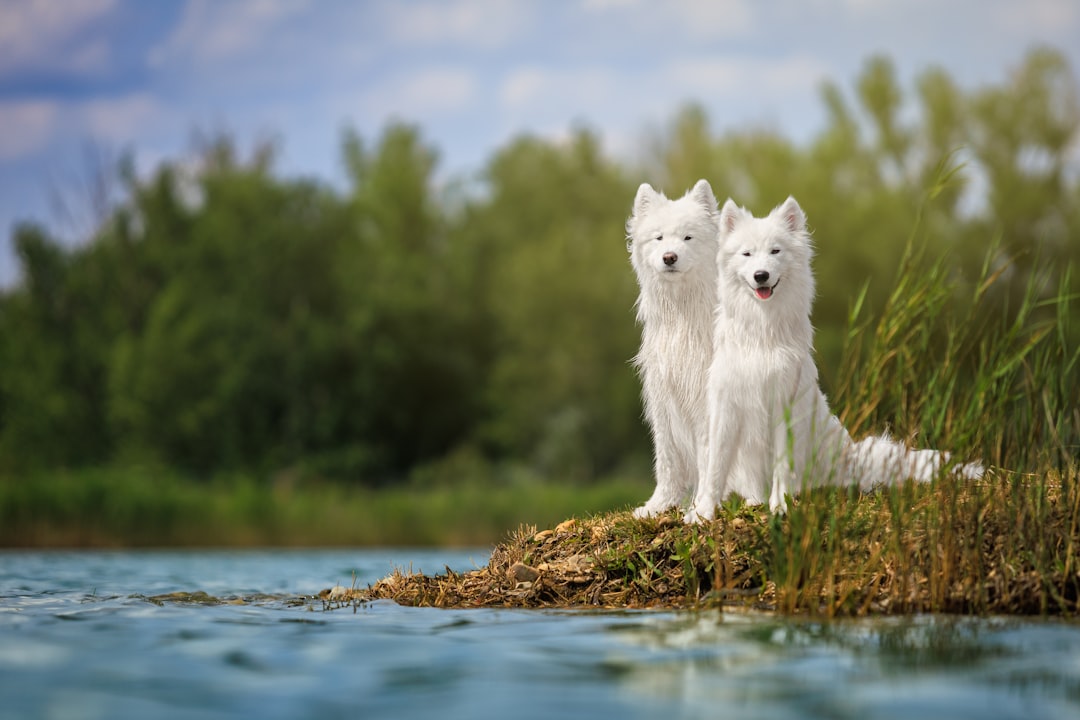
Just like people, every dog is different. Breed, upbringing, and individual personality all play a role in how loyalty is expressed. Some breeds are naturally more independent, while others thrive on close companionship. For example, a Labrador might follow you everywhere, while a Basenji may prefer its own space. Even within the same breed, one dog might be fiercely devoted while another is more aloof. It’s important to remember that loyalty looks different for every dog, and comparing them isn’t always fair. The key is to appreciate your own dog’s unique way of showing love.
Dogs Are Loyal No Matter What

It’s a comforting thought that dogs will always stand by us, but this isn’t always the case. Dogs, like any living creature, respond to the way they are treated. If a dog is neglected, abused, or constantly frightened, its sense of loyalty can break down. Dogs need love, attention, and positive experiences to build a lasting bond. Loyalty can fade if a dog feels unsafe or unwanted. This myth can be harmful, as it may cause people to overlook the importance of caring for their pets. Dogs are loving, but their loyalty must be earned and maintained.
Loyalty Comes Instantly

Movies and stories often show dogs bonding with their humans from day one, but real life isn’t always so magical. Building loyalty takes time, patience, and consistent care. Especially in rescue dogs or those who have had difficult pasts, trust and devotion may develop slowly. Rushing this process can lead to disappointment or misunderstanding. Think of loyalty like planting a seed—it needs to be nurtured before it grows. Small daily acts of kindness, play, and positive training help deepen the connection over time.
Dogs Know When You Need Comfort
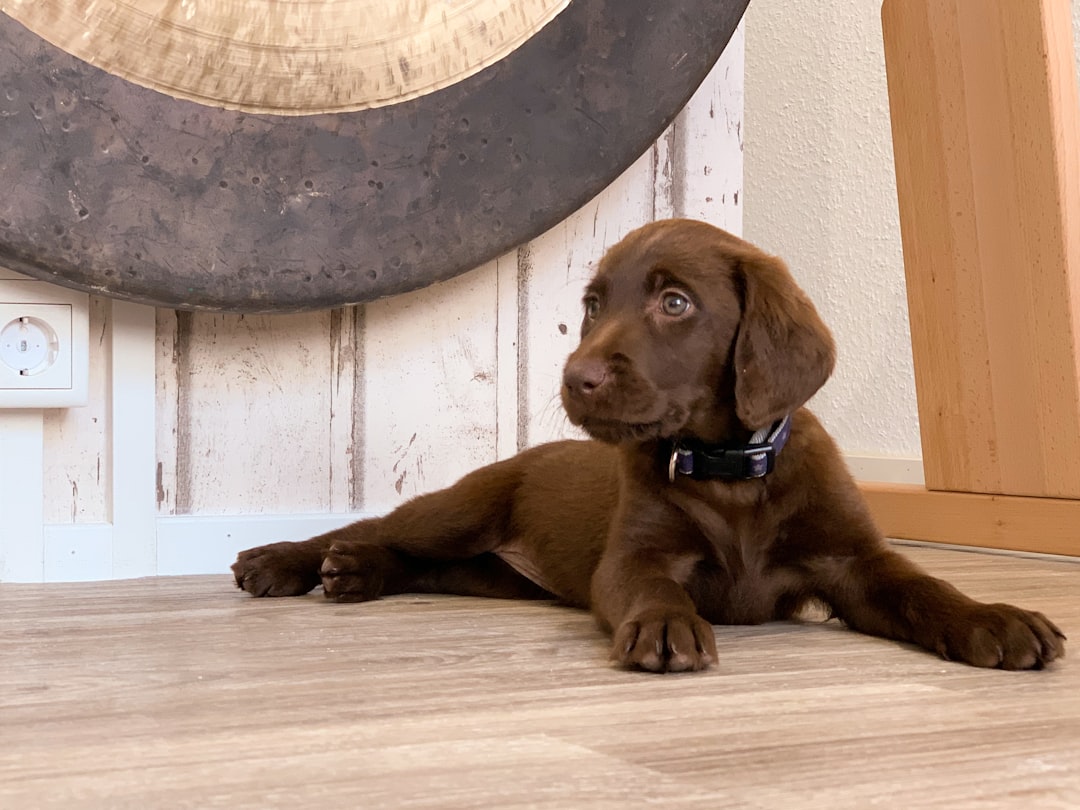
While it’s heartwarming to believe that dogs are emotional mind-readers, they’re not always able to sense exactly how you feel. Dogs are experts at picking up on body language, voice tone, and routines, but they can sometimes misinterpret signals. If you’ve ever been sad and your dog just wanted to play fetch, you know how true this is. Some dogs are more in tune with human emotions, especially those trained as therapy animals, but not every pup has this skill. Their attempts to comfort us are based on what they know, which isn’t always perfect. It’s beautiful when dogs try to help, but it’s not a guarantee.
Loyalty Is Hardwired—Nothing Can Change It
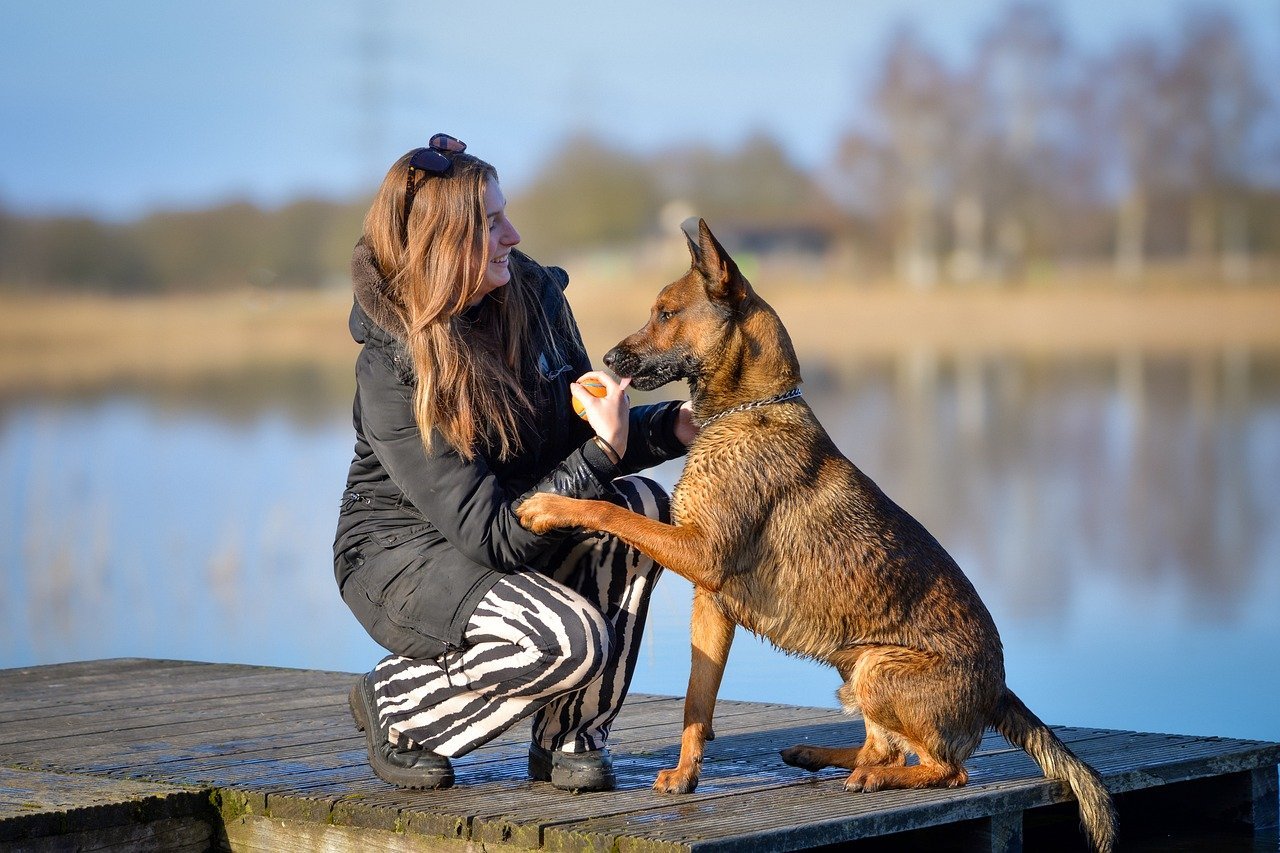
Many people assume that a dog’s loyalty is unchangeable, but in reality, it can shift over time. Major life changes—like moving homes, a new baby, or even the loss of another pet—can impact your dog’s emotional world. Sometimes, dogs form new attachments, and their focus may shift to another family member or even another animal friend. Training, environment, and daily interactions all influence the strength and direction of their loyalty. Understanding this helps us be patient and compassionate with our dogs as life changes.
Rescue Dogs Are Less Loyal
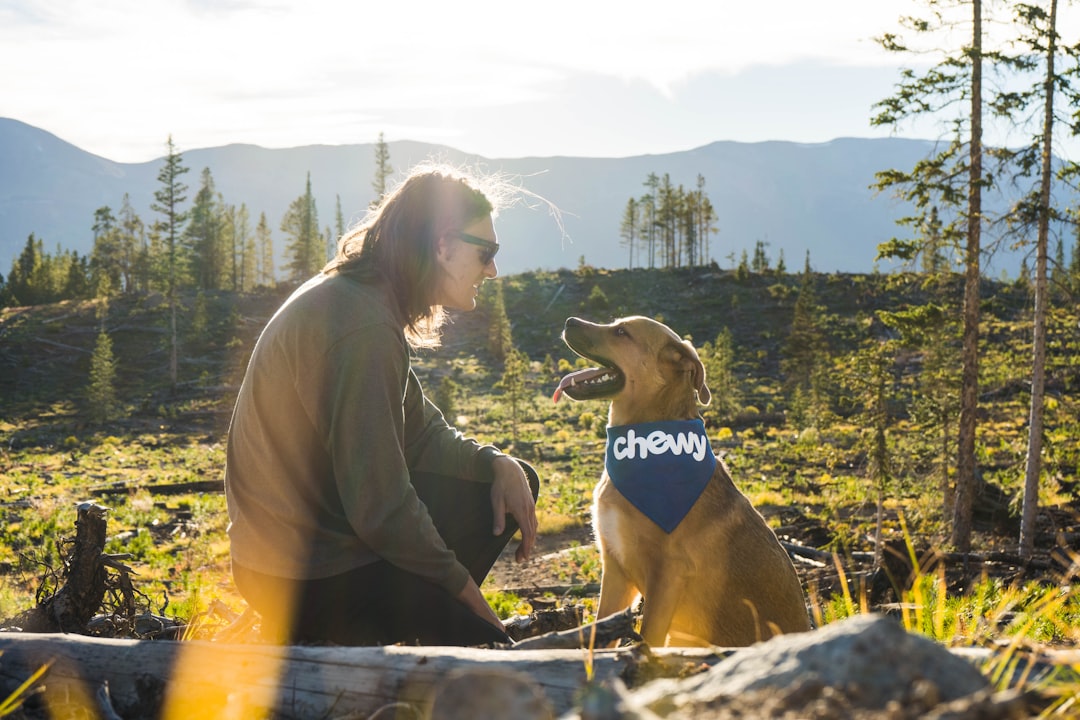
There’s a persistent myth that dogs who have been rehomed or rescued can’t be as loyal as dogs raised from puppies. This couldn’t be further from the truth. In fact, many rescue dogs form incredibly strong bonds with their new owners, often out of gratitude and relief. They may take longer to trust, but once they do, their loyalty can be breathtaking. Every day, countless families experience the fierce devotion of a rescue dog. Don’t let this myth stop you from opening your home to a dog in need.
Betrayal Doesn’t Affect Dogs
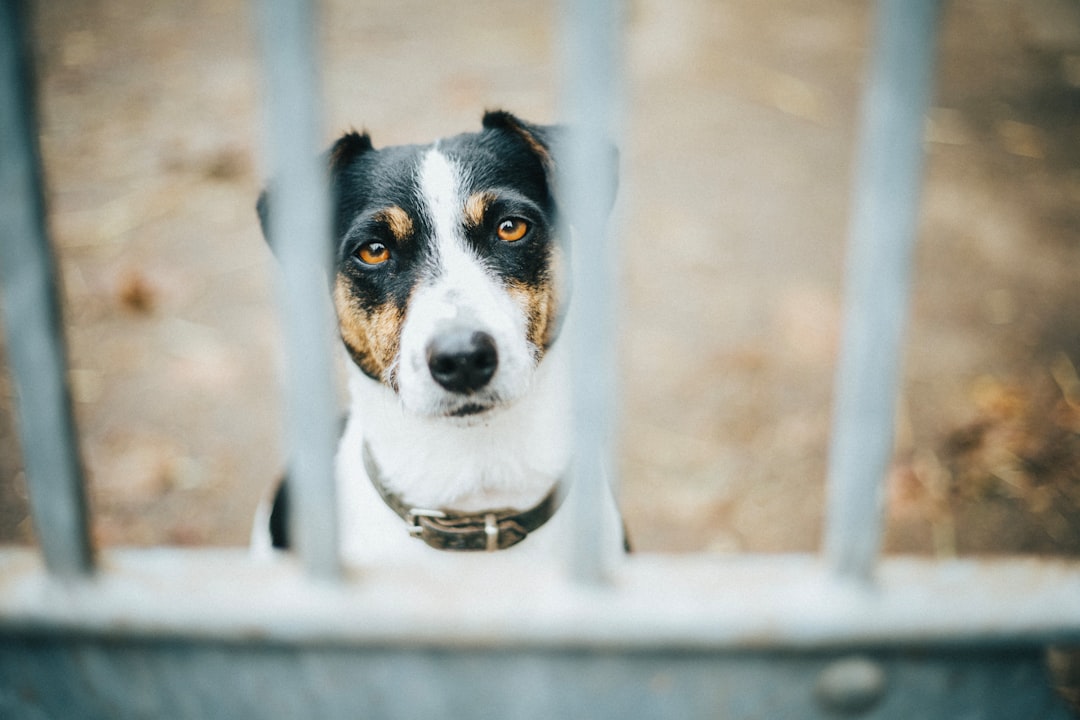
Some believe that dogs live only in the moment and can’t feel betrayal or hurt. However, dogs have excellent memories, especially when it comes to emotional experiences. If a dog is left behind, mistreated, or given away, it can carry the pain for a long time. This doesn’t mean they can’t heal, but it does mean that our actions matter deeply. Dogs remember kindness and cruelty alike, and their loyalty is shaped by how they’re treated. Respecting their feelings is just as important as caring for their physical needs.
Dogs Never Get Jealous
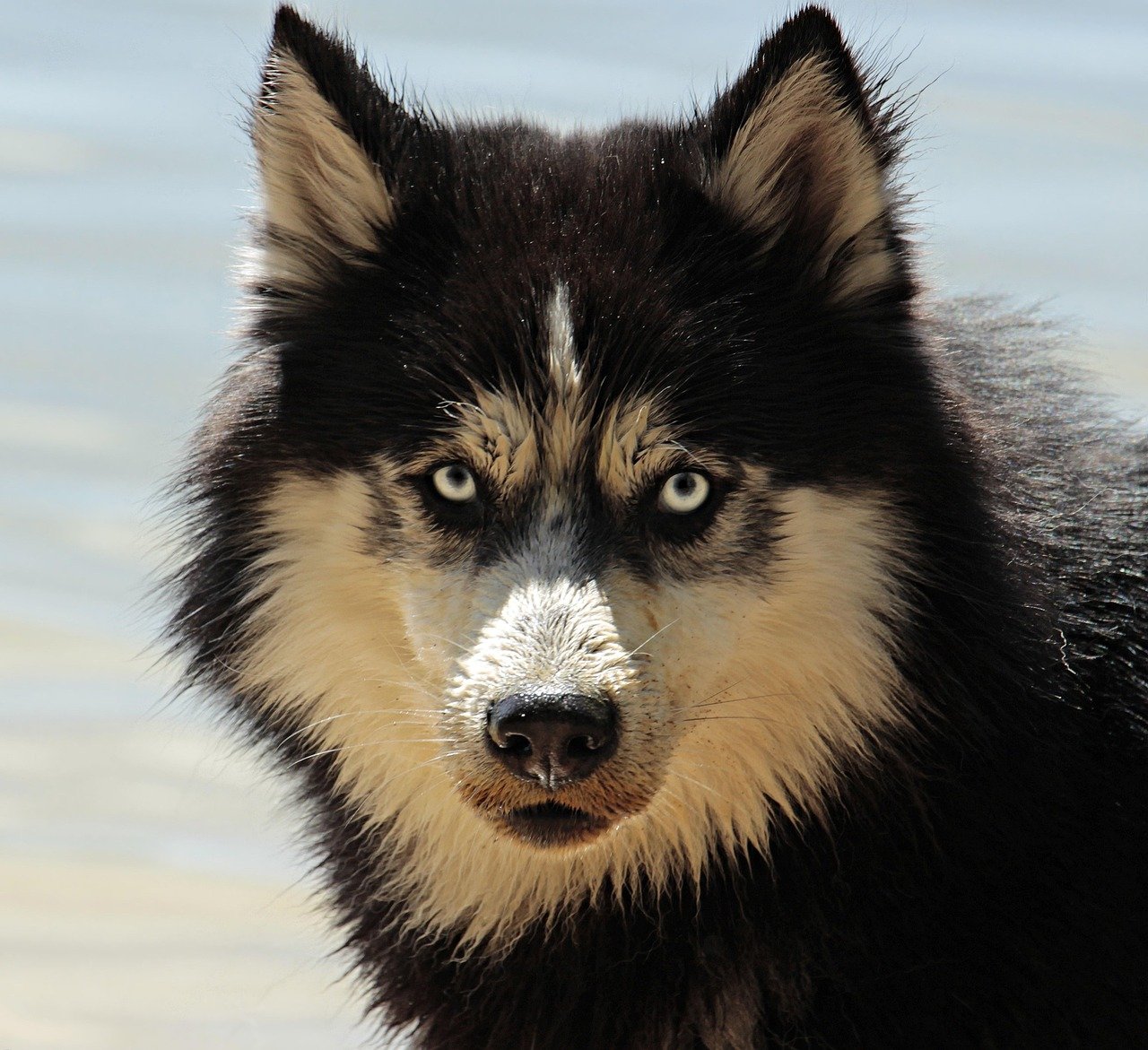
It’s often said that jealousy is a human emotion, but ask anyone with more than one pet and they’ll tell you otherwise. Dogs can absolutely show jealousy—whether it’s when you pet another dog, bring home a new puppy, or even cuddle a baby. They might bark, push between you and the “rival,” or sulk in the corner. This doesn’t mean they’re bad; it’s just another sign of their complex emotional lives. Understanding this helps us be more empathetic to their needs and strengthens the bond of loyalty.
There are many misconceptions about dog loyalty that can shape the way we treat our beloved companions. By understanding the truth behind these myths, we can build deeper, more meaningful relationships with our furry friends. What did you believe before reading this—did any of these myths surprise you?


