

Ever heard someone say, “Oh, I just want an easy dog”? It sounds like a dream, right? But here’s the twist: believing in “easy dogs” can lead to heartbreak, frustration, and confusion. I’ve seen it happen to countless well-meaning owners. Let’s dig into ten common myths about easy dogs—and why buying into them can set you (and your furry friend) up for a world of unexpected challenges.
Myth 1: Small Breeds Are Automatically Easier
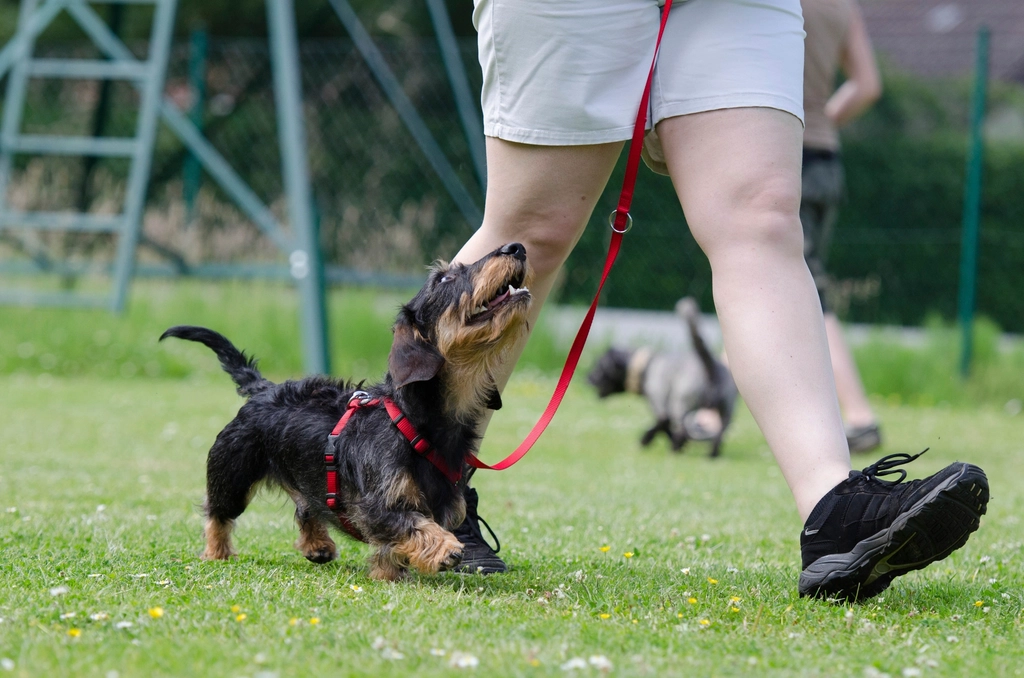
Many people assume a tiny pup like a Chihuahua or Shih Tzu will be a breeze compared to a big dog. But small bodies don’t always mean simple lives. Little dogs can be feisty, stubborn, and just as energetic as their larger cousins—sometimes even more so.
Behavior issues like excessive barking or resource guarding can show up in small breeds, often because people underestimate their training needs. Don’t be fooled by size; even the tiniest dog deserves structure, exercise, and consistent boundaries.
Myth 2: Older Dogs Don’t Need Training
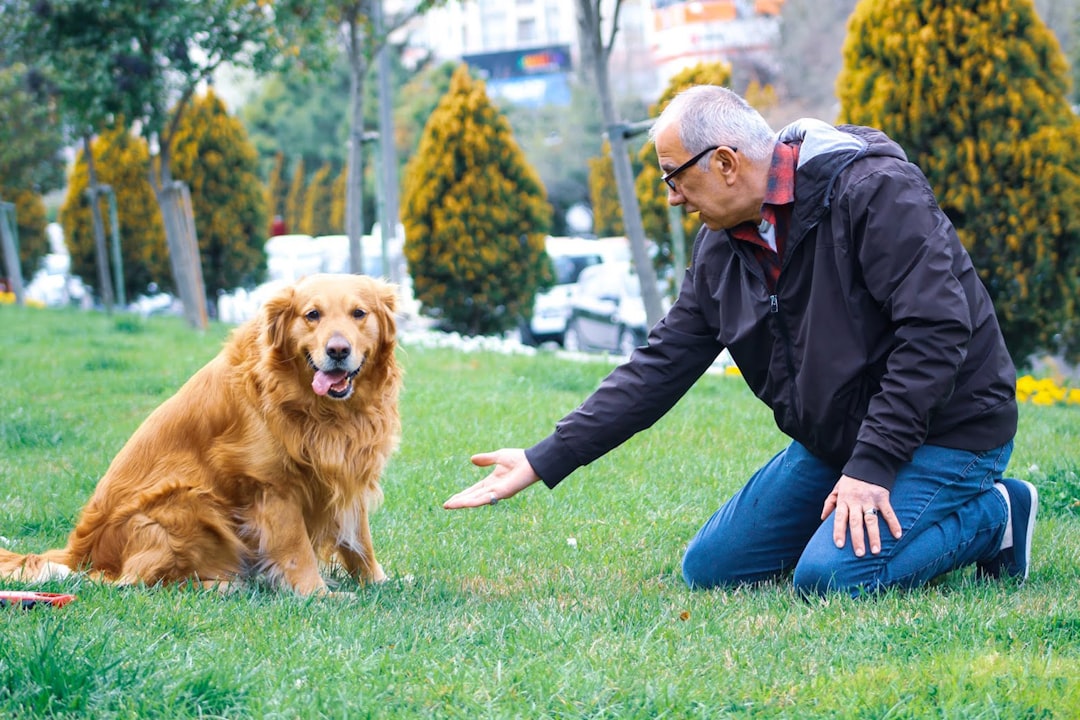
Adopting a senior dog is wonderful, but it’s not a shortcut to skipping training. Older dogs may come with habits built over years. Some are charming, others less so—like counter-surfing or ignoring recall.
Gentle, patient training is vital at any age. In fact, seniors often thrive when learning new tricks or routines, and it can help manage health and mobility concerns. Old dogs really can learn new tricks, and your relationship will deepen because of it.
Myth 3: Certain Breeds Are “Naturally Calm”

Some breeds—like the Cavalier King Charles Spaniel or Basset Hound—have a reputation for calmness, but that doesn’t mean every individual fits the mold. Just like people, dogs have unique personalities shaped by genetics and life experiences.
If you expect instant tranquility, you might miss subtle cues of stress or boredom. Watch for signs like pacing or chewing, which might signal that your “calm” dog needs more enrichment or exercise. Personality shines brightest with understanding, not assumptions.
Myth 4: Rescue Dogs Are Always Grateful and Obedient

The idea that rescue dogs are extra grateful and eager to please is heartwarming but unrealistic. Many have faced tough times and need patience as they settle into a new home. Some come with fears or quirky behaviors that require gentle guidance.
It’s important to let your rescue dog go at their own pace. Celebrate little victories—like a tail wag or relaxed body posture. With empathy and consistency, you’ll help them blossom, but don’t expect gratitude to replace training and support.
Myth 5: Puppies Are Blank Slates

Bringing home a puppy feels like getting a fresh start, but genetics and early experiences play a huge role. Some pups are naturally bold, others shy or sensitive. Early socialization shapes who they become, but you can’t erase their instincts with love alone.
Watch for behavior cues like fearfulness around new people or boldness that turns into mischief. Prevention is key: start positive training and gentle exposure early so your puppy grows into a well-rounded adult.
Myth 6: A Big Yard Means Less Work

Many dog owners believe a fenced yard does half the parenting for them. But dogs need more than space—they crave interaction and mental stimulation. A bored dog in a big yard might dig, bark, or escape in search of excitement.
Quality time together matters most. Play fetch, practice recall, or set up a mini agility course. Real connection and exercise come from shared adventures, not just open space.
Myth 7: Food-Motivated Dogs Are Easy to Train

It’s tempting to think that food-loving dogs are a dream for training. But sometimes, their obsession with treats leads to begging, counter-surfing, or even guarding food. Training goes beyond snacks—it’s about timing, communication, and clear rules.
Use treats wisely, mixing them with praise and play. Watch for signs of overexcitement or frustration, like jumping or whining. A balanced approach will keep your food-motivated dog engaged without turning mealtime into a circus.
Myth 8: Low-Energy Dogs Don’t Need Walks

Even couch-potato breeds need regular walks. Physical activity isn’t just about burning calories; it’s a chance for dogs to explore, sniff, and bond with you. Without it, even low-energy dogs can develop weight issues or anxiety.
Notice if your dog starts pacing, whining, or chewing on furniture—these are signs they need more stimulation. Short, gentle walks or sniffing sessions can work wonders for body and mind.
Myth 9: “Easy Dogs” Don’t Get Sick or Injured

No breed or temperament guarantees perfect health. Even the most robust, “easygoing” dogs can develop allergies, joint pain, or unexpected illnesses. Sometimes, their laid-back nature means subtle symptoms—like decreased appetite or mild limping—get overlooked.
Stay alert for any changes in behavior, appetite, or movement. Regular checkups, preventive care, and prompt attention to health changes give your dog the best shot at a long, happy life.
Myth 10: Once Trained, Always Trained
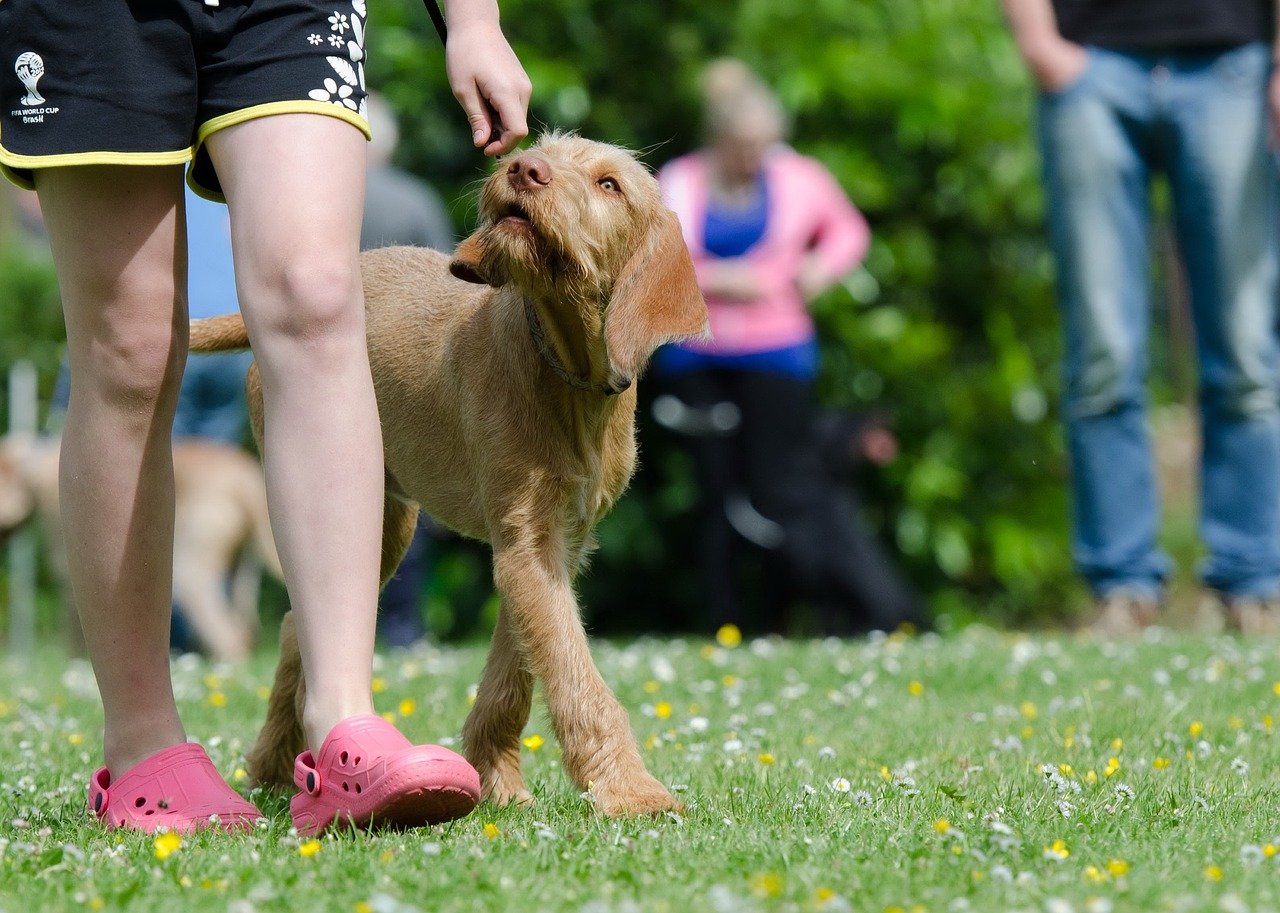
Training isn’t a one-and-done deal. Dogs can forget commands or test boundaries, especially after big changes like moving or welcoming a new baby. Life throws curveballs, and even the most reliable dogs need refreshers.
Keep sessions fun and short—just five minutes a day can reinforce good habits. If you notice old misbehaviors creeping back, don’t stress. It’s normal, and a little patience goes a long way.


