
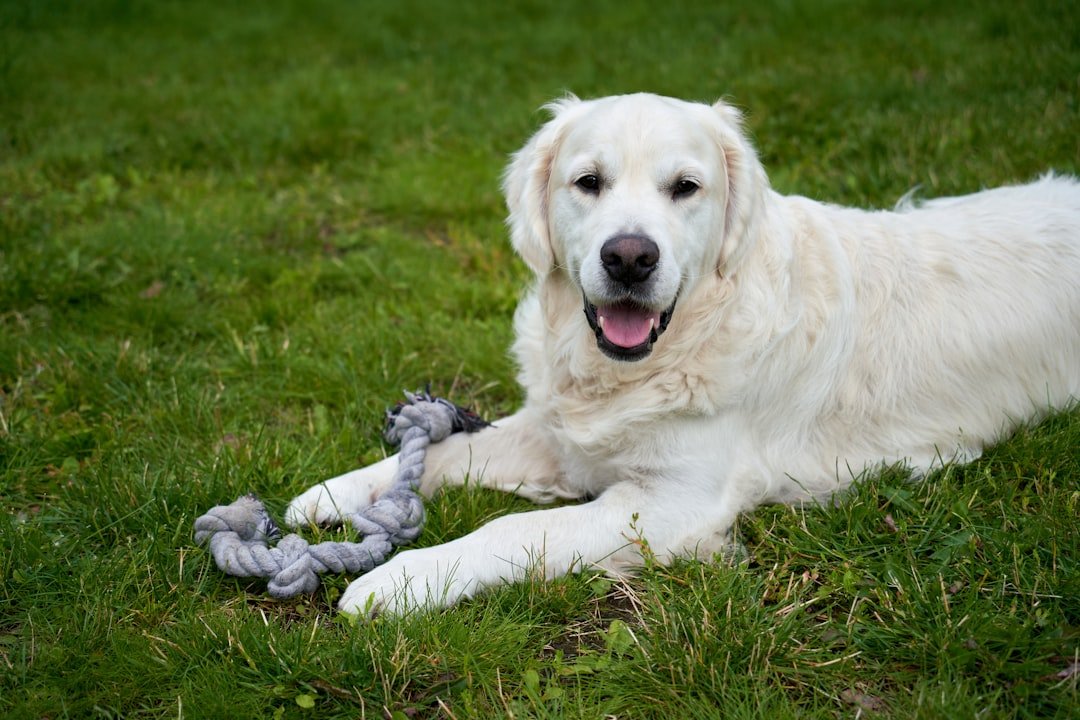
Picture this: your beloved furry friend starts digging up your prized flower bed for the third time this week. Your first instinct might be to rush out and stop them immediately. Yet what if this seemingly destructive behavior is actually a vital part of who they are?
Dogs carry thousands of years of instinctual behavior in their DNA. These behaviors aren’t random acts of mischief or rebellion. They’re deeply rooted survival mechanisms that have helped their ancestors thrive for millennia. When we understand and honor these natural tendencies instead of fighting them, we create happier, more balanced companions.
Sniffing Everything in Sight
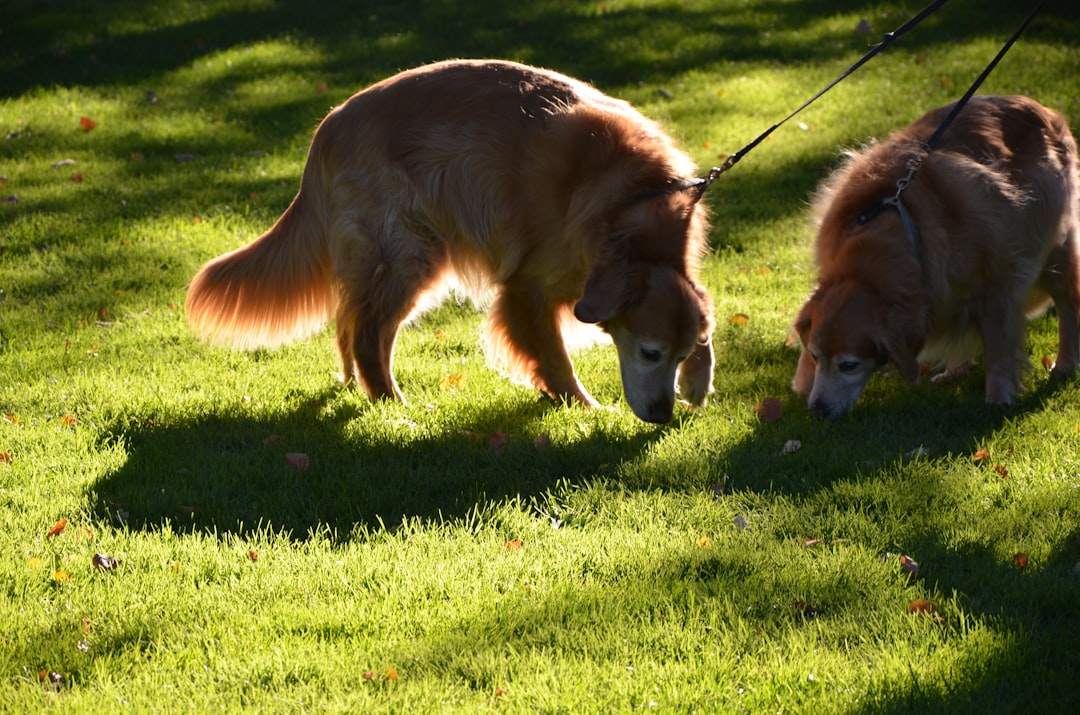
Your dog’s nose is their window to the world, and what a magnificent window it is. Dogs have a smelling ability that is anywhere from 1,000 to 100,000 times more sensitive than humans, depending on the breed, with the human nose containing about 6 million olfactory receptors while a dog’s nose has around 300 million scent receptors. When your pup stops to sniff every blade of grass, they’re not being annoying. They’re reading the daily news.
Dogs devote approximately 12.5% of their brain mass to the detection and identification of odors, while humans use only about 1% for olfactory purposes. That lengthy sniffing session tells them who walked by, what they ate, their emotional state, and even their health status. They rely on smell more than hearing, vision, or any other sense to collect information about the world around them, and puppies can’t see or hear for the first few weeks of life, but their noses are ready to go from birth.
Investigating Other Dogs’ Rear Ends
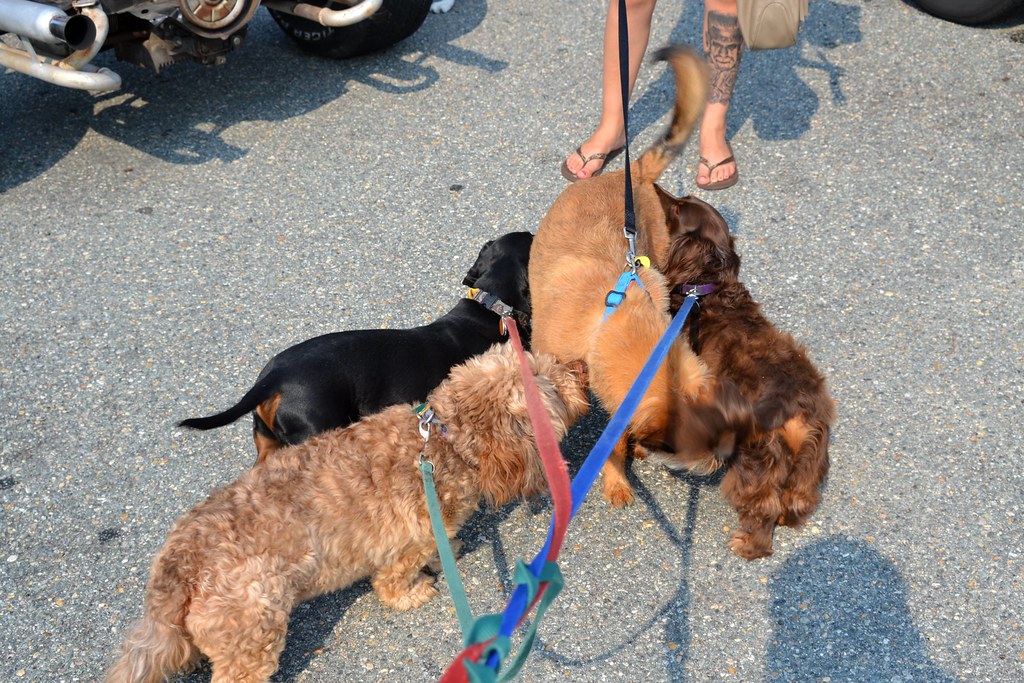
This behavior might make you cringe at the dog park, but butt sniffing is actually canine social media. Think of butt sniffing like a human handshake – a perfectly polite way to say hello. Dogs have special anal glands that secrete unique chemical signatures, kind of like a biological business card.
Dogs sniff rear ends as a greeting and obtain vital information from the anal secretions, and because the odor is unique to every dog and serves as a form of identification, two dogs can quickly determine if they have met before. It is neither good nor bad, but simply how dogs engage with each other and learn information, and as it is an instinctual and standard behavior for dogs, training them out of it is not necessary. Dogs smell rear ends as a calming mechanism, and performing this innate ritual soothes them and serves as a stress reliever.
Marking Their Territory
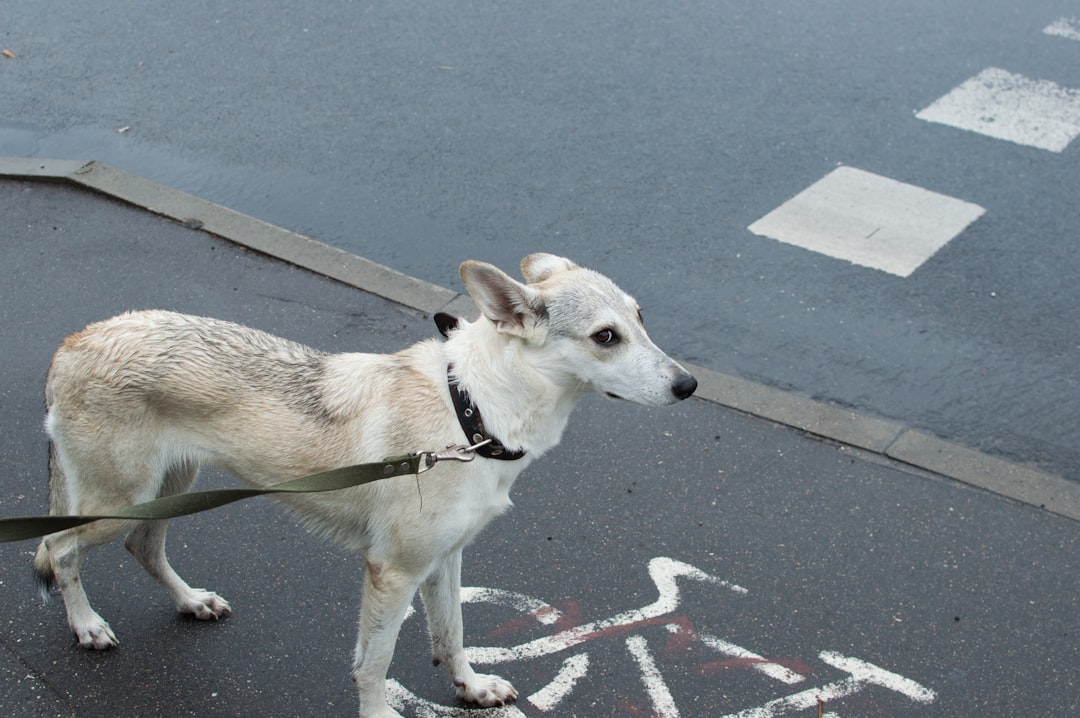
That frustrating habit of lifting their leg on every vertical surface isn’t your dog being difficult. Scent marking with urine is considered normal dog behavior, and dogs mark to label their territory. This ancient communication system allows dogs to leave messages for other canines about their presence, health, and status.
Dogs use urine to mark territory – to leave a message, so to speak, then other dogs come along and check the message and may leave a message of their own by marking over or adjacent to the original spot, and by checking “pee mail,” a dog can determine the gender of the dogs who came before him and whether they are spayed or neutered. For dogs, marking their territory is an instinctual behavior that dates back to their wolf ancestors, wolves use urine to mark the boundaries of their territory and communicate with other pack members, and domesticated dogs have retained this natural behavior and use urine to leave messages for other dogs in the neighbourhood.
Digging Up Your Garden
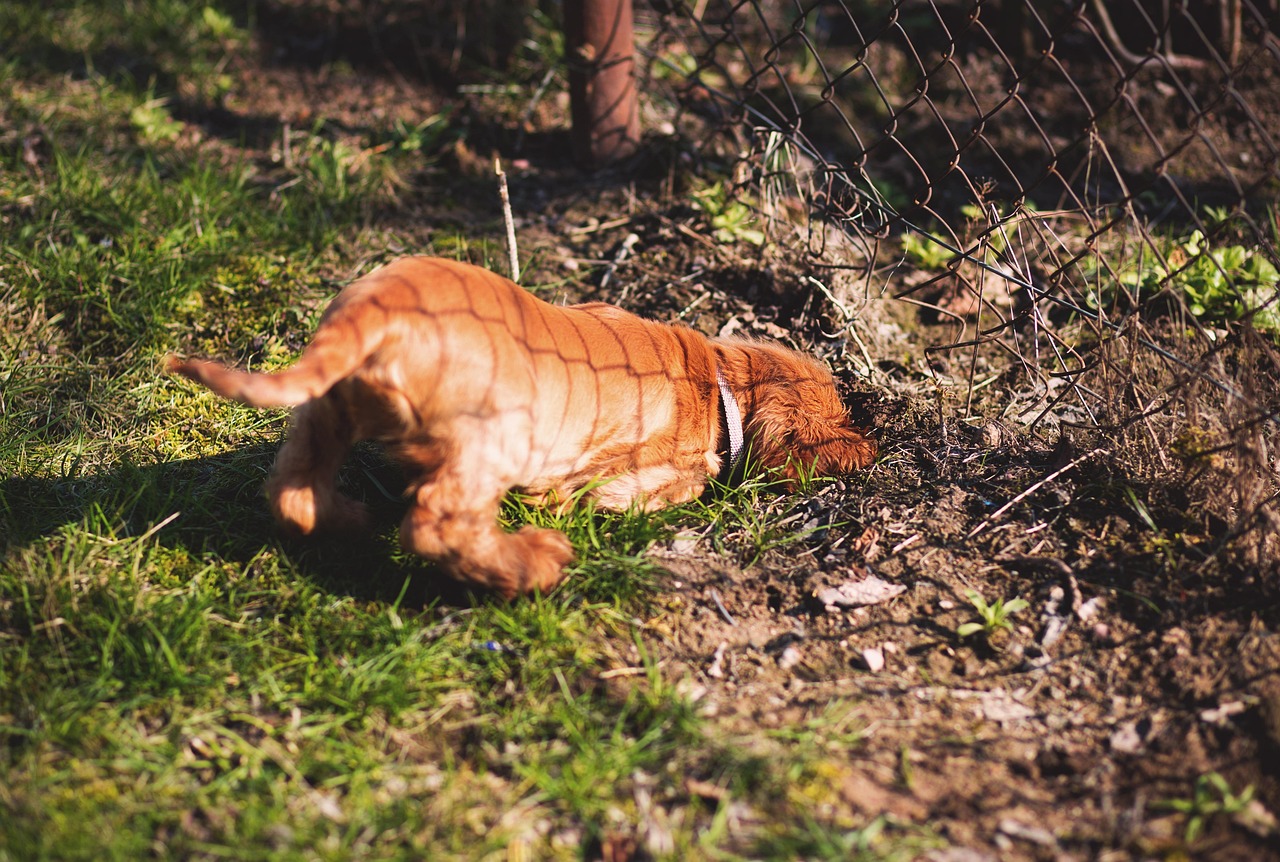
Before you despair over your demolished landscaping, remember that digging serves multiple important purposes for dogs. According to the American Kennel Club, dogs may dig just for fun, because they are stressed, bored, or to relieve anxiety, and they may also be following their natural urge to create a den because it provides shelter and comfort.
Dogs historically dig to carve out a good place to sleep or to bury their treasures, digging removes small branches and stubble that make for an uncomfortable bed, and in hot climates, moving the topsoil exposes underlying earth that is cooler to sleep on. In the wild, dogs used to dig to create safe and comfortable dens for themselves or to hide food from potential scavengers, and even though they might have cushy beds now, the urge to dig is just too hard to resist sometimes. This behavior connects them to their ancestral survival instincts.
Burying Food and Toys
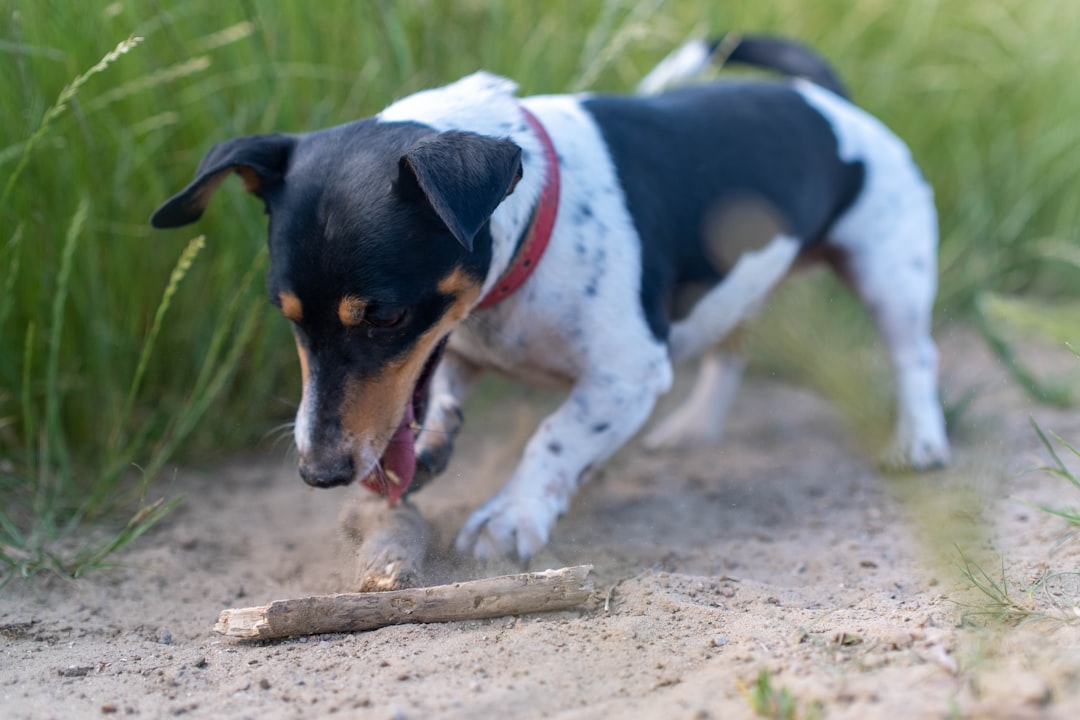
Your dog’s tendency to bury bones, toys, or treats in the backyard is a fascinating display of their survival instincts. This behavior is known as “food caching” and is common in other animals like birds and squirrels, and burying bones and other tasty items underground may also help hide the scent so that other animals don’t steal a dog’s precious treasure.
Think of it as your dog’s personal savings account. This instinctual behavior ensured their wild ancestors had resources during lean times. Take digging holes, for example, this is a common behavior, as it allows the dog to cover up their food for a prolonged period of time and eventually consume it at a later time. Even though your pampered pooch never misses a meal, this ancient programming remains deeply embedded in their behavior.
Chasing Moving Objects
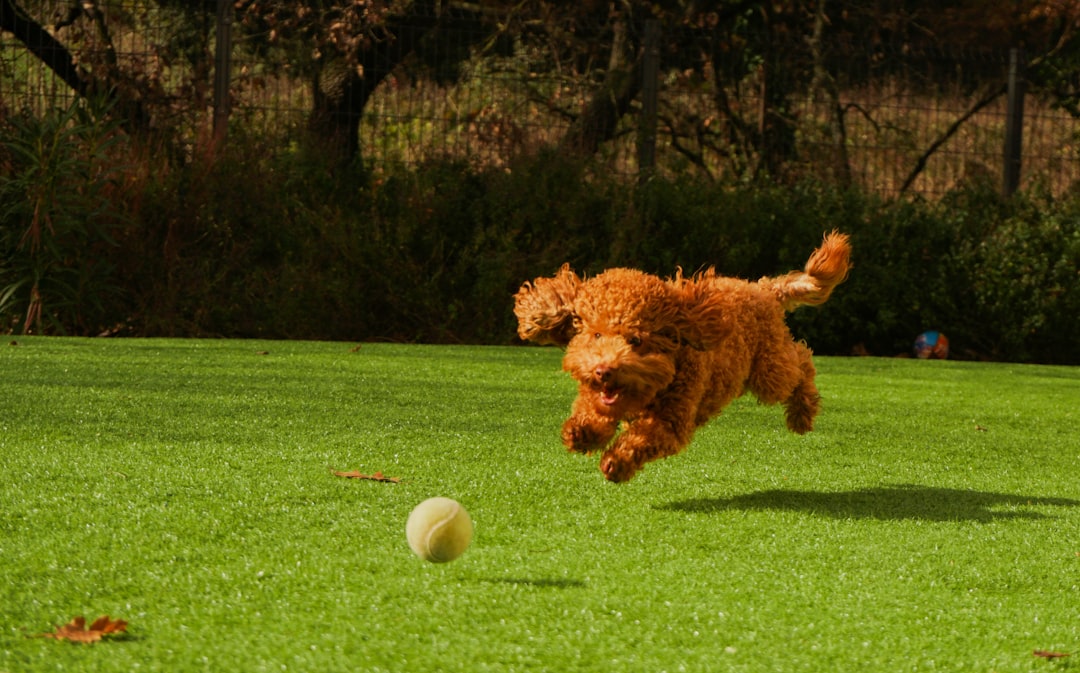
That irresistible urge to chase squirrels, balls, or even your vacuum cleaner taps into powerful predatory instincts. A dog’s predatory or herding instinct can compel them to chase moving objects or people. Different breeds express this instinct differently based on their original purpose.
A border collie may chase bikes because he was bred to herd sheep and wants to corral the bicycle, while a beagle may bark at a new scent or sound because she was bred to track and hunt. This behavior isn’t aggression or misbehavior. It’s your dog’s genetic programming expressing itself. Understanding these drives can also explain certain behaviours that might otherwise be seen as problematic, a terrier digging holes in the backyard is expressing its natural instinct to hunt and burrow, while a hound barking at every new scent is exhibiting its tracking behaviour, and recognizing these behaviours as natural can help in finding appropriate outlets for these instincts.
Barking at Strangers and New Sounds
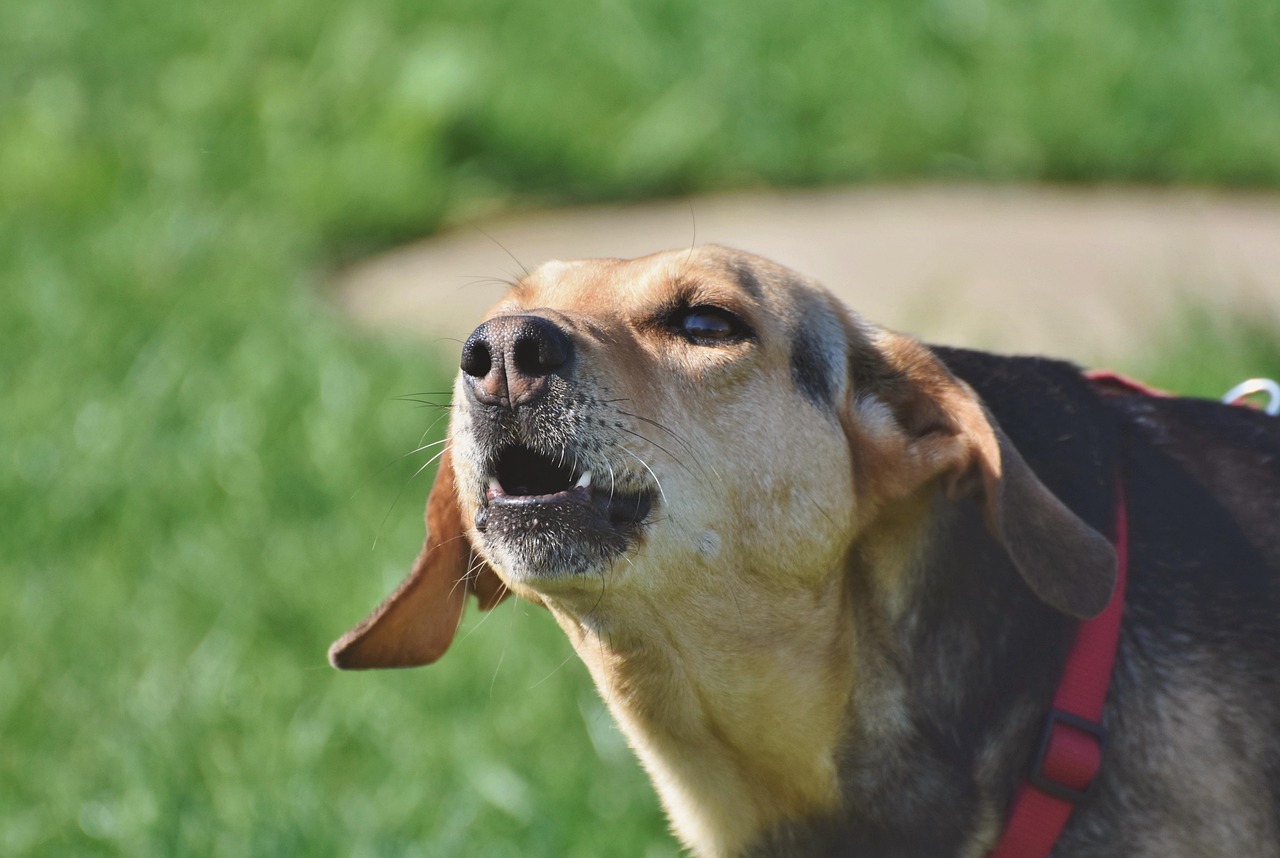
Your dog’s protective barking isn’t just noise pollution. It’s an ancient alarm system that kept their pack safe for thousands of years. If your dog barks when someone knocks on the door, he is instinctively guarding his territory, and talking to him in a soothing voice and reassuring him that the intruder is not a threat works better than shouting.
Part of the dog’s natural instincts was to hunt, guard, and give an alarm when danger threatened, and these were excellent instincts for an indigenous group of people that came to rely upon and use these traits to benefit their settlements. When a dog feels that they are the “pack leader,” their instinct to protect heightens, and barking is one of the signs that a dog is fierce in protecting the household. This protective instinct shows how much they care about keeping their family safe.
Rolling in Smelly Things
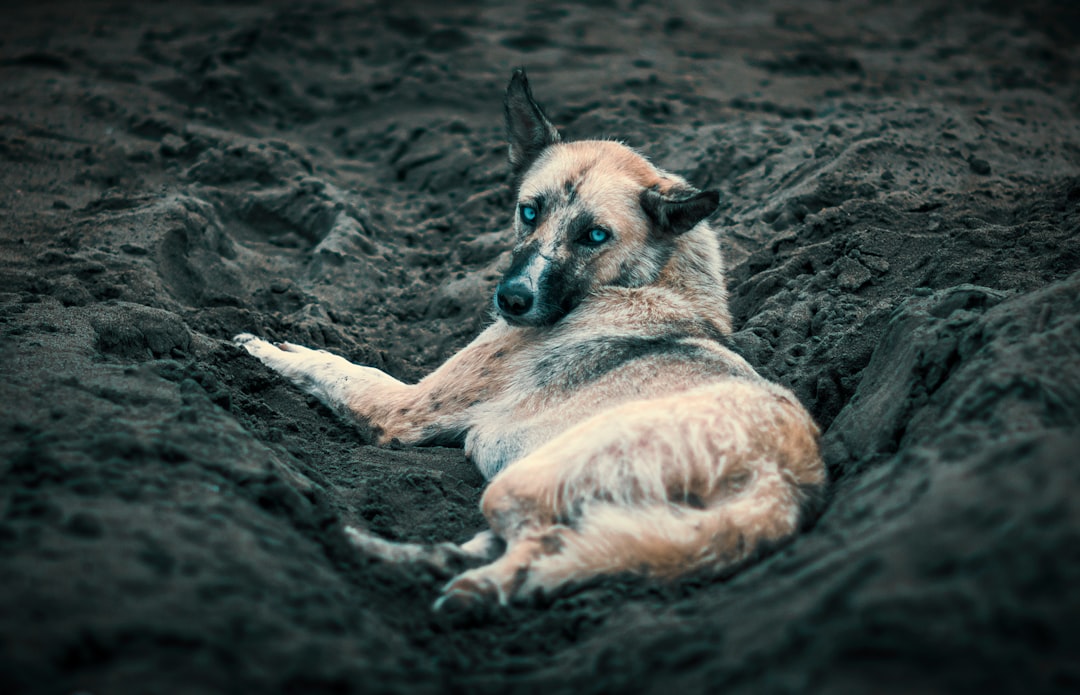
Few behaviors horrify dog owners more than watching their clean pet enthusiastically roll in something dead or disgusting. Yet this revolting habit serves important purposes in the canine world. The reason dogs are attracted to rolling in gross things isn’t fully understood, but there are some theories, many people think it is a way for wolves and dogs to hide their scent, making it easier to catch prey, while others believe it is a way to share information with their pack, and others think it may simply be a way for the pack to bond by all rolling in the same stink.
Out in nature, dogs have to hunt for their food, but if your prey can smell you a mile away, you’re not going to eat much, so they camouflage their odor by rolling around in gross, disgusting things that have strong smells. Though it’s definitely not pleasant for us, this behavior connects your dog to their wild heritage and hunting instincts.
Resource Guarding Their Food and Toys
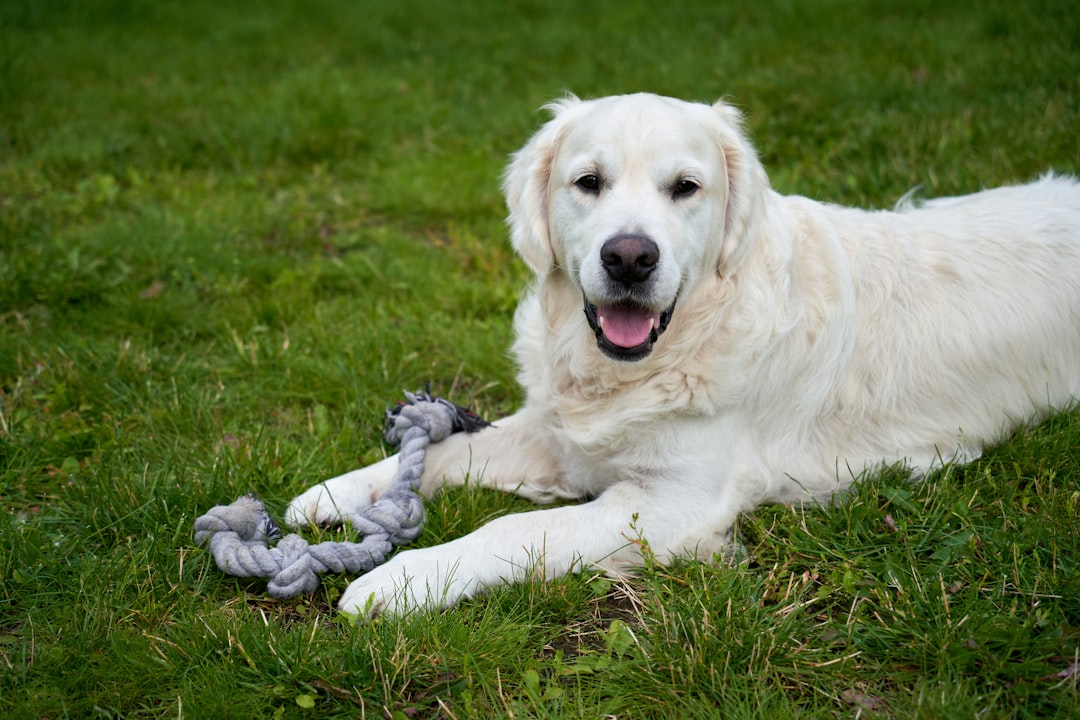
When your dog growls over their food bowl or favorite toy, they’re not being aggressive without reason. For toys and other items, the behavior is known as resource guarding, and like other animals, dogs developed a natural instinct to protect things they see as valuable; particularly food, and how they express this instinct – growling, barking, stiffening, or lunging – may vary.
Dogs instinctively guard their food and their space to protect it. This behavior ensured survival in the wild, where resources were scarce and competition was fierce. Instincts help animals survive. Rather than punishing this natural response, understanding its purpose helps us manage it more effectively while respecting our dog’s innate need for security.
Licking People and Themselves
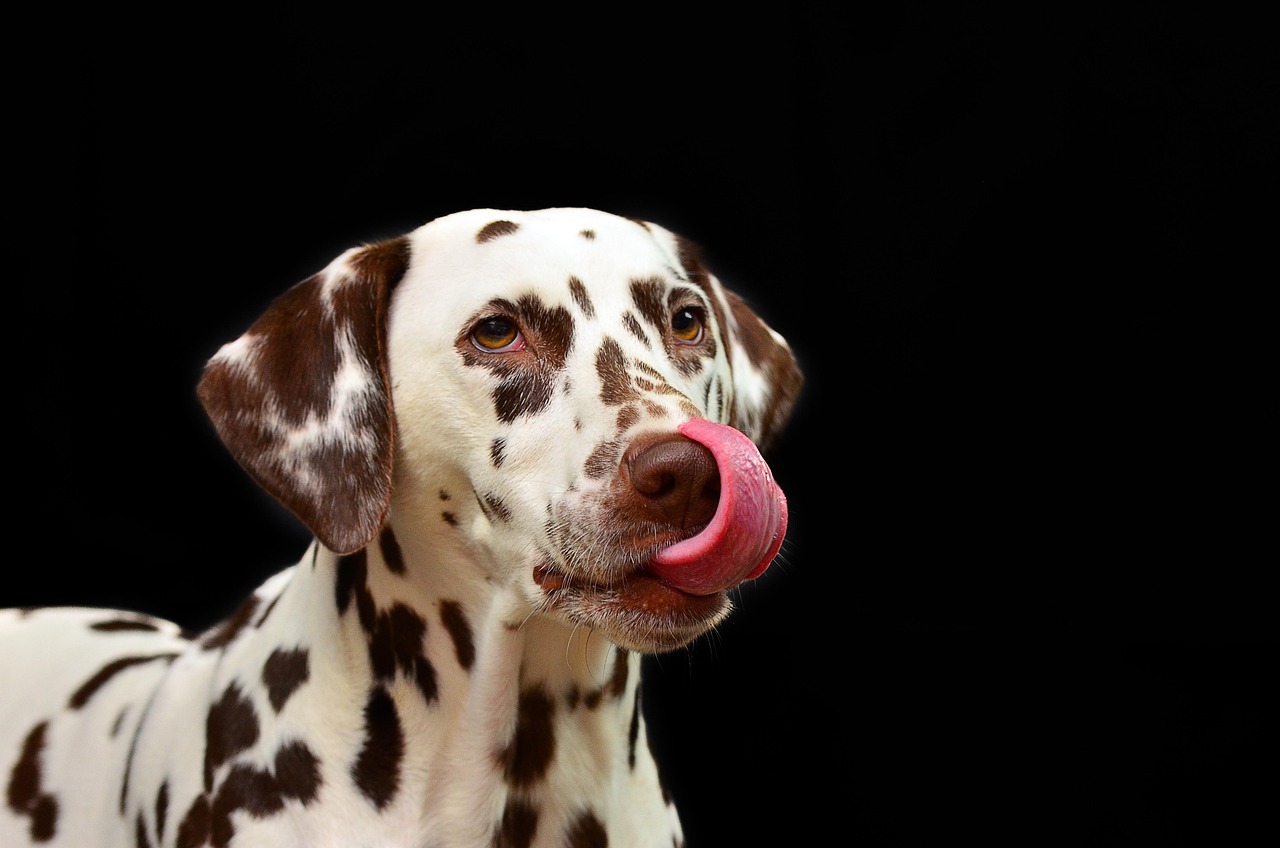
Those slobbery kisses and extensive grooming sessions serve multiple important functions. Licking can be a way your dog says he likes you, but dogs also lick to clean, to communicate, and to calm themselves down, and mother dogs even lick newborn pups as a way to get them to breathe.
Licking releases endorphins that create a calming effect, similar to how humans might fidget with their hands when nervous. Dogs also use licking to gather information about their environment through taste and scent. When your dog licks you excessively after you’ve been away, they’re catching up on where you’ve been and what you’ve been doing. It’s their way of reconnecting and showing affection through one of their most natural behaviors.
Conclusion

These natural behaviors are windows into your dog’s soul, revealing the magnificent wild creature that still lives within your domestic companion. When we fight against these instincts, we’re essentially asking our dogs to deny fundamental parts of themselves. Instead, the magic happens when we learn to work with these behaviors, channeling them into appropriate outlets.
While we can’t say for sure why some of these innate behaviors have lasted in dogs for so long, it is important to let your dog express them, and giving your dog appropriate ways to express their natural desires is an easy way to control potential destructive behaviors. Remember, your dog isn’t trying to drive you crazy with these behaviors. They’re simply being authentically, beautifully dog.
What behavior does your dog display that you now understand in a completely new light? Share your stories and celebrate the wild spirit that makes your furry friend so wonderfully unique.


