

Picture this: you’re at the dog park, listening to someone confidently explain why their pup’s aggressive behavior is just them “being alpha.” Meanwhile, another owner is panicking because their dog’s nose feels warm. Sound familiar? We’ve all been there, caught between well-meaning advice and genuine concern for our furry best friends.
The truth is, many of the beliefs we’ve inherited about dog care are not just wrong – they’re potentially harmful. These myths persist in our conversations, our training methods, and even in our veterinary decisions. Yet staying stuck in outdated thinking can damage the very bond we’re trying to strengthen with our dogs. So let’s dive in and separate fact from fiction, helping you become the informed, loving dog parent your pup deserves.
A Wet Nose Always Means Good Health

Your grandmother probably told you this one. Most dog owners would probably tell you that a cold, wet nose on their canine companion signals a healthy pup. Likewise, many believe a dog is sick when his nose is dry. This old wives’ tale has caused countless worried phone calls to veterinarians.
The truth is that your pup’s sniffer, while amazing, is not an indicator of health in and of itself. But it is a tool or clue that pet parents can use, along with other observations, to see how their pup is doing. Older dogs may have drier noses. Some dogs develop dry noses with age, and that’s perfectly normal.
Your dog was napping. Sleeping dogs don’t usually lick their noses, so they may wake up with warm noses. Weather conditions, heating systems, and even breed type can affect nose moisture. The most important thing as a dog owner is knowing what’s normal for YOUR dog. If your pup’s nose is normally cold, but suddenly it’s warm and dry and your pup isn’t acting like their normal self, that could mean that something’s wrong.
Dogs Need to Be the Alpha in Your Household

The dominance myth refuses to die, despite being thoroughly debunked by modern science. David Mech, wildlife research biologist and founder of the International Wolf Center, admits that the idea of alpha wolves is now outdated and misleading. The original studies were conducted on captive wolves in unnatural conditions – not even wild wolves, let alone domestic dogs.
Most of our canine companions don’t live in stable familial groups, but are randomly adopted into various homes, sometimes multiple homes over their lifetimes. Trying to apply conclusions about wolf behavior to our understanding of dog behavior is simply an exercise in futility, guaranteed to lead to inappropriate and ineffective training methods. Dogs are not wolves.
Dogs mistakenly labeled as “alphas” are often insecure about a particular situation(s) or they just do not know what is expected of them. Their actions may include competing for resources, posturing or showing threatening behaviors to simply increase distance – the last thing they would want would be to be ‘in charge’! Your dog isn’t plotting world domination; they just need clear, consistent guidance.
All Dogs Need Daily Baths
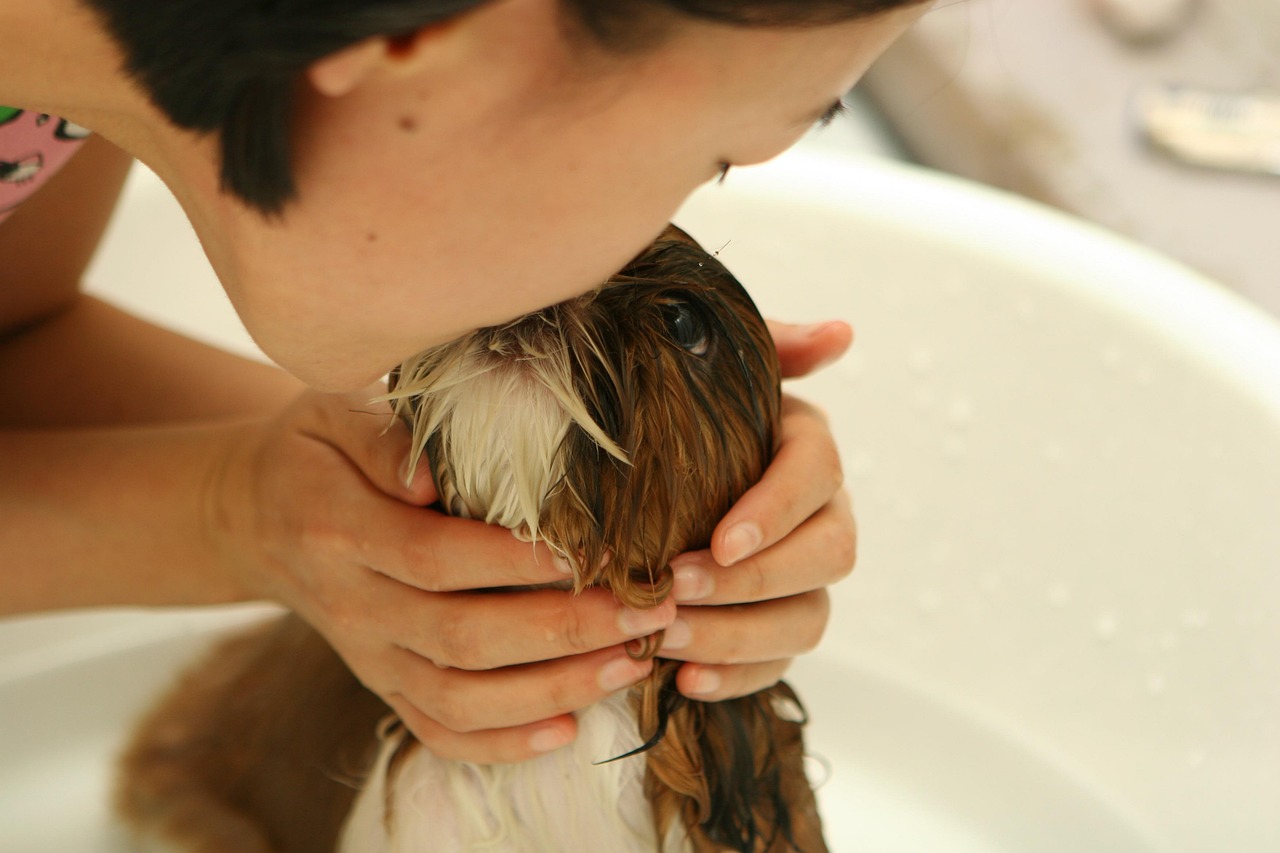
This myth likely stems from our human hygiene habits, but dogs have completely different skin and coat needs. Over-bathing can strip natural oils from your dog’s skin, leading to irritation, dryness, and even more odor as their skin overcompensates by producing excess oils.
Most healthy dogs only need baths every 4-6 weeks, unless they’ve gotten into something particularly messy. The reality is that whether you choose to see a professional or groom your dog at home, every dog requires grooming to maintain good health. “All dogs need routine care, like bathing, ear cleaning, nail clipping and teeth brushing, to stay clean, comfortable and healthy,” says Vogel. However, this doesn’t mean daily baths.
Some breeds with oily coats might need weekly baths, while others can go months between washes. The key is watching for signs your dog actually needs cleaning: visible dirt, strong odor, or skin irritation. Your nose knows better than any calendar schedule.
Female Dogs Need One Litter Before Spaying

There actually are no benefits to letting a dog give birth to a litter before having her spayed. Your furry buddy doesn’t have an inner longing to be a mama, and any instinctive and/or hormonal urges she has to reproduce will diminish after she’s been fixed. This persistent myth causes unnecessary stress on female dogs and contributes to pet overpopulation.
Dogs are unable to feel broody, and allowing them to have one litter before getting them neutered has no proven health or behaviour benefit for them. In fact, spaying before the first heat cycle significantly reduces the risk of mammary cancer and eliminates the possibility of uterine infections.
The supposed psychological benefits simply don’t exist in the canine world. It’s also hard to justify bringing more puppies into the world: there are already far too many homeless pooches out there. Your female dog will be just as happy and fulfilled without ever experiencing motherhood.
One Human Year Equals Seven Dog Years

Many believe the myth that one human year equals seven dog years, but that’s not quite accurate. Among common dog myths, this one overlooks how factors like breed size impact aging rates; larger breeds age more quickly than smaller ones. This oversimplified formula has led to poor health decisions for countless dogs.
Dogs also mature rapidly in their first few years. By age two, your dog is roughly the equivalent of a 25-year-old human, with aging slowing down slightly afterward to about four dog years per human year. Size matters enormously – a Great Dane ages much faster than a Chihuahua.
Understanding your dog’s true life stage helps with everything from nutrition choices to exercise routines. A two-year-old Golden Retriever isn’t a teenager; they’re a young adult who needs different care than the puppy they were just months ago.
Dogs Eat Grass Only When They’re Sick
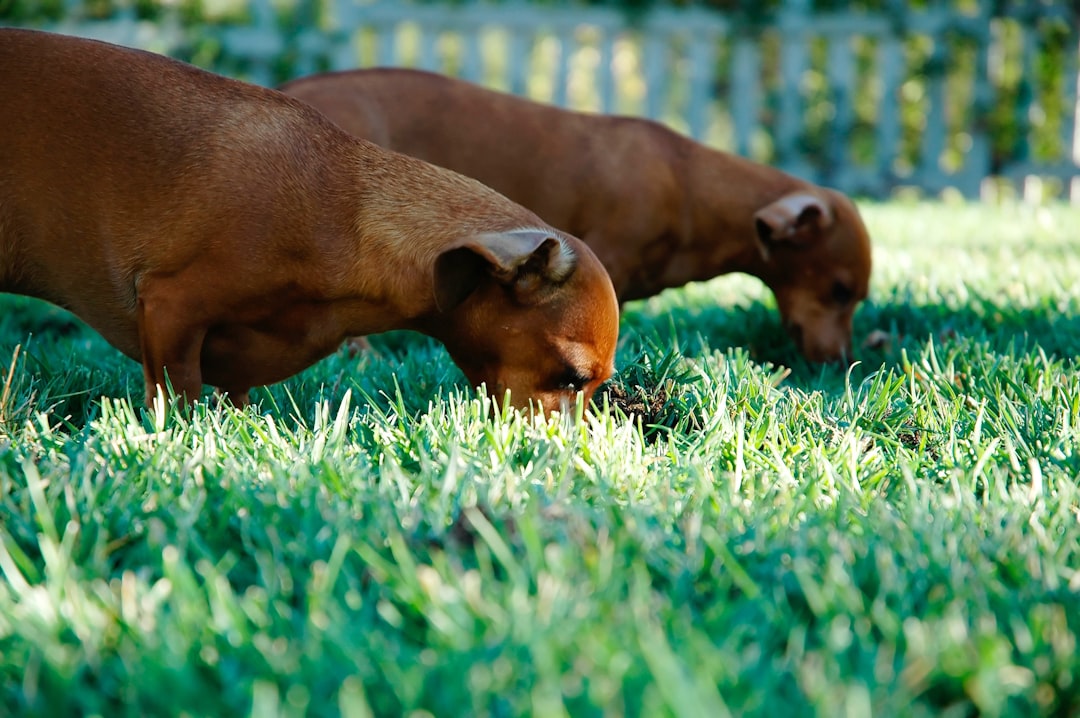
One of the most common dog myths is that eating grass is a sign your dog is sick, but that’s not necessarily true. This assumption has caused unnecessary worry for dog parents watching their pets graze like tiny lawnmowers in the backyard.
This is not completely untrue, because the grass does act as a natural antacid to help make your dog’s belly feel better. However, dogs eat grass for many reasons, some of which have nothing to do with an upset stomach. “They might just like the taste of the grass,” Dr. Butzer says, “or they are still hungry and want to keep eating, and the fibrous grass will fill them up”.
Most dogs who eat grass aren’t sick at all – they’re just enjoying a snack or exploring their environment through taste. Only worry if the grass eating becomes obsessive, is accompanied by vomiting, or if your dog suddenly changes their grass-eating habits dramatically.
A Wagging Tail Always Means a Happy Dog

Many dogs wag their tails when happy, but don’t assume that a waving fur flag always indicates joy. Dogs will wag their tail to convey a range of emotions, including happiness, feeling threatened, anxiety, submission, and excitement. This misunderstanding has led to some unfortunate encounters between humans and stressed dogs.
A vigorous tail wag to the right means happiness at seeing its owner, but slow wags of a tail held halfway down can mean fear or insecurity. Additionally, a tail held very high and wagged extremely fast can mean fear or aggression for some dogs. The devil is truly in the details.
Dogs also wag their tails when they are nervous or uncertain. A slow wag is more of a question mark, and can even be a sign that a pooch is considering attacking. Learning to read the whole picture – body posture, ear position, facial expression – keeps both you and your dog safer.
Chocolate Is Only Dangerous in Large Quantities

Chocolate is very dangerous for dogs, and you should not give it to your dog. How dangerous depends on the type of chocolate and the size of the dog. But it can cause vomiting, diarrhoea, seizures, heart problems and can even be fatal. There’s no “safe” amount of chocolate for dogs, regardless of what your neighbor might claim.
Chocolate contains a chemical called theobromine, which is toxic to dogs. The amount of theobromine in chocolate depends on the type and quality of it – white chocolate only has a little, but dark chocolate contains a lot. Small amounts of milk chocolate will probably not have dire consequences for a big dog, but it’s best not to run the risk.
Even small amounts can cause problems, and dark chocolate or baking chocolate can be lethal. The myth that “just a little bit” is okay has led to emergency vet visits and heartbreak. When it comes to chocolate, the only safe amount for your dog is zero.
Dogs Don’t Feel Cold Like Humans Do

This dangerous myth has left countless dogs shivering in harsh weather while their owners assume they’re naturally equipped for all temperatures. While dogs do have fur coats, they absolutely feel cold, especially small breeds, senior dogs, and short-haired varieties.
Breeds like Chihuahuas, Greyhounds, and many toy breeds have minimal body fat and thin coats that provide little insulation. Even thick-coated breeds can suffer from hypothermia and frostbite in extreme conditions. Signs your dog is too cold include shivering, lifting paws off the ground, seeking warm spots, and reluctance to go outside.
Dogs with health conditions, very young puppies, and elderly dogs are particularly vulnerable to temperature extremes. Just because wolves survive in the wild doesn’t mean your pampered house dog can handle a blizzard. When in doubt, if you’re cold, your dog probably is too.
Dogs Have Naturally Clean Mouths

Considering these points, it’s clear that the notion of dogs having clean mouths is a myth. Proper dental care and hygiene are essential for maintaining your dog’s oral health. This false belief has prevented many dog owners from providing necessary dental care for their pets.
Dogs have lots of different dental bacteria and in the scheme of things, they are pretty yucky. Plus, dogs, lick their bums and some eat kitty litter so the transfer of fecal matter through the mouth to you can happen which can open the risk for disease and bacteria. Their mouths are definitely not cleaner than ours.
We know as humans that caring for our teeth is essential. It prevents cavities and gum disease and as well, paves the way for a healthy life. The same goes for our canine buddies. Some believe that dogs don’t need their teeth cleaned, but this is a myth that cannot be further than the truth. Bone loss and periodontal disease can both result when the teeth are neglected and dental decay is left to proliferate. Dogs, both big and small, benefit from a daily brushing, and in the very least, a few times a week.
Conclusion

These myths persist because they sound logical or because they’ve been passed down through generations of dog owners. Yet believing them can lead to missed health problems, ineffective training, and even dangerous situations for our beloved pets. The good news? Now you’re armed with the facts to give your dog the best possible care.
Remember, every dog is an individual with unique needs, personalities, and quirks. What works for your neighbor’s Golden Retriever might not work for your Beagle. Trust your instincts, observe your dog’s behavior patterns, and always consult with veterinary professionals when in doubt.
What surprised you most about these myths? Have you been following any of these outdated beliefs? Share your thoughts in the comments – your experience might help another dog parent make better choices for their furry family member.


