
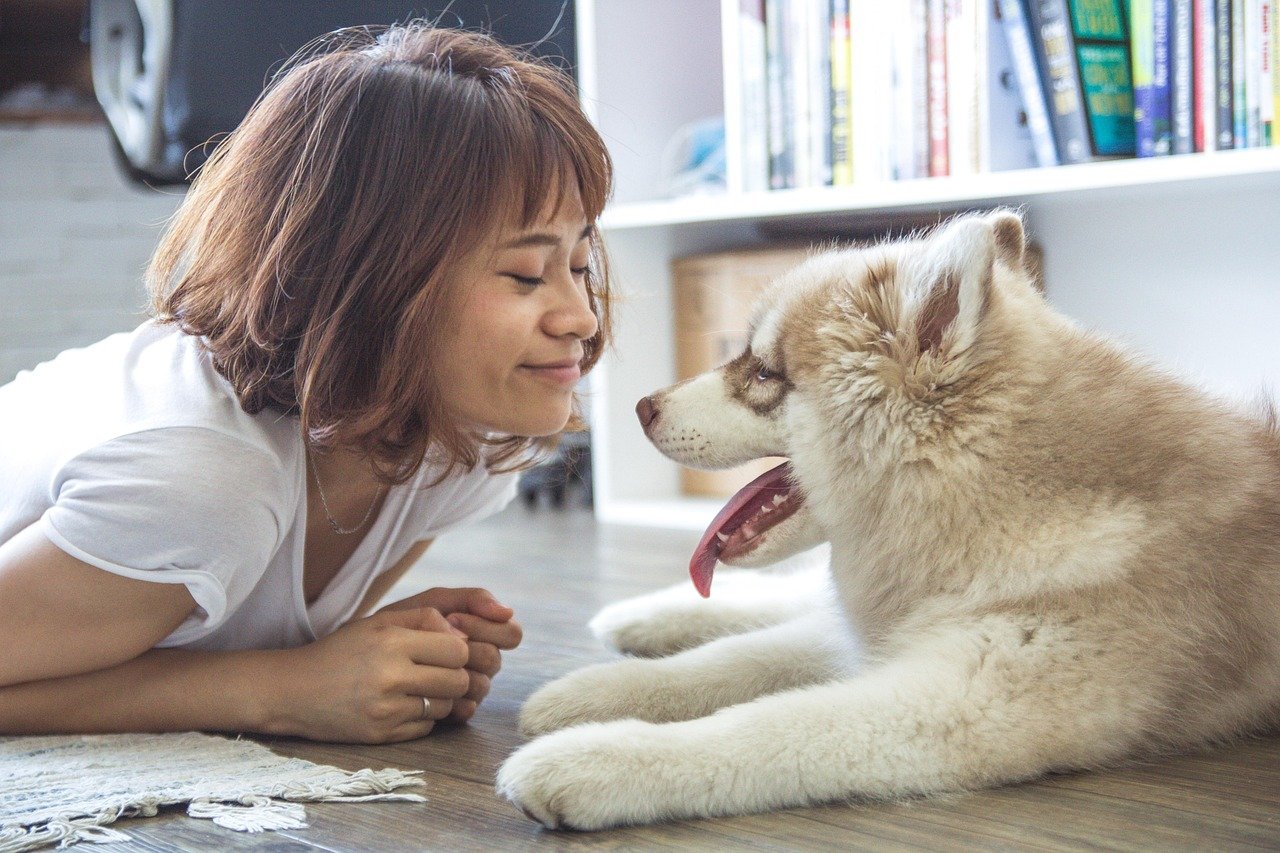
Your dog rushes to greet you with that unmistakable wiggle, tail wagging like crazy, eyes sparkling with pure joy. That moment captures something magical about our relationship with our furry companions. Yet as much as we adore them, sometimes we wonder if we’re truly giving them their best life.
The truth is, keeping our dogs genuinely happy goes far beyond the basics of food and shelter. Mental enrichment activities increase your dog’s happiness and wellbeing, and they also help reduce boredom and behavioral issues, such as destructive chewing and separation anxiety. Dogs are incredibly complex creatures with emotional needs that mirror our own in many ways. They crave purpose, stimulation, connection, and yes, those moments of pure bliss that make their whole body wiggle with excitement.
Understanding what truly makes our dogs thrive isn’t just about being a good pet parent. It’s about unlocking the secret to that deep, lasting contentment that shows in their relaxed postures, bright eyes, and eager enthusiasm for each day. Ready to discover how to turn your beloved companion into the happiest dog on the block?
Interactive Puzzle Toys That Challenge Their Minds
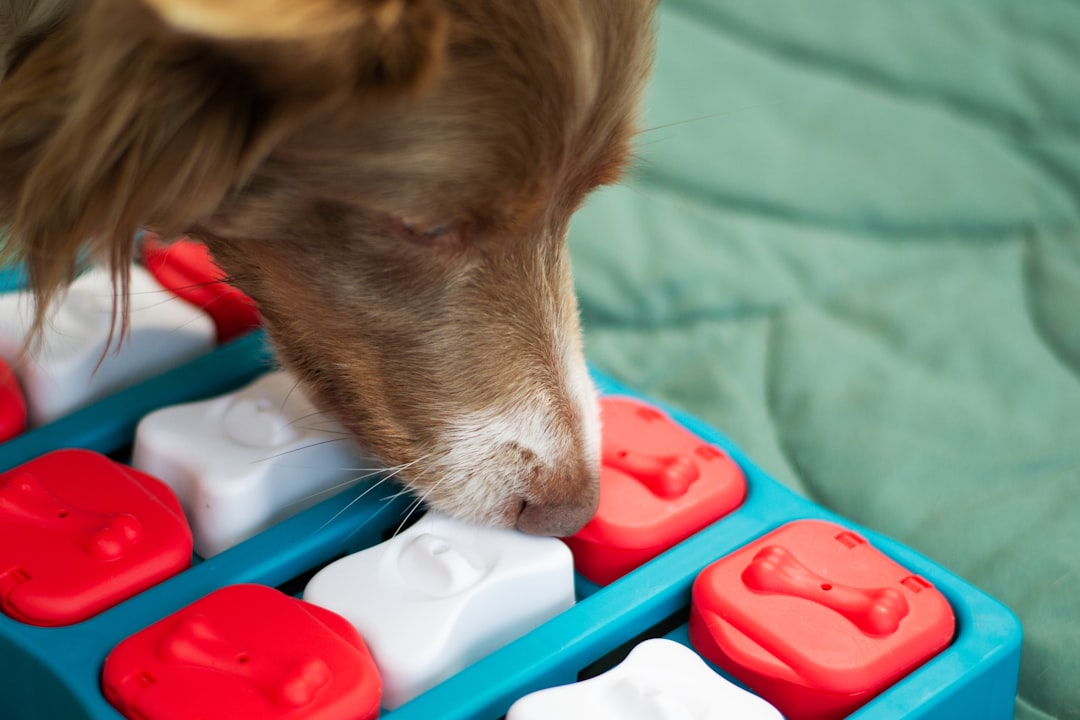
You can give your dog many different types of interactive dog toys that stimulate their mind with puzzles. Some chew toys have brain games that reward the dog with a treat if they roll or bite it in the right way. Think of puzzle toys as video games for dogs, engaging their natural problem-solving instincts while keeping them mentally sharp.
The beauty of puzzle toys lies in their variety and adaptability. Puzzle toys challenge your dog’s problem-solving skills. There are simple treat-dispensing balls to more complex puzzles, so there’s something for every dog’s skill level. Regularly introducing new puzzles can keep the challenge fresh and exciting for your pet. Start with easier puzzles and gradually increase difficulty as your dog masters each level.
By engaging in brain games with dogs, you help to improve their mood, behaviour and sleep routine. Mental stimulation can work to tire your dog out and ensure a good night’s sleep at the end of the day. Watch for signs of frustration though. If your dog seems overwhelmed, step back to an easier puzzle to maintain their confidence and enjoyment.
Teaching New Tricks and Commands
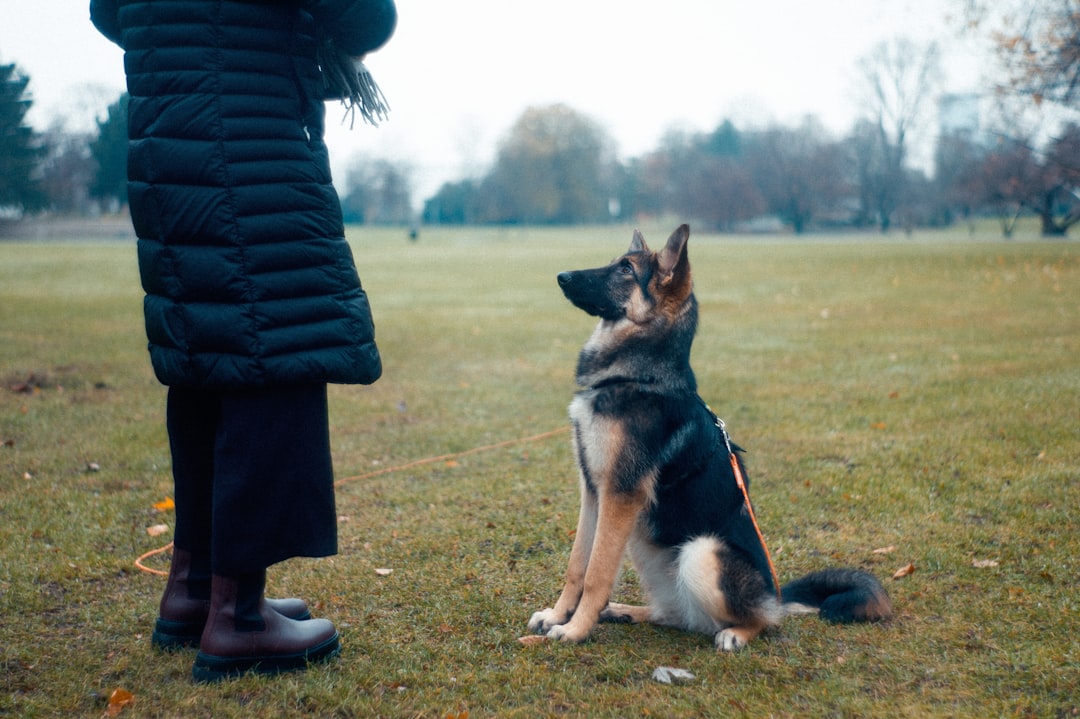
Teaching your dog a new trick requires a lot of concentration on their part, which is why tricks make for a challenging brain workout! By teaching new tricks with positive, rewards-based training, you can help to boost your dog’s confidence and happiness. Every “sit,” “shake,” or “roll over” becomes a building block for a stronger bond between you and your pup.
The magic happens in those training moments when you see the lightbulb go off in your dog’s eyes. No matter what age, you can teach a dog new tricks. So, learning new tricks can be a fun hobby and bonding experience with their owners. Not only does this stimulate the mind, but it can be very rewarding and build confidence for dogs if they can perform these tricks in front of others and receive a lot of praise and affirmation.
Remember that consistency beats duration every time. Short, positive training sessions of five to ten minutes work better than lengthy, exhausting ones. Celebrate small victories and keep the mood light and encouraging. Your enthusiasm becomes infectious, making learning an absolute joy for both of you.
Scent Work and Nose Games
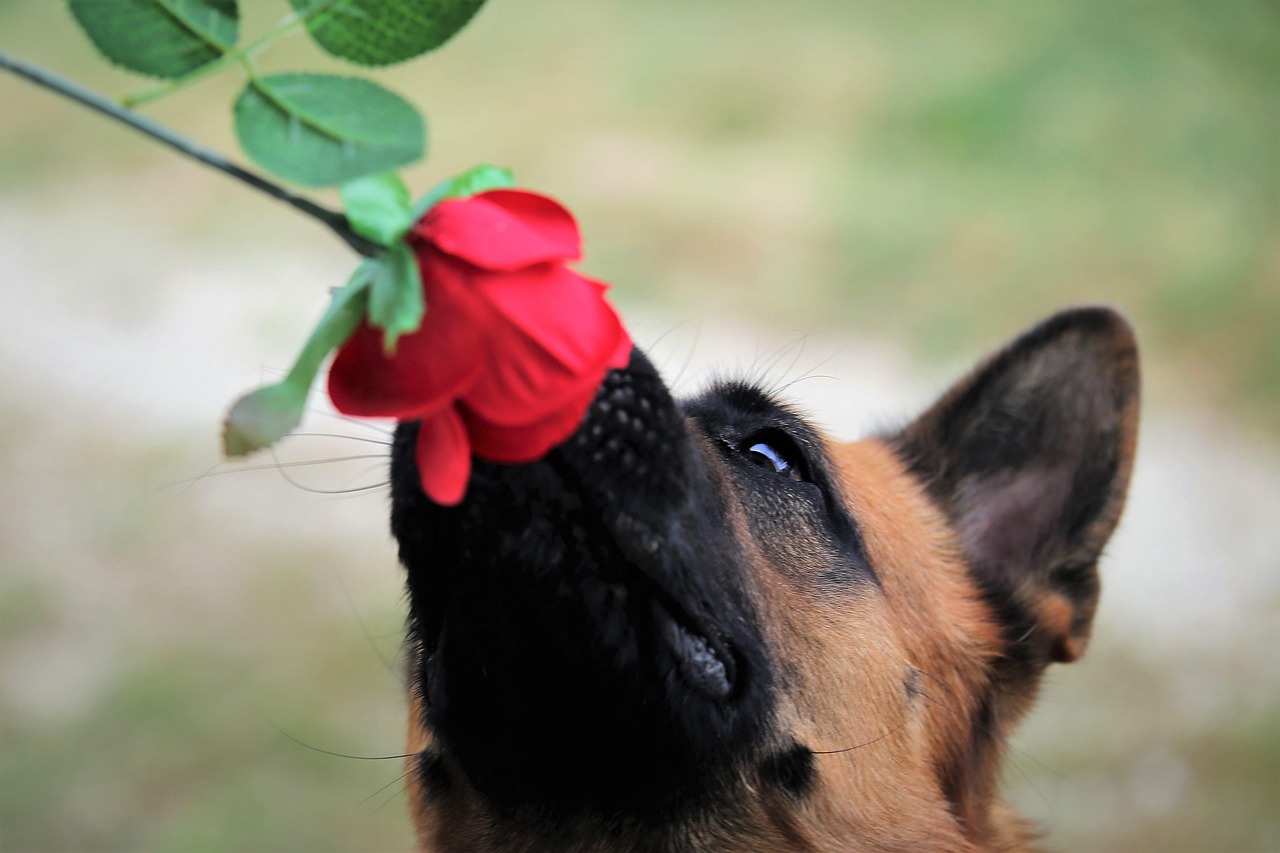
Dogs explore the world by using their sense of smell. When you go on a walk, allow them some time to roam and smell their surroundings. A dog needs to have the chance to wander a dog park or walking trail while they get their regular exercise, so try to plan for long walks each day. This natural behavior is like reading the daily newspaper for dogs.
This sport involves training your dog to seek out various essential oil scents (such as birch, clove, and anise). Most dogs love putting their noses to work, and expend a lot of mental energy to do so. Scent work is also a good option for senior dogs, as the physical demands of this sport are low. You can start simple by hiding treats around the house and encouraging them to “find it.”
Sniffing can help reduce stress in dogs and may contribute to positive emotional states, the “happy” brain chemical. These walks are less about the distance or time and more about quality, allowing them to take their time and explore the area they’re in. Create treasure hunts in your backyard or use snuffle mats to make mealtime an adventure.
Engaging in Hide and Seek Games
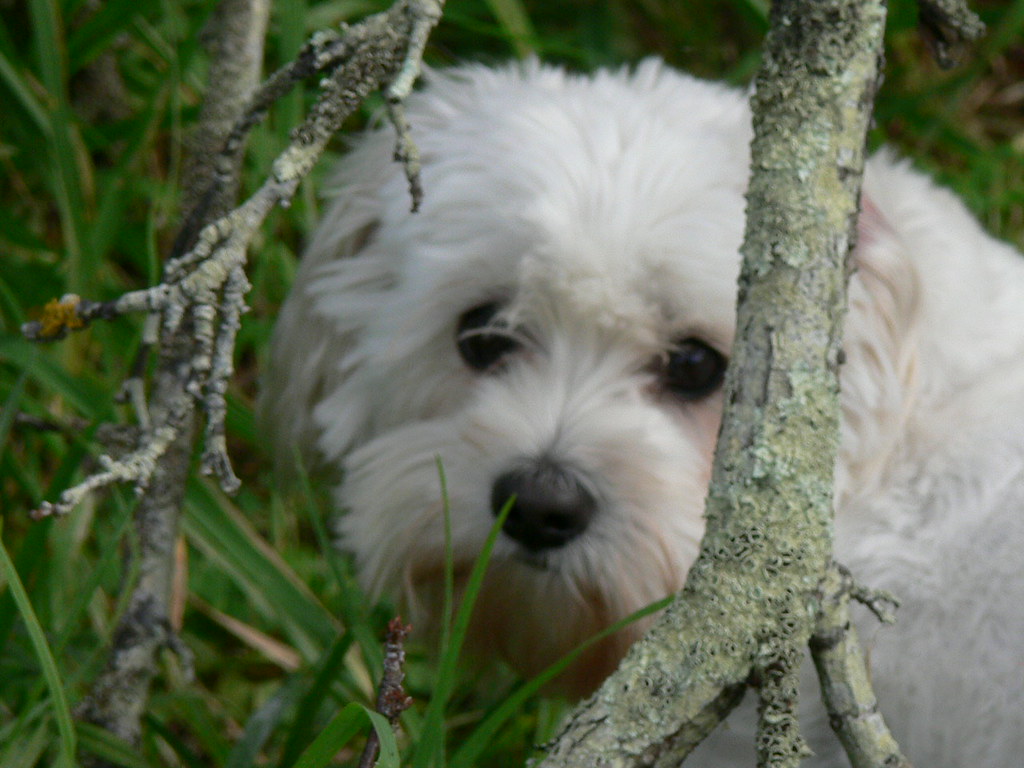
One great way to boost your dog’s problem solving skills is to play brain games like Hide and Seek. With this activity, you also get the opportunity to reinforce dog commands like ‘wait’ and ‘come’, as well as introduce new command words like ‘find’. There are lots of different variations of this game that you can try – testing your dog to seek out treats, toys or even you!
Hide and seek taps into your dog’s hunting instincts while strengthening your bond. Start by having your dog stay in one room while you hide in another. Call their name and watch their excitement when they discover your hiding spot. The joy on their face when they “find” you is absolutely priceless.
You can expand this game by hiding treats or favorite toys around the house. Interactive games like hide-and-seek or treasure hunts can keep your dog on their toes. Hide treats or toys around the house and encourage your dog to find them. These games also provide a fun way for you and your dog to bond and spend quality time together. Make it progressively challenging to keep their problem-solving skills sharp.
Creating Obstacle Courses and Agility Training
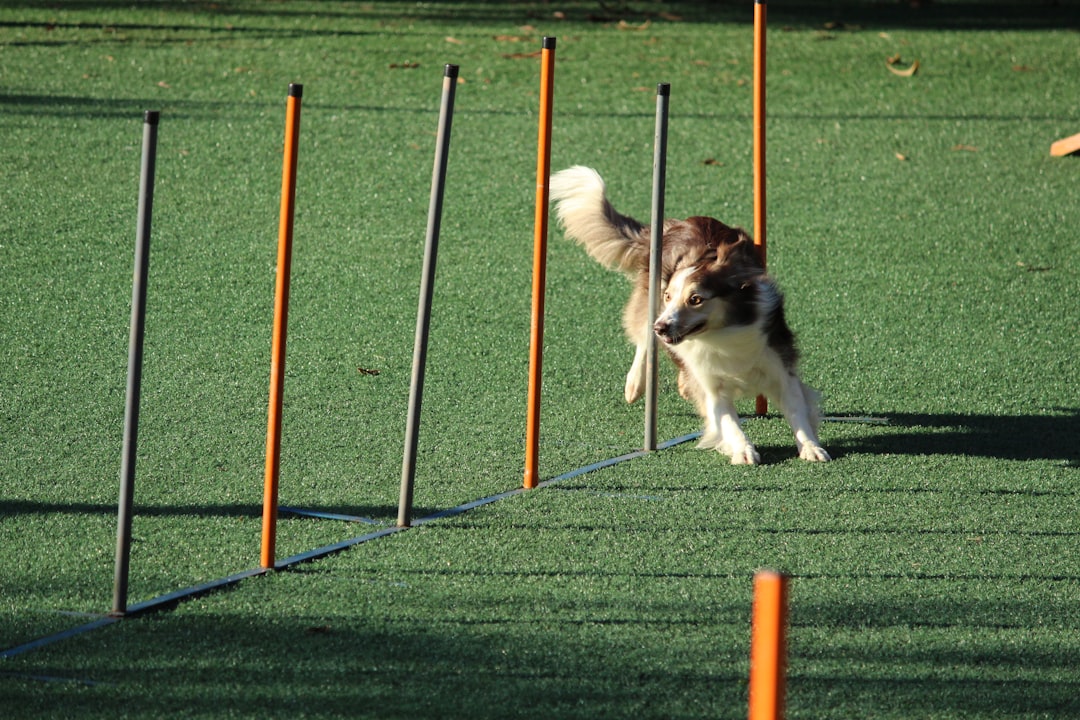
You can try playing a game of fetch to help provide physical activity or set up an obstacle course for your pooch to run through. Make playtime exciting with dog games like hide and seek or create a scavenger hunt with hidden treats or dog chew toys around the house. Transform your living room or backyard into an adventure playground using household items.
Agility training is another fantastic way to combine physical and mental stimulation. Setting up a simple obstacle course in your backyard allows your dog to jump, weave, and climb, engaging their body and mind. Use chairs for weaving, broomsticks for jumping, and blankets for crawling under.
The beauty of homemade agility courses is their flexibility. There are many benefits of creating obstacle course games for your dog to engage in. Not only do they help to train the mind, they also improve agility and physical fitness. Start simple and gradually add complexity as your dog gains confidence. These activities satisfy their need for both mental and physical challenges.
Socialization with Other Dogs and People
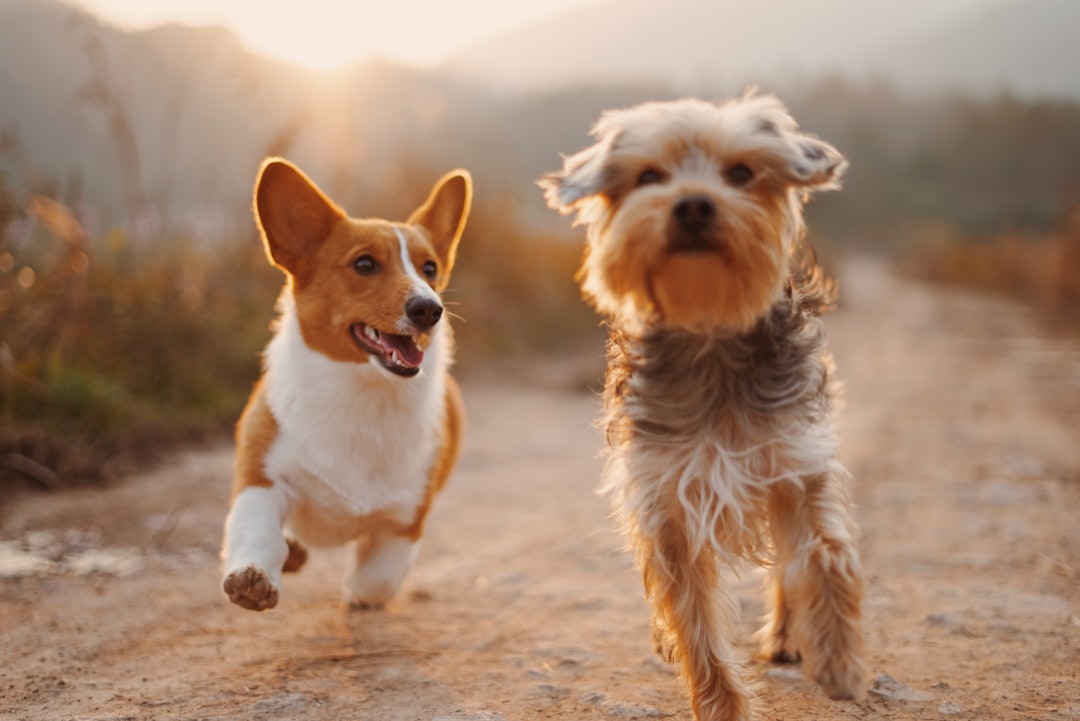
Introducing your dog to new environments and experiences can be highly stimulating. Visit different parks, pet-friendly cafes, or arrange playdates with other dogs. Socialization exposes them to new sights, sounds, and smells, which is mentally enriching. Regular socialization can help your dog develop good manners and improve their confidence in new situations.
Many dogs enjoy socializing with other members of their own species. Safe playdates with familiar friendly dogs allow your pet to burn energy and help them learn or practice appropriate canine manners. Watch their body language during these interactions to ensure everyone feels comfortable and happy.
They greet others calmly, sniff politely, and play without aggression or fear. A dog that waits patiently in social settings, responds positively to other dogs, or seeks attention from familiar people shows solid emotional health. These positive social experiences build confidence and create lasting happiness that extends well beyond the playdate.
Enriching Feeding Time with Food Puzzles
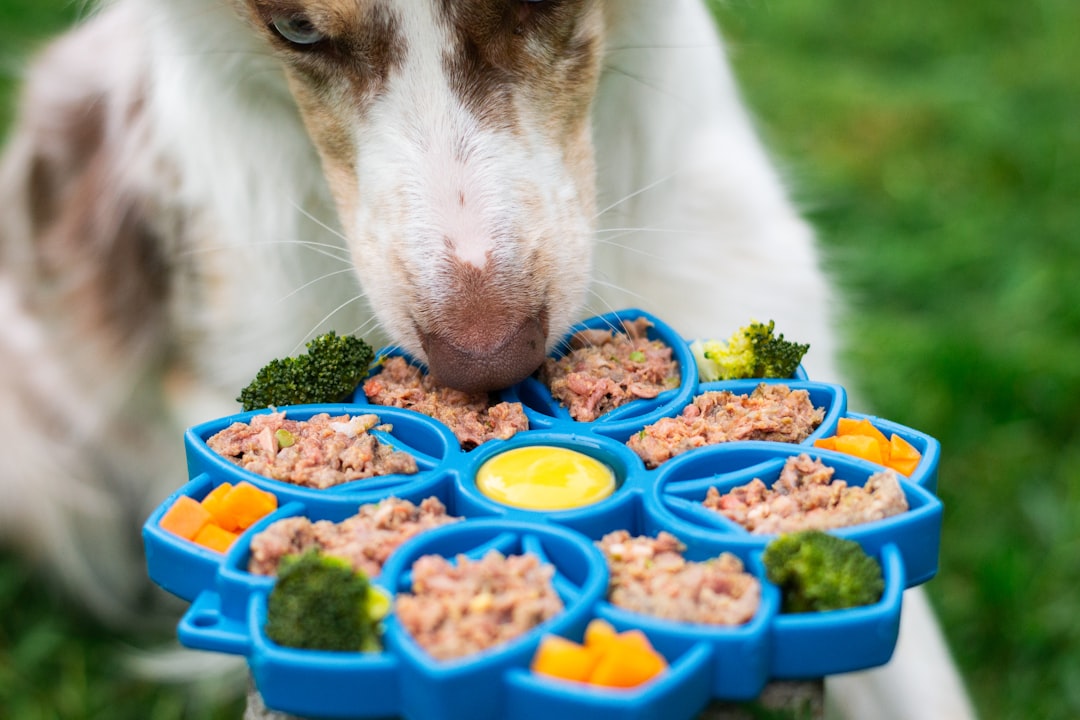
Feeding your dog meals in a standard bowl is easy, but some dogs may crave a challenge that stimulates their nose and natural instincts to forage. You can make mealtimes more exciting by scatter-feeding kibble, using slow feeders, licki mats, or putting food inside a treat dispenser or a puzzle toy. Making mealtimes more challenging can also help your dog slow down with eating and prevent gastrointestinal upset.
Scatter feeding is where you take portions of your pet’s dry food and hide them around the house. Put your dog in one room, hide the food in small piles around the house or yard, then release them to go find it all. Like other feeding exercises and games, this requires mentally stimulating nose work.
Transform the simple act of eating into an engaging adventure. Scatter feeding involves spreading your dog’s food over a larger area, making them work for their meal. This method mimics natural foraging behaviour and encourages dog mental stimulation by making them use their nose and brain to find food. Even the most mundane daily routine becomes exciting when it challenges their natural instincts.
Regular Exercise with Mental Stimulation

This is why changing up your walking route can be very stimulating for them. Walking somewhere new allows them to see and smell new things. Regularly changing your route helps keep things exciting for your dog – which is mentally stimulating. Think of walks as sensory adventures rather than just physical exercise.
You can combine exercise and training for extra mental stimulation. For example, you can walk your dog in safe open spaces on a 20-foot-long line to practice recall. You can also incorporate dog parkour into your daily walks by teaching your dog to leap onto benches or circle trees.
Mental engagement during walks can be as tiring as physical exercise. Activities like sniffing, solving puzzles, or practicing commands use up energy, making mentally stimulating walks ideal for dogs that may not handle long distances well, such as older or less active dogs. By providing both physical and mental exercise during your daily walks, you’re giving your dog a well-rounded experience that contributes to their happiness, behavior, and overall health.
Playing Interactive Games and Tug-of-War
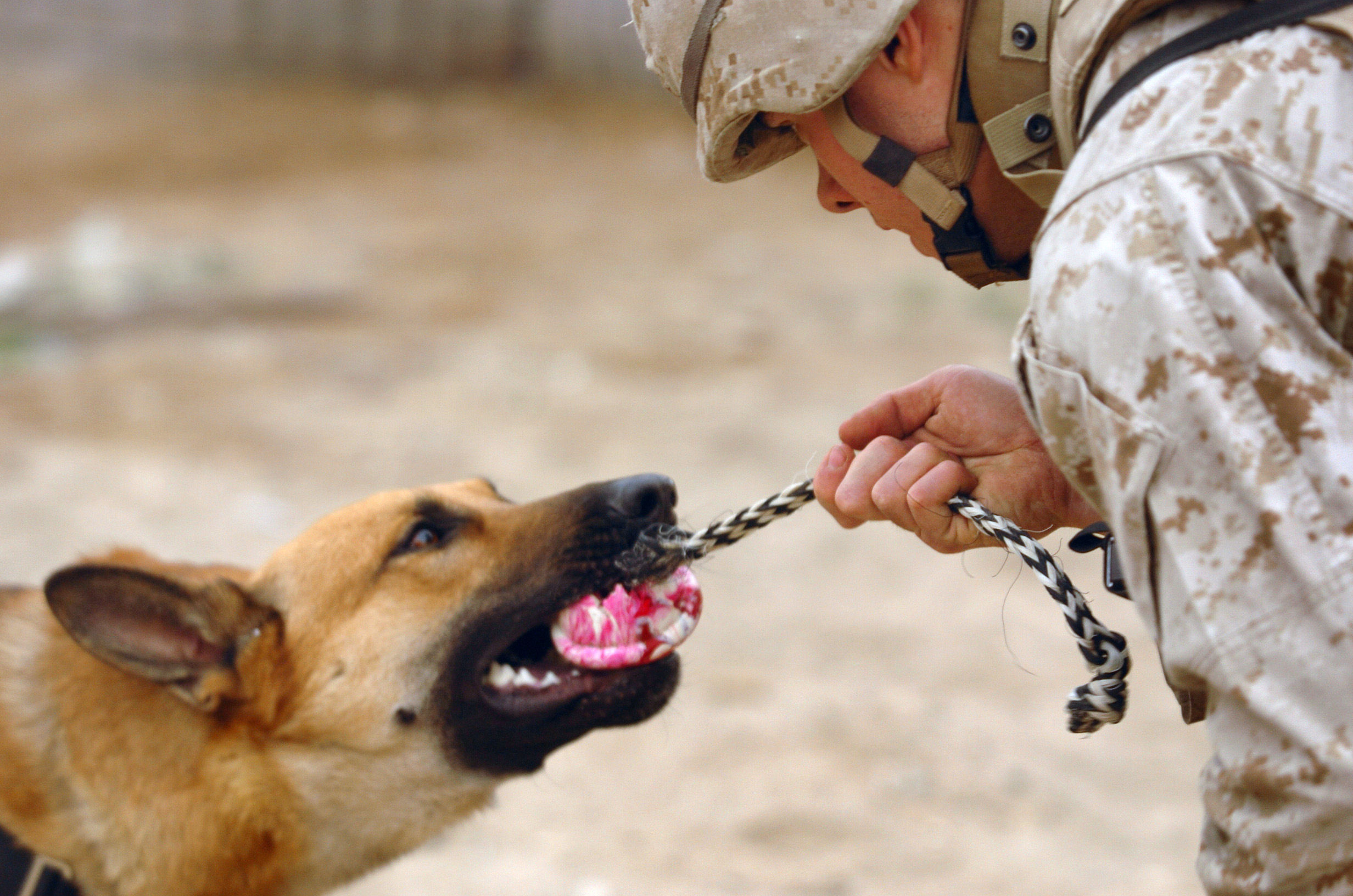
Make playtime exciting with dog games like hide and seek or create a scavenger hunt with hidden treats or dog chew toys around the house. Play tug of war with your tog with a plus dog toy or a squeaky toy, or push around a wobbler toy for them to chase. These games satisfy their natural urge to hunt, chase, and compete.
Interactive games like tug-of-war, fetch, and agility training are excellent for providing both physical and mental stimulation. These activities keep your dog engaged and help burn off any excess in your dog’s energy. Incorporate commands like “drop it” and “wait” to add an extra mental challenge to the game.
Squeaky dog toys help to exercise a dog’s brain by capturing their attention and reinforcing their desire to chew and play. Equally, dog toys that roll, or bounce in different directions help to provide a challenge by perplexing a dog’s brain. The unpredictability keeps them engaged and thinking, turning simple play into brain training.
Providing Quality Time and Bonding
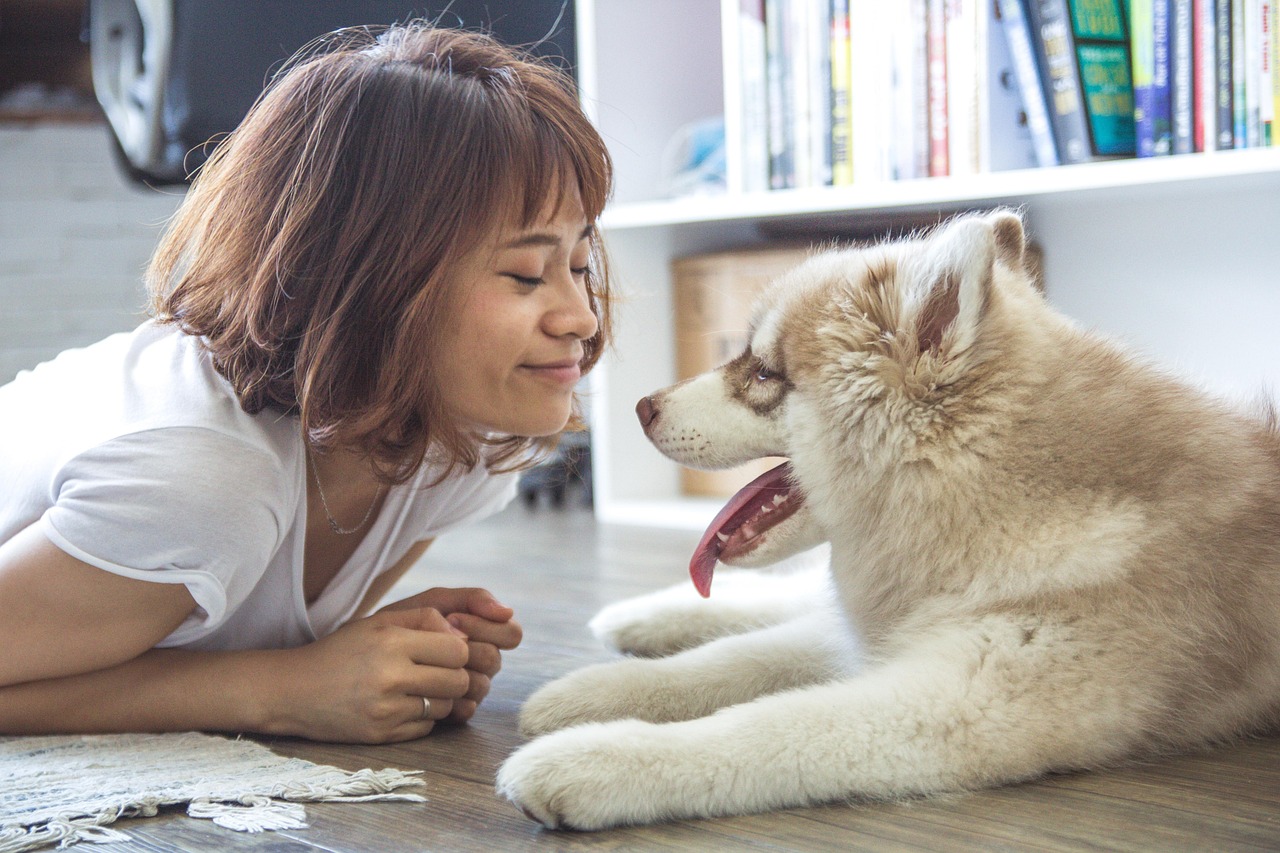
Canine family members want to be a part of our daily lives and feel connected to the family or “pack.” Dogs need touch, soft voices of reassurance, and time with you in order to feel the connection. Even just 10 minutes of floor time with your dog will elevate his state and be evident in his body language and happy eyes.
A friendly dog who is feeling happy will likely seek out some affection from you at some point. This might be in the form of leaning against you, lying beside you, or asking for pets. are all behaviours generally associated with a strong human-animal bond, which is key for your dog’s happiness.
Sometimes the simplest activities create the deepest happiness. Spend quality time together. Quiet moments, grooming sessions, or cuddles deepen trust and show your dog they’re loved. Your undivided attention becomes the most valuable gift you can offer. Put away the phone, get on their level, and just be present. These moments of pure connection often mean more than any fancy toy or elaborate activity.
Conclusion
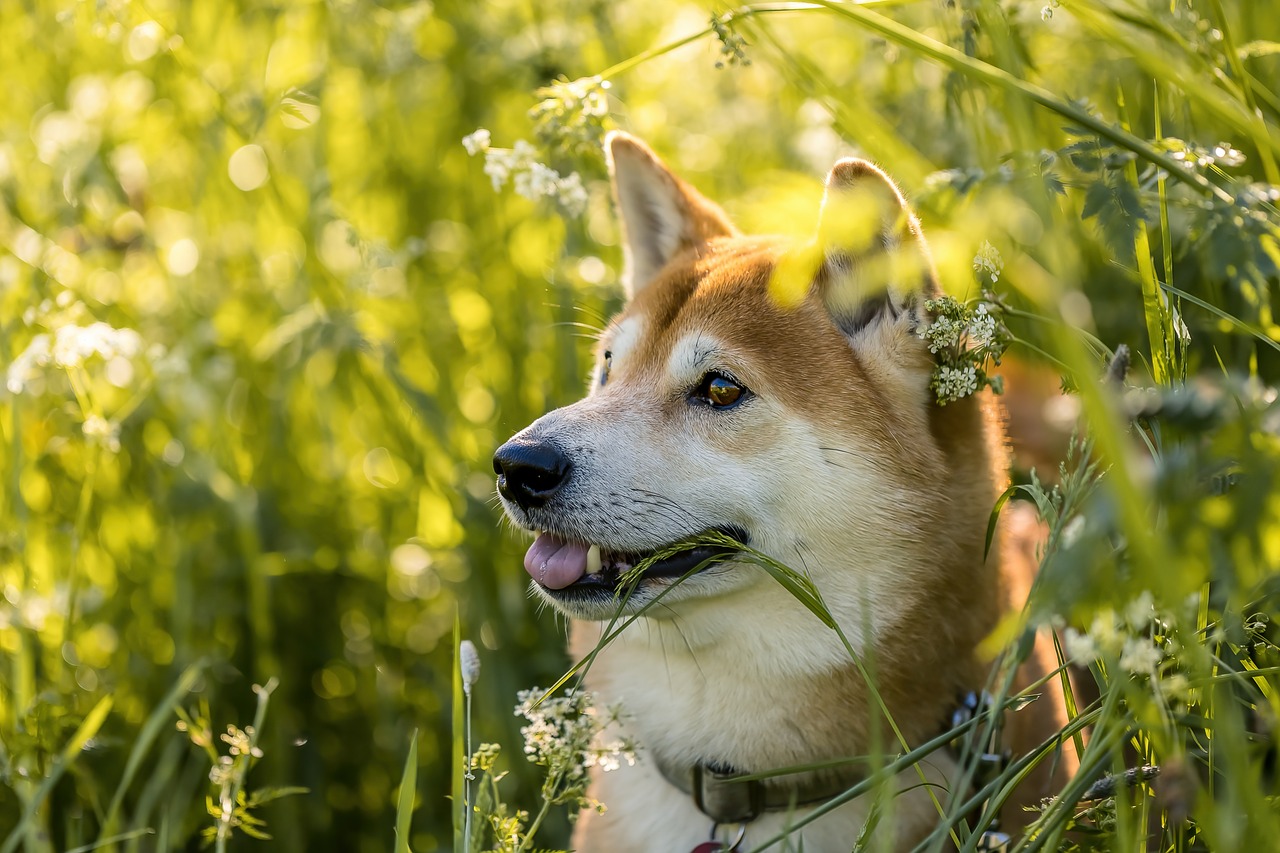
The journey to keeping your dog truly happy isn’t about expensive gadgets or complicated routines. It’s about understanding that our four-legged companions need mental challenges, physical activity, social connections, and most importantly, quality time with us. Keeping your dog mentally stimulated is essential for their happiness and well-being. By incorporating these ten activities into their routine, you’ll ensure a well-rounded, engaged, and content furry friend.
Every dog is unique, so pay attention to what makes your particular pup’s tail wag with genuine enthusiasm. Some dogs might go crazy for puzzle toys, while others live for those long sniffing walks or interactive play sessions. The key is variety, consistency, and celebrating those precious moments of pure doggy joy.
What surprised you most about these happiness-boosting activities? Have you noticed your dog showing signs of contentment after trying any of these suggestions? Share your experiences in the comments below!


