
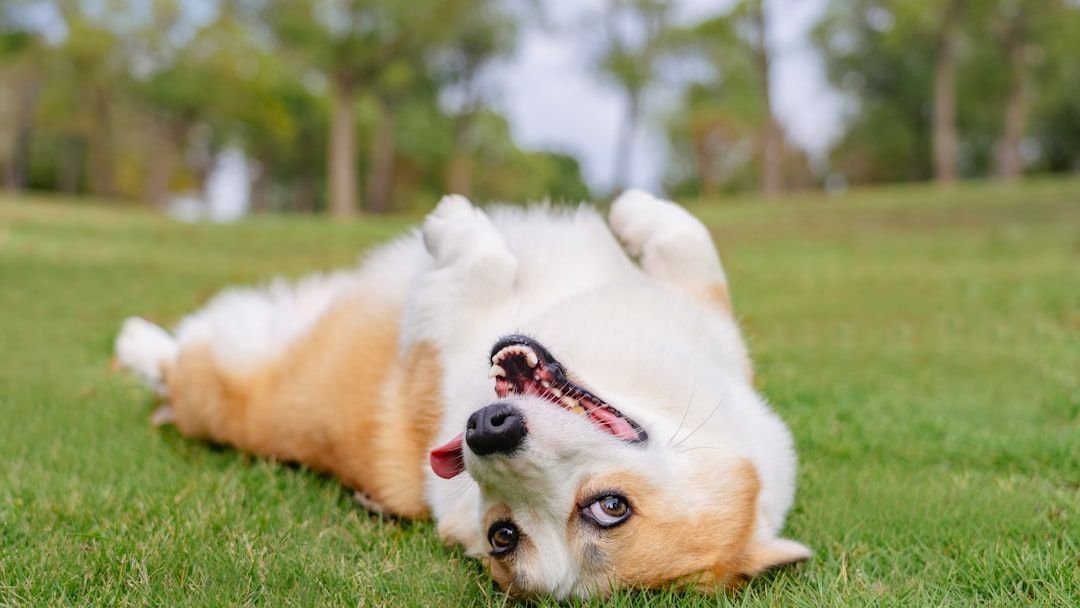
You know that moment when you walk into a room and your dog’s entire face just lights up? That look isn’t random. It runs deeper than simple excitement or the hope for treats. When dogs feel truly safe with us, they communicate it through dozens of subtle behaviors that most people miss entirely. Here’s the thing: emotional safety shapes every aspect of your dog’s wellbeing, from how they sleep to how they greet you after you’ve been gone.
Think about it. We share our homes, our routines, even our beds with these animals, yet many of us have never stopped to ask whether they genuinely feel secure in our presence. The signs are there if you know where to look. Some are obvious, like that happy wiggle when you come home. Others? Well, they’re hiding in plain sight, waiting to tell you something profound about the bond you’ve built together.
They Seek Out Your Presence During Stressful Moments
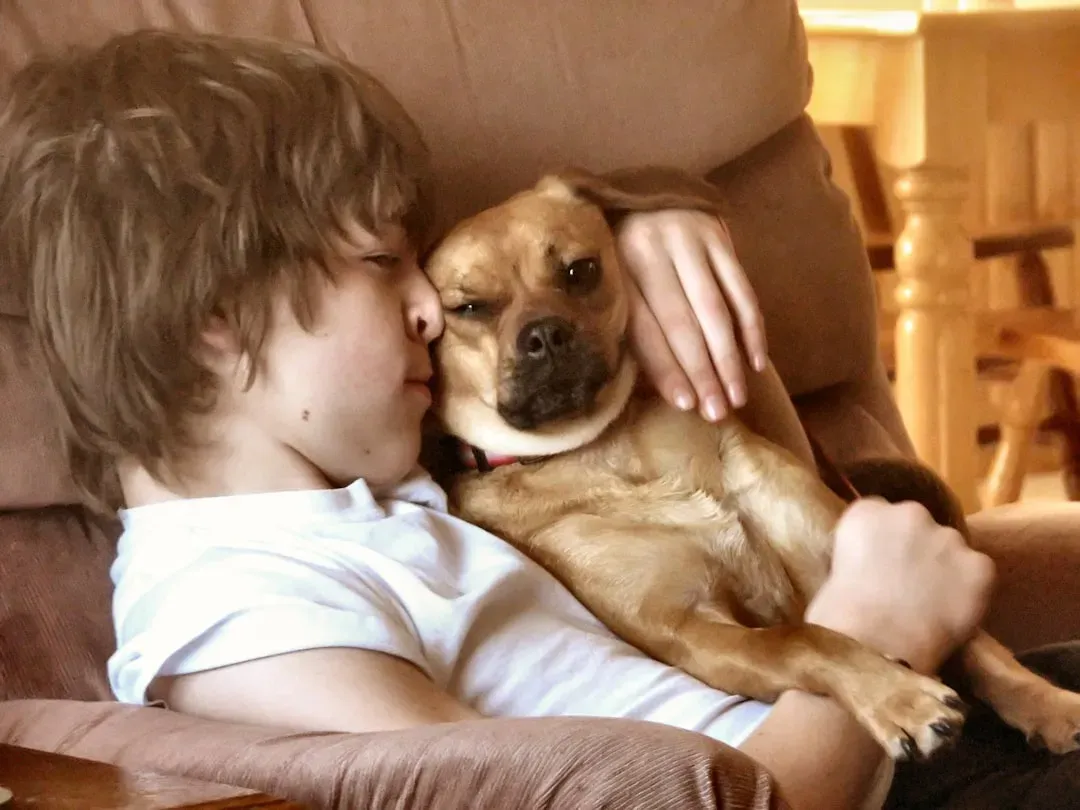
When the vacuum cleaner roars to life or thunder cracks across the sky, where does your dog go? Dogs use their owner as a safe haven when facing a threat, and this behavior reveals volumes about emotional security. A dog who trusts you will actually move closer during frightening situations instead of hiding alone under the bed.
This isn’t just about proximity. It’s about faith in your ability to provide comfort and protection. The relationship allows them to show less distress in response to threatening events when you’re nearby. Watch what happens next time something spooks your pup. Do they look to you for reassurance? That glance is everything.
The science backs this up too. The secure base effect provides the experience of security and comfort obtained from the relationship with the partner, and for individuals with secure attachments, the presence of the attachment figure enhances the likelihood that the individual will explore and engage with the environment. Your emotionally safe dog literally borrows your confidence to face the world.
Soft Eye Contact That Feels Like a Conversation
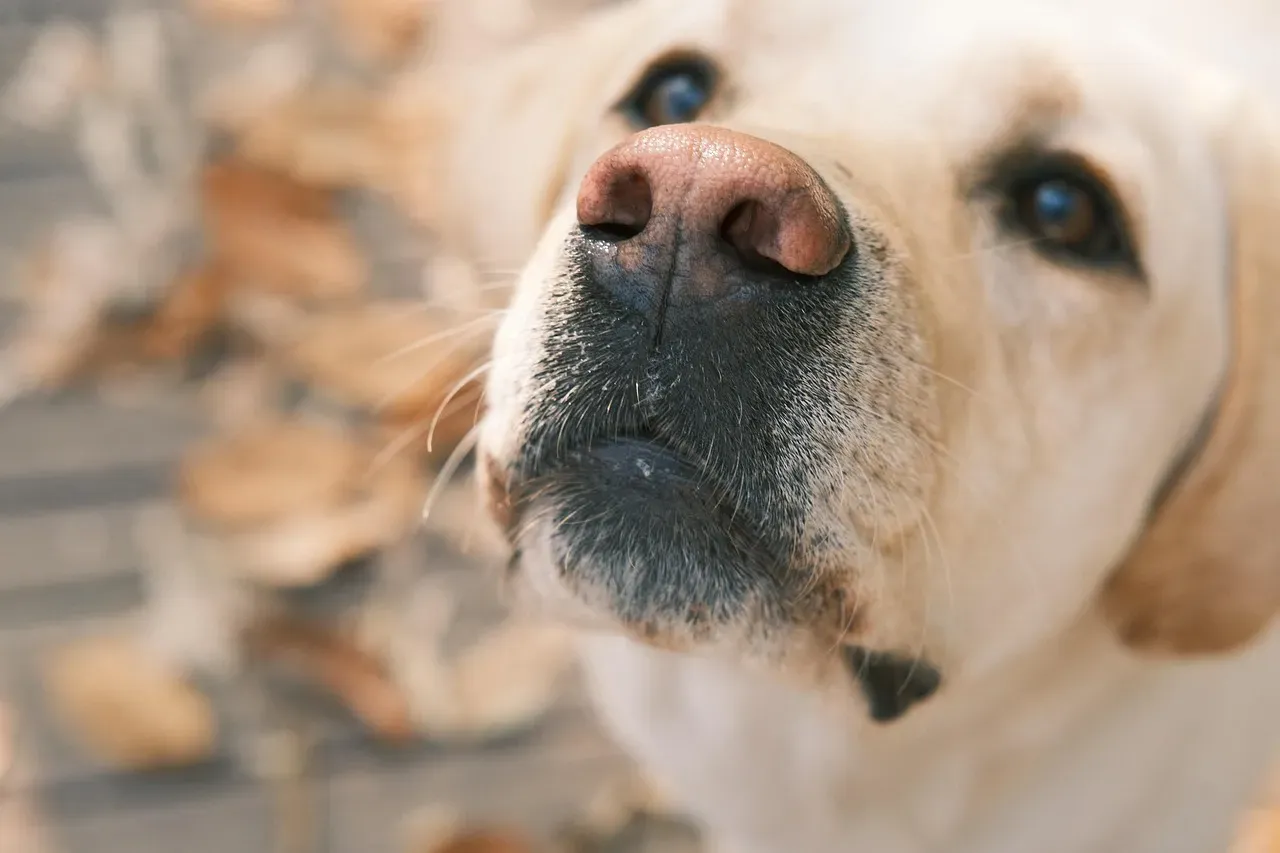
Sustained eye contact between dogs and their trusted humans triggers the release of oxytocin in both parties, the same hormone that bonds parents and children. This isn’t the hard stare of a dog feeling challenged. We’re talking about those soft, lingering glances that happen when you’re just sitting together on the couch.
While direct eye contact can be threatening in the canine world, soft glances and periodic eye contact from your dog indicate trust and affection. Notice the difference? A secure dog will meet your eyes gently, almost like they’re checking in. It’s intimate in a way that’s hard to describe unless you’ve experienced it.
Every time you share that loving gaze, you’re literally strengthening your bond on a biological level. That mutual oxytocin rush builds trust, affection, and a sense of deep connection. Pretty remarkable when you think about it.
Belly Exposure Without Hesitation
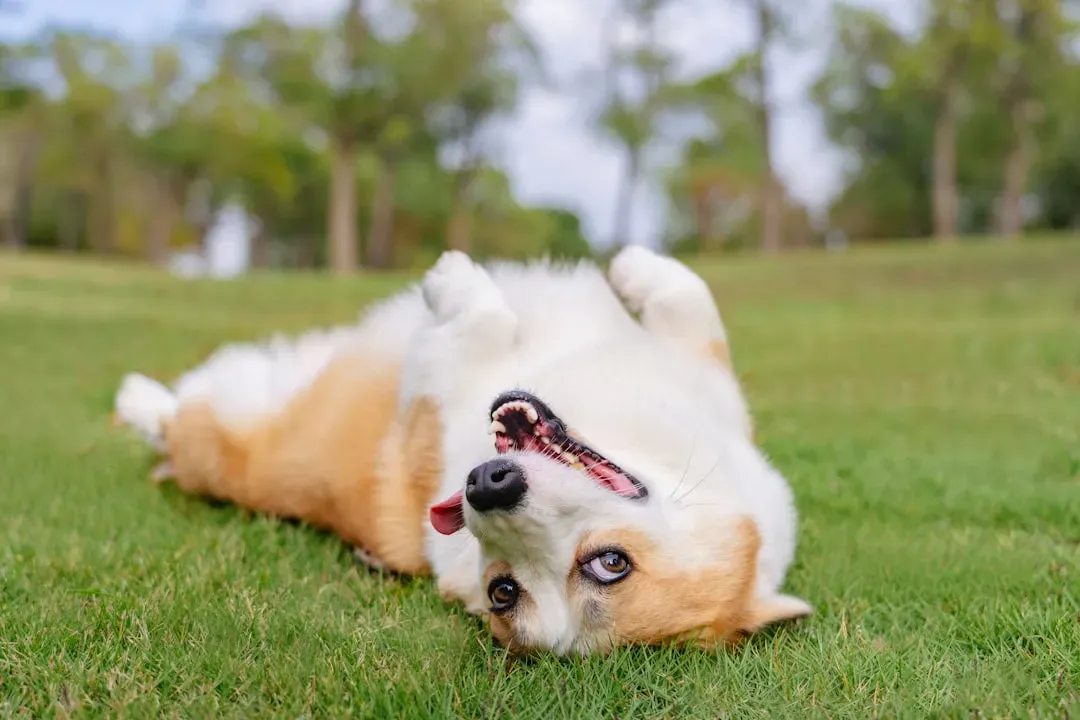
One of the most vulnerable parts of a dog’s body is the belly, so when a dog feels comfortable enough to roll onto their back in your presence, they trust you enough to voluntarily roll into this exposing position. This is huge. Dogs don’t expose their soft underbelly to just anyone.
Let’s be real, not every belly-up moment is the same though. Context matters. Repeated rolling over can actually be a sign of stress, so when in doubt, take a close look at the dog’s eyes – if they have wide eyes and make intense or unwavering eye contact, they are stressed. A truly relaxed dog shows soft eyes and a loose body.
When your dog flops over with that goofy, relaxed expression? That’s the good stuff. They’re saying they trust you completely with their most vulnerable self.
Following You From Room to Room
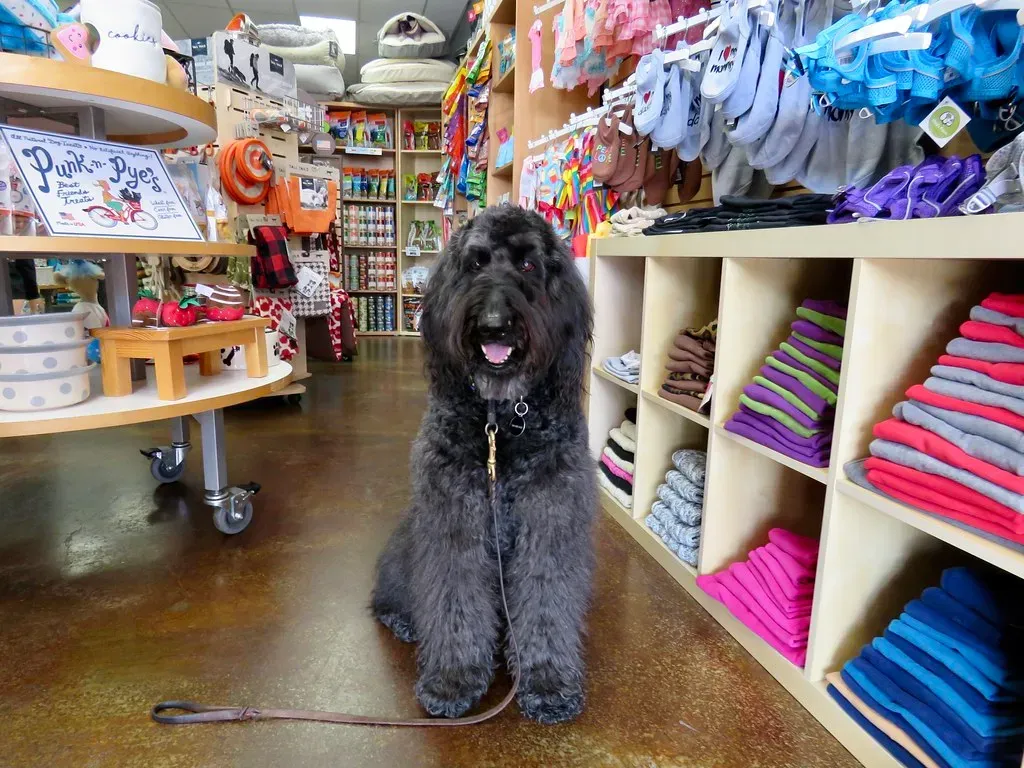
Ever notice your dog padding after you to the bathroom, the kitchen, basically everywhere you go? While this can sometimes indicate separation anxiety, in emotionally secure dogs it’s different. Attachment includes proximity seeking, and a confident dog simply enjoys being near you.
There’s a notable difference between anxious following and secure companionship. An anxious dog might pace, whine, or seem distressed when you move. A secure dog? They just casually tag along, totally chill about the whole thing. Maybe they settle nearby while you work or just watch you move about with calm interest.
It’s companionship without neediness. They’re not worried you’ll disappear. They just prefer your company.
Relaxed Sleep Positions in Your Presence
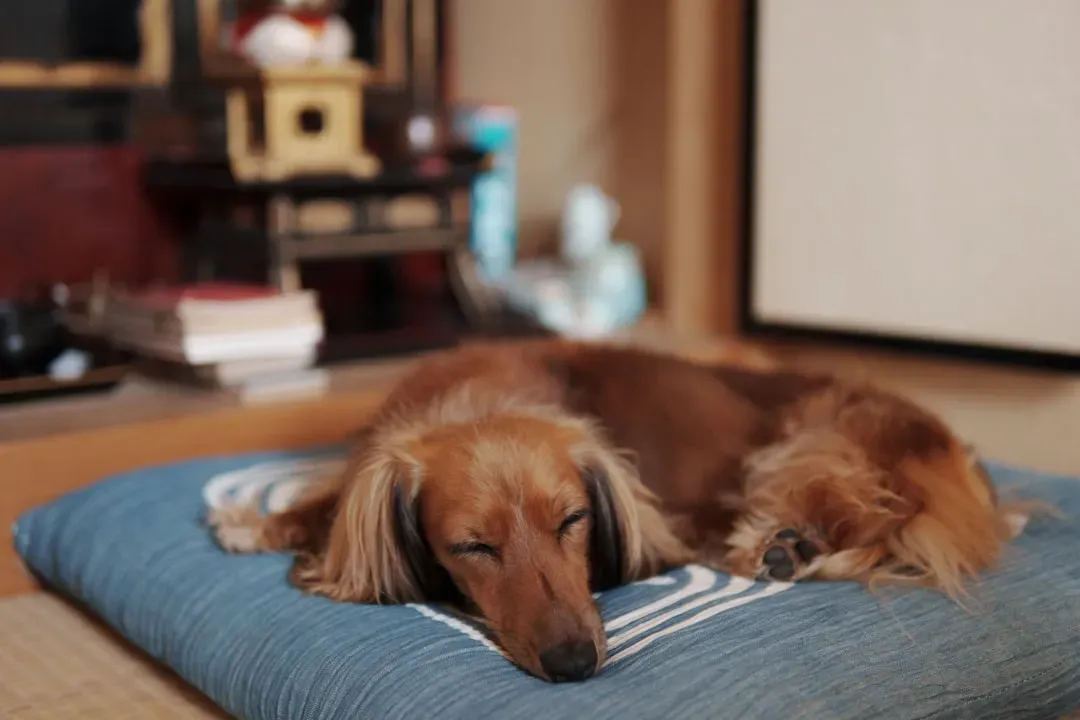
Another vulnerable time for a dog is when they are asleep, and dogs choose to sleep where they feel most comfortable and at ease, so if your dog enjoys sleeping in your bed or likes to snuggle up to you for a nap, they feel trust in you that they will be safe to do so. Sleep is when animals are most defenseless.
Pay attention to how your dog sleeps around you versus when they’re alone or with strangers. Do they sprawl out completely, maybe even snoring with their legs twitching in dreamland? That full-body relaxation speaks volumes. They’ve switched off their vigilance because they know you’ve got their back.
Some dogs even sleep on their backs, belly exposed, paws in the air like they just don’t care. Honestly, it doesn’t get more trusting than that. It’s the ultimate compliment in canine language.
Bringing You Their Prized Possessions
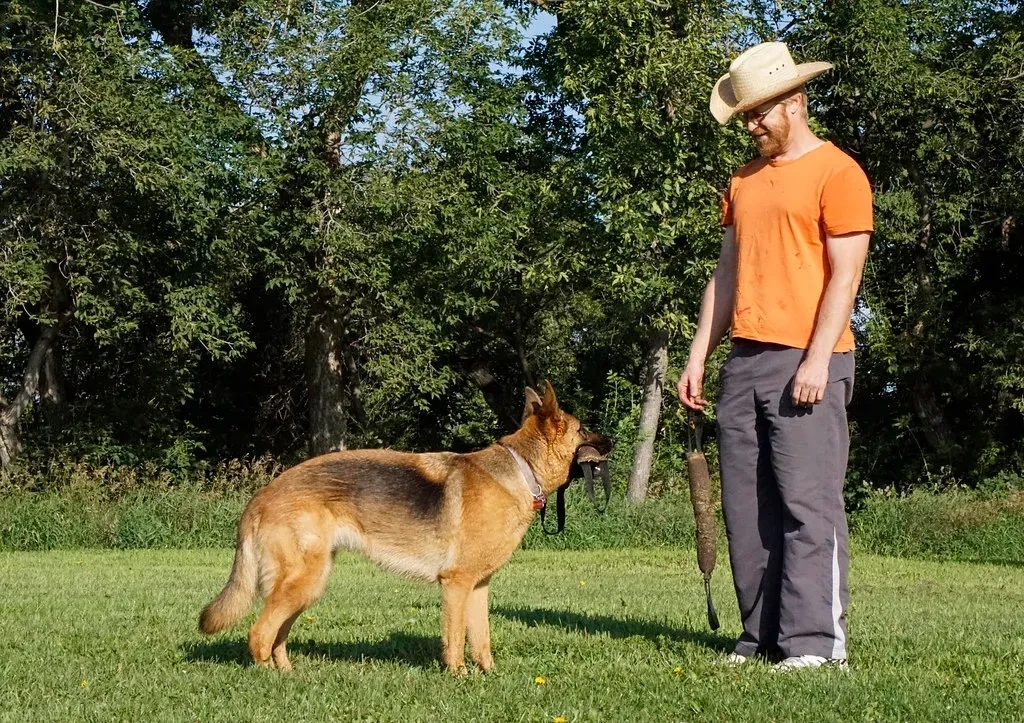
When your dog brings you their favorite toys or special items, they’re demonstrating both trust and a desire to share experiences with you, mirroring social bonding practices observed in wild canid populations. This behavior runs deep in their evolutionary history.
Think about what they’re actually doing here. They’re taking something they value and offering it to you. Sometimes it’s a toy, sometimes it’s something bizarre they found in the yard. The point isn’t the object itself – it’s the gesture. They want to include you in their world, share what matters to them.
A dog who feels emotionally safe will also let you handle their toys without resource guarding. They trust that you’re not a threat to their stuff. That level of security takes time to build, especially for dogs with difficult pasts.
Calm Greetings After Separation
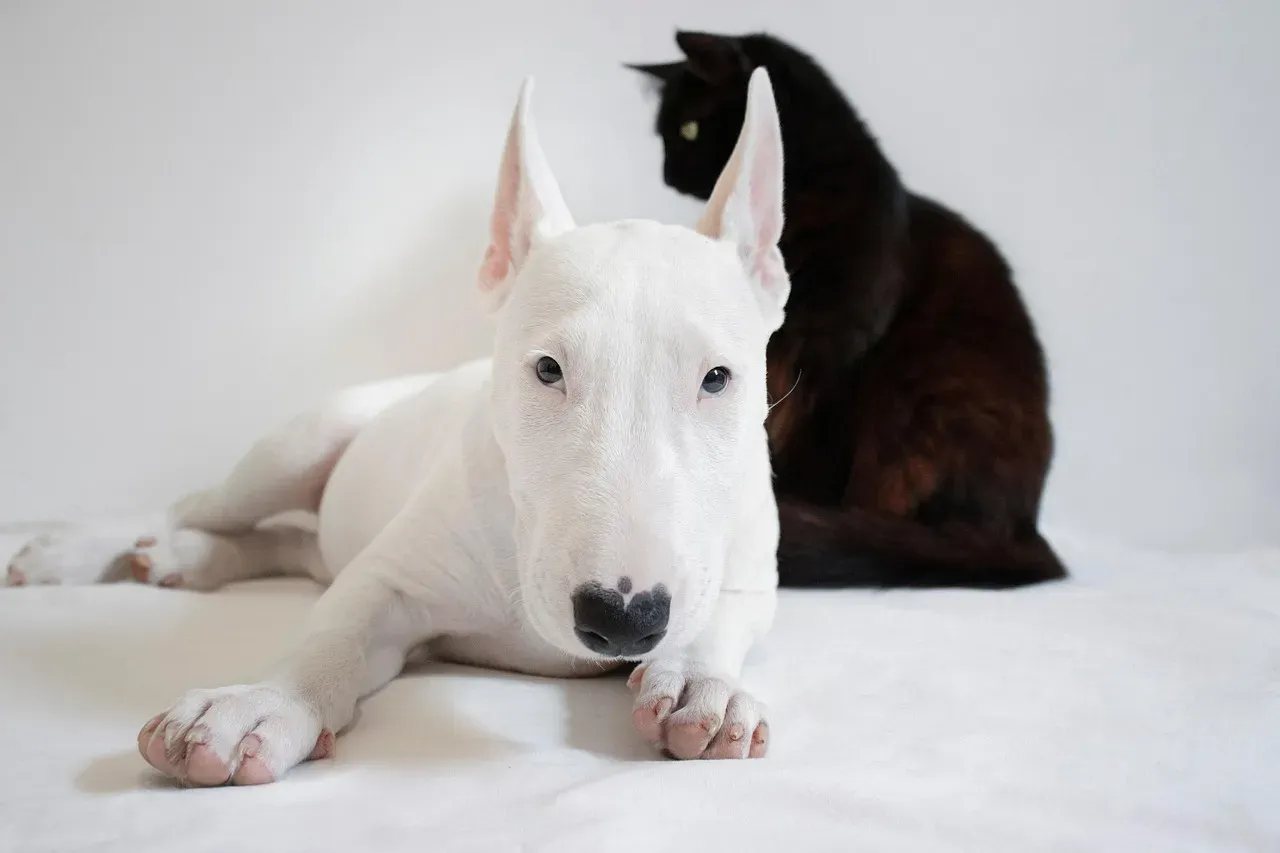
Here’s where it gets interesting. You might think that wild, jumping, over-the-top greetings mean your dog adores you. Sometimes that’s true, sometimes it signals anxiety. This type of training results in a behavioral inhibition rather than an actual reduction of the dog’s internal level of arousal, which may be particularly high when greeting occurs during stressful conditions.
A truly secure dog? They’re happy to see you, sure. But there’s a difference between joyful and frantic. Right-leaning wagging is a sign of positive emotions, so if your dog wags her tail to the right when she sees you, you are officially on her list of favorite things in the world. Watch for that relaxed, whole-body wiggle versus tense, manic energy.
The secure dog knows you’ll come back. They don’t panic when you leave because past experience has taught them that separations are temporary. That confidence shows in how they welcome you home.
Showing You Their “Stress Signals” Openly
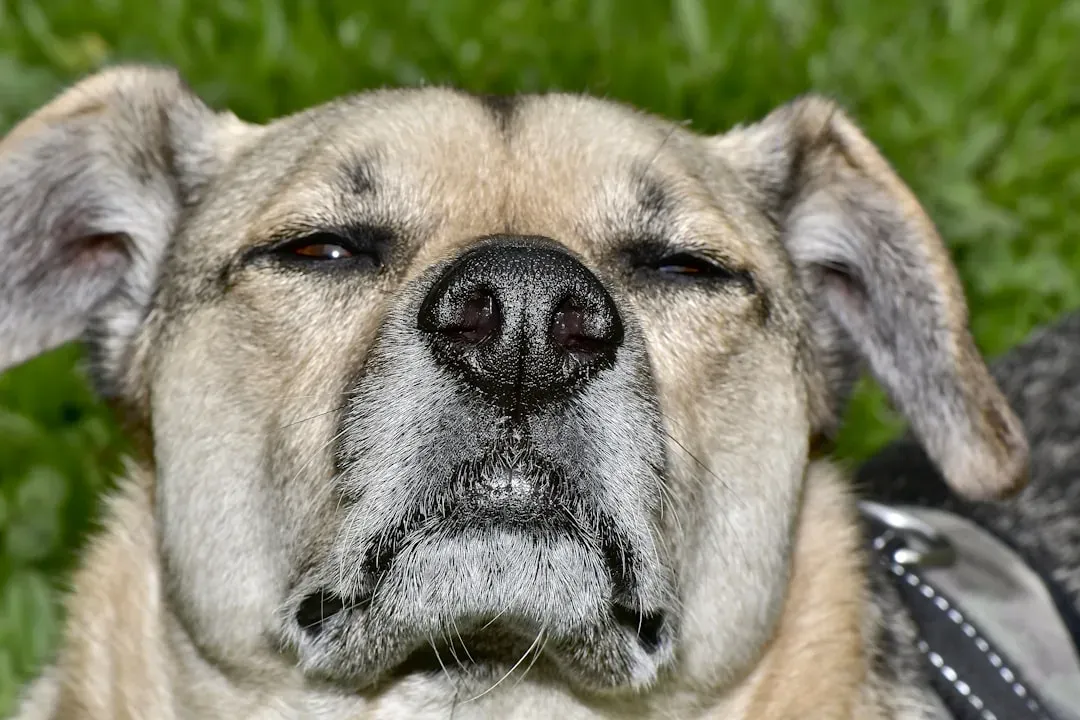
This one surprises people. Owners who recognise their dog’s outward signs of emotion find it easier to engage with them, and it creates a supportive environment that affords the dogs a level of emotional security and validation that helps build a loving, trusting, secure attachment bond. When dogs feel safe, they actually communicate their discomfort more clearly.
Noticing early signs of stress, such as lip licking or turning away, allows you to gently remove your dog from uncomfortable situations – for instance, if your dog seems uneasy around a lot of people, you can calmly guide them to a quieter space. A secure dog trusts you to recognize and respond to these signals.
Dogs who’ve learned their humans ignore or punish stress signals often stop showing them. They shut down. But an emotionally safe dog? They’ll communicate freely because experience has taught them you’ll listen and help.
Relaxed Body Language Around You
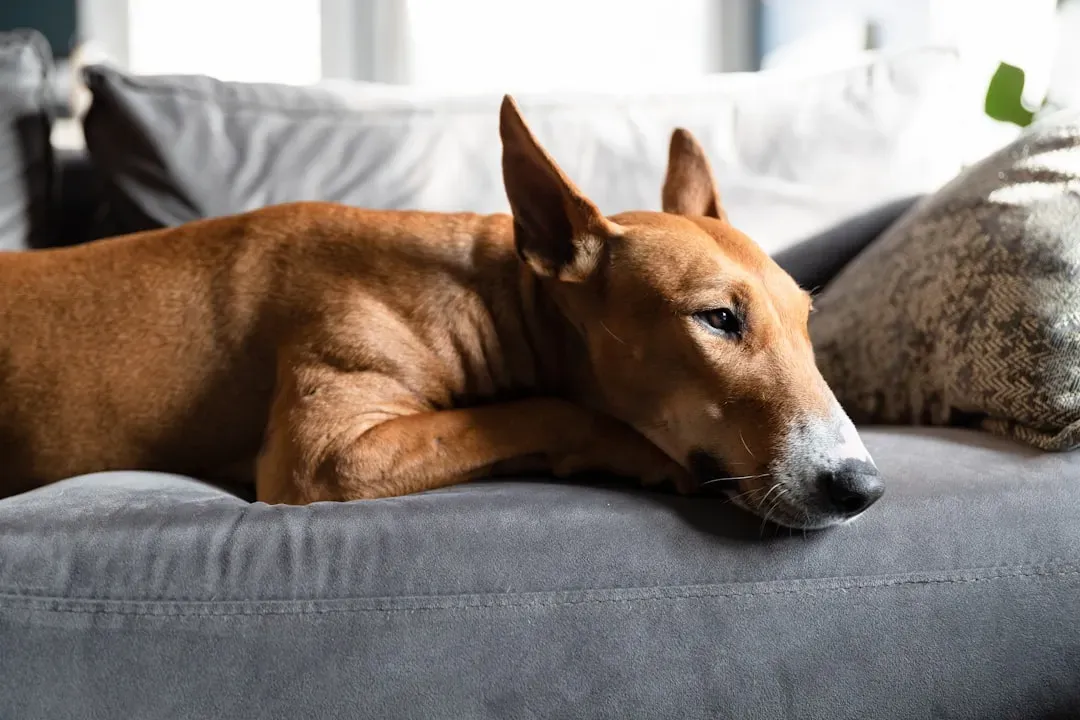
A dog that trusts its owner will frequently seek closeness, maintain eye contact, and respond positively to cues without hesitation, with relaxed body language such as a loose tail, soft eyes, and a willingness to follow your lead being key indicators. The whole picture matters here.
Watch your dog’s overall posture when you’re together. A confident and alert dog holds their ears forward, head up, and tail up, whereas when a dog has their ears turned to the side, head lowered, avoids eye contact, and has their tail lowered or tucked between their legs, they are conveying a message of fear, anxiety, and potentially stress. Secure dogs carry themselves differently.
It’s fascinating how much dogs reveal through their bodies if we just pay attention. A truly comfortable dog around you looks loose, almost floppy. Everything about their posture says “I’m good, we’re good, life is good.”
Using You as a Secure Base for Exploration

Dogs use their owner as a secure base when exploring an unknown environment, and this behavior perfectly demonstrates emotional safety in action. Take your dog somewhere new and watch what happens. Do they venture out to investigate, then check back with you?
That check-in behavior is gold. They’re essentially saying “I’m going to explore this interesting thing, but I need to make sure you’re still there.” This relationship allows them to interact securely with their environment in the presence of the owner. You’ve become their safe harbor in an uncertain world.
Dogs without this security might either cling to you constantly or ignore you entirely to cope with stress. The secure dog strikes a beautiful balance – independent yet connected, curious yet cautious, adventurous but always aware of where you are. It’s partnership at its finest.
Conclusion
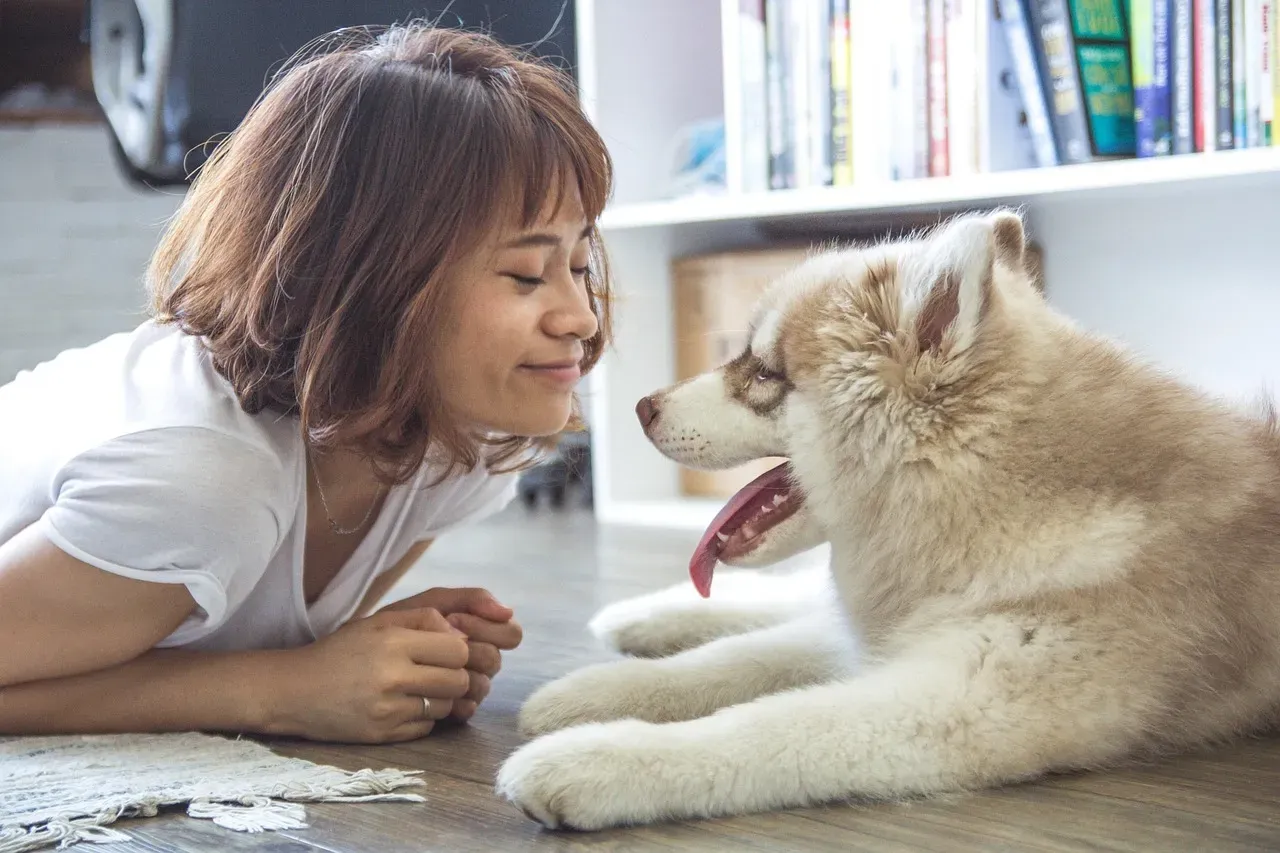
These signs aren’t just sweet behaviors to notice. They’re windows into your dog’s emotional world, showing you the foundation of trust you’ve built together. Misreading or overlooking emotional cues can lead to inappropriate handling or unmet behavioral and psychological needs for animals in human care, so understanding what your dog is truly telling you matters for their wellbeing.
The beautiful thing? You can always strengthen this bond. A calm, consistent approach in communication leads to better cooperation and less anxiety in dogs, and clear, empathetic communication is key to building a lasting bond. Every positive interaction, every moment you read their signals correctly and respond with understanding, deepens that sense of safety.
So take a moment today to really observe your dog. Which of these signs do you recognize? Which ones might you have been missing? What do you think – does your dog feel completely safe with you, or is there room to grow together?


