
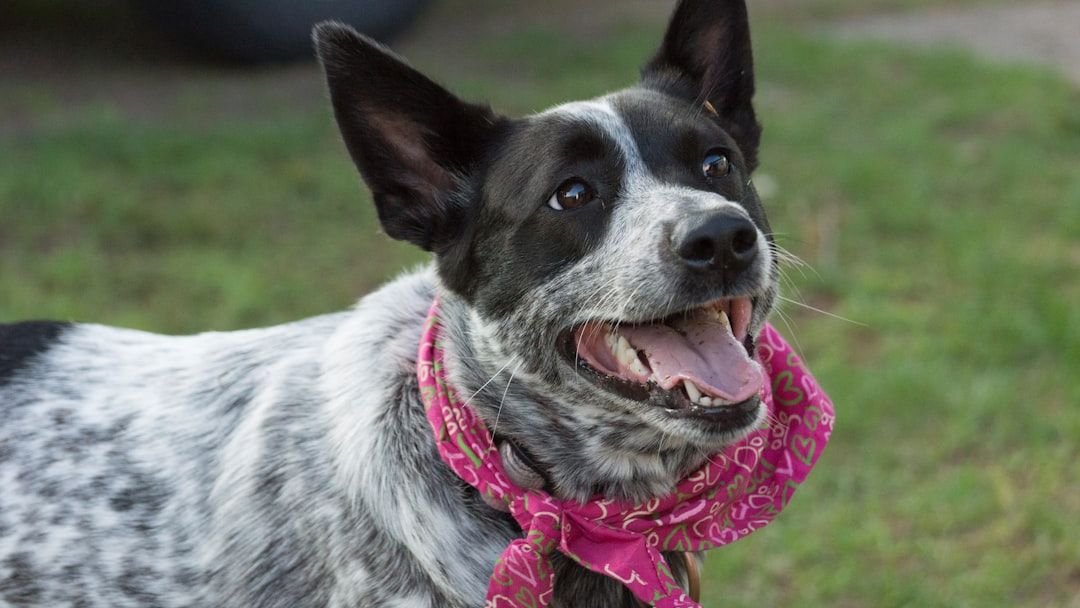
There’s something deeply personal about choosing a dog. Maybe you’re standing in your small city apartment right now, wondering if you can really make it work. Or perhaps you’re looking out over acres of farmland, thinking about which four-legged partner could help with the daily grind. Let’s be real, not every breed fits every lifestyle.
The good news is that temperament matters far more than size when it comes to peaceful coexistence. Some gentle giants barely make a peep, while certain tiny terriers could wake the entire block. What you need isn’t always what you expect. I think there’s beauty in that surprise.
So let’s dive into the world of dogs who understand the value of quiet companionship and those born to work wide open spaces.
1. Basenji: The Barkless Wonder
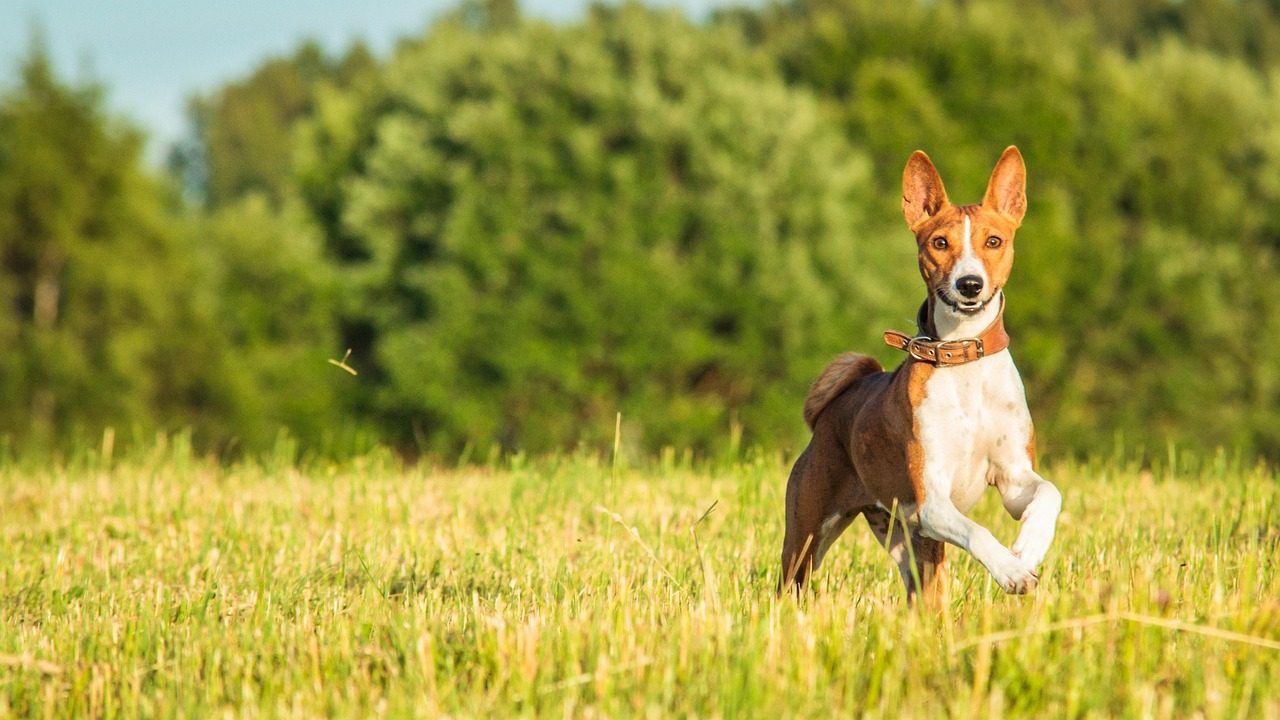
The Basenji is often called the “barkless dog” because of its unique vocal structure that limits traditional barking. Instead, it produces a characteristic yodel-like noise, often described as a baroo.
This ancient African breed is perfect for apartment dwellers who crave peace. Its small size, limited shedding, and independent personality make it an excellent fit for apartments. Their clean, cat-like grooming habits mean less mess in tight quarters.
Honestly, Basenjis aren’t for everyone. They’re smart, sometimes too smart, which can translate to stubbornness. Mental stimulation is essential because boredom leads to mischief. Think puzzle toys, daily walks, and training sessions that challenge their clever minds.
2. Cavalier King Charles Spaniel: The Gentle Companion
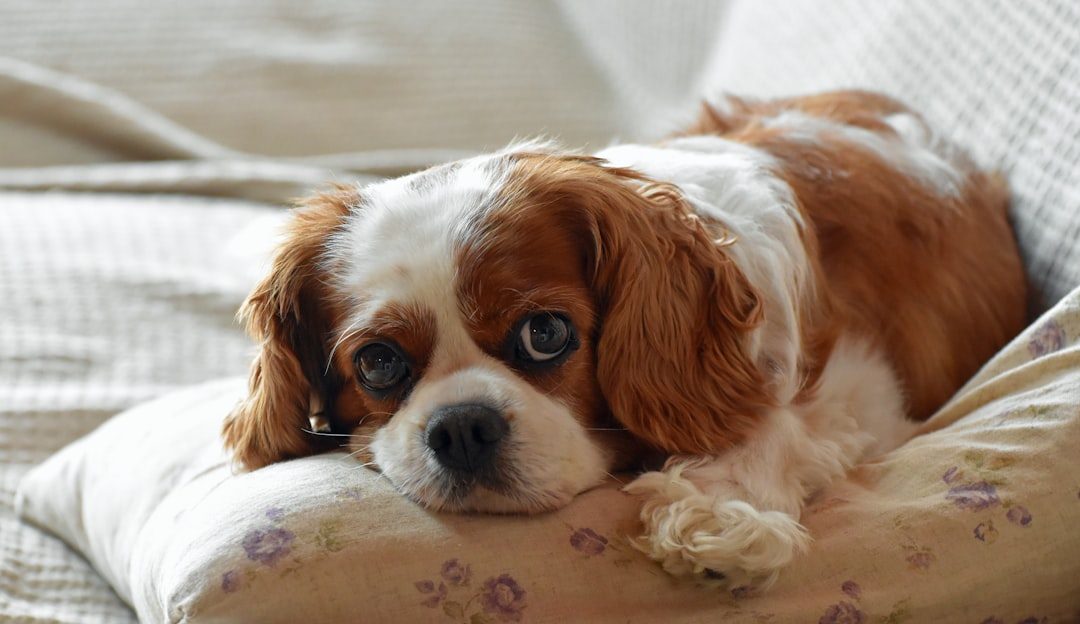
Cavalier King Charles Spaniels are known for their sweet temperaments and quiet demeanor. These dogs rarely bark without good reason, making them ideal neighbors in multi-unit buildings.
This cuddly and affectionate breed rarely causes noise disruptions. They’re equally happy curling up on your lap or joining you for a leisurely stroll through the neighborhood. Their adaptable energy levels suit both active owners and those who prefer quieter days.
What makes Cavaliers truly special is their emotional intelligence. They seem to read your mood, offering comfort when you need it most. Small enough for compact spaces yet sturdy enough for family life, they bridge multiple lifestyles effortlessly.
3. French Bulldog: The Low-Energy Charmer
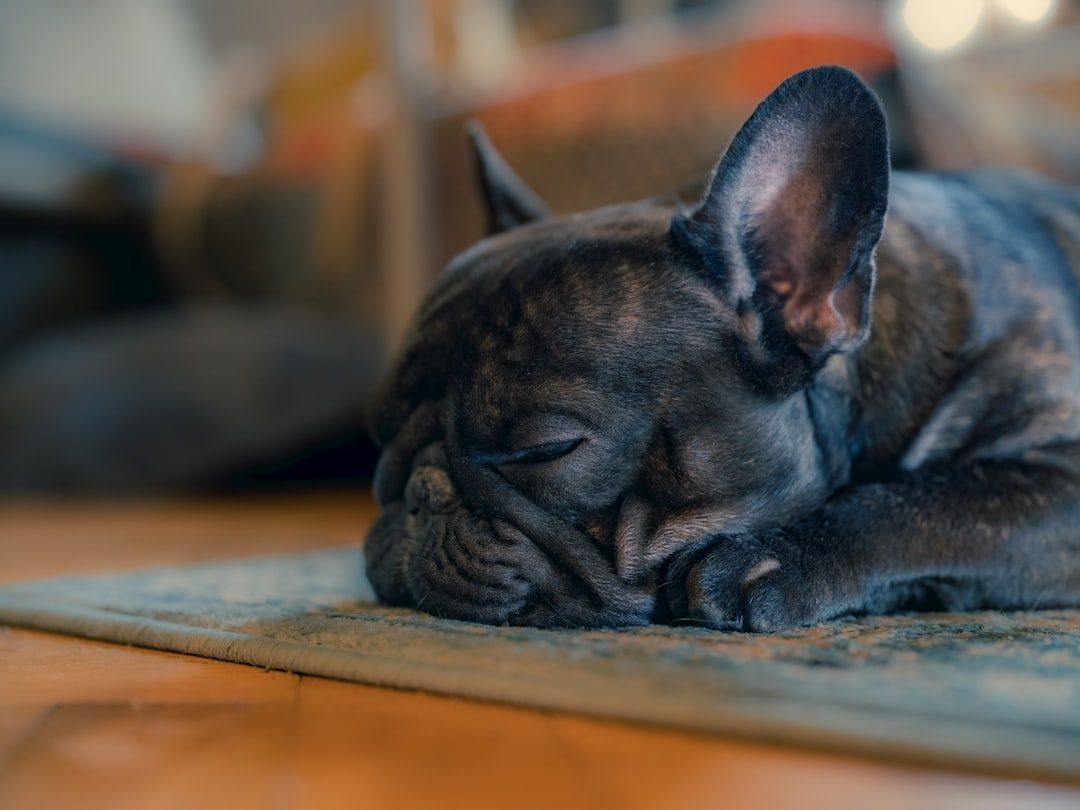
Frenchies are one of the most popular quiet dog breeds for city living because they’re affectionate, low-energy, and rarely bark without cause. Their compact, muscular build requires less space than you’d think.
These dogs love lounging. I mean, truly love it. Because of their shortened face, they are sensitive to overexertion and overheating, which naturally limits their activity needs. A short morning walk and some indoor playtime usually satisfy them completely.
Frenchies thrive on human companionship and don’t do well left alone for long stretches. If you work from home or have flexible hours, they’ll become your adorable shadow. Their snorts and snuffles replace barking as their primary communication method.
4. Shih Tzu: The Peaceful Royalty
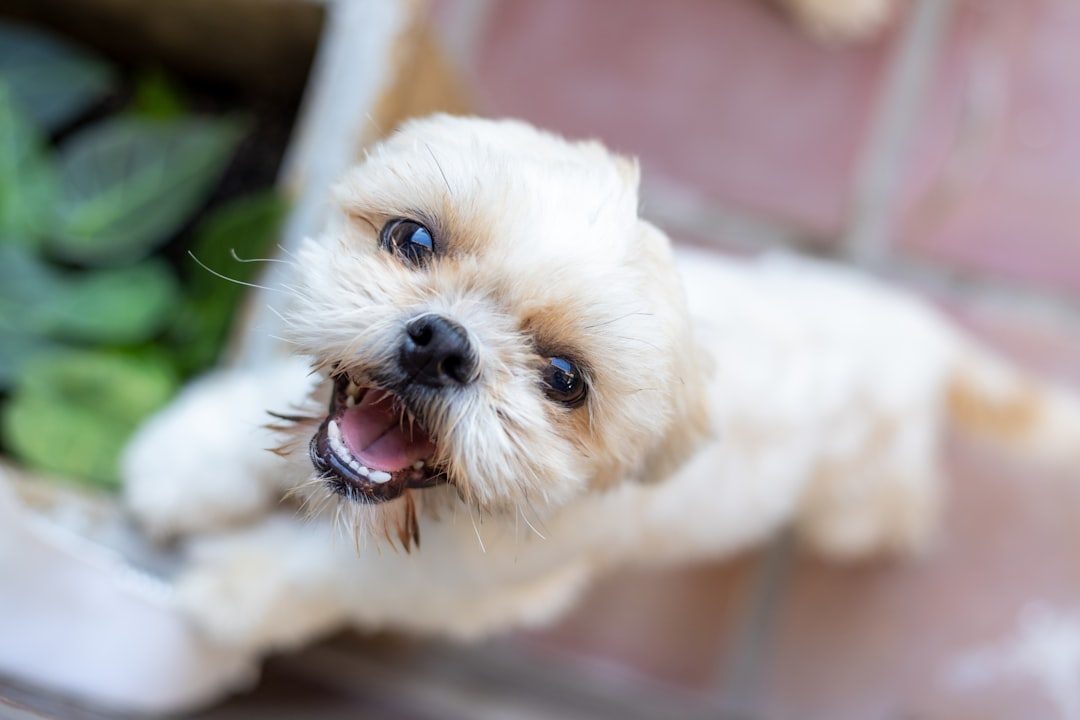
Shih Tzus are known for being mellow and quiet and are great small dogs that don’t bark much. Originally bred as palace companions, they carry that regal calm into modern apartment life.
Their beautiful flowing coat requires regular grooming, which becomes a bonding ritual rather than a chore. These dogs are incredibly adaptable to various living situations and family structures. Whether you live alone or with children, they adjust gracefully.
The Shih Tzu’s temperament is remarkably even. They’re not prone to anxiety-driven barking or territorial aggression. Daily brushing prevents matting, and their moderate exercise needs mean a couple of short walks keep them content and healthy.
5. Greyhound: The Surprising Apartment Dog
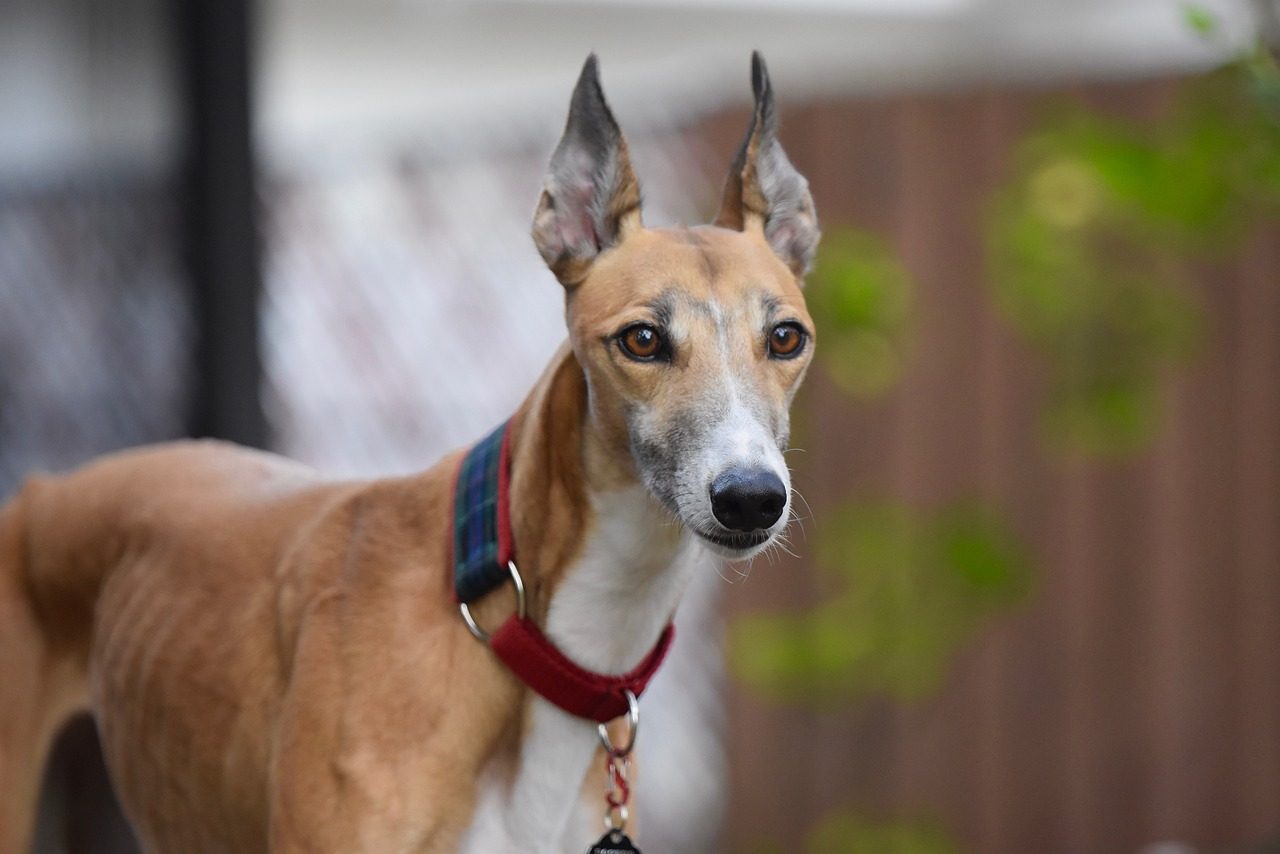
Despite their size, Greyhounds are surprisingly well-suited for apartment living because they are gentle and quiet dogs, often lounging for hours, and typically do not bark much. These retired racers have earned their rest.
Here’s the thing about Greyhounds: they’re sprinters, not marathon runners. A good run or brisk walk exhausts them for hours. The rest of their day involves deep sleep on the softest surface they can find, preferably your couch.
Their gentle temperament makes them wonderful with families and other pets. Thin skin means they appreciate soft bedding and aren’t suited for outdoor living. They’re essentially giant, quiet, elegant couch potatoes who happen to look like living artwork.
6. Japanese Chin: The Cat-Like Canine
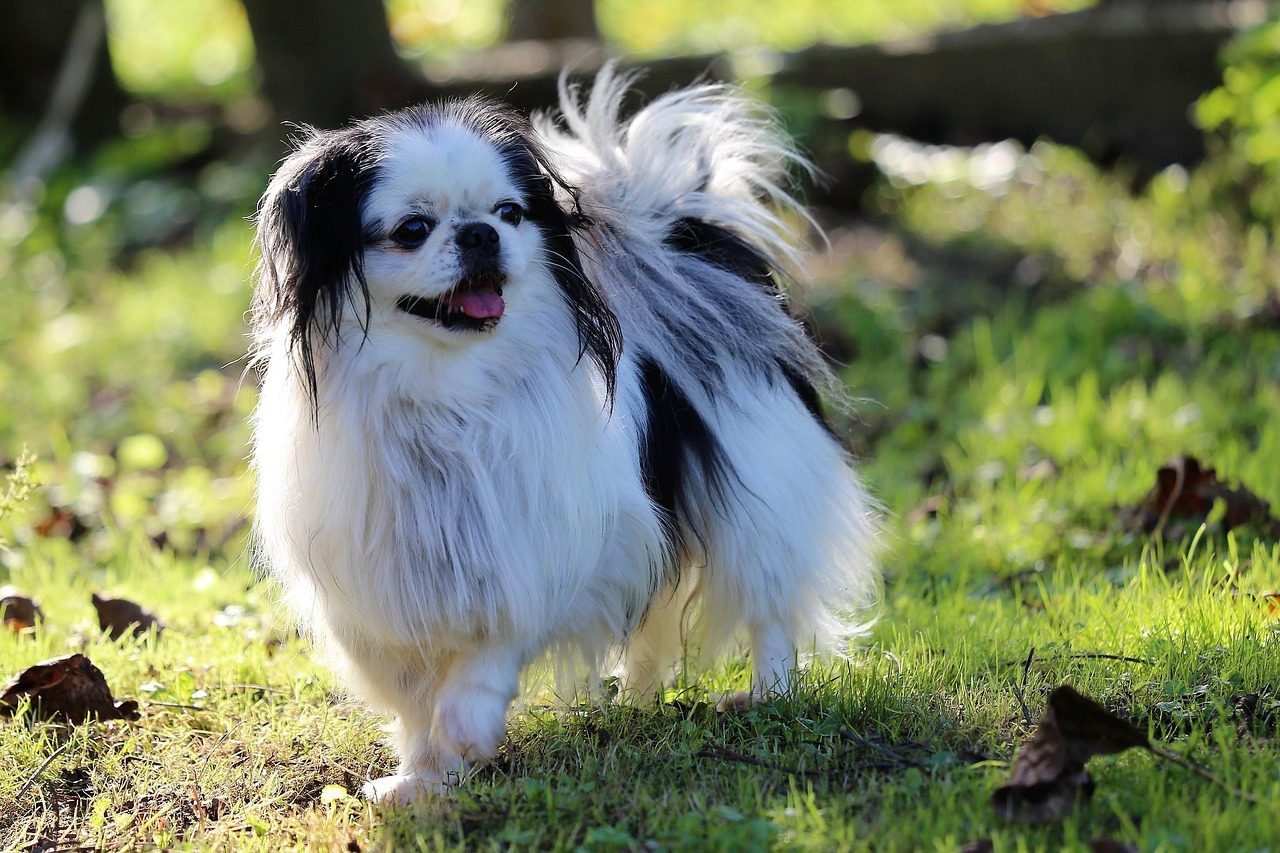
Japanese Chins are small, elegant, and typically very quiet, known for their cat-like demeanor, often quietly observing their environment. Their independent nature means they don’t demand constant attention.
These dogs possess a dignified air that translates into minimal barking. They’re content to perch on furniture and watch the world go by. About 30 minutes of daily exercise, like a short walk or indoor playtime, keeps them happy and healthy.
Japanese Chins form strong bonds with their owners without becoming overly needy. Their small size and quiet nature make them perfect for seniors or anyone seeking a peaceful companion. They’re remarkably adaptable to apartment routines and schedules.
7. Borzoi: The Gentle Giant
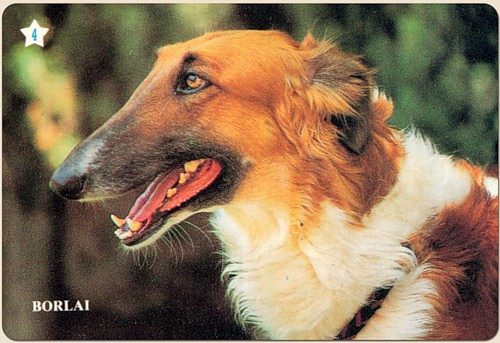
Borzoi dogs are known for being particularly quiet, rarely bark, and are generally calm and gentle, with their moderate exercise needs making them suitable for apartment dwellers who can accommodate a larger breed.
These elegant sighthounds carry themselves with quiet dignity. They won’t even bark if an intruder is approaching, making them poor watchdogs but excellent peaceful companions. Their serene presence creates a calming atmosphere.
Borzois need space to stretch their long legs, but they’re surprisingly low-energy indoors. A secure area for occasional runs satisfies their exercise needs. They’re gentle with family members, though socialization helps them feel comfortable around children and strangers.
8. Italian Greyhound: The Graceful Miniature
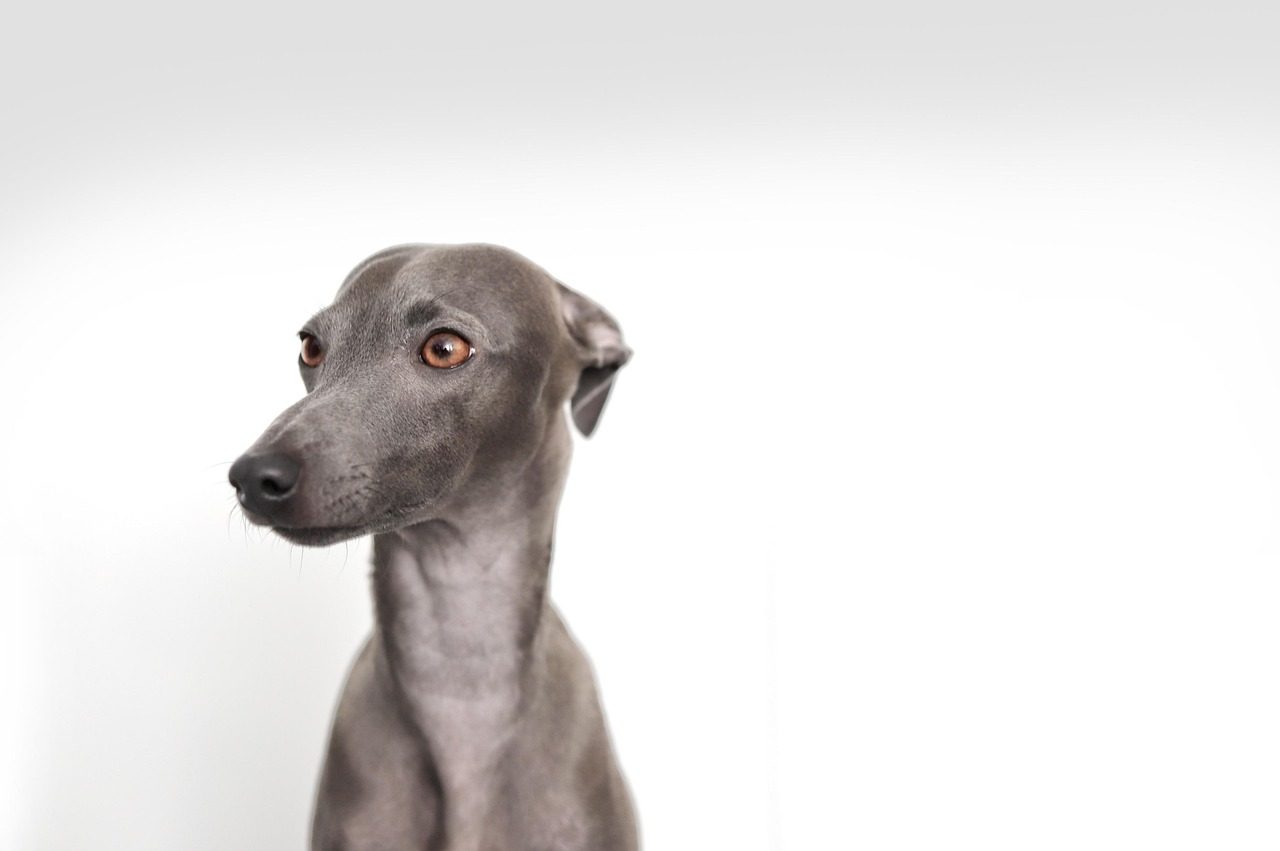
Italian Greyhounds are low-maintenance for apartments, both affectionate and energetic, ready to play as well as have a good sleep beside their owner, though some daily exercise or a walk is a must.
These sleek little dogs pack elegance into a tiny frame. They’re sensitive souls who thrive in calm environments and don’t appreciate loud noises or chaos. Their short coats mean minimal grooming and less mess around your home.
Italian Greyhounds bond deeply with their families and can be shy around strangers. This reserved nature contributes to their quiet temperament. They do feel the cold easily, so sweaters become necessary during winter walks.
9. Whippet: The Velvet Speedster
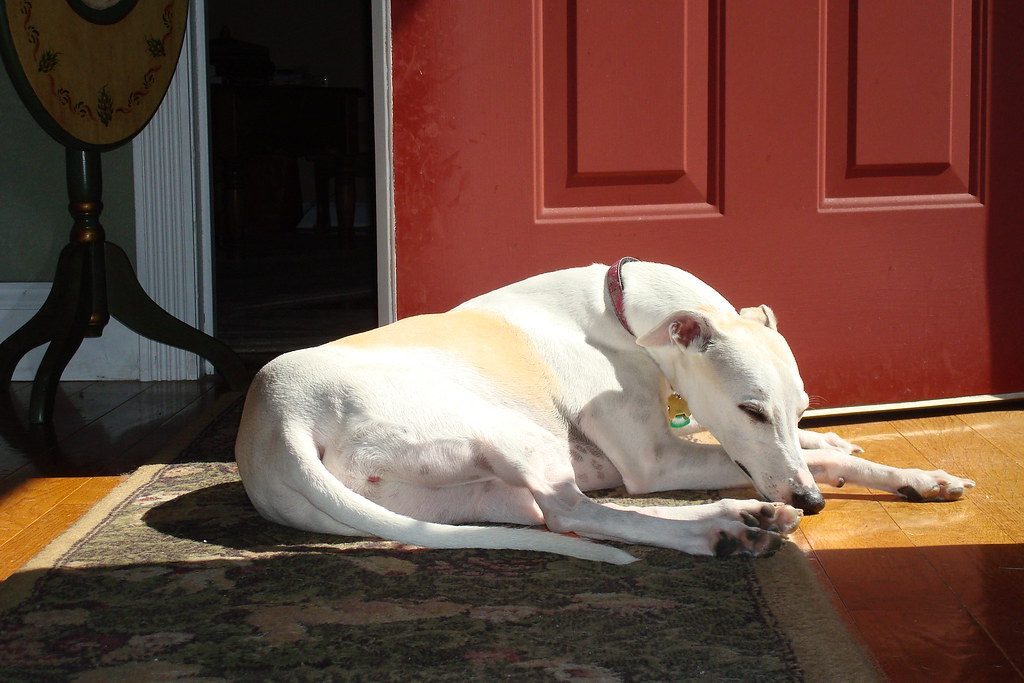
Whippets and French Bulldogs are considered easy dogs to care for because they are relatively calm, quiet, and popular breeds for city living. Whippets embody the phrase “work hard, rest harder.”
Like their Greyhound cousins, Whippets alternate between brief bursts of activity and long periods of rest. They’re affectionate without being clingy, quiet without being boring. Their medium size works well in various apartment layouts.
These dogs are remarkably clean and nearly odorless. They rarely bark, preferring to communicate through body language and expressive eyes. Their gentle nature makes them wonderful therapy dogs and family companions.
10. Pug: The Comical Cuddle Bug
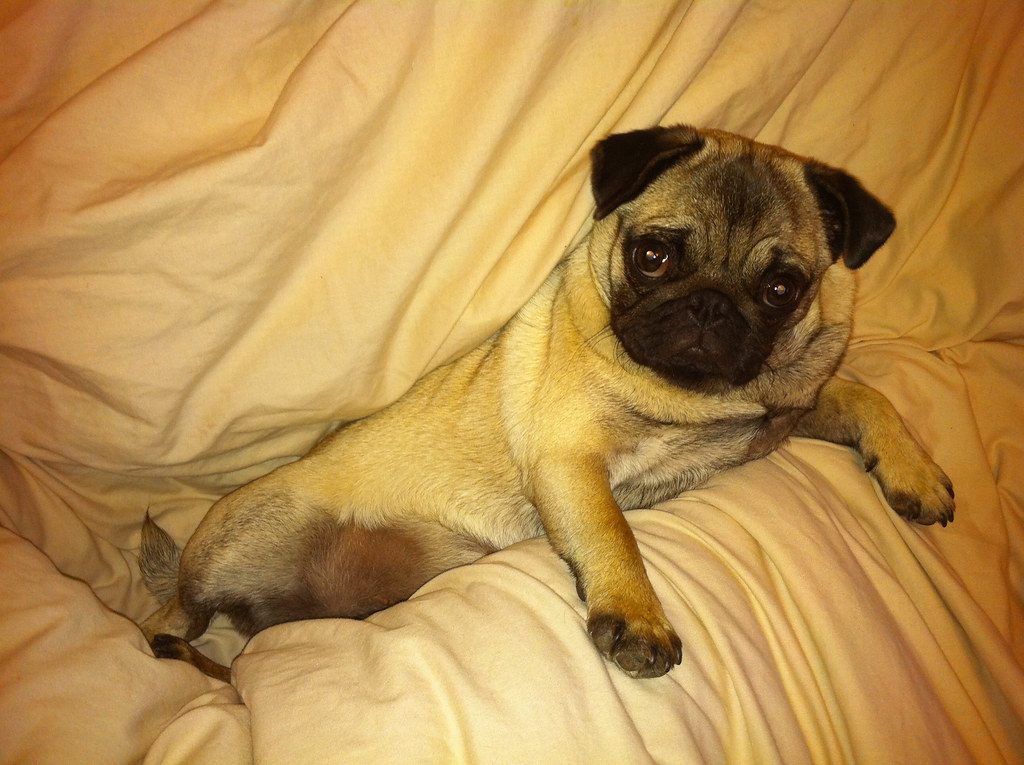
Pugs are masters of indoor life and are not big barkers, though they make up for it with snorts, snuffles, and the occasional dramatic sigh. Their entertaining personality doesn’t rely on volume.
These compact comedians bring joy without noise complaints. Pugs are affectionate, comical, and utterly devoted, happily following you around the house like a tiny, wrinkly shadow. Their easy-going nature suits first-time dog owners perfectly.
Pugs crave companionship and don’t tolerate long periods alone well. Their exercise needs are minimal due to breathing challenges from their flat faces. Short walks in cooler weather and indoor play sessions keep them healthy and happy.
11. Border Collie: The Intelligent Farm Worker
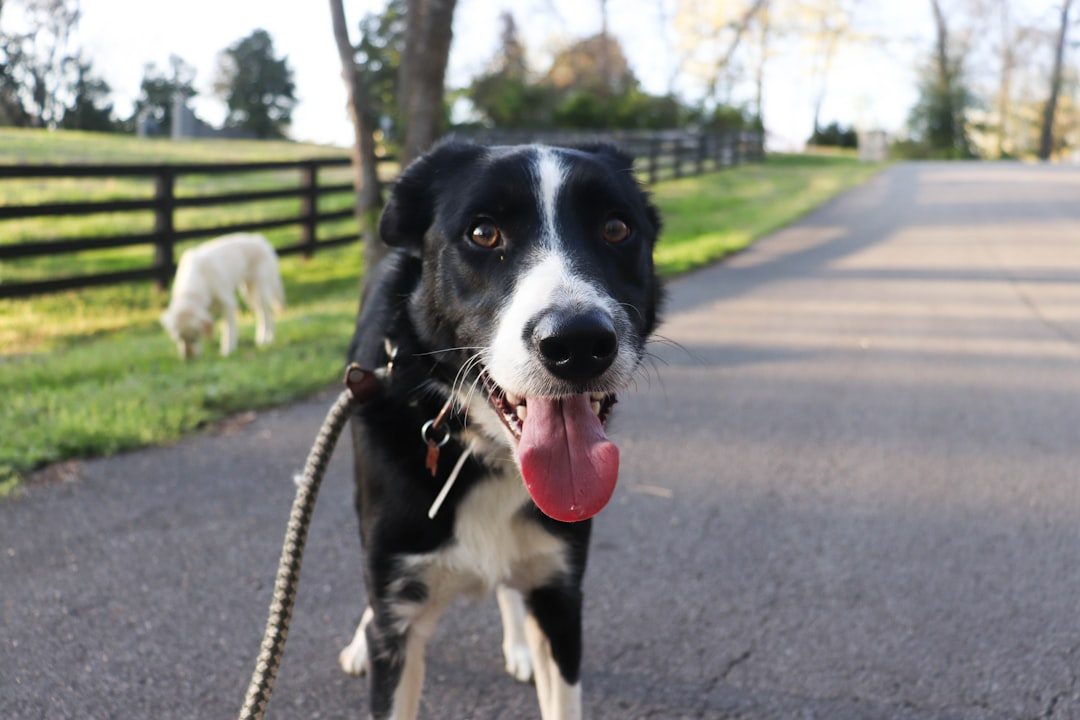
Border Collies are a common breed used on many farms and ranches because the dogs are extremely intelligent with a high energy drive and need to work, gentle with family members but quick and witty when moving livestock.
These dogs are bred for action. Border Collies have endless energy and a strong work ethic, which might make them the ultimate farm dog, with their astuteness and intuition making them easy to train. Their herding instinct is so powerful they’ll try to herd children, cats, or anything that moves.
Border Collies need a job. Without meaningful work, they become destructive from boredom and pent-up energy. Farm life provides the perfect outlet for their intelligence and drive, whether herding sheep, cattle, or helping with daily chores.
12. Australian Shepherd: The Versatile Herder
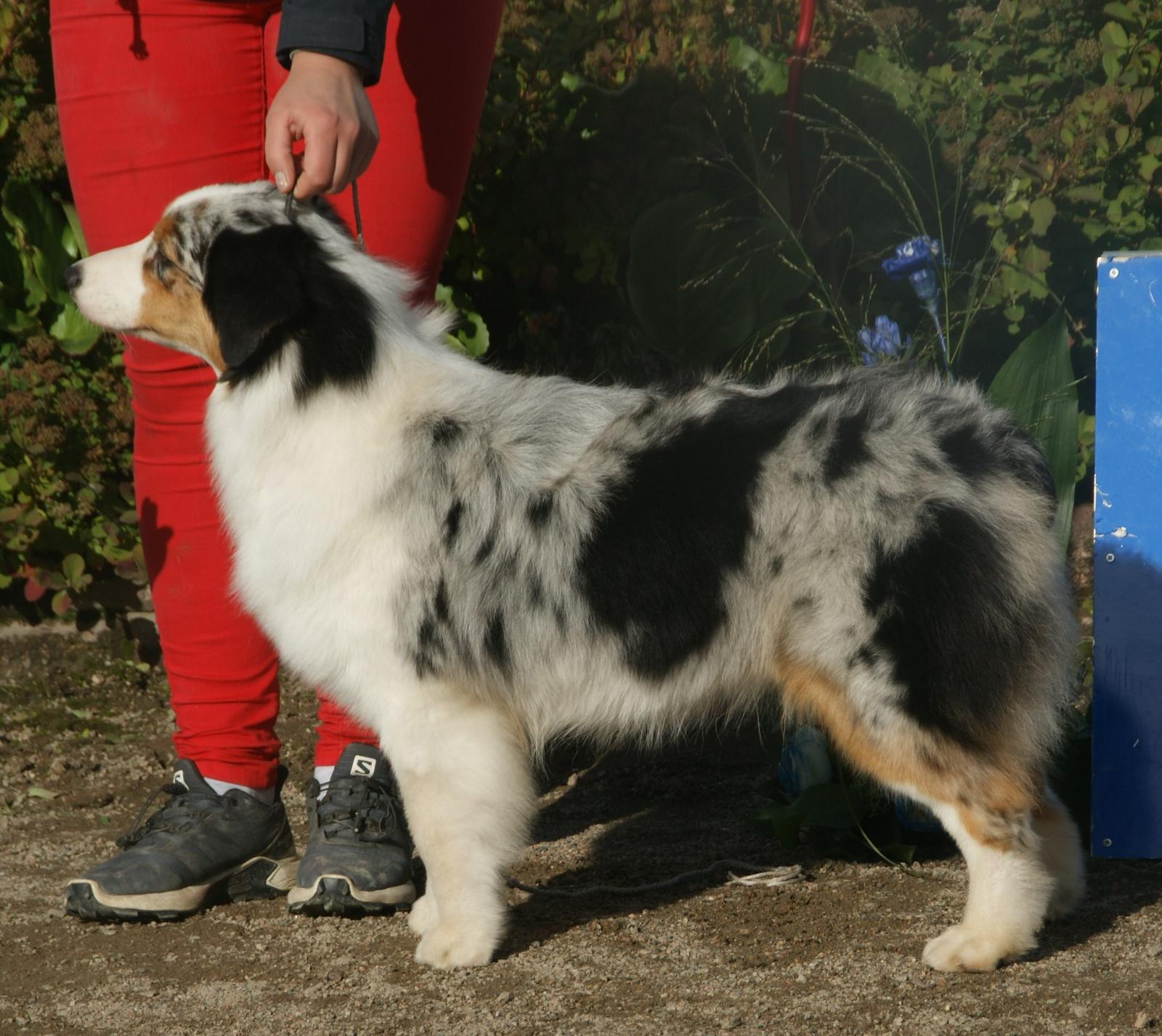
Australian Shepherds are a midsize breed known for their intelligence and herding instincts, fast learners always ready to work, great for herding sheep or cows, and while bursting with energy, this breed is known for its loving and agreeable nature.
Despite their name, Aussies were developed in the American West. They’re remarkably versatile, handling various livestock types with equal skill. Their medium size gives them agility without sacrificing strength or endurance.
These dogs thrive on mental challenges as much as physical work. Training sessions feel like games to them, and they excel at learning complex commands. Farm life suits their energetic personality, though they need consistent guidance to channel that energy productively.
13. Australian Cattle Dog: The Tireless Heeler
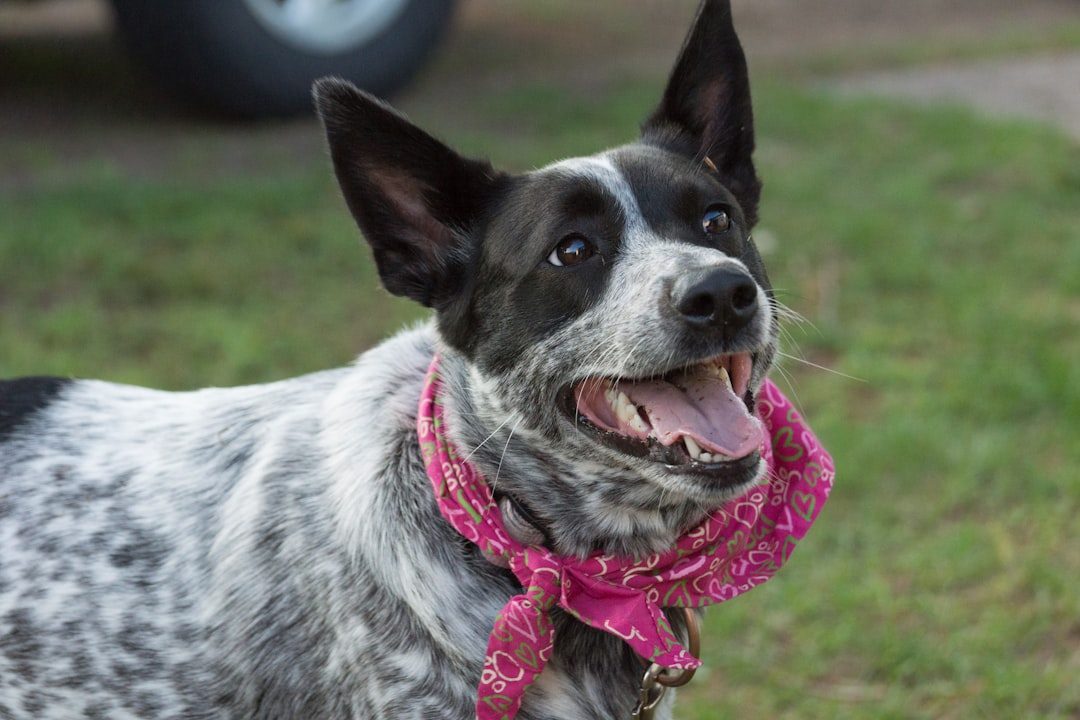
Australian Cattle Dogs, better known as “heelers,” are a staple for livestock owners and handlers, compact and built for a hard day’s work, with powerful herding instincts and known for their ability to quickly nip the heels of livestock.
These stocky, muscular dogs are built for endurance. The Australian Cattle Dog’s quick wit and drive lend well to farm life, where he’ll happily round up livestock or chase off vermin like rabbits, tireless when it comes to work and jumping from job to job without much fuss.
Heelers are intensely loyal and protective of their territory and family. This territorial nature makes them excellent farm guardians. Early socialization with livestock prevents overly aggressive herding, while their intelligence makes training relatively straightforward for experienced handlers.
14. German Shepherd: The Multi-Purpose Guardian
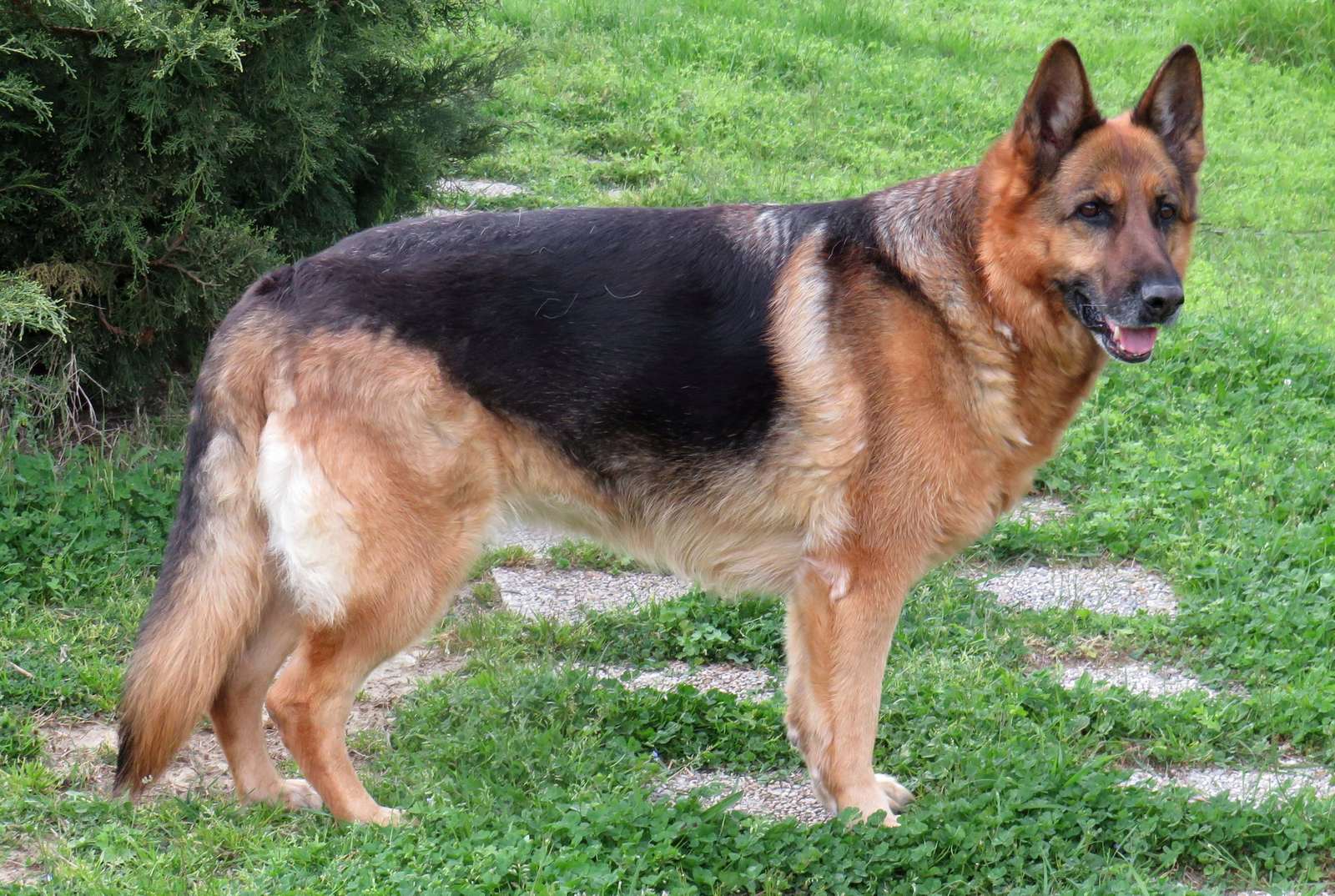
German Shepherds are highly trainable and extremely intelligent, the ideal candidate for farm work, with physical capabilities including strength, stamina and agility matched by an almost incomparable work ethic, versatile dogs who can be trained for a number of purposes on a farm.
Originally bred for herding, German Shepherds have evolved into all-around farm dogs. Their best role on a farm may be protection of property, animals and humans. Their protective instincts balance with trainability, making them reliable without being reckless.
These dogs form deep bonds with their families and take their guardian role seriously. They’re sensitive and intelligent, requiring patient training that respects their emotional nature. Proper socialization prevents overprotective behaviors while maintaining their natural watchfulness.
15. Great Pyrenees: The Majestic Livestock Guardian
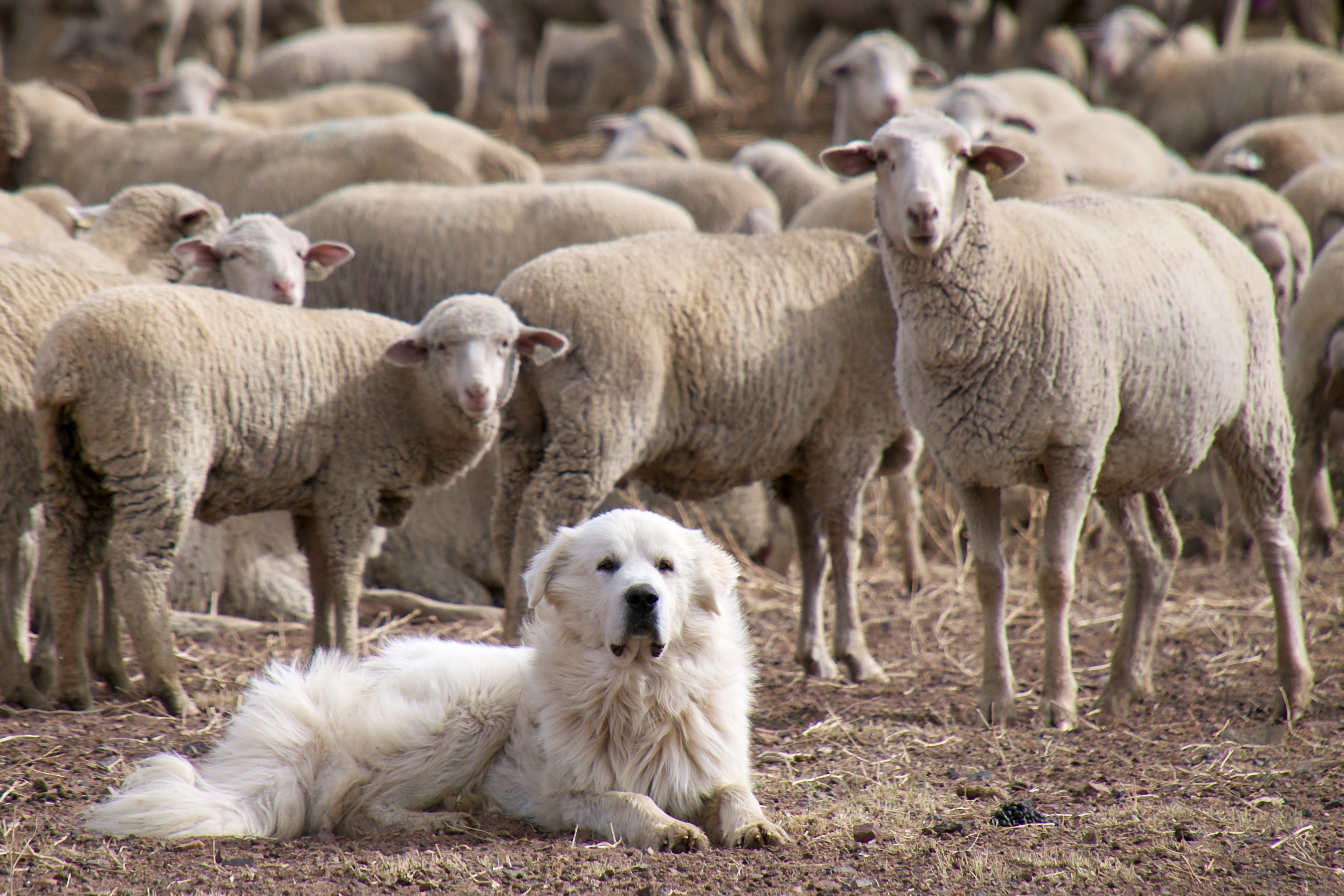
Underneath the calm and gentle exterior of the Great Pyrenees lies a fierce, dedicated protector. Livestock guardian dogs like Great Pyrenees specialize in protecting herds from predators, remaining vigilant and deterring potential threats through their imposing presence and territorial instincts.
These massive white dogs were bred to live with livestock, not just guard from a distance. They’re remarkably gentle with animals under their protection while fierce toward predators. They are patient and loving, great with children.
Great Pyrenees are independent thinkers who make decisions without constant human direction. This autonomy is essential for livestock guardians working remote pastures. Their thick white coat protects them from weather extremes, though it requires regular grooming to prevent matting.
Conclusion: Finding Your Perfect Match
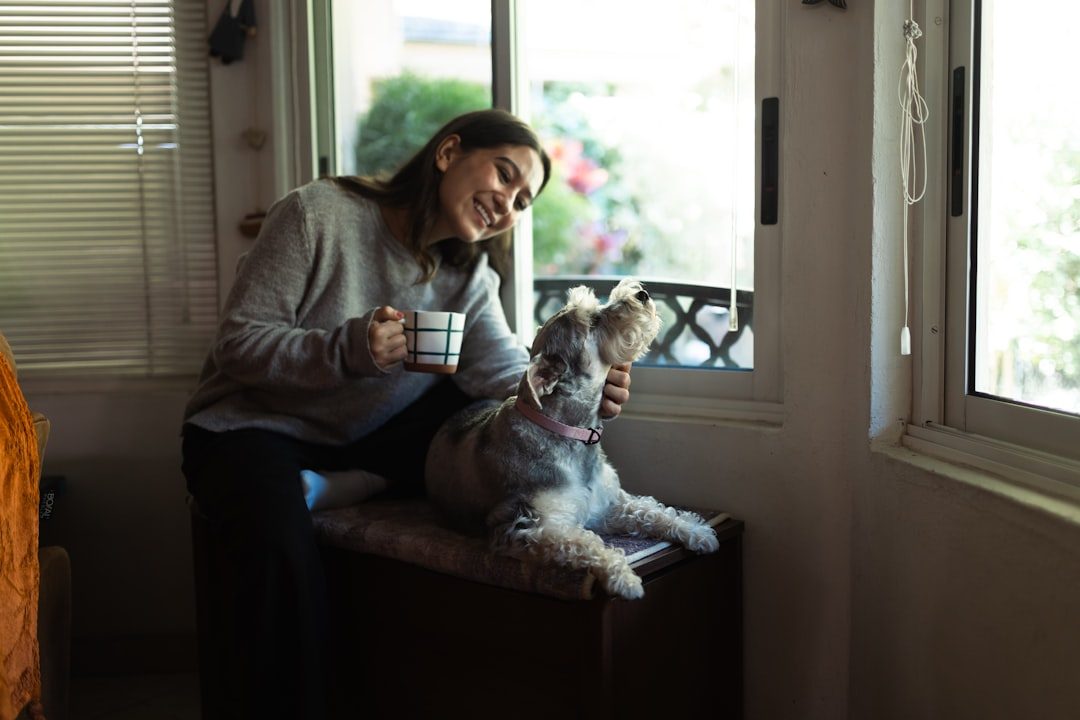
Choosing the right dog isn’t about following trends or picking the cutest puppy. It’s about honest assessment of your lifestyle, space, and what you can genuinely offer a canine companion. Apartment dwellers need different qualities than farmers, and that’s perfectly fine.
The quiet breeds we’ve explored bring peace without sacrificing personality. The farm dogs offer partnership in daily work. Both categories deserve homes where their natural temperaments are assets, not problems requiring constant management.
Here’s the thing: every dog, regardless of breed, needs training, socialization, and consistent care. Quiet doesn’t mean maintenance-free. Working dogs aren’t robotic employees. They’re living beings with emotional needs, health requirements, and individual personalities that sometimes surprise us.
What matters most is the match. Can you provide what this specific dog needs to thrive? Will their natural behaviors fit your daily rhythm? These questions matter more than breed labels or popularity rankings.
Did you find a breed that resonated with your situation? What qualities matter most in your search for the perfect canine companion?


