
You know that moment when you’re scrolling through dog photos at midnight and your heart swells with longing for a furry companion? Then reality hits. You remember those paper thin apartment walls. The neighbors who side eye you in the hallway. The lease agreement that pretty much demands peace and quiet.
Here’s the thing though. Not all dogs are created equal when it comes to vocalizations. Some breeds are natural chatterboxes while others prefer to keep their thoughts to themselves. If you’re dreaming of adding a canine friend to your life without turning your home into a barking circus, you’re in exactly the right place.
Let’s dive into the world of wonderfully quiet dog breeds that’ll bring all the love and companionship you crave without the noise complaints.
The Basenji: Africa’s Barkless Wonder
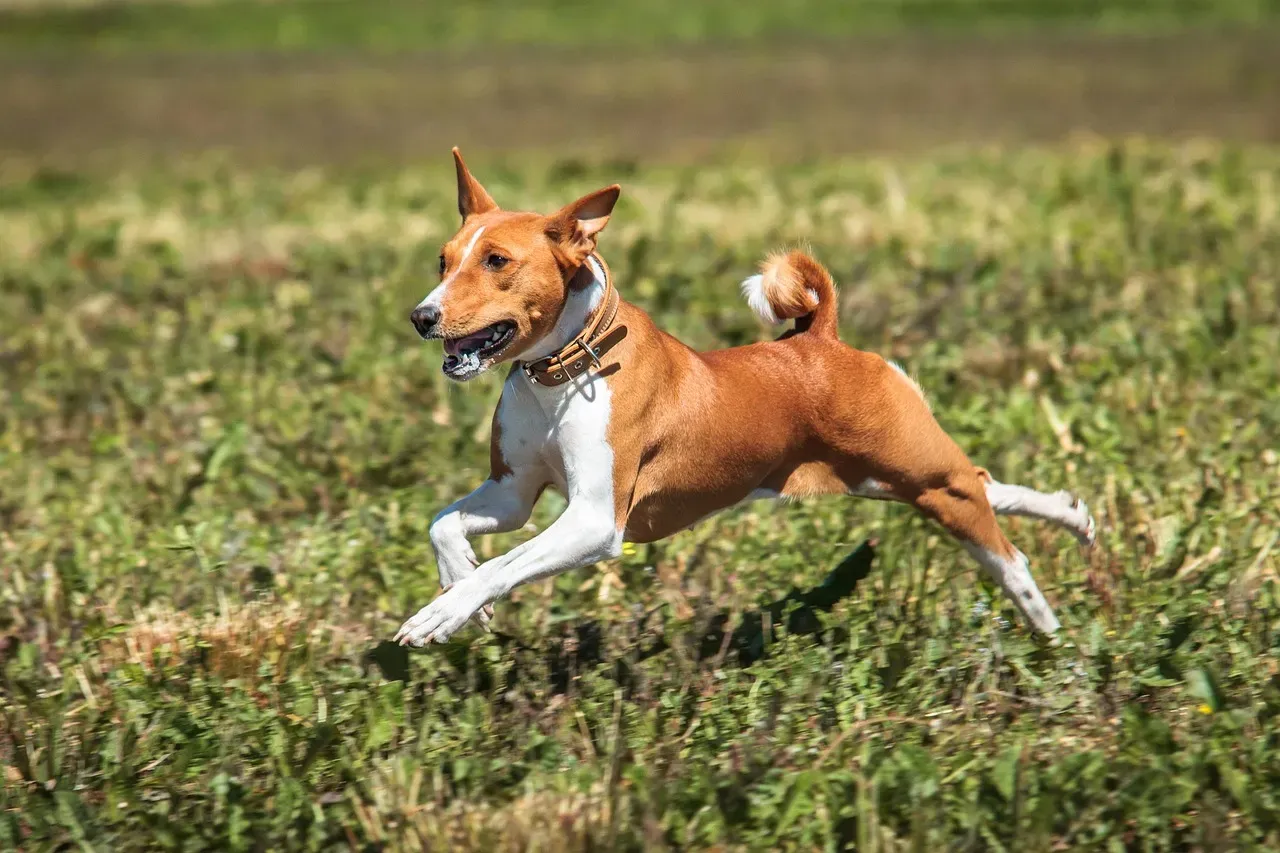
The Basenji is actually known as the “barkless dog,” and honestly, that’s not just marketing hype. This breed doesn’t bark in the traditional manner of most dogs, rather vocalizing in an unusual, yodel-like “talking” sound, due to its unusually-shaped larynx.
Think of it like having a dog who communicates through melodic yodels instead of sharp barks. Pretty unique, right? These compact pups from Central Africa bring personality and charm without the noise.
Their shallow larynx results in any noises being minimized to a “yodel-like” sound. Keep in mind though, they’re far from mute and will still express themselves when the mood strikes.
Cavalier King Charles Spaniel: Royalty With Manners

Cavalier King Charles Spaniels are not excessive barkers; they may alert bark when someone is at the door but are generally calm and quiet. These gentle souls were literally bred to warm the laps of royalty, and that regal temperament shines through in their quiet demeanor.
What makes Cavaliers particularly wonderful for close living situations is their adaptable nature. Their size and generally quiet nature make Cavalier King Charles Spaniels good candidates for apartment or condo living.
They might give a polite announcement when visitors arrive, but they’re not the type to sound the alarm over every squirrel or passing shadow. These little sweethearts prefer cuddling to constant commentary.
The Shiba Inu: Silent But Expressive
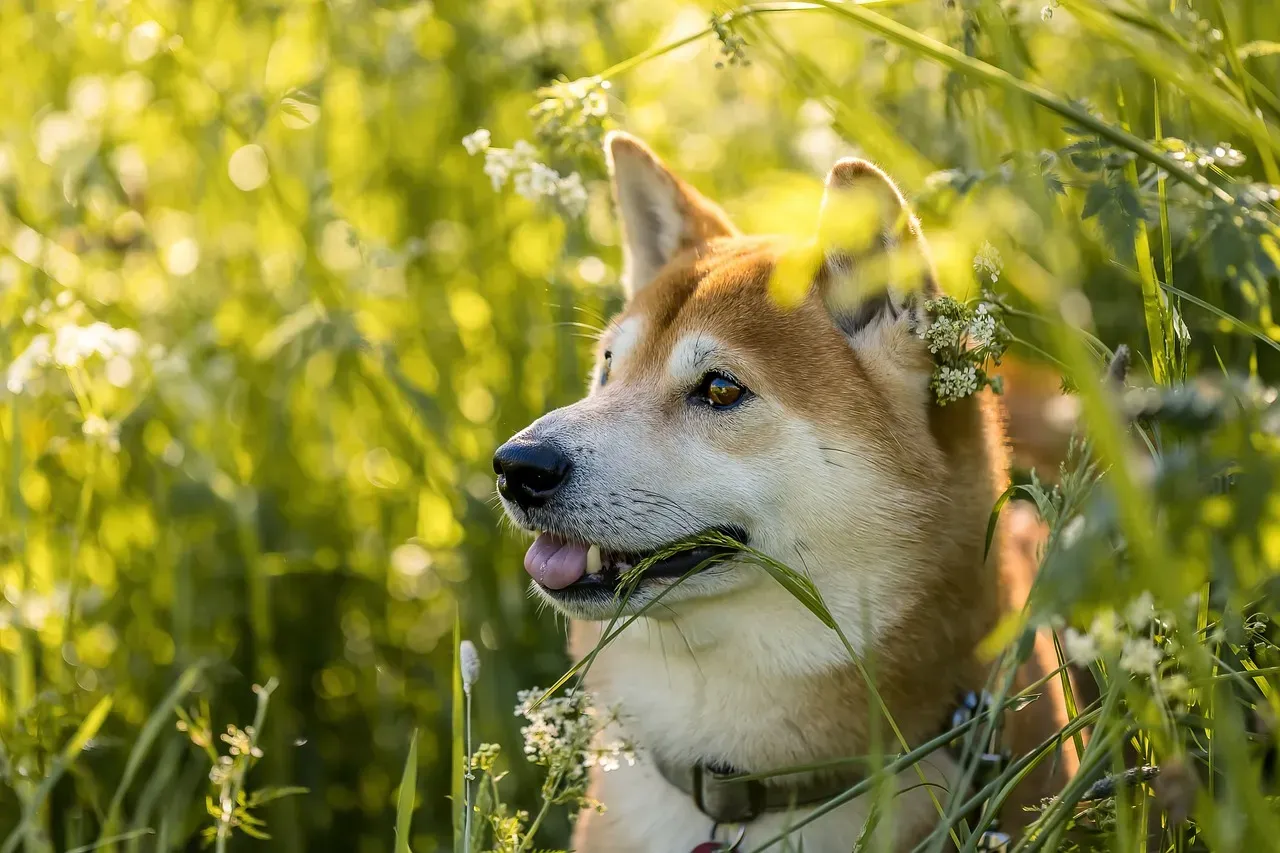
A Shiba Inu is not a noisy dog. Shiba Inus do not bark more than most other breeds. They’re relatively quiet, so they’re often a good choice for those looking for a quieter dog.
Now before you think you’ve found the perfect silent partner, there’s one quirk you should know about. The most well known is the Shiba-scream, which is a high pitched, loud scream, that will make your blood curdle. Yeah, it’s a thing. Usually happens during nail trims or bath time when they’re feeling dramatic.
Despite their occasional theatrics, Shibas typically only vocalize when they feel it’s truly necessary. Shiba Inus are naturally clean and quiet, rarely barking without reason. However, they can be vocal when excited or alarmed, emitting a unique “Shiba scream.”
Greyhounds: Speed Demons Who Love Silence
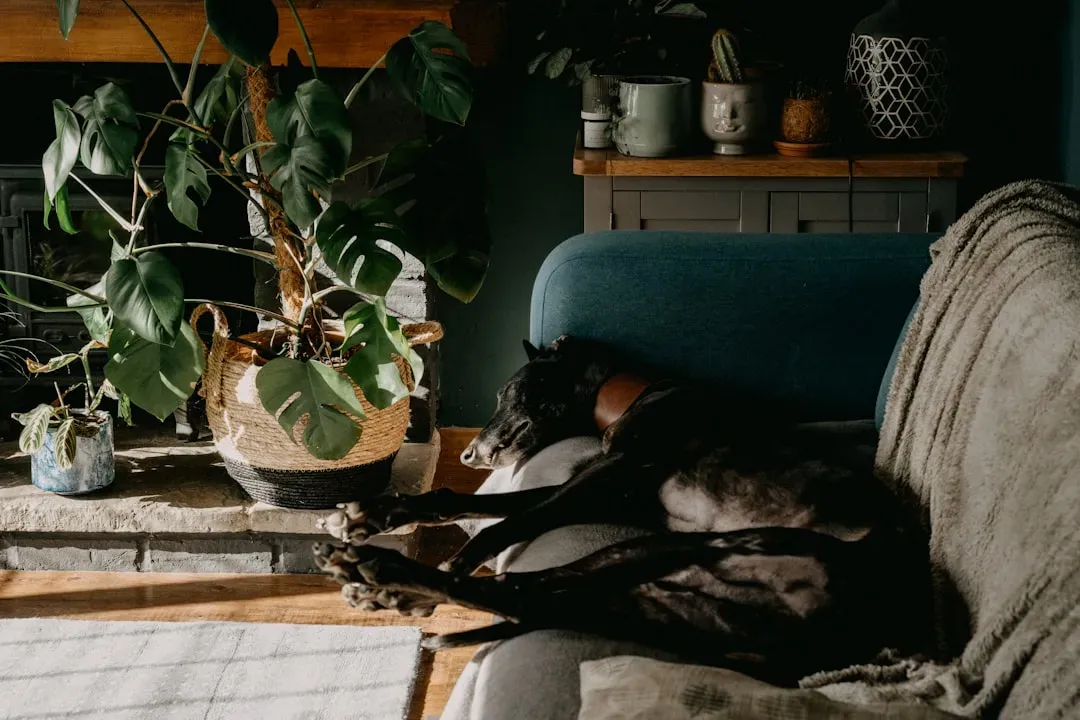
Let me tell you something surprising. Greyhounds are an inquisitive, gentle, mild, quiet animal by nature. The greyhound is basically a quiet dog and will spend much of its time sleeping.
Despite their reputation as racing dogs built for speed, these elegant hounds are basically professional couch potatoes once they retire. Greyhounds are typically not known for excessive barking. This makes them well-suited for apartment living where noise can be a concern for neighbors.
These dogs are surprisingly low-energy dogs who love to lounge and relax for most of the day, making them well-suited to quieter households or apartment living. Who knew the world’s fastest dog breed could be so chill?
French Bulldogs: Big Personality, Small Voice

A popular choice for an apartment dog, they are playful and alert but not prone to a lot of barking. French Bulldogs have basically conquered the city dog scene, and their quiet nature is a huge reason why.
Generally, French Bulldogs are considered quiet dogs that aren’t especially vocal. Yes, they still might bark or whine, but their noises are more likely to sound like grunts or grumbles.
Their adorable smooshed faces come with a trade off though. Those shortened airways mean they’re better suited for quiet snoozing than loud vocalizations anyway. You’ll get plenty of snorts and snores, but actual barking? Not so much.
The Great Dane: Gentle Giants Who Whisper
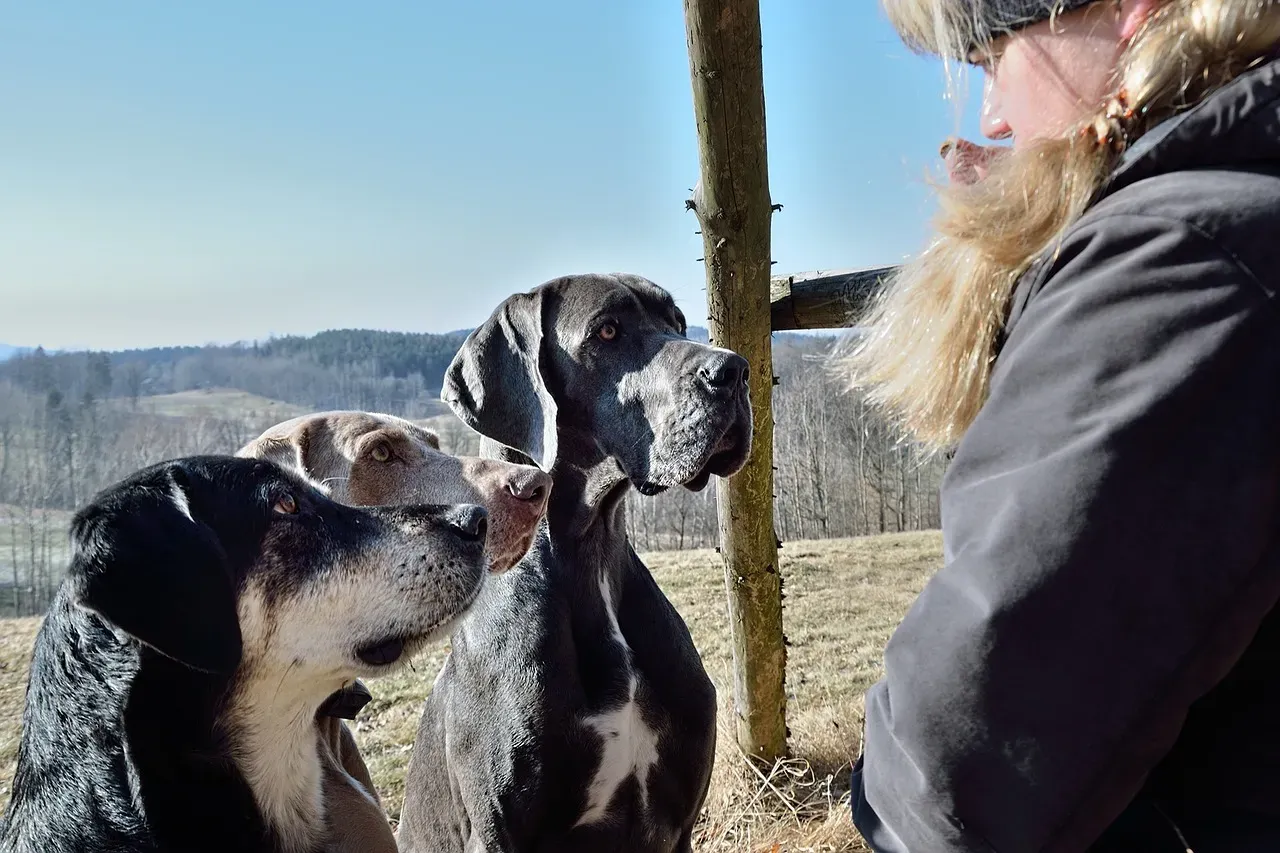
I know what you’re thinking. A dog that can weigh over 100 pounds seems like a terrible apartment choice. Here’s where size totally deceives you. They tend to have a calm nature, which means they don’t bark often.
Great Danes are surprisingly low key despite their imposing stature. Great Danes, despite their size, are gentle and quiet. These giants are affectionate and loyal, often forming close bonds with their families, and are well-suited to indoor living due to their calm demeanor.
Sure, when they do bark it’s deep and attention getting, but that happens rarely. Most of the time they’re content being oversized lapdogs who think they’re pocket sized.
Newfoundlands: Sweet Natured And Soft Spoken
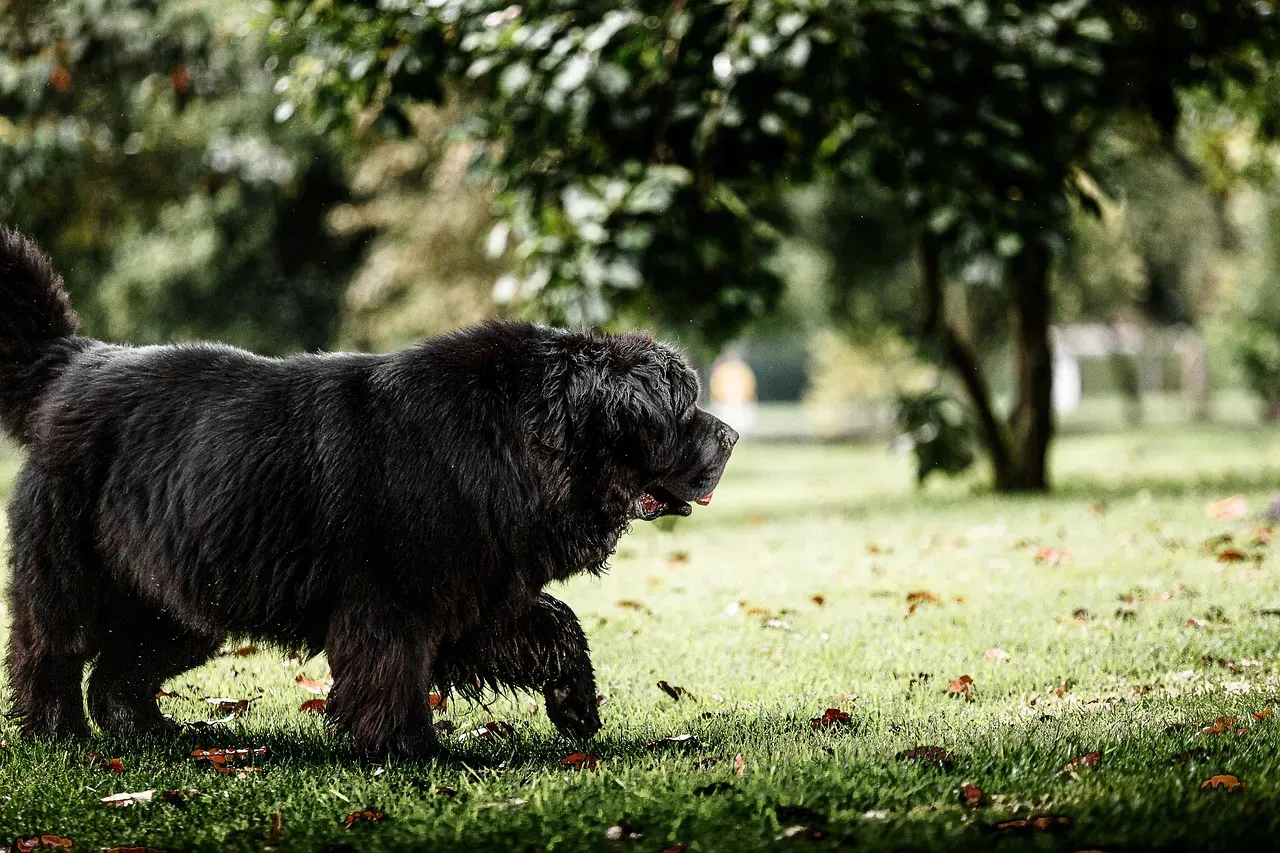
Newfoundlands can look intimidating, but they’re super-sized softies at heart. They love swimming and even have a deep history of working on ships with tasks like rescuing overboard sailors.
These magnificent water loving giants are famous for their gentle temperament and quiet disposition. Because of their quiet nature, they don’t bark much, a welcome trait if you already have a house with noisy kids.
Newfoundlands were bred to work alongside humans in close quarters on ships, so excessive barking would’ve been problematic. That heritage shows in their naturally calm and measured approach to communication. They save their voice for when it truly matters.
Bulldogs: The Ultimate Lazy Loungers
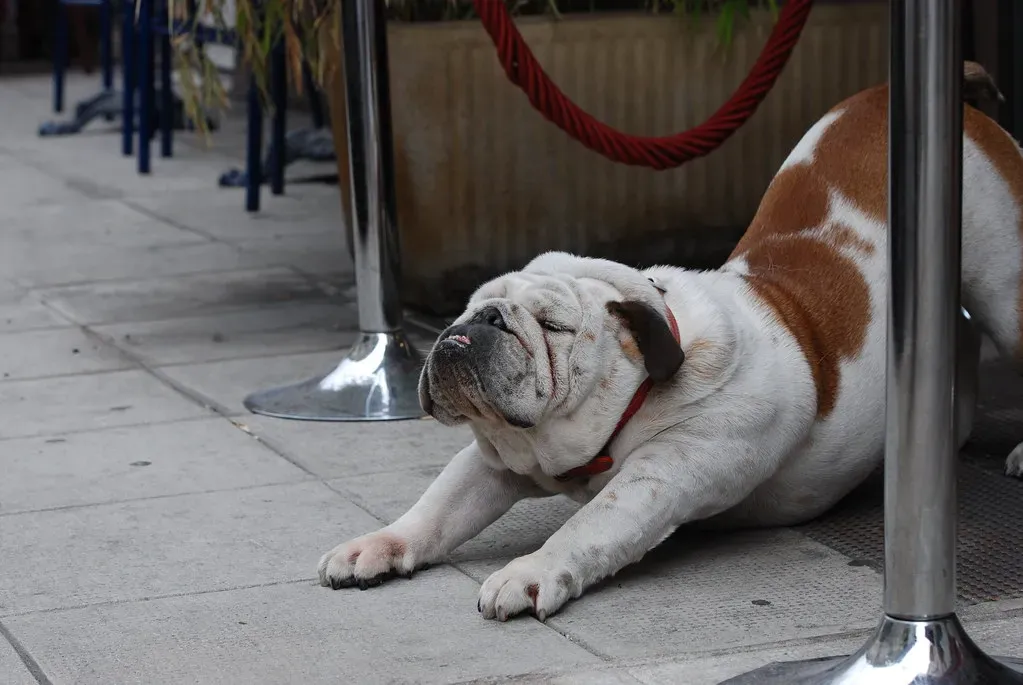
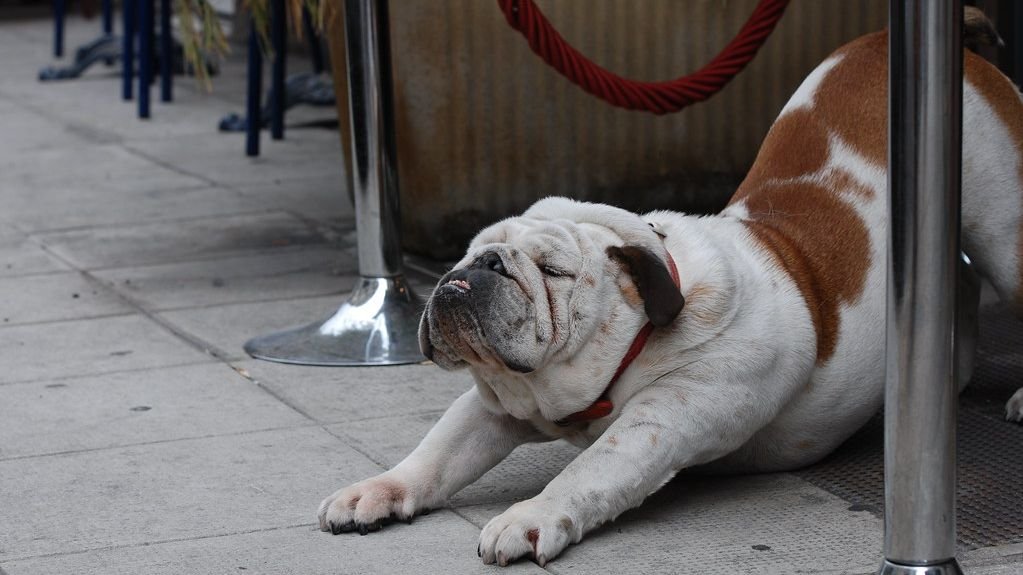
The beefier pups won’t pipe up too often, since they’re perfectly content to keep snoozing on the sofa. Both English Bulldogs and their French cousins share this wonderfully quiet temperament.
Bulldogs are known for their calm and relaxed demeanor. They are not excessive barkers, making them great for apartment living.
Honestly, getting most Bulldogs to do much of anything requires significant motivation. Barking takes energy they’d rather spend napping. Their laid back personality combined with their preference for minimal exertion makes them naturally quiet companions.
The Whippet: Greyhound’s Quieter Cousin
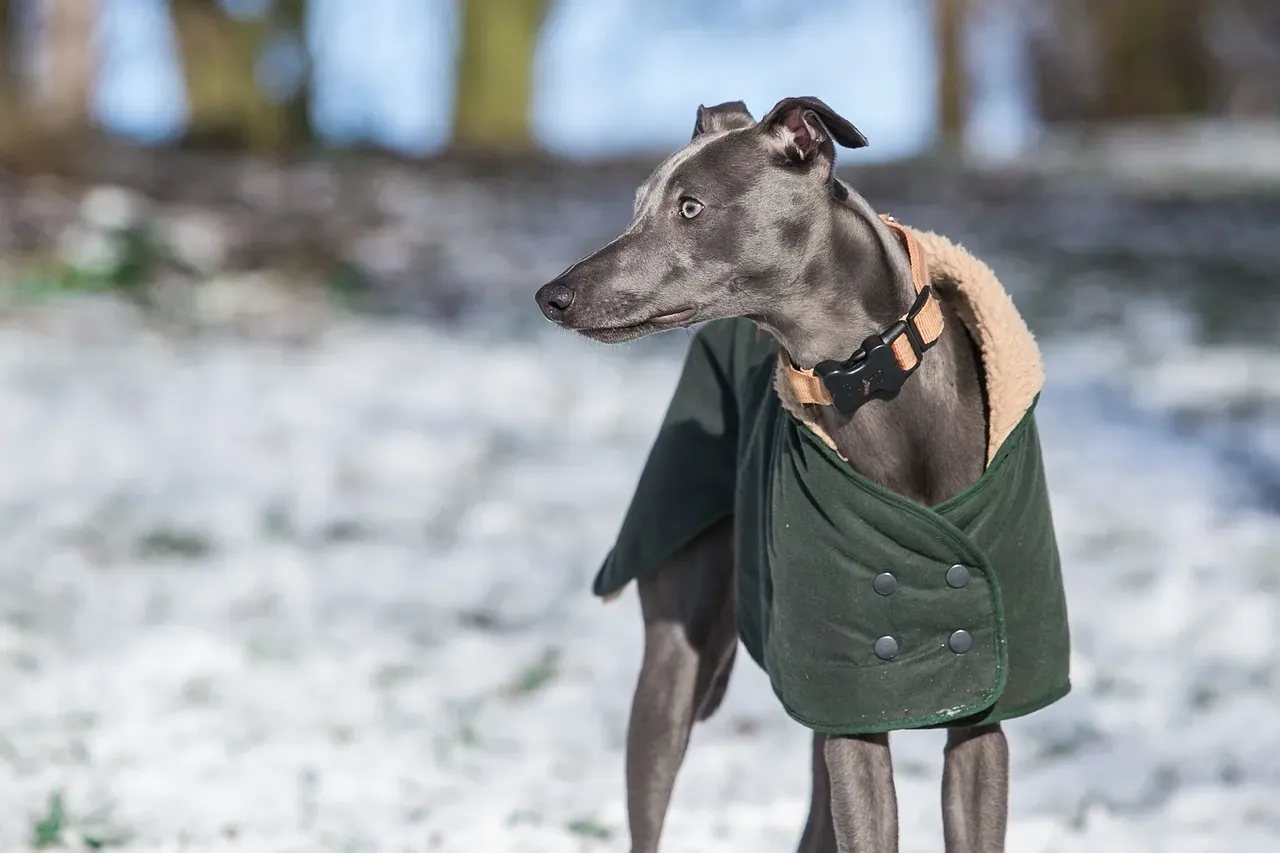
The Whippet is a graceful, athletic breed that balances speed with serenity. Despite being built for running, it’s known for being one of the quietest and most relaxed dogs once indoors. Whippets rarely bark and spend most of their day lounging peacefully around the home.
Think of Whippets as Greyhounds in a slightly smaller package with the same love for silence. Whippets, similar to Greyhounds, are quiet and calm. They are not prone to excessive barking.
These elegant sighthounds will happily sprint around during exercise time, then spend the rest of their day curled up like a living sculpture on your favorite chair. Their quiet nature makes them perfect for anyone who values peace alongside companionship.
Bernese Mountain Dogs: Big Hearts, Soft Voices
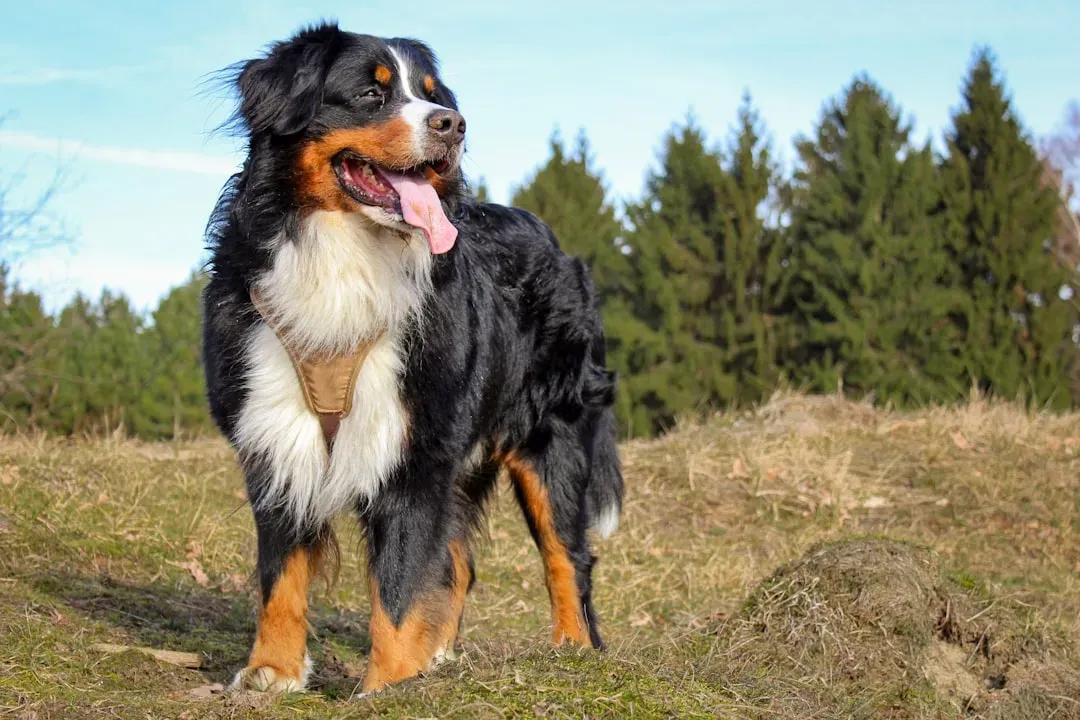
The Bernese Mountain Dog or “Berner” is a family favorite for many reasons, including their quiet nature. This large dog breed can weigh over 100 pounds, so even if they don’t bark, they’ll grab your attention one way or another.
Bernese Mountain Dogs are large, gentle dogs known for their calm and friendly nature. Bernese Mountain Dogs are not excessive barkers. These fluffy giants from Switzerland were bred to work calmly alongside farmers, pulling carts and keeping watch without causing a ruckus.
Their gentle temperament extends to their vocalizations. They’ll alert you to something genuinely important but won’t waste energy barking at every little thing. Plus their thick gorgeous coats basically demand extra cuddle time, which they happily accept in peaceful silence.
Finding Your Perfect Quiet Companion

Choosing a quiet dog breed doesn’t mean sacrificing personality or companionship. Each of these breeds brings something special to the table beyond their peaceful nature. The Basenji offers quirky independence. Cavaliers deliver pure affection. Greyhounds combine elegance with laziness in the best possible way.
Remember though, even within quiet breeds, individual personalities vary. Proper training and socialization matter enormously. Even quieter breeds will sometimes bark, especially if a dog isn’t having their exercise and stimulation needs met. To help encourage less barking, make sure your dog gets the appropriate amount of exercise and don’t forget to provide mental stimulation.
The right quiet dog can transform your living situation from stressful to serene. Your neighbors will appreciate the peace. Your landlord will breathe easier. Most importantly, you’ll get to experience the incredible joy of canine companionship without the constant noise.
Have you had experience with any of these wonderfully quiet breeds? What surprised you most about their personalities?


