
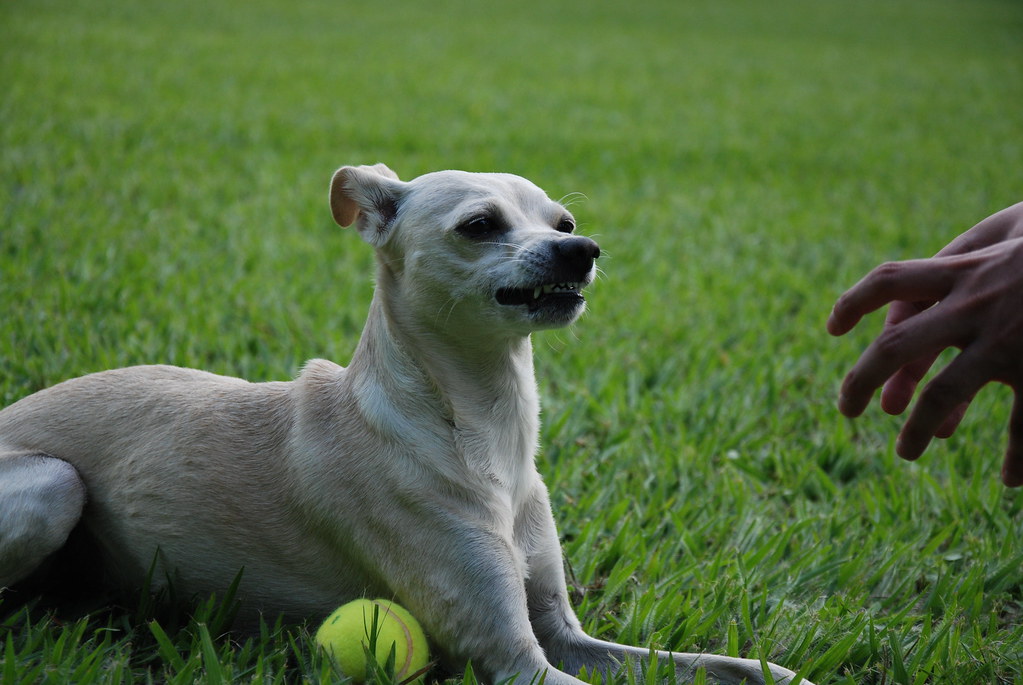
Dogs are often considered a man’s best friend, but even the best of friends can have disagreements. Snapping is a behavior that can be alarming and confusing for dog owners. It’s important to understand why dogs snap and how to stop this behavior. Let’s delve into the reasons behind this behavior and explore effective ways to address it.
Fear-Based Reactions
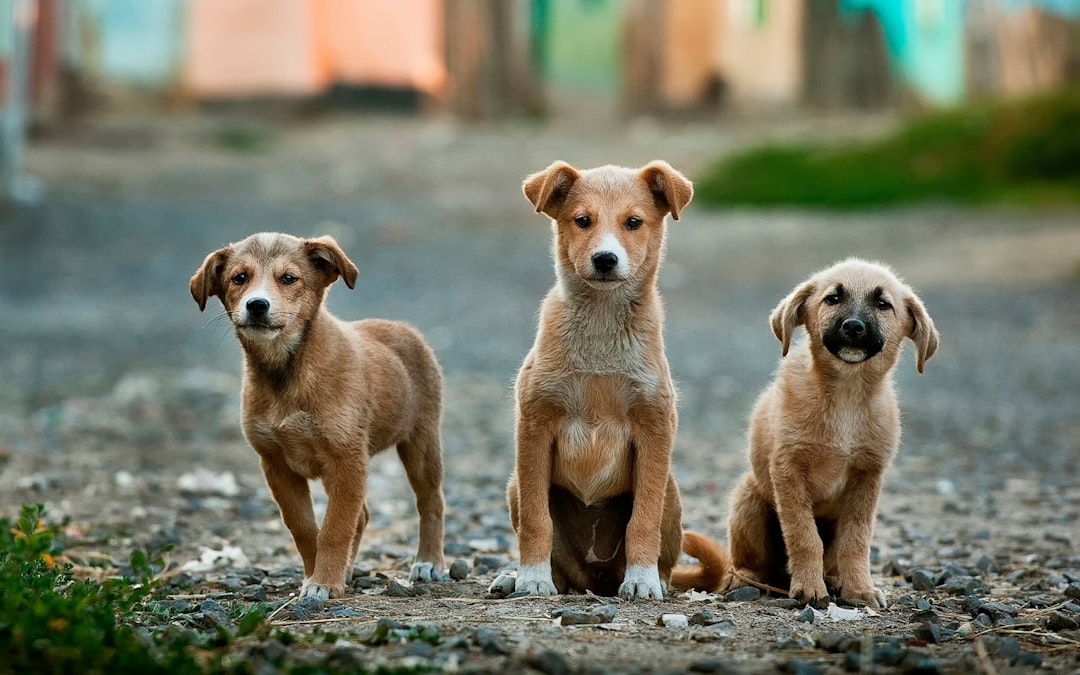
Fear is a powerful emotion that can trigger a snapping response in dogs. When a dog feels threatened or cornered, snapping can be a defensive mechanism. Imagine a situation where a dog encounters something unfamiliar, like a loud noise or a new person. The fear of the unknown can lead to a quick snap as a way to protect itself. It’s crucial to recognize these fear triggers and work on gradually desensitizing the dog to them.
Possessiveness Over Resources
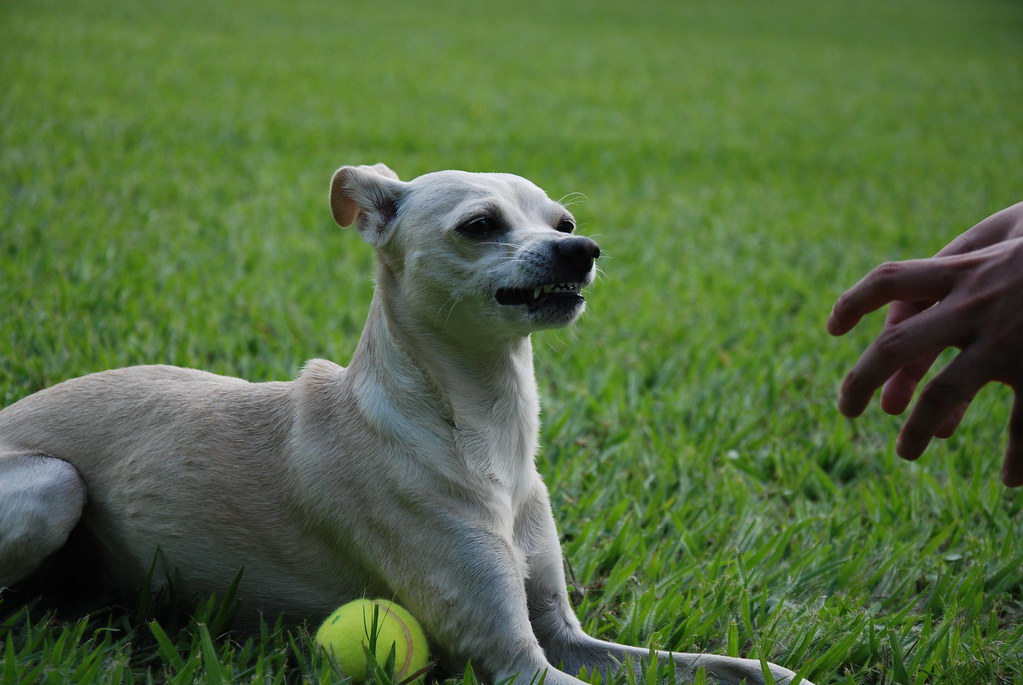
Dogs can be possessive of their belongings, whether it’s their favorite toy, food, or even their human’s attention. This possessiveness can lead to snapping if they feel that these resources are being threatened. Picture a dog guarding its food bowl when another pet approaches. The snap is a way to communicate, “This is mine!” To tackle this, it’s essential to teach your dog to share and be comfortable with others around their prized possessions.
Pain or Discomfort
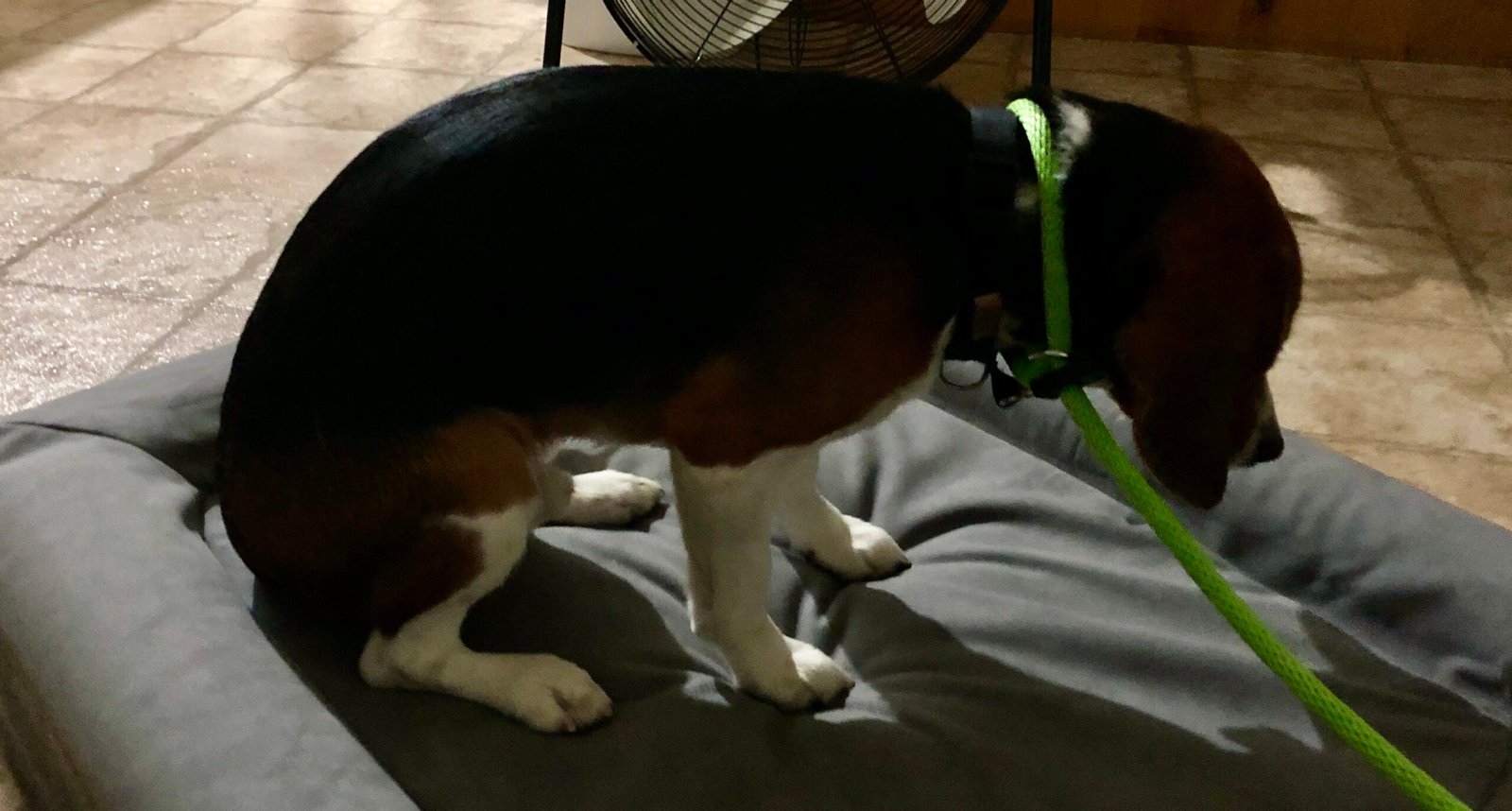
A dog in pain may resort to snapping as a way to protect itself from further discomfort. Just like humans, dogs can experience aches and pains, but they can’t verbally communicate their distress. For instance, a dog with an ear infection might snap if its ears are touched. Regular veterinary check-ups and being observant of changes in your dog’s behavior can help in identifying and managing health issues promptly.
Lack of Socialization

Socialization is key to a well-behaved dog. Without proper socialization, dogs may become anxious or reactive in new situations, leading to snapping. Imagine a dog that has never been exposed to other dogs suddenly being placed in a dog park. The overwhelming experience can cause it to snap out of fear or anxiety. Gradual exposure to different environments and social situations can help in curbing this behavior.
Territorial Instincts
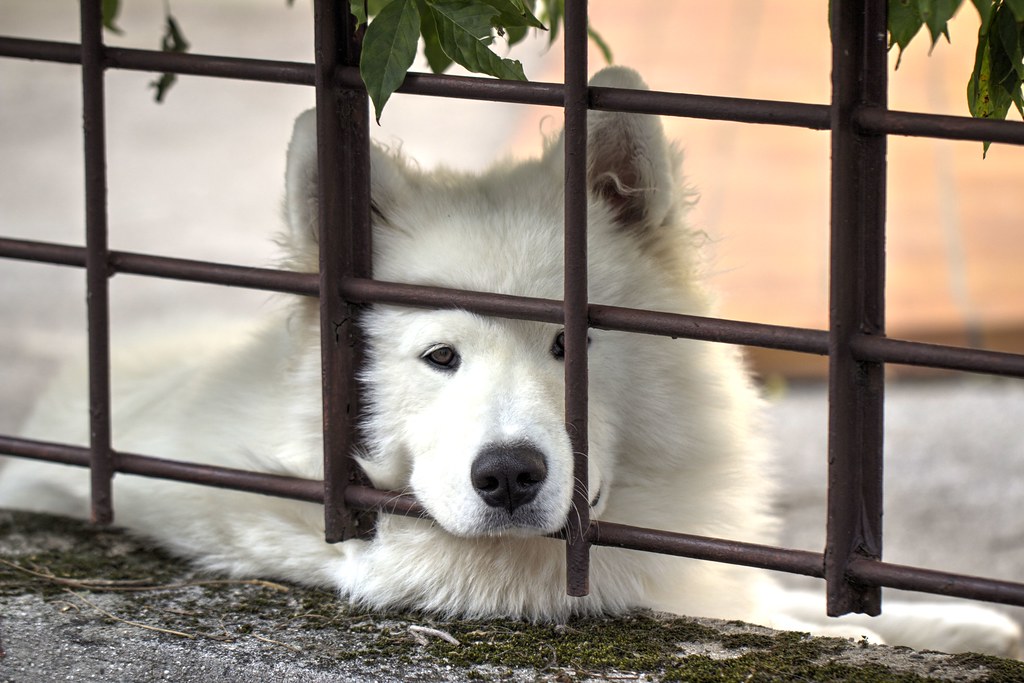
Dogs are territorial animals by nature. They have a strong instinct to protect their home and their family. A dog might snap if it perceives someone as a threat to its territory. For instance, a stranger entering the home without the dog’s acceptance could trigger a snapping response. Training the dog to understand that not every visitor is a threat can help in managing territorial snapping.
Frustration and Overstimulation

Just like people, dogs can get frustrated or overstimulated. When a dog is unable to achieve a desired outcome, such as catching a squirrel, it can lead to snapping out of frustration. Overstimulation, like being in a crowded, noisy environment, can also push a dog to its limits. Providing a quiet space and engaging activities can help alleviate these feelings and reduce snapping incidents.
Past Traumas or Negative Experiences

Dogs with a history of abuse or negative experiences may have deep-seated fears that manifest as snapping. For example, a rescue dog might snap at a broom if it associates it with past abuse. Understanding and acknowledging these traumas is vital. Gentle training methods and positive reinforcement can gradually rebuild trust and reduce snapping.
Miscommunication or Misunderstanding
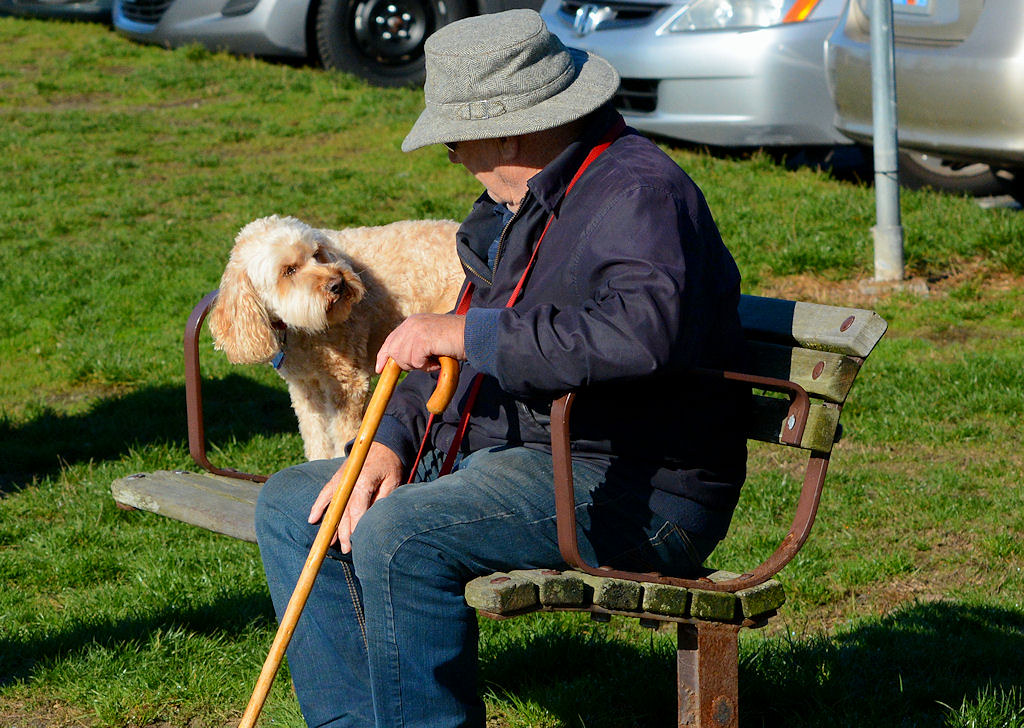
Dogs communicate differently than humans, and sometimes, snapping can be a result of miscommunication. A dog might snap if it perceives a gesture or action as threatening, even if it wasn’t meant to be. For example, a sudden movement towards a dog can be misinterpreted as a threat. Learning and respecting canine body language can minimize misunderstandings and prevent snapping.
Protective Instincts
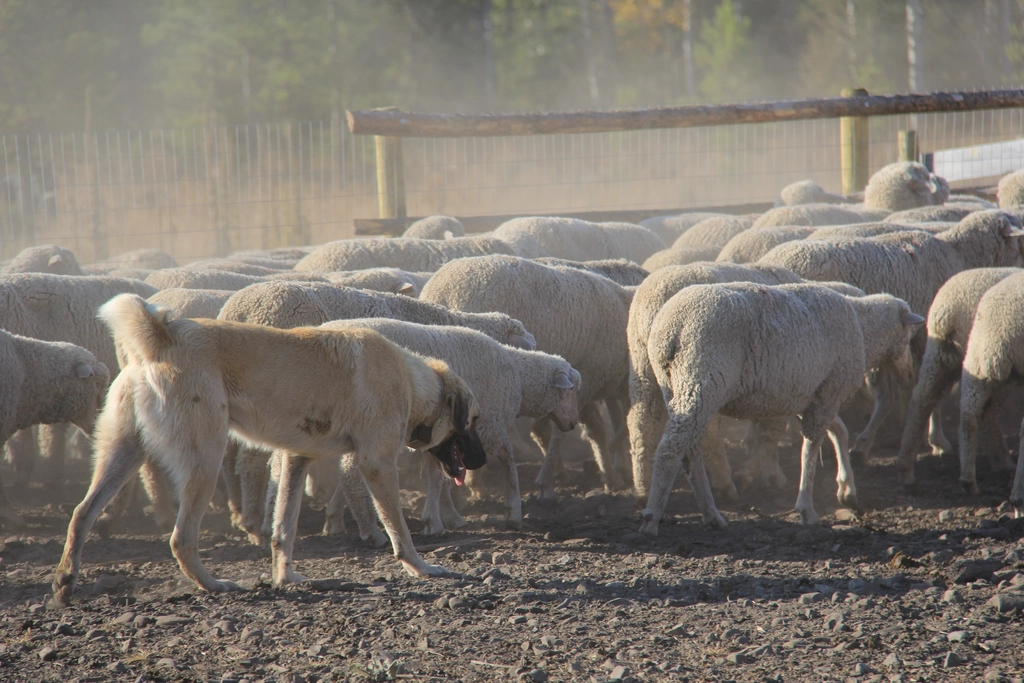
Dogs are naturally protective of their loved ones. They might snap if they believe someone they care about is in danger. Imagine a dog snapping at someone who is playfully wrestling with its owner. The dog might view this as a threat and react defensively. Training the dog to differentiate between real threats and harmless interactions can help in managing protective snapping.
Inadequate Training and Boundaries
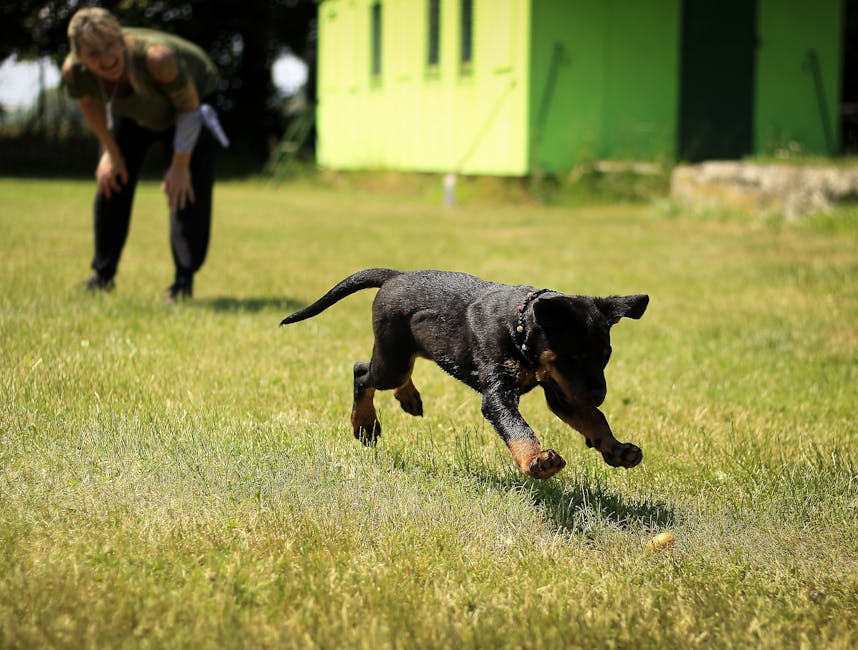
A lack of training and unclear boundaries can lead to snapping. Dogs need to understand what is acceptable behavior and what is not. Without proper guidance, a dog might resort to snapping when it doesn’t know how to react. Establishing clear rules and consistent training can help a dog understand its role and reduce the likelihood of snapping.
In conclusion, understanding the reasons behind dog snapping is the first step in addressing the behavior. By identifying the root cause, whether it’s fear, possessiveness, or inadequate training, dog owners can implement tailored solutions to curb this behavior. With patience, consistency, and love, snapping can be managed, leading to a harmonious relationship between dogs and their owners.


