

Ever noticed how your dog sits by the door when you leave for work, or how they seem to know exactly when you’re about to come home? Maybe you’ve caught them watching from the window, their eyes fixed on the driveway, tails ready to erupt in celebration the moment you pull in. It’s one of those quiet, heartbreaking, beautiful truths about our canine companions. They wait. They always wait.
Why do they do it? Why do dogs choose to stay put when no one is forcing them to? Let’s explore the fascinating science, behavior, and deeply emotional reasons behind this extraordinary act of loyalty.
They See You as Their Pack
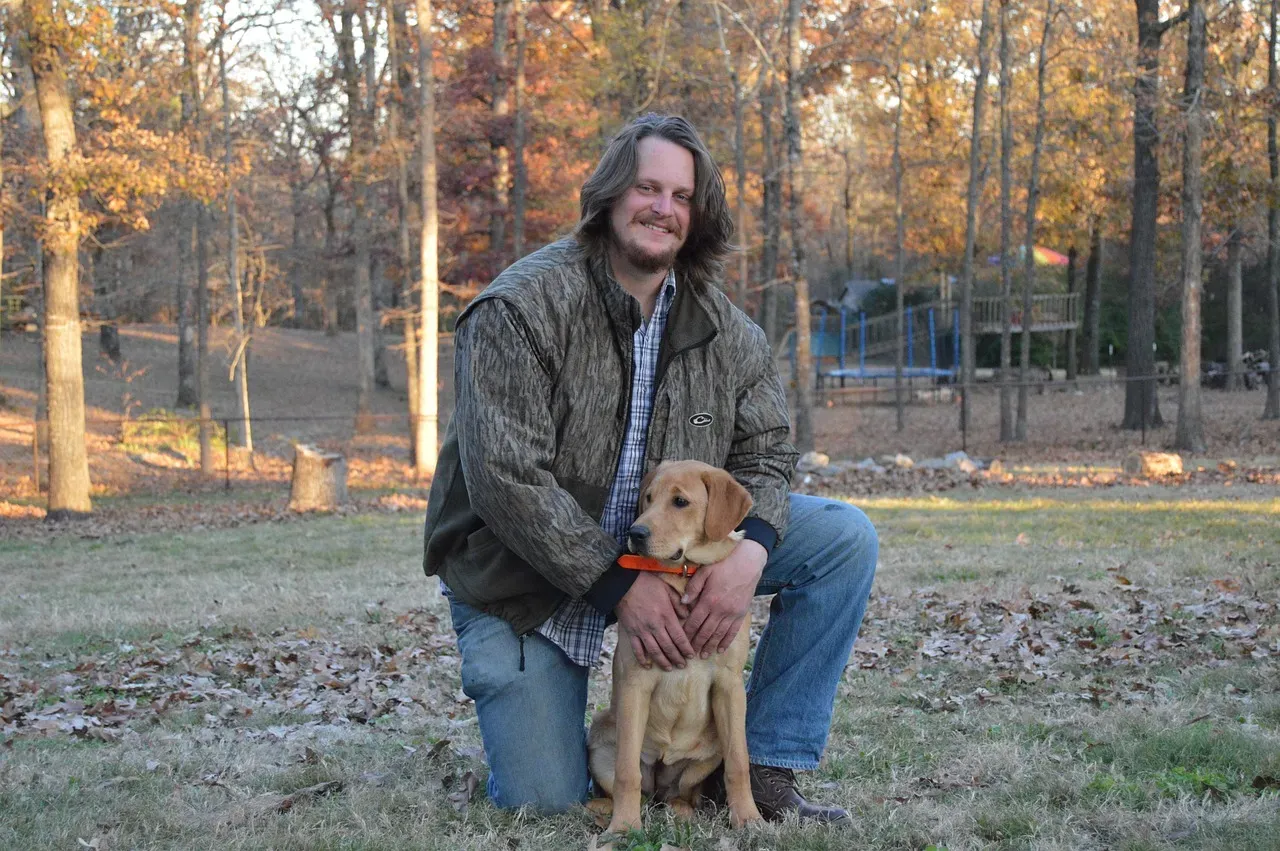
Dogs are pack animals by nature, and to them, you’re a key member of their pack. This isn’t some metaphor we made up to feel special. It’s rooted in their biology and evolutionary history.
As pack animals, dogs are most at ease when working in a group and surrounded by the members of their pack. When you leave, your dog doesn’t just miss you emotionally. They feel the absence of pack structure itself, which creates a sense of unease or incompleteness. Waiting for your return is their way of keeping the pack together, even if only in spirit.
It’s Written in Their Brain Chemistry
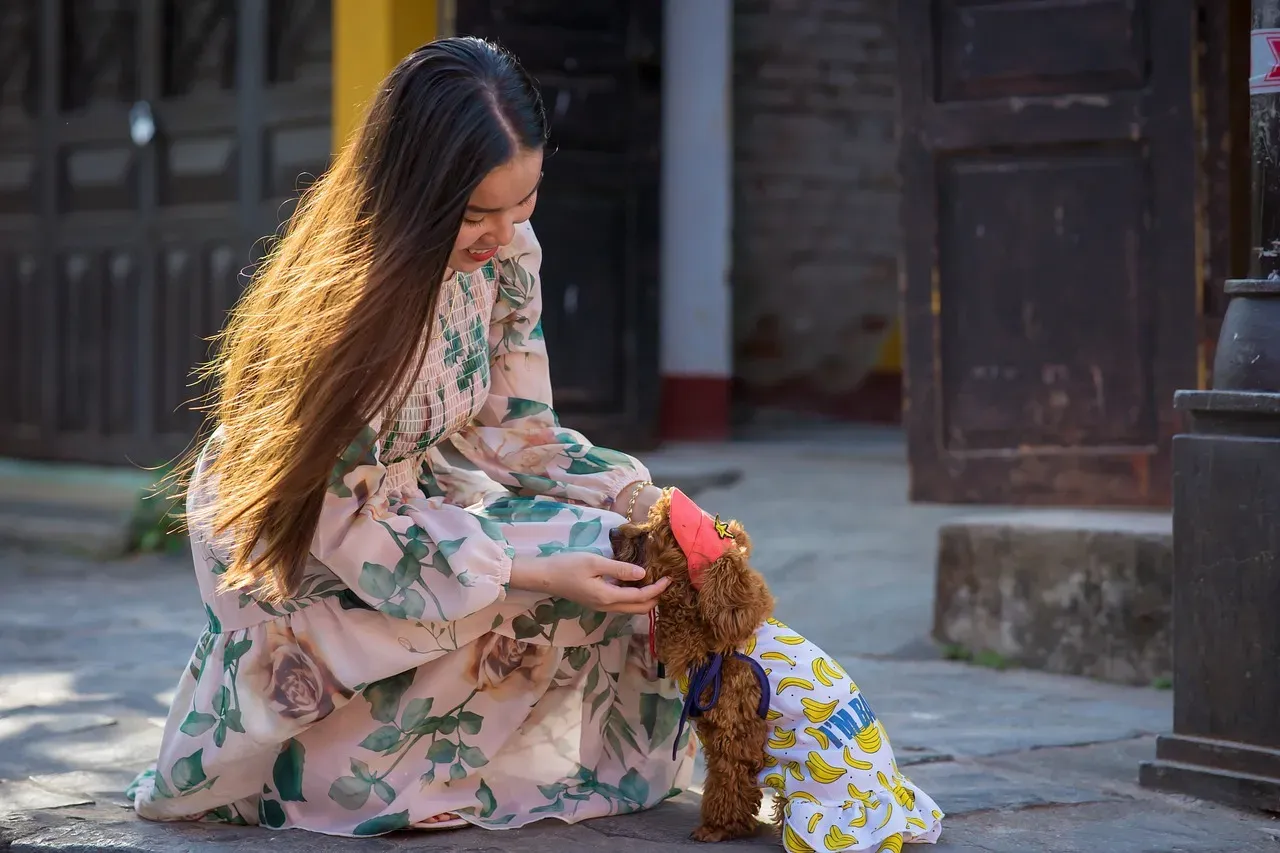
Recent neuroscience has shown us something extraordinary. Dogs have that same kind of love response when they see us as babies have when they see their mom. Researchers trained dogs to lie still in fMRI machines, and the results were stunning.
The same part of the dogs’ brains lit up when they saw their human as happened in babies when they saw their mother. This isn’t simple affection or learned behavior. It’s a genuine attachment bond firing on a neurological level. Your dog isn’t waiting because they’re bored or need something from you. They’re waiting because their brain is literally wired to crave your presence.
Separation Makes Them Anxious
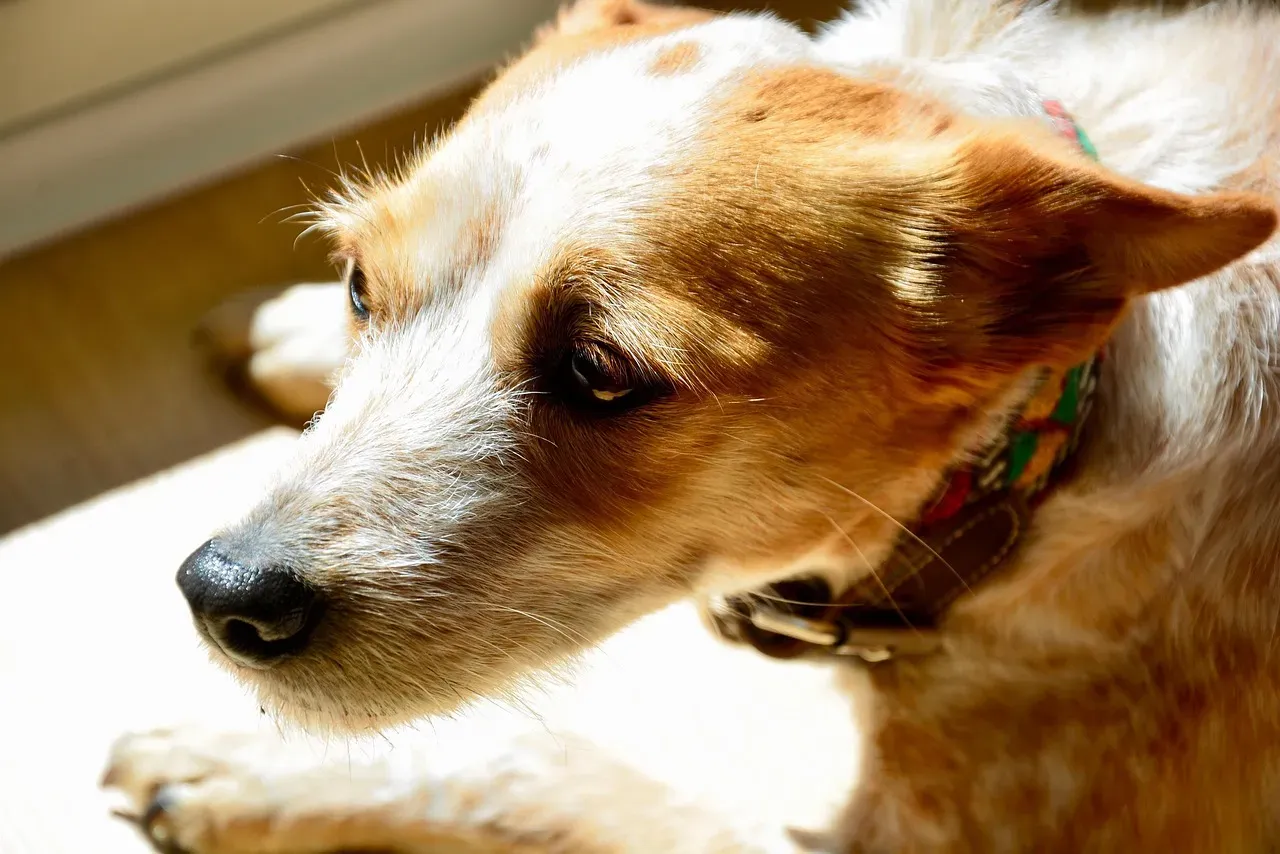
Isolation during the day can also make some dogs anxious, to the point that they won’t eat their food or treats left out until their owner returns. For many dogs, your absence doesn’t feel like a brief inconvenience. It feels like vulnerability.
Some dogs experience genuine separation anxiety, showing signs like whining, pacing, or destructive behavior. When you return, they feel relieved and comfortable enough to eat. The waiting is their coping mechanism. They post themselves by the door or window because it gives them a sense of control, a way to monitor the world for your eventual return.
They’ve Learned Your Patterns
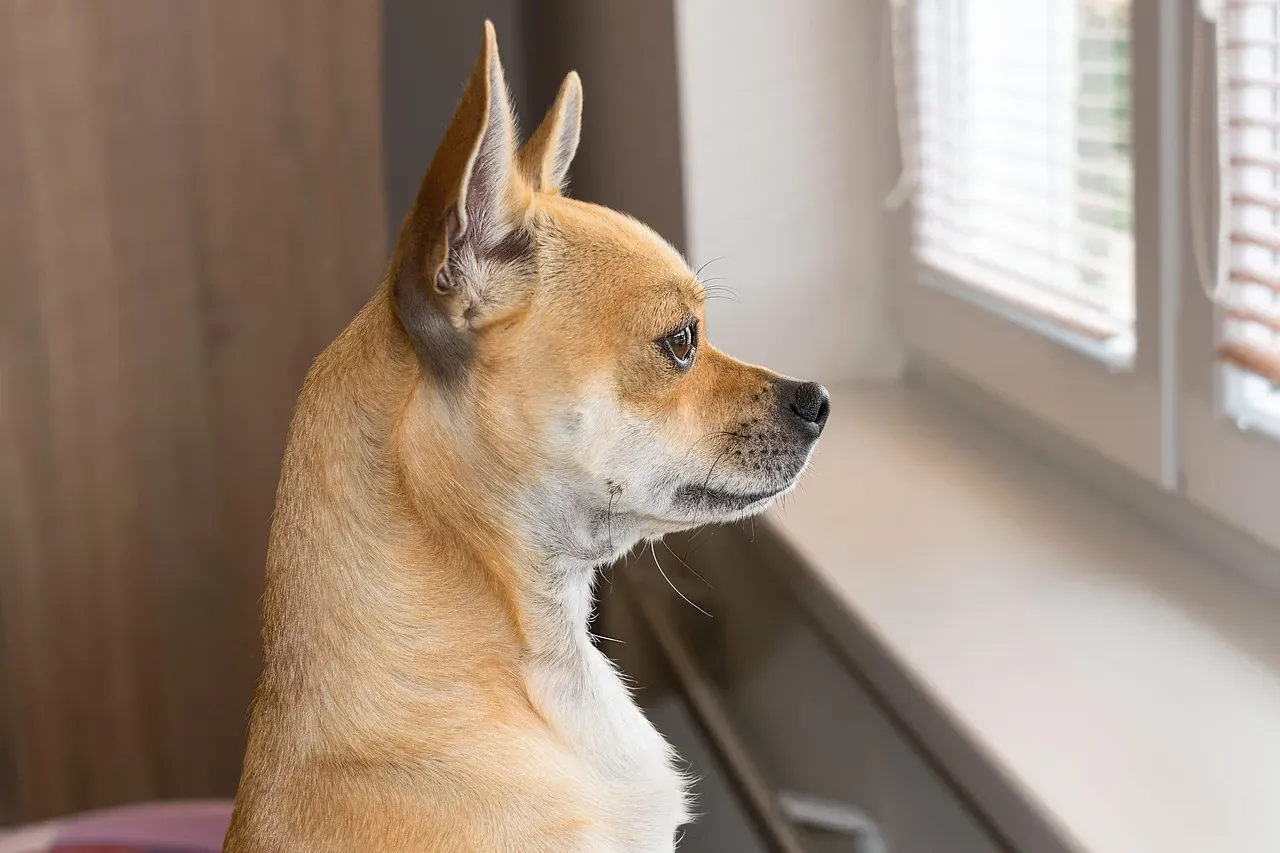
Dogs are brilliant observers of routine. They notice when you grab your keys, when you put on your shoes, what time you usually come home. The way your dog acts when you grab your keys or put on your shoes can be a big giveaway.
Over time, they map out your daily rhythms with astonishing accuracy. Waiting isn’t random. It’s strategic. They know, based on hundreds of previous experiences, that if they wait long enough in that spot, you will come back. It’s pattern recognition at its finest, paired with hope and loyalty.
Eating Is a Social Activity for Them
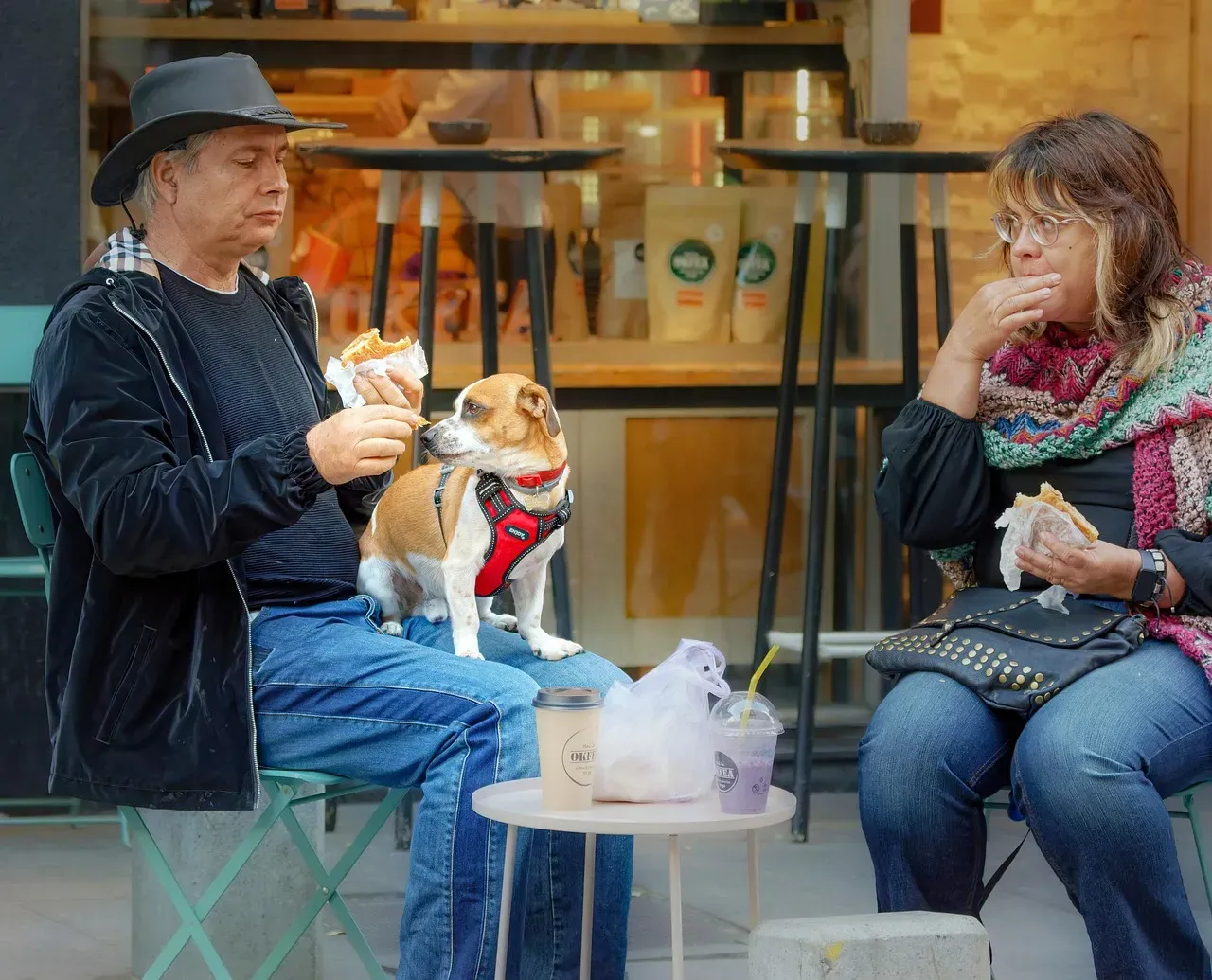
Dogs are very social animals and eating is a very social event. This might sound odd, especially if your dog scarfs down their kibble in seconds. Still, many dogs refuse to eat when left alone.
He may simply need to see you eating to prompt his own desire to eat. Food, for dogs, isn’t just fuel. It’s a communal experience tied to the presence of their pack. So when your dog waits to eat until you return, they’re not being stubborn. They’re honoring the social structure that makes them feel secure.
They Trust You to Keep Them Safe
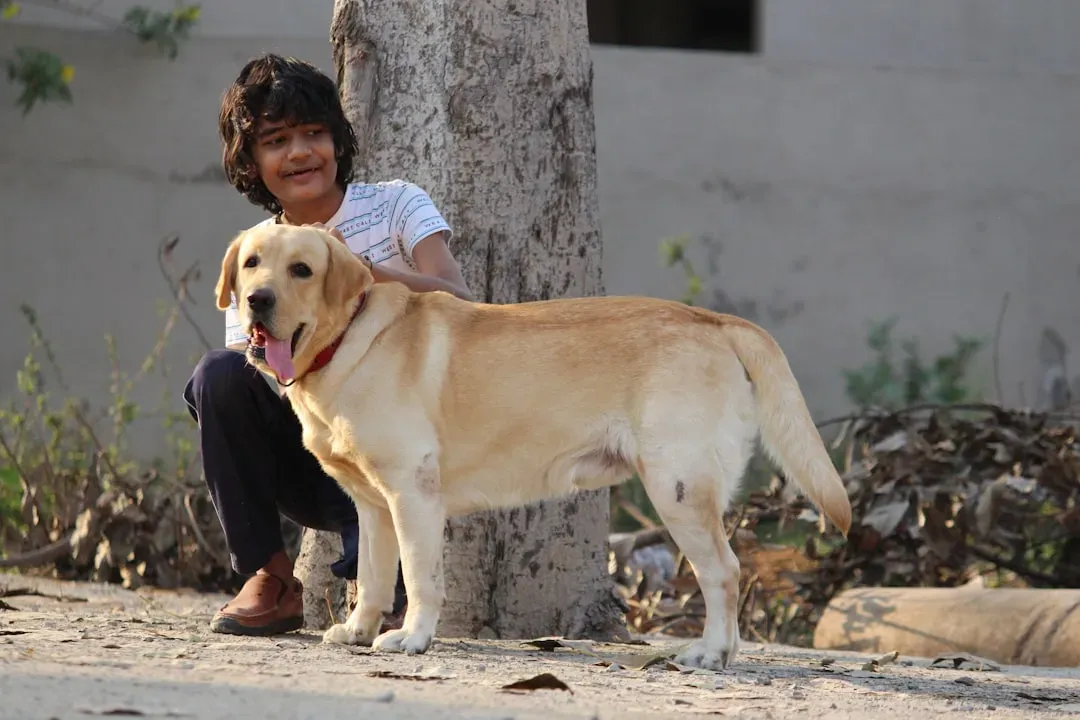
Dogs typically run over to their owners and stand near them if they feel threatened. They depend on their alpha owners to protect them. Your dog views you as their protector, their safe haven.
When you’re gone, the world feels a little less secure. Waiting for you is both an act of faith and a practical measure. They position themselves where they last saw you because that’s the place they associate with safety and reassurance. It’s heartbreaking and beautiful all at once.
They’re Hardwired to Look to Humans for Help
Here’s something fascinating. Faced with such an impossible task, dogs quickly look back at their owners, as if asking for help. Unlike wolves, who will keep trying to solve a problem independently, dogs have evolved to turn to humans when they encounter difficulty.
“They prefer a social cognitive solution” – that is, they want their owner to help them open the box. This dependency isn’t weakness. It’s a unique evolutionary adaptation. Your dog waits for you because, over thousands of years, they’ve been bred to need you, to seek you, to rely on you.
Your Return Is the Best Part of Their Day
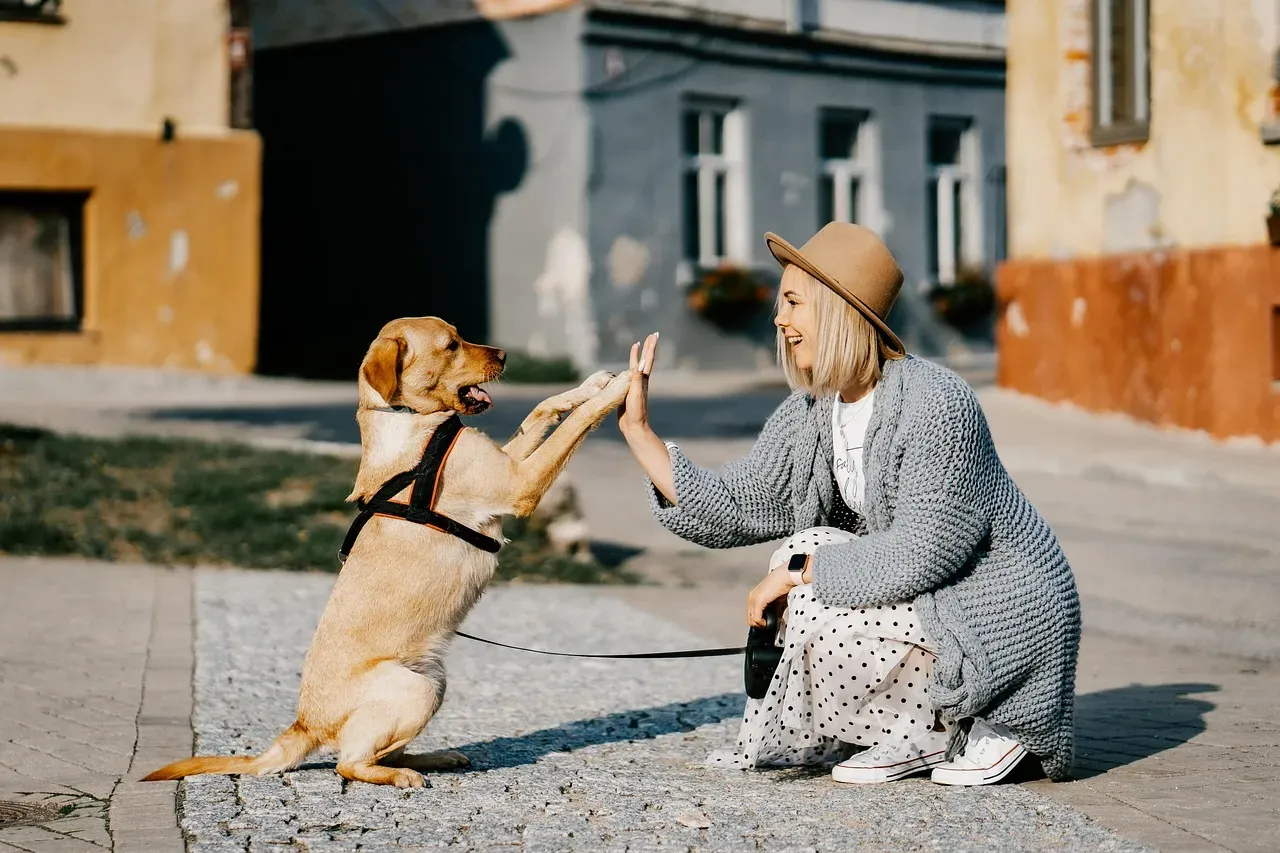
Let’s be honest. If your dog saves all their energy for when you arrive through the door, consider it a compliment. Your dog considers you their most loved pack member.
Think about it. Your dog doesn’t have a job, a social calendar, or a Netflix queue. You are the highlight. The moment you walk through that door, the whole world lights up for them. Waiting is worth it because the payoff, your presence, is everything they’ve been hoping for since the moment you left.
It’s About Attachment, Not Just Habit
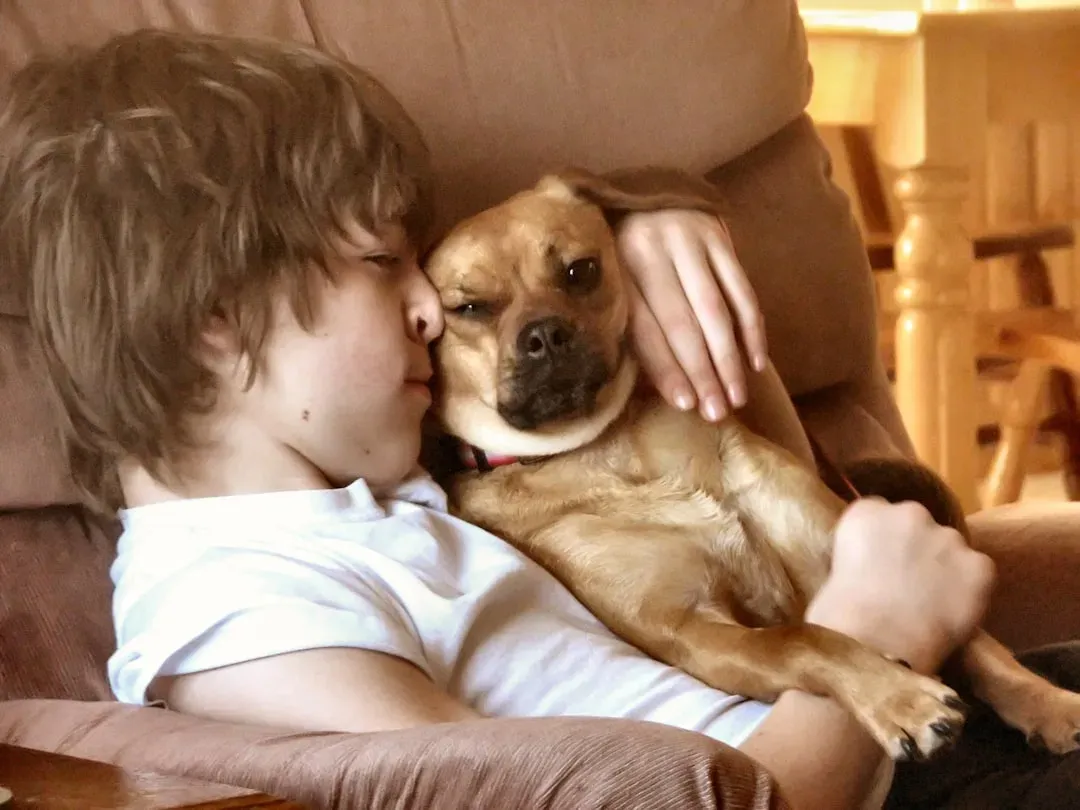
Dogs exhibit human-analogue attachment to their owners, with similar function and mechanisms to that of infant-mother bond. This isn’t mere affection or training. It’s a deep, biologically rooted attachment system.
Dogs who displayed more attachment and attention-seeking behaviors toward their owners were significantly more likely to exhibit this positivity bias. The stronger your bond, the more intensely your dog waits. They’re not guarding the door out of duty. They’re waiting because the bond you share compels them to.
Domestication Shaped Them to Bond With Us
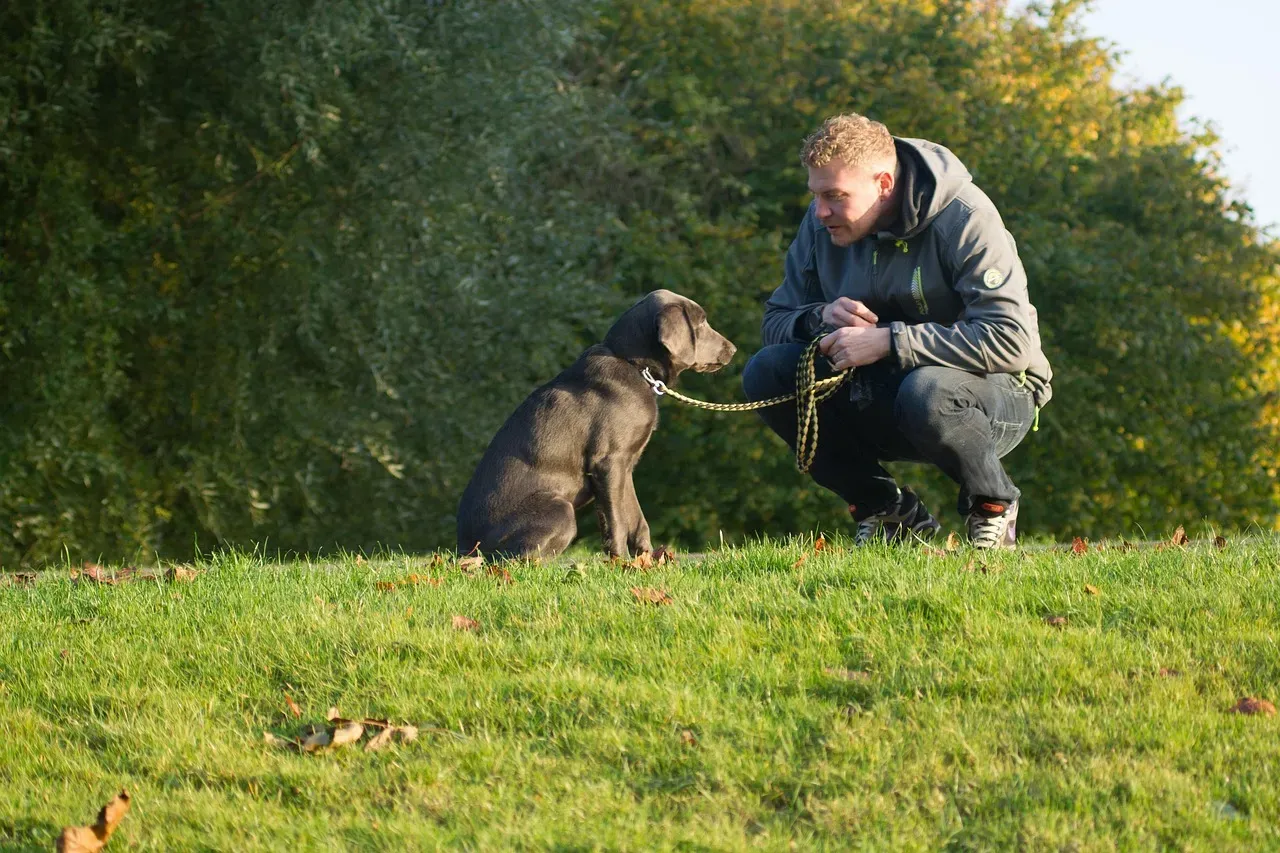
Dogs’ artificial selection that resulted in increased dependence on humans, facilitated the development of dogs’ human-analogue attachment towards their owner. Unlike other domesticated animals, dogs were specifically bred to work alongside humans, to understand us, to cooperate with us.
Though descended from wolves, dogs are unlike their wild cousins in one significant way: dogs enjoy human contact. Domesticated dogs actively seek human contact and are happier with human social interaction. This is what makes them unique. They wait because evolution designed them to need us. And honestly, that’s both humbling and deeply moving.
Conclusion: The Wait Is Love Made Visible
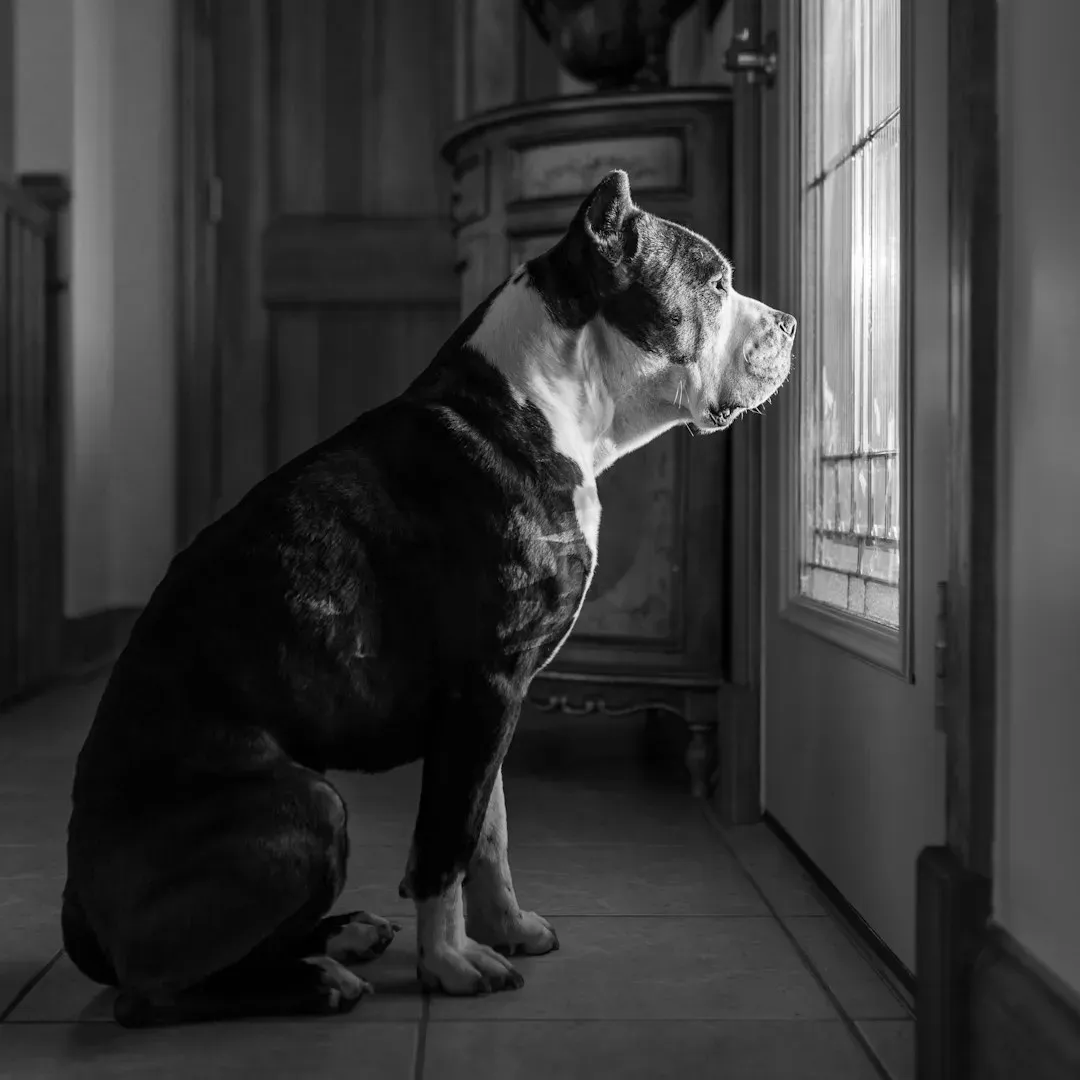
Dogs wait because they love us. It’s that simple and that profound. Their waiting is an expression of loyalty, biology, attachment, and hope all rolled into one furry package. They don’t do it for treats or praise. They do it because, in their world, you are the center of gravity.
Next time you come home and see that wagging tail or hear that excited bark, remember what it represents. Your dog has been waiting, maybe for hours, maybe with nothing else to do, because being with you is worth every single second of anticipation.
What about your dog? Do they have a favorite waiting spot, or a special routine when you come home? Share your stories. Let’s celebrate these beautiful creatures who remind us every day what unconditional love really looks like.


