
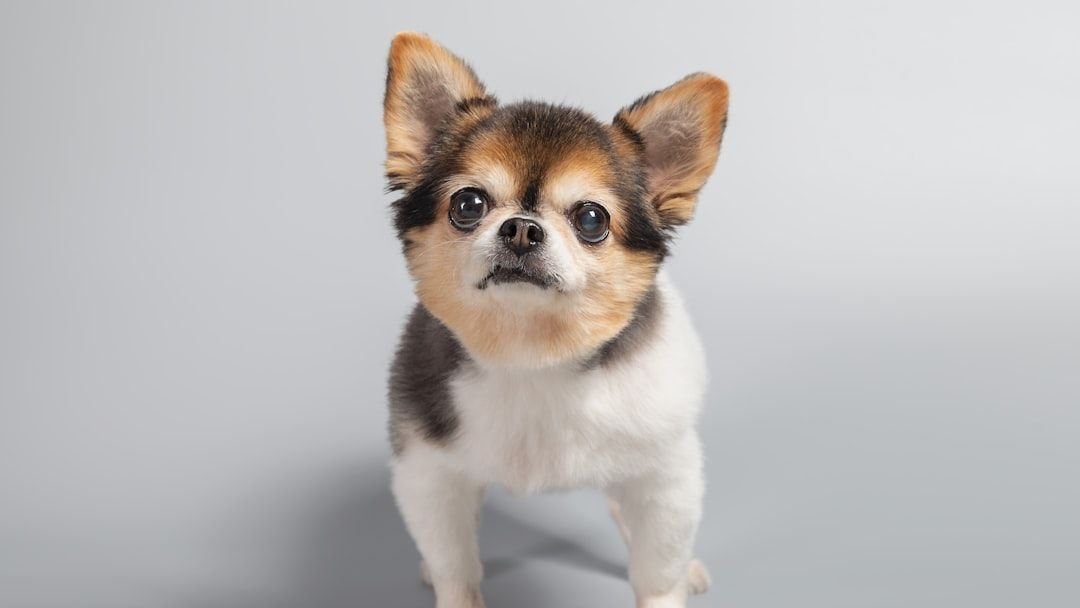
Let’s be real. You’ve seen one of those tiny, round-eyed little creatures perched in someone’s lap or peering out of a designer bag, and something inside you melted just a little. The Chihuahua is arguably the most deceptively charming dog on the planet. Small enough to fit in a shoebox, large enough to completely take over your life.
But here’s the thing. Behind that adorable exterior lives a dog with a personality so large, so complex, and so demanding that thousands of unprepared owners find themselves completely overwhelmed. Before you fall any deeper in love, read this. Every single word of it.
1. They Will Completely Boss You Around

Chihuahuas are very smart dogs, but many owners allow them to get away with bad behavior because of their small stature. They tend to have a “big dog” mentality, which can be a real problem, particularly around other pets at the dog park. Think of it like hiring a tiny CEO who refuses to read the job description. They decide the rules. Not you.
Chihuahuas are known to be bossy and pushy, and some may exhibit dominance aggression. Most have this trait to some extent, though some respond better to training and can demonstrate more restraint. The key word there is “some.” Honestly, if you are not ready to be a firm, consistent leader from day one, this breed will happily take that position for you.
2. Their Separation Anxiety Is No Joke
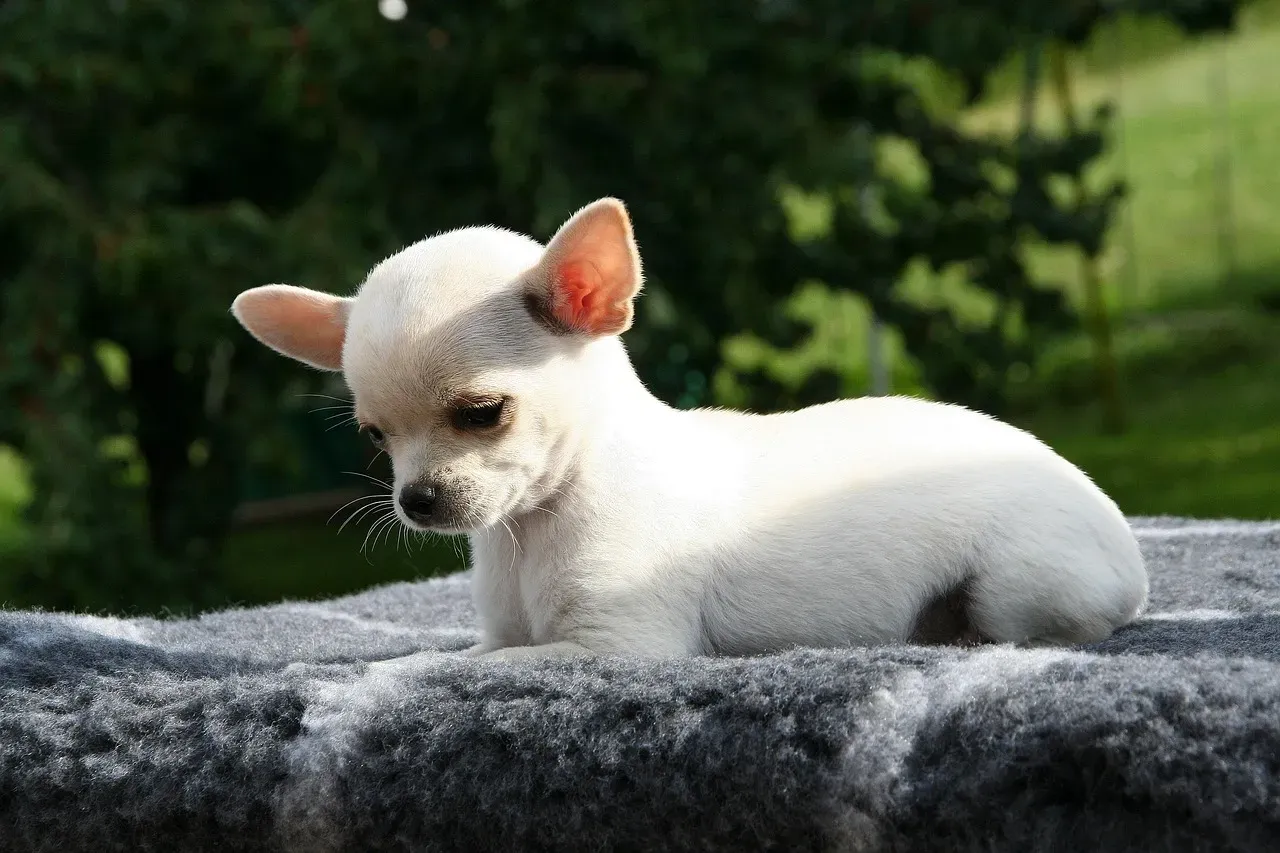
Separation anxiety is a common issue with Chihuahuas. Feelings of isolation can lead to intense sadness, restlessness, or overwhelming panic, which can be both physically and mentally exhausting for the dog. We are not talking about a little whimpering when you grab your keys. We are talking about full-on emotional crisis mode.
Chihuahuas with this condition might howl, bark, destroy household items, claw at doors or windows, try to escape, and pee and poop inappropriately in the house while their owners are away. So if you work long hours, travel frequently, or simply value a peaceful home, this is something you need to weigh very seriously before bringing one home.
3. They Are Notoriously Hard to Housebreak
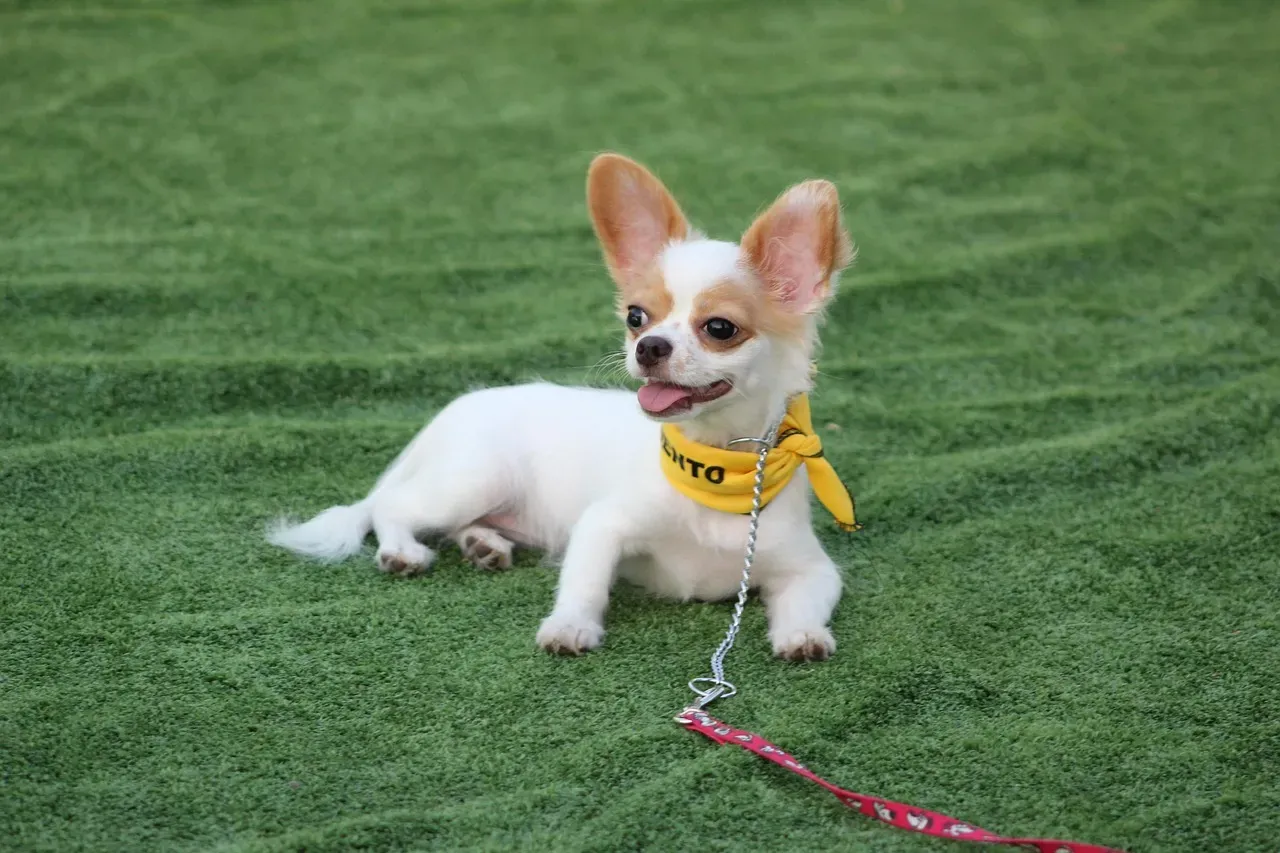
You have to actually put in effort to potty train a Chihuahua. It seems that with larger breed dogs it is really easy for them to identify the house as their den and quickly learn to avoid soiling in it. Chihuahuas, on the other hand, seem to operate by entirely different logic. Your gorgeous rug? That is simply an outdoor space with better lighting as far as they are concerned.
Chihuahuas can be barky, though not always. They can also be somewhat hard to housebreak, though not always. They tend to be pretty strong-willed too. The inconsistency is part of what makes this so maddening. Some Chi owners crack the code quickly. Others spend months cleaning up after a dog the size of a sandwich. Patience is not optional here.
4. Their Aggression Can Catch You Off Guard
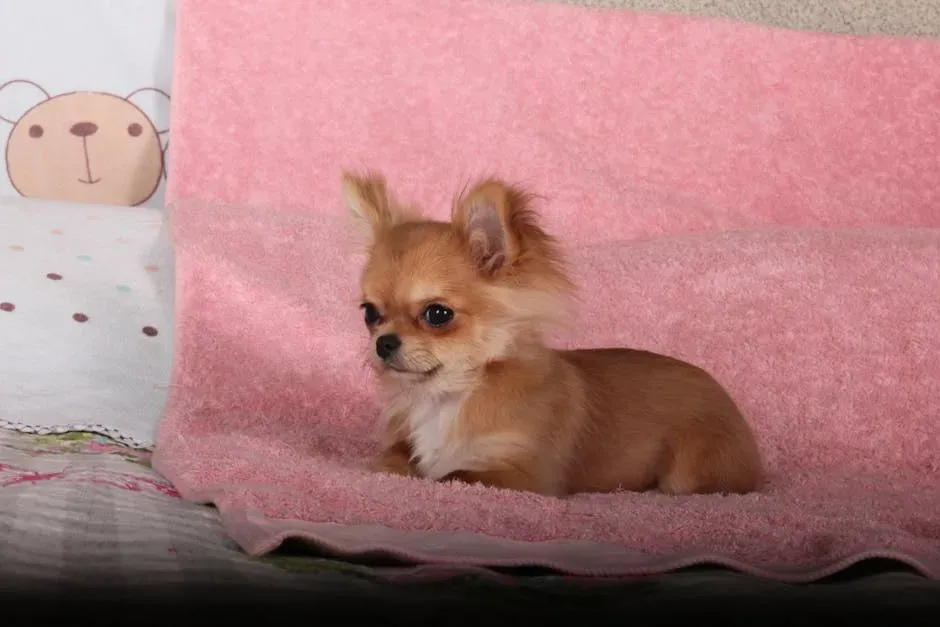
Most aggressive behaviors in Chihuahuas stem from fear rather than inherent meanness. Their diminutive size makes them naturally more vulnerable, which can trigger defensive responses when they feel threatened. This fear-based aggression often manifests as barking, growling, or even nipping at perceived threats. In other words, their snarl is mostly a bluff. A very convincing, sharp-toothed bluff.
Periodontal disease, obesity, retained deciduous dentition, anal sac impaction, and aggression were identified as common health issues within the breed by a UK veterinary study. In some cases, this breed may exhibit more aggression, possibly due to owners overlooking behavioral issues because of the Chihuahua’s size. Letting it slide because they are “just tiny” is one of the biggest mistakes new owners make.
5. They Are Fiercely Territorial
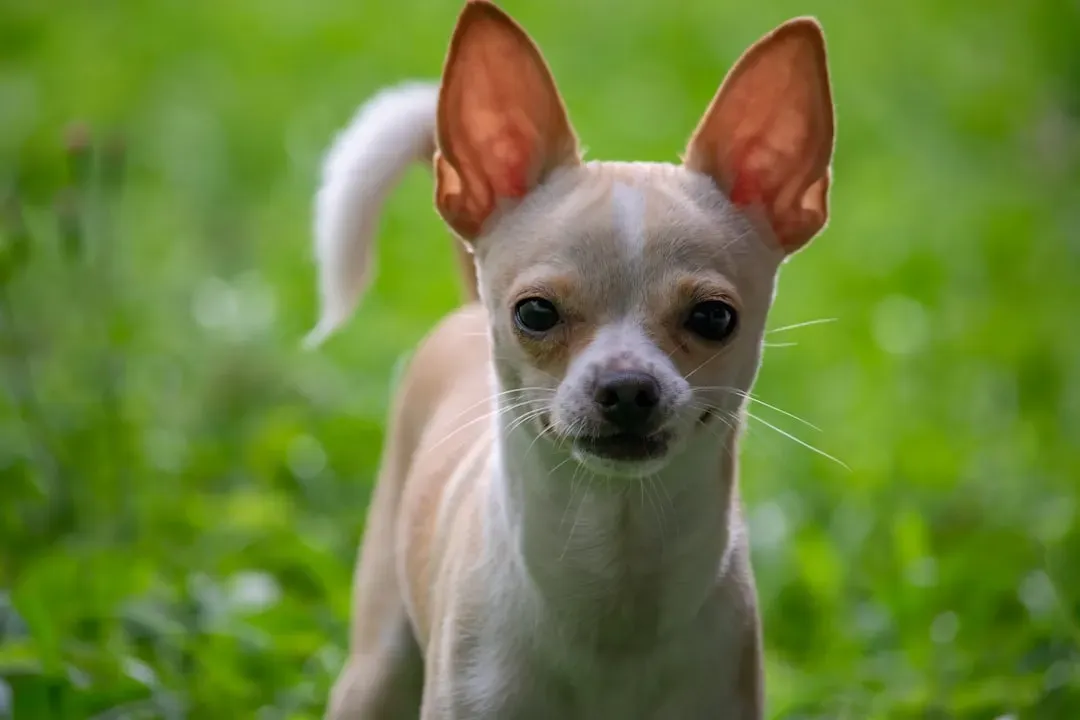
If you accidentally mosey in on a Chihuahua’s territory, you could spark some aggressive behavior. Chihuahuas often have favorite toys, favorite places, favorite people, favorite foods, and favorite treats, and they have been known to guard these things with their most aggressive demeanor. Imagine a tiny bouncer who takes the job extremely seriously.
Chihuahuas are naturally territorial and protective of their space and their owners. Territorial aggression can occur when they perceive a threat to their territory or family, and this can be directed toward other animals or people entering their perceived domain. Guests coming over? Your Chi may have some very strong opinions about that. Fair warning to your friends.
6. They Are Fragile in Ways That Will Terrify You
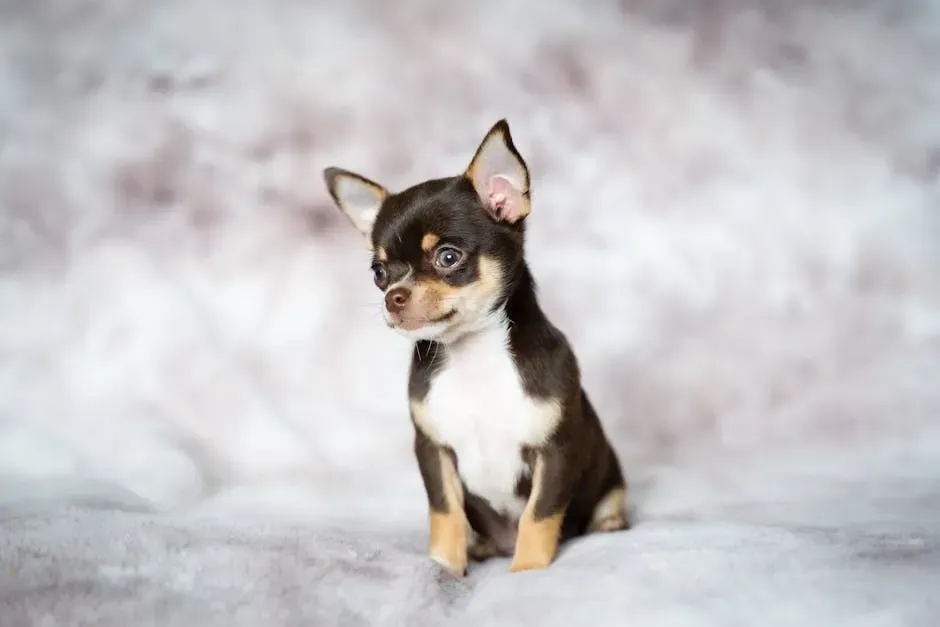
Because of their tiny size, Chihuahuas are prone to injuries that would not bother larger dogs. Falling off a couch can lead to broken bones, and children need to be taught how to handle them very carefully. I think a lot of people underestimate just how fragile these little animals are. It is genuinely stressful to watch them navigate a household full of hazards.
Many Chi owners have lost their tiny puppies to hawks and owls. If you have aerial predators in your area, only allow puppies to play under a shelter where they cannot be caught. They will need monitoring while playing with other dogs or when handled by children, because they get hurt very easily. Predatory birds. That is a sentence you probably never expected to read when dreaming about getting a dog.
7. Their Health Problems Can Be Surprisingly Complex
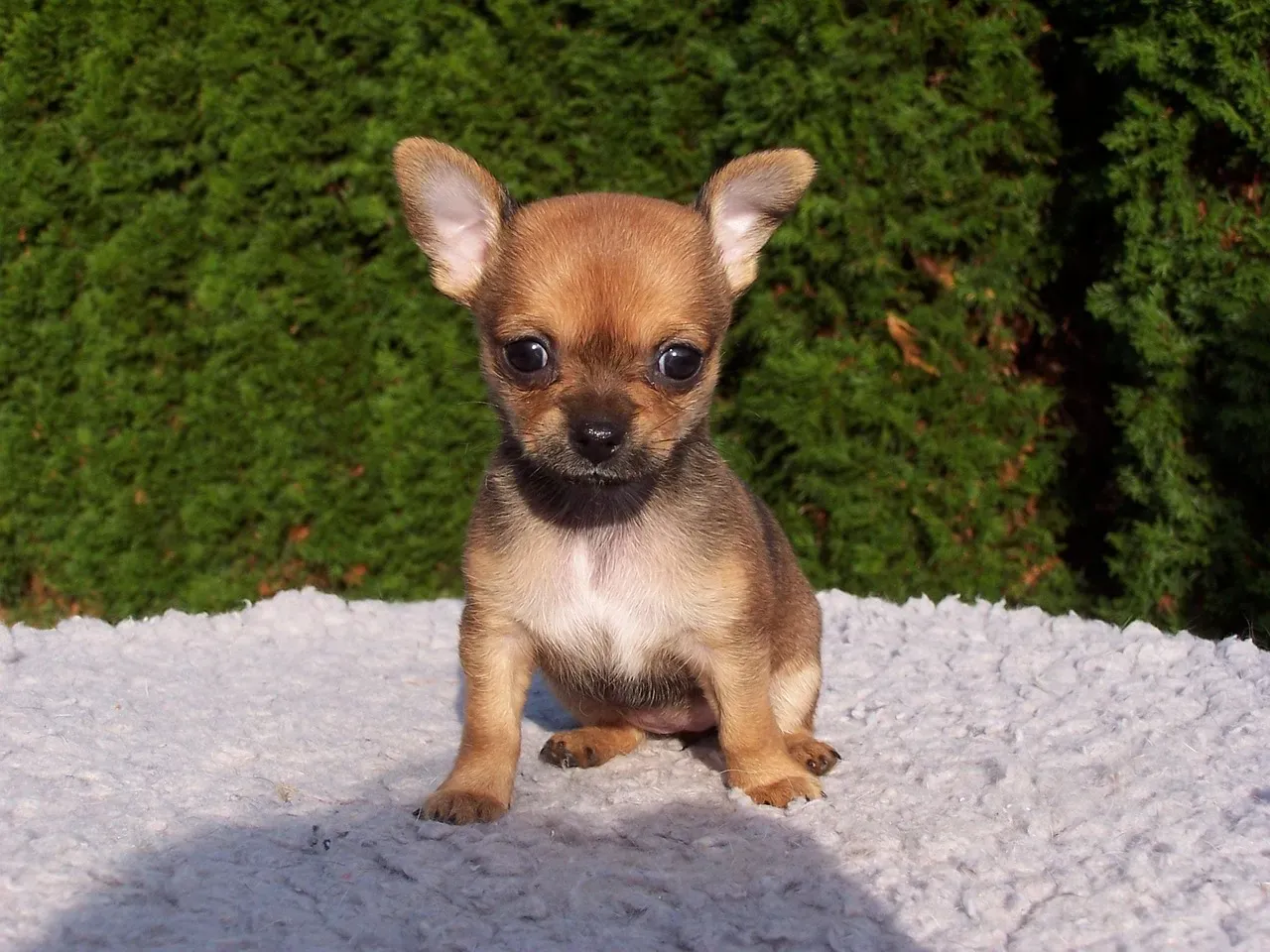
Small breeds like Chihuahuas are particularly prone to dental problems, requiring regular brushing and dental cleanings. Patellar luxation is also a common knee issue where the kneecap dislocates, with symptoms including limping or skipping steps. These are not minor inconveniences. Dental disease and joint problems require ongoing veterinary attention and real financial commitment.
Hypoglycemia, or low blood sugar, can occur especially in younger or smaller Chihuahuas, with signs including weakness, tremors, and confusion. Heart disease such as mitral valve disease can also develop as they age, and Chihuahuas may experience a collapsed trachea, leading to a honking cough or breathing difficulties. That is a significant health checklist for a dog you might have assumed would just trot along happily and cause no trouble.
8. They Are Deeply, Almost Suffocatingly Attached to One Person
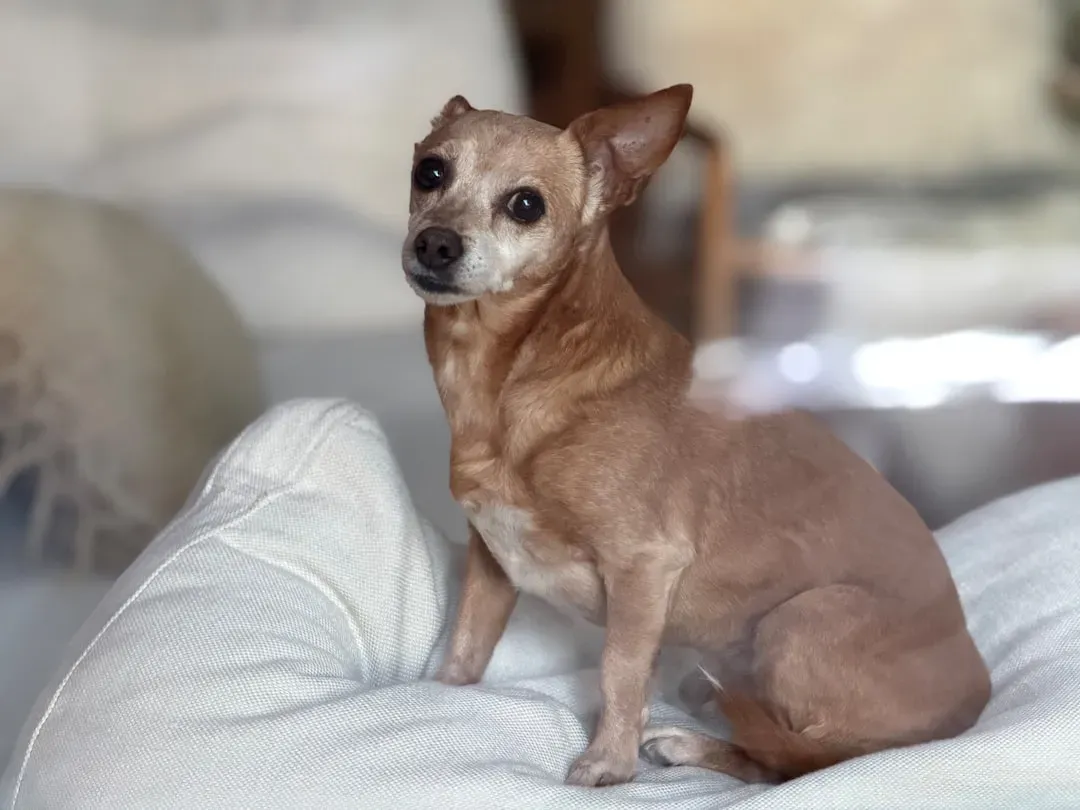
Some Chihuahuas are not family dogs. They have a tendency to bond to just one person and remain loyal to that person. Without proper socialization, they are wary of other people and dogs. It sounds romantic in theory. In practice, it means your partner might feel completely ignored, and your dog might practically growl at anyone who tries to sit next to you on the couch.
Chihuahuas probably will not be very fond of your friends and family. They will tolerate new faces, but they are “one person” dogs and will be a little leery of anyone else. This could be frustrating for those who like to socialize with their dog, particularly at dog parks. If your social life involves a lot of people coming and going from your home, life with a Chi can get exhausting fast.
9. They Are Extremely Sensitive to Cold
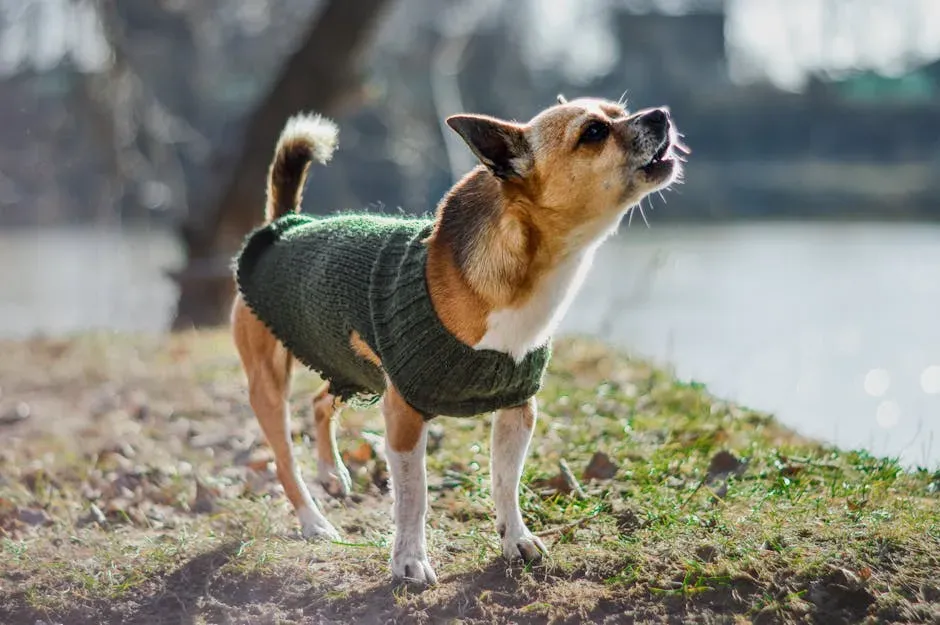
Chihuahuas are sensitive to cold temperatures due to their small size, so investing in a cozy sweater or jacket for chilly weather is important. This is not a dog you can simply let out into the garden on a crisp morning. They shiver, they protest, and honestly they look genuinely betrayed by the weather. Cold mornings become a full negotiation.
Chihuahuas often shake due to their rapid metabolism and proneness to anxiety. The shivering is not always about temperature, either. Sometimes it is anxiety, sometimes cold, sometimes pure drama. The challenge is learning the difference. Getting this wrong means either over-dressing a perfectly fine dog or missing a genuine health signal. You will become a professional Chi-tremor interpreter whether you like it or not.
10. They Live an Extraordinarily Long Time
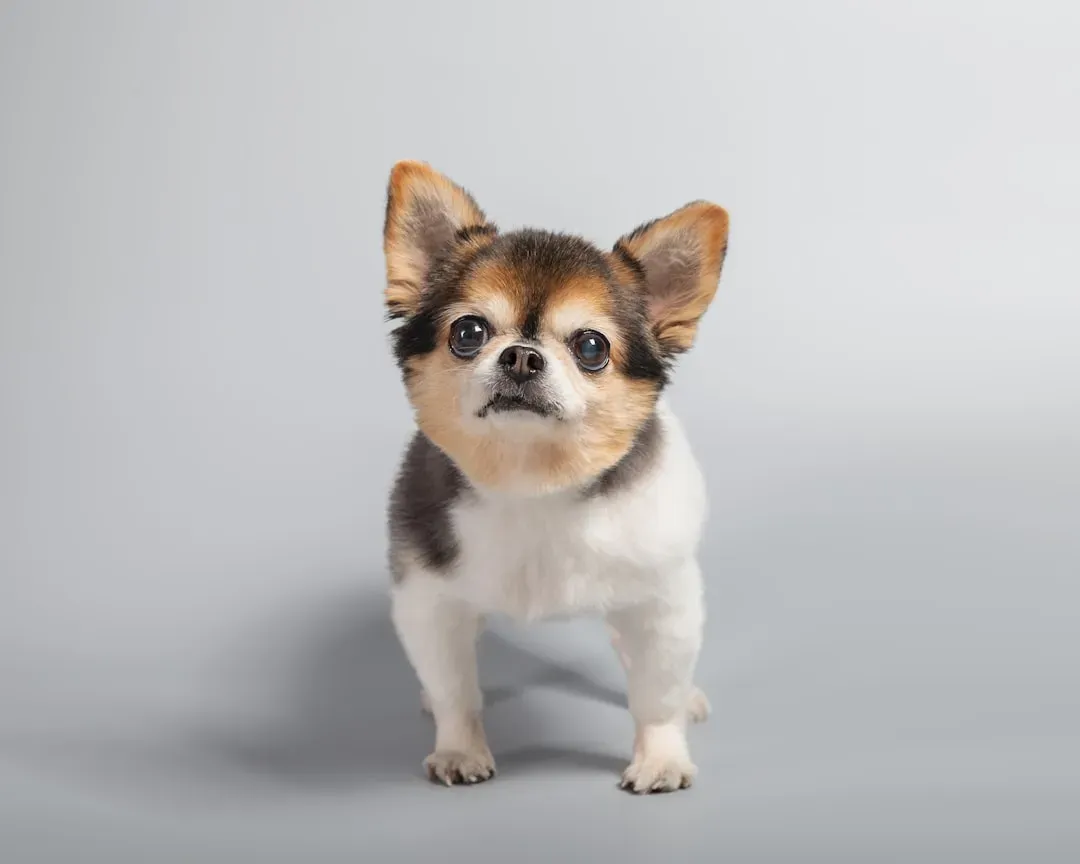
Here is one way Chihuahuas are truly different from numerous other breeds: longevity. These tiny canines routinely live 14 to 18 years, with some living well into their twenties. That is potentially two decades of companionship. Before you say “that sounds wonderful,” pause and think about what that really means. Two decades of vet bills, behavioral management, dietary needs, and age-related health conditions.
It might surprise you that Chihuahuas can reach such a ripe old age, but remember that you will be responsible for their care. Be prepared for the longer lifespan in terms of keeping them comfortable should they develop arthritis, declining eyesight, or dental disease. The commitment you are signing up for is real and long. Life changes, relationships shift, and your tiny dog will still be right there, needing you just as much as day one.
So Should You Really Never ?
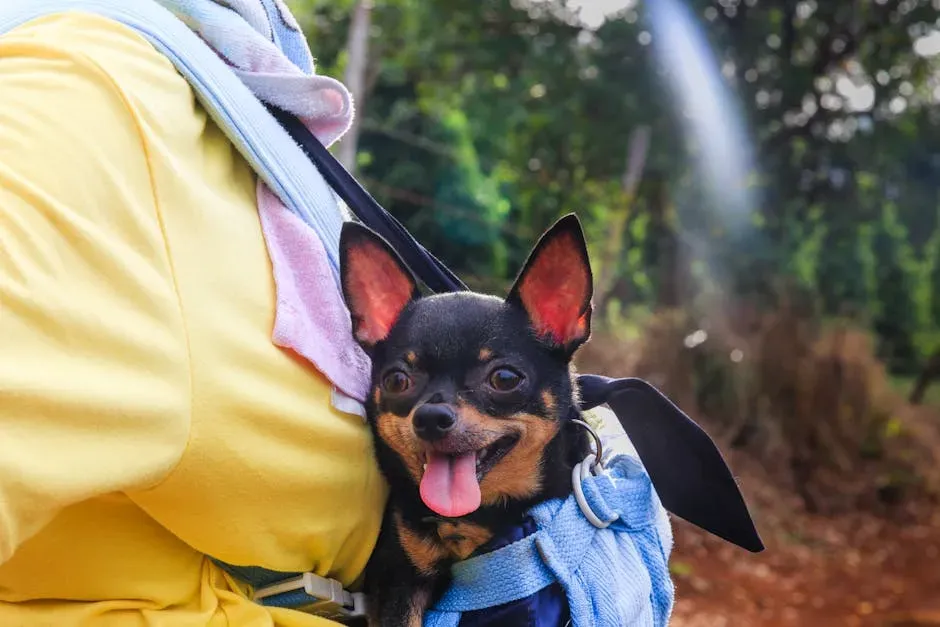
Here is the honest truth. The title of this article is a little provocative on purpose. Chihuahuas are not bad dogs. They are complex, passionate, deeply bonded animals who demand an equally committed owner. They thrive in homes where they are given consistent training, socialization, and plenty of affection, doing best with attentive owners who understand that their size makes them delicate but their personalities make them mighty.
Every challenge listed above has a solution rooted in patience, consistency, and love. With proper care, patience, and consistent training, Chihuahuas can be loving, well-behaved companions, because each dog is an individual and with the right approach they truly flourish. The question was never really whether you should . The real question is whether you are truly ready for one.
So, now that you know what you are actually signing up for, would you still say yes? Tell us in the comments. We genuinely want to know.


