
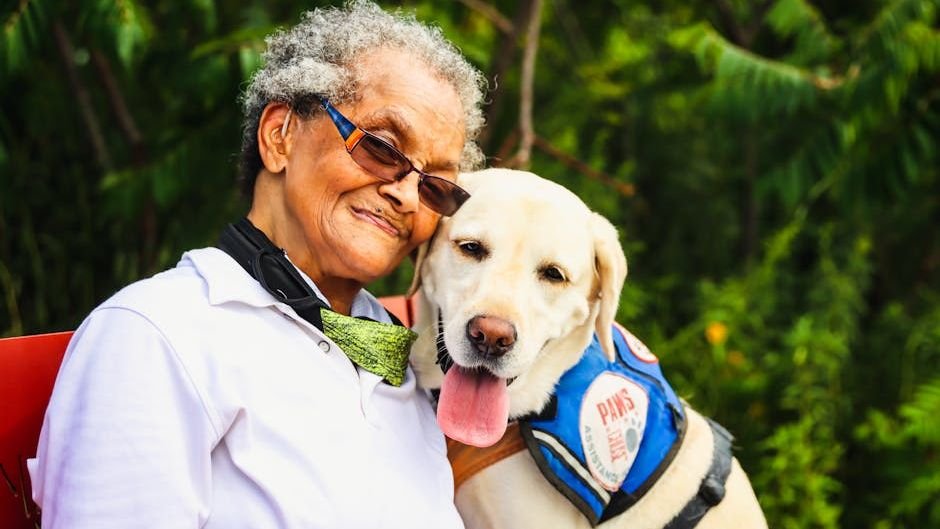
Picture this: a grey-muzzled dog, calm eyes full of quiet wisdom, resting its head gently on your lap within hours of arriving home. No chaos, no chewing your favorite shoes, no 3 a.m. zoomies. Just warmth, trust, and a kind of connection that is hard to put into words.
Senior dogs are, honestly, one of the best-kept secrets in the world of pet adoption. They wait in shelters longer than almost any other group, often passed over for bouncy puppies whose cuteness is impossible to ignore. Yet the people who open their hearts to an older dog will tell you, almost without exception, that it was one of the most meaningful decisions they ever made.
There is something profoundly moving about giving a dog their second chapter. So whether you are a seasoned dog parent or thinking about your very first adoption, you might be surprised by just how much a senior dog has to offer. Let’s dive in.
They Are Already the Dog They Are Going to Be

Here is the thing about puppies: they are adorable little mysteries. You have no real idea how big they will grow, how their temperament will settle, or whether they will turn out to be a couch cuddler or a high-energy escape artist. With a senior dog, all of that guesswork is gone. Adopting an older dog gives you instant knowledge – you will know from the start important things like their full-grown size, personality, and grooming requirements. What you see is genuinely what you get.
Think of it like buying furniture. A puppy is ordering online and hoping the color matches. A senior dog is what you actually see in the showroom. Senior dogs often come with life experience, predictable temperaments, and established manners. That kind of predictability is genuinely priceless, especially for families with specific lifestyle needs or living arrangements. No surprises. Just a real, fully-formed companion ready to fit into your life.
The Training Headaches? Mostly Already Handled
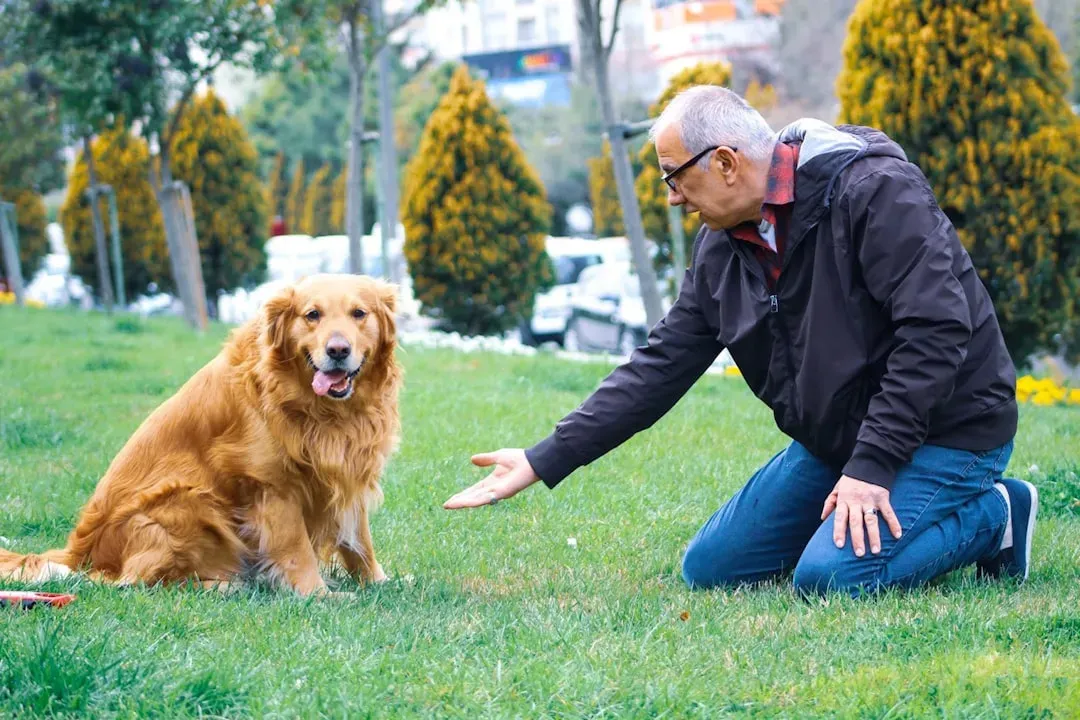
Ask anyone who has raised a puppy, and they will admit it is a full-time second job. The potty accidents, the chewing, the barking at 6 a.m., the crate training that seemingly never ends. Most older dogs available for adoption have already been pets before, and most likely will already be housetrained, know basic obedience commands, and have prior socialization, which helps prevent behavioral issues. You are skipping the hardest part entirely.
Dogs can be trained at any age, and older dogs are just as smart as younger ones. In fact, they can be easier to train because they are calmer and have a greater attention span than a puppy. So if you ever worried that an older dog would be set in their ways and impossible to guide, think again. Senior dogs are generally eager and willing to learn, and teaching them new skills, such as putting a toy back in the toy bin or pawing a door when they need to go outside, also helps keep their cognitive function sharper and provides a sense of purpose.
The Calm Energy Is Genuinely Life-Changing
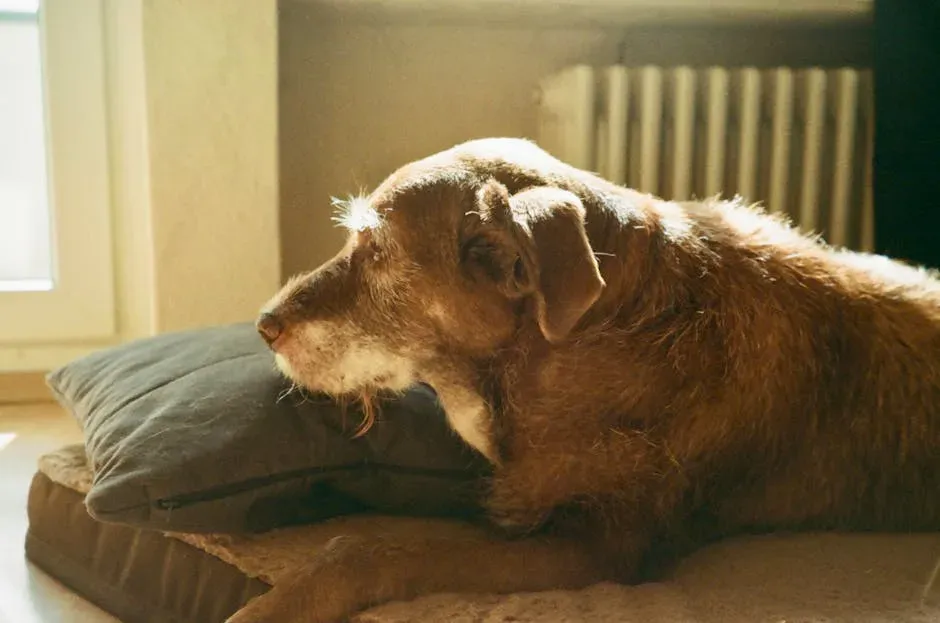
Honestly, if you have ever lived with a young dog going through their wild phase, you know the exhaustion is real. Furniture gets destroyed. Gardens get dug up. Walks turn into you being dragged down the street like a waterskier. By the time a dog reaches their senior years, they will probably be more interested in snoozing in their doggy bed than in chasing after squirrels or digging up the yard. While older dogs do need some entertainment and proper activity, their needs are less than those of younger pooches.
An older dog can get as many as 12 to 14 hours of sleep per day, may also rest an additional 30% of their day, meaning adult dogs may only be active about 20% of the day. That is not laziness. That is beautiful compatibility for someone who enjoys peaceful mornings and relaxed evenings. Senior pets bring companionship, stability, and love without the challenges of raising a puppy, making them excellent choices for busy households, seniors, and first-time dog owners.
They Bond Deeply and Quickly – Often Out of Pure Gratitude
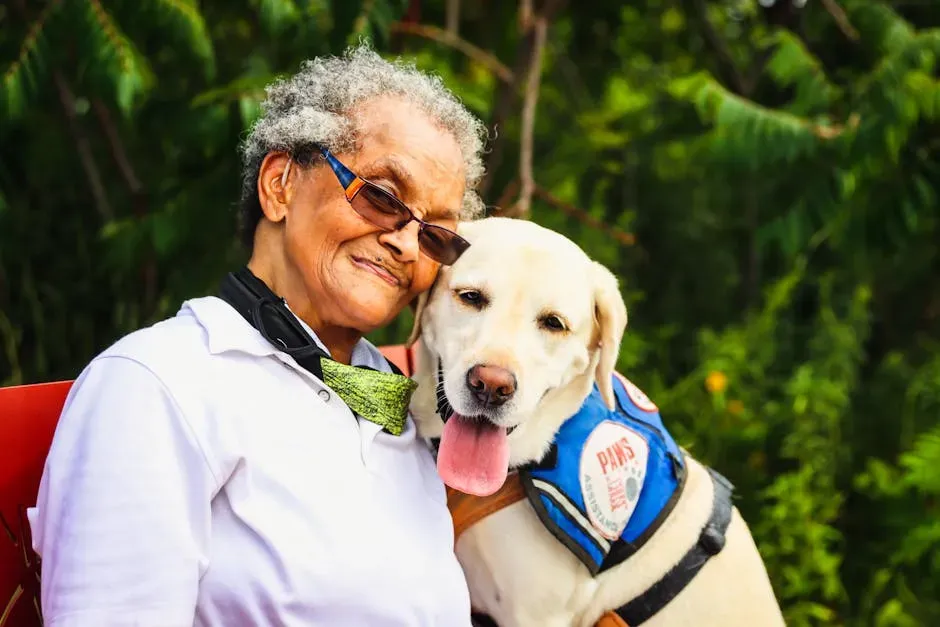
There is a running theory among rescue workers and experienced adopters: senior dogs seem to know they have been saved. I think there is real truth to this. Older dogs form strong bonds with their new parent and tend to be very loyal to them since the owner is responsible for bringing the dog into a better living environment. That loyalty is not something you train or manufacture. It seems to come from something deeper.
Many adopters strongly believe that senior dogs who they have adopted know how fortunate they are and greatly appreciate the second chance at happiness that their new person has given them. From their perspective, life is good, and they are grateful for cuddle time, an extra treat, and most of all, extra attention. Senior dogs form strong emotional connections with adopters who give them a second chance. That kind of connection is something you genuinely cannot put a price on.
You Are Literally Saving a Life

This one hits hard. While 60% of puppies and younger dogs get adopted, only 25% of senior dogs find new homes. Those are sobering numbers. According to the ASPCA, approximately 390,000 shelter dogs are euthanized each year, and senior animals are usually the last to be adopted. Choosing to adopt a senior dog is, in the most direct sense possible, a life-saving act.
With only 25% of senior dogs finding new homes, and their presence in shelters often having nothing to do with behavioral issues, it becomes clear that the system is not entirely fair to them. About 75% of animals are surrendered for adoption due to human circumstances. Leading causes include the owner having too many pets or housing reasons, and the behavior or personality of the animal only accounts for 8% of surrenders. These dogs are not problems. They are simply victims of bad timing.
Health Surprises Are Far Less Likely Than You Think
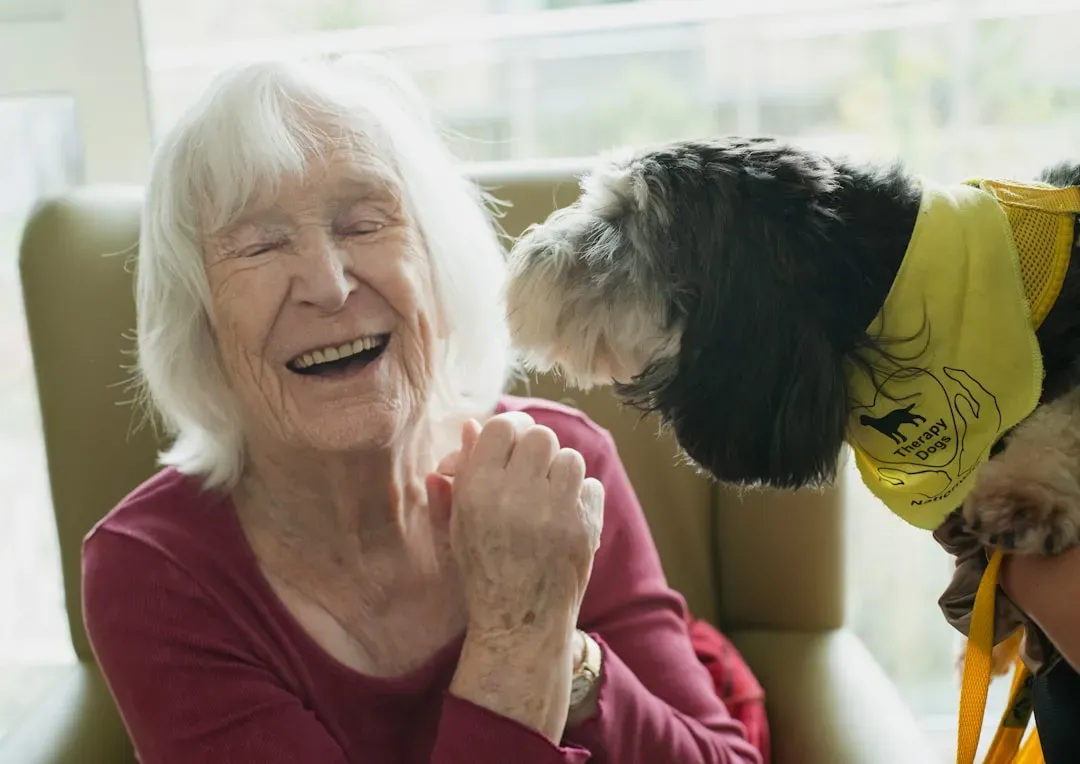
A lot of people shy away from senior dog adoption out of fear. They imagine endless vet bills, mysterious illnesses, heartbreak around every corner. It is a fair concern, but it is worth understanding the full picture. Many senior dogs come with training and medical histories, making them easier to integrate into your life. Shelters and rescues often already know what health conditions a dog has, so you walk in with eyes open rather than guessing.
When considering adopting a senior pet, potential adopters should be aware of common health concerns such as arthritis, dental issues, vision and hearing loss, and chronic conditions. Regular veterinary check-ups are essential to monitor and manage these conditions effectively, and senior pets may also require special diets, supplements, or medications to maintain their health. The key is proactive care. Arthritis in dogs is the biggest cause of chronic pain in older pets, but with early diagnosis and appropriate management, your pet can continue to lead a happy life. Knowledge truly is power here.
Watching for Health Signs Becomes Second Nature
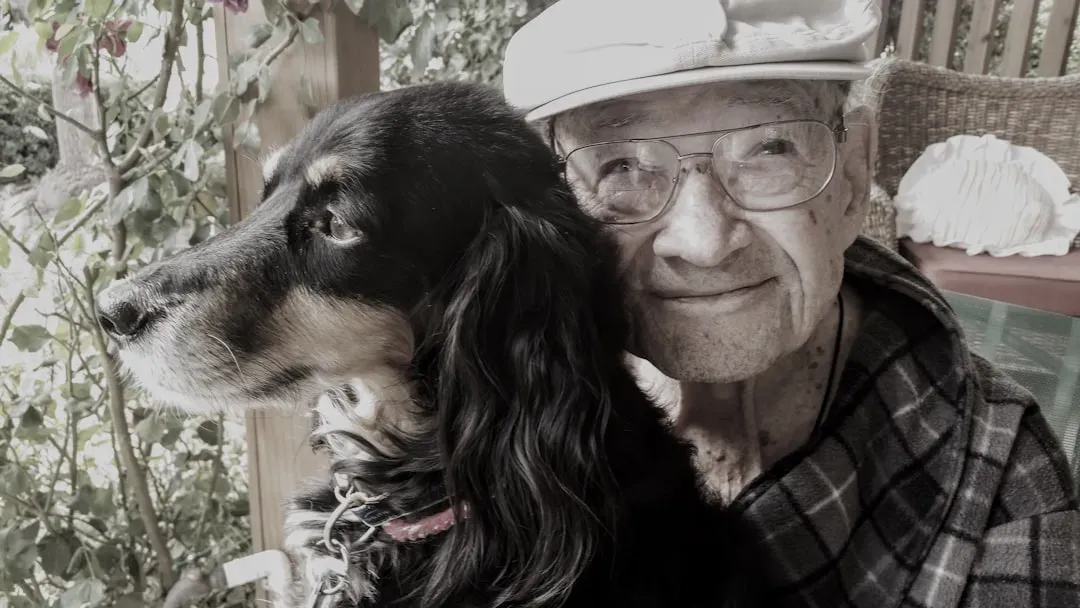
One of the genuinely rewarding parts of caring for a senior dog is how attuned you become to their body language and behavior. Dogs have been domesticated for thousands of years, but retain their natural instinct to hide weakness – so it is important to learn to read their body language, especially with senior dogs. Catching something early can make all the difference. Signs of pain possibly related to arthritis include licking or chewing a joint, slowness to climb stairs or jump on furniture, changes in gait, changes in appetite or sleep, and excessive panting unrelated to hot weather.
Prevention and early action are your greatest tools. Glucosamine and chondroitin are effective supplements for senior dogs with arthritis, working together to rebuild and maintain healthy cartilage. Omega-3 fatty acids in fish oil help reduce joint inflammation and promote long-term relief, while other helpful supplements include MSM for inflammation and turmeric for its natural pain-relieving properties. Think of this attentiveness less as a burden and more as a form of love in action. You learn to truly see your dog.
Adoption Costs Are Often More Affordable

Let’s be real about the financial side, because it matters. Adopting any dog involves costs, but senior dogs tend to come with some financial advantages right at the start. Some shelters will charge less money for older dogs, and your vet bills upon adoption might also be less expensive than with a puppy, as rescues and shelters often spay or neuter all dogs before they can be adopted. You are not starting from zero.
Puppies and kittens usually have higher adoption fees, while adults and senior pets have lower fees. Beyond the initial adoption cost, there is also the practical reality that whereas puppies outgrow things like collars, beds, and toys, a senior dog’s size will already be known and is less likely to change. You buy the right-sized bed once. You buy the right collar once. It is a small thing, but it adds up in a surprisingly satisfying way.
They Adapt to Your Home With Remarkable Grace
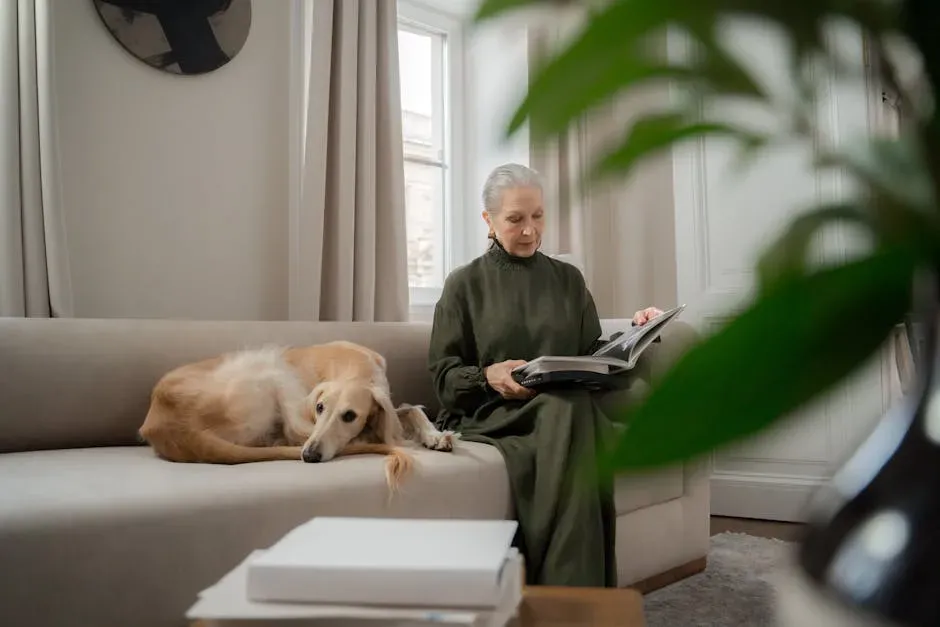
Many people worry that bringing an older dog into a new environment will be traumatic for the animal, and yes, there is always an adjustment phase. But senior dogs are often more adaptable than people expect. In many cases, older dogs are more well-suited for people, since raising a puppy is a significant, time-consuming responsibility, and older shelter dogs usually have some basic training and tend to settle into homes more quickly and easily than younger pets.
There is a widely used framework among rescue professionals called the 3-3-3 Rule. The first three days your senior dog may feel overwhelmed, unsure, or withdrawn, so it is best to give them space and avoid overstimulation. In the first three weeks, they begin to settle into routines, learn household rules, and start showing their personality. To make their adjustment easier, establishing a routine, providing a comfortable and quiet space, and showing them lots of love all help. Patience and consistency are key to helping the senior dog successfully adapt to a new space.
The Emotional Rewards Run Deeper Than You Expect
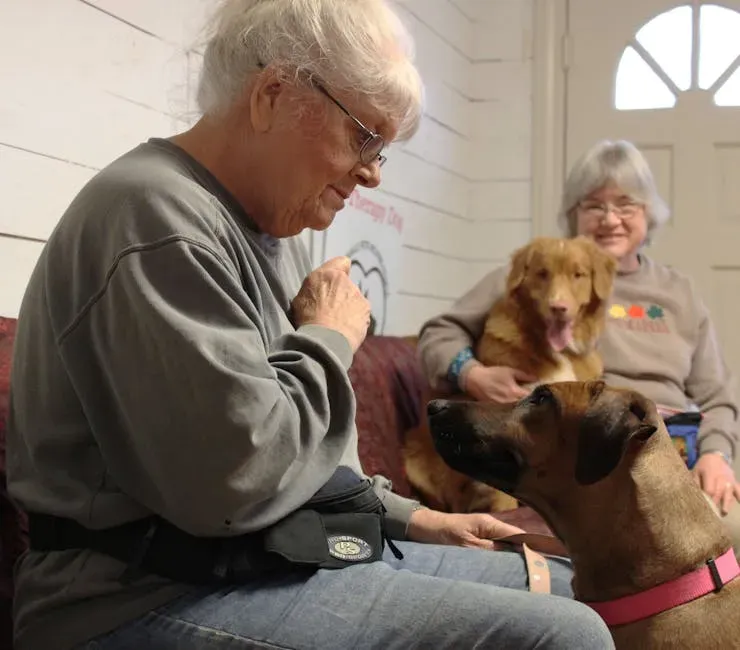
Here is something that is hard to fully convey until you have experienced it yourself. Caring for a senior dog gives you a perspective on life that younger, bouncier pets rarely offer. There is a stillness to them, a quiet dignity that teaches you to slow down and be present. When you adopt an older dog in their sunset years, you will know going into it that you may not have as much time together as you would with a puppy. That can be bittersweet, but it can also make that relationship even more special and meaningful, and many people find it very rewarding and fulfilling to show a sweet senior pet the kindness and compassion they deserve.
Unlike the rambunctious energy of a puppy, a senior dog brings a gentle presence, with years of experience evident in every wise, calm gaze. This is the beauty of senior dog adoption – a journey not just about giving an older dog a home, but about discovering the profound, often overlooked gifts these mature companions bring into our lives. While puppies are great, there is a special kind of joy and fulfillment that comes from giving a senior dog a loving home. It is a gift that flows unmistakably in both directions.
Conclusion: The Grey Muzzle Knows Something We Are Still Learning
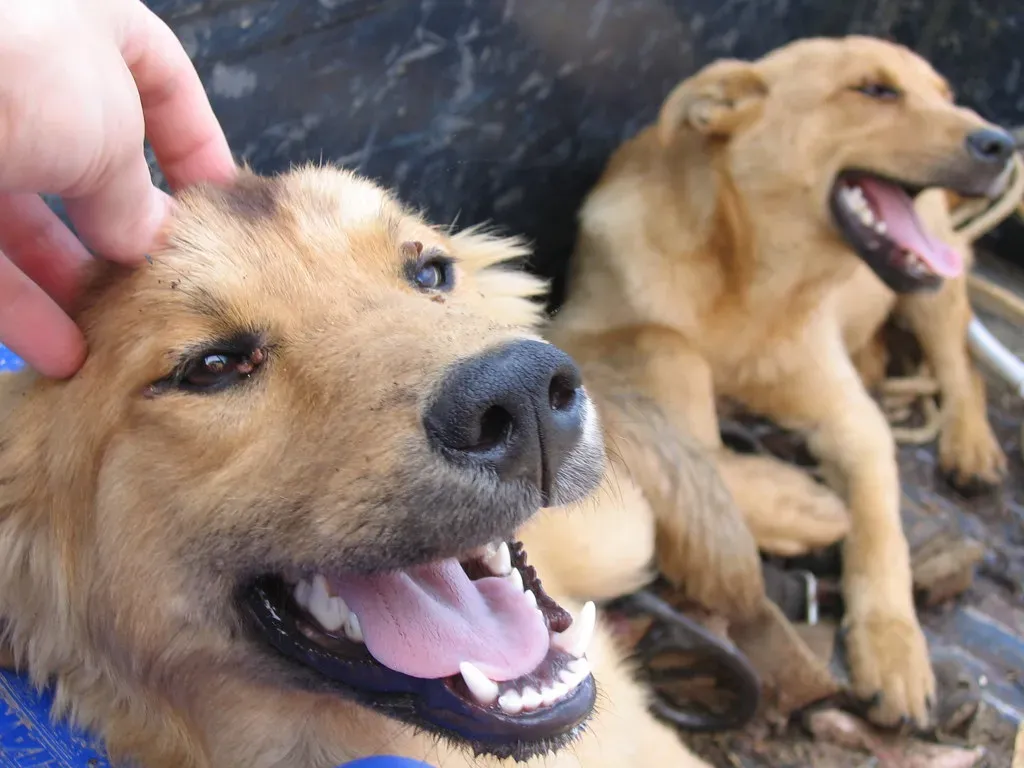
Senior dogs do not need our pity. They need our attention, our respect, and honestly, our willingness to look past a grey muzzle and see the extraordinary companion waiting on the other side of it. Senior dogs are filled with love and deserve to live out their remaining years in a safe, loving home. By choosing to adopt a senior dog, you can provide that second chance to them.
The rewards are not just emotional. You skip the chaos of puppyhood, gain a calmer home, spend less on adoption costs, and receive a loyalty from your dog that is almost impossible to describe. Every quiet morning walk, every slow tail wag, every heavy head rested on your knee tells a story of gratitude that goes both ways.
If there is one thing I hope you take away from all of this, it is simply this: do not scroll past the senior dogs at your local shelter. Walk in with an open heart, look into those wise eyes, and give that dog their final chapter. You might just find it becomes one of the greatest chapters of your own life too. Have you ever adopted or considered adopting a senior dog? Tell us your story in the comments – we would love to hear it.


