
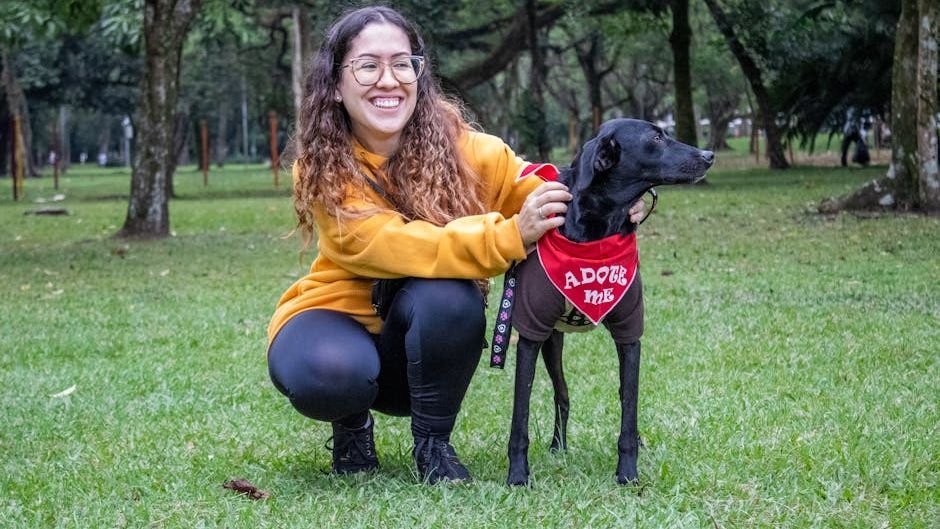
Imagine walking into an animal shelter and locking eyes with a dog who has been waiting, sometimes for months, just for someone like you to walk through that door. There’s something in that moment that’s hard to describe. It’s a pull that goes deeper than wanting a pet. It feels like purpose. Like you were supposed to be there.
Shelter adoption has been growing steadily across the United States, yet the need still far outpaces the numbers. Millions of dogs sit in kennels right now, healthy, loving, full of personality, simply waiting. And here’s the thing – when you adopt one of them, the life that changes most might not be theirs. It might be yours. Let’s dive in.
1. You Are Literally Saving a Life
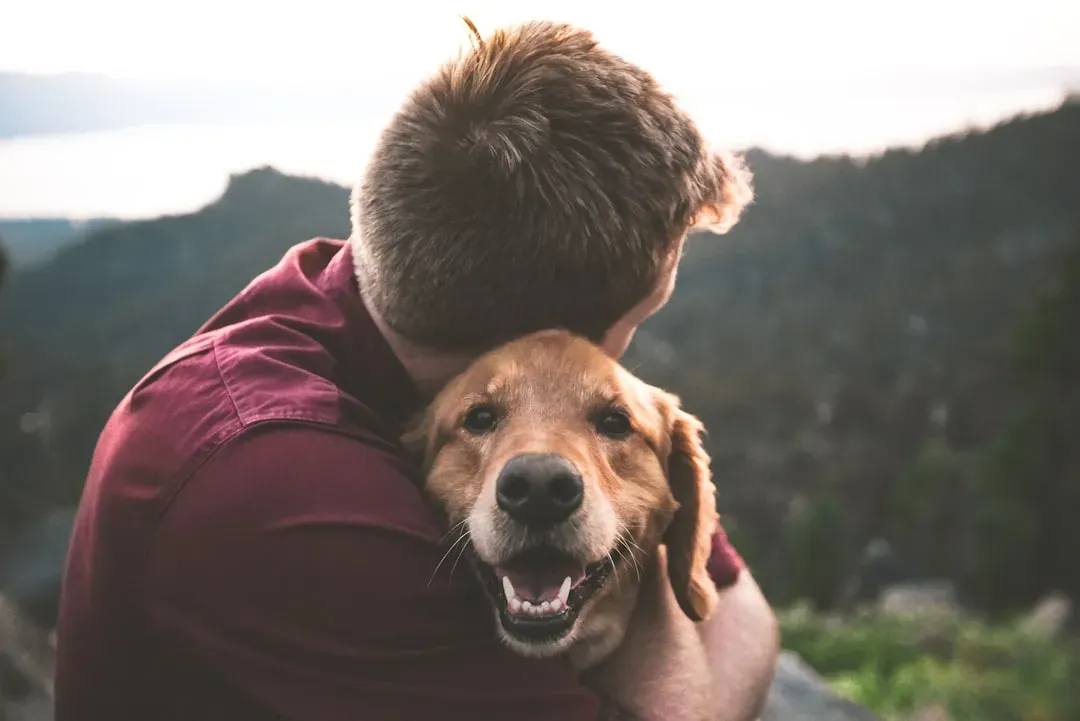
Let’s be real about what’s at stake here. About 670,000 dogs are euthanized annually due to overcrowding and lack of resources. That number is both heartbreaking and avoidable. Every single adoption directly chips away at it.
Shelters and rescue organizations are often overcrowded, and by adopting, you are providing a dog with a second chance at life and love. Think about that. Your decision to open your home doesn’t just change one dog’s story. It opens up a space for another dog in crisis to come in from the cold.
When you adopt a shelter dog, you are saving their life and preventing the possibility of euthanasia. You also open up a spot for another pet. It’s a domino effect of compassion, and it starts with you.
2. Your Wallet Will Thank You

Honestly, the financial case for adoption is pretty hard to argue with. Adoption fees typically range from $50 to $300, depending on the shelter and location, and often include the cost of spaying, neutering, vaccinations, and a microchip. In contrast, buying a dog from a breeder can cost anywhere from $500 to over $5,000, depending on the breed.
Adoption fees are even more of a bargain when you consider that most shelter dogs are spayed or neutered before they come home with you. That’s a procedure that can cost several hundred dollars on its own. You’re getting a ready-to-go companion, not a project estimate.
Beyond the upfront cost of a new puppy, they’ll also include a long list of required vaccinations on a strict schedule. Completing this task could mean spending upwards of $1,000 in the first few months of your puppy’s life. With a shelter dog, much of that groundwork is already done for you.
3. Shelter Dogs Come Ready to Love

Yes, shelter dogs are capable of forming strong bonds with new owners. It may just take different amounts of time for dogs to build trust with new people. Some dogs will make themselves feel right at home and may show love and affection to their new family right away.
Dogs love unconditionally, and that is twofold for shelter dogs. When you bring a shelter dog home, you provide them a new pack, a comfortable setting, and personalized attention they probably weren’t receiving before. They don’t just love you for being their person – they love you for giving their life stability.
It’s almost like they know. I think there’s a kind of gratitude in a shelter dog that you really can’t fully explain. It shows up in the way they stay close, the way they watch your face. It’s profound.
4. You’ll Boost Your Own Mental and Physical Health
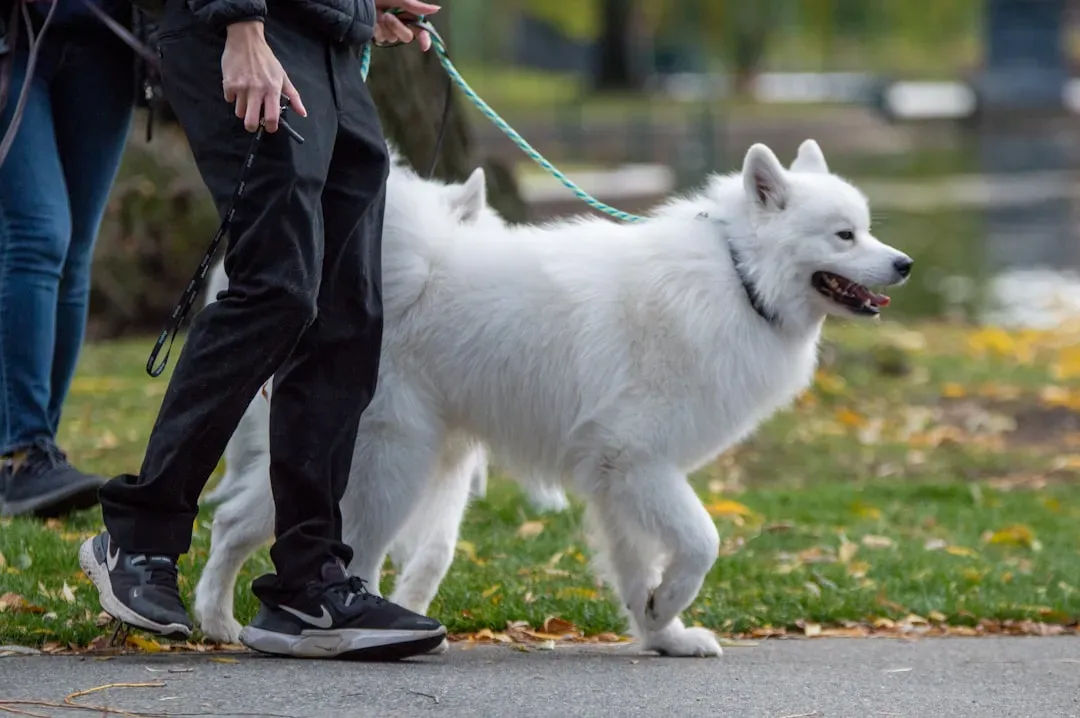
According to a study from HABRI (Human Animal Bond Research Institute), 74% of pet owners reported mental health improvements from pet ownership. That’s nearly three out of four people feeling measurably better simply because they have a dog in their life.
Studies highlight the role pets play in reducing stress, lowering heart disease risk, and improving overall mental health. When we interact with our pets, our bodies release oxytocin, the happiness and relaxation hormone. Your morning walk with your rescue dog isn’t just good for them. It’s medicine for you too.
A study from the American Heart Association even found that dog ownership was associated with a 24% reduction in mortality risk, particularly due to cardiovascular disease. Think about that the next time your dog drags you off the couch for a walk. They might literally be adding years to your life.
5. Shelter Dogs Are Full of Personality, Not Surprises
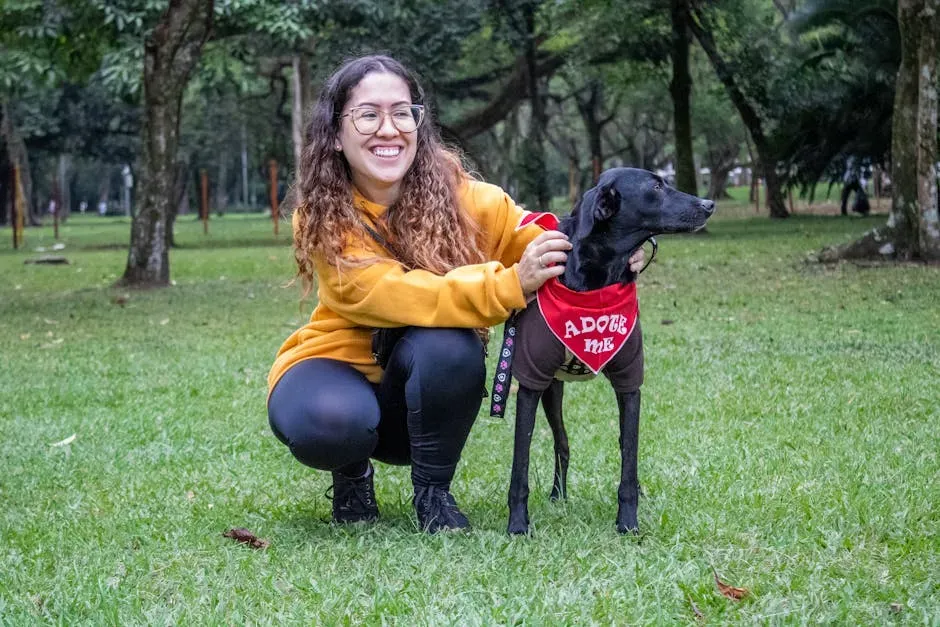
Here’s something most people overlook. When you adopt from a shelter, the staff already knows your potential dog. The staff at shelters spend time with each pet that comes through their program, which means you can get insight into a dog’s personality before you adopt them. They can also provide vital information regarding medical and behavioral history, making it even easier to determine which dog is the right fit for your family.
Adult dogs offer advantages like established personality and often some training. If you’ve ever tried to predict what an eight-week-old puppy will be like at age two, you know that’s basically impossible. With an adult shelter dog, what you see is largely what you get. It’s like a personality preview, and that’s genuinely valuable.
Many mixed breed pets spend time in foster homes before they are permanently adopted. These foster homes offer an invaluable service by providing pets with basic training, socialization, and a loving environment. Foster parents often teach the animals essential skills such as house training, walking on a leash, and basic commands.
6. Mixed Breeds Often Mean Fewer Health Headaches

The phenomenon known as “hybrid vigor” or heterosis results from genetic diversity. Mixed breed pets are less likely to inherit genetic disorders that commonly plague certain purebred lines. The blending of genes from various breeds can lead to a more robust immune system and overall better health.
A landmark study puts real numbers behind this. A 2013 University of California-Davis study looked at over 27,000 dogs. They found 13 health disorders showed no difference between mixed breeds and purebreds. Ten disorders appeared more frequently in purebreds, while only one was more common in mixed breeds.
The lower likelihood of genetic health problems in mixed breed pets can translate to savings on veterinary bills over time. Also, many shelters and rescue organizations include spaying or neutering, vaccinations, and microchipping in the adoption fee, adding even more value. It’s a win on both the health and financial front.
7. You’ll Stand Against Puppy Mills

Every time someone buys a dog from a pet store or an unverified online seller, they’re unknowingly funding a system that causes serious suffering. Every dog that isn’t purchased from a puppy mill means there’s less incentive for irresponsible breeding. Puppy mill dogs have higher rates of inherited and infectious diseases, and the mothers of these puppies often suffer from inhumane breeding practices and inadequate care.
By choosing to adopt rather than buy from a breeder, you are reducing the demand for puppy mills and unethical breeding practices that contribute to the surplus of homeless animals. Your adoption isn’t just about one dog. It sends a market signal. Demand drops, and the cycle slows.
When you adopt, you’re not supporting potentially unethical breeding practices, such as puppy mills or backyard breeders, which often prioritize profit over the welfare of animals. Shelters, on the other hand, are focused on finding loving homes for animals in need. That’s a mission worth supporting.
8. Routine and Structure Bloom Beautifully After Adoption

Pets depend on us for food, water, exercise, and care, but this dependence is reciprocal. The routine and responsibility of pet care establish purpose and structure. Pets need regular feeding and playtime, motivating owners to get out of bed each morning and maintain a consistent daily routine.
For your shelter dog, that same routine is the cornerstone of their recovery and comfort. During the initial adjustment period, try to keep your dog’s environment and routine as stable as possible. A predictable routine reassures your dog that their new home is safe and dependable. You are their anchor.
Establishing a daily routine with your pet can provide a sense of structure and purpose, which is particularly beneficial for individuals dealing with mental health challenges. Pets thrive with consistent routines, and by incorporating their routines into your daily life, they are in turn helping you stay on your routine. You end up helping each other, without even realizing it.
9. The Adjustment Period Is a Journey, Not a Setback

A lot of new adopters get nervous when their shelter dog seems withdrawn or scared at first. It’s hard not to take it personally. But it’s important to know this is completely normal. The initial stages of new dog ownership can be categorized under the “3-3-3 rule”: the first 3 days, when your pup is brand-new to the environment and may feel overwhelmed; the first 3 weeks, when your new dog has relaxed and is ready for training; and the first 3 months, when your dog has become part of the family.
Certain aspects of dogs’ behavior improved during the first 4 months after adoption. Training difficulties decreased significantly over this period, suggesting that the dogs became more obedient and less distracted as they adapted to their new environment and bonded with their owners. Patience isn’t just a virtue here. It’s the actual strategy.
Watch for behavioral cues like lip licking, yawning, or turning away – these are signs your dog is overwhelmed and needs space. Positive reinforcement is one of the most effective ways to build trust and encourage good behavior. Reward your dog with treats, praise, or affection when they exhibit positive behaviors. Keep it calm, keep it kind, and your dog will bloom.
10. You Become Part of a Community That Genuinely Cares

Pets can be wonderful conversation starters and social magnets. Taking your dog for a walk or visiting a dog park can lead to connections with other pet lovers, fostering a sense of belonging and community. It’s a soft kind of magic, but it’s real.
Even if your rescue pup is having a hard time adjusting, many shelters and adoption agencies offer a support system. They want to see your new dog succeed just as much as you do, and will often be available to answer any questions or provide pet care advice. You are never doing this alone.
Nearly two out of every three U.S. shelters are now no-kill, and that number continues to rise. By adopting, you become part of the force behind that progress. Every adoption strengthens that movement, one dog, one family, one wagging tail at a time.
A Final Thought Worth Sitting With

There is no shortage of reasons to adopt. The financial savings are real. The health benefits are documented. The lives saved are undeniable. Yet honestly, the most compelling reason isn’t in any study or statistic. It’s the moment, weeks or months after bringing your shelter dog home, when they curl up next to you and exhale deeply, completely at ease. That sound is trust. That sound is home.
Adoption asks something of you: patience, consistency, and an open heart. In return, it gives you something that’s genuinely hard to put a price on. A bond built from the ground up, forged through vulnerability on both sides, and sealed with unconditional love.
If you’ve been on the fence about adopting a shelter dog, consider this your sign. Go visit your local shelter. Sit with the dogs. Watch for the one who catches your eye and holds it. Something tells me you’ll already know what to do. What’s stopping you from making that visit this week?


