

There’s something almost magical about watching your grey-muzzled dog suddenly zoom across the living room, steal a sock, or roll over demanding belly rubs like a three-month-old. It stops you in your tracks. You think, “Wait – didn’t we leave these days behind?” Honestly, it can be one of the most heartwarming things you’ll ever witness. It can also be a little confusing, and sometimes – worth paying attention to.
Dogs may act like this at practically any age, but these are most often seen as “puppy” behaviors that owners don’t expect their adult dogs to show. Some will develop more than one of these behaviors, and they may come on slowly or seemingly overnight. So what’s really going on behind those big, bright eyes? Let’s find out.
1. They’re Simply Feeling Good – and Showing It
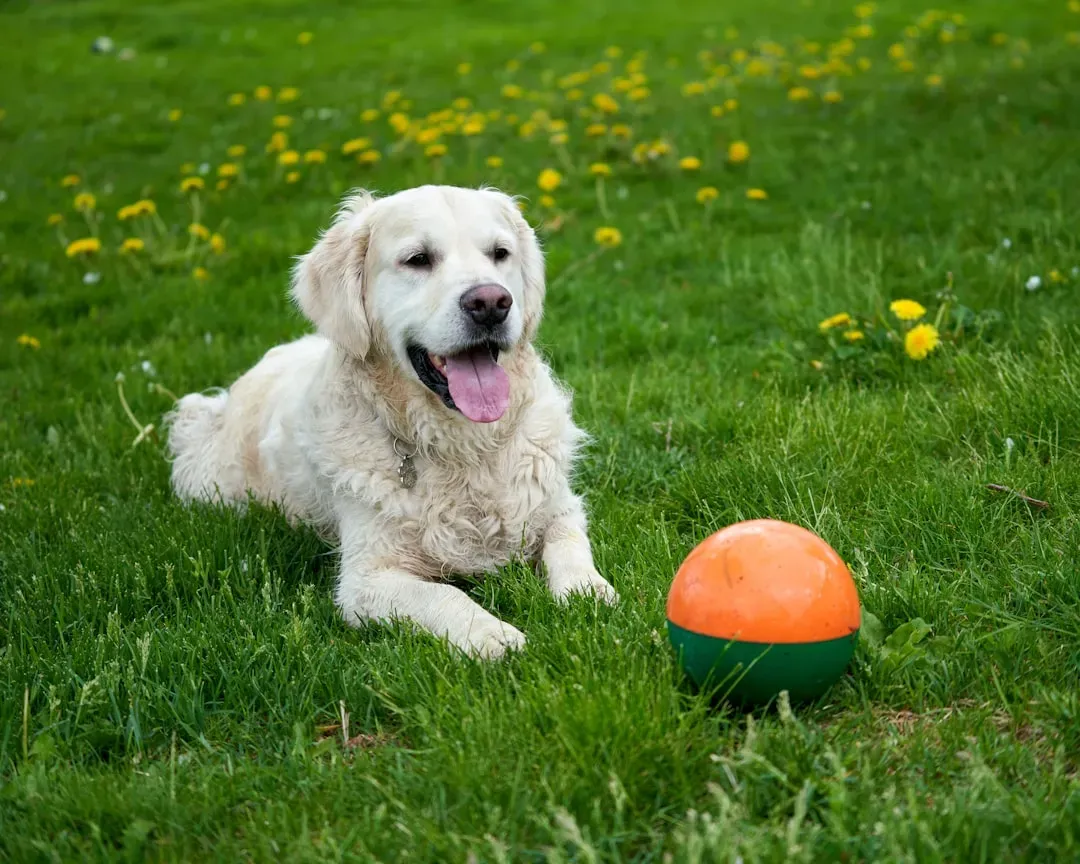
Sometimes the simplest explanation really is the right one. One common misconception is that playful behavior in older dogs is always a sign of underlying health issues. While it’s important to be watchful about significant changes, occasional bursts of energy and playfulness are generally normal.
Signs your senior dog has become more playful include renewed curiosity in old toys, more play bows and lively movements, and joyful vocalization. Dogs can also go through behavior cycles with episodes of increased well-being and decreased energy. Think of it like your dog having a really good day, the canine version of waking up on the right side of the bed.
One of the most heartwarming shifts is when senior dogs suddenly become playful. This positive twist can leave us pleasantly surprised and wondering about the reasons behind this newfound liveliness. Enjoy those moments. They’re a gift.
2. A New Friend or Pet Has Sparked Their Inner Pup
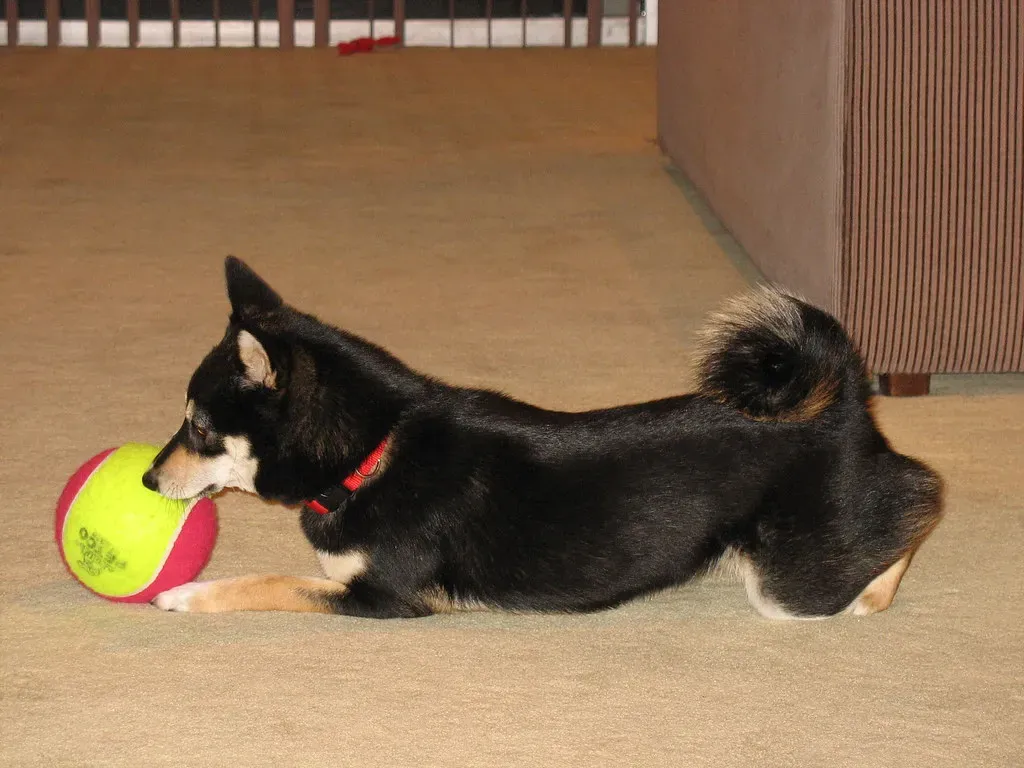
Some issues may have an obvious trigger, such as a new pet being brought into the home. Introducing a younger dog or even a kitten into the household can light a fire under a senior dog that hasn’t been enthusiastic about much for a while. It’s almost like seeing them remember who they used to be.
Any change in routine or environment can bring forth behavioral changes. Routine and consistency provide dogs with comfort, safety, and predictability, and changes like a new baby or pet can cause noticeable behavioral shifts. Sometimes that shift is a delightful burst of puppy energy rather than anxiety.
3. Boredom Is Pushing Them to Misbehave

If a dog misses being physically active, they may compensate by being more playful and active. Bored dogs have a tendency to get into trouble, which can lead to behavior problems such as destructive chewing, digging, and excessive barking. Sound familiar? That’s your senior pup saying, “Hey, I need something to do around here.”
Some breeds are more likely to become destructive, particularly those that are intelligent or come from working stock such as the Border Collie, Siberian Husky, and Jack Russell Terrier. They may chew skirting boards, scratch at doors, dig in the garden, or rummage through the bins when no one is watching. The fix? More enrichment, more interaction, more nose games. A tired dog is a happy dog, even at ten years old.
4. Pain or Discomfort Is Being Expressed in an Unexpected Way

Here’s the thing that surprises a lot of dog owners: not all puppy-like behavior in seniors is cheerful. Pain and discomfort are often blamed for sudden behavioral changes in dogs at any stage of life. Your dog may be in pain due to various age-related diseases such as arthritis or dental disease, and since dogs cannot vocally communicate, they can only show you something is wrong through behaviors.
If your dog suffers from joint pain and arthritis, they may become more active and playful in an attempt to soothe their aching joints with exercise. I know it sounds counterintuitive, but movement can feel like relief to a dog in low-grade pain. Watch for limping, stiffness after rest, or reluctance to lie down as clues that something more is going on.
5. Their Brain Chemistry Has Changed With Age
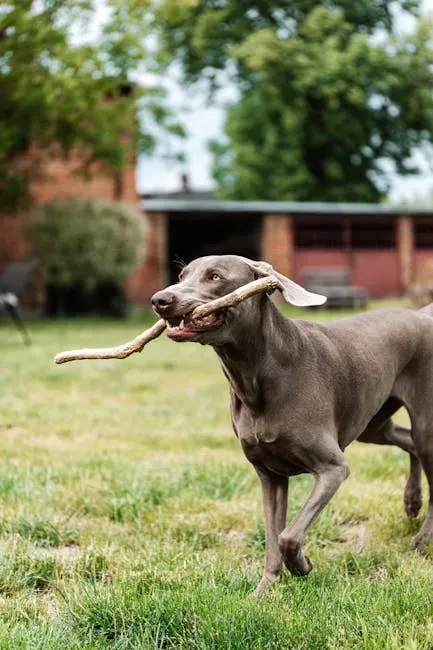
The dog’s brain chemistry changes with age, and those chemical changes lead to alterations in personality and temperament. An otherwise hyper dog can become a couch potato, and a lazy dog can feel like they’re living their second youth. There is no rule about which personality traits senior age will trigger in your dog.
The changes in brain chemistry may result in increased sensitivity. A sensitive dog reacts to their owner’s emotions strongly and intensely. If you feel excited, stressed, agitated, or angry, the strength of these feelings can have a significant impact on your suddenly overly-sensitive older dog. In such cases, the emotions are so strong that your dog simply does not know what to do with them, and as a response, they start redirecting to playfulness and hyperactivity.
6. Canine Cognitive Dysfunction Is Flipping Their Sleep-Wake Switch

Cognitive dysfunction syndrome (CDS) is a common age-related disease in dogs that affects the brain, causing deterioration similar to Alzheimer’s disease in humans. Dogs may start to develop CDS around nine years of age or older, and the condition may be underdiagnosed since the behavioral changes progress slowly and owners may assume some changes are a normal part of aging.
Some dogs with CDS have altered sleep-wake cycles, so they sleep during the day and are more active at night. So if your older dog is suddenly bouncing off the walls at midnight while sleeping most of the afternoon, that’s not them turning into a party animal. The estimated prevalence rates of CDS range from roughly one in seven to more than a third of the pet dog population, with prevalence dramatically increasing as dogs age – jumping sharply in dogs aged fifteen to sixteen. Talk to your vet. Early intervention truly matters here.
7. A Thyroid Imbalance Is Supercharging Their System
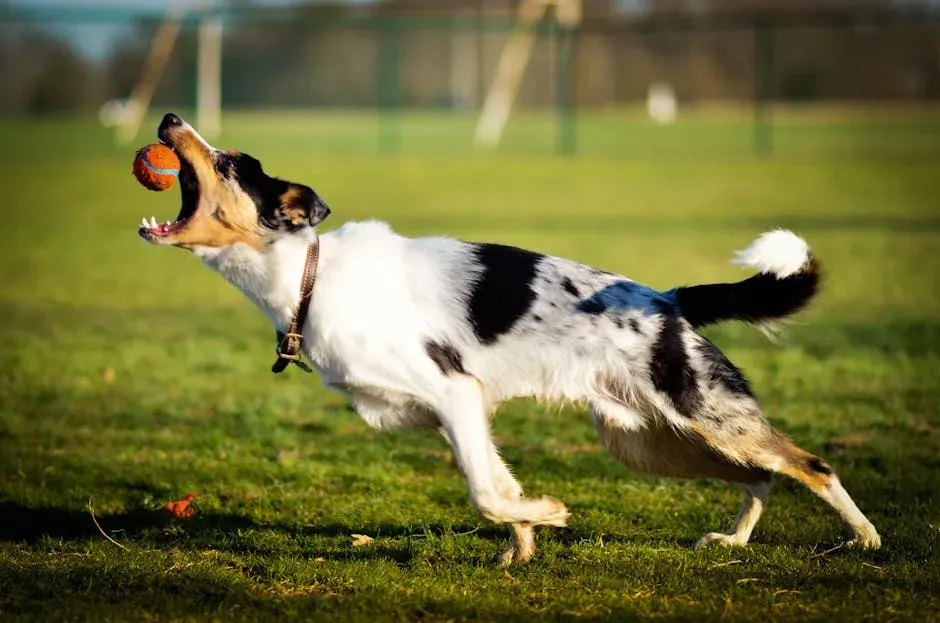
Less commonly, dogs may develop hyperthyroidism, where the thyroid produces excessive hormones. This typically causes weight loss despite increased appetite, hyperactivity, increased thirst, and sometimes gastrointestinal upset. In other words, your calm, mature dog may suddenly seem wired, restless, and oddly puppy-like, not because they’ve rediscovered joy, but because their hormones are in overdrive.
If a senior dog’s sudden energy is accompanied by other changes such as restlessness, excessive thirst, or a notable drop in weight, it could indicate a health issue like thyroid imbalance. A simple blood test at your vet’s clinic can check thyroid hormone levels and give you real answers. With proper medication and management, most dogs with thyroid conditions can lead normal, happy lives. Don’t wait and wonder.
8. Routine Changes Have Thrown Them Off Balance
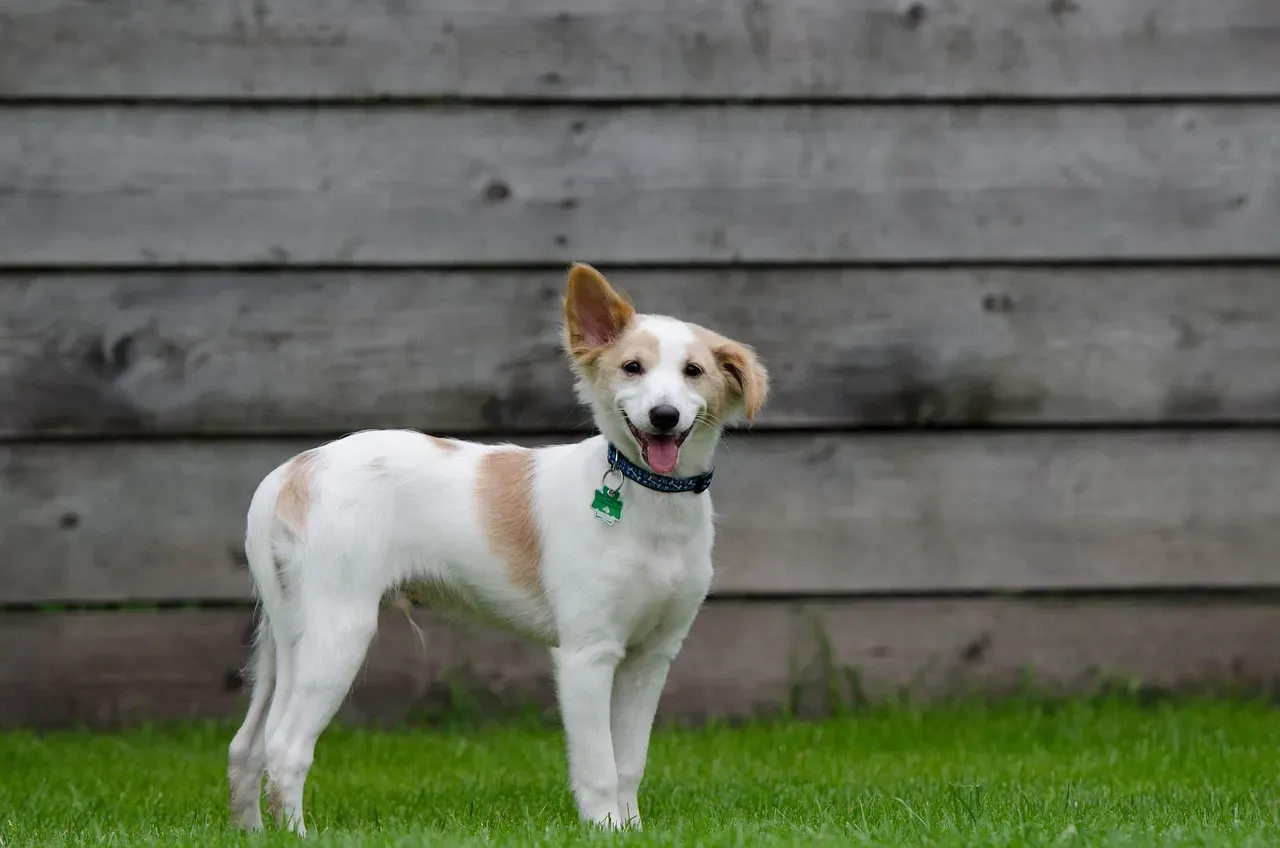
Dogs are creatures of habit. They thrive on routine, familiarity, and a sense of stability in their environment. When something changes, it can have a big impact on your dog’s behavior. A new work schedule, a house move, a family member leaving or arriving – to your dog, these are seismic events.
Young dogs usually handle changes better than older dogs and can adapt more quickly to a new lifestyle. If your dog is feeling overwhelmed, they can definitely display hyperactive or anxious behaviors. Elderly dogs can become more emotionally sensitive with age. That frantic, whirling-dervish energy might just be your senior dog saying, “I don’t know what’s going on, and I don’t love it.” Reassurance, predictable schedules, and calm handling go a long way.
9. They’re Rediscovering Play Through Learned Behavior
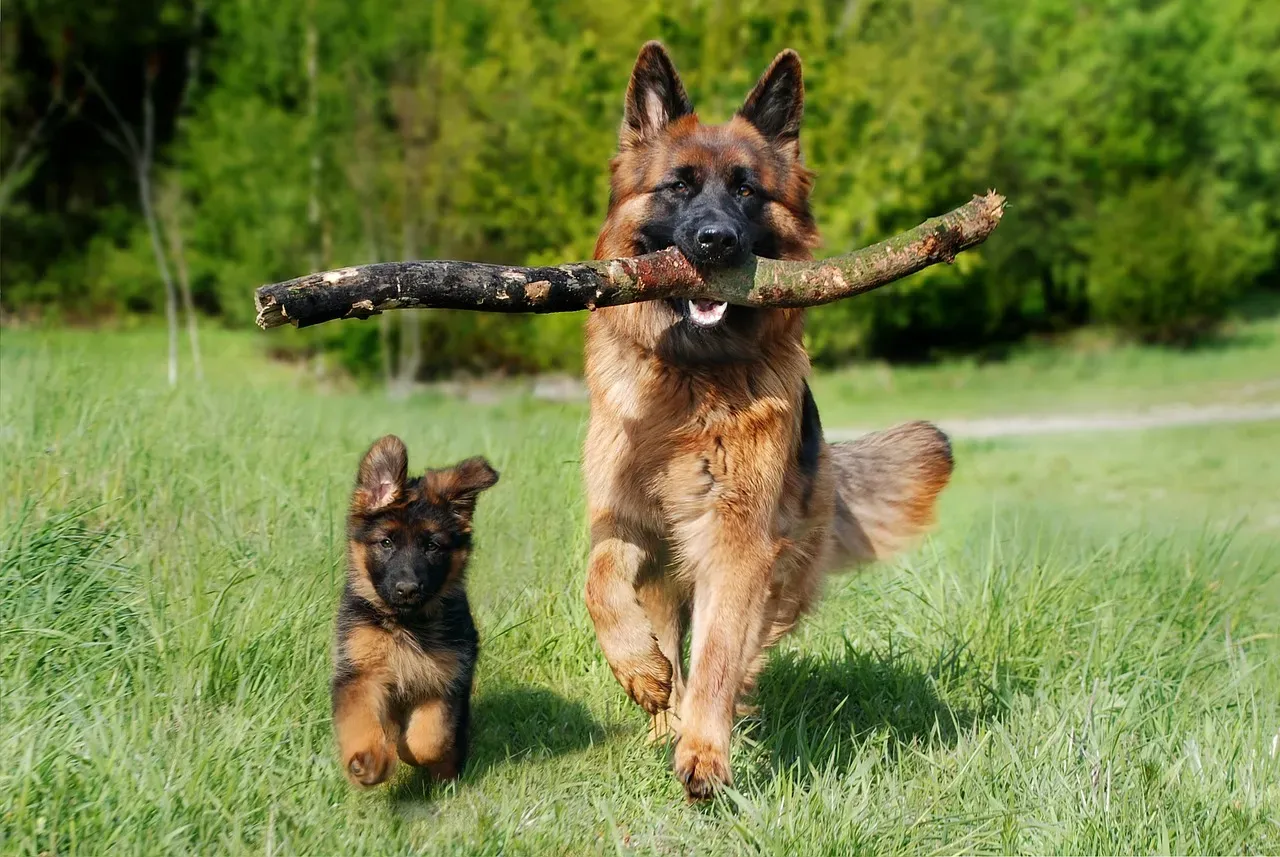
Here’s something that genuinely surprises people: older dogs are incredible learners. Older dogs often learn more quickly because they have a longer learning history of reinforcement and aren’t as distracted by their environment as puppies and younger dogs. So if you’ve started playing more, laughing more, or simply paying them more attention, your dog has noticed and is responding in kind.
Dogs who suddenly take up digging, start carrying toys around like comfort objects, or older dogs who fall in love with sniffing games after years of high-energy walks are all examples of dogs picking up on cues from their environment and responding with new behaviors. Just like us, dogs change as they grow and their needs evolve. Older dogs might get new habits because their senses, confidence, or mobility change. It’s a reminder that they’re always paying attention to you.
10. House-Training Regression Is Making Them Seem Like a Puppy Again
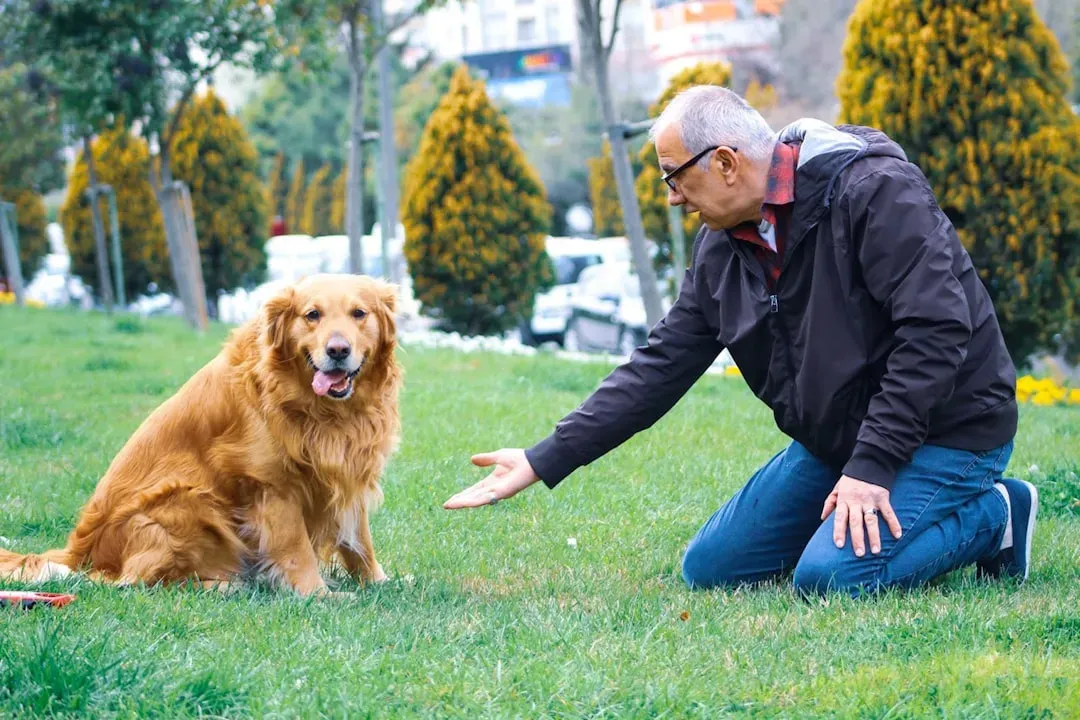
Your older dog may experience housetraining accidents. As a dog ages, they may not be able to hold their bladder as long as they could in their prime years. Physical aging aside, dogs also have accidents in your home due to stress. This is one of the more frustrating “puppy throwback” behaviors, especially when you thought those days were long behind you both.
Any number of medical problems can contribute to house soiling, including sensory decline, neuromuscular conditions that affect your dog’s mobility, cognitive dysfunction, endocrine system disorders, and any disorder that increases your dog’s frequency of elimination or decreases bladder or bowel control. The key takeaway? If your older dog is peeing inappropriately, your first stop should be your veterinarian to rule out a physical problem. This is never about spite. It’s always about something real.
A Warm Word Before You Go
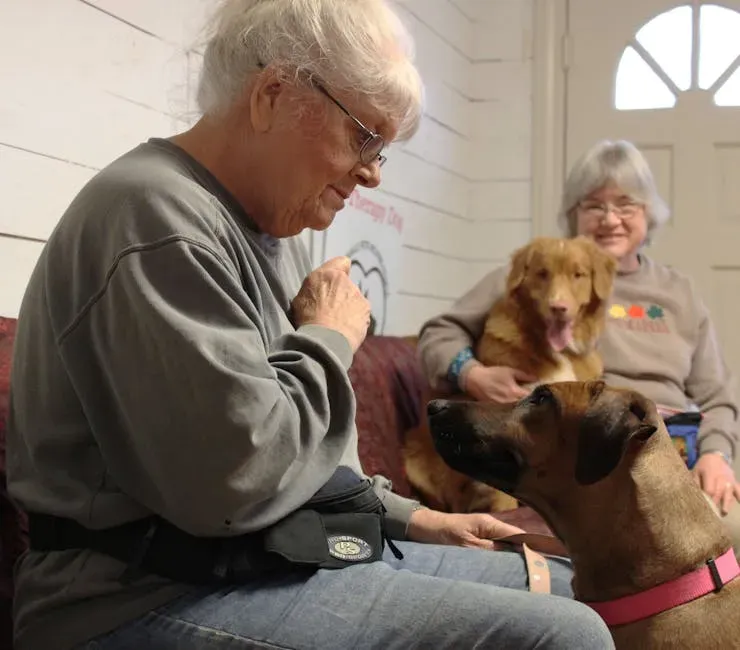
Watching your older dog bounce back to their puppy-like antics can fill your heart right up. Sometimes it’s pure joy, a healthy dog in a great environment living their best life. Sometimes, it’s a quiet signal that something needs attention. The truth is, it’s often a bit of both.
Senior dog behavior changes might indicate underlying health issues such as pain, cognitive decline, or sensory impairments. An older dog’s personality change could also signal emotional distress or anxiety, so it’s essential to monitor these changes closely and consult with a veterinarian promptly.
You know your dog better than anyone. Trust that knowledge. Lean into the joy when it’s there, and lean into your vet when something feels off. Since dogs age faster than people, your vet might recommend checkups at least twice a year. This can help uncover diseases in the early stages – possibly before symptoms show, and when treatment is much more likely to be successful.
Your senior dog still has so much love and life to give. The puppy energy, real or quirky or something in between, is just one more chapter in a story you’re lucky enough to share. What has your older dog surprised you with lately? Share it in the comments below – we’d love to hear every tail-wagging tale.


