
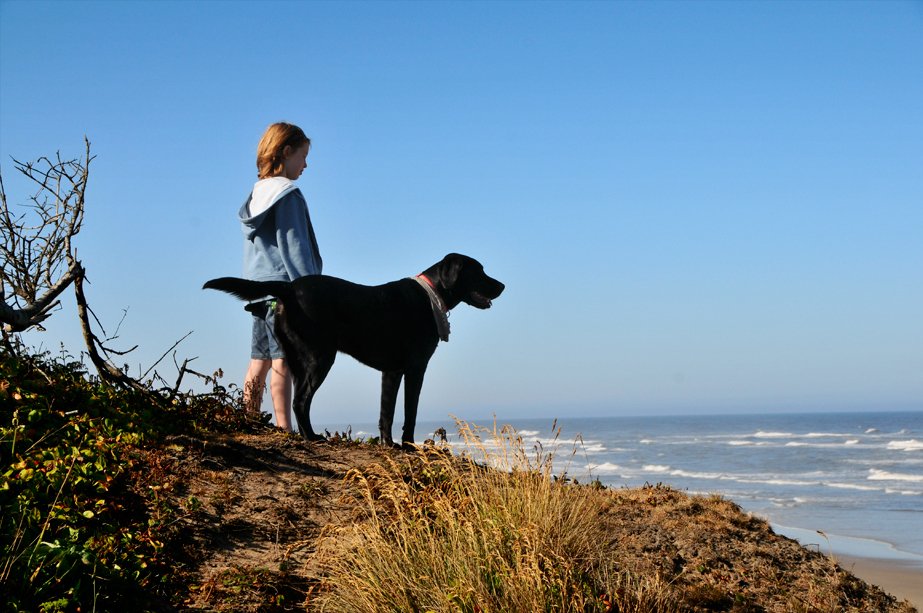
You’ve probably noticed it – that moment when your furry best friend lights up like a Christmas tree for one person while barely acknowledging another. Your dog might race to greet your neighbor but hide behind your legs when meeting someone new. Or perhaps they follow one family member everywhere while giving others the cold shoulder. This isn’t random behavior, and you’re not imagining things. There’s actual science behind your dog’s preferences, and it’s more fascinating than you might think.
The Magic of Scent Memory
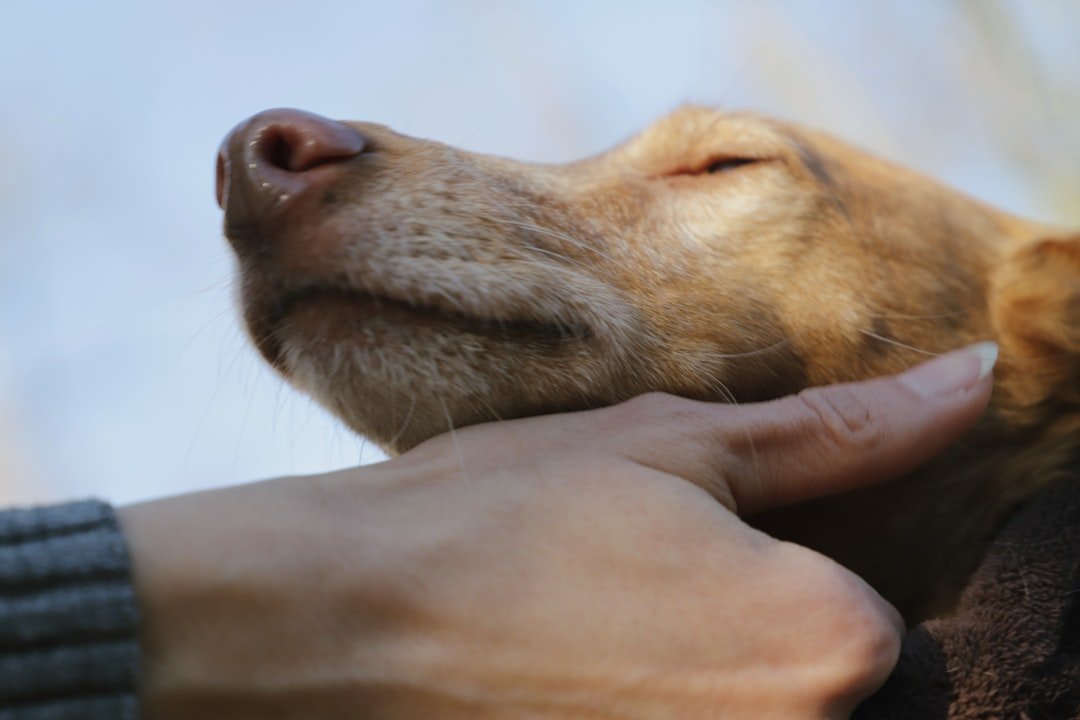
Your dog’s nose doesn’t just smell – it creates emotional connections. Research shows that when dogs smell familiar humans, the caudate nucleus in their brain – the same area associated with positive expectations and rewards – activates more strongly than when they encounter any other scent. This means your pup literally gets a rush of good feelings just from catching a whiff of someone they love.
Dogs can identify individual humans by scent alone, and they don’t need to see us to know who we are. Think of it like your dog having a photo album in their nose, where each person has their own unique signature scent that triggers specific memories and emotions. When they smell someone who’s been kind to them, given them treats, or provided comfort, their brain floods with positive associations.
Body Language Speaks Volumes
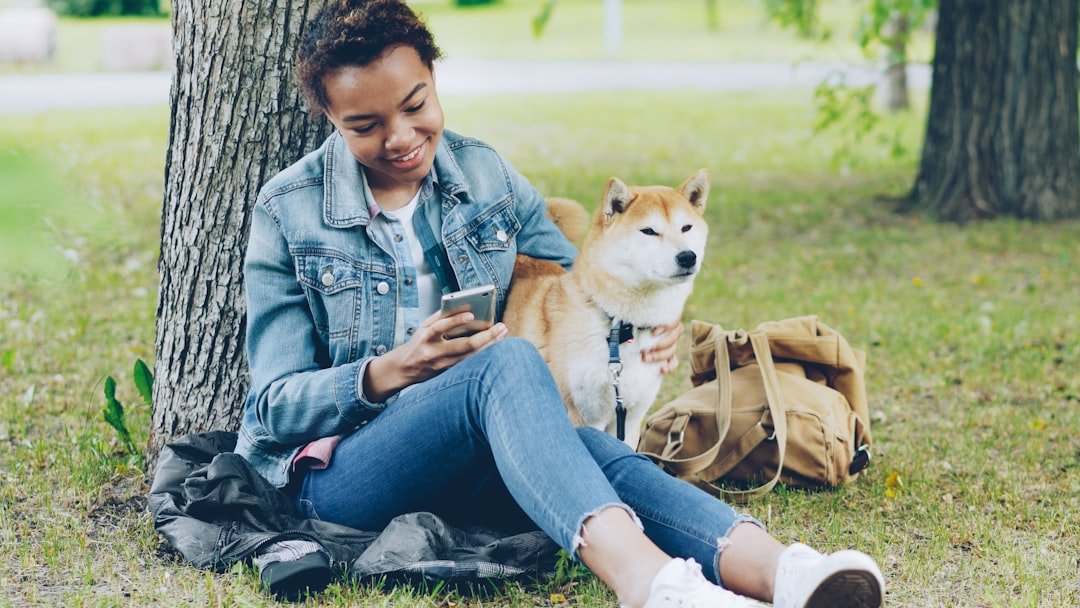
Dogs are master readers of body language, often picking up on subtle cues that humans miss entirely. Someone who approaches with confident, calm energy while avoiding direct stares will likely win over a cautious pup much faster than someone who rushes forward with outstretched hands. Dogs are highly perceptive to human emotions and behaviors, which means they may gravitate towards individuals who exhibit kindness, patience, and understanding.
Your posture tells a story before you even speak. Crouched down with an open stance signals friendliness, while standing tall with crossed arms might seem intimidating. Dogs also notice if you move too quickly or make sudden gestures. Those who take their time, move deliberately, and respect the dog’s space often find themselves with a new four-legged admirer in no time.
The Voice That Soothes
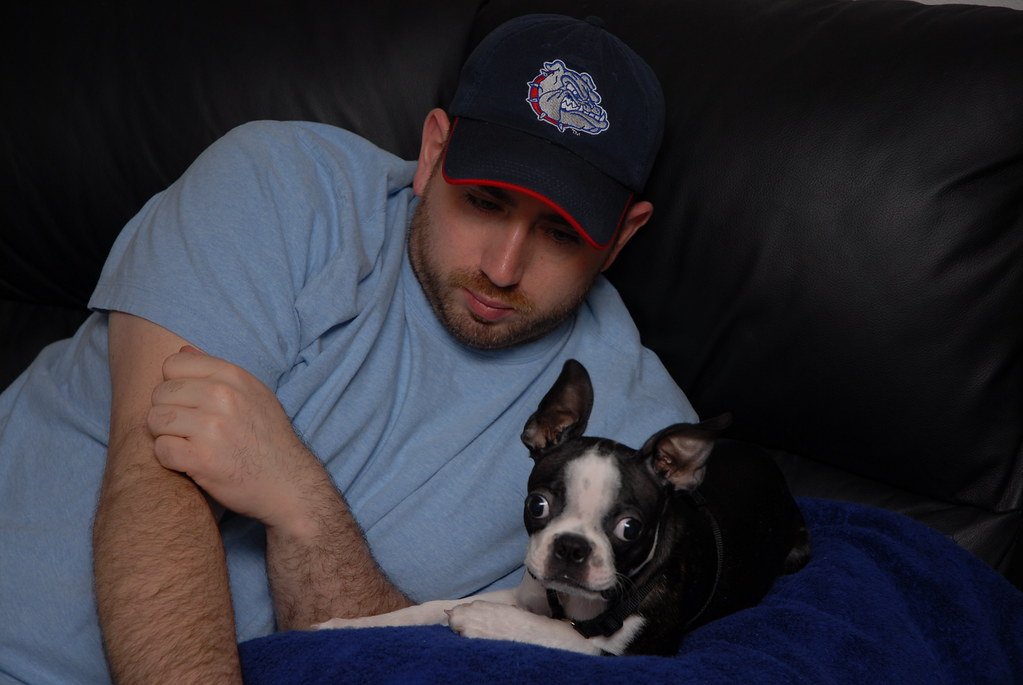
Research has found similarities between the part of a dog’s brain that lights up when they hear their owner’s voice and the same area in human brains that activates when we’re around loved ones. But it’s not just about familiar voices – it’s about tone, pitch, and emotional content. Dogs respond better to higher-pitched, sing-song voices that convey warmth and enthusiasm.
Some people naturally speak in gentle, encouraging tones that make dogs feel safe and valued. Others might unconsciously use harsh or commanding voices that put dogs on edge. The people your dog gravitates toward likely have that special knack for dog-speak – the ability to communicate calm confidence and genuine affection through their voice alone.
Energy Matching and Emotional Harmony
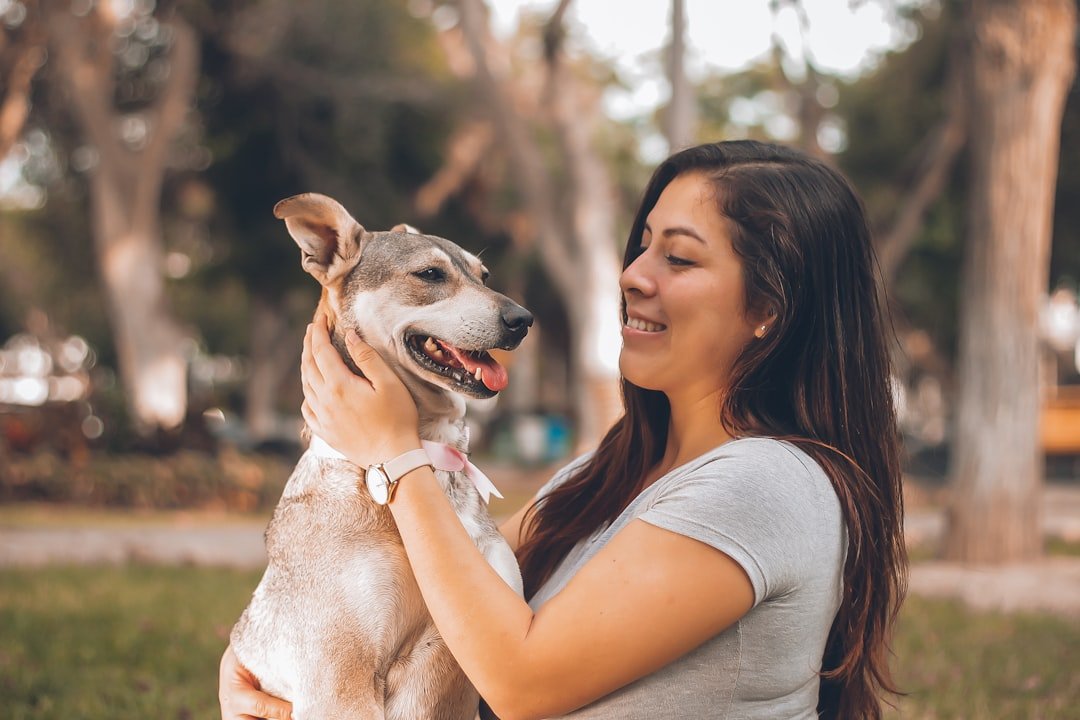
Dogs are emotional sponges, and they’re incredibly good at matching the energy of the people around them. Dogs can sense fear and anxiety through their noses, detecting adrenaline and other stress hormones that humans secrete when anxious, along with increased heart rate and blood flow that carries these chemicals to the skin surface. A person who feels nervous or uncomfortable will often find that dogs mirror those feelings.
On the flip side, people who radiate calm, positive energy tend to attract dogs like magnets. The emotional bond between dogs and their owners contributes to similarities in personality traits, as dogs can sense their owner’s emotions and respond accordingly – if an owner is calm and nurturing, their dog may exhibit similar calmness and affectionate nature. It’s like an emotional dance where both partners naturally sync up their rhythms.
Consistent Positive Associations
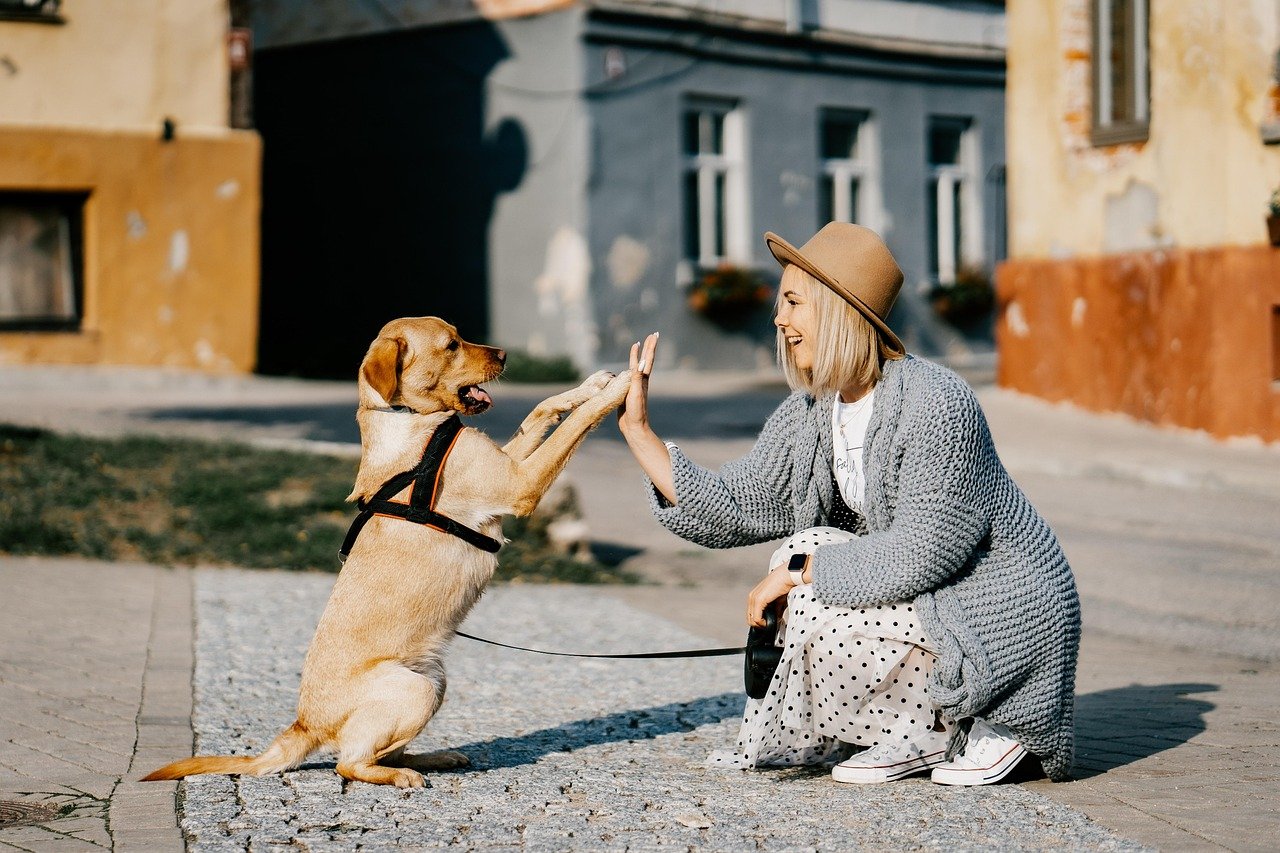
Dogs have excellent memories when it comes to people who consistently provide good experiences. The person who always has treats in their pocket, takes them on exciting walks, or plays their favorite games becomes a walking symbol of good times. Studies show that humans can influence dog behavior through food, petting, and voice, with food and brief petting sessions maintaining positive responses in dogs.
But it’s not just about bribes – though let’s be honest, they help. It’s about reliability and trust. The person who shows up consistently, whether for daily walks or weekend adventures, builds a foundation of positive associations that grows stronger over time. Dogs remember who makes them feel happy, safe, and valued, and they show their appreciation through unwavering loyalty.
Respecting Boundaries and Reading Signals
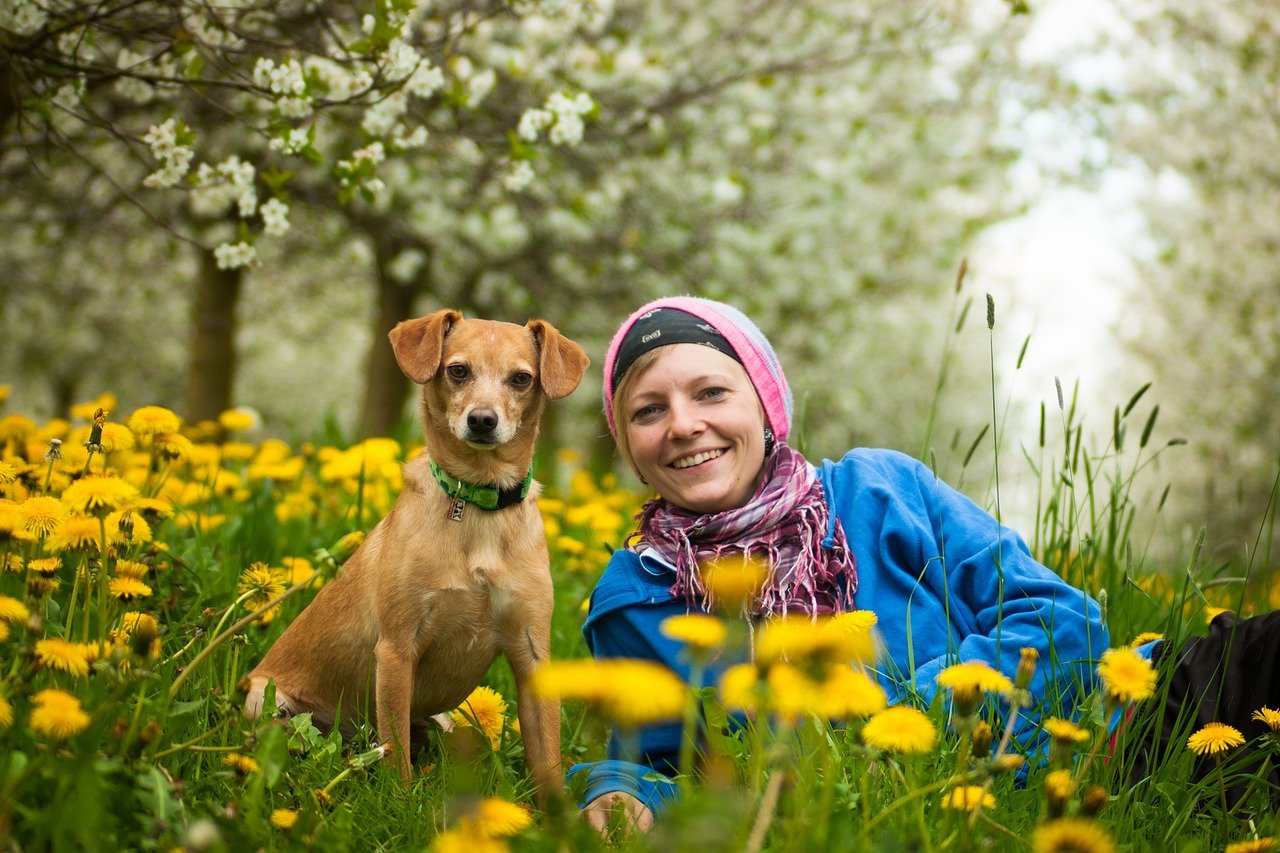
The people dogs love most are often those who understand canine communication and respect their boundaries. These individuals know when a dog needs space, can read the subtle signs of stress or discomfort, and never force interactions. They let dogs approach on their own terms and back off when the dog signals they’ve had enough.
This type of person understands that building trust takes time and patience. They don’t take it personally if a dog is initially standoffish, and they’re willing to work at the dog’s pace. Some dogs prefer affection on their own terms, becoming specific about what they want and when they want it, literally directing their preferred person on how to interact with them. Those who pay attention to these preferences often become the chosen ones.
Individual Personality Compatibility
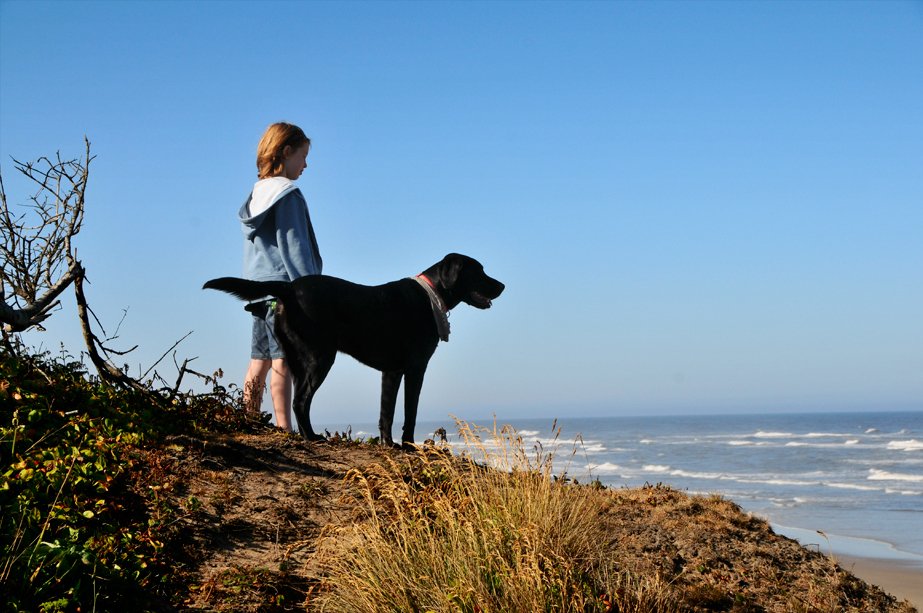
Just like humans, dogs have distinct personalities that mesh better with certain types of people. Recent research using artificial intelligence has analyzed dog personalities, identifying various behavioral dimensions and breed-specific traits. A high-energy, excitable dog might bond more easily with an active, adventurous person, while a calm, agreeable dog might prefer someone with a more laid-back approach to life.
Research shows that most pet parents believe a person’s choice of dog breed reflects their own personality, and that over half of pet parents share behavioral traits and interests with their dogs. This natural compatibility often creates stronger, more intuitive bonds between certain dogs and specific people.
The Power of Routine and Predictability
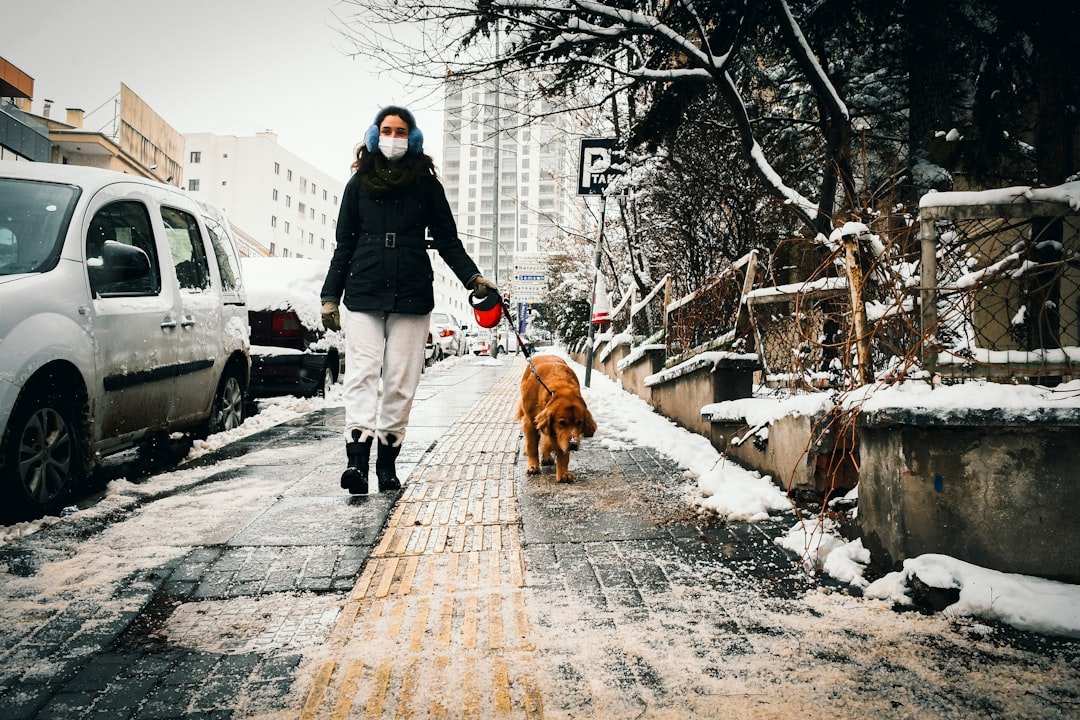
Dogs thrive on routine, and the people who provide structure and predictability often become favorites. Whether it’s the person who feeds them at the same time every day, takes them for their morning walk, or follows a consistent bedtime routine, dogs appreciate reliability. This predictability creates a sense of security that deepens their attachment.
The person who maintains consistent schedules and rituals becomes a source of comfort and stability in the dog’s world. Dogs know what to expect from these individuals, which reduces anxiety and builds trust. Even small routines, like always greeting the dog the same way or having a special post-walk ritual, can create powerful bonds over time.
Early Socialization and Life Experiences
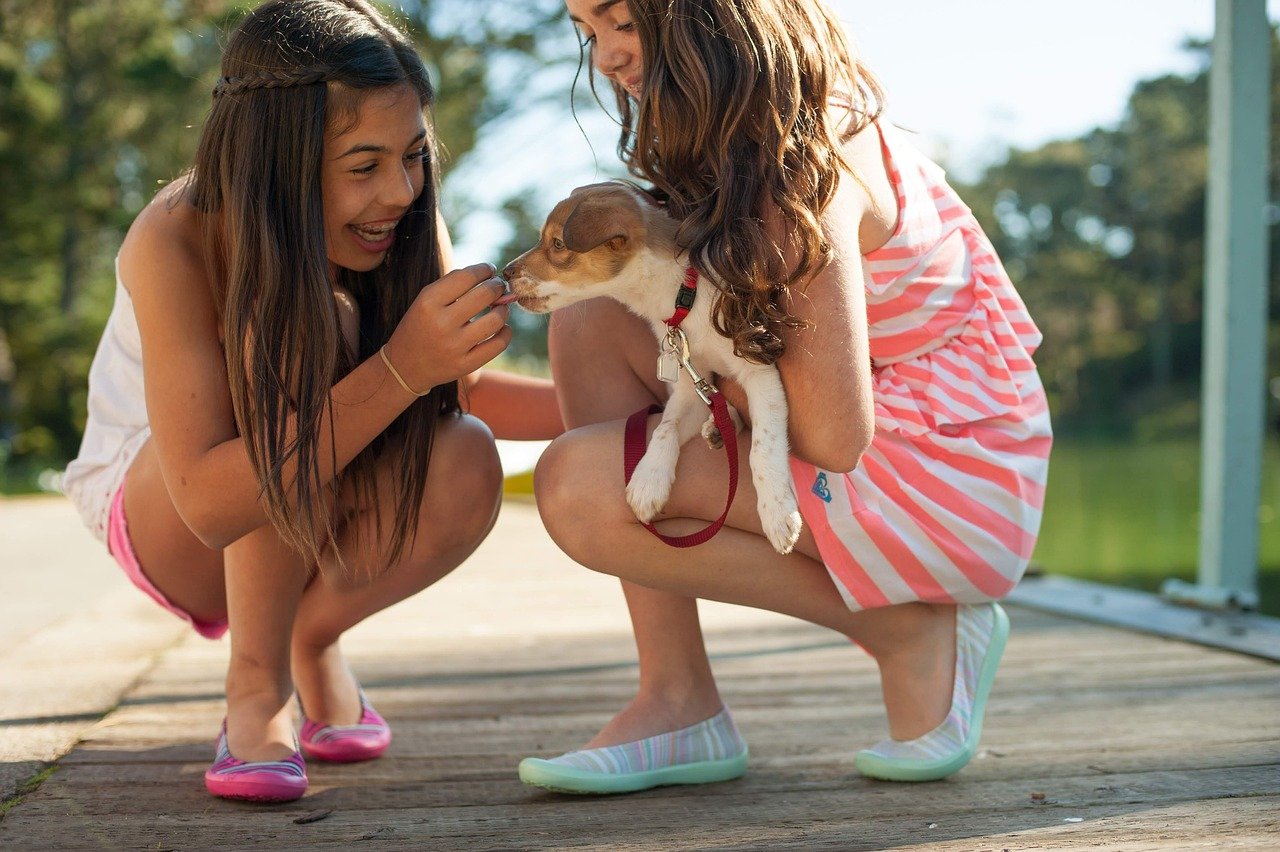
A dog’s early experiences significantly shape their preferences for certain types of people throughout their lives. Dogs who had positive interactions with children during their puppy months often maintain a special fondness for kids. Similarly, dogs who were well-socialized with different types of people – various ages, ethnicities, and energy levels – tend to be more adaptable and open to forming new relationships.
Past experiences also play a crucial role in current preferences. A dog who was rescued by a gentle, patient person might always show special affection for individuals with similar qualities. Dogs can change their favorite person over time due to changes in household dynamics or if someone else starts spending more time with them, as dogs are adaptable creatures whose preferences can evolve as their environment changes. Understanding your dog’s history can provide valuable insights into their current behavior and preferences.
The Oxytocin Connection
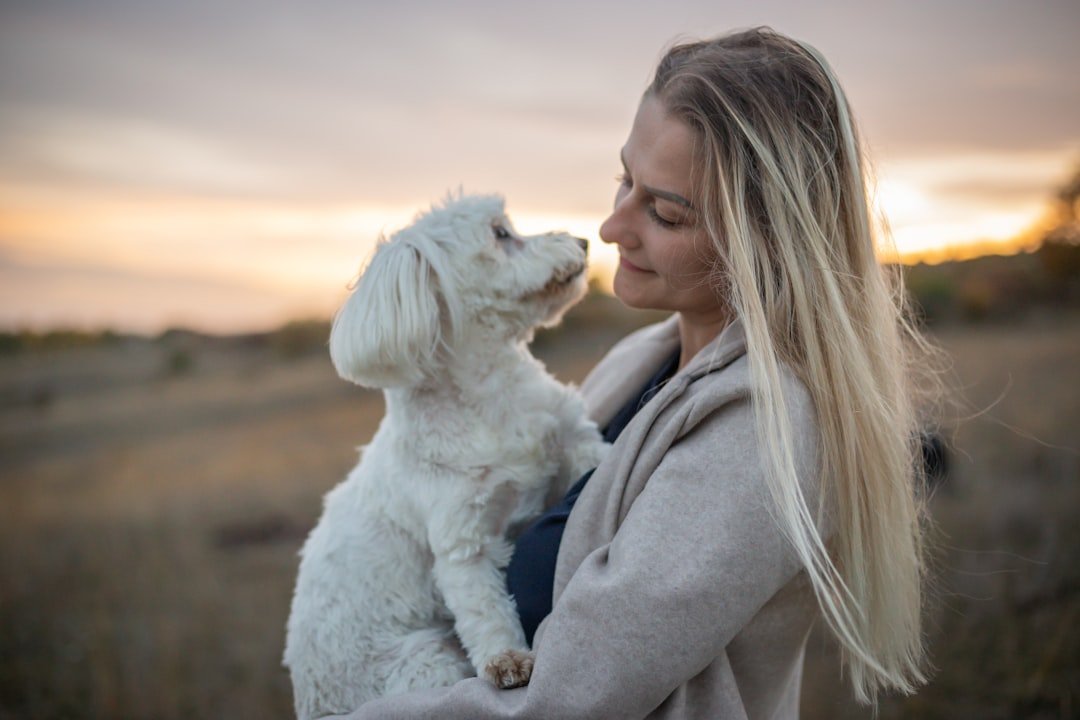
Research shows that when dogs and humans gaze into each other’s eyes, they activate the same hormonal response that bonds humans to infants, with oxytocin levels rising in both species. This creates a genuine biochemical bond that goes beyond simple conditioning or training. People who naturally engage in this type of mutual gazing often develop stronger connections with dogs.
Studies have found that increases in dogs’ oxytocin levels are associated with reciprocated affiliation rather than just giving or receiving attention, suggesting that mutual positive interaction is key to triggering this bonding hormone. The magic happens when both human and dog are emotionally present and engaged with each other, creating a feedback loop of affection and attachment that strengthens over time.
Conclusion
Understanding why your dog loves certain people more than others isn’t just about satisfying curiosity – it’s about building better relationships and creating environments where both dogs and humans can thrive together. From scent memories to personality compatibility, from respect for boundaries to the power of oxytocin, these preferences are rooted in complex biological and psychological processes that have developed over thousands of years of human-canine partnership.
The next time you notice your dog showing obvious favoritism, remember that it’s not personal – it’s science. Every interaction is an opportunity to build trust, create positive associations, and deepen your bond. Whether you’re the current favorite or hoping to become one, the key lies in understanding your dog’s unique personality, respecting their needs, and approaching them with the patience, consistency, and genuine affection that forms the foundation of all great relationships. After all, isn’t that exactly what we’d want in our own friendships?


