
Picture this: you’re at the park, watching a neglected dog strain against a tangled leash while their owner scrolls through their phone, completely disconnected. The dog’s desperate eyes scan the surroundings, searching for something, anything to break the monotony. It’s heartbreaking, right? Well, here’s something most people don’t realize. ship isn’t always loud or obvious. Sometimes it whispers through the cracks of daily routines and forgotten vet appointments.
The thing is, most s don’t even know they’re falling short. They love their dogs, sure, but somewhere along the way, good intentions got lost in busy schedules and misinformation. Let me walk you through the warning signs that separate the devoted dog parents from those who might need to step up their game. Because honestly, our dogs deserve nothing less than our very best.
Skipping Regular Veterinary Care
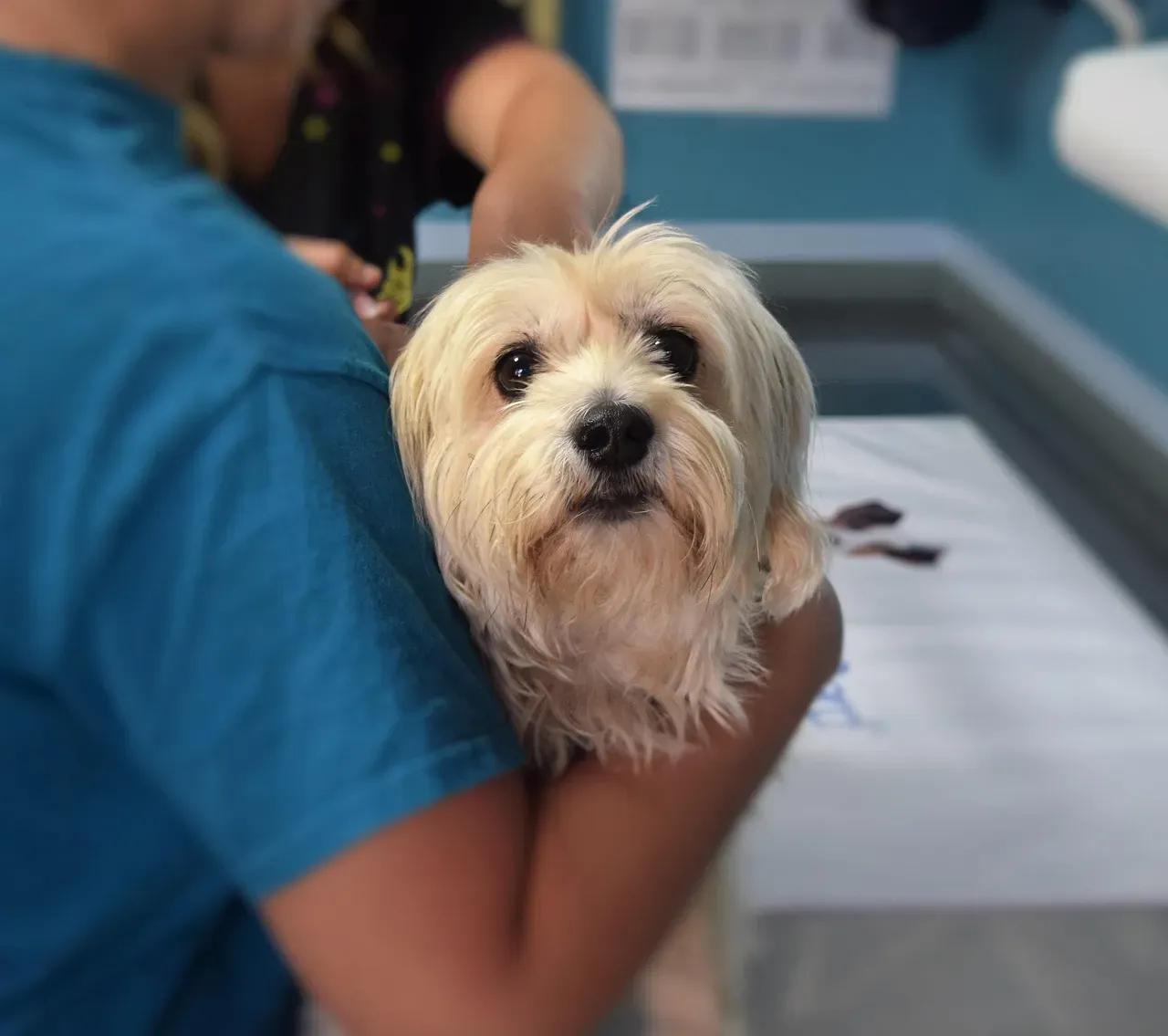
Good owners take their dog to the vet for routine examination once a year or two, while bad ones go to the vet only when the dog shows obvious signs of sickness. This is one of the most glaring red flags of neglectful ownership. Think of it like this: would you wait until you couldn’t walk to see a doctor about knee pain?
Regular veterinary checkups are a cornerstone of responsible dog ownership and play a vital role in maintaining your pet’s health and preventing potential issues before they become serious. Many health conditions develop silently in dogs, from dental disease to kidney problems, and only a trained professional can catch them early. The difference between a treatable condition and a life-threatening crisis often comes down to those routine check-ups you might be tempted to skip.
Ignoring Basic Exercise Needs
There’s a special kind of cruelty in keeping a high-energy dog cooped up all day with no outlet. Dogs that are constantly restless with excessive energy may be showing signs of inadequate exercise, and not providing enough can lead to weight gain, muscle loss, and behavioral issues.
I’ve seen it countless times: destructive chewing, excessive barking, even aggression, all stemming from pent-up energy that has nowhere to go. At least 30 minutes of exercise should be provided twice daily for younger dogs typically under 5 years old. Your dog isn’t being bad when they tear up your couch. They’re desperately trying to burn off energy you should be helping them release through walks, playtime, or mental stimulation.
Feeding Poor Quality or Inappropriate Food

Signs of inadequate nutrition include dull coat, poor digestion, frequent sickness, and lack of energy. Food is medicine, folks. What you put in your dog’s bowl directly impacts their energy levels, coat health, immune system, and lifespan. Yet some owners grab the cheapest bag at the store without reading a single ingredient.
Dogs have specific nutritional requirements that change based on their age, size, breed, and activity level. Feeding table scraps as a primary diet or choosing food based solely on price shows a fundamental misunderstanding of your responsibility. Proper nutrition is a fundamental aspect of responsible dog ownership, requiring careful attention to both quality and quantity, as dogs have specific nutritional needs that vary based on age, size, breed, and activity level.
Neglecting Mental Stimulation
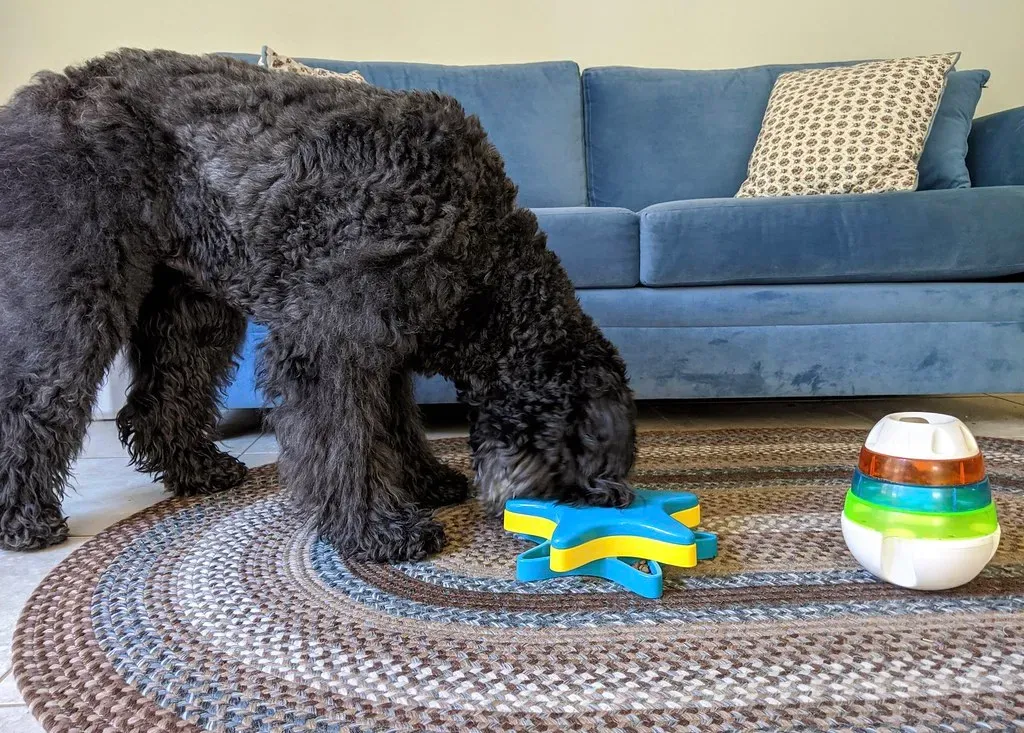
Here’s what drives me crazy: people think a tired dog is just a physically exhausted dog. Wrong. Dogs need mental stimulation to thrive, and without it they can become bored, anxious, and develop behavioral problems including excessive barking, destructive chewing, and repetitive behaviors.
Mental enrichment can be as simple as puzzle toys, training sessions, or letting your dog actually sniff during walks instead of yanking them along. Keeping a large or high-energy dog without daily walks deprives them of the opportunity to satisfy their research reflexes, and sniffing around during walks is very important for dogs, as ignoring those needs leads to frustration and anxiety. Your dog’s nose is their connection to the world. Let them use it.
Failing to Train or Socialize Properly
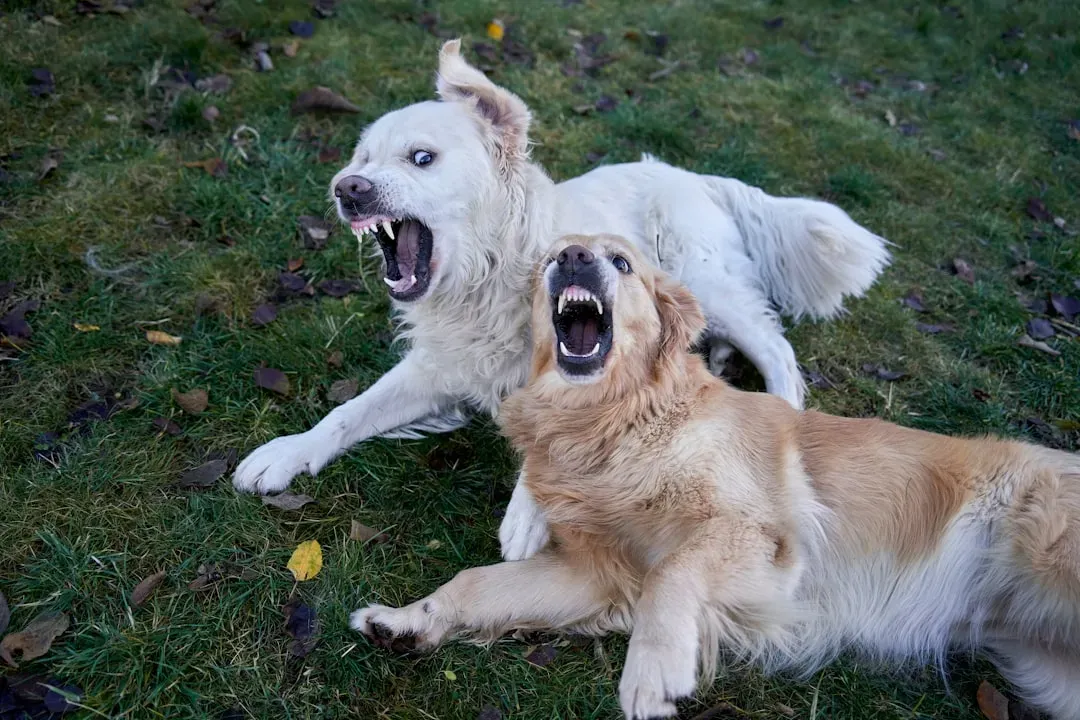
Bad dog owners refuse to acknowledge when their dog is exhibiting problematic behaviors, and denial can manifest as trying to justify their pet’s actions by ignoring the behavior or blaming other dogs or their owners. I see this constantly at dog parks and on neighborhood walks. The owner whose dog lunges at every passing dog while they shrug and say “Oh, he’s just friendly!”
Proper training and socialization aren’t optional luxuries. Socializing and training your pet can strengthen your relationship with them and improve both their wellbeing and the wellbeing of other animals and people. Dogs who aren’t properly socialized become fearful, anxious, or aggressive. They can’t handle new situations, and that stress diminishes their quality of life significantly.
Leaving Dogs Isolated or Chained for Extended Periods
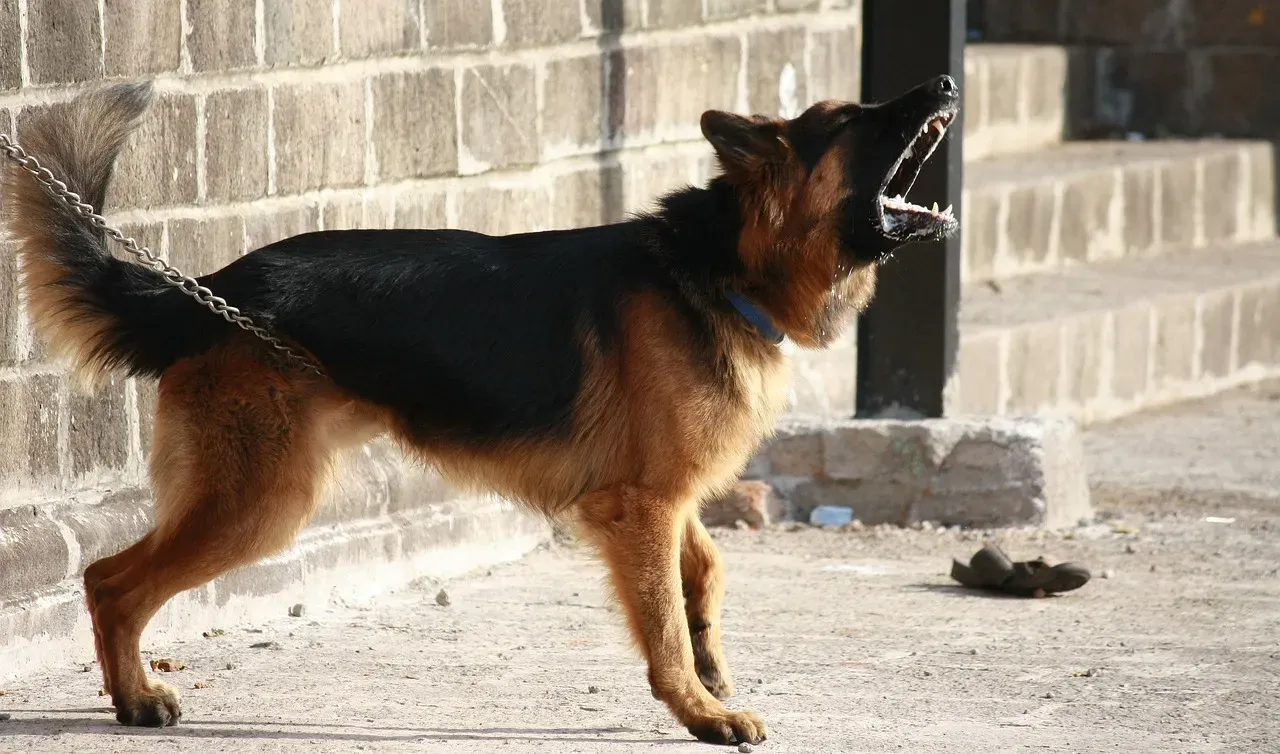
Dogs are social pack animals, so isolation at the end of a chain can cause them to become aggressive, have neuroses, or exhibit self-mutilating behavior as they try to free themselves. This one genuinely breaks my heart. Dogs evolved alongside humans specifically to be our companions. Leaving them alone in a yard for hours, day after day, goes against everything in their DNA.
Constant chaining, overcrowding, or isolation can cause severe psychological harm. The emotional toll is immense. These dogs develop anxiety, depression, and behavioral problems that can be difficult or impossible to reverse. If you don’t have time for a dog to be part of your daily life, you shouldn’t have a dog.
Ignoring Grooming and Hygiene
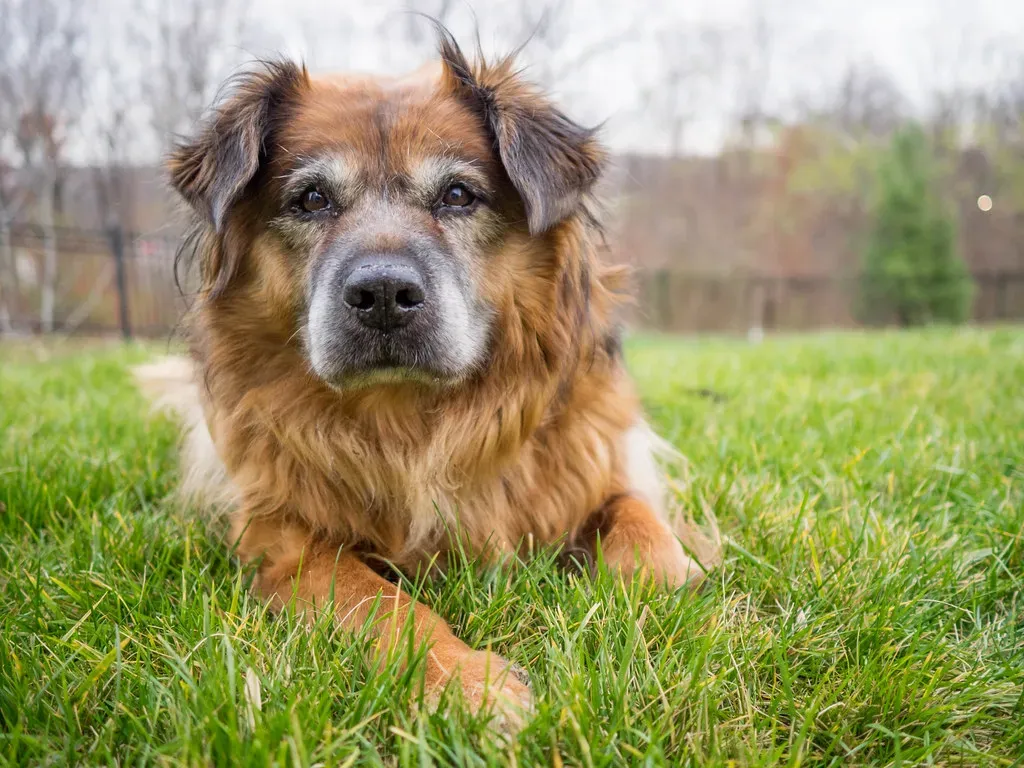
Dirty, tangled, and matted fur can indicate that a dog doesn’t get even the most basic grooming care. Some people think grooming is just about appearances, but it’s actually about health and comfort. Matted fur pulls on the skin constantly, creating pain and sometimes cutting off circulation. Overgrown nails make walking painful and can lead to joint problems.
Untreated tick or flea infestations, wounds on the body, limping, and patches of missing hair are signs of neglect. Regular grooming sessions also give you a chance to check for lumps, wounds, or parasites that might otherwise go unnoticed. It’s preventive healthcare disguised as pampering.
Allowing Repeated Dangerous or Aggressive Incidents
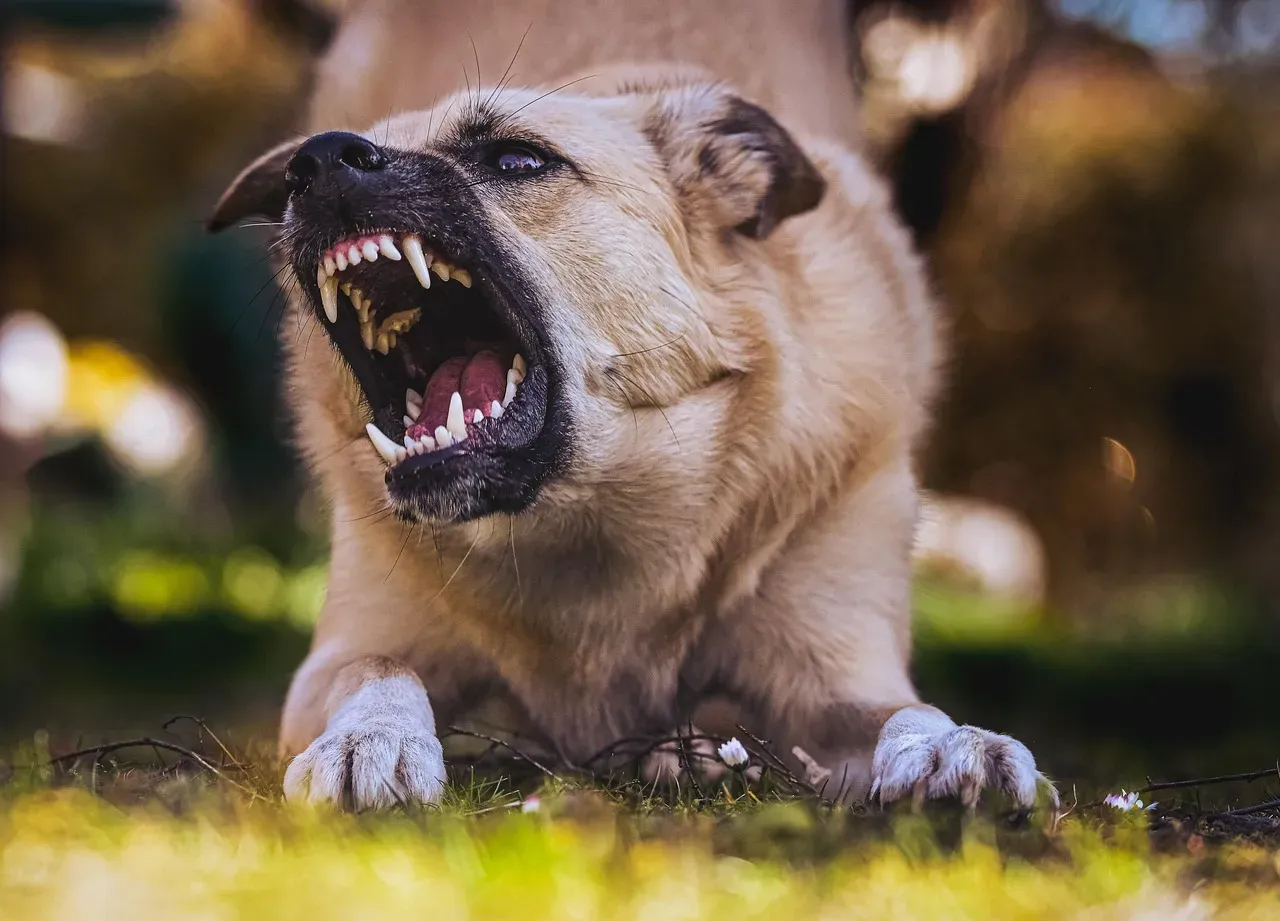
Multiple dog fights or biting incidents show poor ownership, and the more fights a dog has, especially if they are sufficiently violent, the more likely the owner dooms their dog and risks someone being seriously injured. This isn’t about accidents. Every dog can have a bad day. This is about patterns.
If your dog has bitten multiple people or gotten into numerous fights with other dogs, and you’re still putting them in those situations without professional intervention, you’re failing them. At the time of biting incidents, 63 percent of dog owners did not provide assistance and only 14 percent demonstrated cooperative behavior. Taking responsibility means making hard choices, investing in behavioral training, or managing your dog’s environment to keep everyone safe.
Reacting with Anger Instead of Understanding
Dogs, especially puppies, often have destructive behaviors for a reason, as they might be bored, anxious, or simply lacking physical and mental stimulation. Punishment-based reactions to normal dog behavior show a fundamental disconnect between owner and pet. When you come home to a chewed-up shoe and start yelling, you’re not teaching anything. You’re just creating fear.
When you don’t have the patience to teach your dog proper behavior, you end up frustrated and punishing your dog, but physical punishment is always wrong and will always result in the loss of trust. Dogs don’t understand delayed consequences. They need patient, consistent guidance, not emotional outbursts.
Disregarding Community Responsibility
The most noticeable habit of bad dog owners is failing to pick up their dog’s poop. Look, I know it’s not glamorous, but it’s part of the deal. Bad owners also let their dogs bark endlessly, disturbing neighbors. They let them off-leash in inappropriate areas where they could run into traffic or approach fearful people.
Not paying for damages to a neighbor’s property or failing to clean up after their dog in public spaces shows a lack of responsibility, as taking responsibility for your pet’s actions is an important part of being a responsible owner. Your dog is your responsibility, not just at home, but everywhere you take them. Being a good dog owner means being a good neighbor and community member too.
Conclusion
Recognizing these signs isn’t about judgment. It’s about awareness and growth. Most of us have fallen short in one area or another at some point. The difference between and a good one isn’t perfection. It’s the willingness to do better.
Our dogs give us everything they have: unconditional love, loyalty, companionship, and joy. They deserve owners who show up for them every single day, in every way that matters. If you’ve seen yourself in any of these signs, don’t beat yourself up. Just commit to changing. Your dog will notice, I promise you that.
What would your dog say about you if they could talk? That’s the question worth asking.


