
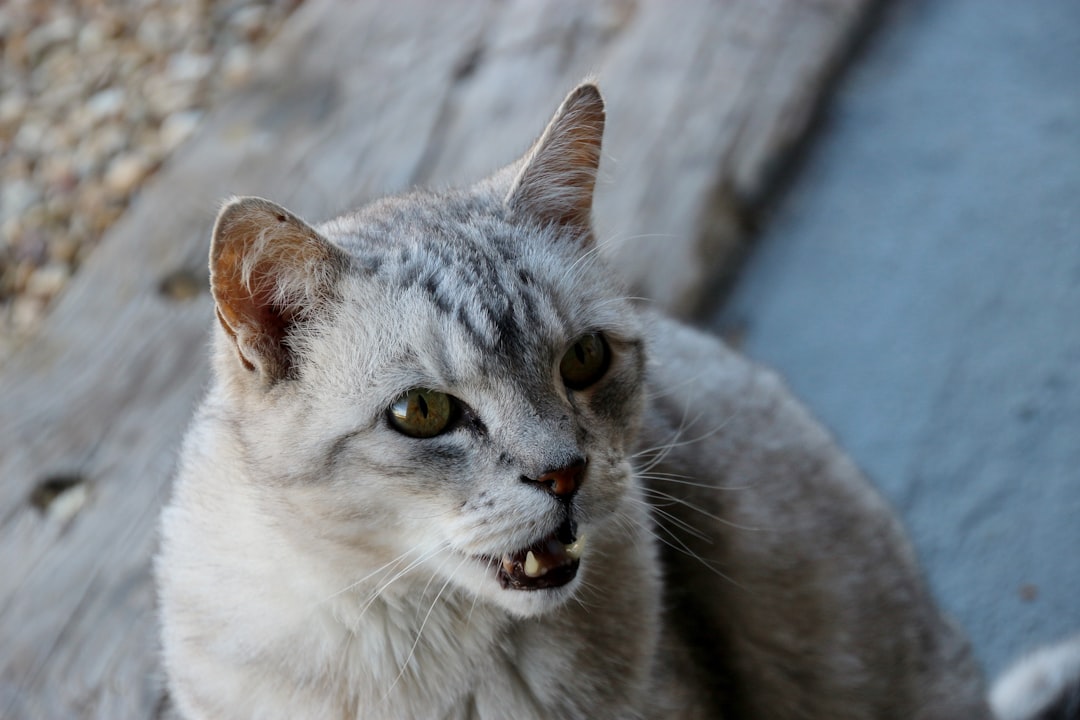
Have you ever caught your cat acting a little strange, but shrugged it off as just another quirky feline moment? You’re not alone. Many cat lovers miss the subtle, even surprising, ways their beloved pets express anxiety. Anxiety in cats often hides behind everyday behaviors, making it easy to overlook until it becomes a bigger problem. Catching these hidden signs early can make all the difference in your cat’s happiness and health. Let’s dive into the often-missed clues that your cat might be more anxious than you realize.
Sudden Changes in Appetite
Cats are masters of subtlety — which means when they’re feeling stressed or anxious, the signs can be easy to overlook. Unlike dogs, who may bark or pace when upset, cats tend to express anxiety in quieter, more easily misunderstood ways. From changes in grooming habits to sudden shifts in behavior, your feline friend might be sending signals that something’s off long before it becomes a serious issue.
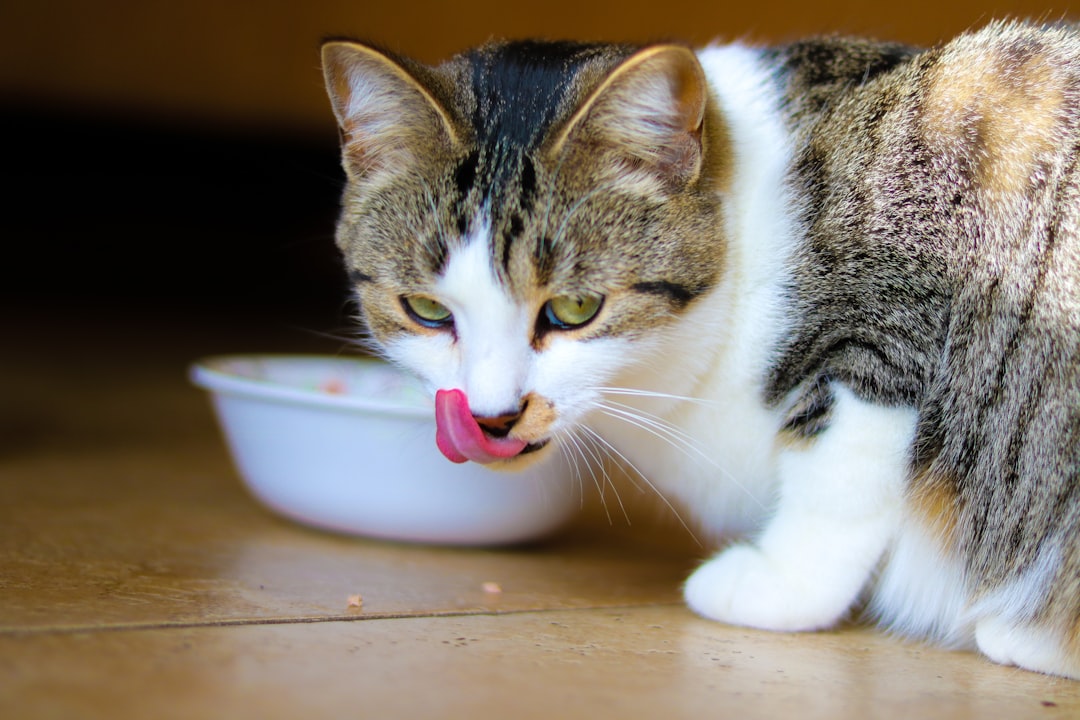
When a cat suddenly eats less or seems disinterested in food, it’s easy to blame the brand or assume they’re just picky. However, a loss of appetite is often a quiet cry for help from a stressed or anxious cat. Some cats may even start overeating, seeking comfort from food. Changes in eating habits can sneak up slowly, so it’s important to notice patterns rather than isolated incidents. Think of it as your cat’s version of stress-eating or skipping meals when they’re anxious. If your cat’s food bowl isn’t emptying the way it used to, or if your pet is begging for food more often, anxiety could be the underlying reason. Being attentive to these shifts can help prevent more serious health issues down the line. Remember, a happy cat usually keeps a steady appetite.
Excessive Hiding
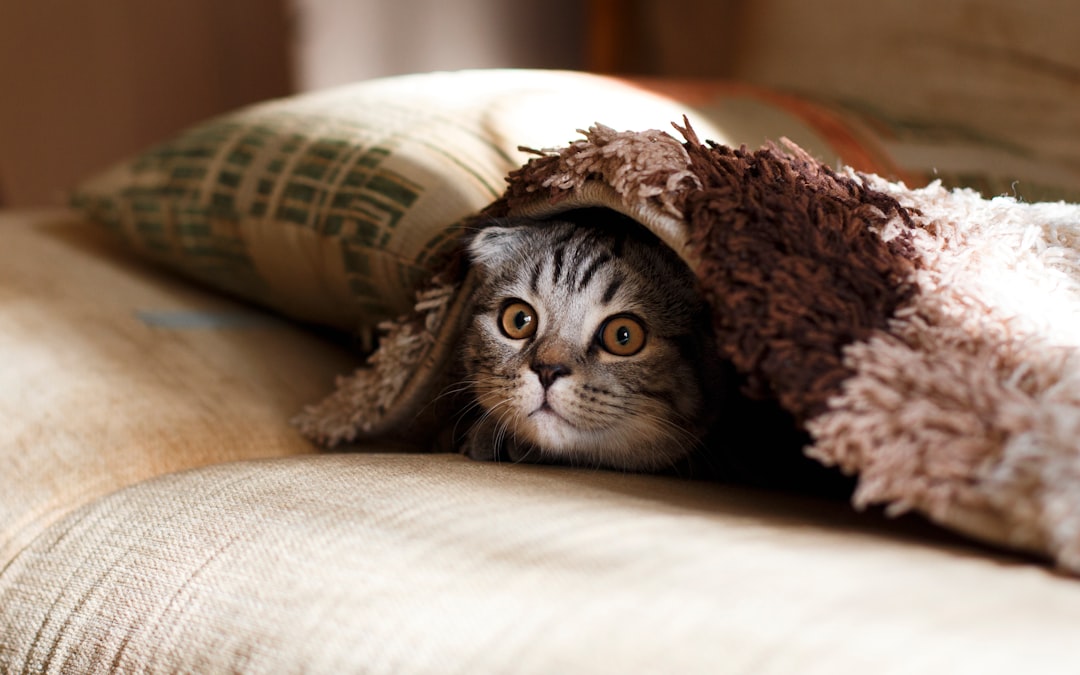
It’s normal for cats to seek out cozy hideaways, but if your feline suddenly starts spending hours under the bed or behind the couch, it could be a sign of anxiety. Cats are natural masters of disguise when it comes to their emotions, and hiding is their way of coping with stress. It’s as if their safe spot becomes a fortress against the world. This behavior often goes unnoticed because cats are known for their love of solitude. However, if your usually sociable pet is now rarely seen, or if they dart away at the slightest noise, take note. Anxiety may be pushing your cat to retreat from even familiar surroundings. Don’t overlook an increase in hiding—it’s often a whisper for help in a world that suddenly feels too big.
Increased Vocalization
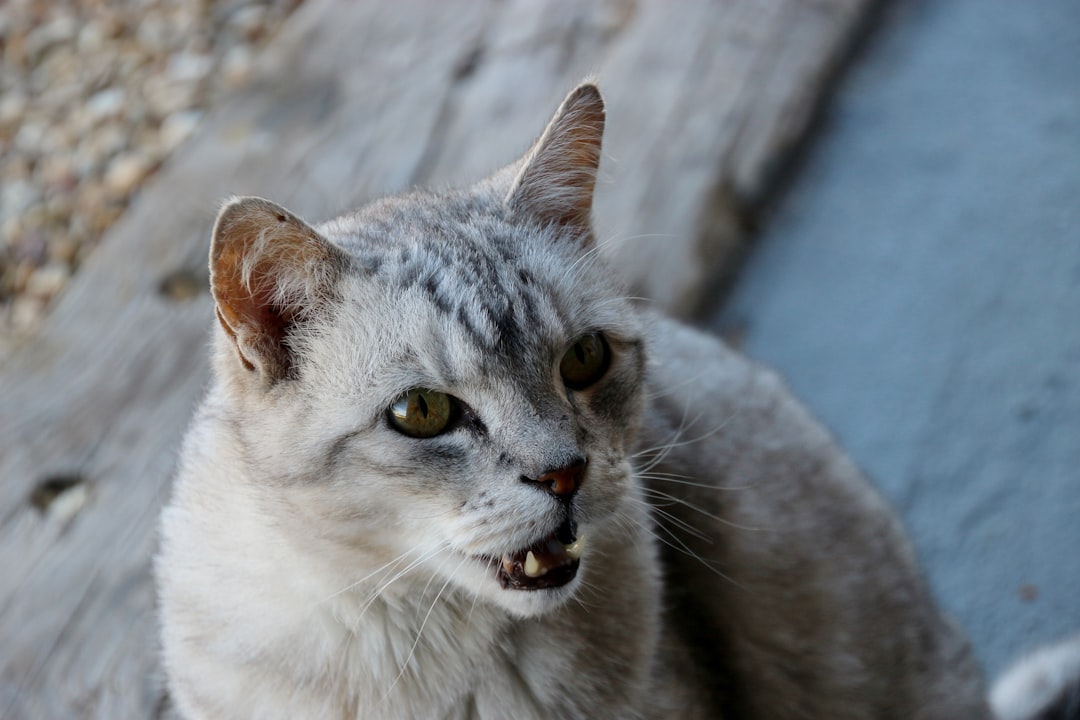
Is your cat suddenly louder than usual, meowing or yowling at odd hours? While some cats are naturally chatty, an increase in vocalization can signal inner turmoil. Anxious cats may use their voice to seek reassurance or express discomfort. You might notice new patterns, like whining when you leave the room or howling at night. These calls aren’t just for attention; they’re often a sign that your cat feels unsettled. Listen for changes in the tone or frequency of their sounds—it could be their way of telling you something is wrong. If your quiet cat turns talkative, it’s time to tune in to what they might be feeling inside.
Over-Grooming or Hair Loss
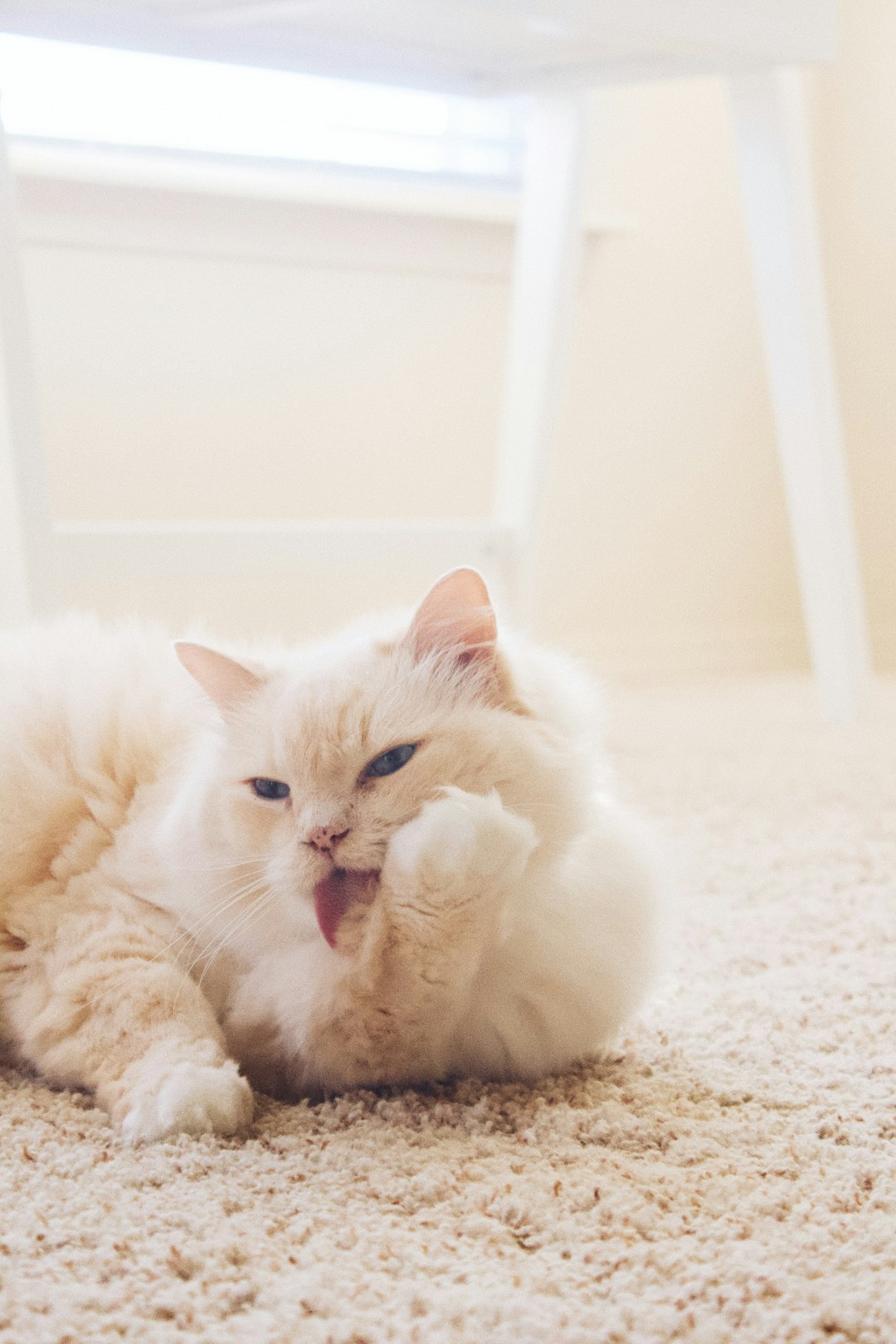
Cats are renowned for their grooming habits, but anxiety can push this behavior to unhealthy extremes. Over-grooming, sometimes to the point of bald patches or irritated skin, is a clear sign of distress. It’s like a person biting their nails or twirling their hair when nervous. You may notice your cat licking the same spot repeatedly or grooming for long periods. The compulsion provides a temporary sense of relief but can quickly lead to redness, sores, or hair thinning. Don’t dismiss these signs as simple cleanliness; they often point to underlying stress or anxiety. If your cat’s coat is looking patchy or they seem obsessed with grooming, anxiety could be the cause.
Destructive Scratching
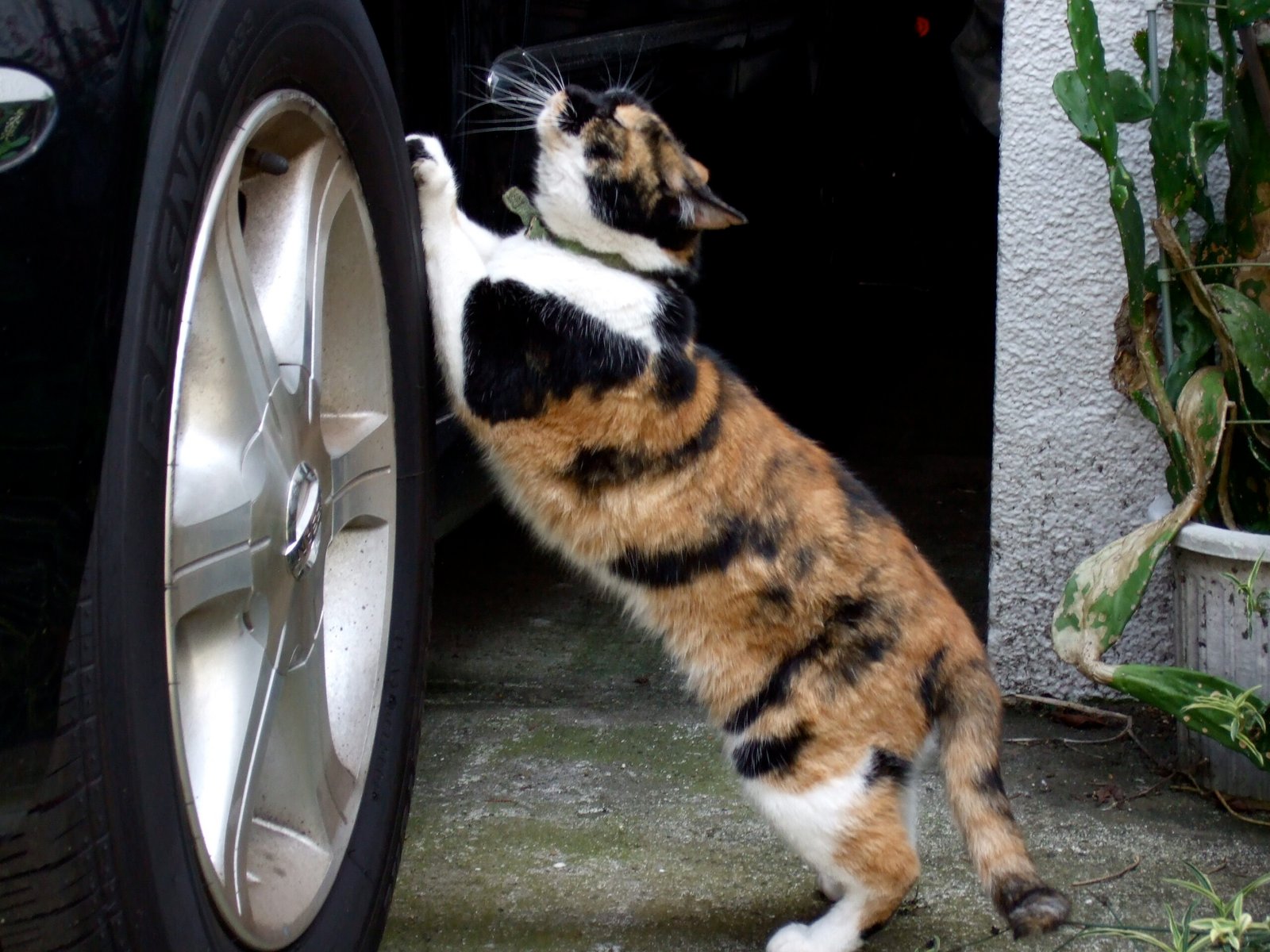
Scratching is a natural and healthy behavior for cats, but anxious felines can take it to destructive lengths. If your cat is suddenly shredding furniture, curtains, or doors, stress might be fueling their actions. Think of scratching as a feline stress ball—they’re trying to release pent-up energy or anxiety. This behavior is often mistaken for bad manners or boredom, but it can signal deeper emotional unrest. Pay attention to when and where the scratching occurs, especially if it’s a new or escalated habit. Frequent destructive scratching can be a way for your cat to claim territory or cope with overwhelming emotions. Addressing their anxiety is key to saving both your furniture and your cat’s well-being.
Litter Box Issues
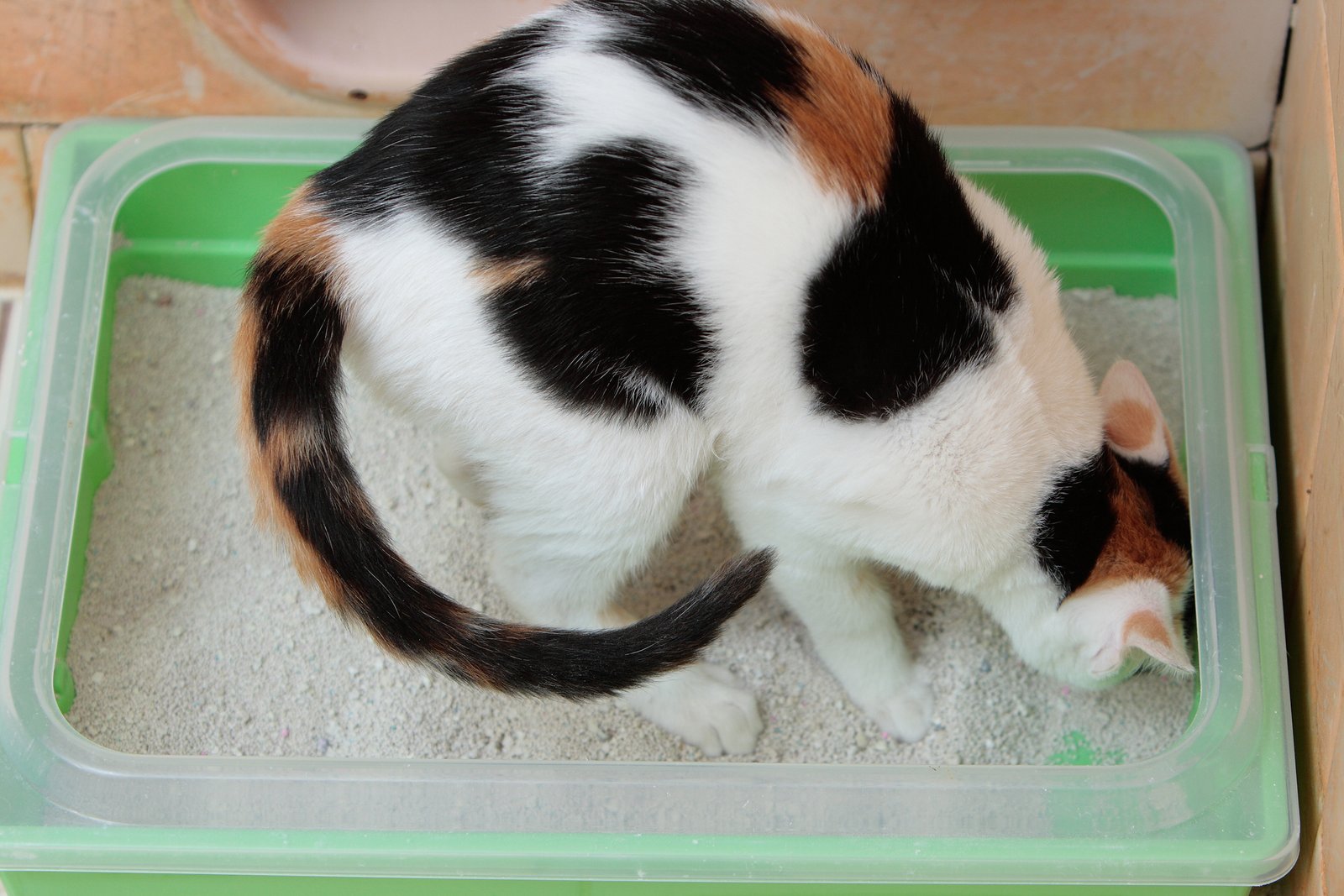
Sudden changes in litter box habits are a classic but often overlooked sign of anxiety in cats. If your cat begins urinating or defecating outside the box, it’s tempting to blame cleanliness or medical issues. However, stress is a common culprit. Anxious cats might avoid the litter box because of fear, changes in the household, or even a desire to mark their territory. This behavior can be frustrating, but it’s essential to see it as a communication tool rather than mere disobedience. Keep an eye out for patterns, such as accidents occurring during loud events or after household changes. Addressing the anxiety behind these actions helps restore both peace and cleanliness in your home.
Restlessness and Pacing

Restlessness can show up in many ways—endless pacing, inability to settle, or constant shifting from spot to spot. If your cat seems unable to relax or is always on the move, anxiety may be the invisible culprit. This restlessness is like a person who can’t sit still when they’re worried or agitated. You might see your cat circling rooms, jumping from perch to perch, or settling only to stand up moments later. These behaviors often go unnoticed because cats are known for their curiosity and activity. However, persistent restlessness is a red flag that shouldn’t be ignored. Your cat is likely seeking comfort in movement, trying to escape a sense of unease that lingers beneath the surface.
Sudden Aggression
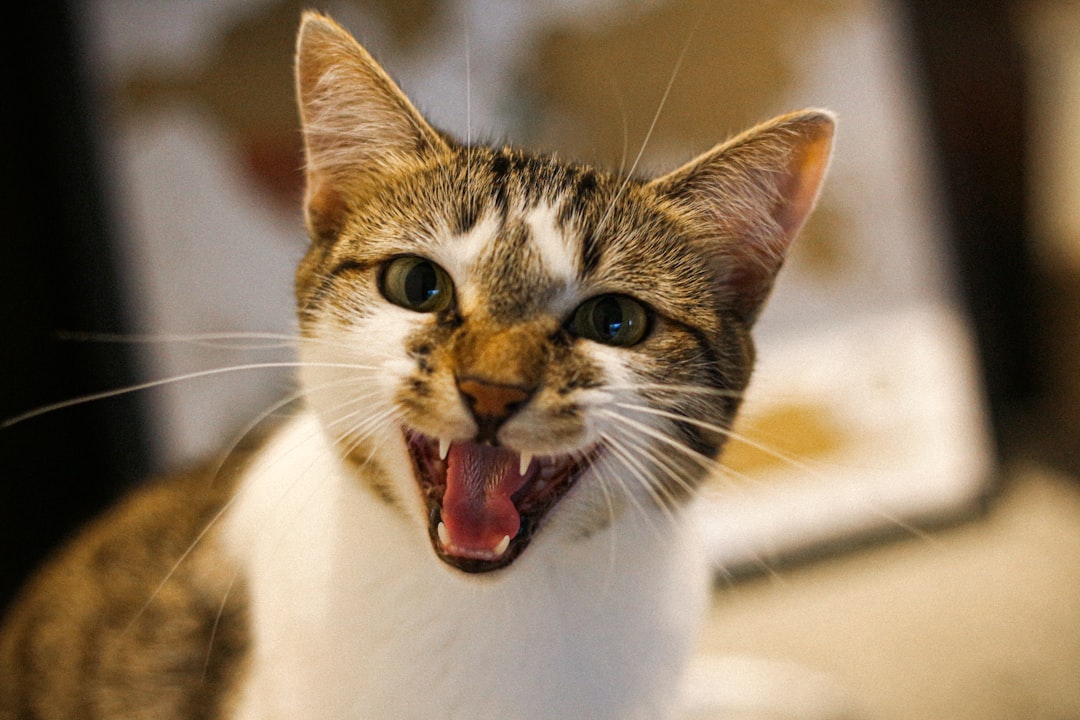
Cats that are usually gentle can become surprisingly aggressive when anxiety takes hold. Biting, swatting, or hissing without clear provocation are all signals of inner distress. This aggression can appear suddenly, even toward trusted family members or fellow pets. It’s like snapping at a friend when you’re under too much pressure—uncharacteristic and out of the blue. These changes are often misunderstood as personality shifts or behavioral problems, but they’re frequently rooted in anxiety. Pay close attention to the timing and triggers of this aggression, as it can help you pinpoint what’s making your cat uncomfortable. Understanding this link is vital to helping your cat feel safe again.
Changes in Sleeping Patterns
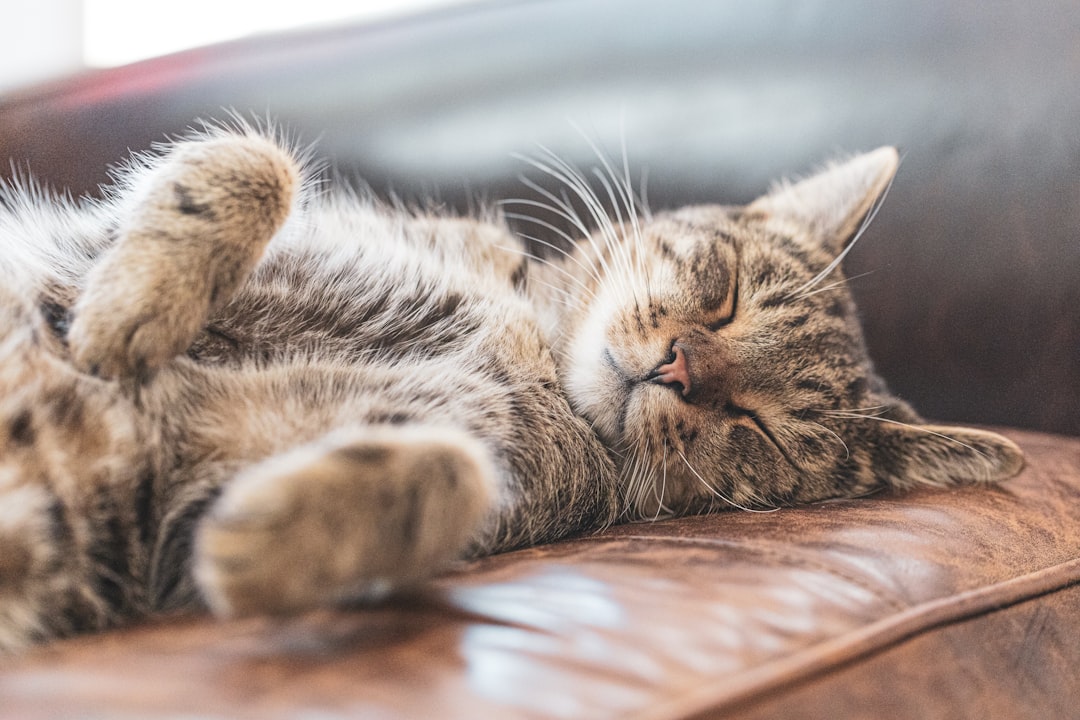
Cats love their sleep, but anxiety can turn their restful routines upside down. Some anxious cats sleep much more than usual, retreating into dreams as a way to cope with stress. Others may struggle to settle, waking frequently or changing their favorite napping spots. These shifts can be subtle, like a cat who suddenly abandons the sunny windowsill for a hidden corner. Sleep disturbances often reflect a restless mind, just as with people who toss and turn when they’re worried. If your cat’s sleep schedule seems off, or if they’re napping in unusual places, anxiety could be disrupting their peace. Don’t ignore these changes—they provide valuable clues about your cat’s emotional state.
Decrease in Playfulness
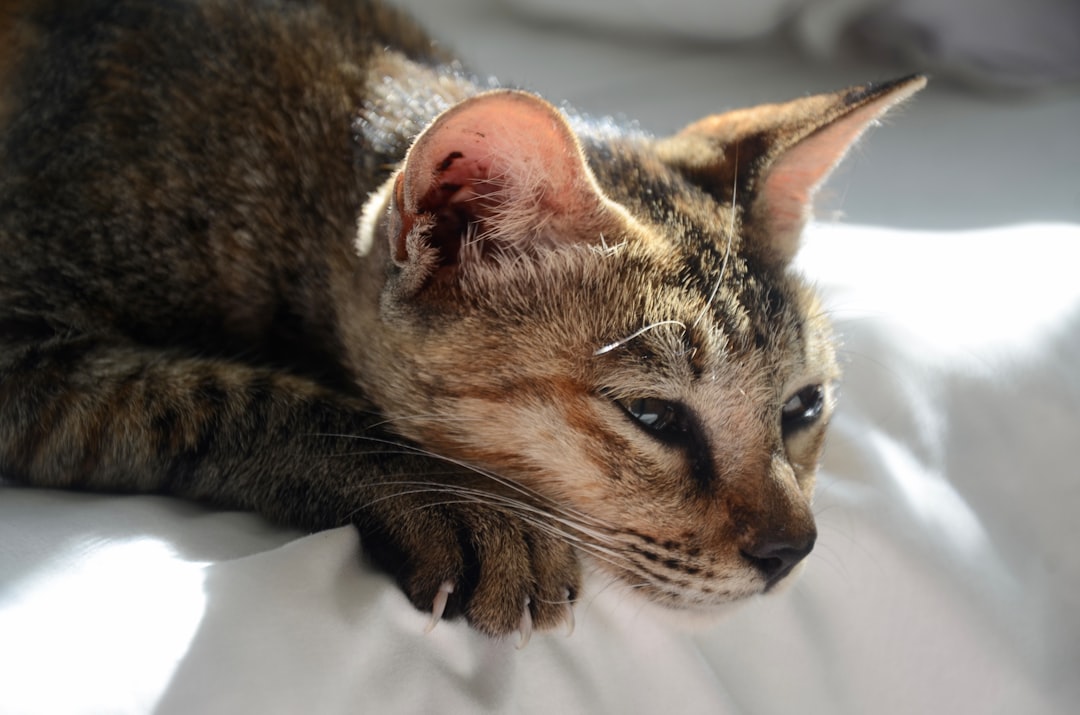
A playful cat is a happy cat—or so the saying goes. When anxiety creeps in, one of the first things to disappear is a cat’s desire to play. Toys that once brought joy may now be ignored, and your cat might lose interest in games they used to love. This sudden disinterest isn’t just about getting older or being moody; it’s often a symptom of emotional turmoil. Play is a form of self-expression and stress relief for cats, so a lack of it is a strong sign something is wrong. Think of it like a child who no longer wants to go outside or see friends—something deeper is at play. If your cat seems less enthusiastic about fun and games, it’s time to consider anxiety as a possible cause.
Cats may be masters of hiding their emotions, but that doesn’t mean they aren’t communicating. Subtle changes in behavior, grooming, or routine can be quiet cries for help, especially when anxiety is involved. By learning to recognize these often-overlooked signs, you can catch stress early, address the root causes, and create a more calming, secure environment for your feline friend. In doing so, you’re not just managing anxiety — you’re strengthening the trust and bond that makes the human-cat relationship so special.


