
Nobody wants to think about their beloved companion’s health declining. Yet recognizing when your dog’s quality of life is diminishing can be one of the most compassionate acts you’ll ever perform as a pet owner. Dogs can’t tell us in words when they’re suffering, but they communicate through subtle changes in behavior and physical signs that many owners might initially dismiss as normal aging. Understanding these warning signals isn’t about giving up hope – it’s about ensuring your furry friend receives the care and comfort they deserve during challenging times.
Loss of Appetite and Dramatic Weight Loss

One of the most telling signs that your dog’s health is deteriorating is when they gradually lose interest in food and water, with their appetite declining as their organ systems begin to shut down. This isn’t just being picky about dinner – we’re talking about a dog who once rushed to their food bowl now showing complete disinterest in even their favorite treats.
Weight loss becomes noticeable as dogs eat less, which can be quite upsetting for dog owners to witness, as this weight loss may be due to degenerative disorders such as chronic renal or hepatic insufficiencies and various types of malignancies. If your once-robust Golden Retriever now looks gaunt despite you offering the same meals, it’s time for an urgent vet visit.
Severe Mobility Problems and Complete Loss of Interest in Activities

One telltale sign a dog is dying is the loss of mobility, which can be due to pain, loss of muscle mass, a neurologic condition, lethargy, or weakness. Watch for dogs who used to chase balls in the yard but now can’t even muster the energy to lift their heads when you call their name.
A clear sign that your dog’s health is declining is their lack of interest in toys, walks, and other activities they once enjoyed, particularly if your dog is in their golden years where walking may become difficult due to stiffening or arthritic joints. When your adventure-loving Labrador no longer perks up at the sound of a leash jingling, that’s a red flag that demands immediate attention.
Difficulty Breathing and Labored Respiration

Labored or irregular breathing can be a sign of your dog’s impending death. This goes beyond normal panting after exercise – we’re talking about dogs who struggle to catch their breath while simply lying down or who make concerning wheezing sounds with each breath.
Dogs experiencing respiratory distress might breathe with their mouth open constantly, show visible effort in their chest movements, or even have a bluish tinge to their gums. Think of it like watching someone try to breathe through a very narrow straw – every breath becomes a conscious struggle rather than the automatic process it should be.
Complete Loss of Bladder and Bowel Control
Urine incontinence and fecal incontinence are both common dog dying symptoms, as dogs may be physically unable to rise from their beds to go outside, or they may have musculoskeletal and neurological deterioration that affects their urethral and anal sphincters. This isn’t occasional accidents – this is complete loss of control.
Loss of bladder or bowel control is another sign that your dog’s health is deteriorating, as these end-of-life signs in dogs indicate a decline in both their physical and mental health. A house-trained dog who suddenly can’t control their bodily functions is experiencing a serious medical crisis that requires immediate veterinary assessment.
Extreme Lethargy and Complete Withdrawal

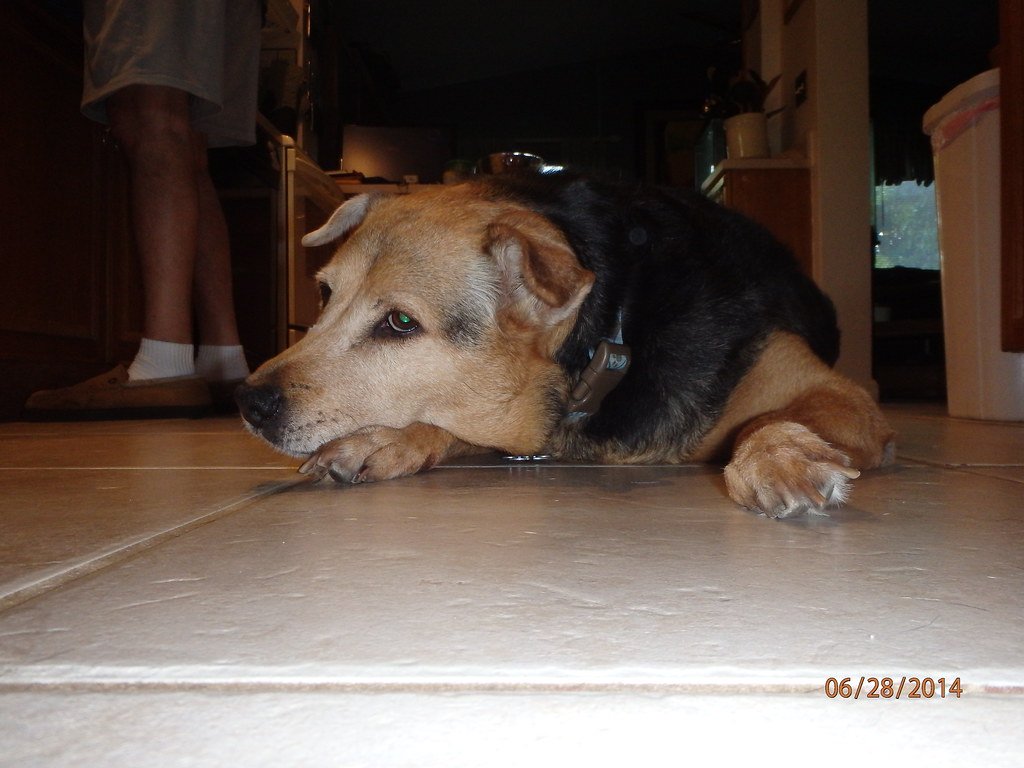
When dogs are nearing the end of life, changes to sleep patterns are common, and they may seem more lethargic, lacking the energy to go for walks, generally seeming listless, and just not acting like themselves. We’re talking about dogs who sleep twenty hours a day and barely acknowledge your presence.
A lack of interest in what’s happening around them can signify they are near the end of their journey, so it’s important to let your dog rest in a warm, safe and quiet place. When your normally social butterfly of a dog starts seeking out dark corners and avoiding family interaction, this behavioral shift signals something serious is happening.
Persistent Vomiting and Severe Digestive Distress

Nausea, vomiting, or diarrhea may be present in dogs with underlying kidney, liver, or gastrointestinal disease. This isn’t just an upset stomach from eating something questionable – this is persistent, ongoing digestive distress that doesn’t respond to typical treatments.
Dogs experiencing end-stage digestive issues might vomit even small amounts of water, have bloody or unusually colored stool, or show signs of severe dehydration. It’s like their entire digestive system is shutting down, unable to process even the most basic nutrition their body desperately needs.
Uncontrollable Pain and Constant Discomfort

Pain and discomfort are common symptoms at the end of a dog’s life, and if your dog is in pain, it may remain hidden or become reluctant to interact with the family, seeming to pant more than usual or trembling. This pain goes beyond typical arthritis stiffness – it’s debilitating and constant.
You may also notice signs of pain like irritability, restlessness or aggression, and when feeling discomfort, some dogs may sleep more than usual or seek out new resting places for comfort. When pain medications that once helped your dog seem to have no effect anymore, it often indicates their condition has progressed beyond manageable levels.
Significant Changes in Mental State and Confusion

Cognitive decline can be just as devastating as physical deterioration. Dogs experiencing severe mental decline might not recognize family members, get lost in familiar spaces, or seem completely disconnected from their surroundings. It’s heartbreaking to see a dog who once knew every family member’s routine now stare blankly at their favorite person.
If your dog is experiencing lethargy, fatigue, and lack of interest, it may be depressed, as depression is a common sign at the end of a dog’s life as they lose mobility or experience pain. Mental confusion combined with physical symptoms often indicates that multiple body systems are failing simultaneously.
Inability to Maintain Body Temperature

Dogs approaching the end of life often struggle to regulate their body temperature. You might notice your dog shivering constantly despite warm weather, or conversely, seeking out cool surfaces when it’s actually chilly. Their extremities – paws, ears, nose – might feel unusually cold to the touch.
This temperature regulation failure happens because their circulatory system isn’t functioning properly anymore. Think of it like an old heating system that can’t maintain a consistent temperature no matter how you adjust the thermostat – their body’s internal thermostat is simply breaking down.
Dramatic Personality Changes and Social Withdrawal

Some dogs prefer to be alone as they near the end, going off to a quiet spot and staying there, a behavior that can be interpreted as a natural instinct to isolate when they are vulnerable. A gregarious Golden Retriever who suddenly wants nothing to do with family gatherings is sending a clear signal.
These personality changes can be jarring – gentle dogs becoming irritable, social dogs becoming reclusive, or confident dogs becoming anxious and clingy. It’s their way of telling you that something fundamental has changed in how they experience the world around them.
When Multiple Systems Start Failing Simultaneously

There are many clinical signs that may indicate your dog may be starting a decline toward death, so if you are seeing signs of declining health, take this information with you to your vet to discuss your options. The most concerning situation occurs when several of these symptoms appear together and worsen rapidly.
As your dog’s body wears out, they may stop responding to treatments and medications that had previously kept them happy and healthy. When your veterinarian starts running out of treatment options and multiple body systems begin shutting down simultaneously, it’s often an indication that your dog’s body can no longer maintain basic life functions.
Conclusion

Recognizing these signs isn’t about losing hope or rushing toward difficult decisions. It’s about understanding your dog’s needs and ensuring they receive appropriate care during what might be their most vulnerable time. Assessing your dog’s quality of life can help you determine when it is time to say goodbye and help you provide greater comfort in your dog’s final days, so before making end-of-life decisions, talk to your veterinarian about your dog’s health.
Remember that every dog’s journey is different, and some of these signs might indicate treatable conditions rather than end-stage decline. The key is honest communication with your veterinarian and careful observation of your dog’s overall quality of life. Your veterinarian can help you distinguish between manageable health issues and more serious systemic failures.
What matters most is that you’re paying attention to these subtle changes and advocating for your dog’s comfort and dignity. Did you expect that such small behavioral shifts could reveal so much about your dog’s wellbeing?


