
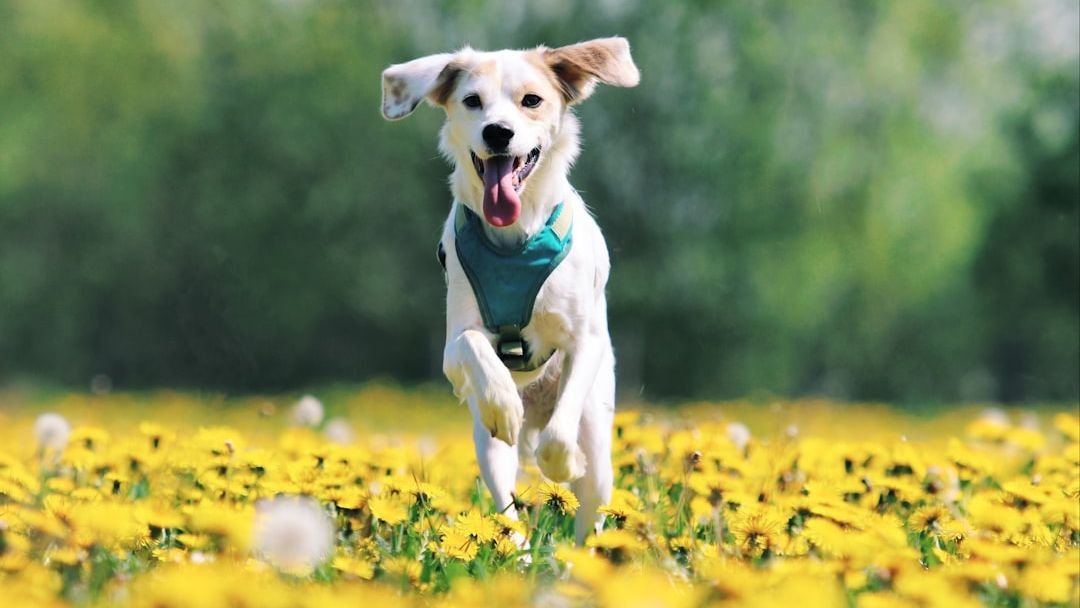
There’s something magical about watching a rescue dog finally let go of their past worries. That moment when they stop looking over their shoulder, when their eyes soften, when they curl up on the couch like they’ve always belonged there. It’s hard to put into words, honestly.
If you’ve recently welcomed an adopted dog into your life, you might be wondering whether they’re truly settling in or just going through the motions. The transition from shelter to home is a journey that unfolds differently for every dog, and recognizing the signs of genuine comfort can help you understand where your new companion is in their emotional journey. Let’s explore the telltale indicators that your adopted dog has truly found their forever home.
They’re Eating Normally and With Enthusiasm
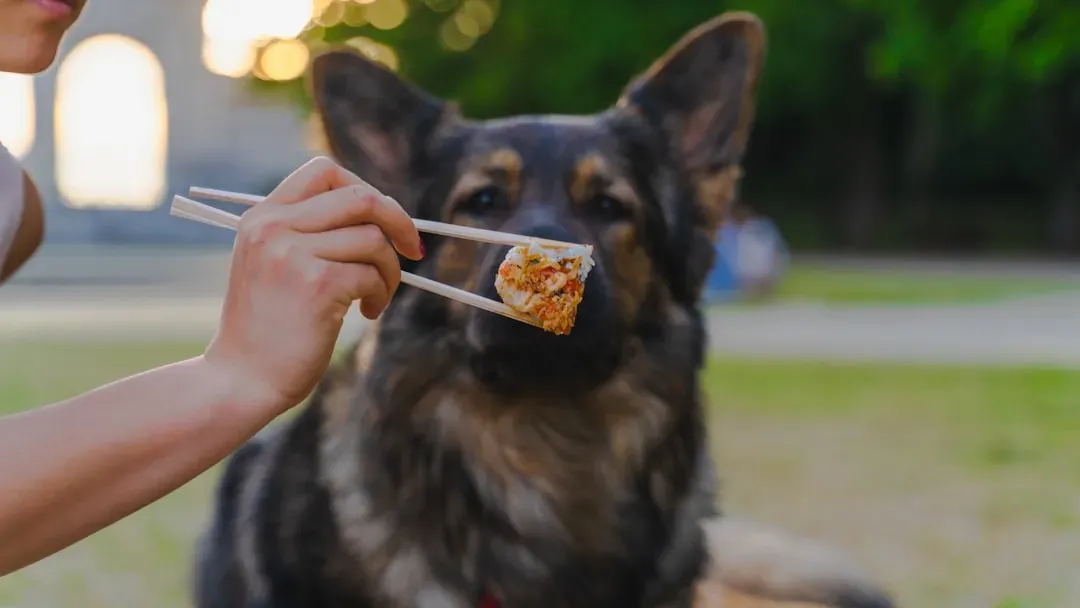
A relaxed dog maintains healthy eating patterns, eagerly approaching their food bowl during meal times, eating at a steady pace without rushing or showing signs of anxiety. When your dog first arrives, they might refuse food entirely or eat hesitantly, glancing around nervously between bites. This caution is completely normal.
Once they feel safe, you’ll notice a shift. They’ll finish their meals without hesitation, maybe even do a little happy dance when they hear the kibble hitting the bowl. Their appetite becomes predictable, and mealtimes feel routine rather than stressful. This consistency in eating habits is one of the most reliable indicators that your dog’s stress levels are dropping and they’re beginning to trust their new environment.
Their Body Language Screams Relaxation
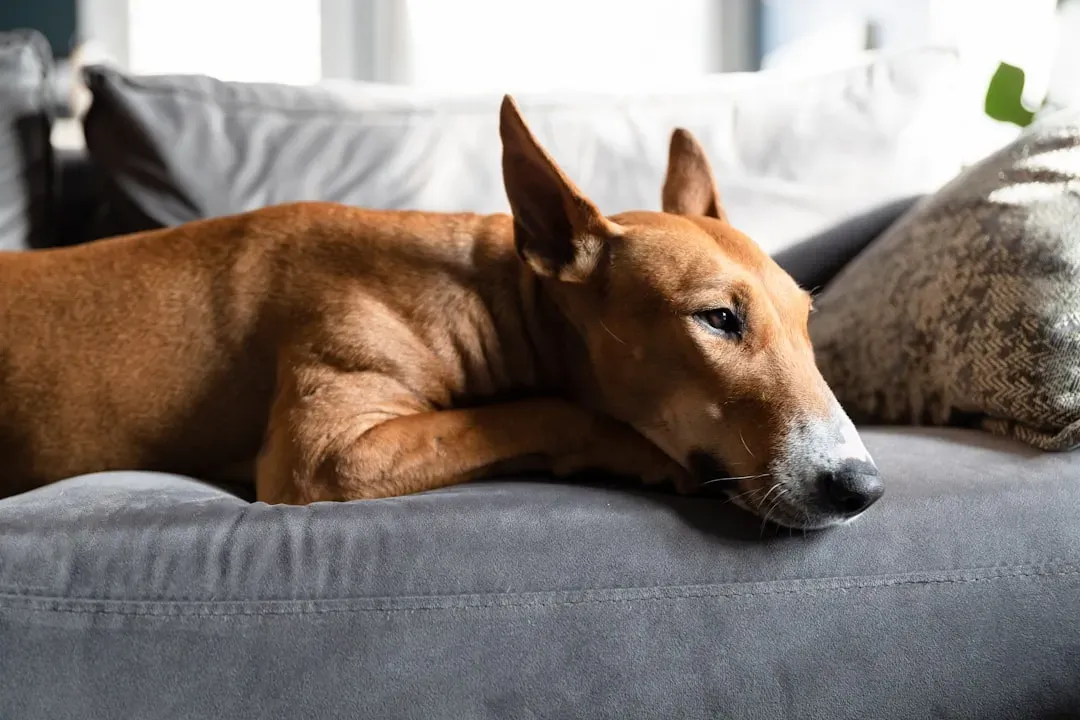
A relaxed dog’s face and body will be completely tension-free, their tail might gently wag, and their ears will be upright or in a neutral position, and you might even see their tongue hanging out to the side. Learning to read these physical cues is like unlocking a secret language between you and your dog.
Watch for a soft, squinty gaze with the pupil not dilated, mouth and lips relaxed or slightly open, and a tail held level or hanging down, softly waving in the air or gently thumping on the ground. Compare this to those first nervous days when their muscles were tight, their eyes wide, and their tail tucked. When you see loose, wiggly movements and soft eyes gazing at you, that’s your dog telling you they feel completely at ease.
Sleep Comes Easy in Your Presence
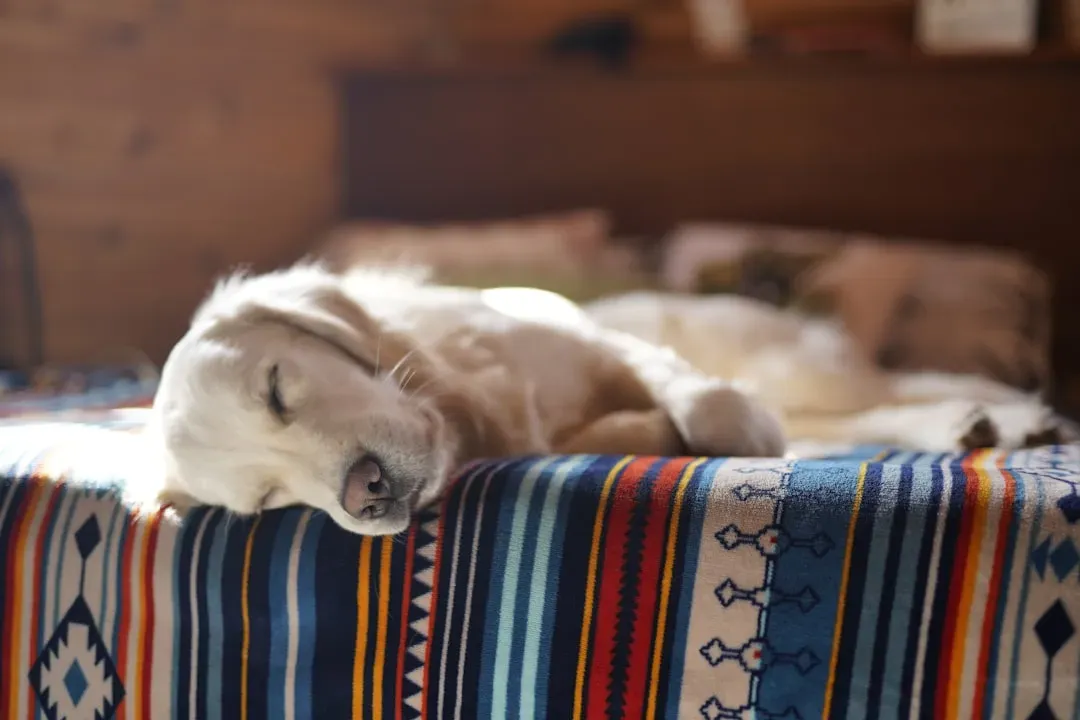
A comfortable dog develops regular sleeping patterns and chooses favorite spots for rest, sleeping soundly without constantly shifting positions or appearing restless. There’s something incredibly touching about watching a dog sleep deeply for the first time in your home. Their paws might twitch as they dream, their breathing becomes slow and even, and they’re completely vulnerable.
When dogs feel secure, they often alternate between periods of activity and rest naturally throughout the day, dozing off in common areas of the house rather than hiding in isolated spots, showing they trust their surroundings. If your dog is napping in the middle of the living room while you’re moving around, or sprawled out belly-up in a patch of sunshine, they’re telling you something important. They feel safe enough to let their guard down completely.
They Seek Out Your Company and Affection
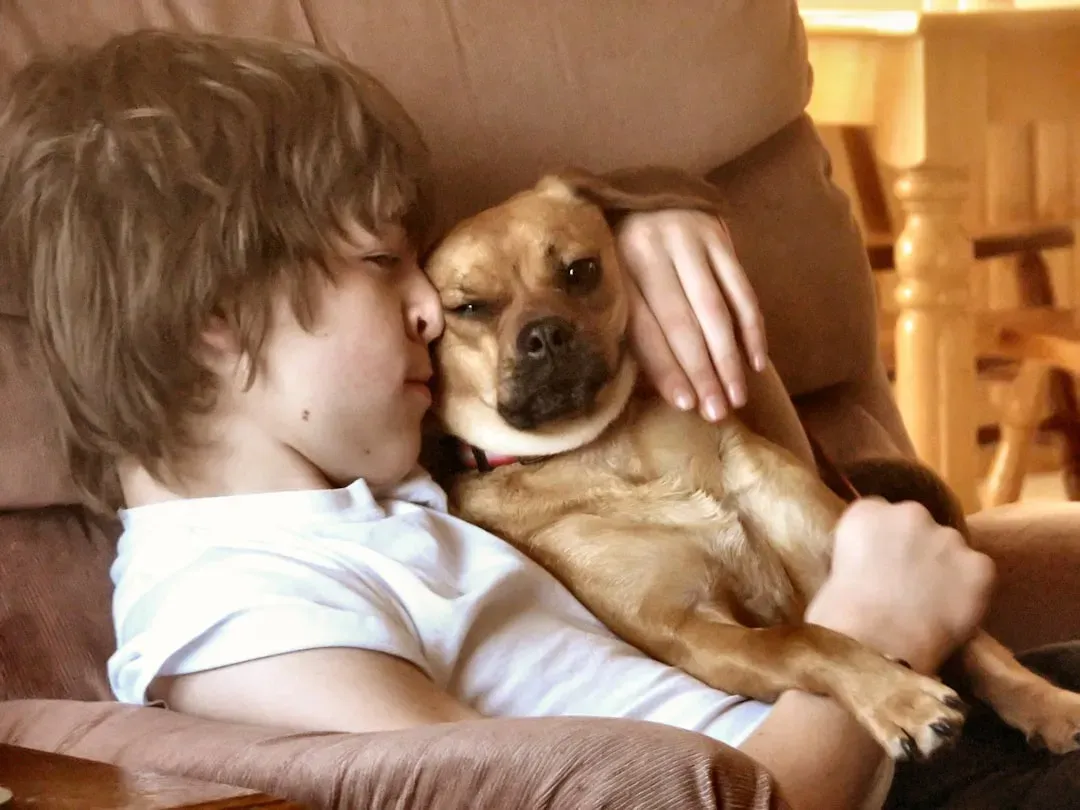
A happy dog may seek attention from you by nudging you with their nose, pawing at you, or leaning against you, which is a sign that they feel safe and comfortable around you and want to be close to you. Let’s be real, there’s nothing quite like the feeling of your adopted dog choosing to be near you.
As your furry friend settles into their new home, their interactions with family members become a crucial indicator of their comfort level, as a happy dog actively seeks out companionship and engages with their pet parent in meaningful ways. Maybe they follow you from room to room, rest their head on your knee while you’re working, or bring you their favorite toy. These aren’t just random behaviors. They’re deliberate attempts to connect, to say “I trust you, I like you, and I want to be part of your world.”
Playfulness Emerges Naturally
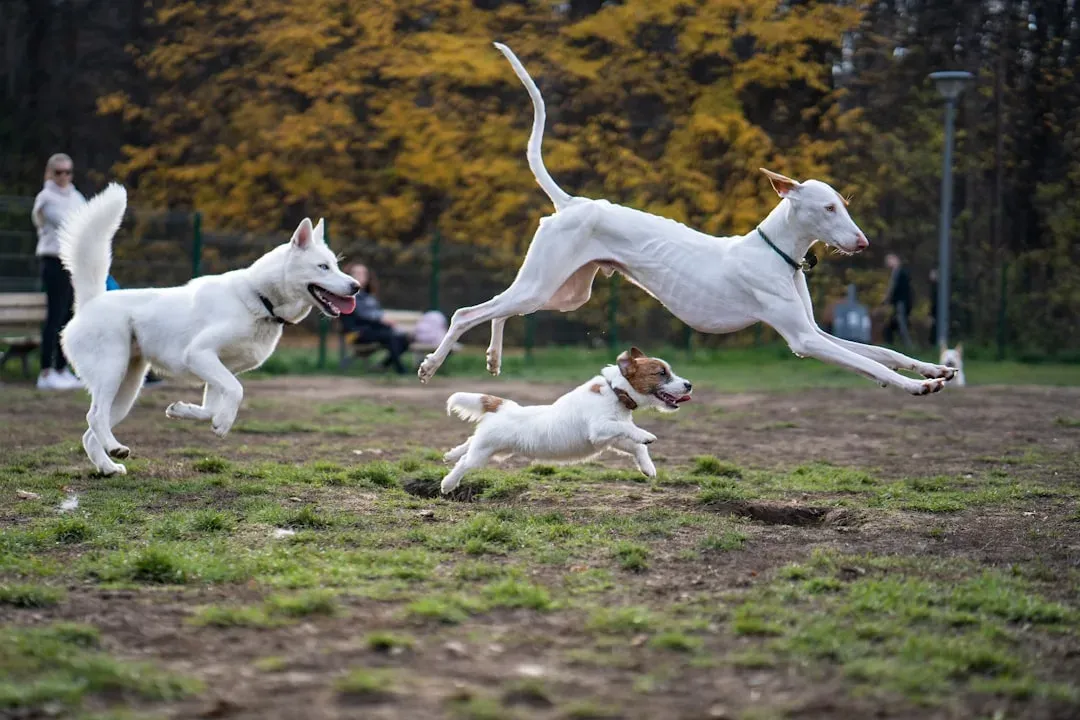
When a dog starts playing, something shifts. The stress melts away, replaced by genuine joy and curiosity. You might notice them grabbing a toy and shaking it enthusiastically, doing playful bows, or suddenly zooming around the house for no apparent reason. These “zoomies” are pure expressions of happiness and comfort.
While we are still working on her ‘skittishness’ around people, she has grown leaps and bounds, and her confidence shines when she chases a ball or gets puppy zoomies around the apartment. Play is a luxury behavior. Dogs who are stressed, frightened, or unsure don’t have the emotional bandwidth for it. When your adopted dog starts initiating play, whether with you, other pets, or even just with their own toys, it’s a beautiful sign that they’ve moved past survival mode into actually living.
Curiosity Replaces Caution
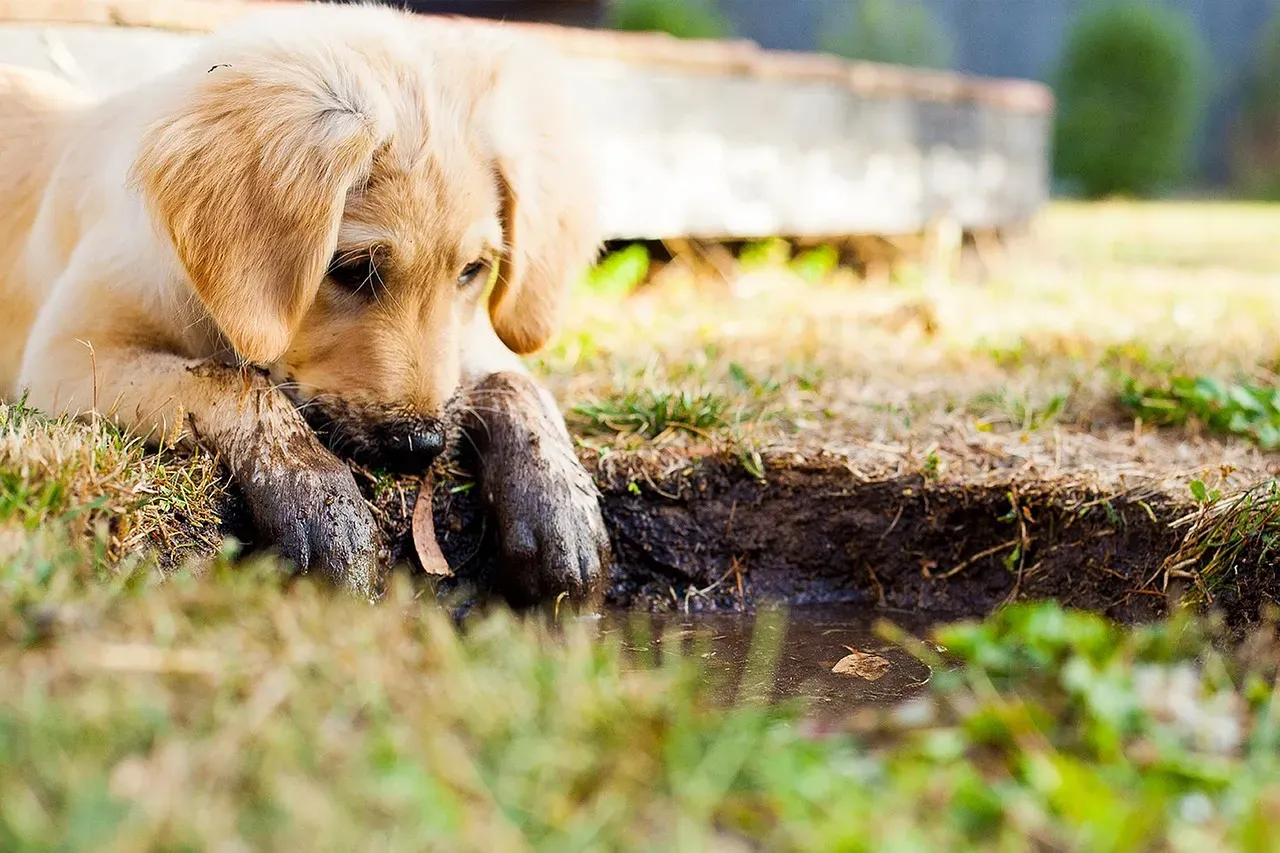
A happy dog will confidently venture into different rooms, sniffing corners and investigating new sights with enthusiasm, and this natural curiosity is a positive indicator that your pet is becoming comfortable in their new home. Remember those first days when your dog might have stayed in one spot, too nervous to explore? That feels like a lifetime ago now.
Pay attention to their body language during exploration, as a relaxed tail, forward-facing ears, and loose body movements suggest they’re enjoying their investigative adventure, and you might notice them revisiting certain spots multiple times, marking their territory and creating familiar reference points in their new environment. Watching them confidently pad around the house, checking out every nook and cranny, is incredibly rewarding. It means they’ve claimed this space as theirs.
Belly Rubs Become a Regular Thing
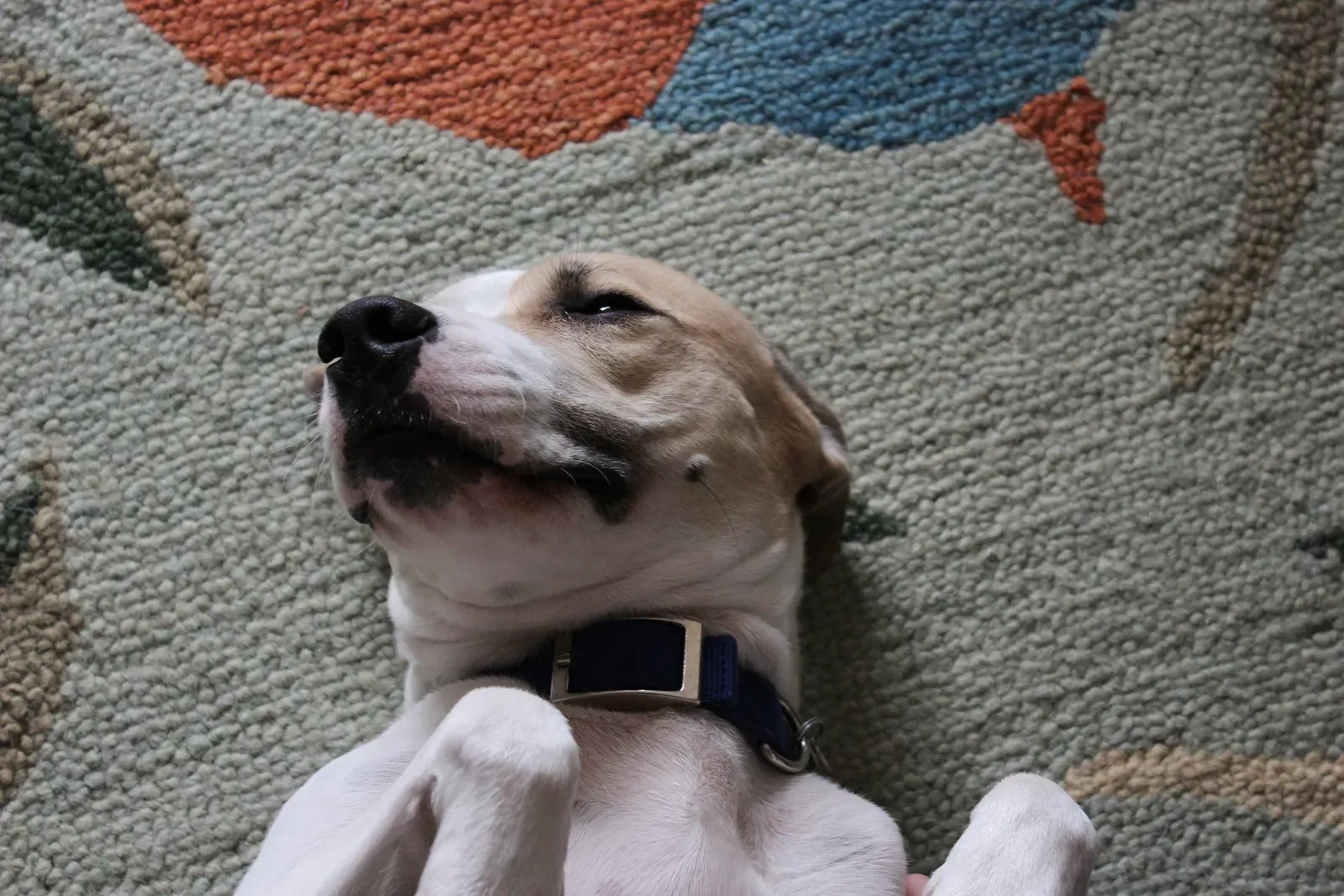
The belly roll is the ultimate trust signal. A happy dog might also present their belly for rubs, showing complete trust in their environment. It’s one thing for a dog to tolerate being touched, but it’s entirely different when they actively invite you to pet their most vulnerable area.
Here’s the thing, not every dog loves belly rubs, and that’s okay. Different dogs show trust in different ways. What matters is that your dog is comfortable with physical affection on their own terms. Maybe they lean into your touch, maybe they flip over for scratches, or maybe they just sit close enough that your legs are touching. All of these are signs that physical closeness feels good to them now, not scary.
Normal Behaviors Start Showing Up
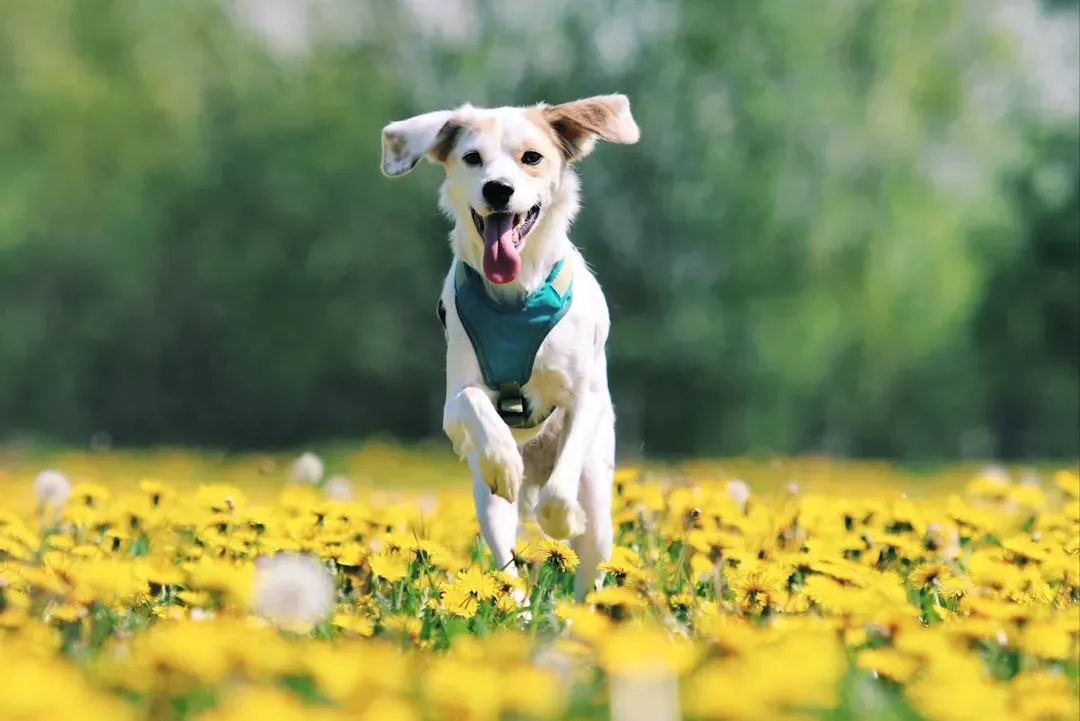
By around three weeks after arriving at their new home, most dogs are getting more comfortable with the routine and starting to show their normal behavior and temperament, and you may see a dog who was initially cautious and shy start to come out of their shell, perhaps exhibiting some training issues that you didn’t notice the first few days. This might sound strange, but even misbehavior can be a positive sign.
No longer inhibited by fear or feeling paralyzed by chronic stress, your new dog may spontaneously chase the cat or jump up on the counter, and she might start barking at every sound coming from the other side of your backyard fences, and these behaviors are actually a sign that the dog is finally feeling less inhibited and showing you the true extent of her understanding of how to live with humans. It means they’re no longer in shutdown mode, trying desperately to be invisible. They’re being themselves, quirks and all.
They’ve Established a Routine They Can Count On
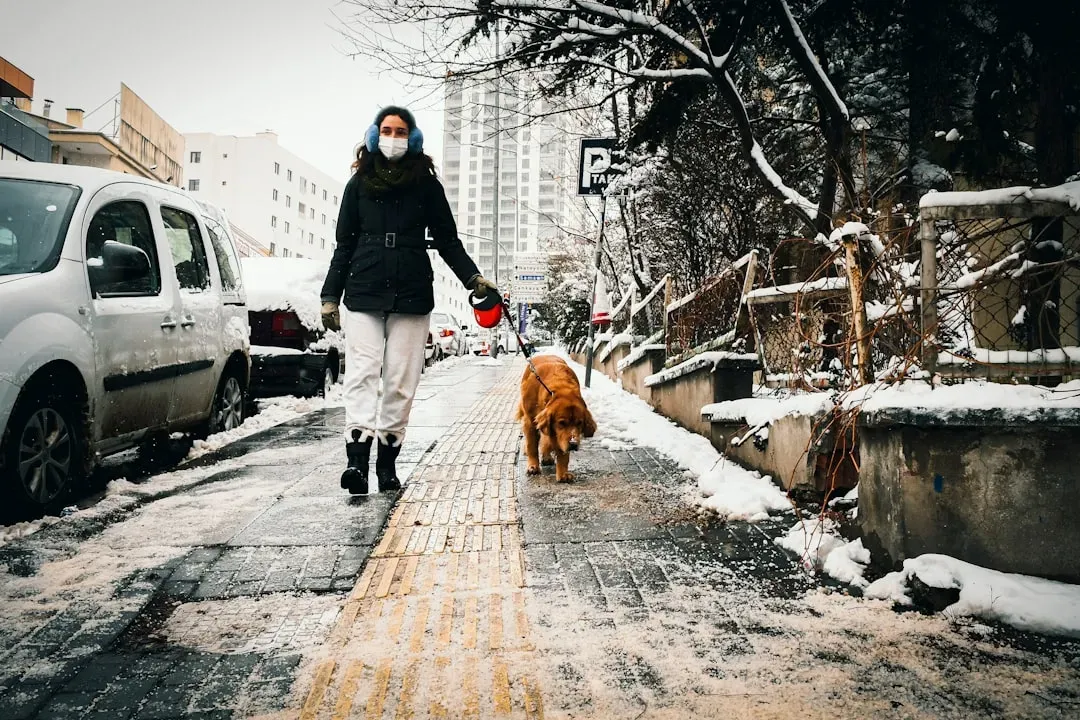
Your new dog is finally feeling comfortable and secure in your home, has learned to trust you and has become very bonded to you, and as long as you’ve been consistent, he should now understand the daily routine and feel secure in its predictability. Dogs are creatures of habit, and routine provides enormous comfort to them.
When your adopted dog knows what comes next, when they anticipate walks at certain times or settle down automatically when you start your evening routine, they’ve internalized the rhythm of your household. They understand that breakfast happens every morning, that walks come after breakfast, and that bedtime follows the same pattern every night. This predictability helps them feel grounded and secure.
Stress Signals Have Significantly Decreased

Show decreased signs of anxiety. As a dog’s stress levels normalize, you’ll notice physical changes like improved appetite, more restful sleep, decreased vigilance, and a more relaxed body posture. Think about those early days when your dog might have panted excessively, paced, tucked their tail, or shown the whites of their eyes constantly.
Patience is key when adopting a rescue dog, as it can take a week or more for the dog to start relaxing in his new environment, and months to be completely adjusted. If those behaviors have faded and been replaced by calm, confident body language, you’re witnessing the physical manifestation of emotional healing. Your dog’s nervous system is finally able to stand down from high alert.
Conclusion

Though shelter dogs’ behavior changes tend to ebb and flow in the first 6 months after adoption, 100% of owners at the study’s end reported their pet had adjusted well to their forever home. Every adopted dog moves through their adjustment period at their own pace, and there’s no universal timeline for when they’ll feel completely at home. Some dogs bounce back in weeks, while others need months to fully trust their new life.
What matters most is that you’re paying attention, giving them space when they need it, and celebrating these small victories along the way. Each sign of comfort, each moment of relaxation, each playful interaction is proof that your patience and love are making a difference. Your adopted dog is finding their way home, one tail wag at a time. What moment made you realize your dog had finally settled in? We’d love to hear your story.


