

Are you a devoted dog lover who’s found yourself tangled up in the mystique of a cat’s personality? Maybe you’ve welcomed a feline into your home, but their subtle signals leave you guessing. Cats aren’t always as open as our tail-wagging canine friends, but their feelings are loud and clear—if you know what to look for. Discovering whether your cat feels truly safe or secretly stressed can be a game-changer in your bond. Prepare to be surprised, touched, and maybe even a little challenged as we unravel the 10 unmistakable signs your cat feels secure with you—and 10 red flags that might signal they’re actually anxious. Ready to see your cat in a whole new light?
They Slowly Blink at You
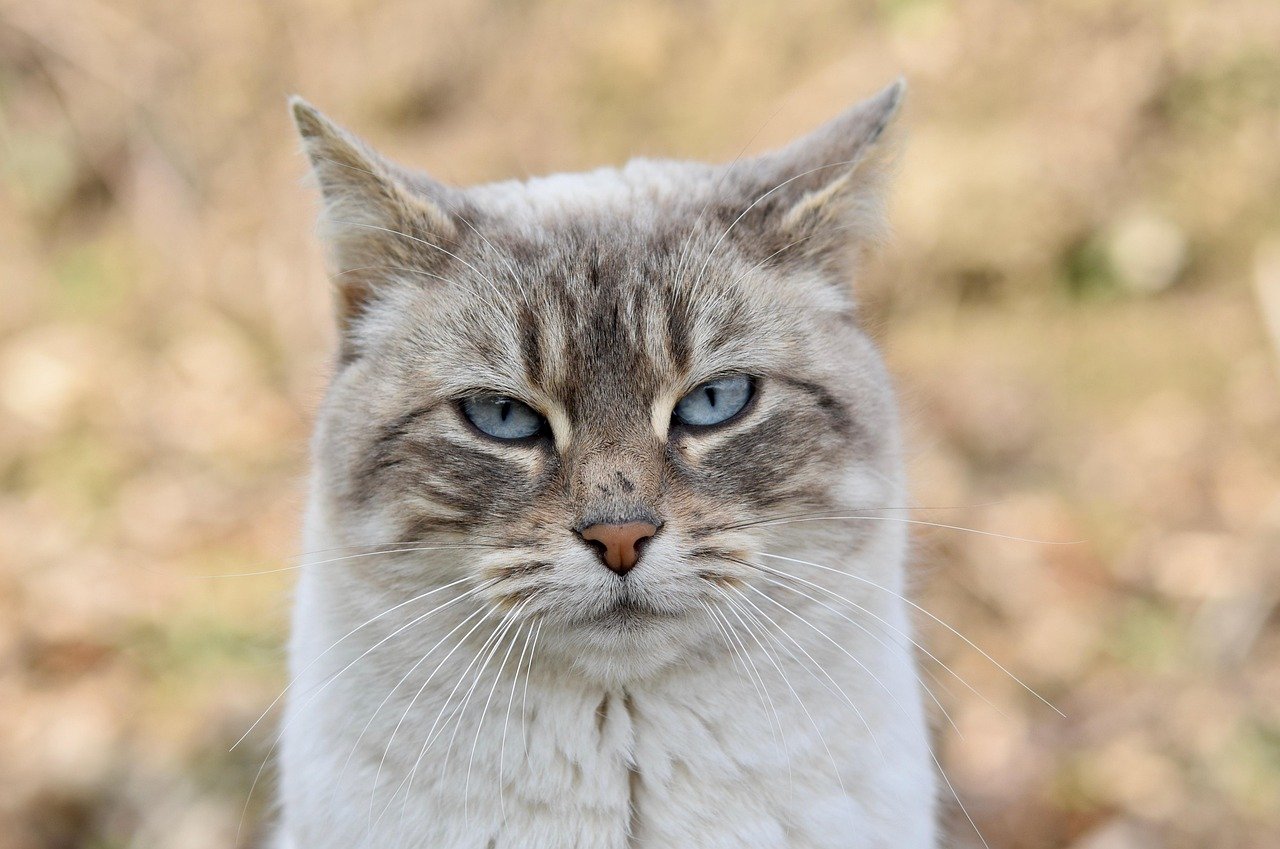
When a cat slowly blinks at you, it’s like receiving a feline kiss. This gentle, unhurried blink is a powerful sign of trust. Cats don’t close their eyes around just anyone, so if yours does this while gazing your way, it means they feel safe. Think of it as their way of saying, “I’m relaxed, you’re not a threat.” You can even try blinking back at them, and you might be surprised when they return the gesture. This simple exchange can build an even deeper sense of security between the two of you. In a world where cats are often wary, a slow blink is pure gold.
They Expose Their Belly
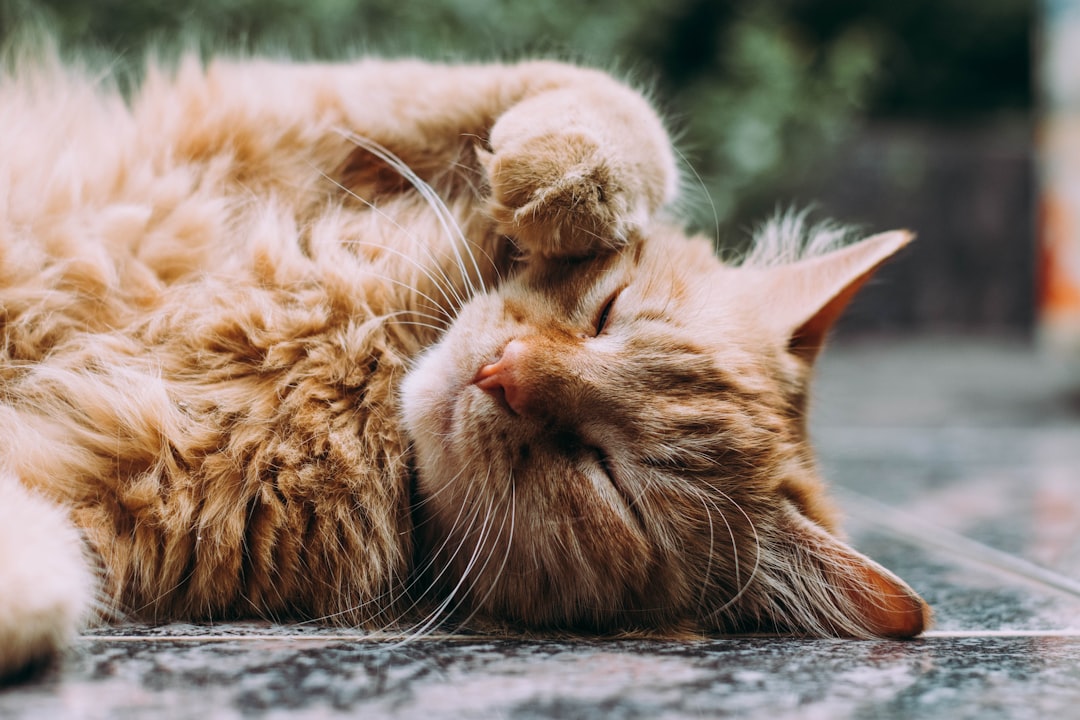
If your cat flops over and shows you their tummy, consider it the ultimate sign of trust. The belly is their most vulnerable spot, and only a cat who feels completely at ease will roll over and reveal it. It’s like a dog’s version of a belly-up sprawl, but with even more meaning. Some cats might even invite you to rub their belly, though many prefer just to show it off. This gesture screams, “I feel safe with you!” Just remember, not all cats like belly rubs—so respect their boundaries if they’re just showing, not inviting.
They Knead You With Their Paws
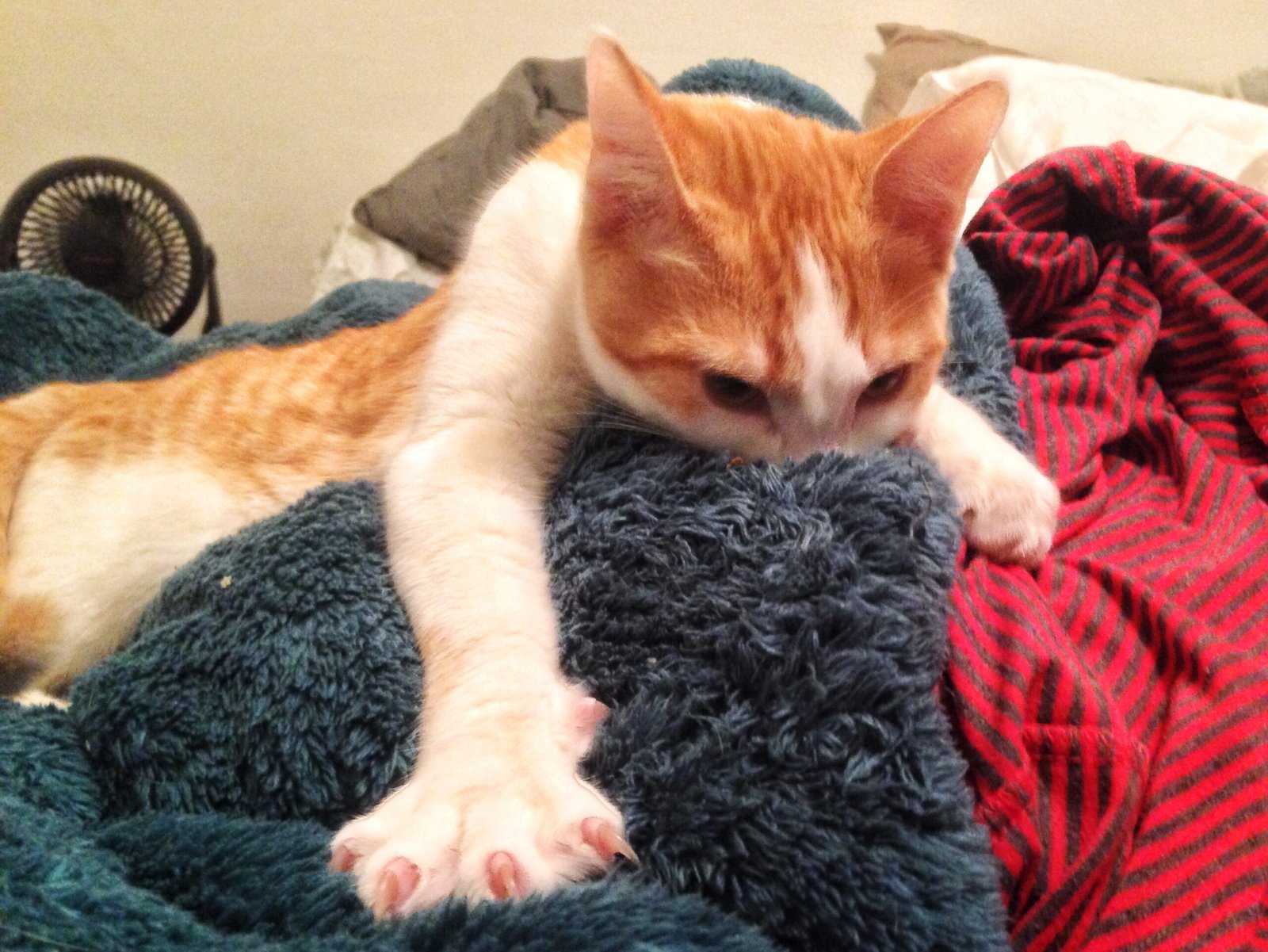
Kneading is one of the cutest and most endearing behaviors a cat can display. When your cat presses their paws rhythmically against you, it’s a throwback to kittenhood, when they kneaded their mothers for comfort. If your cat kneads you, it means they associate you with safety and warmth. It’s their way of saying, “You’re my person.” This sign is especially special, as it often comes with purring and a dreamy look in their eyes. Enjoy this moment—it means your cat is deeply content in your presence.
They Purr Loudly Around You
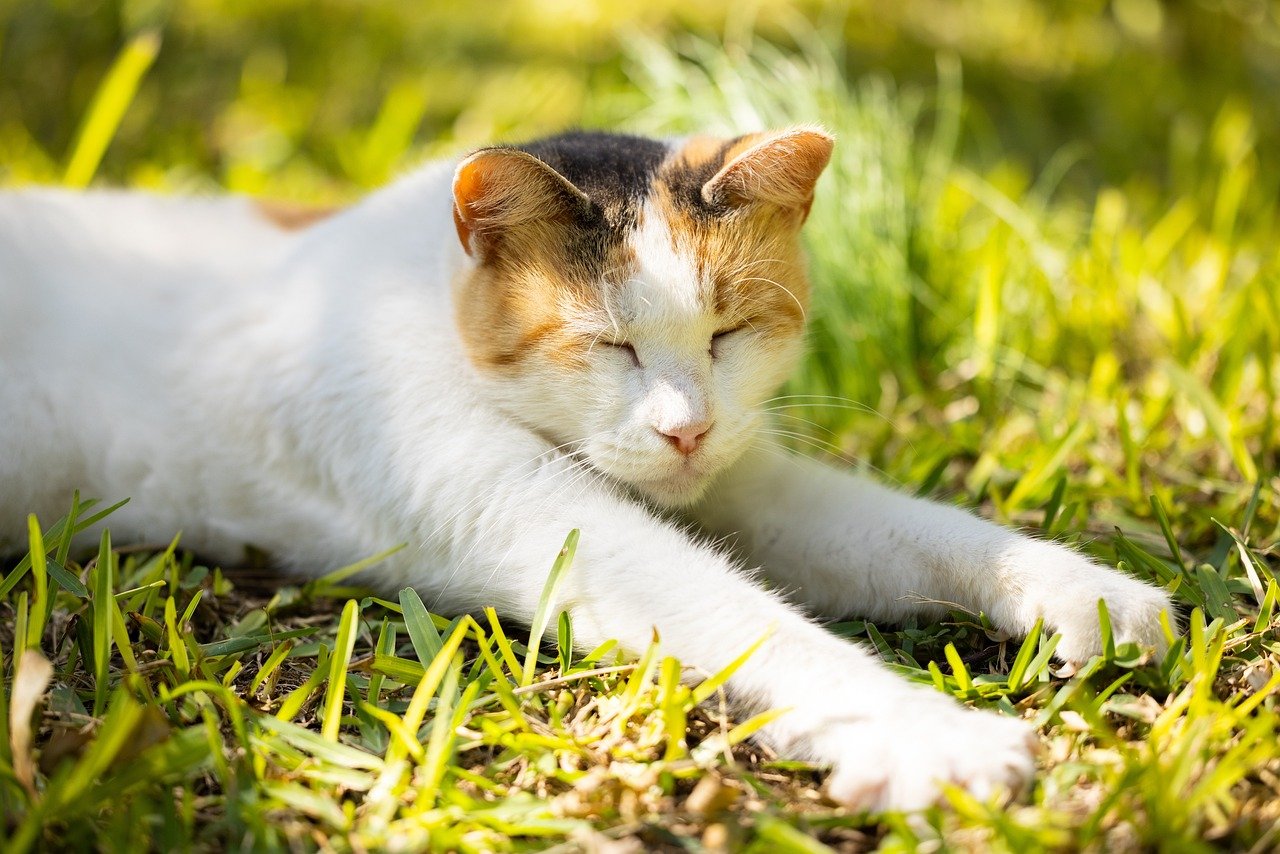
Purring is the soundtrack of a happy, relaxed cat. When your cat settles on your lap or curls up beside you and starts purring, it’s a clear message: “I’m happy and safe.” While cats do purr for various reasons (sometimes even when in pain), a relaxed purr accompanied by soft body language and half-closed eyes is almost always a sign of trust. This is their way of melting stress and showing affection, and it’s a privilege to be the human who brings them this kind of comfort.
They Follow You Everywhere

Does your cat seem to shadow your every move, following you from room to room? This isn’t just curiosity—it’s a powerful sign of attachment and security. Cats who feel safe want to be near their trusted humans, just as loyal dogs do. They might sit at your feet while you work, hop onto the bathroom counter while you brush your teeth, or perch on the sofa when you’re relaxing. Their silent companionship means they trust you to keep them safe, no matter where you go.
They Bring You “Gifts”
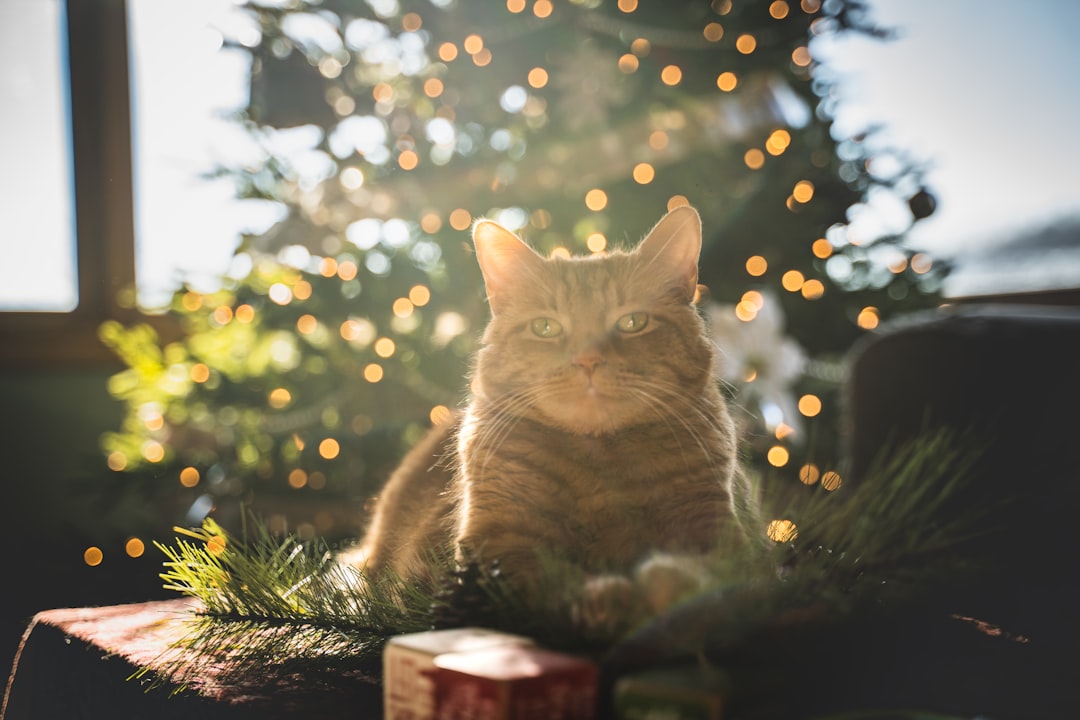
As odd as it might seem, when your cat drops a toy (or, in some cases, a less pleasant prize) at your feet, it’s a sign of deep connection. This instinct comes from their wild ancestors, who would bring food back to their family. Your cat sees you as part of their inner circle and wants to share their “hunt” with you. It’s not always pretty, but it’s sincere. Receiving a gift from your cat is a strong mark of trust and acceptance into their feline world.
They Sleep On or Near You
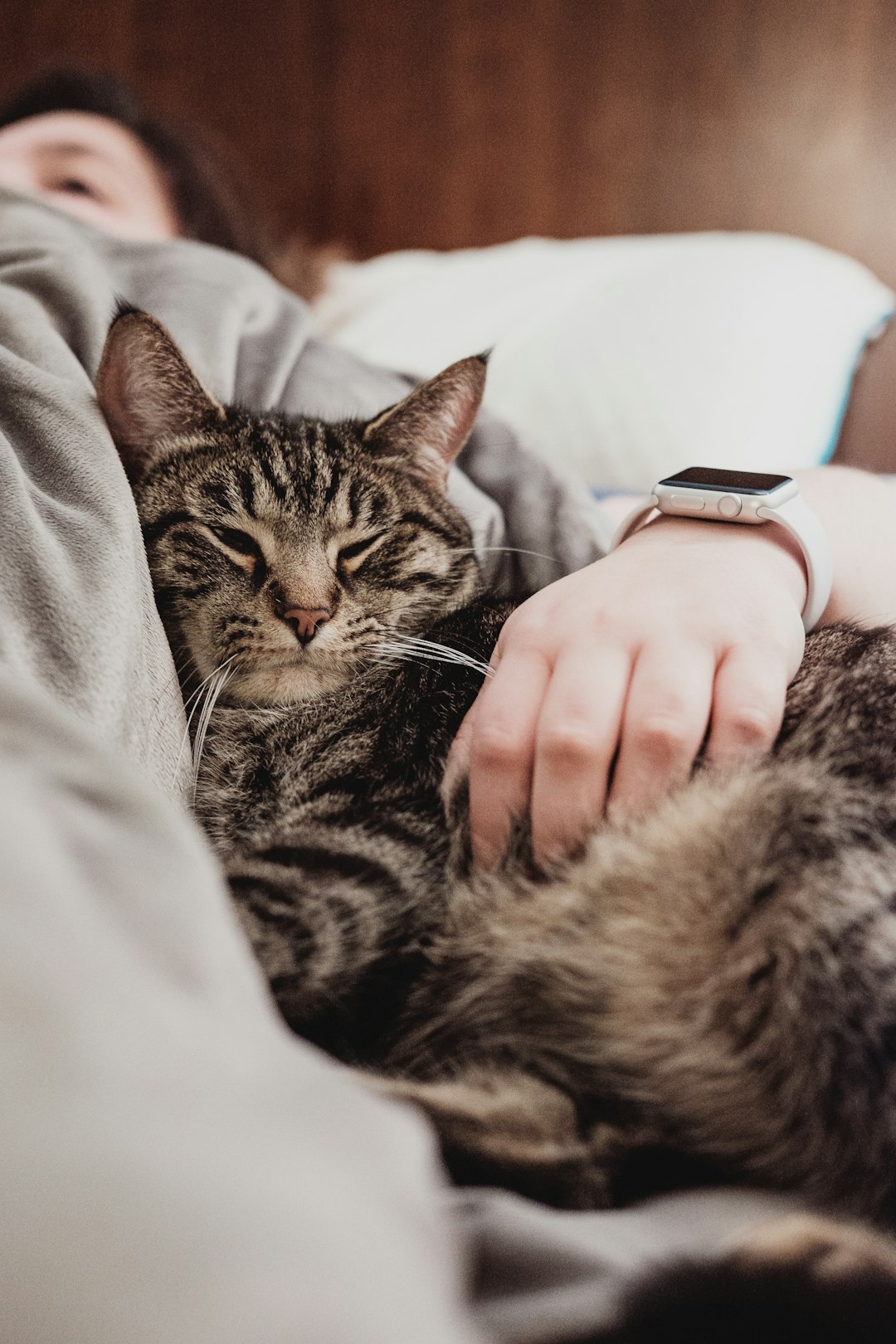
Cats are at their most vulnerable when they sleep. If your cat chooses to curl up on your lap, snuggle beside you, or even doze off on your pillow, it means they feel completely safe. Sleeping near you is a compliment—your presence is their shield. This is one of the highest honors a cat can bestow, and it’s a moment to cherish, even if it means sacrificing a bit of personal space or waking up to a whiskered face in the morning.
They Show Their Tail Straight Up
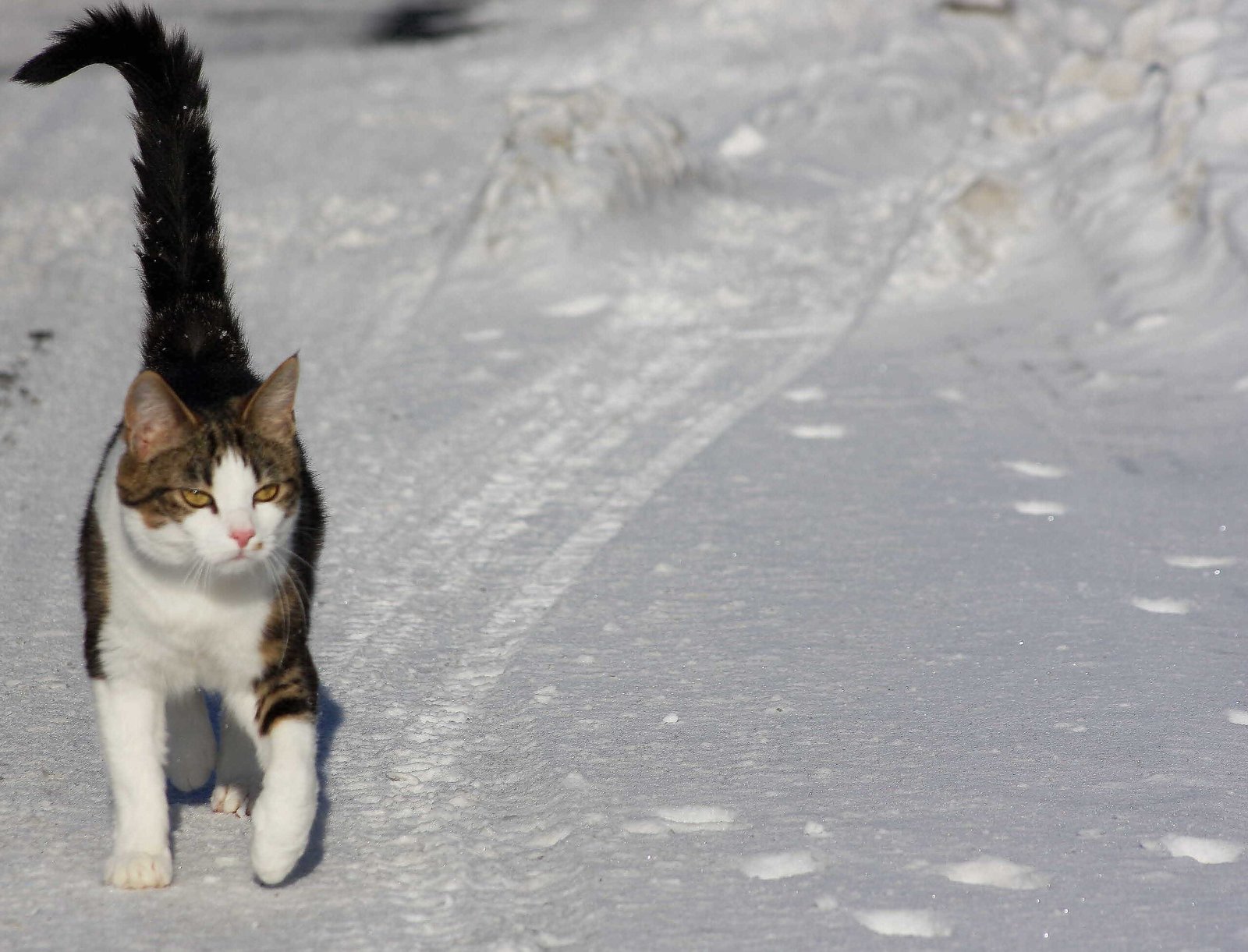
A cat’s tail is a mood barometer, and a tail held high as they approach you is a sign of happiness and confidence. This upright tail signals that they’re glad to see you and feel secure in your presence. Sometimes, their tail might even quiver with excitement as they greet you. If you see this, know that you’re making your cat feel right at home and truly loved.
They Rub Their Face Against You
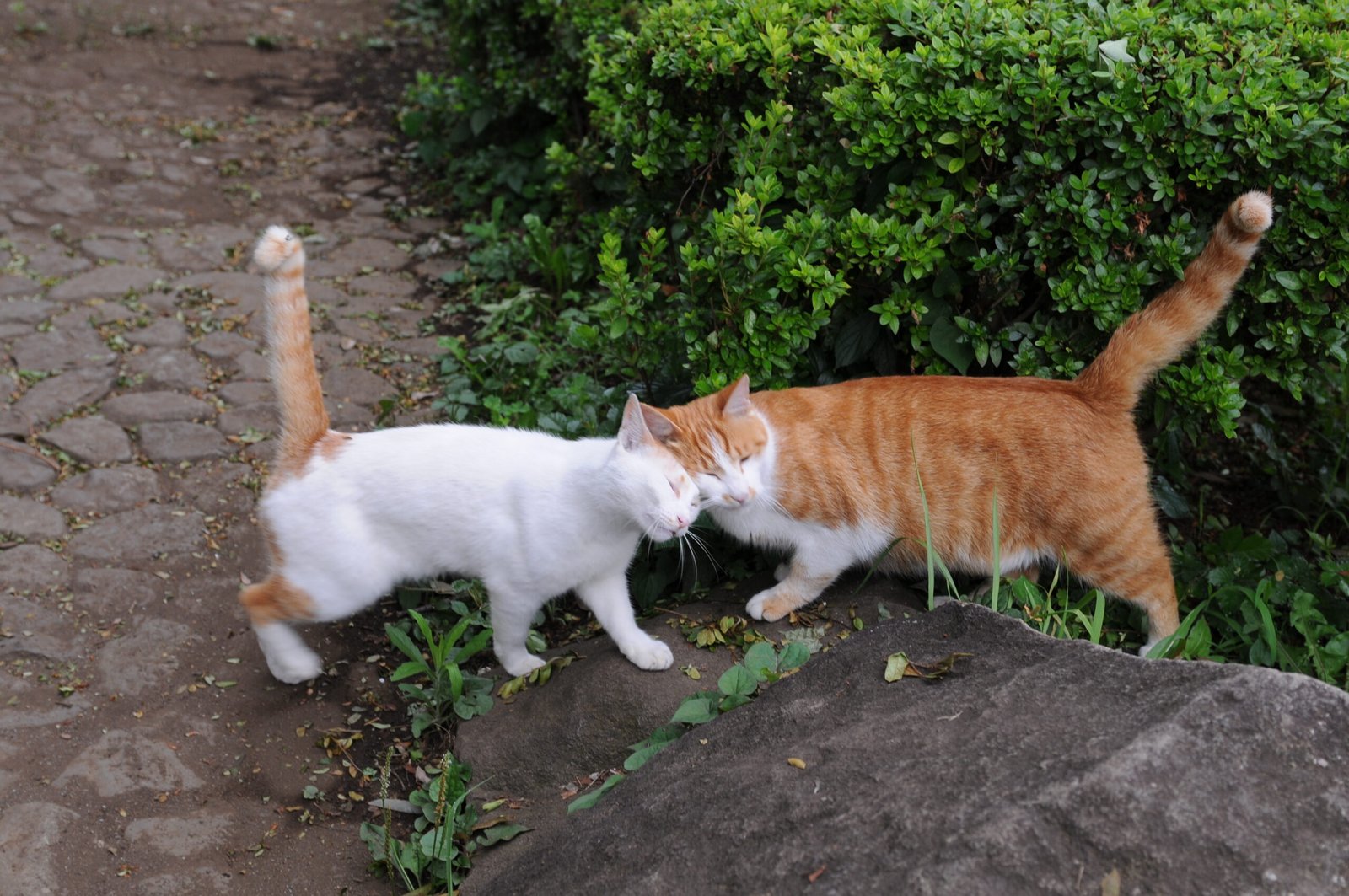
Cats have scent glands on their cheeks, and when they rub their face against you, they’re marking you as part of their territory. This isn’t just about claiming you—it’s also a way of mingling their scent with yours, a deeply comforting action for felines. If your cat head-butts, nuzzles, or rubs their face on your hand or leg, they’re declaring, “You’re safe, you’re mine, and I want you close.” Take this as a warm embrace in cat language.
They Chirp, Trill, or “Talk” to You
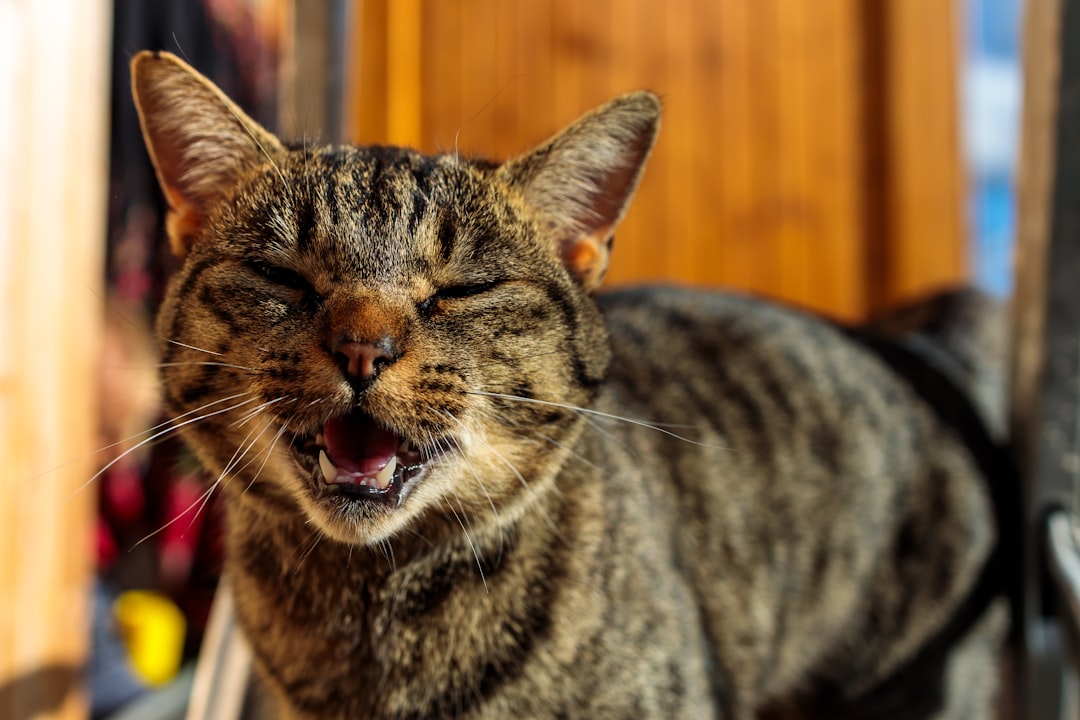
Cats are known for their mysterious silence, but many vocalize with people they trust. If your cat greets you with chirps, trills, or soft meows, it’s a sign they feel comfortable and secure. These sounds are often reserved for family, and they’re your cat’s way of communicating affection or requesting gentle attention. Enjoy these little conversations—they mean your cat feels at home with you.
They Hide More Than Usual
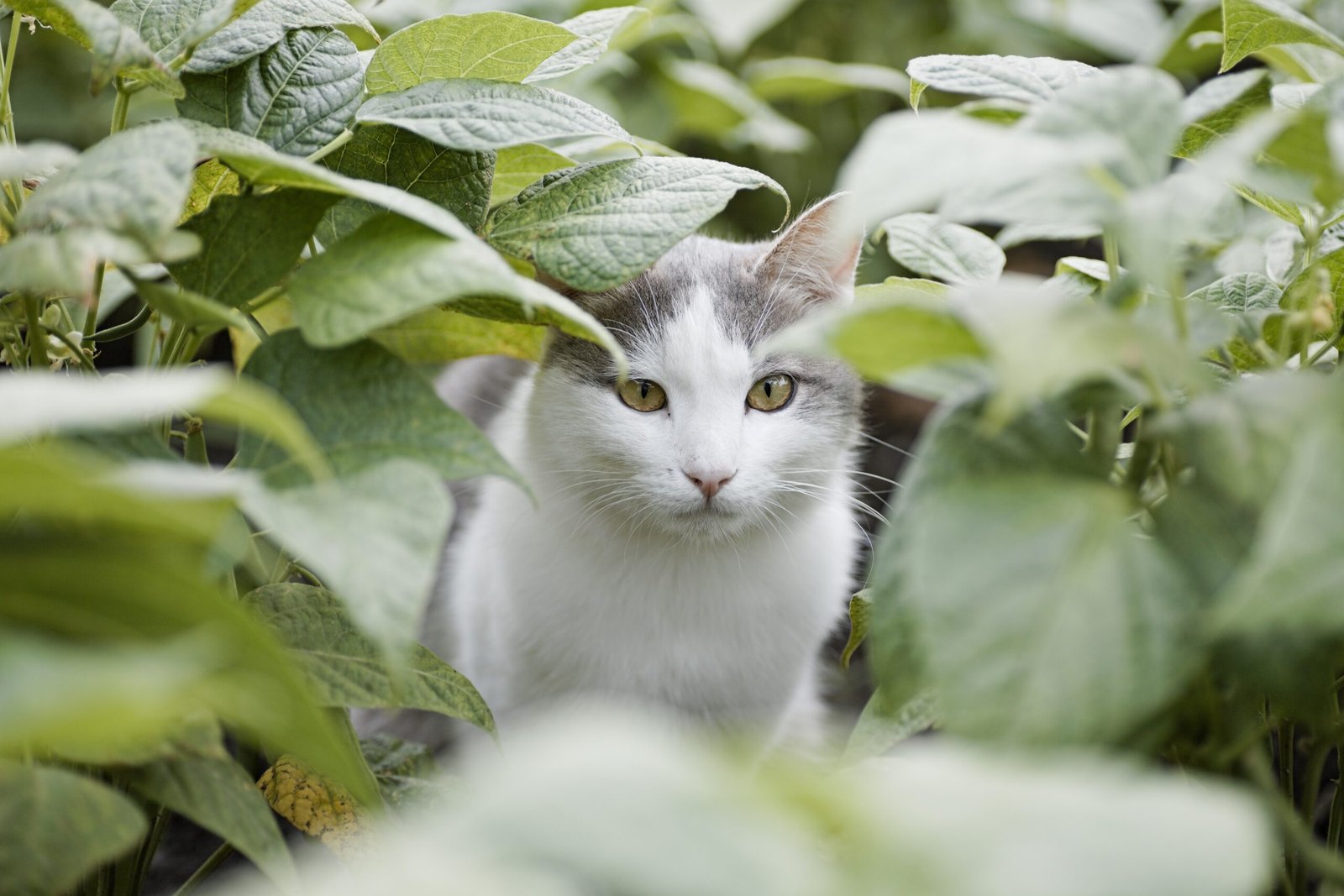
Now, on to the signs of stress. If your cat starts hiding in closets, under beds, or in hard-to-reach spots, it could be a red flag. Cats who are anxious often seek refuge in secluded places, away from noise and activity. This behavior may be triggered by changes in the household, new pets, or even unfamiliar guests. If you notice your cat disappearing more than normal, they may not be feeling secure, and it’s time to investigate what’s causing their discomfort.
They Aggressively Groom Themselves
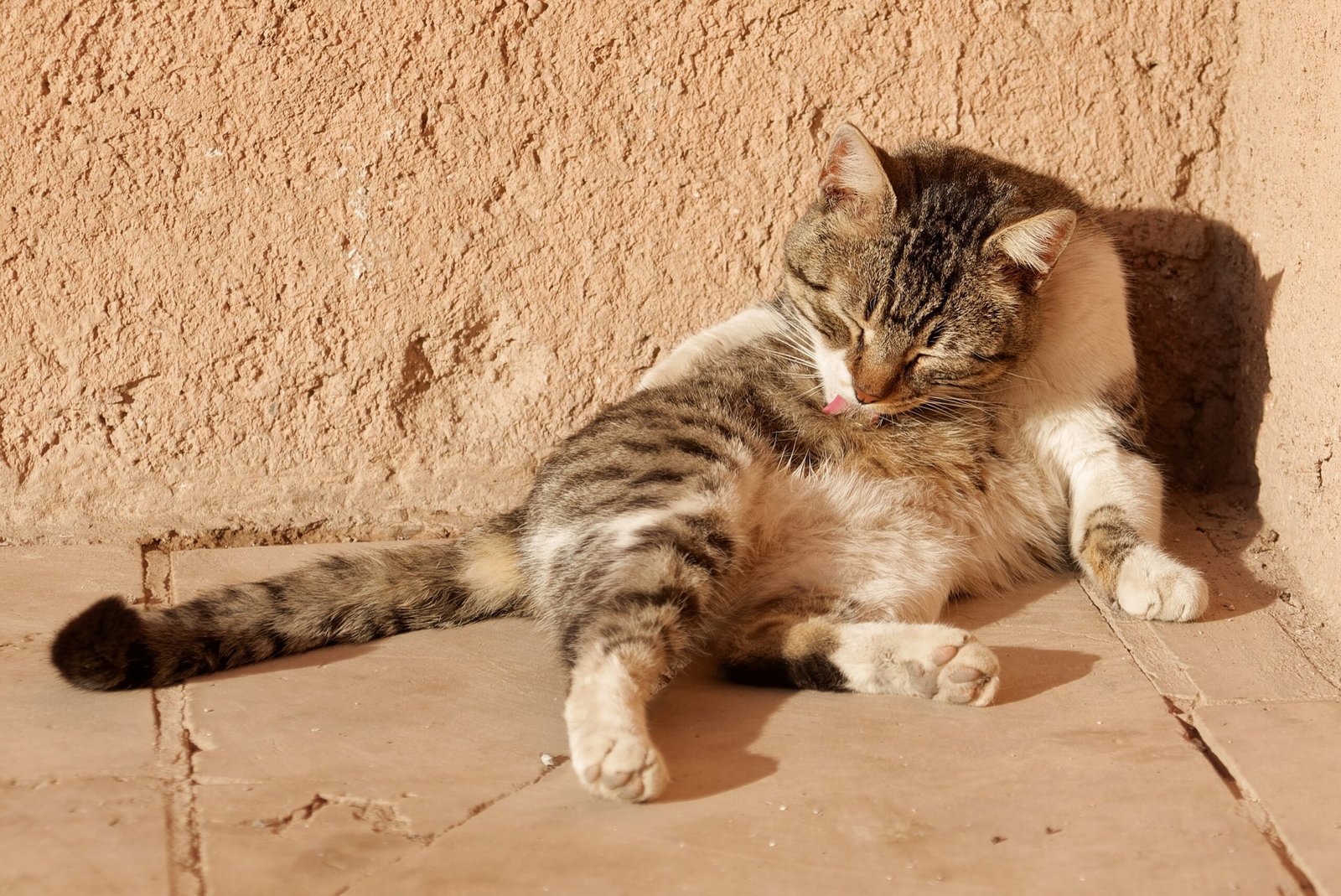
Excessive grooming is a common sign of feline stress. While cats are naturally clean creatures, over-grooming—especially to the point of bald spots or irritated skin—signals that something’s wrong. This behavior can be a way for cats to self-soothe when they’re feeling anxious or unsettled. If your cat is constantly licking or chewing at their fur, it’s important to address potential stressors in their environment.
They Hiss, Growl, or Swat
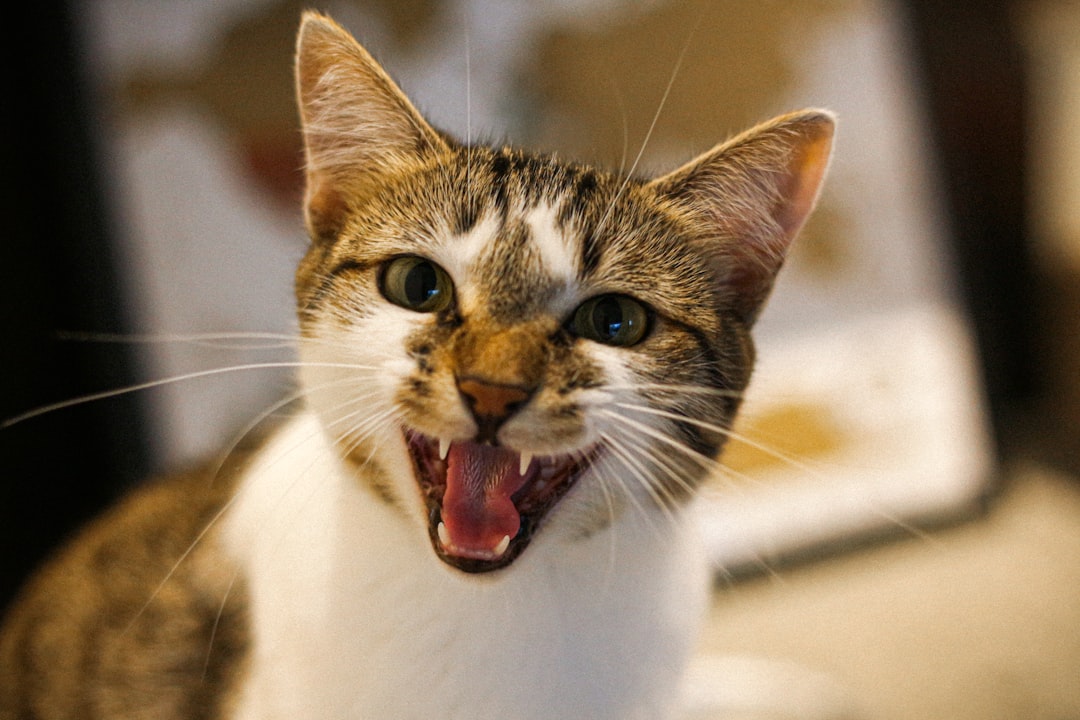
A cat that feels threatened or insecure may become defensive. Hissing, growling, or swatting are unmistakable signs of stress or fear. These behaviors mean your cat is on high alert and feels they need to protect themselves. It’s not just “bad behavior”—it’s a plea for space and understanding. Try to identify what’s making them uncomfortable and give them time to calm down.
They Stop Using the Litter Box
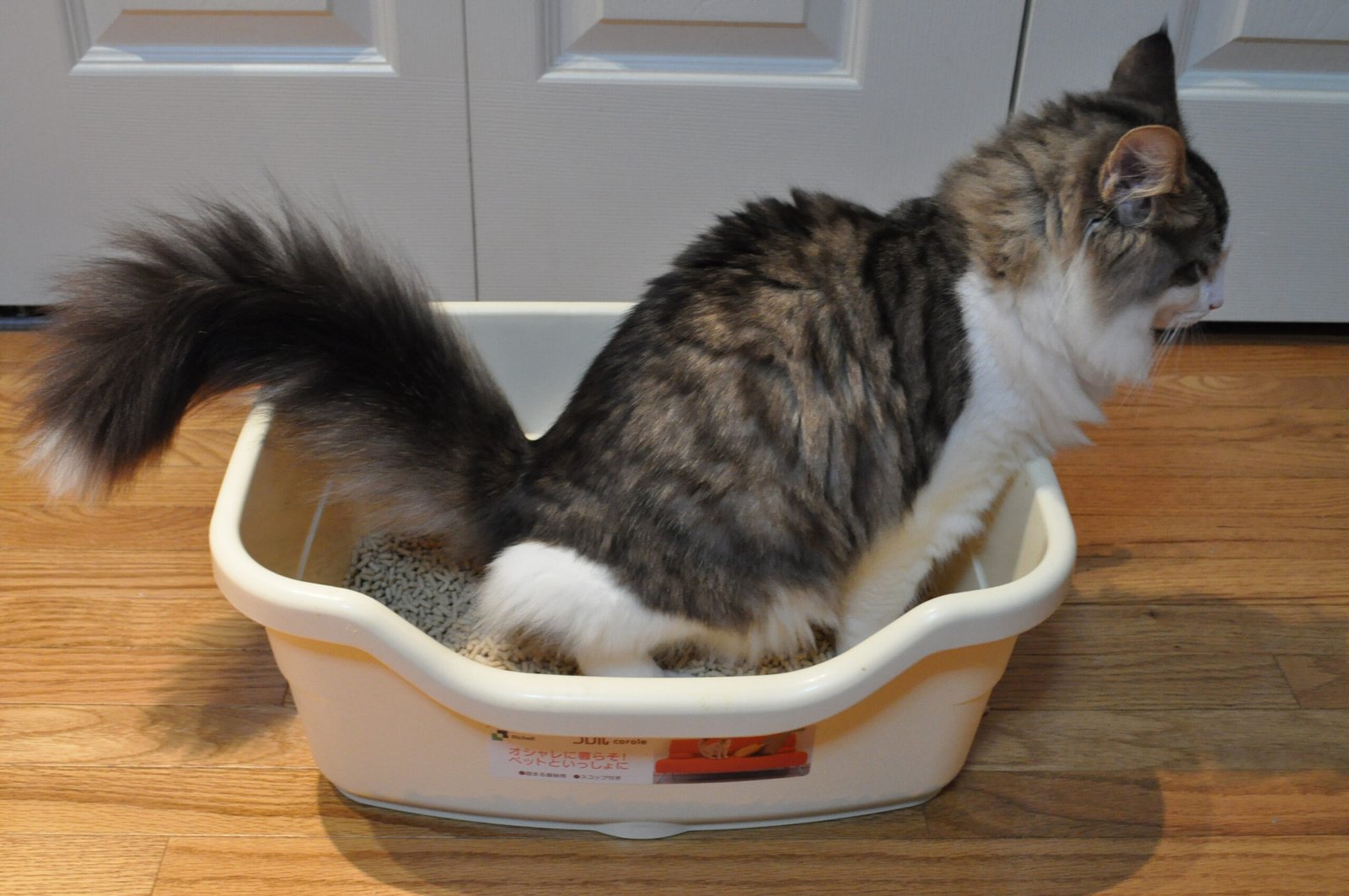
When a previously litter box-faithful cat starts having accidents, stress is often at the root. Cats are creatures of habit, and sudden changes in bathroom behavior are rarely random. Moving to a new home, changing litter brands, or tension with other pets can all trigger this. If your cat is avoiding the litter box, look for underlying stressors and be patient as you work to restore their sense of security.
They Lose Their Appetite
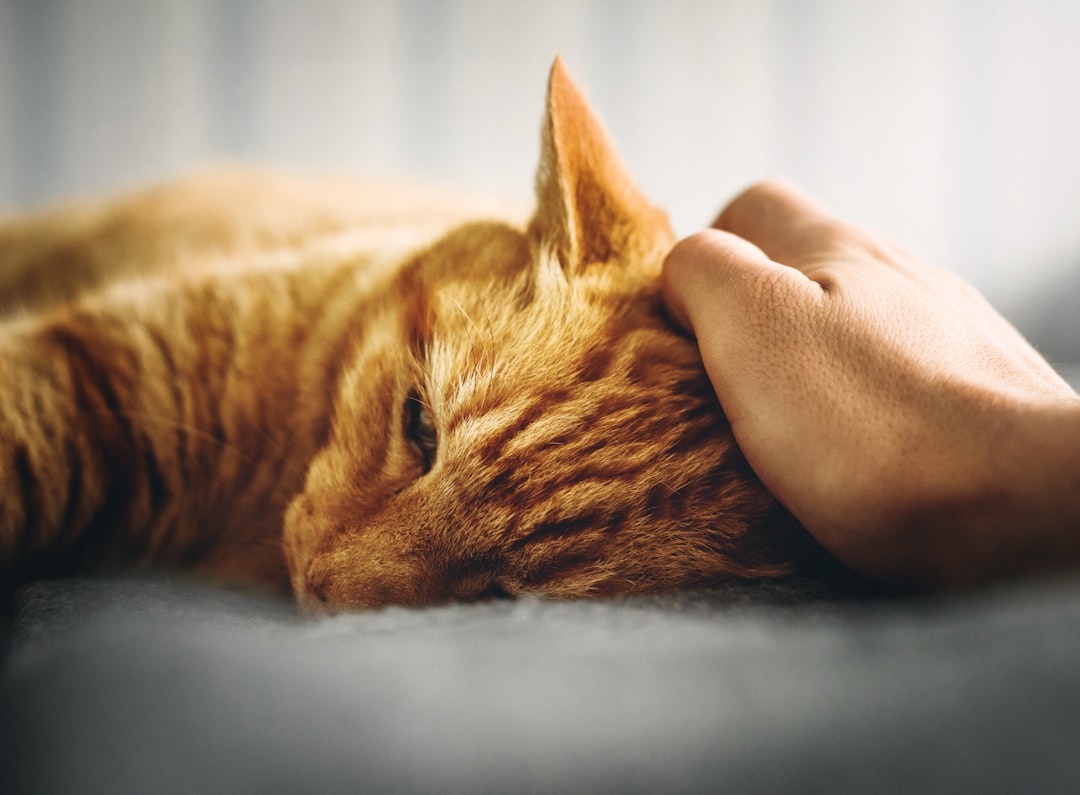
A cat that suddenly turns up their nose at food may be struggling emotionally. Stress can cause a noticeable drop in appetite, and it’s not just about being picky. This is especially concerning if your cat is usually a hearty eater. Loss of appetite can lead to health issues, so it’s vital to address both the emotional and physical factors at play.
They Flatten Their Ears or Puff Up
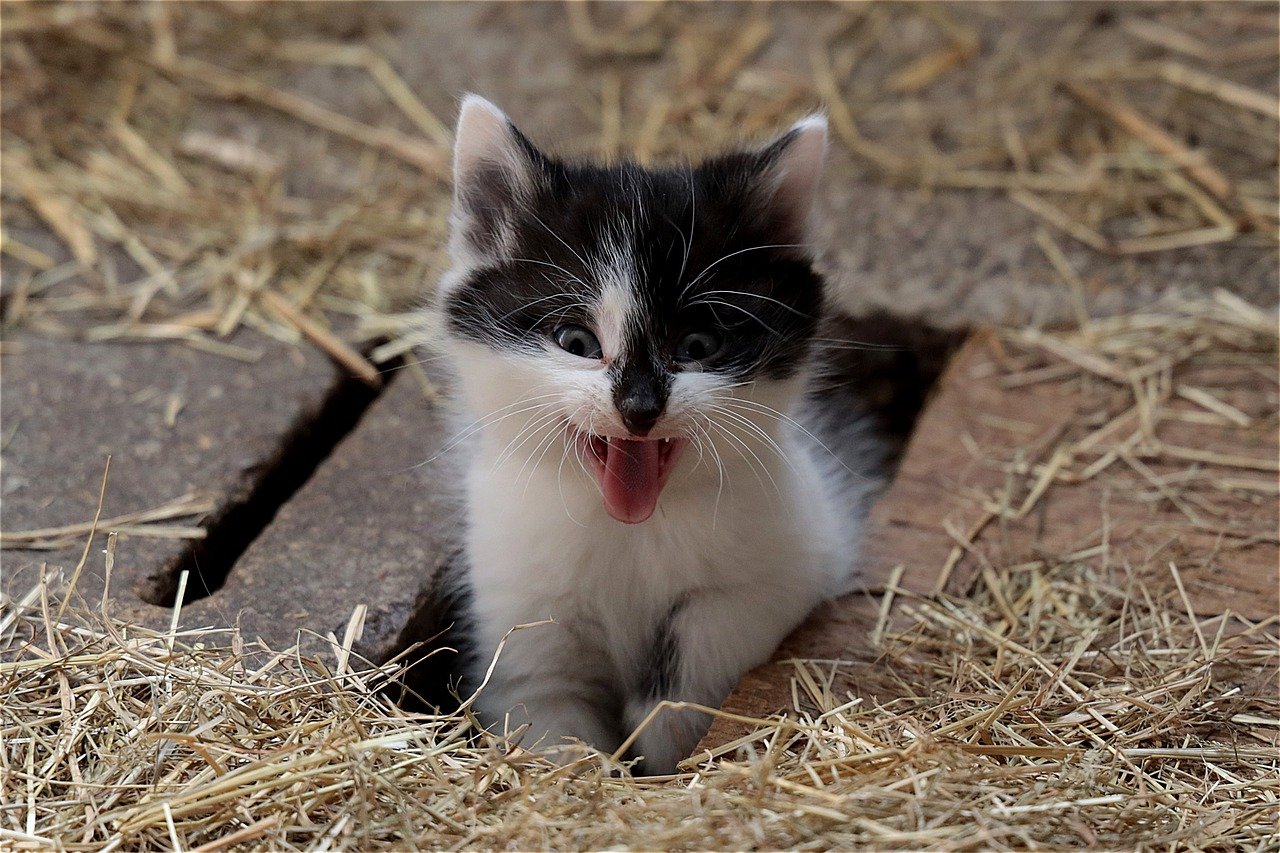
Body language is key to reading a cat’s feelings. When a cat flattens their ears against their head or puffs up their fur, it’s a defensive posture. These signals mean they’re nervous or frightened. Unlike a happy, upright tail or relaxed face, this body language is a warning: “I’m not okay right now.” Recognizing these signs helps you know when to give your cat space and reassurance.
They Become Destructive
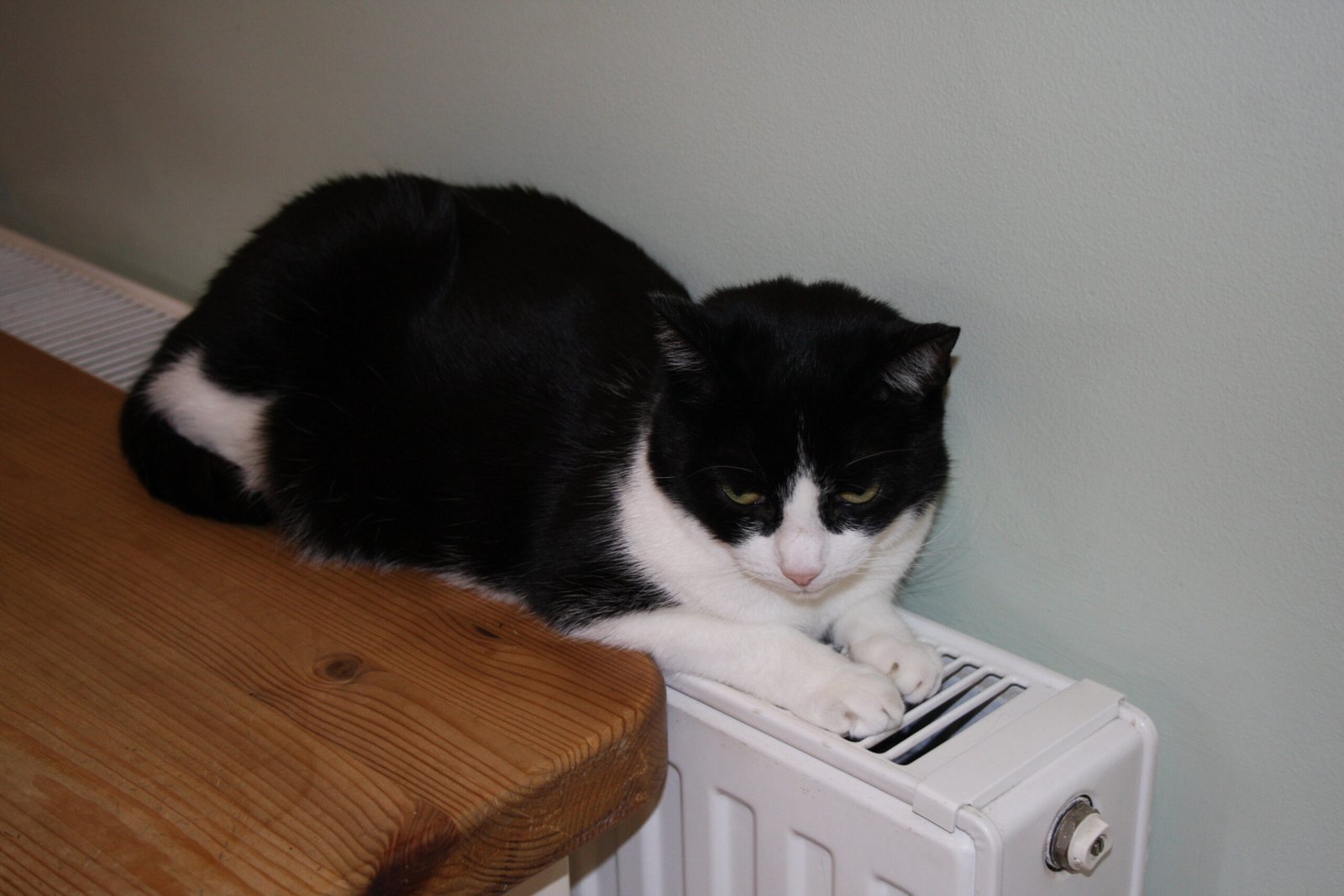
Scratching furniture, knocking things over, and other sudden destructive acts often signal a stressed cat. When cats feel unsettled, they might take out their anxiety on their surroundings. This isn’t about being spiteful—it’s about expressing frustration or fear. Providing more playtime, scratching posts, or safe spaces can help channel their energy in healthier ways.
They Vocalize Excessively
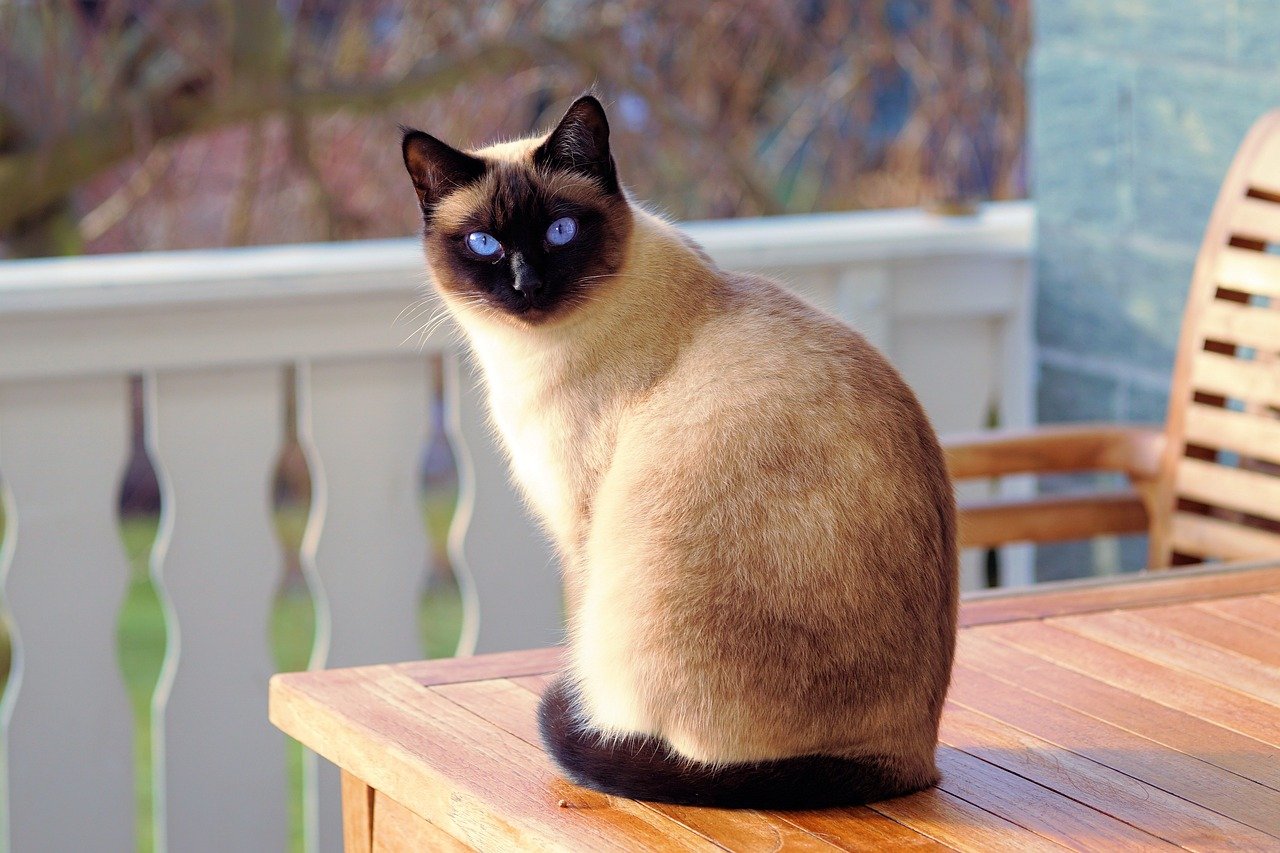
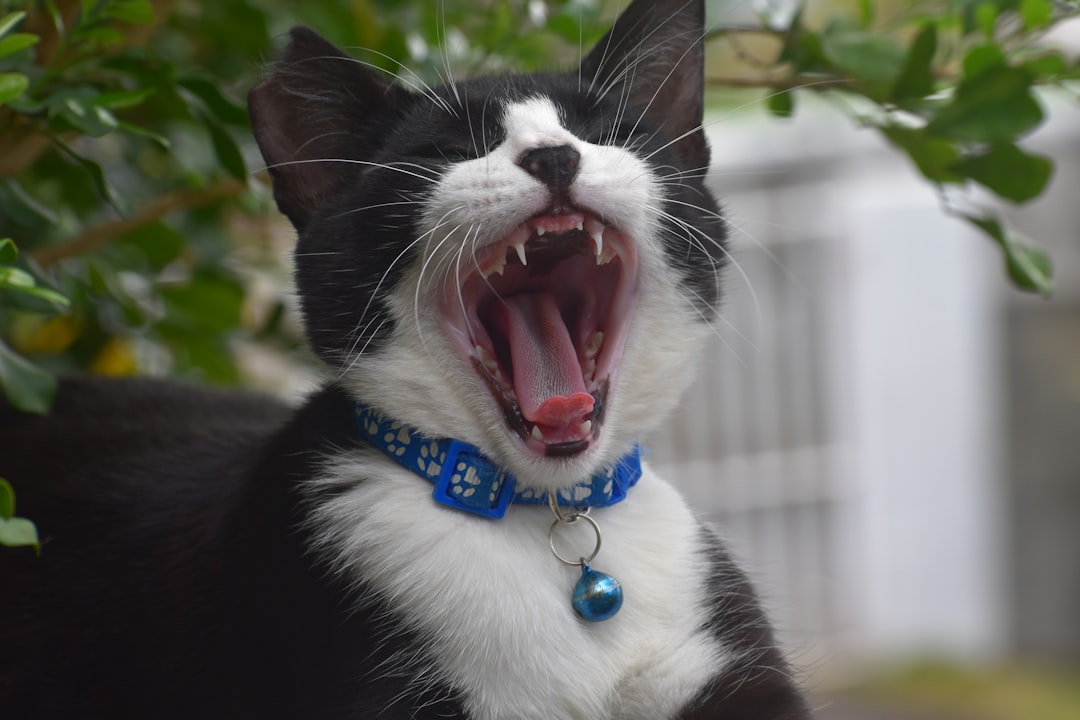
While some cats are naturally chatty, a sudden increase in loud, plaintive meowing can mean something’s off. Stressed cats might cry for attention, comfort, or simply to express their distress. If your cat’s vocalizations suddenly spike, listen closely—this could be their way of asking for help or signaling that something in their world needs to change.
They Avoid Social Contact
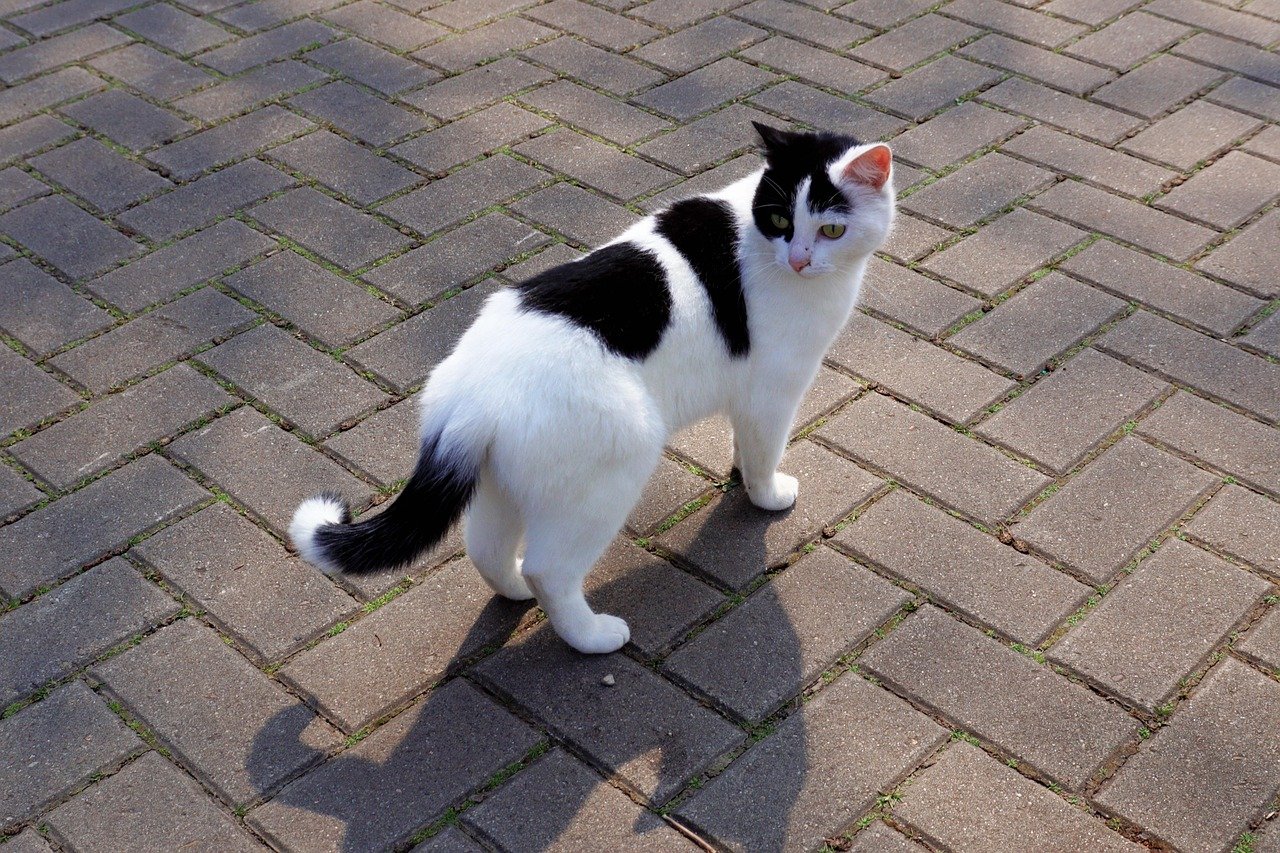
If your once-social cat starts avoiding you or other family members, stress could be the culprit. Withdrawal is a classic sign of feline anxiety. Your cat might stop greeting you, hide when guests arrive, or refuse to play. This change in behavior is your cue to look for possible stressors and gently work to rebuild their confidence.
They Show Sudden Aggression or Fearfulness
A cat that suddenly starts biting, scratching, or running away at the slightest touch may be experiencing stress. Sudden shifts from friendly to fearful, or calm to aggressive, are cries for help. Changes in their environment, new pets, or even loud noises can tip the balance. Watching for these patterns can help you support your cat during tough times.
They Tremble or Shake
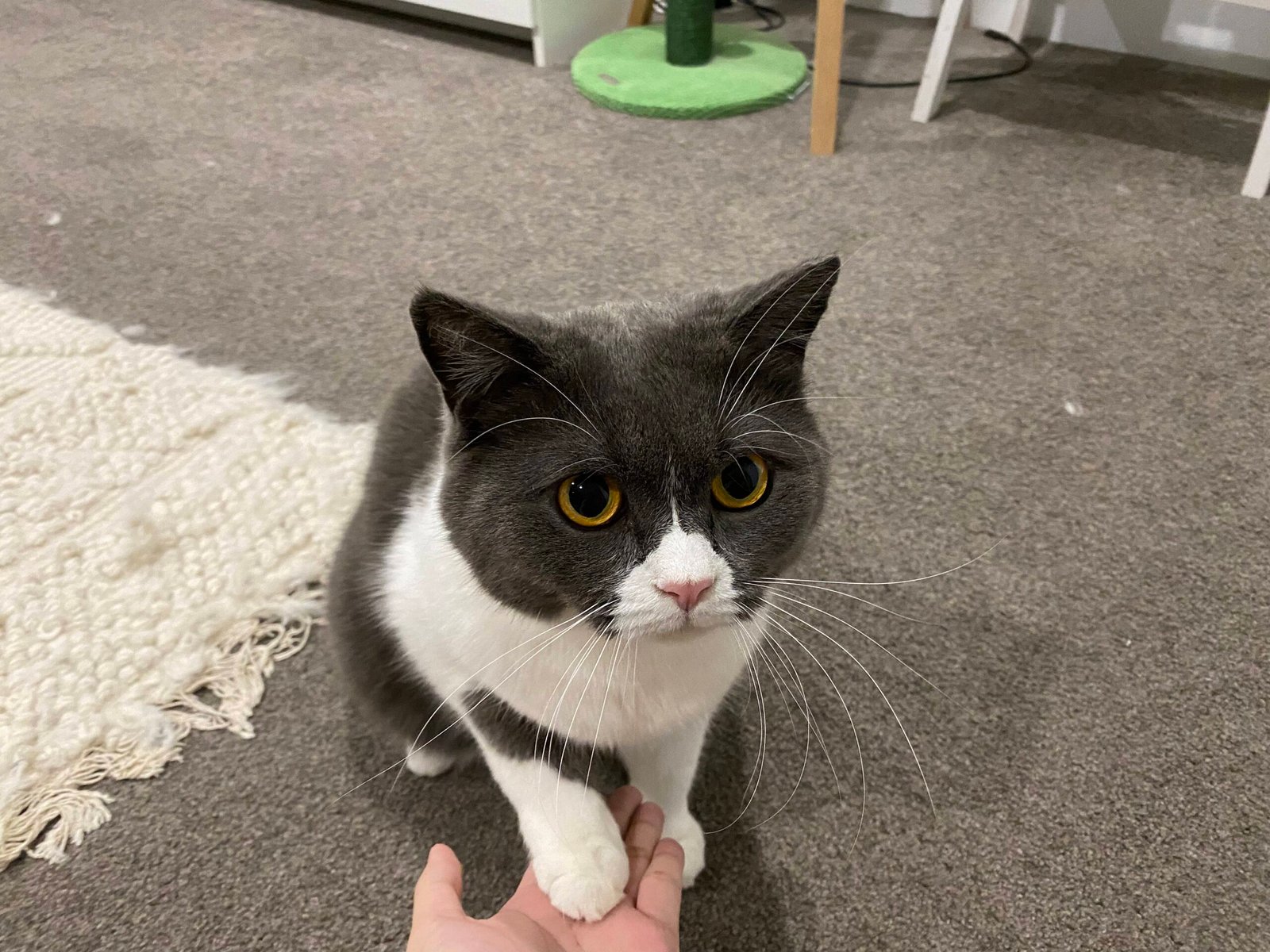
Trembling or shaking is one of the more dramatic signs of a stressed cat. Unlike a dog’s happy tail wag, a cat that trembles is in distress. This can happen during thunderstorms, vet visits, or after a traumatic event. If your cat shakes, remain calm and provide a quiet, safe space for them to recover. Never punish or scold—reassurance and patience are key.
What would you have guessed—did you spot any of these signs in your own cat?


