
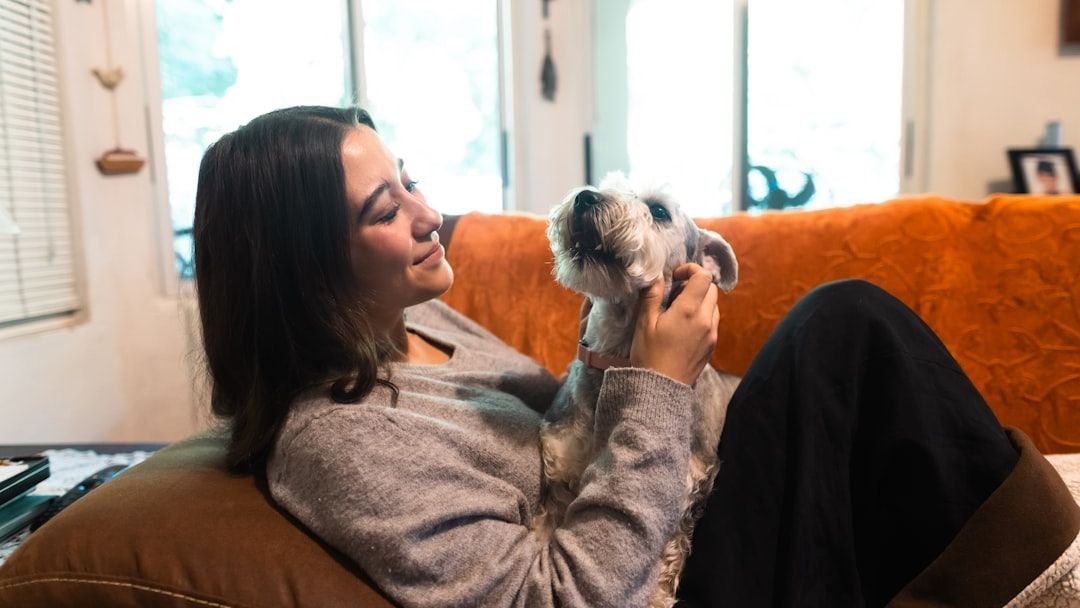
You’ve probably wondered if your dog truly feels safe in your presence. Sure, they wag their tail when you come home, maybe curl up next to you on the couch. That seems good, right? Maybe it is, maybe it isn’t. The truth is, dogs speak a language we’re only beginning to fully understand, and honestly, it’s a lot more nuanced than most people realize. Some signals are obvious, others so subtle you’d miss them if you blinked.
Let me tell you something, though. When a dog genuinely trusts you, when they feel completely safe, it’s not just about that tail wagging. It’s in the way they breathe around you, how they position their body, where they choose to sleep. It’s in the tiny, almost imperceptible moments that happen throughout the day. So let’s dive in and explore what your furry companion is really telling you about how they feel.
They Show You Their Belly
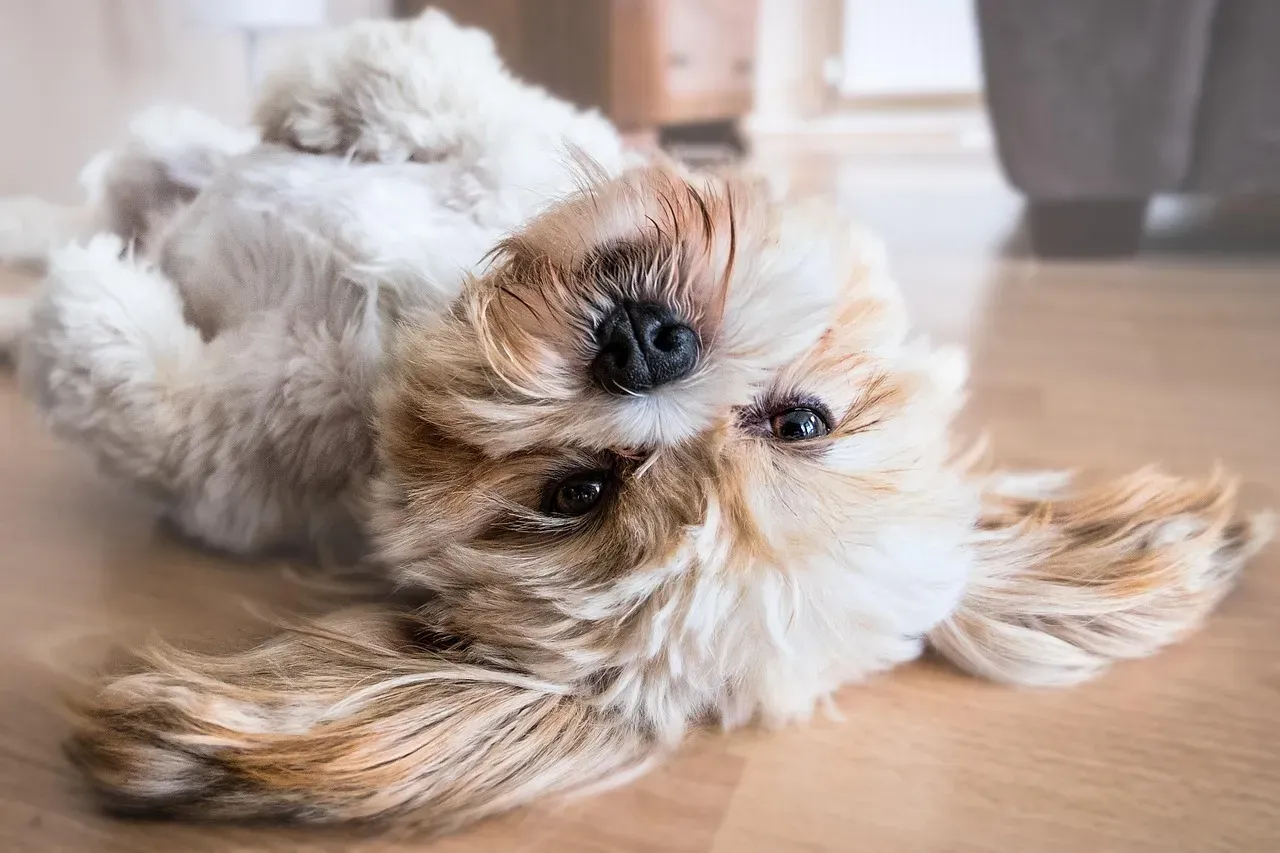
When your dog willingly shows their belly or sleeps in vulnerable positions near you, it demonstrates they feel entirely safe in your presence, as dogs would never expose their vulnerable areas to someone they don’t trust completely. Think about it from their perspective for a second. In the wild, showing your belly means leaving yourself defenseless. It’s the ultimate act of vulnerability.
Happy dogs may also flop onto their backs and expose their bellies, a vulnerable position that shows trust. Here’s the thing, though. Not every belly exposure means the same thing. Context matters hugely. When a dog feels threatened, one way they can show that is by rolling onto their back and showing their belly, and fearful dogs will likely display other red-flag body language, such as freezing, tail tucking or avoiding eye contact. Pay attention to their whole body, not just that exposed tummy.
They Sleep Near You or In Vulnerable Positions

To dogs, sleeping in a pack signals safety, and curling up next to you shows you’re part of their pack, as when your dog curls up next to you or even at your feet, it’s a sign of trust and attachment, and a bonded dog may even use your scent, breathing, and heartbeat to feel calm and regulate their nervous system. I find this one particularly moving, actually. Your dog literally uses you as a living comfort blanket.
Sleeping on their side or back with their belly exposed demonstrates deep relaxation and complete trust in their environment and owner. Where and how your dog sleeps tells you everything you need to know about their stress levels. A dog curled tightly in a ball might be anxious, while one sprawled out like they own the place? That’s trust right there.
They Make Soft Eye Contact With You
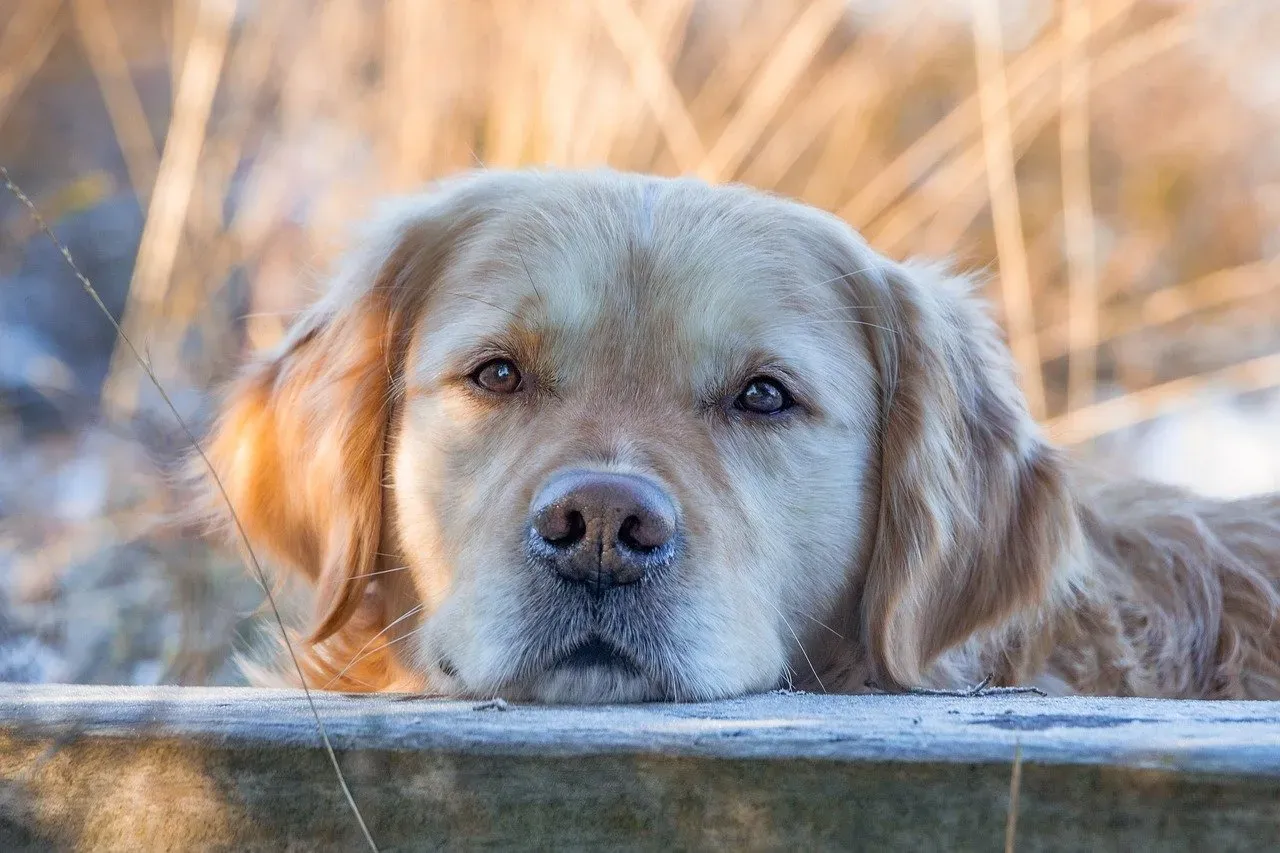
Research from Japanese scientists has revealed that sustained eye contact between dogs and their trusted humans triggers the release of oxytocin in both parties. This is wild when you think about it. The same bonding hormone that connects mothers to babies also connects you to your dog. That’s not an accident of evolution.
Soft eyes have relaxed lids and can sometimes look like the dog is squinting, and they indicate the dog is calm or happy. It’s completely different from a hard stare, which signals aggression or discomfort. When your dog looks at you with those gentle, slightly squinty eyes, they’re basically telling you they love you in dog language.
Their Body Language Is Loose and Relaxed
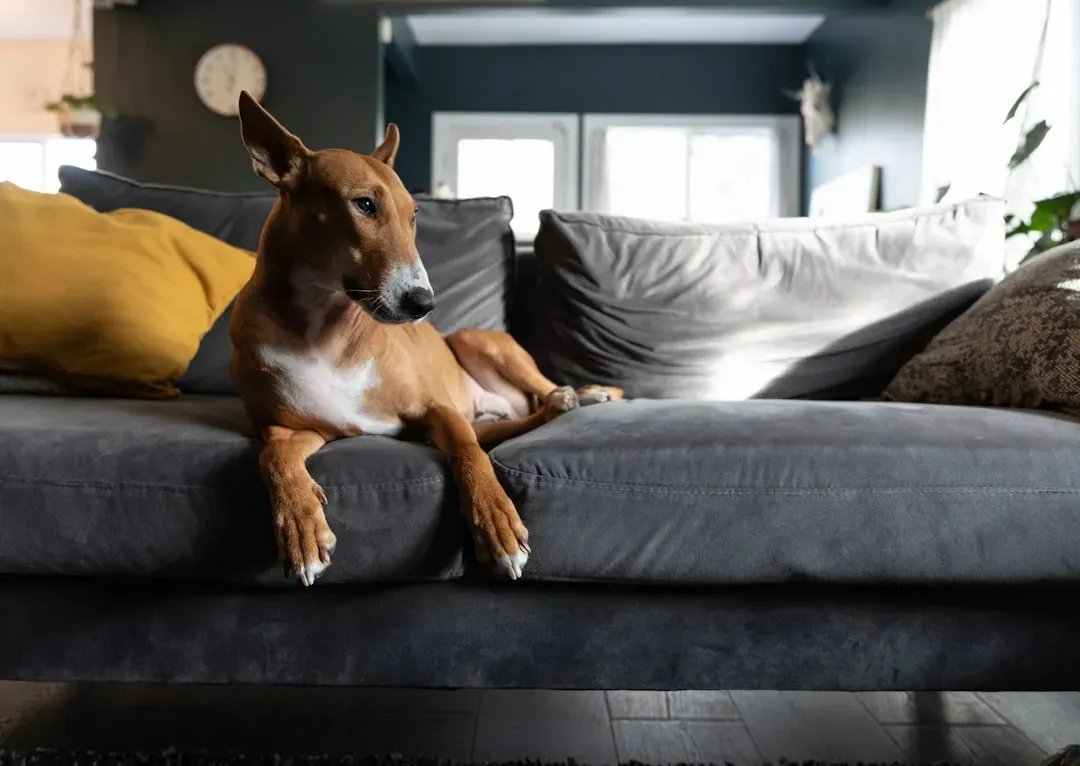
Relaxed dogs hold their tails in a neutral position. The whole body tells the story, though. The tail at neutral spine level means the dog is relaxed and comfortable, the baseline state for a dog that feels safe in its environment.
Watch for fluid movements, a soft mouth maybe slightly open, ears in their natural resting position. Relaxed, floppy ears that rest naturally against your dog’s head are a clear sign of happiness and comfort, and sometimes you might notice one ear cocked up while the other remains relaxed, indicating your dog feels secure enough to let their guard down while staying mildly alert to their surroundings. It’s honestly beautiful when you start noticing these details. Your dog isn’t just existing around you, they’re genuinely at peace.
They Seek Physical Contact With You
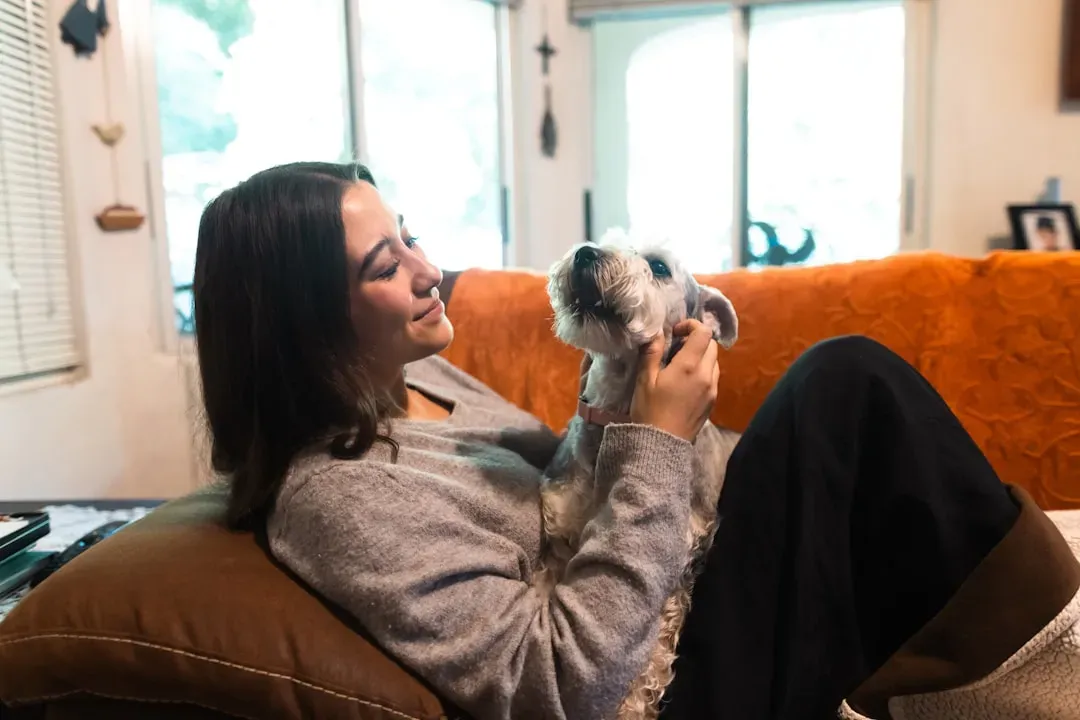
Dogs that feel safe actively want to be near you. Dogs that feel safe and attached to their owners often display this behavior of comfort in your presence. It might be leaning against your leg while you’re cooking dinner, resting a paw on your foot, or just choosing to be in whatever room you’re in.
One of the clearest signs your dog is happy and comfortable at home is their desire for physical closeness, as dogs that feel secure actively seek out their owner’s company, whether by following them around the house or lying nearby. Some people call this being clingy, but I think it’s more like being chosen. Your dog has options of where to be, and they consistently choose you.
They Eat Normally Around You

Your dog’s eating habits serve as a reliable barometer of their comfort level, as a relaxed dog maintains healthy eating patterns, eagerly approaching their food bowl during meal times, eating at a steady pace without rushing or showing signs of anxiety. This is actually a bigger deal than it sounds.
A stressed or fearful dog might refuse food altogether, or wolf it down so fast they’re practically inhaling it. When your dog eats calmly in your presence, maybe even looks up at you mid-meal with those contented eyes, that’s safety. That’s trust that their resources won’t be threatened.
They Bring You Their Toys
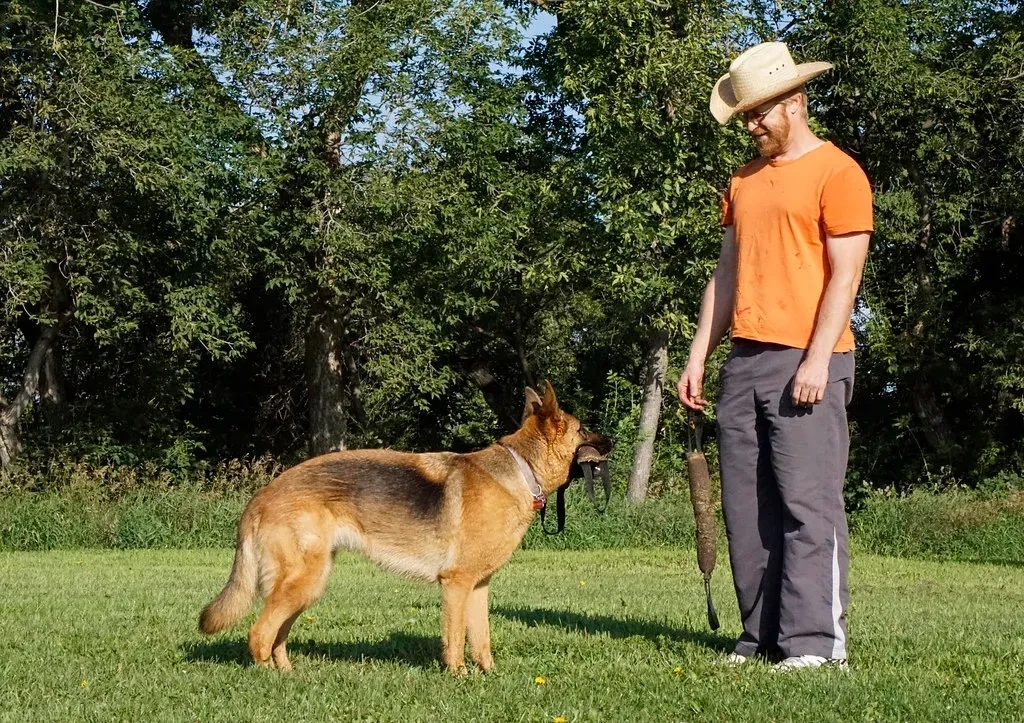
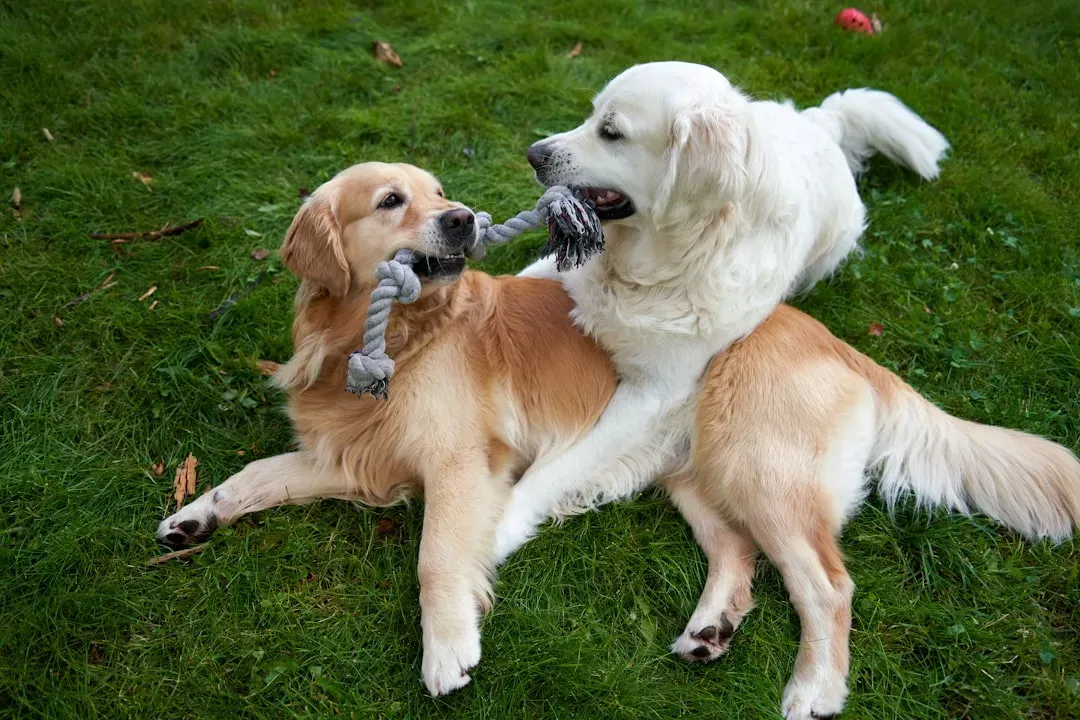
When your dog drops their favorite squeaky toy at your feet, they’re doing more than asking for playtime. Dogs that feel safe and happy are typically eager to play and interact with their humans or other pets, and when they bring you their favorite toy or nudge your hand for attention, they’re inviting you to share in their happiness. It’s an invitation into their world.
Think about it. They’re trusting you with something they value. They want to engage with you, to share joy. Play is how dogs express happiness and build bonds. If your dog regularly initiates play with you, consider yourself lucky. You’ve earned their trust.
They Look To You In Uncertain Situations
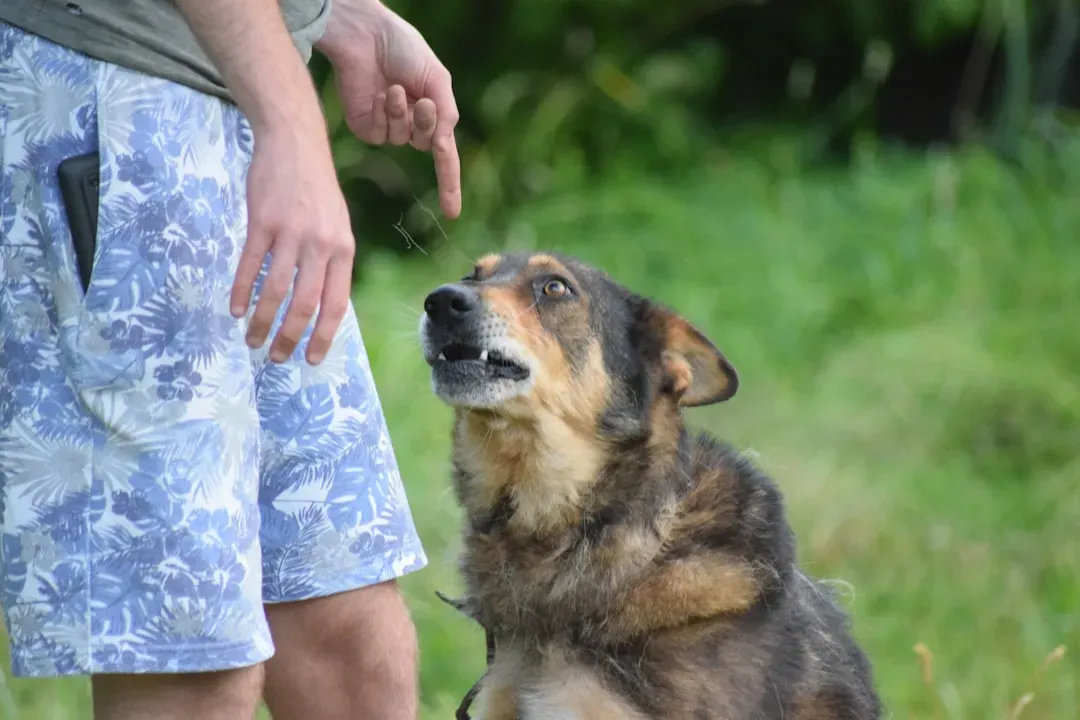
In new or potentially stressful situations, a trusting dog will look to their owner for cues about how to react, and this social referencing behavior shows they value your judgment and rely on you for safety signals. This one gets me every time. Your dog basically sees you as their emotional compass.
Studies showed that dogs that have a strong bond with their owners behave similarly to the bond human children have with their parents, as they look to their owners when they’re uncertain, are more likely to explore new places with their owners as opposed to going alone or with a stranger, and even copy their owners’ emotions to a degree, showing anxiety when the owners are anxious or being calm when the owners are calm. You’re not just their person, you’re their guide through a confusing world.
They’re Calm When You Leave and Happy When You Return
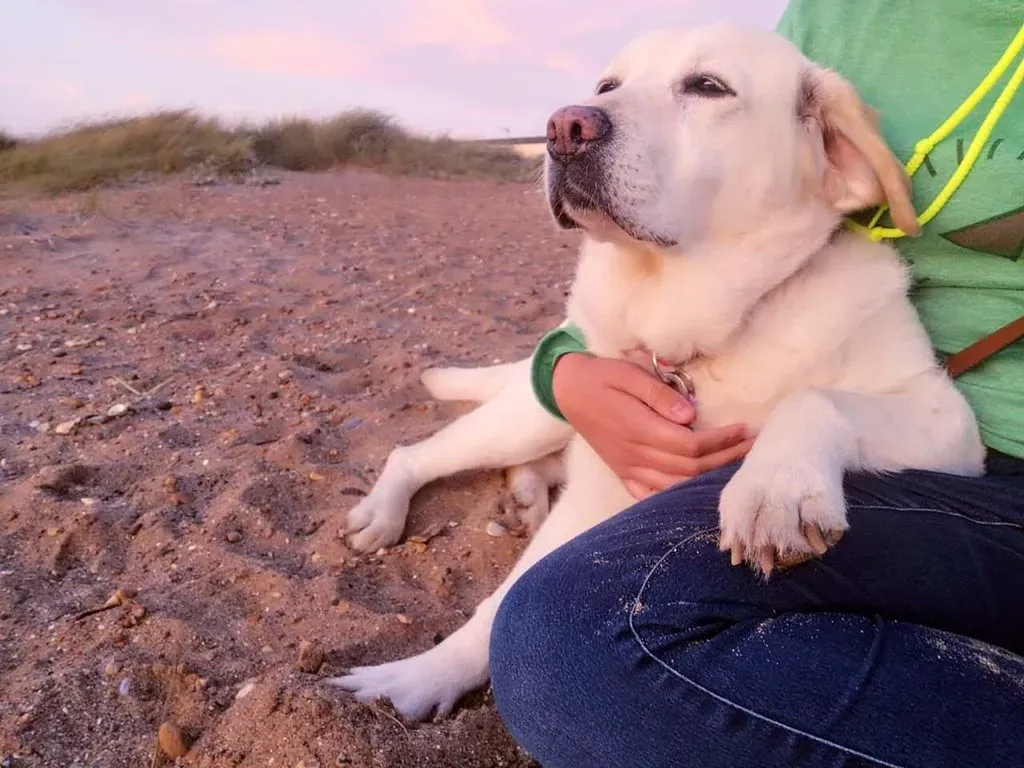
A dog that feels truly secure won’t completely fall apart when you leave. Sure, they’ll be happy to see you return, but there’s a difference between joyful greeting and desperate anxiety. Your presence provides security, and when you step closer, it can lower your dog’s stress levels and reduce vigilance and defensive behaviors.
Separation anxiety is real, but a well-adjusted dog who trusts that you’ll return can handle your absence. They might settle into their safe space, take a nap, chew a toy. They trust the routine you’ve established together.
They Display Contentment Sounds

When dogs are truly relaxed, they may emit content sighs or soft groans, and these sounds often occur when they settle down in a comfortable position, signalling that they are at ease and comfortable. These little vocalizations are pure gold. Have you heard them? That deep, satisfied sigh when they finally settle into their bed?
It’s not dramatic or loud. It’s subtle, like a release of tension they didn’t even know they were holding. Sometimes you’ll hear a little groan as they stretch out. These sounds are your dog basically saying they’re exactly where they want to be.
Conclusion
Reading your dog’s signals isn’t just about understanding their behavior, it’s about deepening the bond you share. If you learn what your dog is saying, you will develop a deeper bond of trust and respect, and your newfound understanding of your dog’s emotional state can help you predict their behavior and prevent problems before they arise.
Every dog is unique, with their own personality and way of expressing trust. Some are more demonstrative, others more reserved. The beautiful thing is that once you start paying attention, really paying attention, you’ll notice these signs everywhere. Your dog has been telling you all along how they feel.
So what do you think? Have you noticed these signs in your own furry friend? The trust between you and your dog is something special, something earned through countless small moments of care, consistency, and love. Cherish it.


