

Ever notice how your dog seems to appear at your side just when you need them most? It’s not just coincidence. While we’ve always known dogs are amazing companions, recent scientific discoveries reveal something truly remarkable: your furry friend is reading your emotional landscape with the precision of a well-tuned instrument. Dogs possess sophisticated emotional intelligence that allows them to pick up on subtle changes in your mood, body language, and even your scent. This deep emotional connection explains why dogs have earned their place not just as pets, but as therapy animals, service dogs, and beloved family members who seem to understand us better than we understand ourselves.
Understanding these emotional bonds isn’t just fascinating from a scientific perspective – it can transform your relationship with your dog and help you appreciate the incredible creature sharing your home. Let’s explore the surprising ways your dog is tuning into your emotional world.
They Mirror Your Facial Expressions

Research shows that dogs can recognize both human and dog faces with different emotional valences, looking significantly longer at faces whose expressions matched the emotional tone of accompanying vocalizations. Your dog isn’t just watching your face casually – they’re actively reading the micro-expressions that cross your features throughout the day.
When you smile, you might notice your dog’s mouth opening slightly in what looks remarkably like their own version of a grin. Studies have documented that when dogs are shown pictures of people and other dogs along with matching vocalizations depicting happiness or anger, they spend longer examining pictures where the auditory cue matched the visual image. This shows they’re not just recognizing emotions – they’re processing them in a sophisticated way that mirrors human emotional recognition.
Your Stress Literally Changes How They Behave

When exposed to human fear scents, dogs exhibited more stressful behaviors and higher heart rates than they did in the presence of “happy” odors. Your stress doesn’t just affect you – it creates a ripple effect that your dog experiences physically. They’re not just observing your emotional state; they’re absorbing it.
Research has found that dogs behaved differently depending on their owner’s emotional state: they gazed and jumped less at owners when they were sad, and their compliance with the ‘sit’ command was also diminished. Think about it – your dog is so attuned to your feelings that even their ability to follow basic commands changes based on how you’re feeling.
They Approach You Differently When You’re Crying
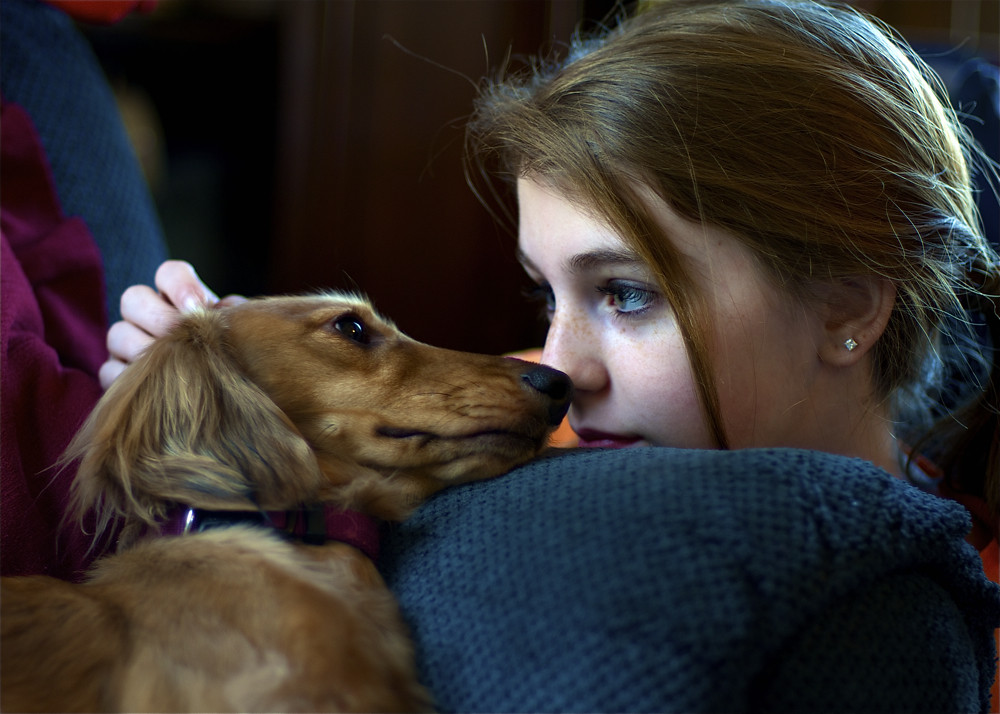
In studies, 15 out of 18 dogs approached their owner or an investigator when they “cried” as opposed to only 6 when they hummed, indicating that dogs emotionally connected with the humans. This isn’t random behavior – your dog recognizes distress and responds with what appears to be genuine concern.
When researchers tested how dogs reacted to their owner or a stranger pretending to laugh or cry, dogs bestowed more attention on the person who appeared to be crying, both through visual or physical contact. When the stranger cried, dogs showed higher stress responses. Your dog’s comforting behavior isn’t just learned – it’s an emotional response to your pain.
Their Body Language Shifts With Your Mood

Dogs can pick up on even the subtlest of changes in our posture, facial expressions, and movements. A furrowed brow or tensed muscles can signal to a dog that we are feeling anxious or upset. Watch your dog carefully when you’re having a rough day – their own posture often becomes more cautious or protective.
When you’re relaxed and happy, your dog’s body language tends to mirror that ease. Behavioral research has shown that dogs, like humans, are experts in perceiving facial expressions and bodily gestures such as hand signals. They’re constantly scanning your physical presence for emotional cues, adjusting their own behavior accordingly.
They Can Smell Your Emotions Before You Express Them
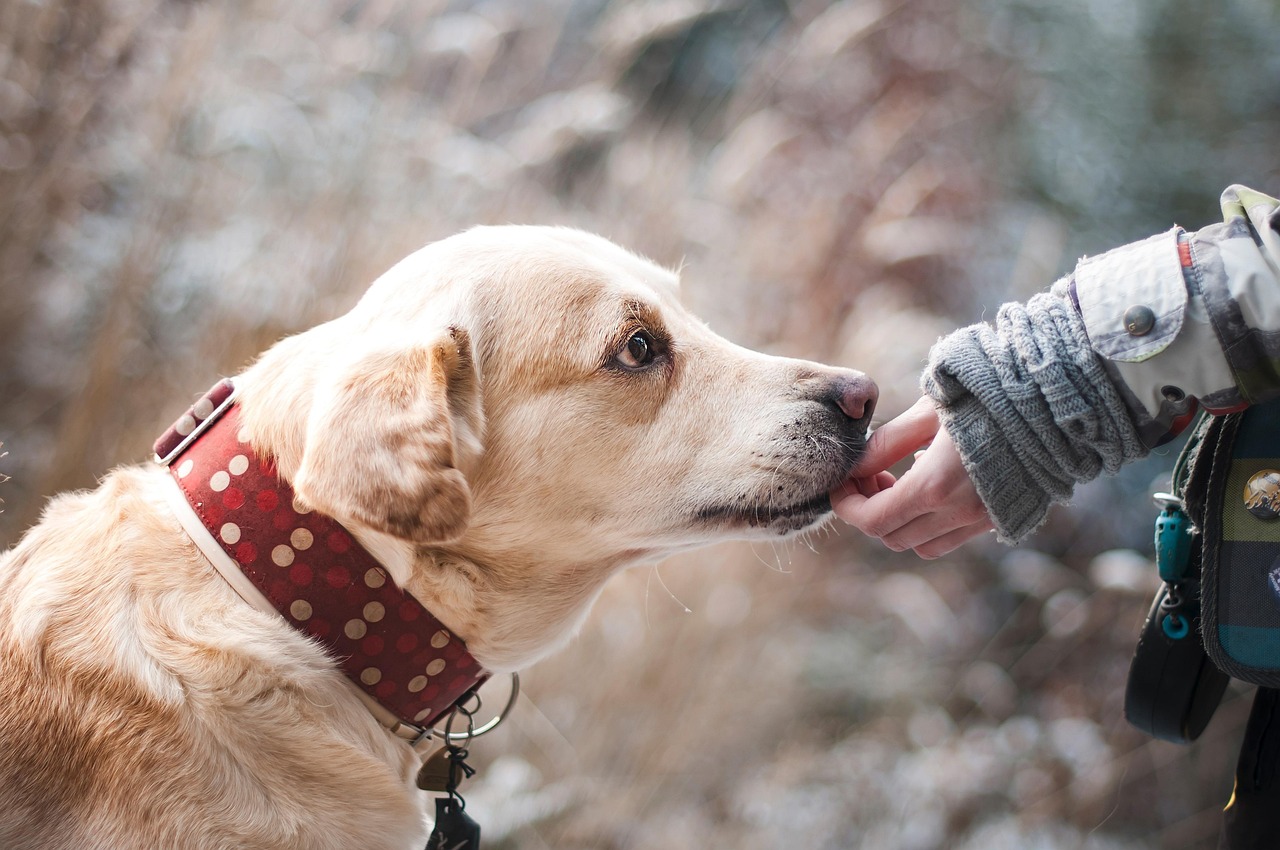
Dogs have a highly developed sense of smell and can pick up on changes in our body odor that may be associated with different emotions, such as fear or excitement. Your dog knows you’re stressed before you consciously realize it yourself. Their nose detects the chemical changes that accompany your emotional shifts.
One study examined dogs’ behavioral responses to a stranger after exposure to sweat samples – one collected from a happy human, the other from a frightened human. Dogs exhibited more social behaviors toward a neutral stranger after experiencing the “happy” sample and more avoidance after the “fear” sample. This means your emotional state is literally broadcasting through your scent.
They Show Different Responses to Happy Versus Sad Voices
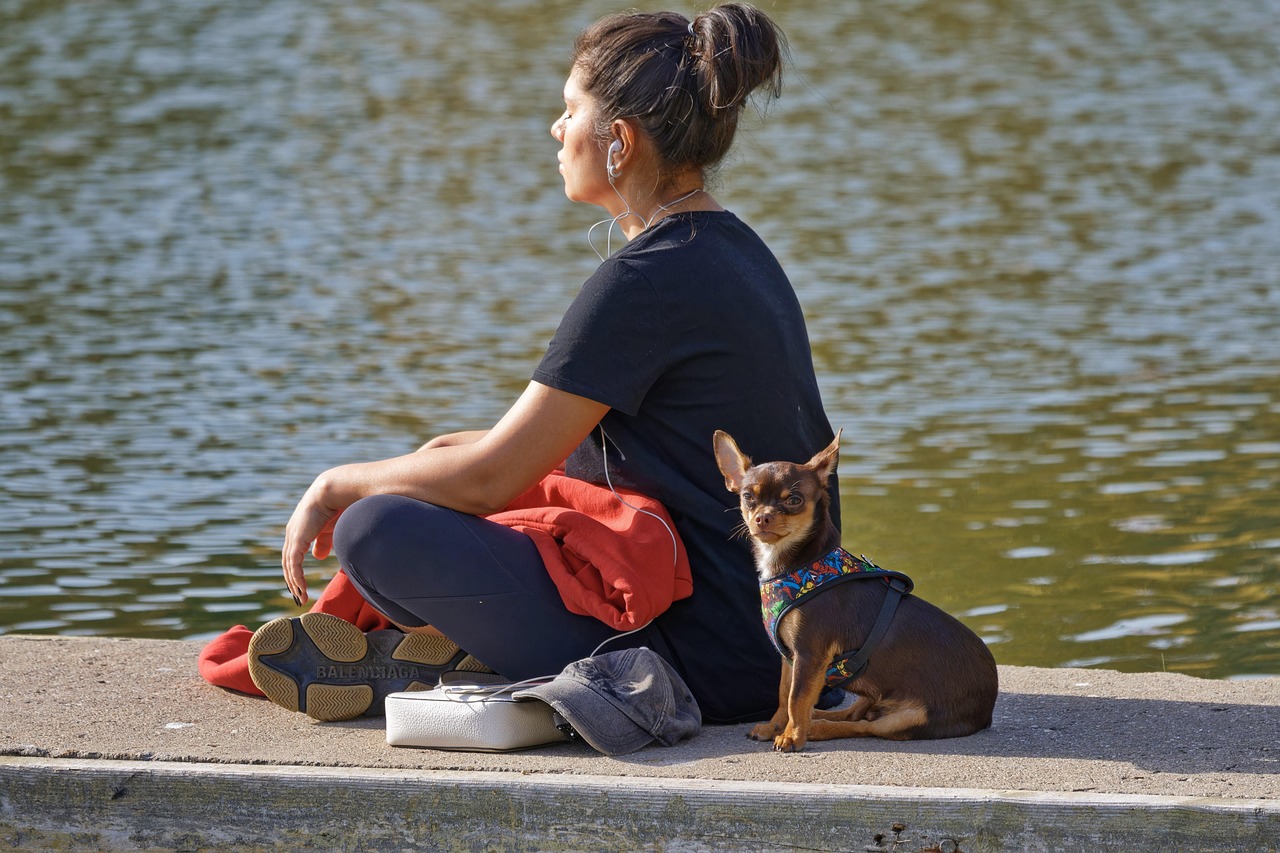
Dogs are highly sensitive to our tone of voice, and they can distinguish between different vocal cues to understand how we are feeling. It’s not just what you say – it’s how you say it. Your dog picks up on the subtle variations in pitch, speed, and inflection that reveal your emotional state.
Notice how your dog’s ears perk up differently when you speak in a cheerful tone versus when your voice carries worry or sadness. Research has shown that dogs can distinguish different emotions and react accordingly. When humans are happy, dogs tend to be more playful; when humans are upset, they become comforting. Your vocal emotions are like a direct communication channel to your dog’s heart.
They Position Themselves Strategically Based on Your Feelings
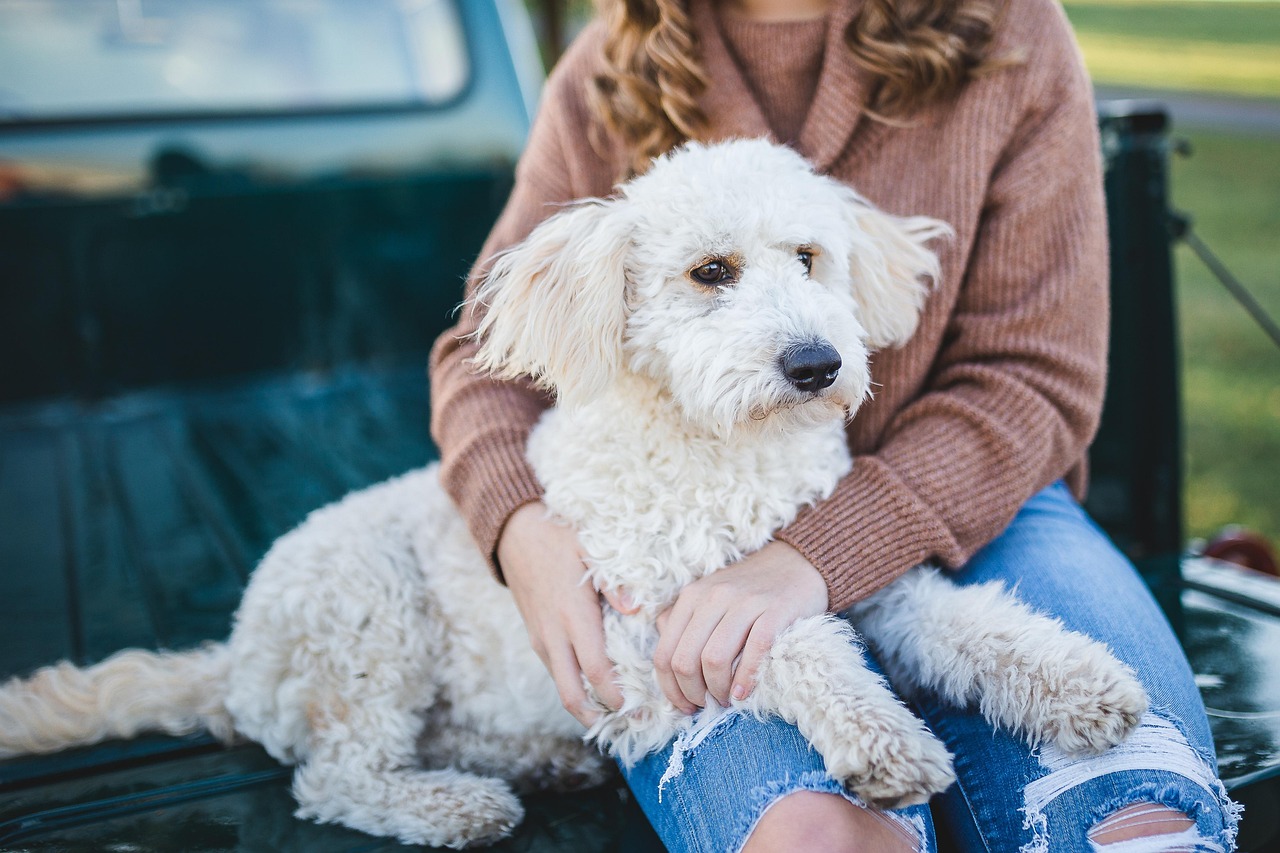
Ever notice how your dog seems to know exactly where to be when you need them? Dogs are capable of empathy, which means they can sense and respond to our emotional states in a way that is similar to humans. If we are feeling sad or upset, our dog may come over and cuddle with us to offer comfort. This isn’t accidental – it’s intentional emotional support.
When you’re happy and energetic, your dog positions themselves for play and interaction. When you’re feeling down, they often position themselves closer, sometimes even leaning against you or resting their head on your lap. Studies showed that dogs were trying to provide comfort, not seeking it. Approaching the stranger in distress showed actual empathy.
Their Eye Contact Changes With Your Emotional State

Research has found that people and their dogs experience the release of oxytocin while looking into each other’s eyes. Oxytocin release is stimulated by eye contact or social touch such as petting, and it works both ways – from dog to human and from human to dog; it’s like a feedback loop. Your dog’s gaze isn’t just looking – it’s connecting.
When you’re stressed or upset, many dogs will offer what appears to be concerned eye contact, sometimes approaching slowly and making gentle eye contact as if checking on your wellbeing. In order to have emotional contagion, dogs need to be able to recognize the emotions of their owner – that requires attention, which oxytocin facilitates. Their eyes are windows into their emotional intelligence.
They Physically React to Your Stress Hormones

When exposed to fear sweat samples, dogs’ heart rates went up and they sought comfort from their owners, ignoring strangers. When exposed to happy samples, dogs were more relaxed and less wary of strangers. Your dog’s body literally responds to the chemical signatures of your emotions.
This physical response goes beyond simple observation. Sadness, distress, anxiety, and anger are emotions which trigger physiological responses in us. This can change our speech patterns, movements, posture, and smell. Since a dog’s senses are so heightened, they can detect these signals and be able to understand what happens next. Your dog is experiencing your emotions on a physiological level.
They Remember and Anticipate Your Emotional Patterns
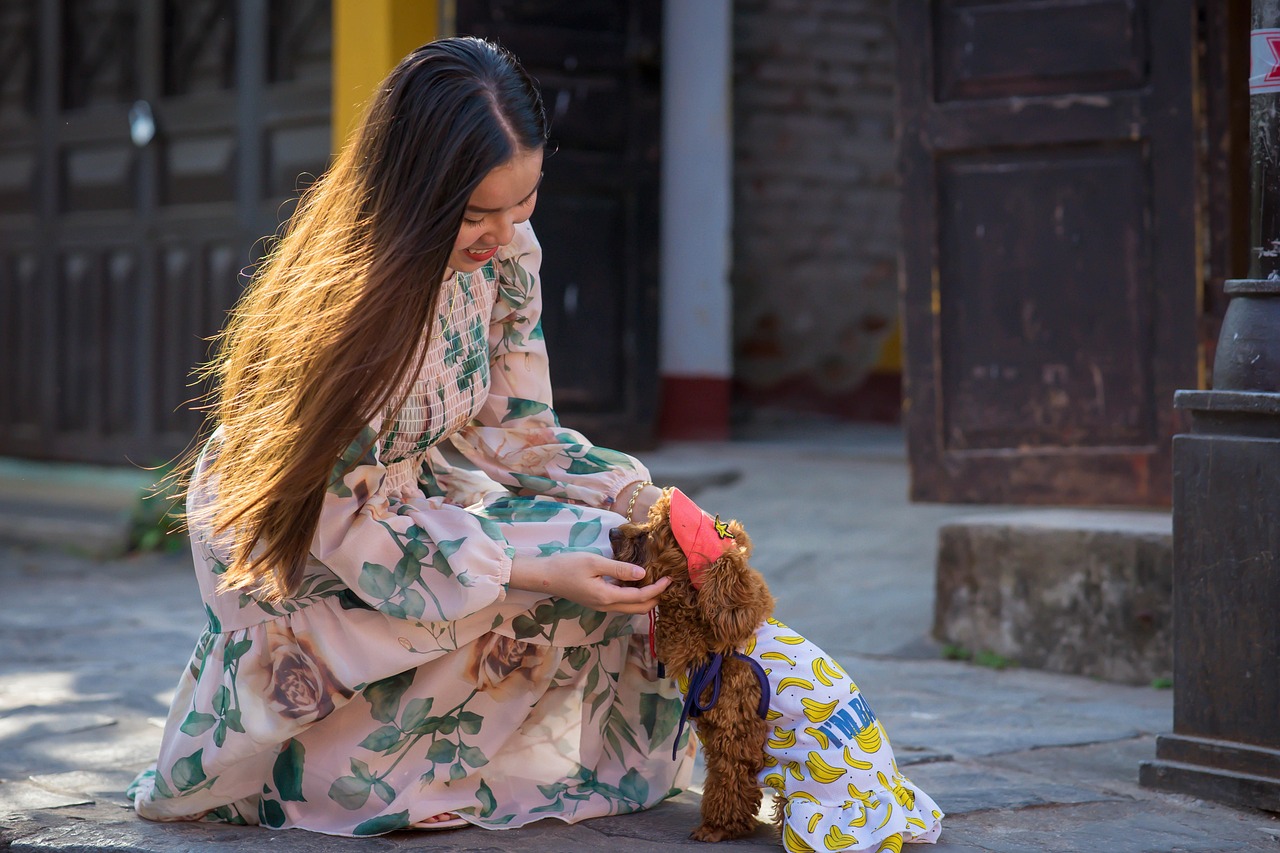
Dogs don’t just respond to your current emotional state – they remember your emotional patterns and anticipate your needs. If you come home smiling and open your arms to your pup, they know you’re happy. They prance around and lean in for petting. They may even grab a toy because when you display this behavior, play typically comes next. They’ve learned your emotional routine.
Your dog develops an emotional map of your daily life, understanding that certain times of day, certain situations, or certain triggers tend to affect your mood in predictable ways. If we are feeling anxious or stressed, our dog may pick up on our emotional cues and offer comfort and support. Similarly, if our dog is feeling anxious or fearful, we can use our body language and tone of voice to communicate reassurance. This creates a sophisticated emotional partnership.
Conclusion

The depth of your dog’s emotional intelligence is truly remarkable. It is believed that dogs are on the same emotional plane as human toddlers, yet in many ways their ability to read and respond to human emotions surpasses what we might expect even from young children. They’re not just pets sharing your space – they’re emotional companions navigating the world alongside you, feeling what you feel, responding to your needs, and offering comfort in ways that scientists are only beginning to understand.
This incredible emotional bond explains why dogs have been such successful partners to humans for thousands of years. They’re not just following commands or seeking treats – they’re genuinely invested in your emotional wellbeing. The next time your dog seems to appear at just the right moment or offers comfort during a difficult day, remember that they’re not just being a “good dog” – they’re being an emotionally intelligent companion who truly understands you.
What do you think about your dog’s emotional intelligence? Have you noticed these signs in your own furry companion? Tell us in the comments.


